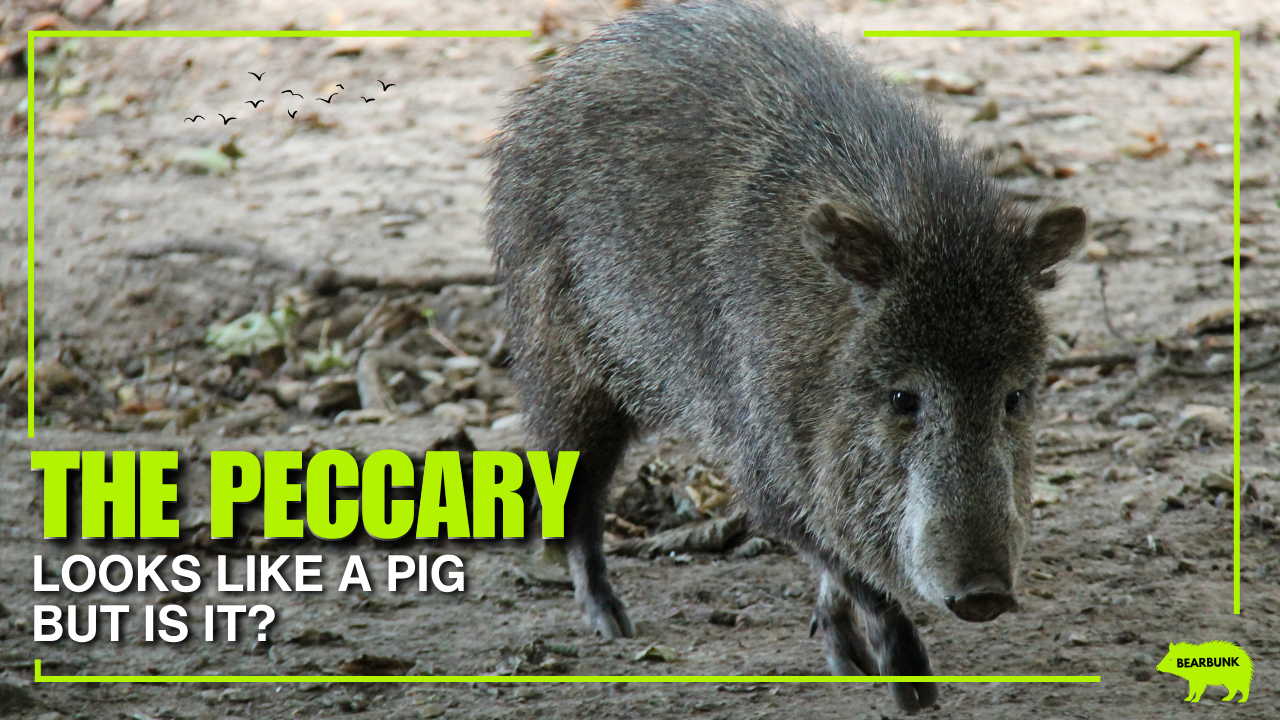
Meet the Peccary
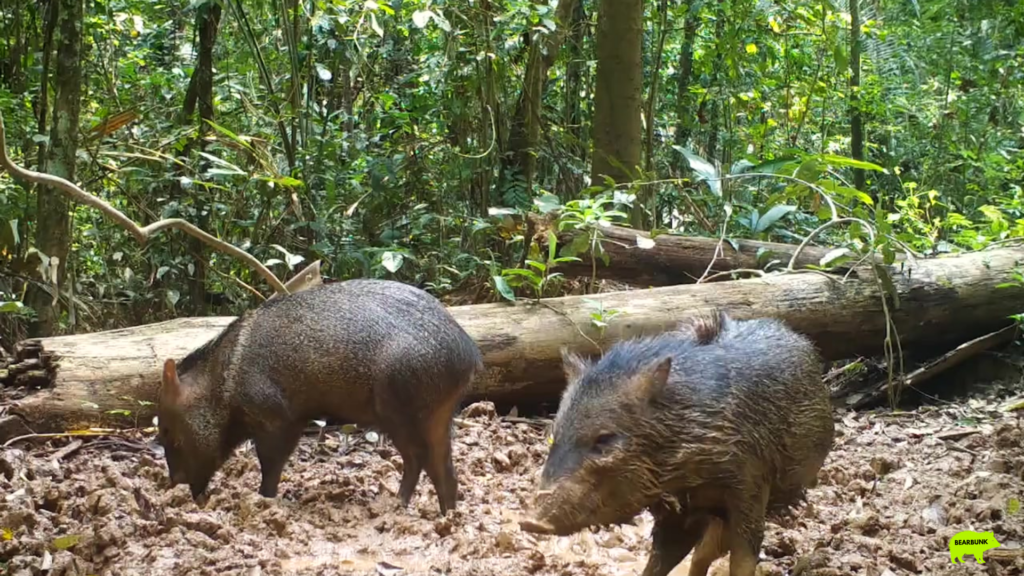
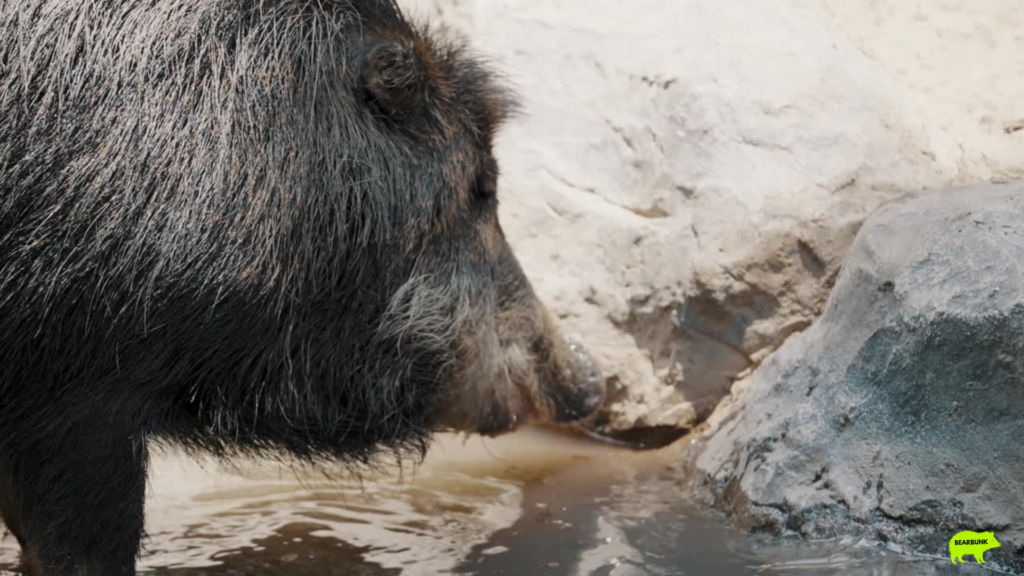
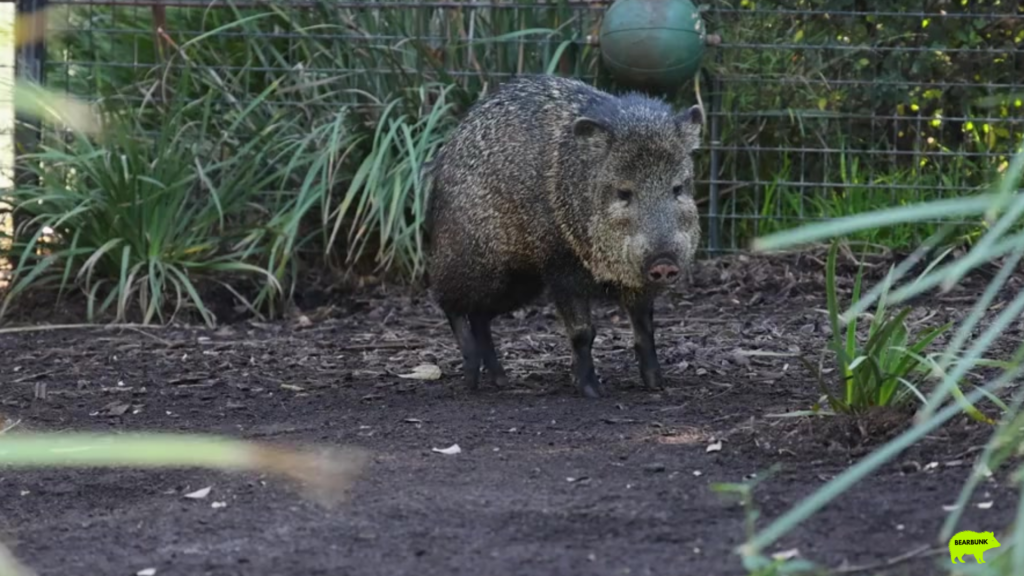
Peccaries are fascinating hoofed mammals that are often mistaken for pigs, but they actually belong to their own unique animal family. Found throughout North, Central, and South America, these social animals have adapted to life in deserts, grasslands, forests, and tropical rainforests.
Known for their strong family bonds, impressive adaptability, and unique communication methods, peccaries play an important role in many ecosystems across the Americas.
Species of Peccaries
Scientists recognize three living species of peccary, each with its own habitat range and characteristics.
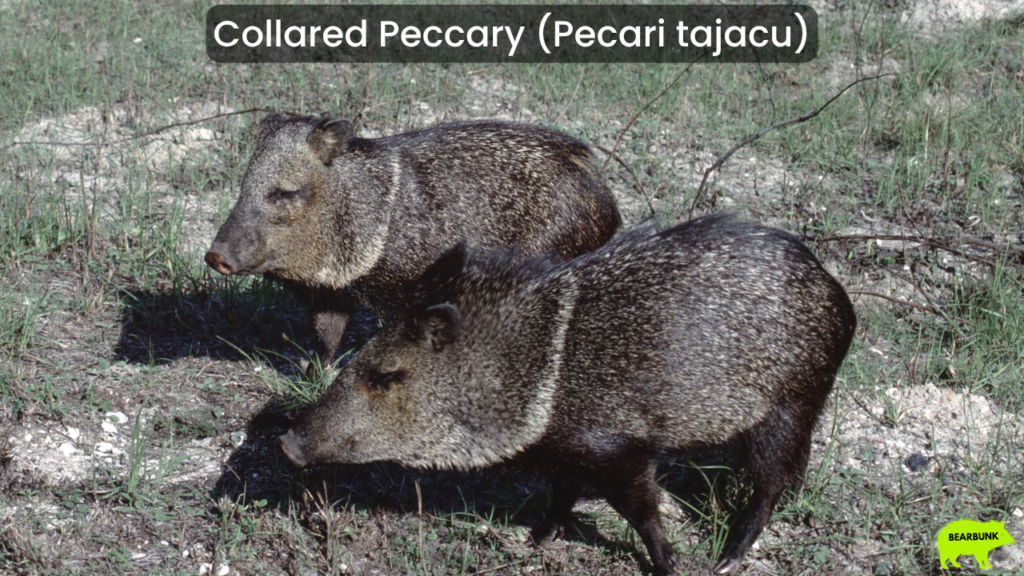
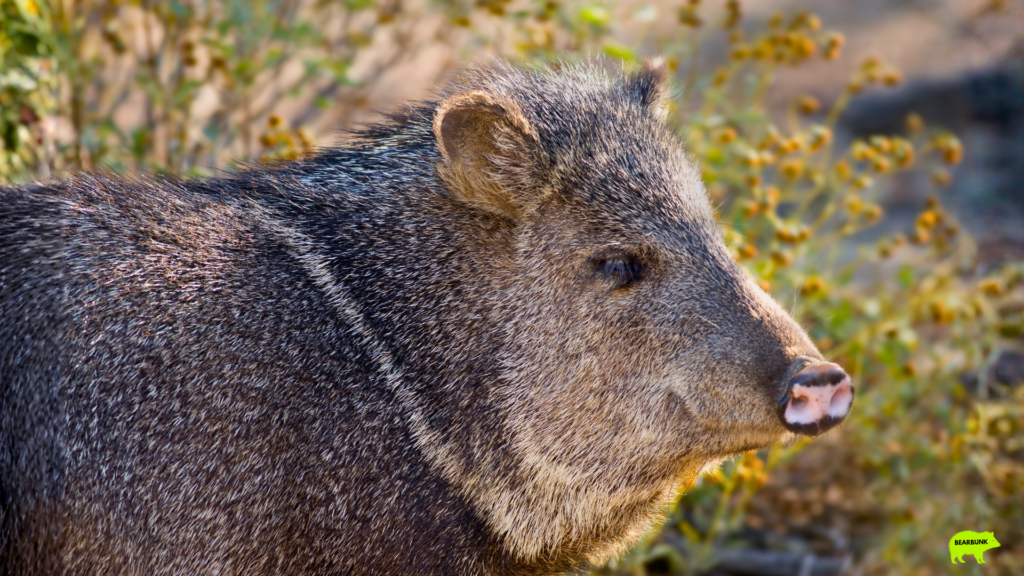
Collared Peccary (Pecari tajacu) – The most widespread species, recognized by the light-colored band of fur around its shoulders and neck.
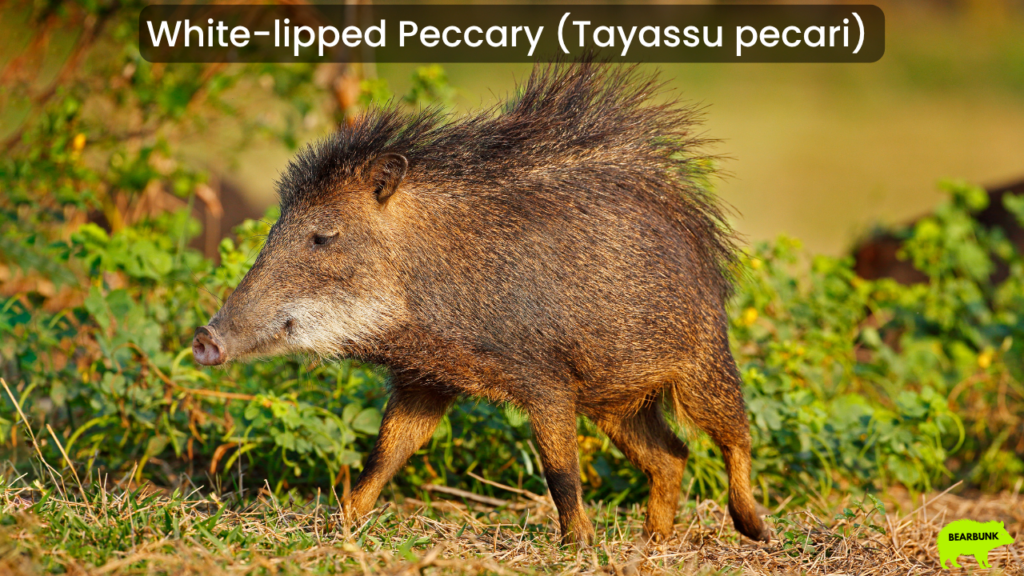
White-lipped Peccary (Tayassu pecari) – A larger species that often lives in bigger herds and is known for the pale fur around its mouth.
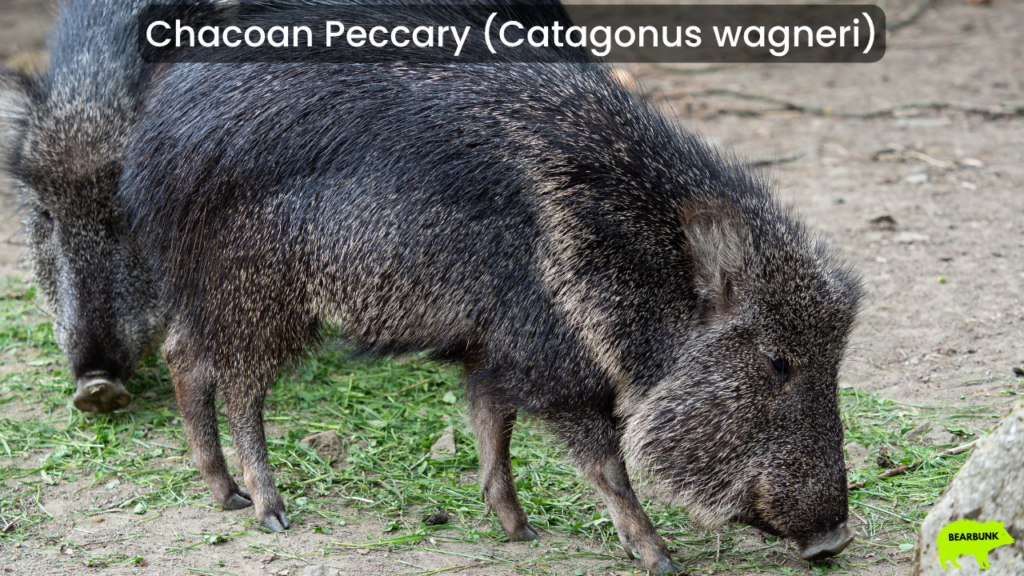
Chacoan Peccary (Catagonus wagneri) – A rare species once believed extinct until living populations were discovered in South America’s Gran Chaco region.
Habitat
Peccaries are highly adaptable animals that live in a wide variety of habitats. They can be found in deserts, grasslands, thorn forests, dry woodlands, and tropical rainforests throughout the Americas.
Their ability to adjust to different climates and food sources has helped them thrive in environments ranging from cactus-covered deserts to dense tropical forests.
Diet
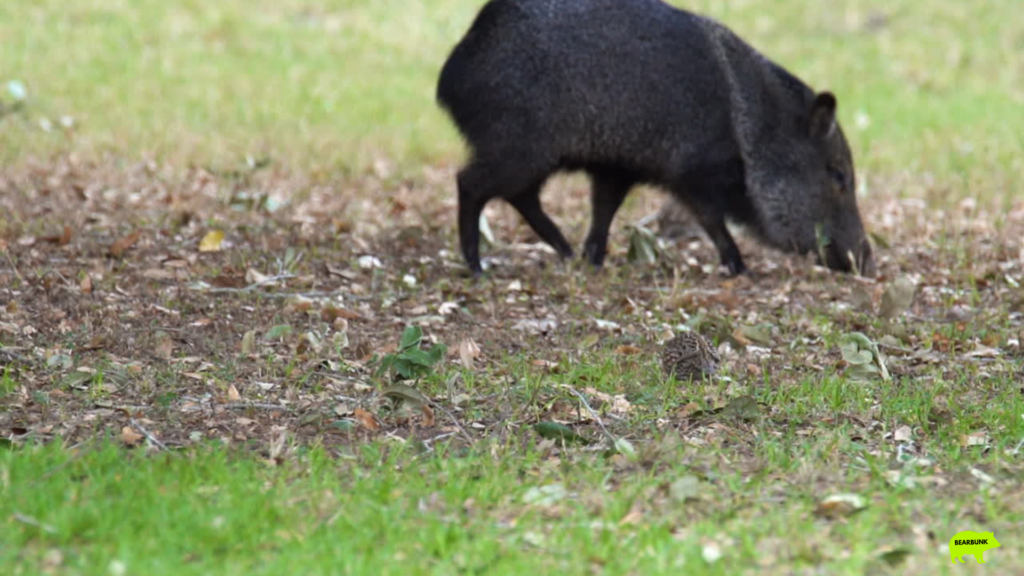
Peccaries are opportunistic feeders that eat a wide variety of plant material depending on what is available throughout the year.
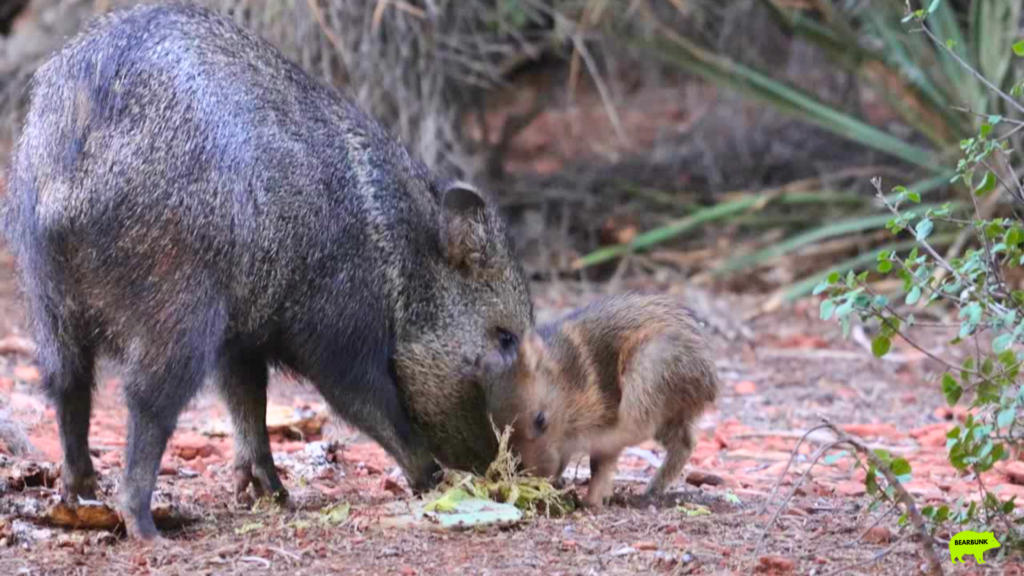
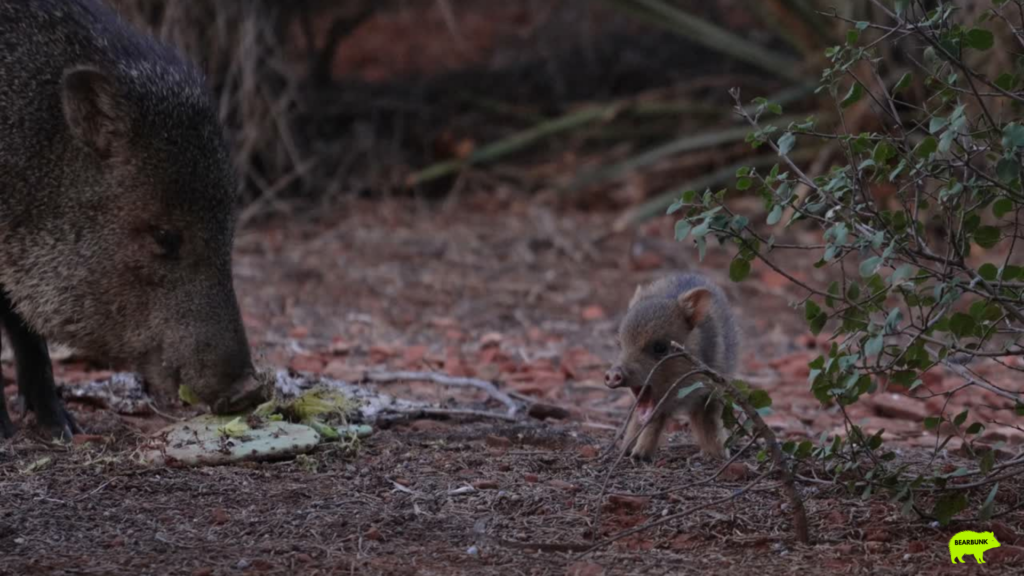
Their diet commonly includes fruits, seeds, roots, bulbs, nuts, leaves, grasses, and cactus pads. Collared peccaries are especially known for eating prickly pear cactus, which many other animals avoid.
A powerful sense of smell helps them locate food hidden beneath vegetation or soil.
Share On Social:
Mating, Babies & Family Life
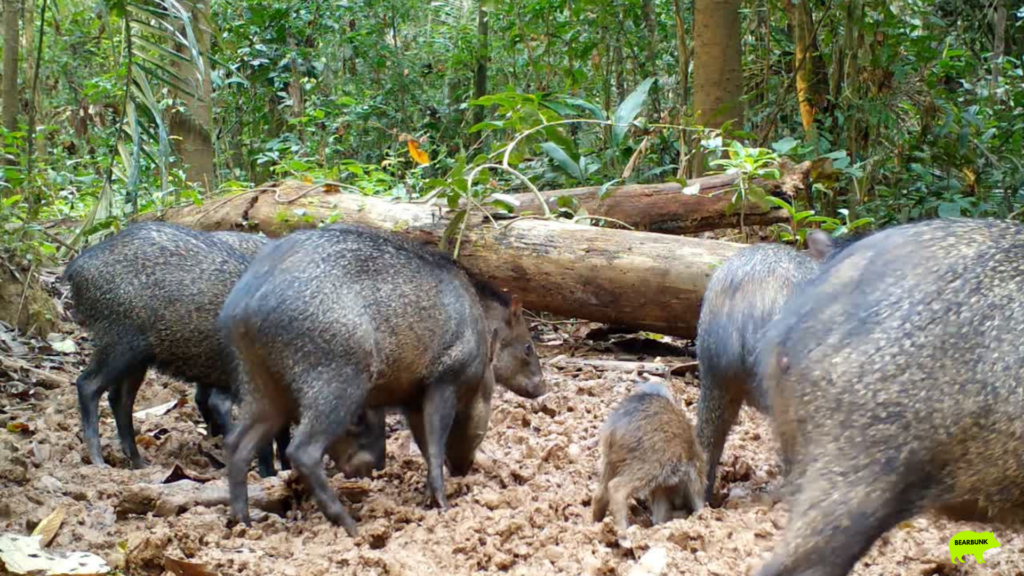
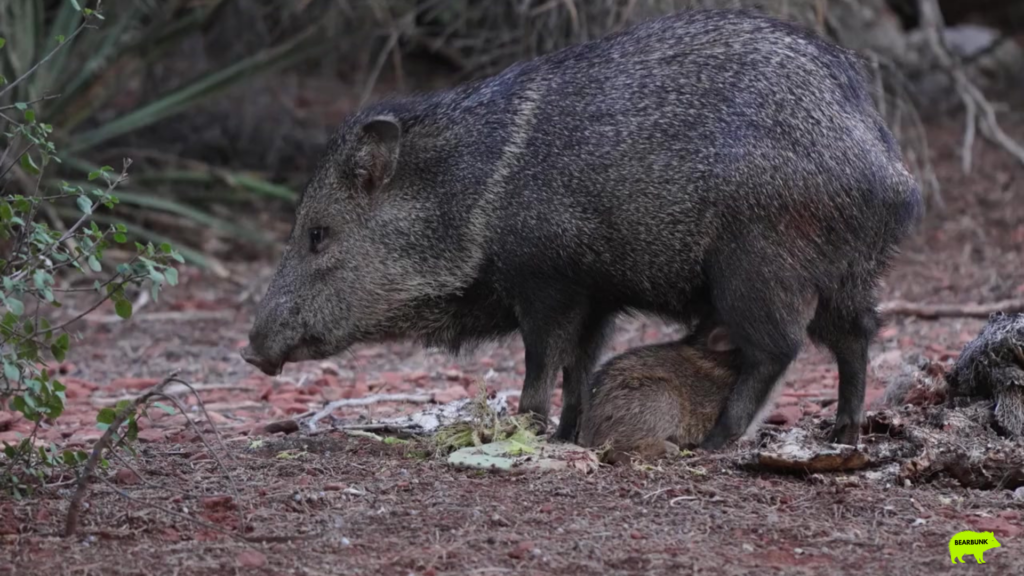
Peccaries have strong family bonds and often live together in close-knit herds. Females are pregnant for about four to five months and usually give birth to one to three babies.
Young peccaries are surprisingly active shortly after birth and are able to stand and walk within a short period of time. Mothers provide protection and nourishment while the young gradually learn how to forage and interact with the rest of the herd.
Living in a group helps young peccaries learn important survival skills from older animals.
Behavior & Social Life
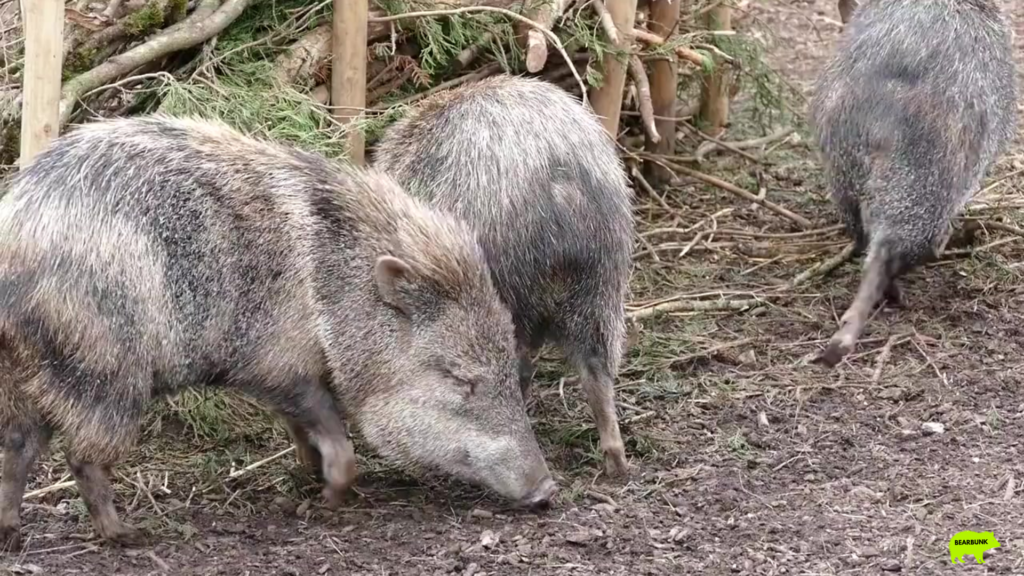
Peccaries are highly social animals that rely heavily on cooperation and group living. Most species live in herds that may contain just a few individuals or much larger groups depending on the species and habitat.
Communication is an important part of daily life. Peccaries use grunts, squeals, body language, and scent marking to communicate with one another.
When threatened, herd members often stay close together and may stand their ground as a group, making teamwork one of their most important survival strategies.
Physical Features & Adaptations
Peccaries have compact, muscular bodies, strong shoulders, and tough snouts that help them move through dense vegetation and challenging terrain.
Special scent glands located on their backs allow them to leave chemical signals on objects and other herd members. These scents help maintain group identity and establish territory boundaries.
Peccaries can also run at speeds of up to 25 miles per hour and are well adapted to navigating forests, brush, and cactus-covered landscapes.
Fun Facts
- Peccaries belong to a different family than true pigs.
- Scientists recognize three living peccary species.
- Chacoan peccaries were once believed extinct.
- Peccaries use scent glands to identify herd members.
- Collared peccaries often eat prickly pear cactus.
About Peccaries
Common Name: Peccary
Scientific Name: Family Tayassuidae
Family: Tayassuidae
Size: 2.5–4 feet long
Weight: 35–90 pounds
Lifespan: 10–15 years
Location: North, Central, and South America
Habitat: Deserts, grasslands, forests, thorn scrub, and rainforests
Diet: Omnivore
Conservation Status: Varies by species
Peccaries are social mammals known for their strong herd behavior, adaptability, and unique scent communication. Although they resemble pigs, they belong to their own distinct family and occupy a unique place in the ecosystems of the Americas.
Why We Love Them
Peccaries are a great reminder that some of nature’s most interesting animals are also some of the least known. Their close family bonds, teamwork, and ability to thrive in a wide variety of environments make them fascinating to learn about.
The fact that they look like pigs while belonging to a completely different animal family only adds to their uniqueness.
Conclusion
From their strong social behavior and surprising adaptations to their remarkable rediscovery story, peccaries are some of the most interesting mammals found in the Americas.
Whether crossing a desert landscape, moving through dense rainforest, or traveling together as a herd, these remarkable animals prove that some of nature’s most fascinating creatures are the ones many people know the least about. 🐗💚
Learn More:
Watch the full Video on YouTube:
Peccary Facts Looks Like a Pig But Isn’t – YouTube
Read more about:





Leave a Reply