Meet the Peacock Butterflies
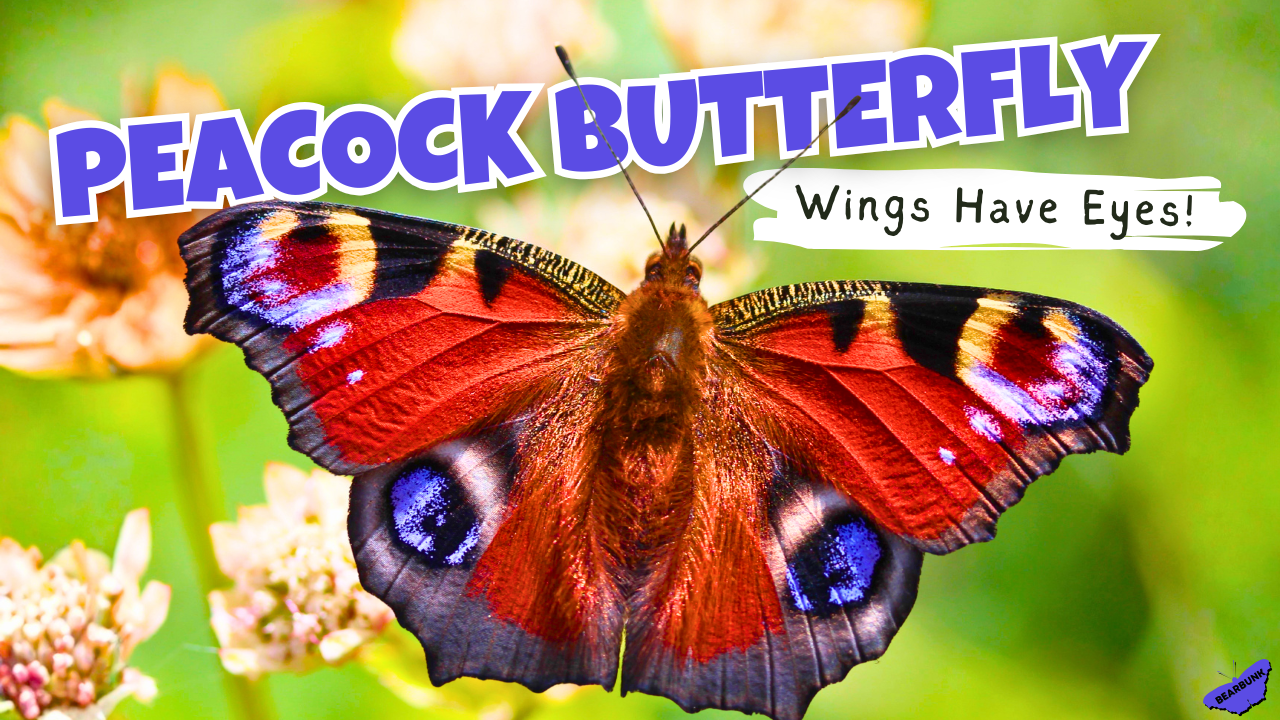
Peacock Butterflies are some of the most eye-catching butterflies in the world. With their bright red wings and giant eye-like markings, they almost look like tiny flying works of art. But these beautiful butterflies are more than just colorful insects. Their famous wing patterns help protect them from predators, their camouflage can make them nearly invisible, and some can even survive through winter by hibernating as adults.
Found across Europe and parts of Asia, Peacock Butterflies thrive anywhere flowers, sunlight, and sheltered resting spots can be found. From quiet gardens and woodland edges to parks and meadows, these butterflies bring color and life wherever they appear.
Species of Peacock Butterflies
Peacock Butterflies may look delicate, but they are surprisingly clever little survivors. Their famous eye-like wing markings, dramatic camouflage, and ability to hibernate through winter make them one of the most fascinating butterflies in the world.
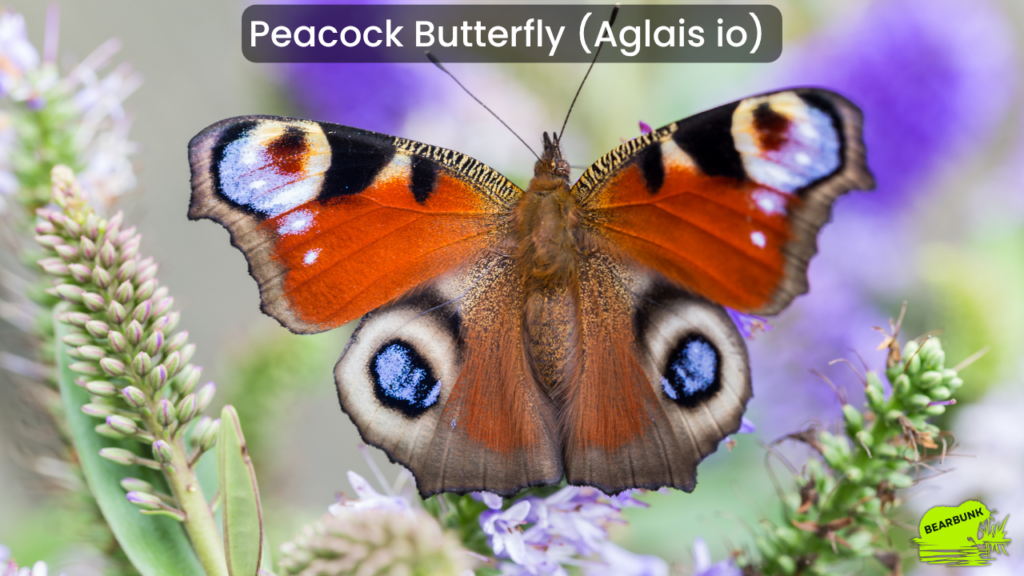
Common Name: Peacock Butterfly
Scientific Name: Aglais io
A colorful butterfly famous for its giant eye-like wing markings and dramatic camouflage.
Habitat
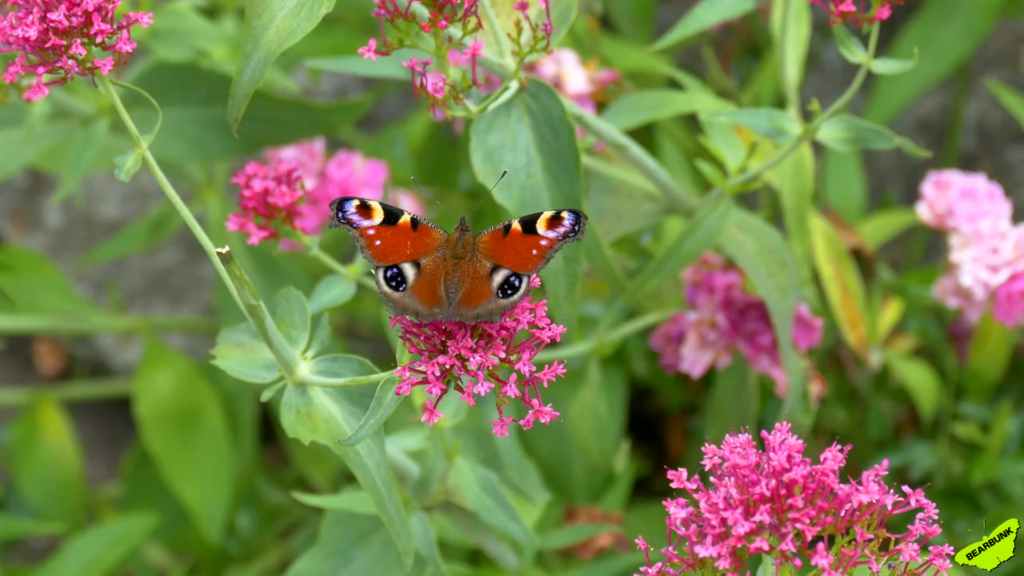
Peacock Butterflies are found throughout Europe and parts of Asia. They thrive in areas with plenty of flowers, sunlight, and sheltered resting places.
You can often spot them in:
- Gardens
- Meadows
- Woodland edges
- Parks
- Farmland
- Quiet backyards
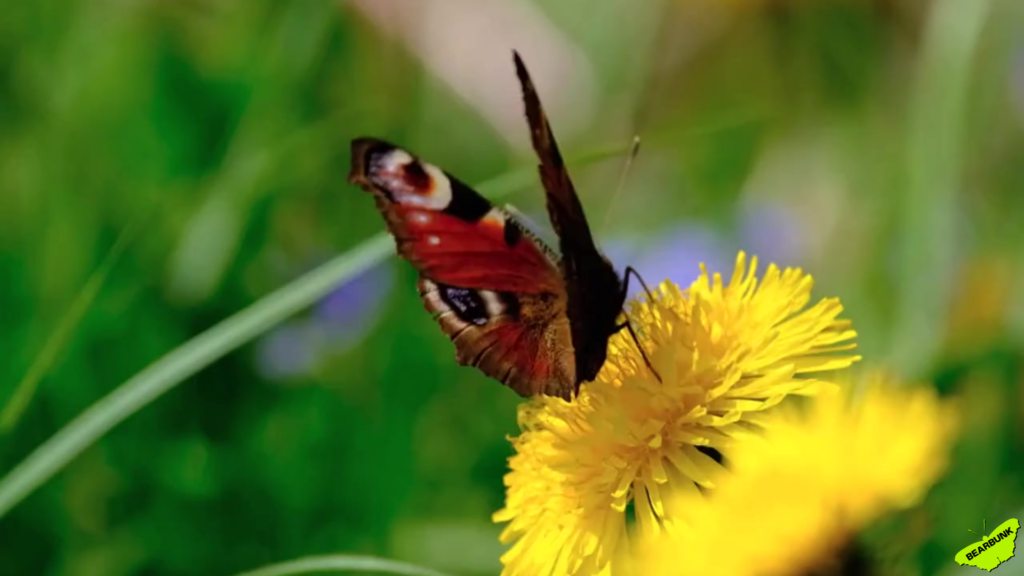
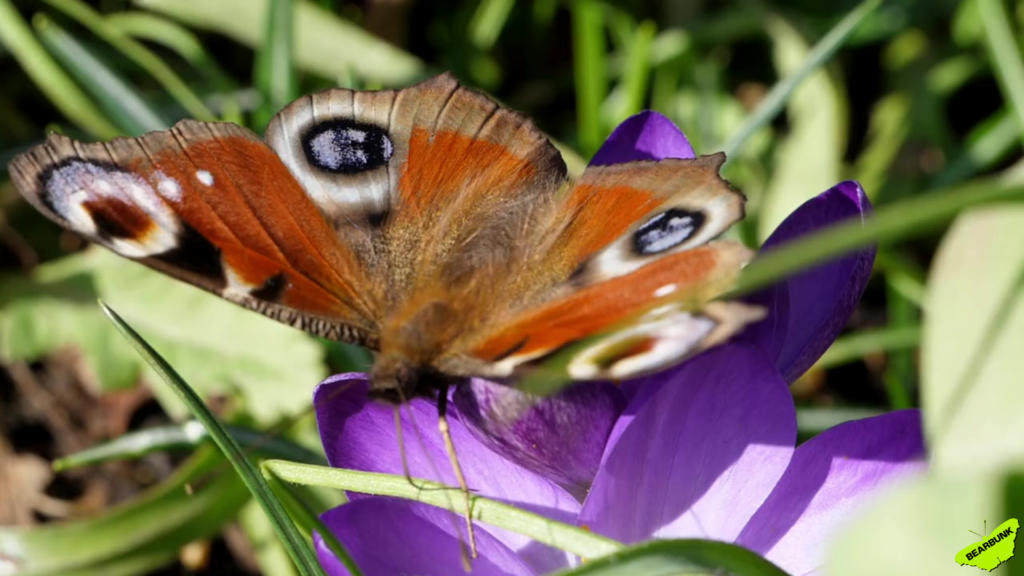
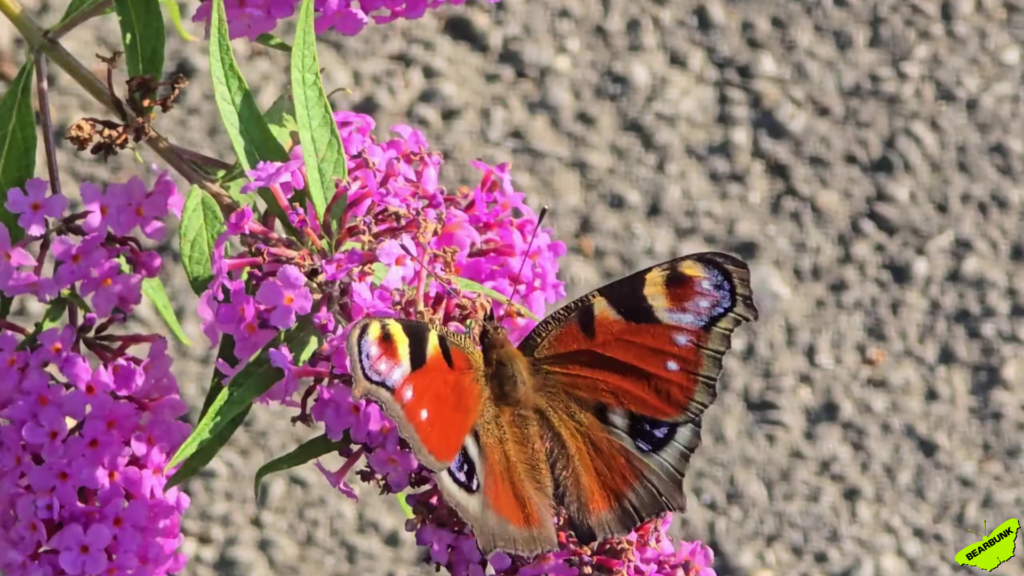
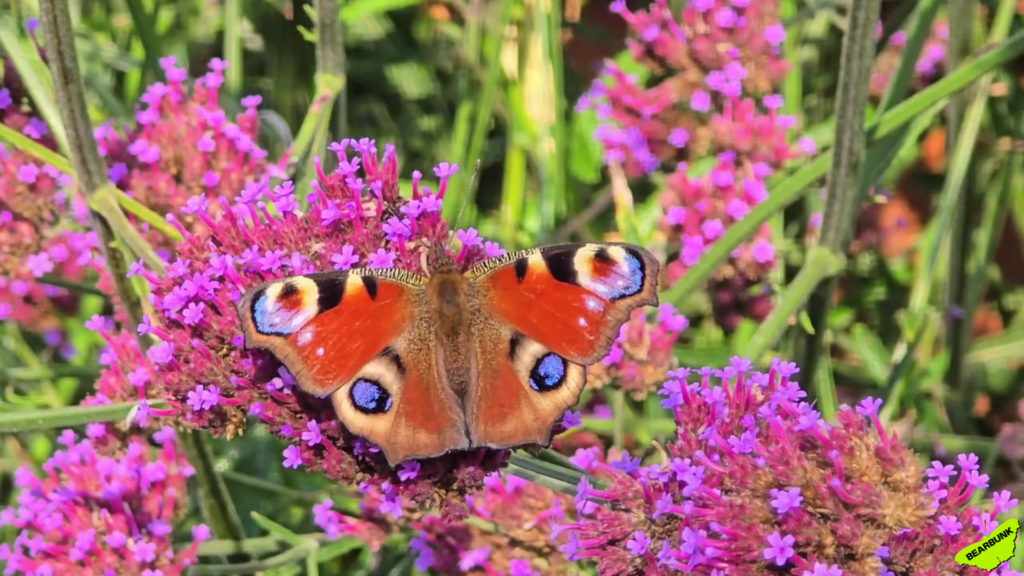
These butterflies are especially active during warm sunny weather when flowers are blooming. They often rest with their wings spread wide open to absorb heat from the sun, helping warm their flight muscles.
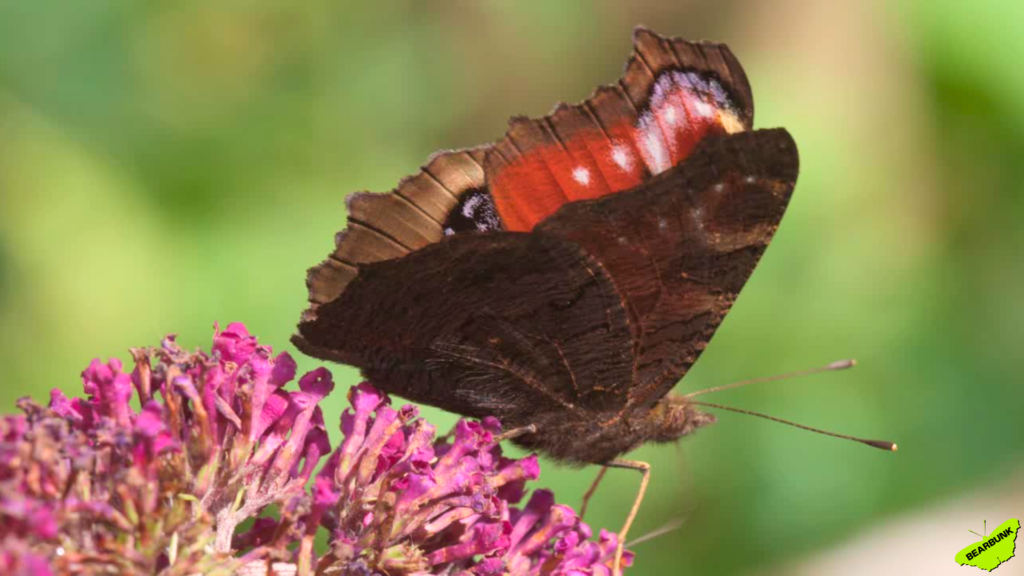
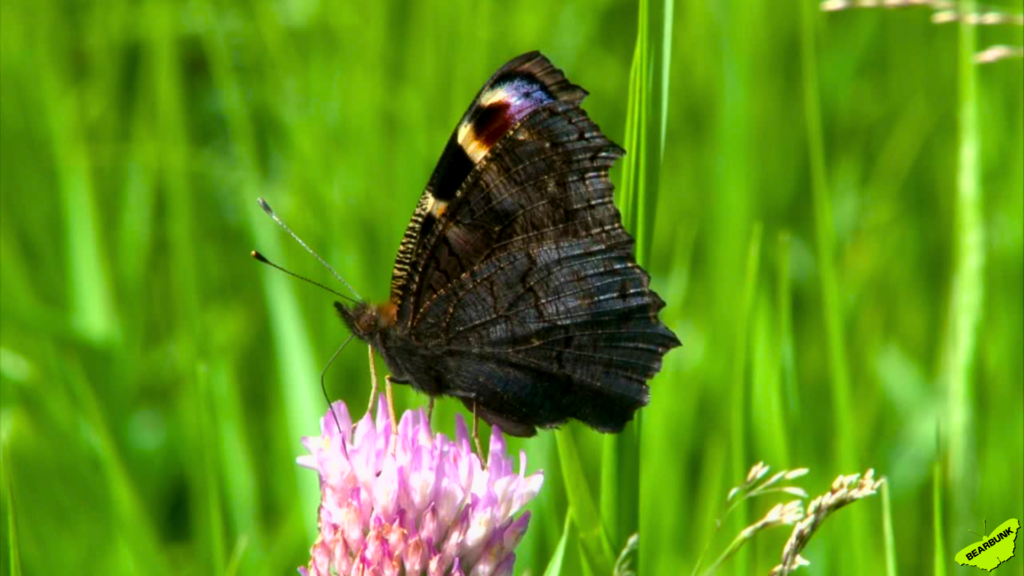
When resting with their wings closed, their darker undersides help them blend into bark, branches, and dead leaves, making them surprisingly difficult to notice.
Diet
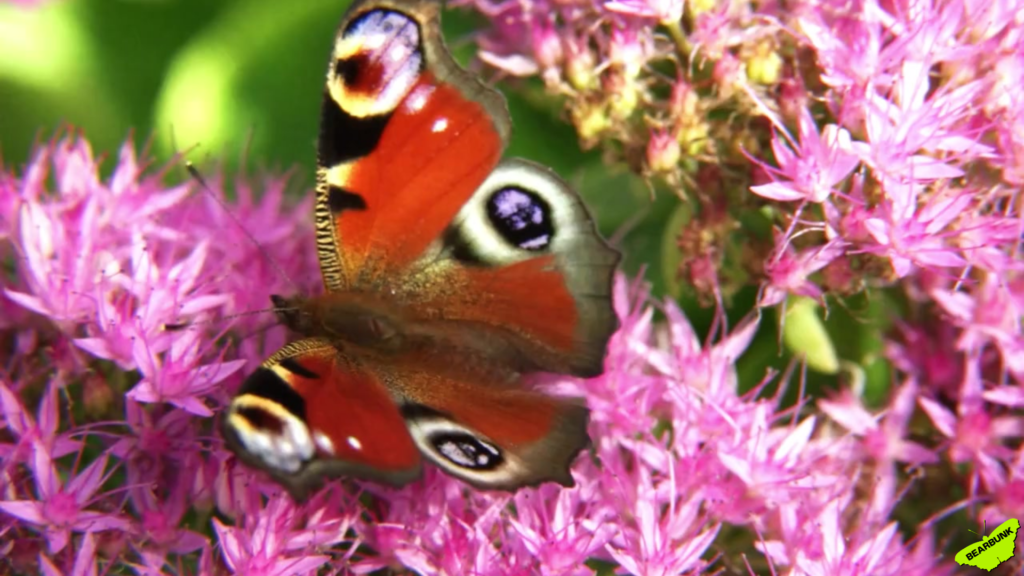
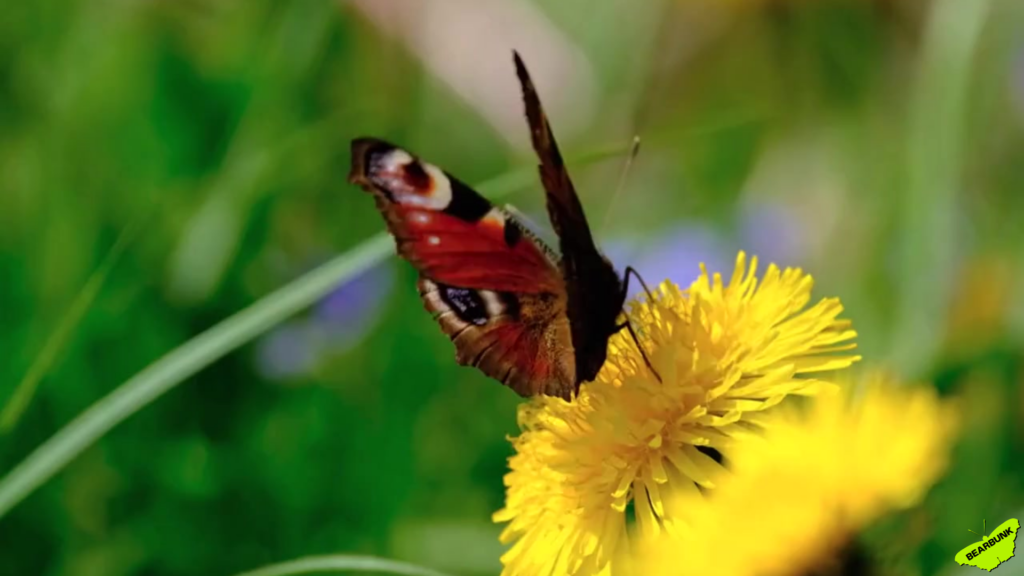
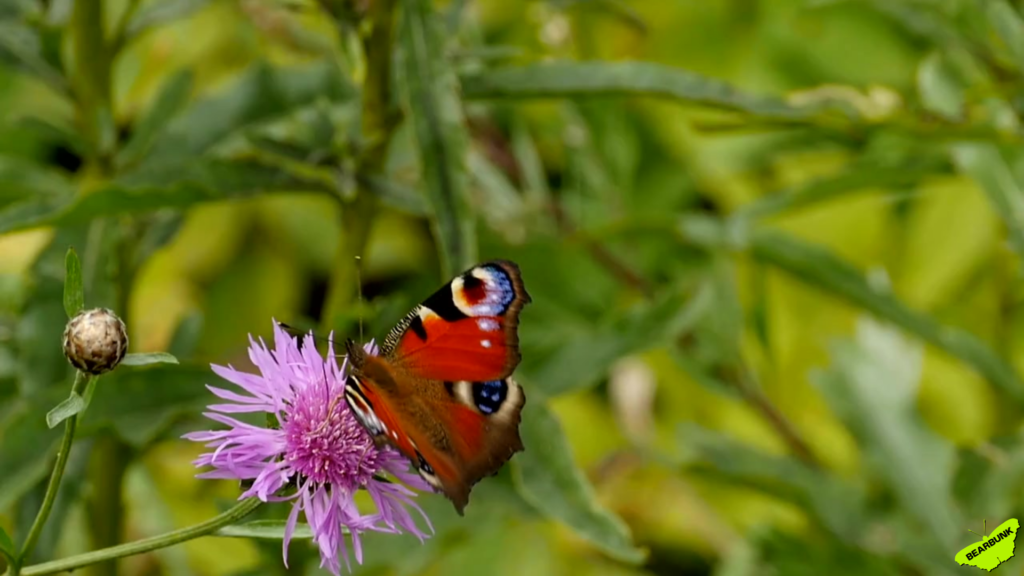
Adult Peacock Butterflies mainly feed on nectar from flowers using a long straw-like tongue called a proboscis.
Some favorite nectar sources include:
- Wildflowers
- Thistles
- Dandelions
- Garden flowers
- Nectar-rich flowering plants
As they move from flower to flower, they also help pollinate plants, making them important pollinators in many ecosystems.
The caterpillars mainly feed on nettle plants while growing.
Share On Social:
Mating, Babies & Family Life
Like all butterflies, Peacock Butterflies begin life as tiny eggs laid on host plants.
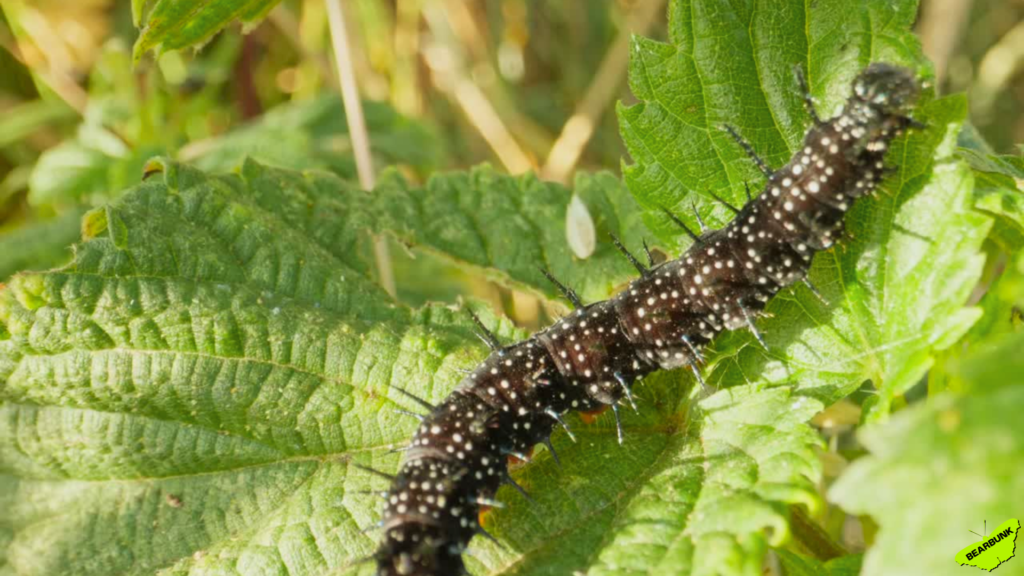
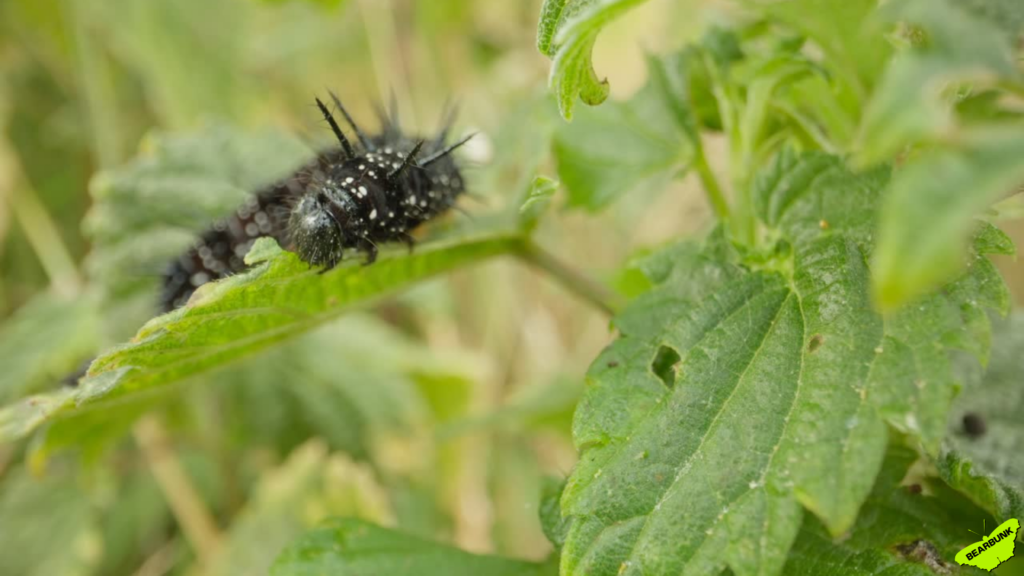
After hatching, the caterpillars are black with small spikes and look completely different from the colorful adults they will eventually become. The caterpillars spend most of their time eating and growing before forming a chrysalis.
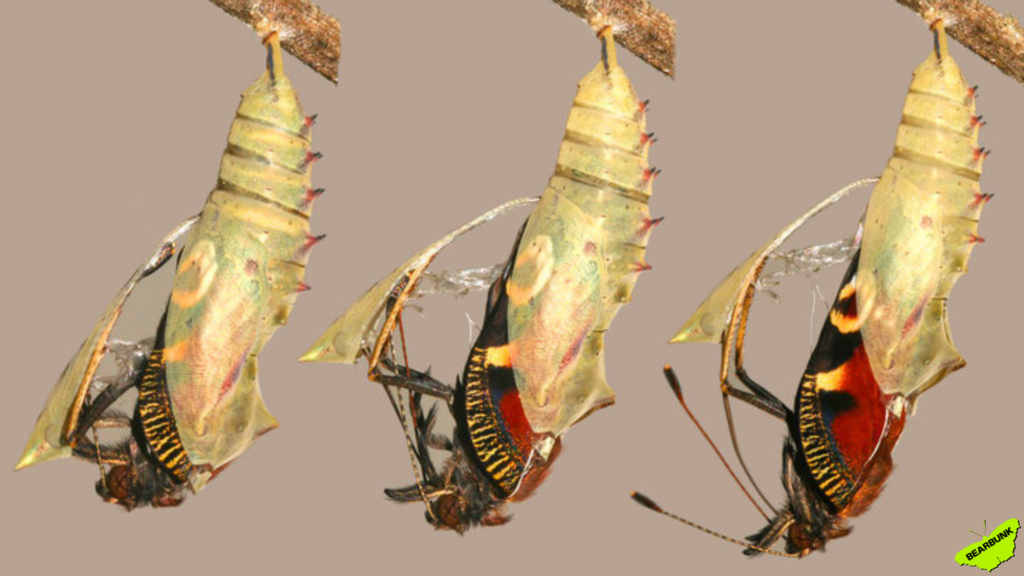
Inside the chrysalis, one of nature’s most incredible transformations takes place as the caterpillar changes into an adult butterfly.
Freshly emerged Peacock Butterflies often display especially vivid colors that can appear almost glowing in sunlight.
Behavior & Social Life
Peacock Butterflies are usually solitary insects and spend most of their time feeding, resting, or searching for flowers. During warm sunny weather, they can often be seen drifting and zigzagging through gardens and meadows.
Unlike some butterflies that stay constantly active, Peacock Butterflies frequently stop to rest in sunny spots with their wings spread wide open to absorb heat.
They are also surprisingly seasonal. In many places, the first Peacock Butterflies seen in spring are older butterflies that survived through winter hibernation in sheltered spaces like hollow trees, barns, or sheds.
Peacock Butterflies may even return to the same flower patches repeatedly when food sources are plentiful.
Physical Features & Adaptations
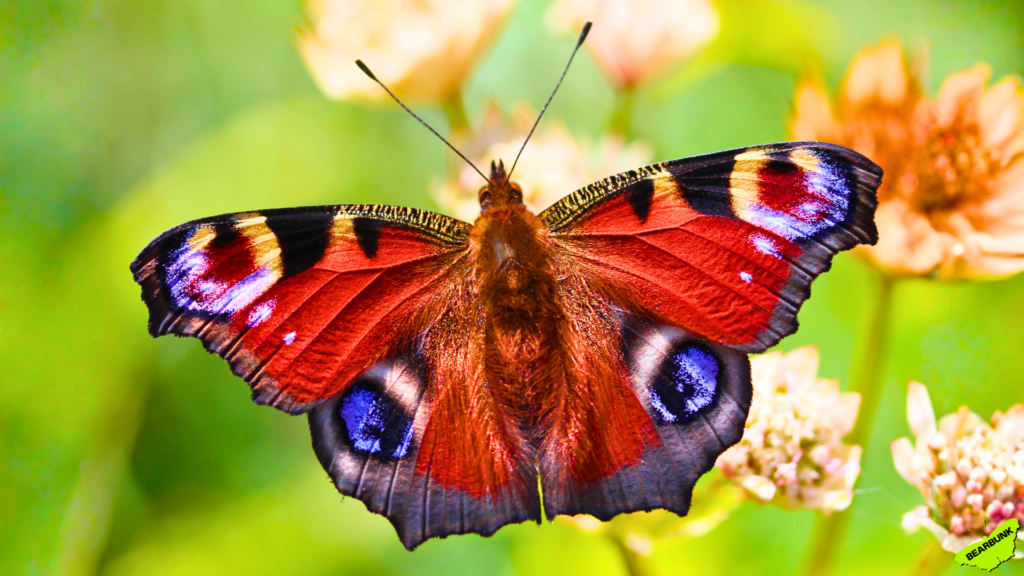
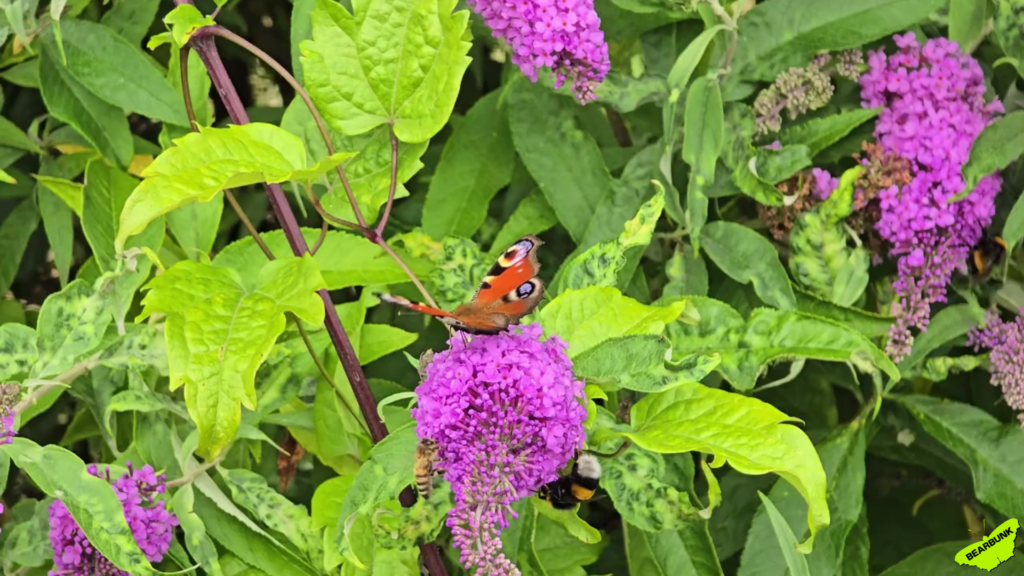
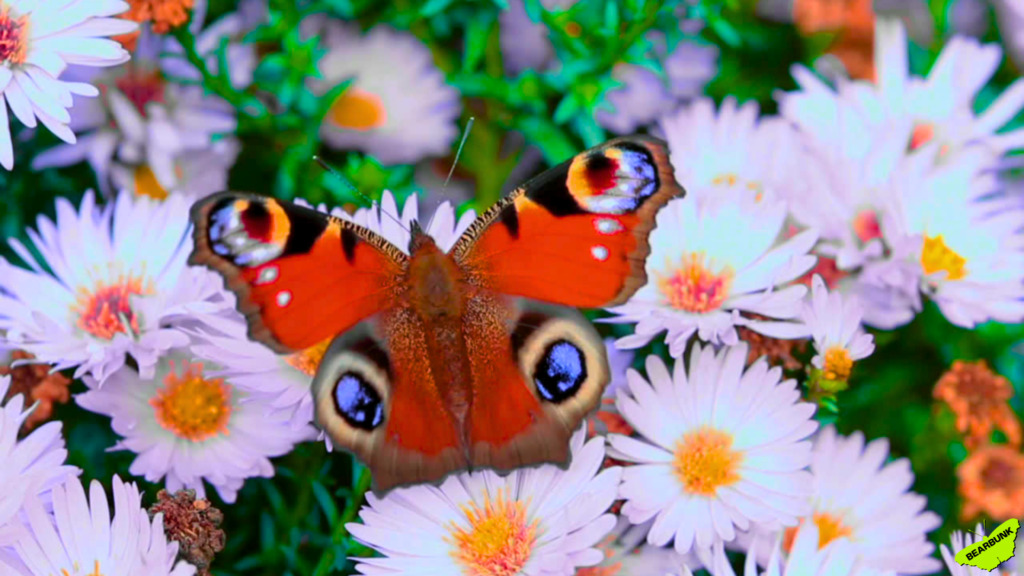
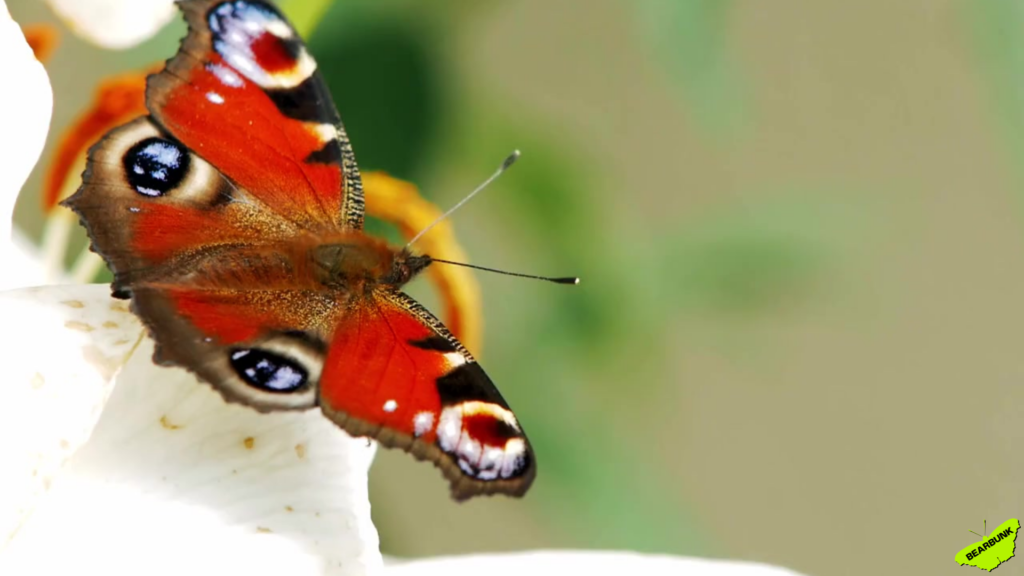
Peacock Butterflies are best known for the giant eye-like markings on their wings. These colorful patterns contain shades of blue, black, yellow, and purple and may help startle predators when suddenly revealed.
Their wings are usually a rich reddish color when open, but the underside is much darker and resembles bark or dead leaves. This camouflage helps them blend into their surroundings while resting.
Even though they are medium-sized butterflies with wingspans around 2 to 2.5 inches wide, their bold patterns make them appear much larger.
Peacock Butterflies also have a long straw-like tongue called a proboscis, which allows them to sip nectar from deep inside flowers.
Fun Facts
- Giant eye spots on their wings may help scare predators away.
- Their closed wings can resemble bark or dead leaves for camouflage.
- Some Peacock Butterflies hibernate through winter as adults.
- They warm themselves in sunlight with wings spread wide open.
- Peacock Butterflies may return to the same flower patches repeatedly when food is plentiful.
- Their wings can make a faint hissing sound when rubbed together.
- Even though they are medium-sized butterflies, their bold wing patterns make them appear larger.
About Peacock Butterflies
Common Name: Peacock Butterfly
Scientific Name: Aglais io
Family: Nymphalidae
Subfamily: Nymphalinae
Size: Wingspan around 2–2.5 inches (5–6 cm)
Weight: Extremely light, less than a gram
Lifespan: Several months; some survive through winter
Location: Europe and parts of Asia
Habitat: Gardens, meadows, woodland edges, parks, farmland
Diet: Nectar, wildflowers, thistles, dandelions; caterpillars feed on nettles
Conservation Status: Least Concern
Peacock Butterflies are best known for their stunning eye-like wing markings, which may help startle predators. Their ability to combine bright warning displays with excellent camouflage makes them one of the most fascinating butterflies in the world.
Why We Love Them
Peacock Butterflies are a perfect example of how something small can still feel magical. Their glowing colors, dramatic eye spots, and graceful flight make them unforgettable to anyone lucky enough to spot one drifting through a garden or meadow.
They also remind us how important pollinators are to healthy ecosystems. Beyond their beauty, these butterflies quietly help flowers and plants thrive while adding life and color to outdoor spaces.
Conclusion
With their brilliant colors, clever camouflage, and giant fake “eyes,” Peacock Butterflies are among nature’s most fascinating insects. They may look delicate, but these butterflies are surprisingly resilient survivors capable of adapting to many different environments.
The next time you see one resting on a flower or gliding through the sunlight, take a closer look. You might just be looking at one of nature’s most beautiful living masterpieces.
Learn More:
Watch the full Video on YouTube:
Peacock Butterfly The Butterfly With Wings That Look Like Eyes 👀🦋
Read more about:




Leave a Reply