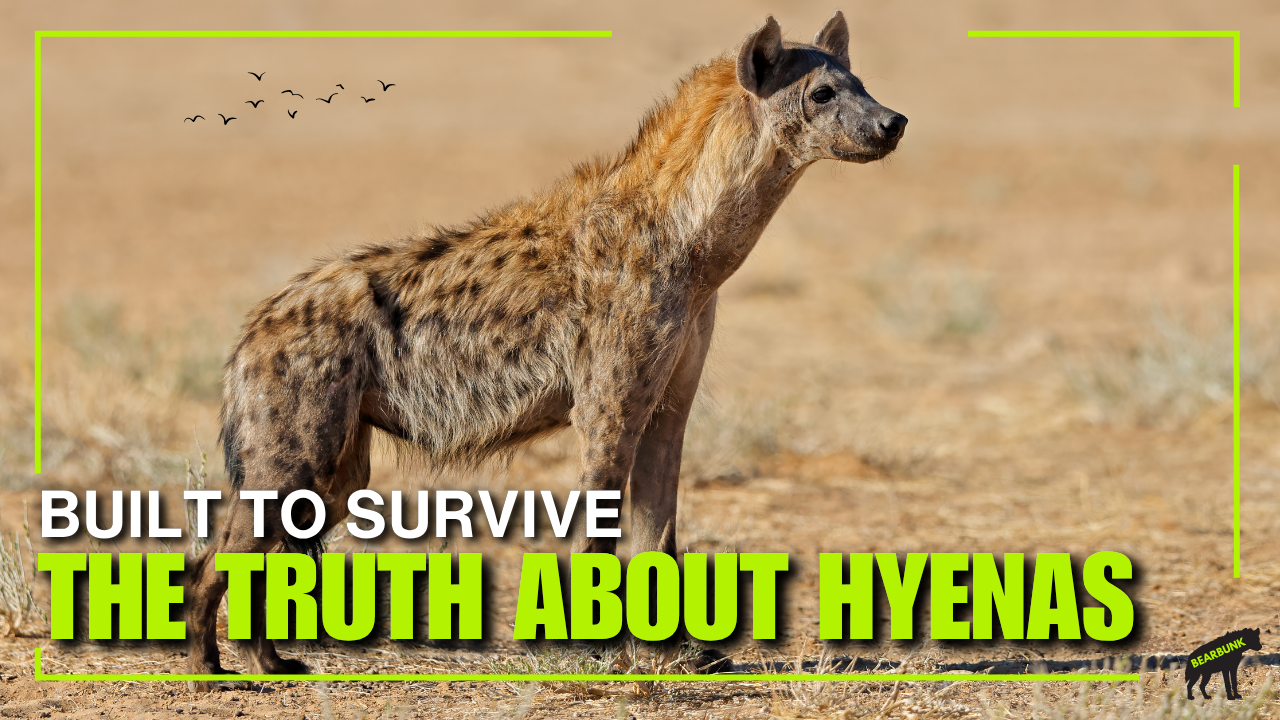
Meet the Hyena
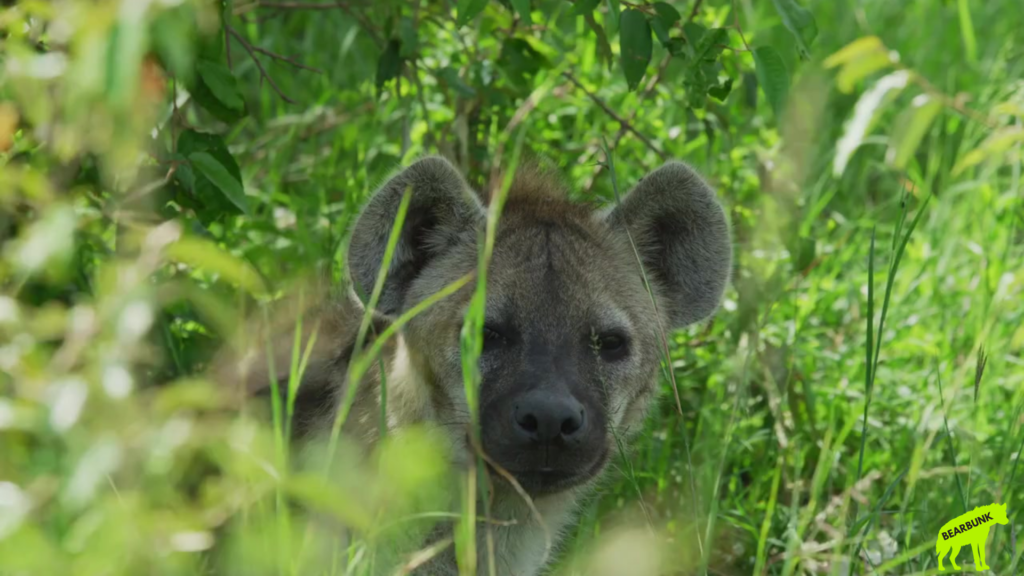
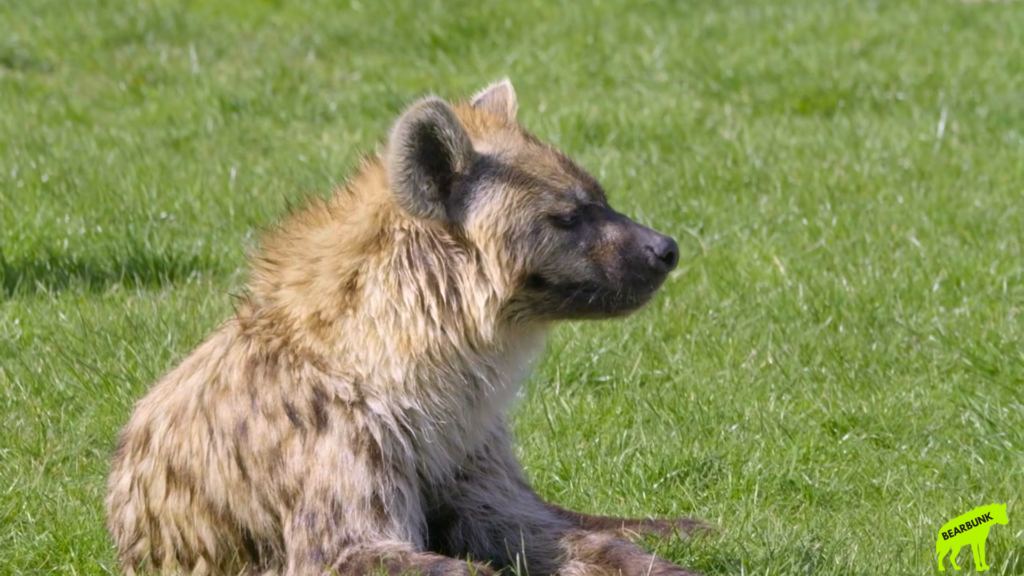
Hyenas are some of the most misunderstood animals in the wild. Often known for their eerie “laugh,” these animals are actually highly intelligent, socially complex, and perfectly adapted for survival. From powerful jaws to female-led clans and incredible endurance, hyenas are far more advanced than their reputation suggests.
Species of Hyena
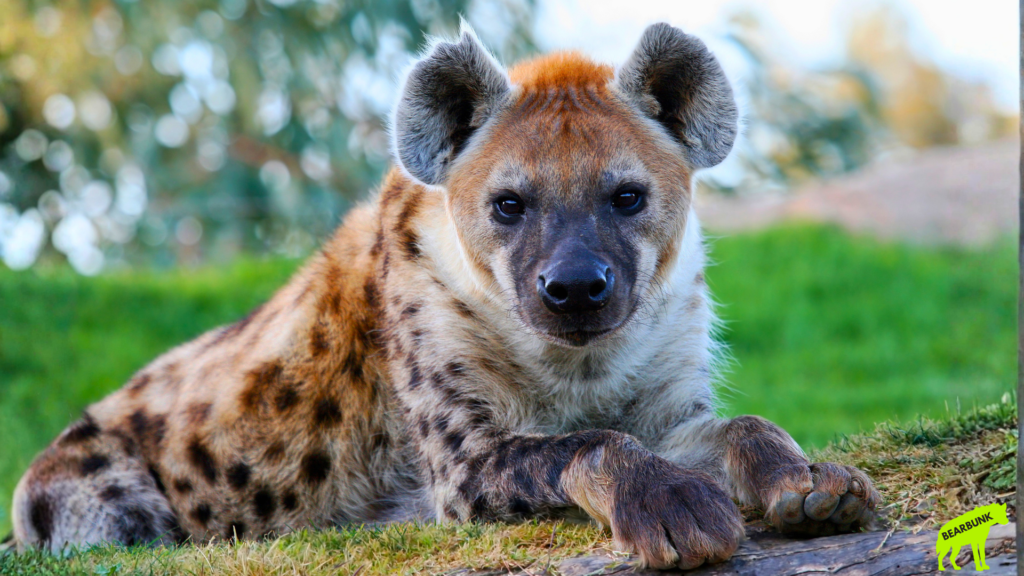
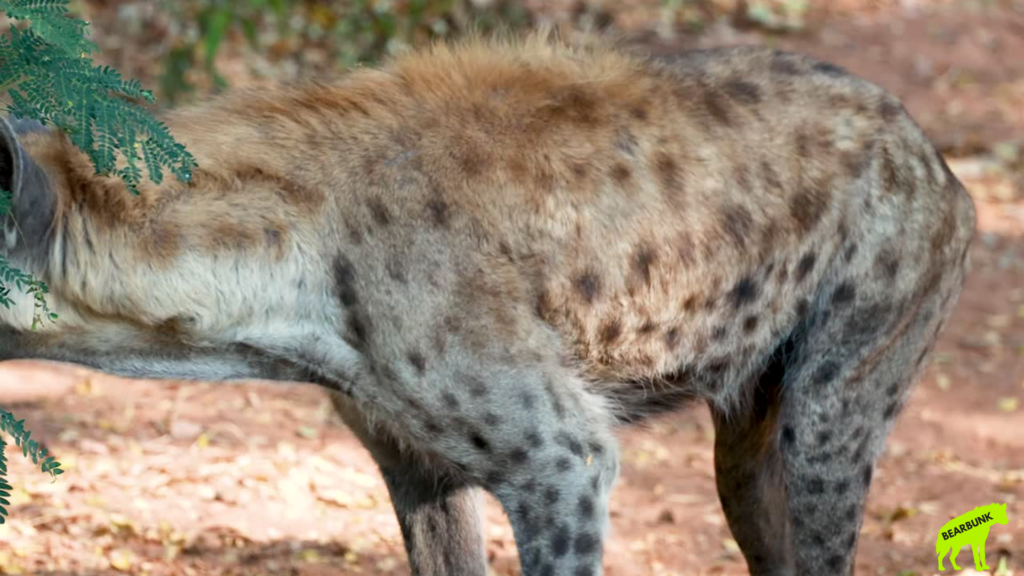
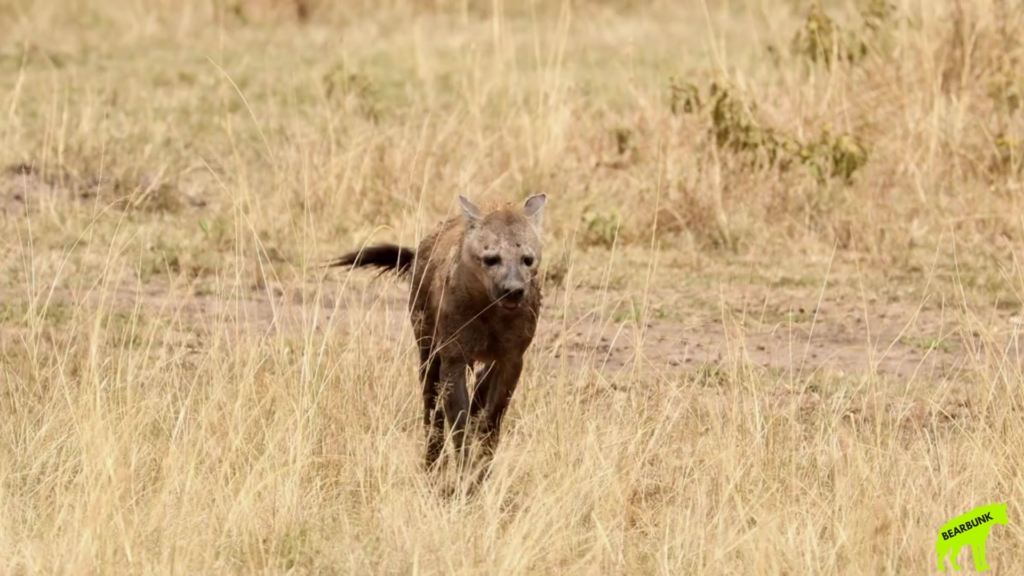
There are four distinct species, each with its own behaviors, habitat, and way of surviving in the wild.
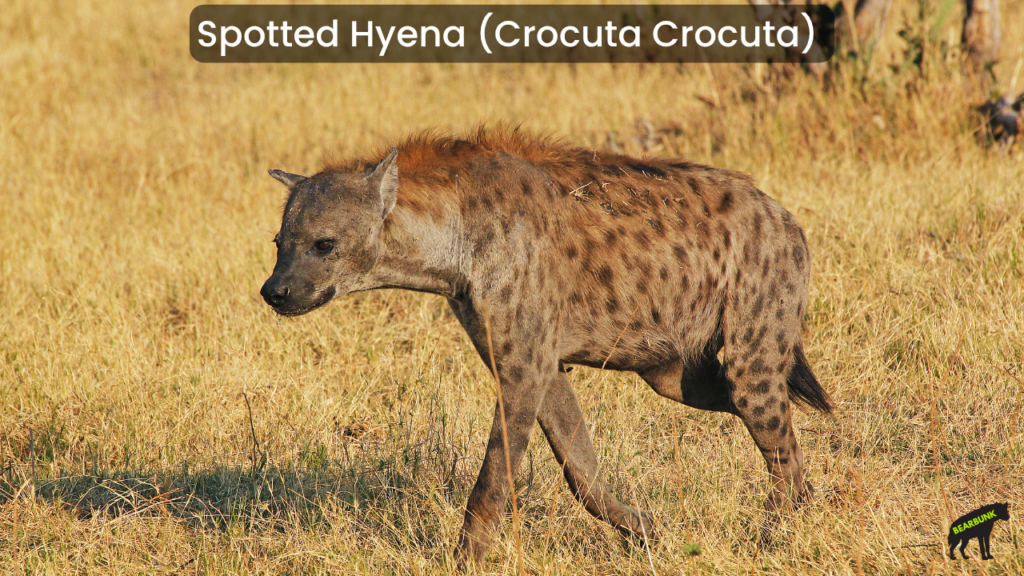
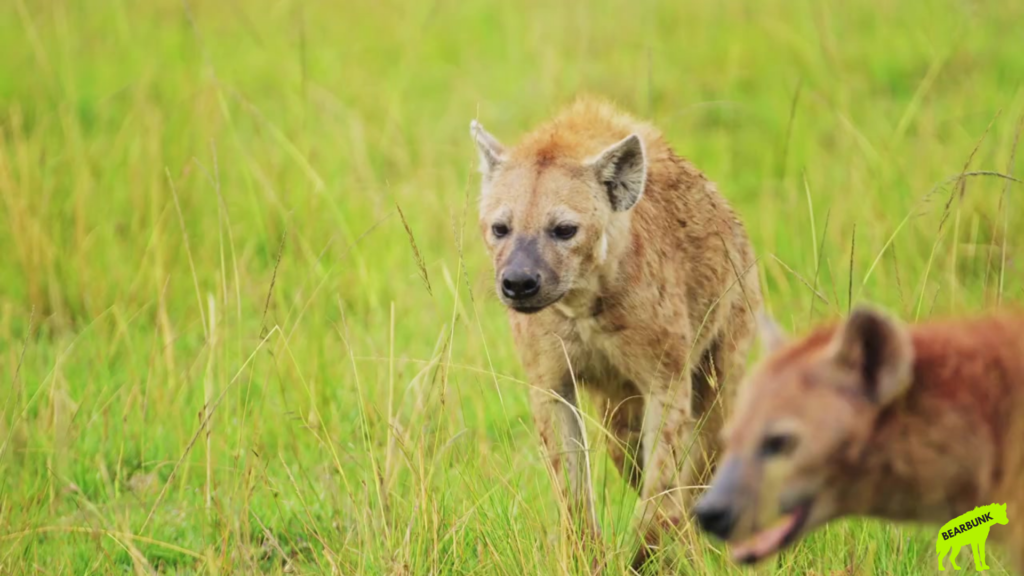
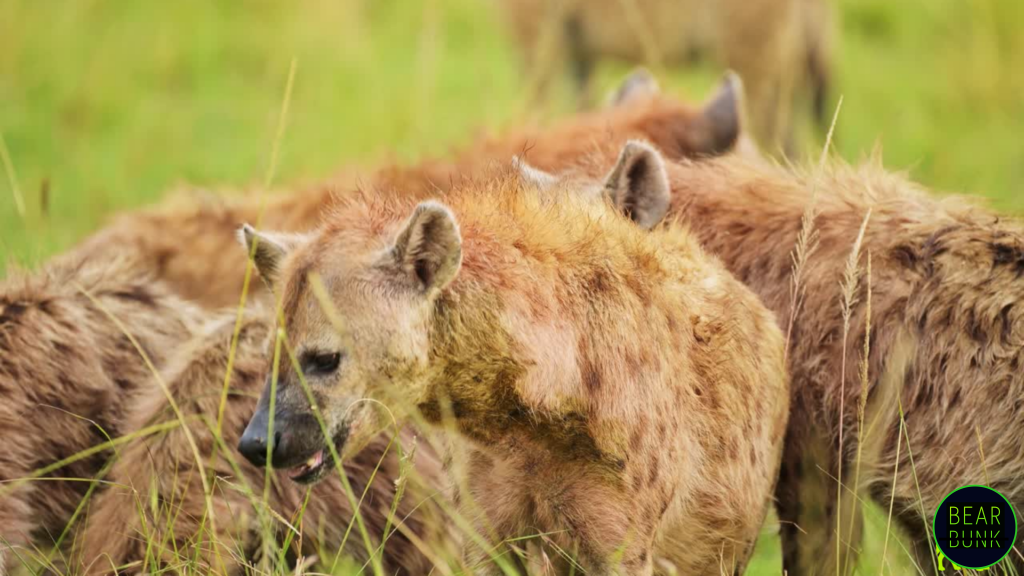
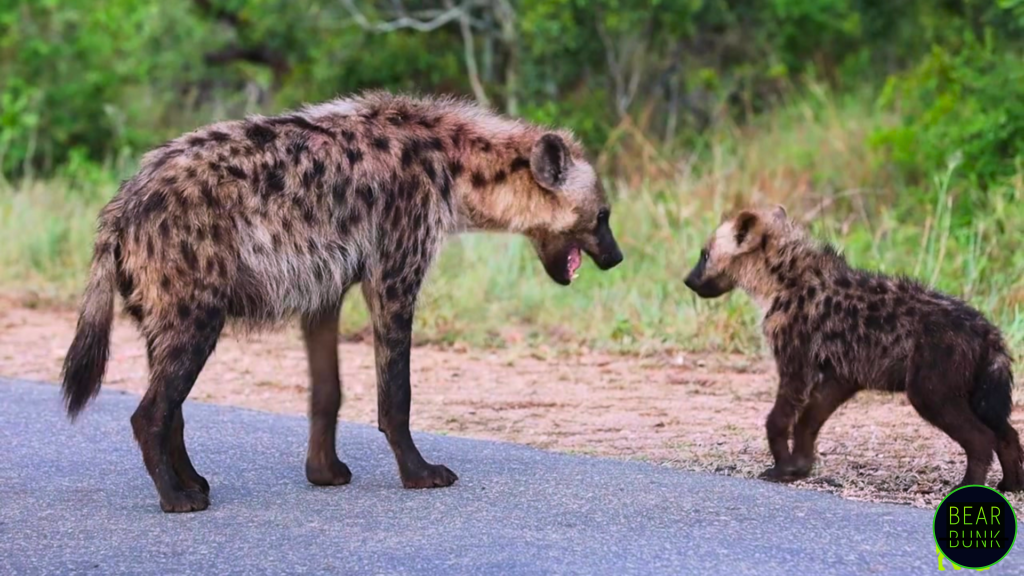
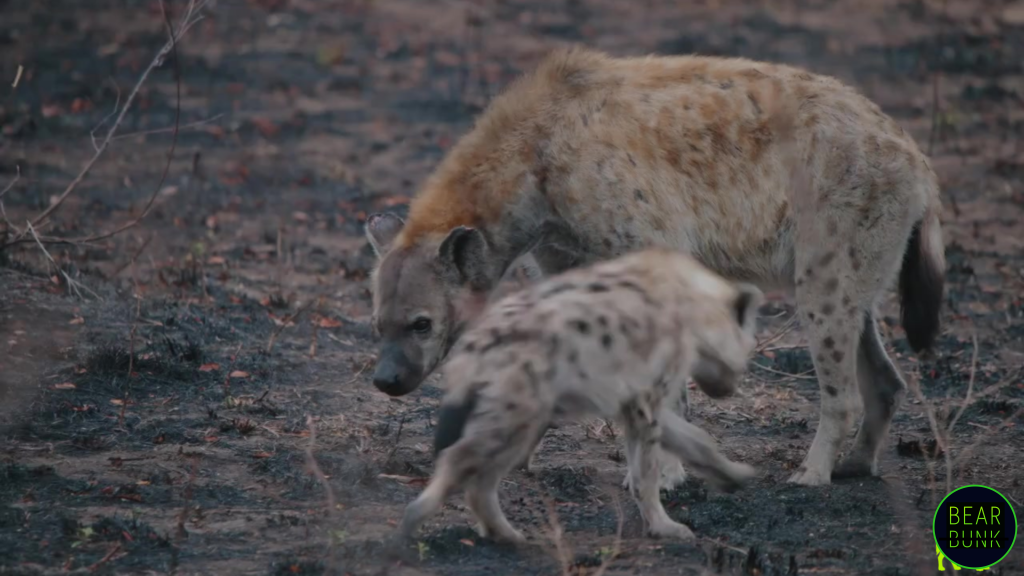
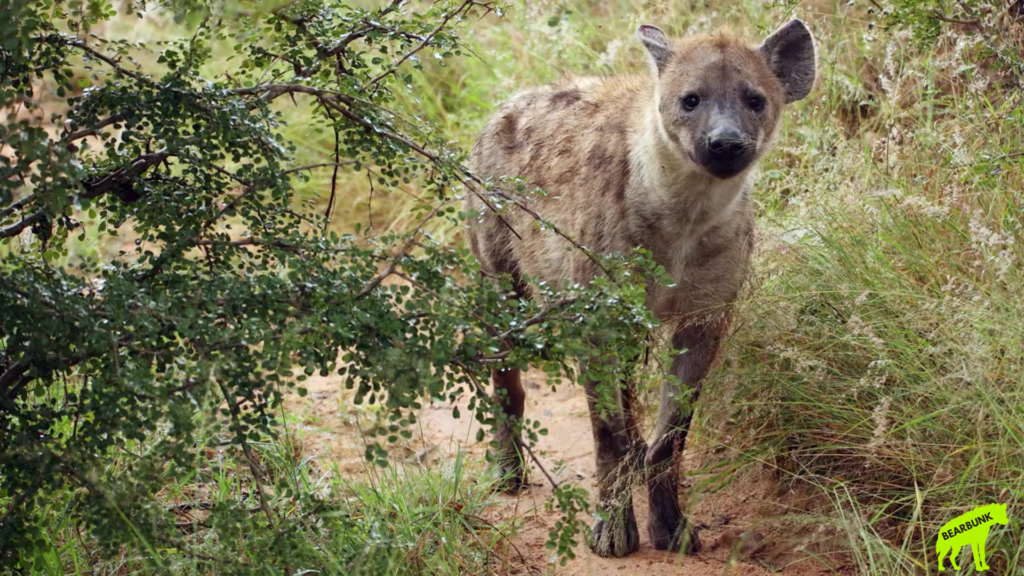
Spotted Hyena (Crocuta crocuta) – The largest and most social species, known for powerful jaws and complex clans.
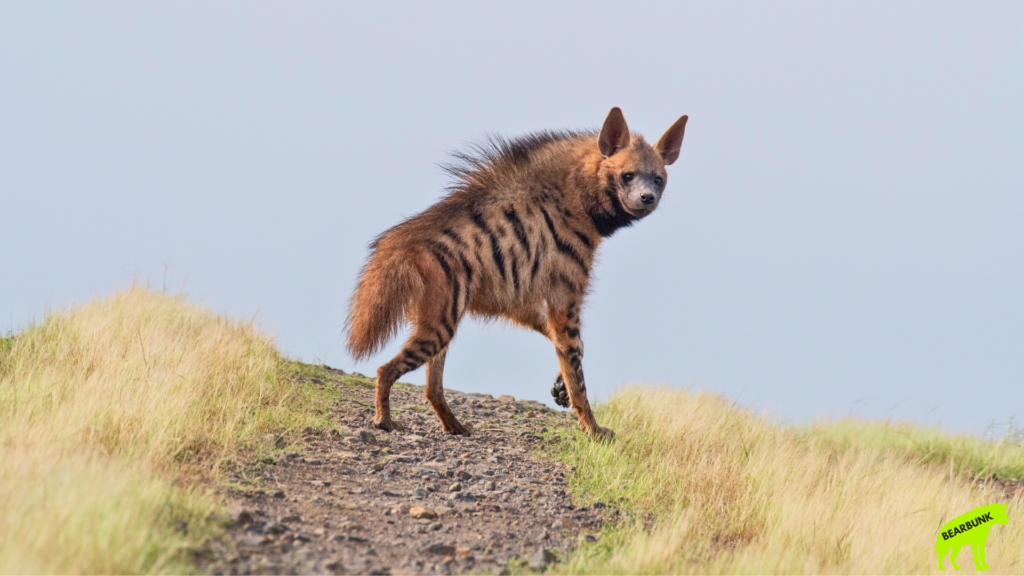
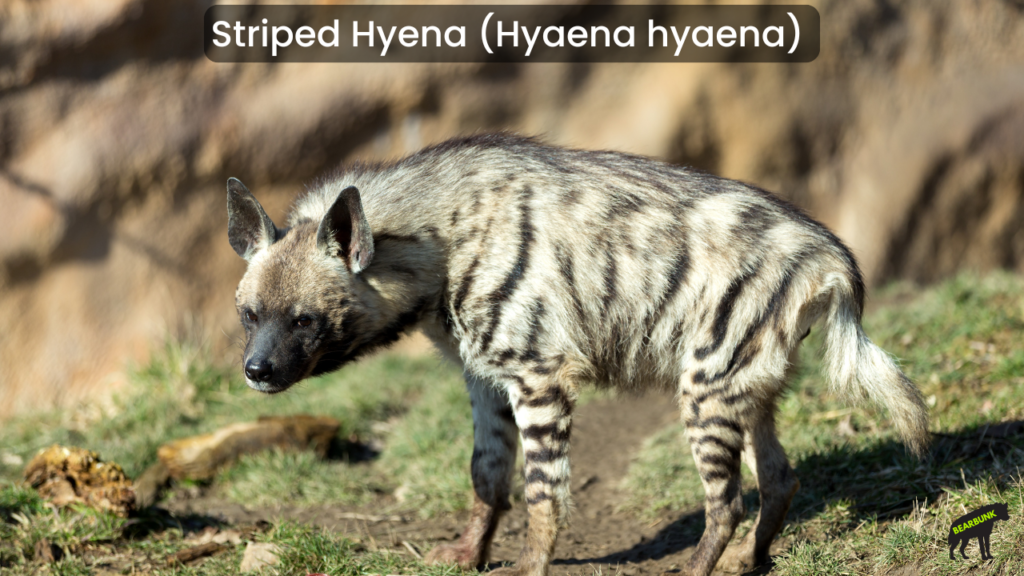
Striped Hyena (Hyaena hyaena) – More solitary, found in North/East Africa and parts of the Middle East and India.
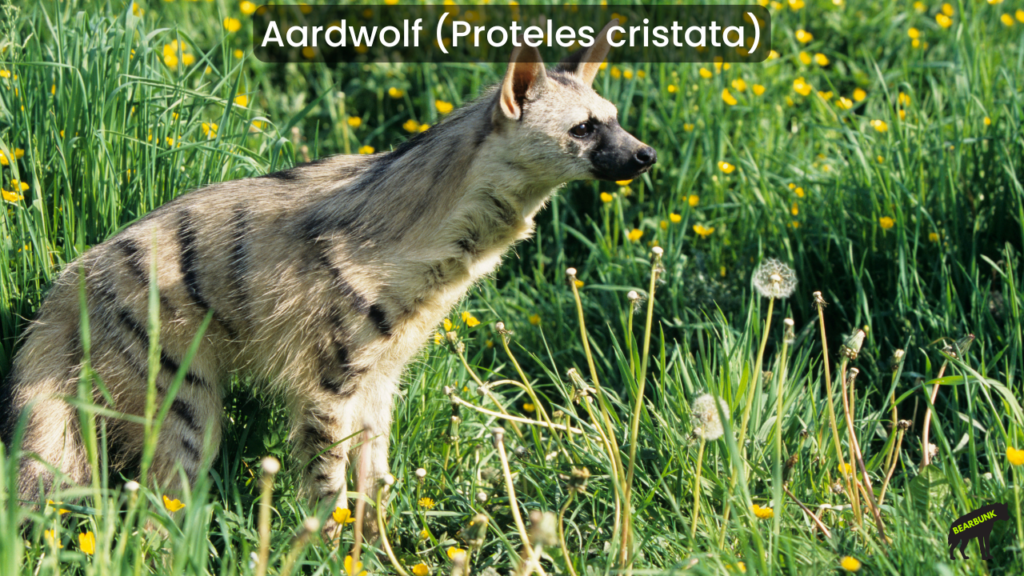
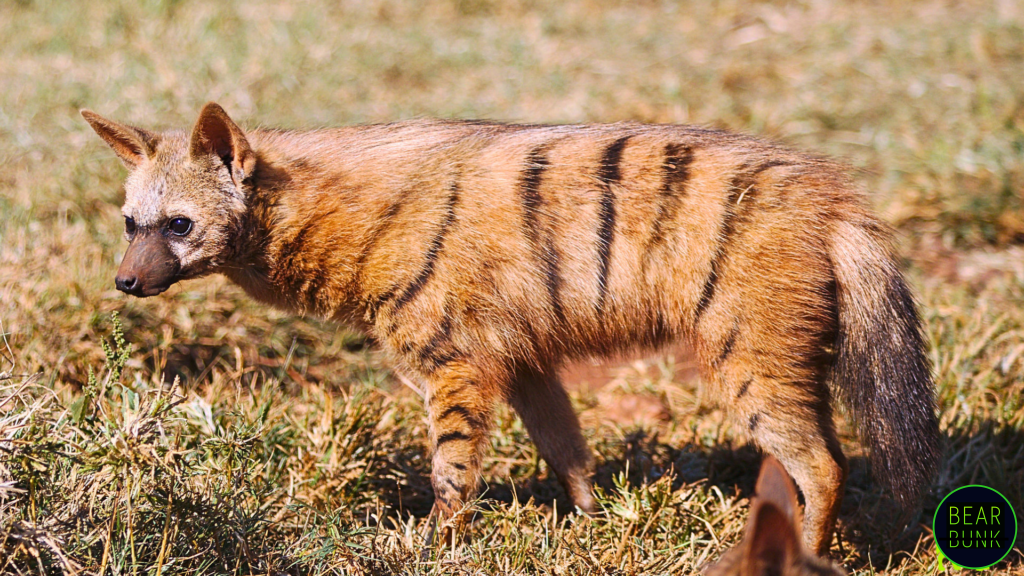
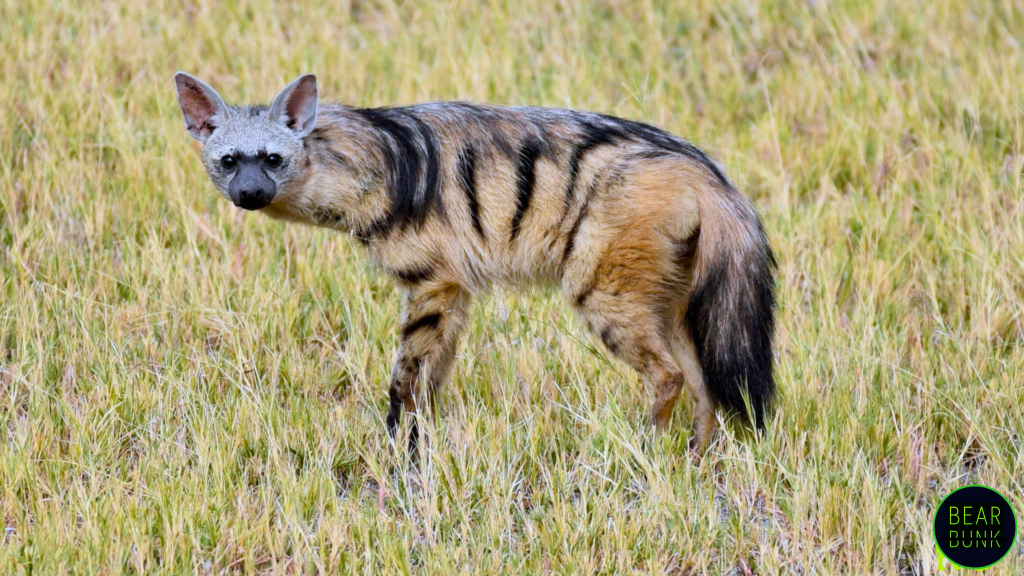
Aardwolf (Proteles cristata) – Smaller and insect-eating, feeds mainly on termites and lives a quieter lifestyle.
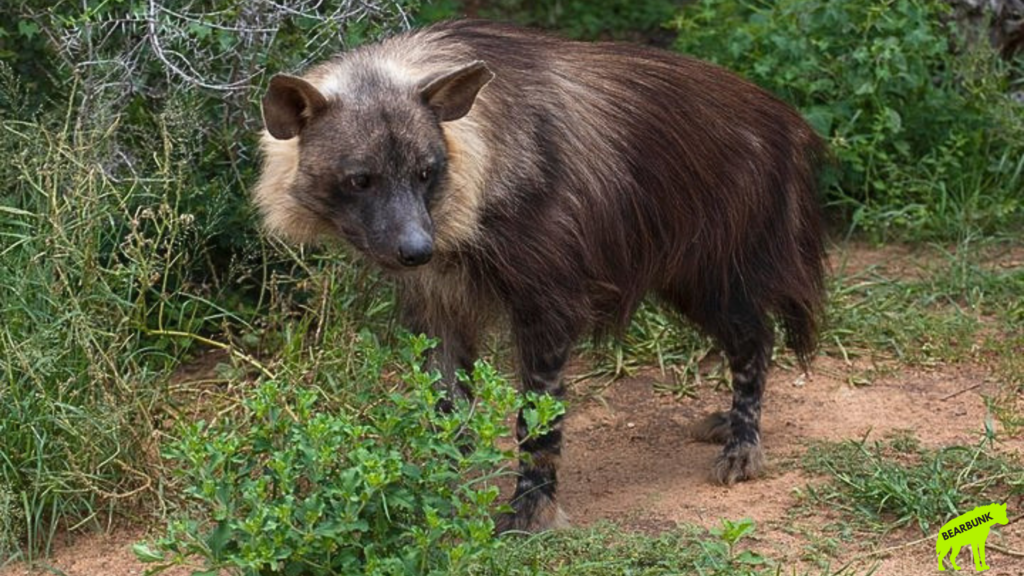
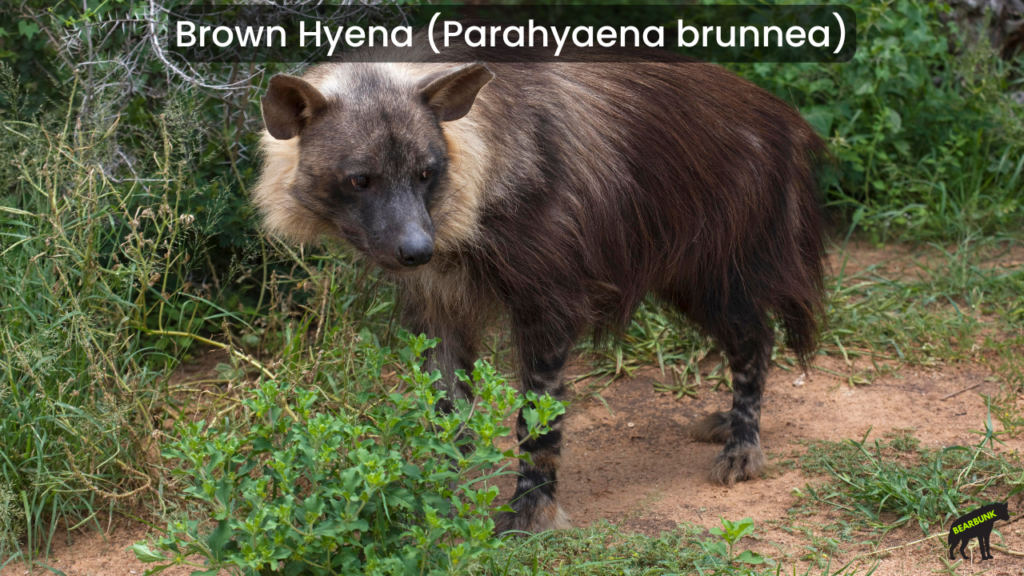
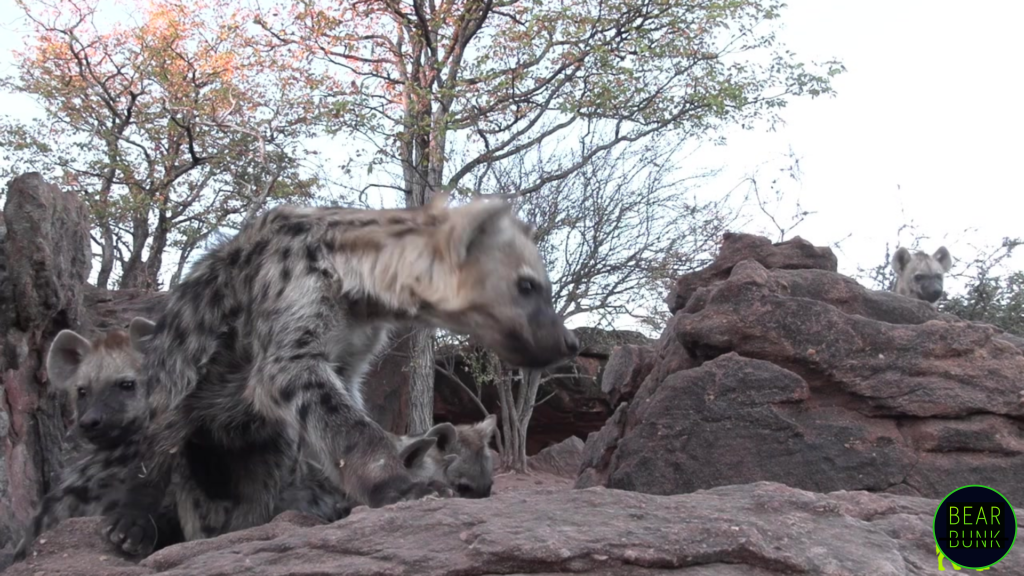
Brown Hyena (Parahyaena brunnea) – Shaggy-coated, lives in southern Africa, often in dry, desert-like regions.
Habitat
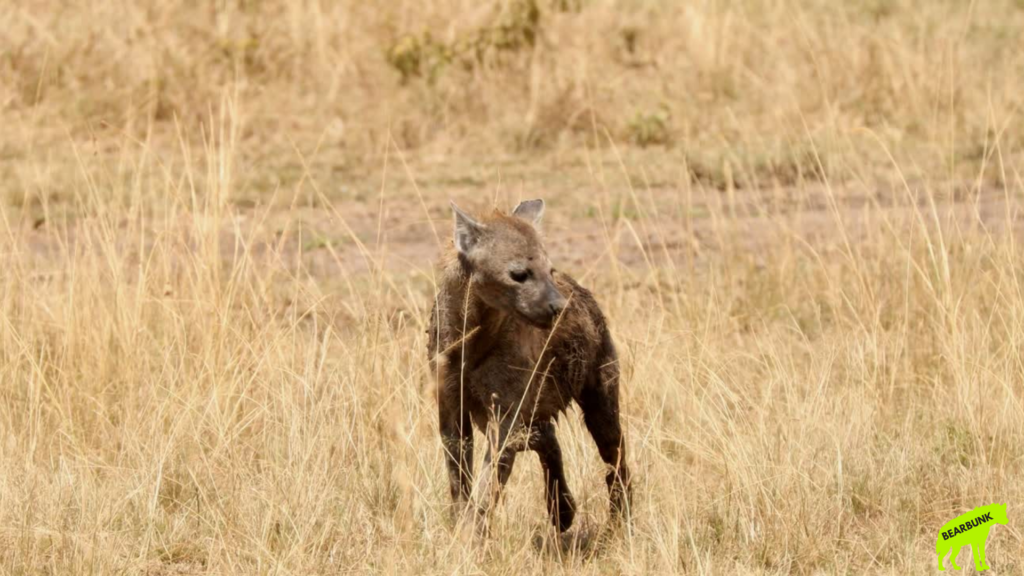
Hyenas are highly adaptable and live across a wide range of environments. They are most commonly found in African savannas and grasslands, but can also thrive in woodlands, scrublands, and semi-desert regions. The striped hyena extends beyond Africa into the Middle East and parts of India.
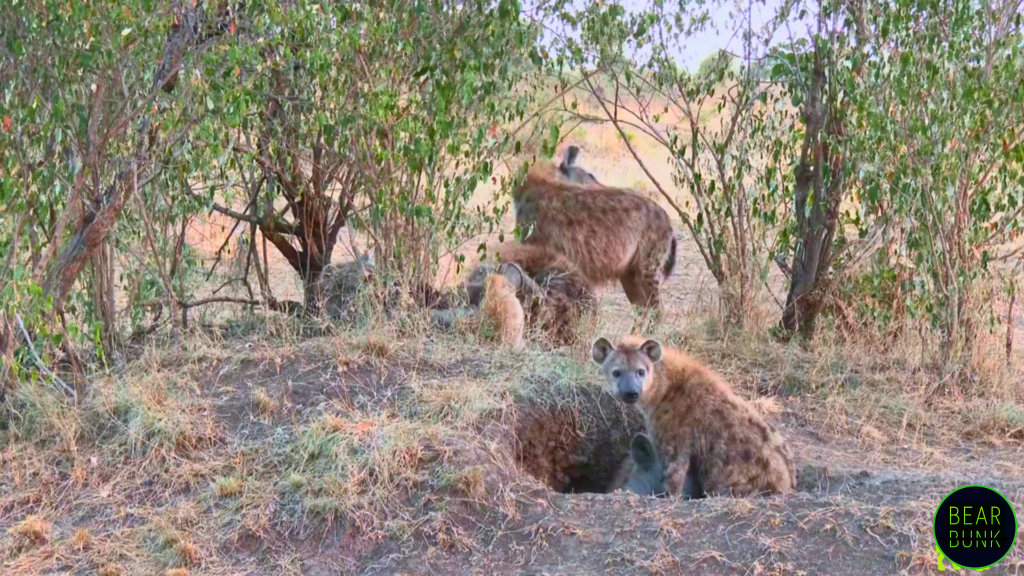
They typically use dens for shelter, which may be natural caves or burrows. These dens are important for resting during the day and raising young.
Diet
Hyenas are flexible feeders, which is one of the reasons they’ve survived for millions of years.
- Spotted hyenas often work together to find food and make efficient use of what they eat.
- Striped and brown hyenas tend to roam alone and rely on whatever food sources are available.
- Aardwolves specialize in insects, especially termites, which they gather using their long, sticky tongues.
Most hyenas are active at night, traveling long distances to find food and avoid the heat of the day.
Share On Social:
Mating & Raising Young
Hyenas have unique and fascinating reproductive behaviors. In spotted hyena clans, females choose their mates and play the dominant role within the group.
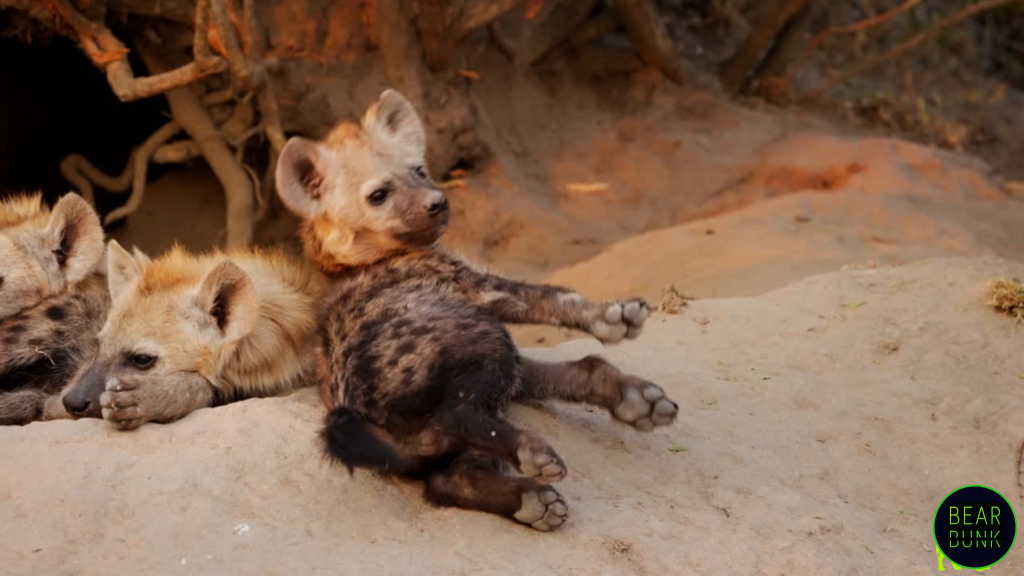
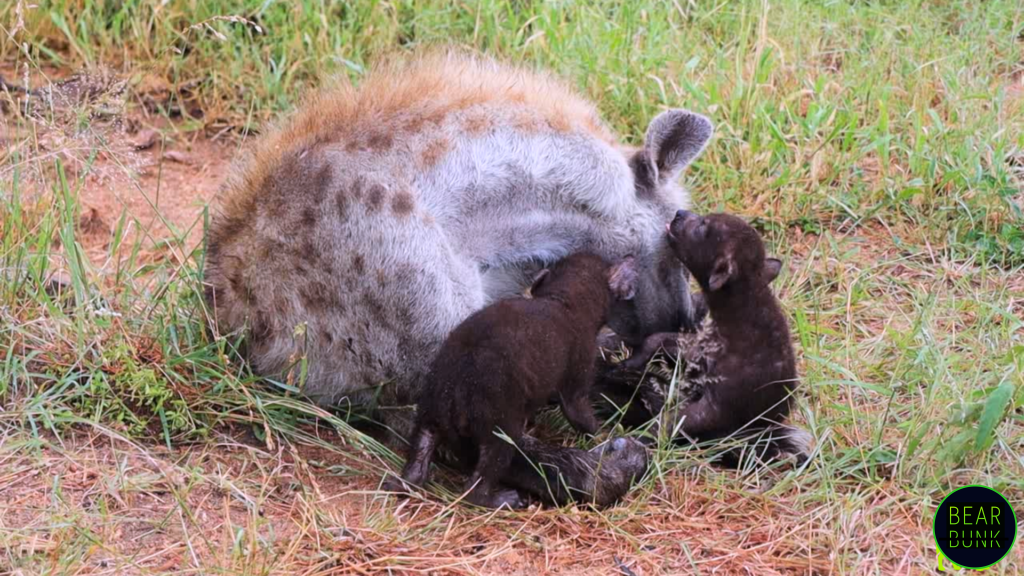
After a gestation period of about three to four months, mothers give birth in a den. Hyena cubs are born more developed than many other animals, with their eyes open and ready to interact with their surroundings.
Mothers are highly protective and invest a great deal of time raising their young. In social species, cubs also learn by interacting with other members of the clan, gradually understanding their place in the group.
Hyenas can live around 10 to 15 years in the wild, with some living longer in protected environments.
Behavior & Social Life
Hyenas are among the most social carnivores in the animal kingdom.
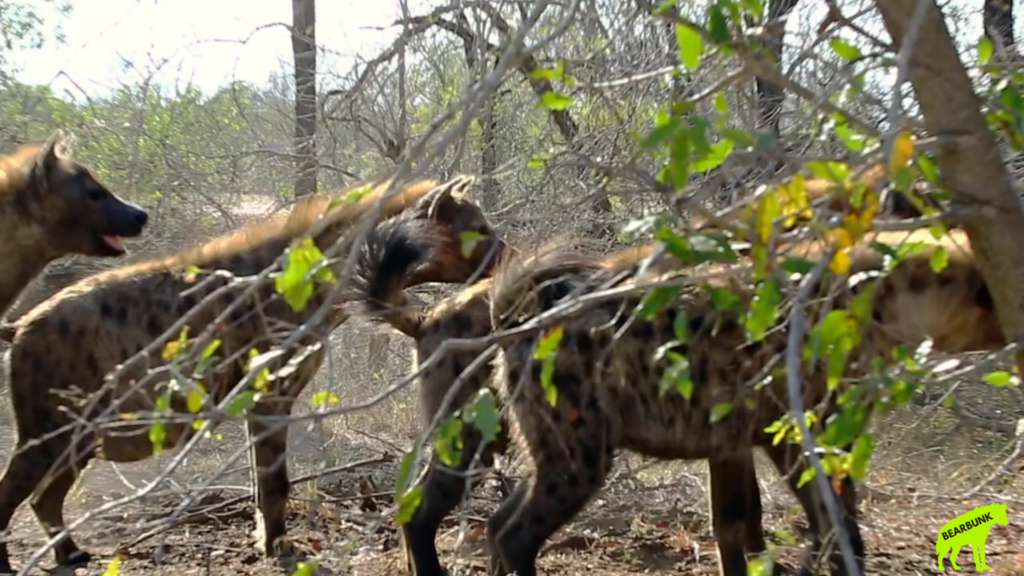
Spotted hyenas live in large groups called clans, which can include dozens of individuals. These clans are organized with a clear hierarchy, and females hold the highest ranks.
Communication is a key part of their lives. Hyenas use a range of vocalizations, including their well-known “laugh,” along with body language and scent marking to interact with one another. These signals help maintain structure and coordination within the group.
Even species that are more solitary still communicate and interact when necessary, especially around shared spaces.
Physical Features & Adaptations
Hyenas have several standout traits that make them exceptional survivors:
- One of the strongest bite forces relative to body size
- High intelligence, including problem-solving and memory
- Excellent endurance, allowing them to travel long distances
- Adaptability to different environments and food sources
These traits allow hyenas to thrive in conditions where many other animals would struggle.
Fun Facts
Hyena clans are led by dominant females Their “laugh” is a form of communication, not amusement Some species can run up to 40 miles per hour They can travel miles in a single night Aardwolves eat mostly termites
About Hyenas
Common Name: Hyena
Scientific Name: Family Hyaenidae
Family: Hyaenidae
Subfamily: Varies by species
Size: 3 to 5 feet long
Weight: 90 to 190 pounds (varies by species)
Lifespan: 10 to 15 years (wild)
Location: Africa, Middle East, India
Habitat: Savannas, grasslands, woodlands, deserts
Diet: Omnivore (meat, insects, fruit depending on species)
Conservation Status: Least Concern (varies by species)
Hyenas are intelligent, adaptable mammals that play an important role in their ecosystems. Their ability to communicate, cooperate, and survive in tough environments makes them one of the most fascinating and misunderstood animal groups in the wild.
Why We Love Them
Hyenas challenge expectations. What many people think of as simple scavengers are actually complex, social, and highly intelligent animals. Their strong family structures, communication skills, and adaptability make them one of the most impressive survivors in the animal world.
Conclusion
Hyenas are far more than their reputation suggests. With their intelligence, strength, and social complexity, they stand out as one of the most remarkable animals in the wild. The more we learn about them, the clearer it becomes that hyenas are not just survivors—they are highly advanced animals with rich and fascinating lives.
Learn More:
Watch the full Video on YouTube:
Hyenas Are Not What You Think The Truth About Hyenas – YouTube
Read more about:





Leave a Reply