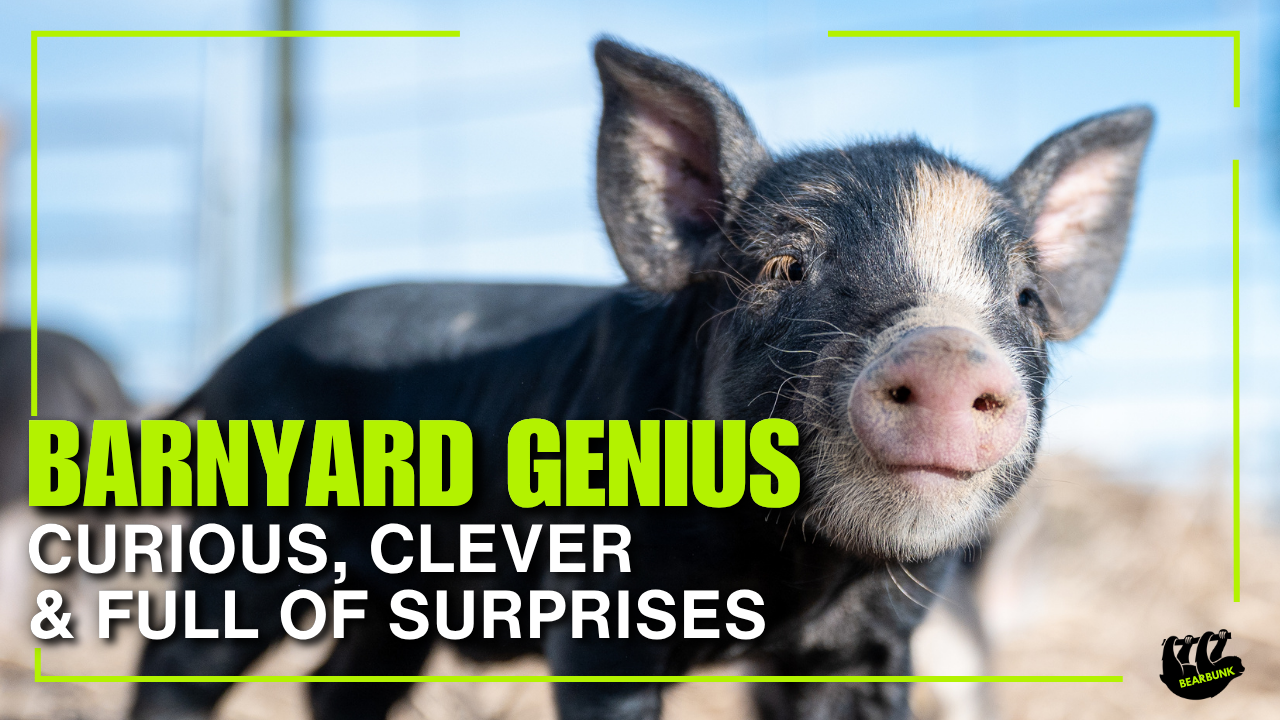
Meet the Domestic Pigs
Step into the fascinating world of domestic pigs, where remarkable intelligence meets endearing charm. Often misunderstood as simple farm animals, pigs are actually among the most curious, social, and clever creatures on the planet. From recognizing their own names to solving complex puzzles, these adaptable mammals possess cognitive skills that rival those of dogs. Whether they are wallowing in cool mud to beat the afternoon heat or using their powerful snouts to investigate their surroundings, domestic pigs continuously surprise us with their rich personalities and keen awareness.
Species of Domestic Pigs
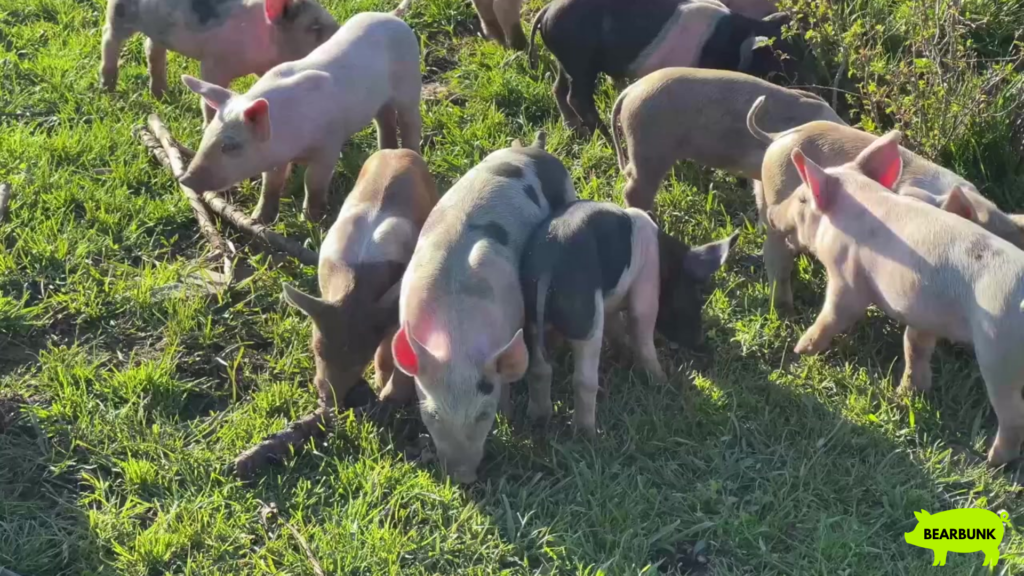
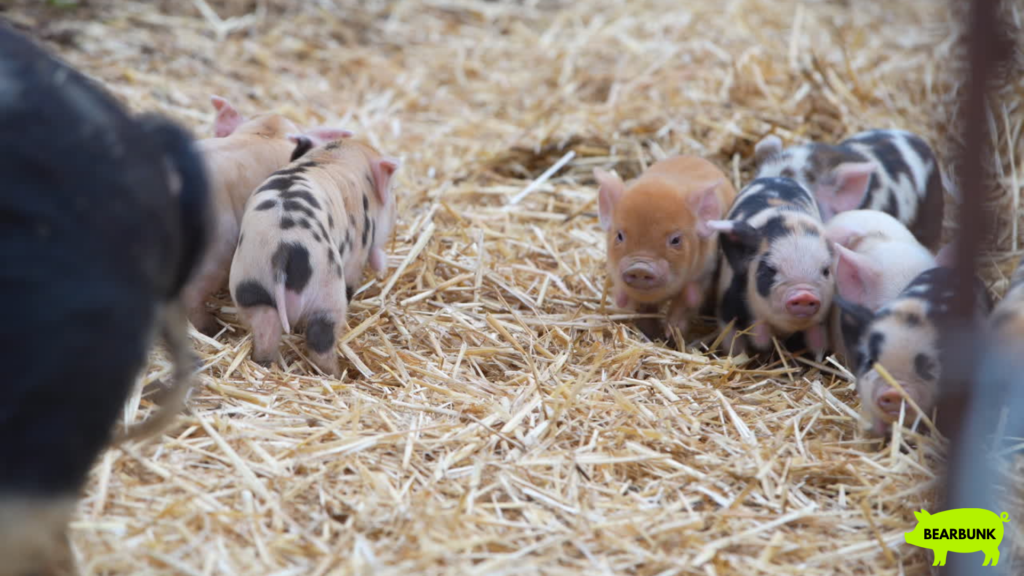
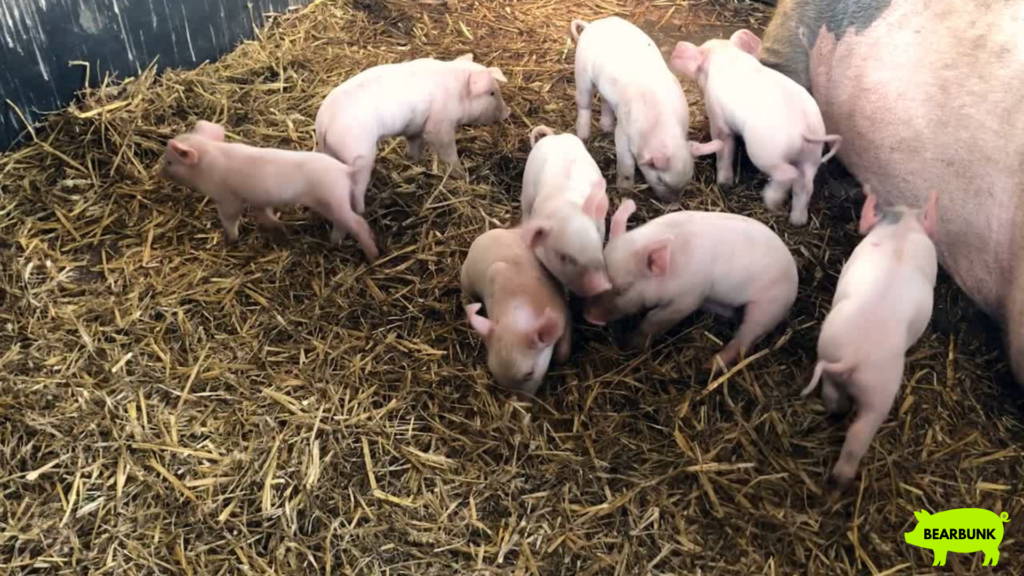
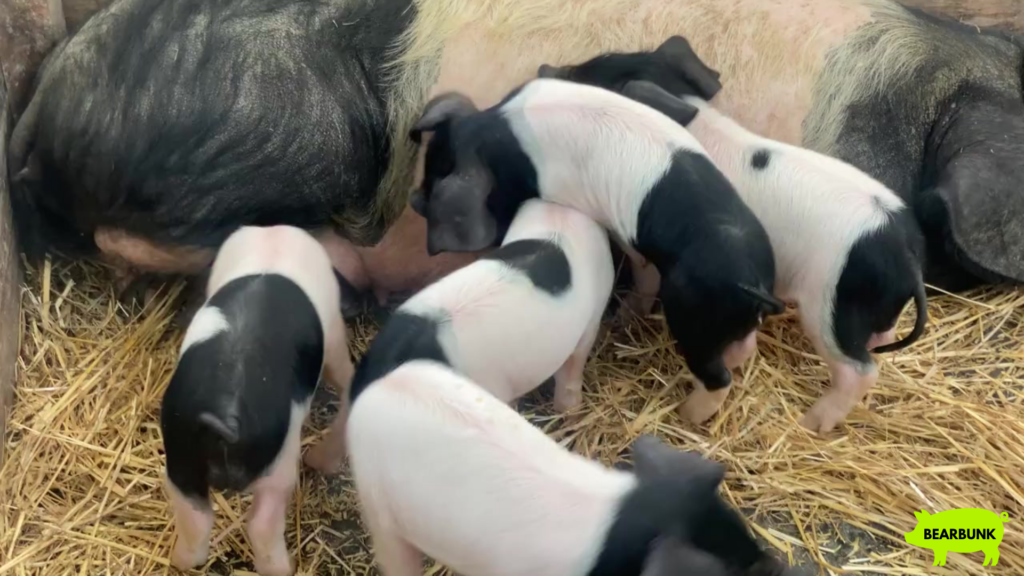
Domestic pigs all belong to a single species, scientifically classified as Sus scrofa domesticus, within the family Suidae. While they share a single species designation, human care over centuries has given rise to a rich variety of distinct breeds, each possessing unique physical traits, color patterns, and temperaments tailored to farm life around the world.
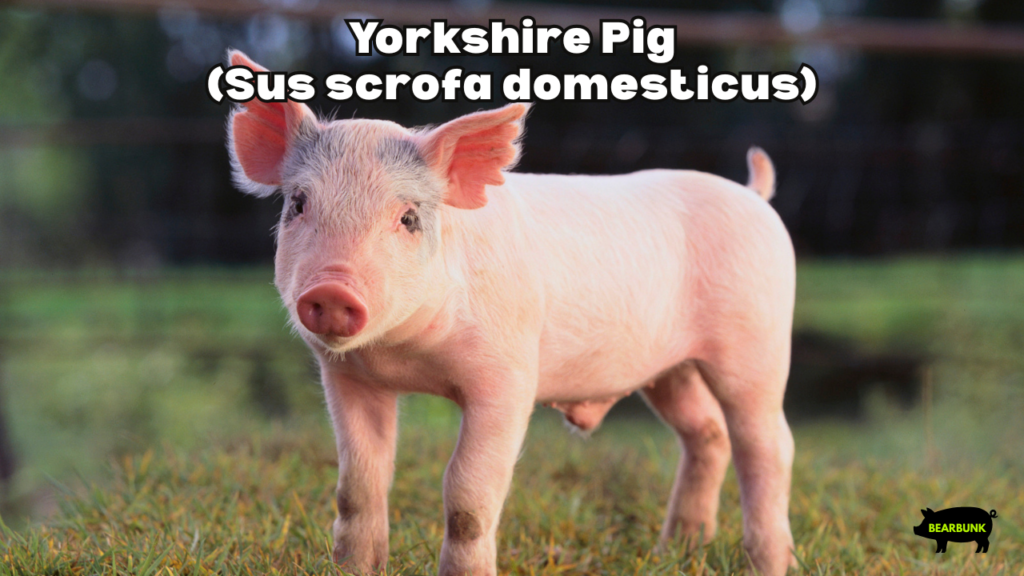
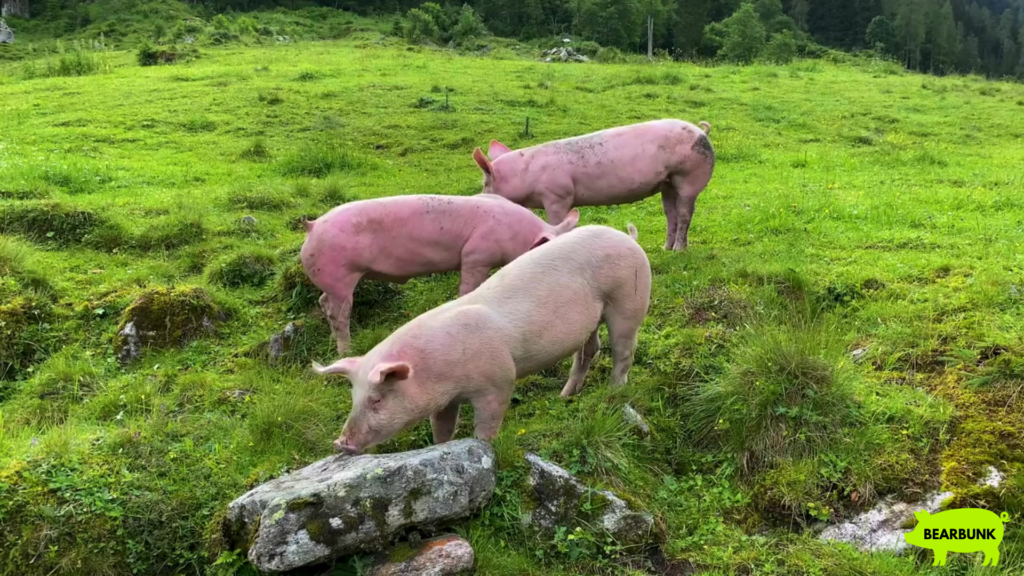
Yorkshire Pig (Sus scrofa domesticus)
The Yorkshire pig is one of the most recognized large domestic pig breeds, known for its smooth white coat, erect ears, and sturdy frame. Originating in England, these gentle giants are celebrated for their strong mothering instincts and adapt well to diverse farm habitats.
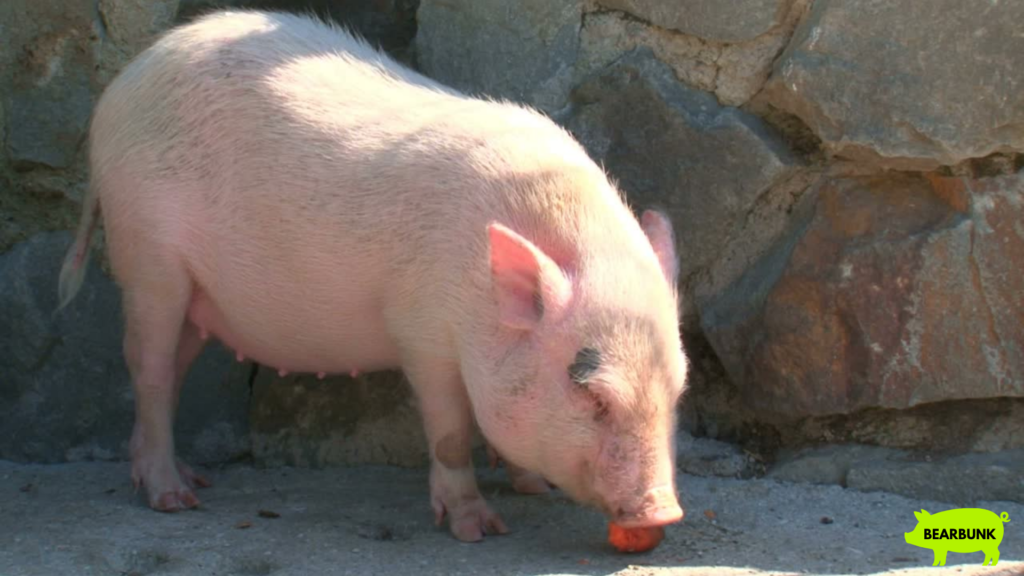
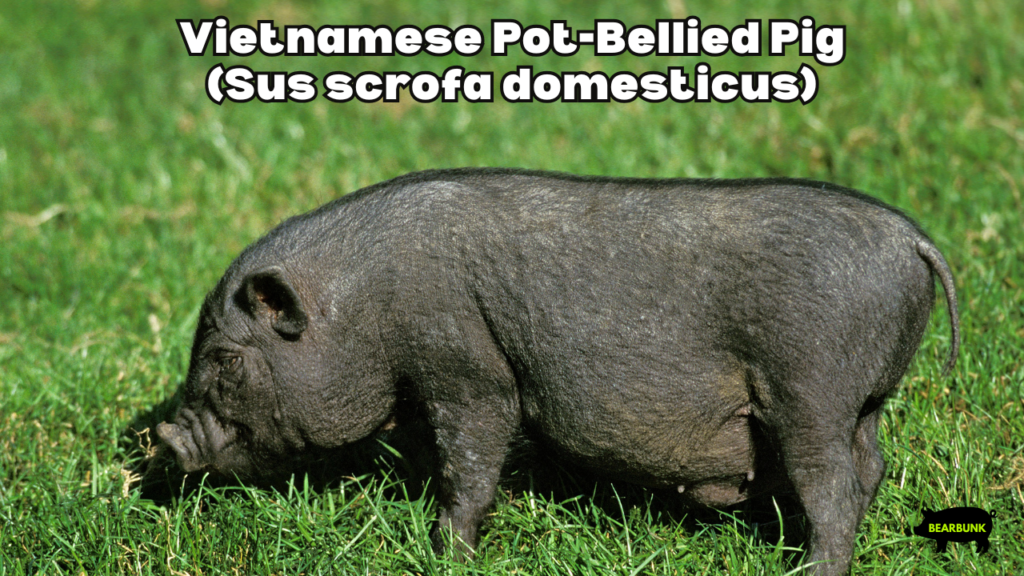
Vietnamese Pot-Bellied Pig (Sus scrofa domesticus)
The Vietnamese pot-bellied pig is a distinctly small breed known for its compact body, short legs, wrinkled snout, and characteristic swayback belly. Their small size and exceptionally high intelligence have made them popular both on small farms and as affectionate, trainable companions.
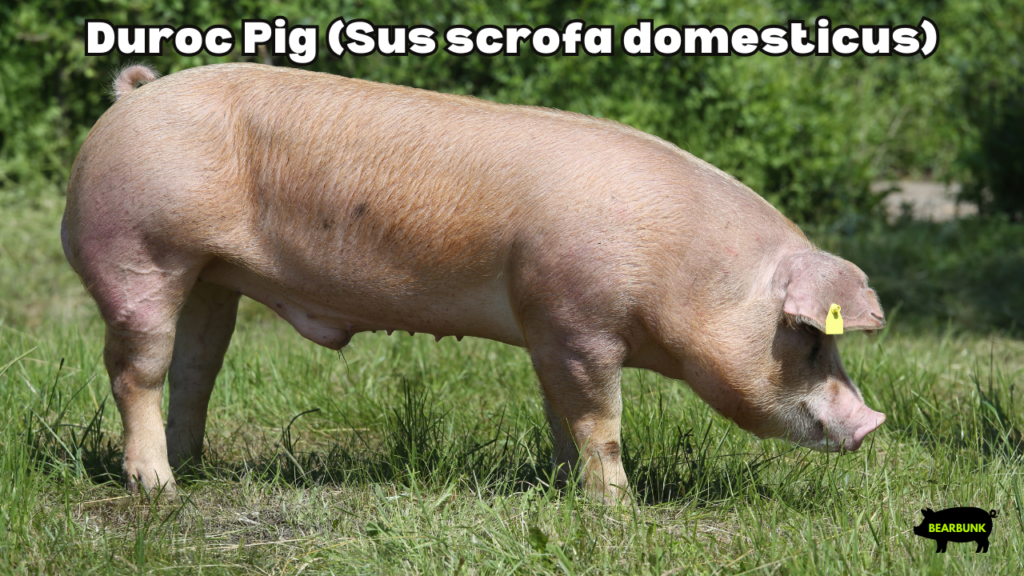
Duroc Pig (Sus scrofa domesticus)
Characterized by its deep reddish-brown coat and droopy ears, the Duroc pig is a hardy and energetic breed. They are well-regarded for their muscular build, gentle disposition, and keen ability to forage efficiently across open pasture lands.
Habitat
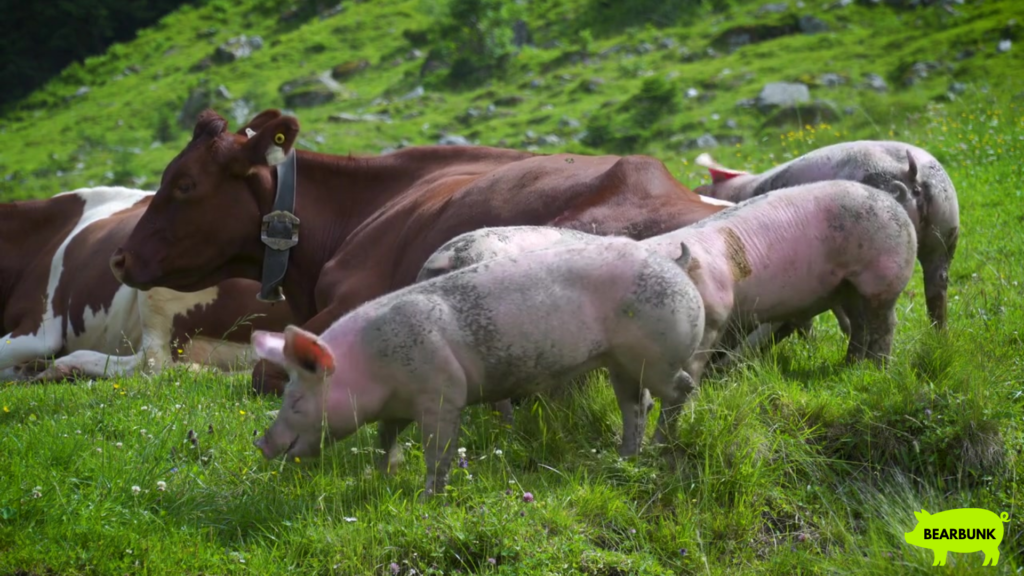
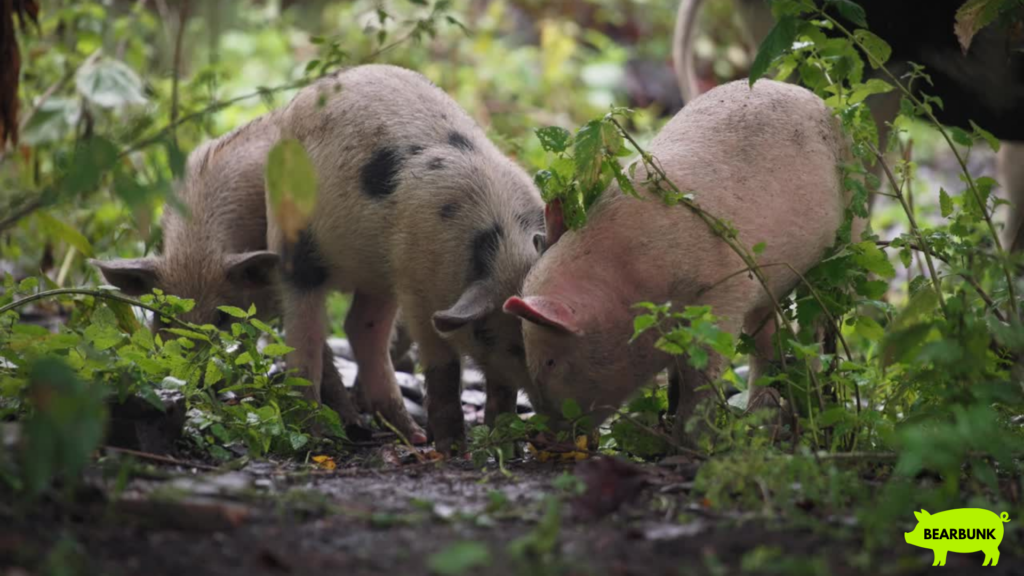
Domestic pigs can be found thriving on farms and sanctuaries across the globe, inhabiting diverse agricultural landscapes where human caregivers provide shelter, food, and space. Unlike their wild ancestors, these domesticated animals depend on comfortable resting areas, shaded paddocks, and managed pastures that shield them from extreme weather. Because pigs lack effective sweat glands, access to fresh drinking water, shade, and shallow mud wallows is essential to their environmental comfort during warm seasons. When given room to roam, pigs eagerly explore grassy fields, turning up the soil to create natural resting spots that keep them cool and protected from insect bites.
Diet
As classic omnivores, domestic pigs thrive on a varied diet consisting of both plant-based foods and nutritional items found in their environment. In farm settings, their daily rations typically feature balanced grains like corn and barley, supplemented by fresh fruits, vegetables, and subterranean roots. Pigs forage using their uniquely engineered, muscular snouts to push, sniff, and root into the dirt for hidden treats. Equipped with an exceptionally keen sense of smell, they can locate buried roots, tubers, and fallen crops with astounding accuracy, turning everyday feeding into an active, sensory-driven exploration.
Share On Social:
Mating, Babies & Family Life
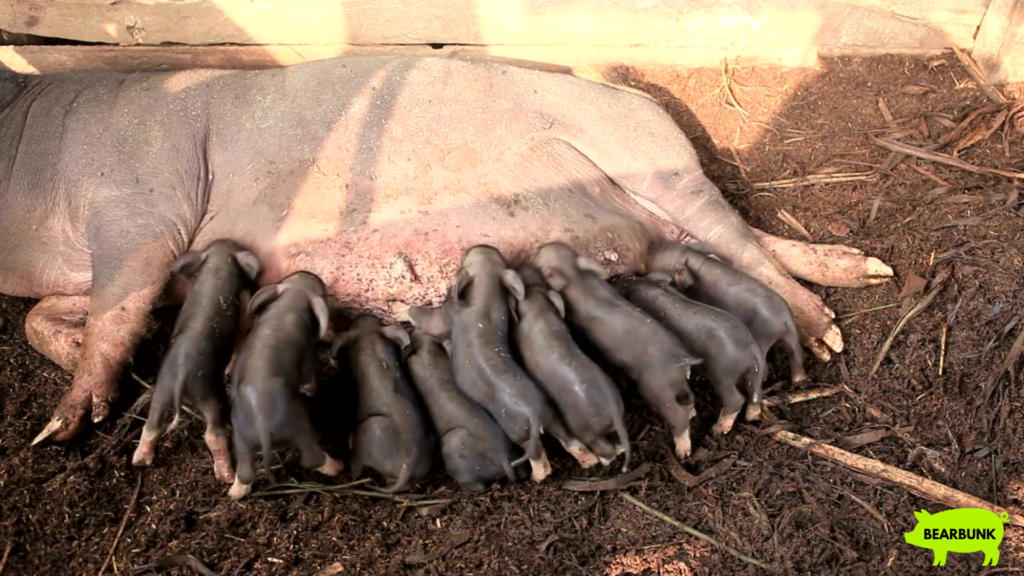
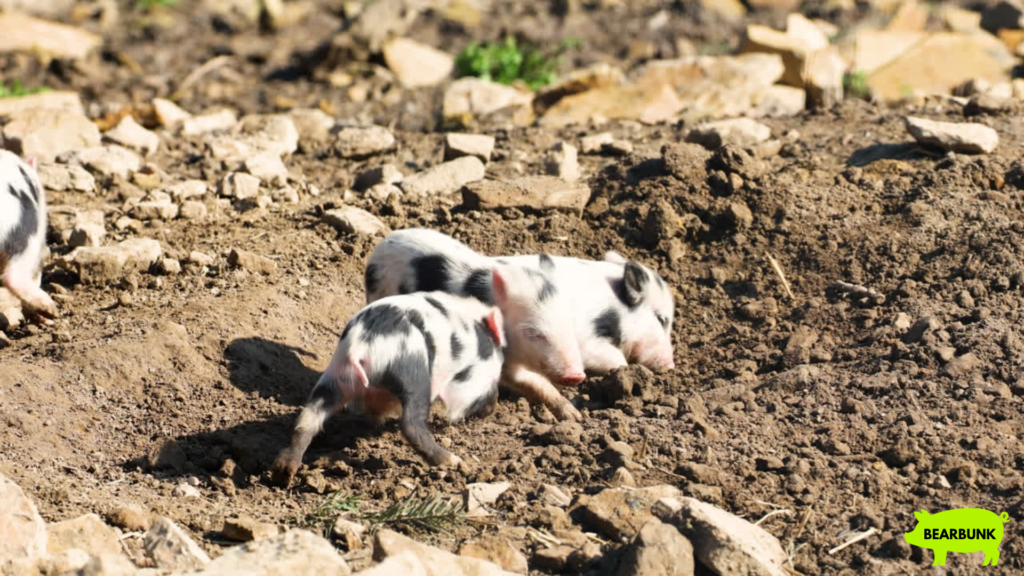
Domestic pigs exhibit a broad spectrum of physical forms, featuring sturdy bodies supported by short legs ending in specialized cloven hooves divided into two primary weight-bearing toes. Their coats come in a vibrant variety of colors depending on the breed, including soft pink, deep black, snowy white, rusty red, and intricate spotted patterns. One of their most defining physical features is their flexible, flat-fronted snout, which combines immense physical strength with delicate touch sensitivity. Complemented by large floppy or alert upright ears and a signature curled tail, a pig’s anatomical design perfectly supports its inquisitive nature and digging lifestyle.
Behavior & Social Life
Socially dynamic and deeply expressive, domestic pigs build close-knit relationships within their herds and form long-lasting friendships with individual companions. They communicate through a sophisticated vocabulary of vocalizations—including warm grunts, inquisitive snorts, and high-pitched squeals—that express everything from curiosity to contentment. Highly playful by nature, happy pigs frequently nudge objects with their snouts, chase one another playfully, and investigate novel toys introduced into their space. When resting, pigs prefer to sleep closely huddled together, sharing body warmth and demonstrating their strong need for social connection.
Physical Features & Adaptations
Domestic pigs exhibit a broad spectrum of physical forms, featuring sturdy bodies supported by short legs ending in specialized cloven hooves divided into two primary weight-bearing toes. Their coats come in a vibrant variety of colors depending on the breed, including soft pink, deep black, snowy white, rusty red, and intricate spotted patterns. One of their most defining physical features is their flexible, flat-fronted snout, which combines immense physical strength with delicate touch sensitivity. Complemented by large floppy or alert upright ears and a signature curled tail, a pig’s anatomical design perfectly supports its inquisitive nature and digging lifestyle.
Interactions with Humans
Throughout human history, domestic pigs have played an essential role in agriculture, evolving from ancient livestock into valued farm animals and intelligent companions. Today, growing appreciation for pig intelligence has shifted public perception, highlighting their incredible capacity for training, task-solving, and affectionate human interactions. Sanctuaries and educational farms frequently feature pigs to teach visitors about animal cognition and welfare. As people discover how quick pigs are to learn instructions and bond with their handlers, respect for these resilient and friendly animals continues to grow worldwide.
Fun Facts
- “• Internal Thermoregulation: Pigs lack efficient sweat glands, so they roll in cool mud or splash in fresh water to lower their body temperature during hot weather.
- Exceptional Memory: Pigs have remarkable cognitive abilities, allowing them to solve simple puzzles, navigate pathways, recognize familiar human faces, and learn their own names.
- Pregnancy Clock: A sow’s gestation period can be easily remembered by the rule of three: three months, three weeks, and three days (approximately 114 days).
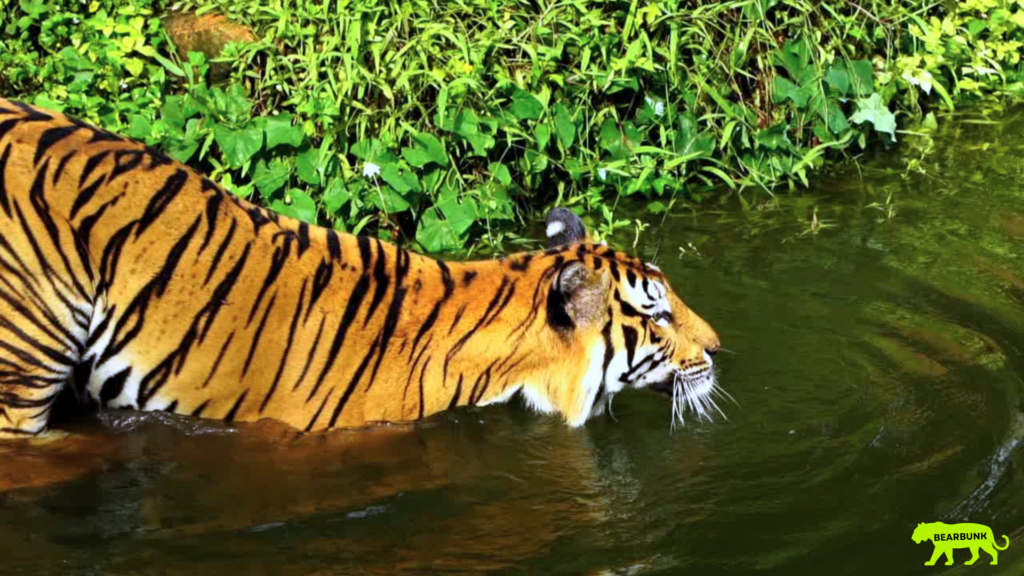
- Natural Swimmers: Despite their heavy bodies and short legs, domestic pigs possess an intuitive ability to swim naturally through water when given the chance.
- Sensitive Snouts: A pig’s flat snout is packed with sensitive nerve endings, making it a powerful sensory tool capable of detecting buried food deep underground.”
About Domestic Pigs
Common Name: Domestic Pig
Scientific Name: Sus scrofa domesticus
Family: Suidae
Order: Artiodactyla
Class: Mammalia
Diet: Omnivore (grains, roots, fruits, vegetables)
Habitat: Farms, pastures, and agricultural environments
Lifespan: 10 to 15 years
Size: 3 to 6 feet long; 100 to over 700 pounds depending on breed
Speed: Up to 11 mph
Region: Worldwide
Conservation Status: Domesticated
Why We Love Them
It is impossible not to fall in love with domestic pigs once you experience their bright minds, gentle warmth, and playful spirit. Their joyful morning greetings, soft grunting conversations, and enthusiastic tail wiggles bring an unmistakable cheer to any barnyard. Pigs teach us that intelligence takes many wonderful forms in the animal kingdom, reminding us to look beyond common stereotypes. Their affectionate social bonds and delightful curiosity make them truly unforgettable creatures that touch the hearts of animal lovers everywhere.
Conclusion
Domestic pigs stand out as extraordinary examples of nature’s intelligence, adaptability, and social richness. From their sensitive, hard-working snouts to their complex vocal communication and warm family instincts, these animals enrich our understanding of the domesticated world. By taking the time to appreciate their true capabilities, we gain a deeper respect for the wonderful animals that share our lives and farms.
Learn More:
If you loved discovering the secrets of these clever barnyard residents, be sure to check out our complete video episode on the BearBunk channel! Watch these intelligent animals in action and explore even more incredible wildlife adventures by visiting . Don’t forget to like, subscribe, and share your favorite pig facts in the comments!
Domestic Pigs Surprising Facts About One of the Smartest Animals
Read more about:





Leave a Reply