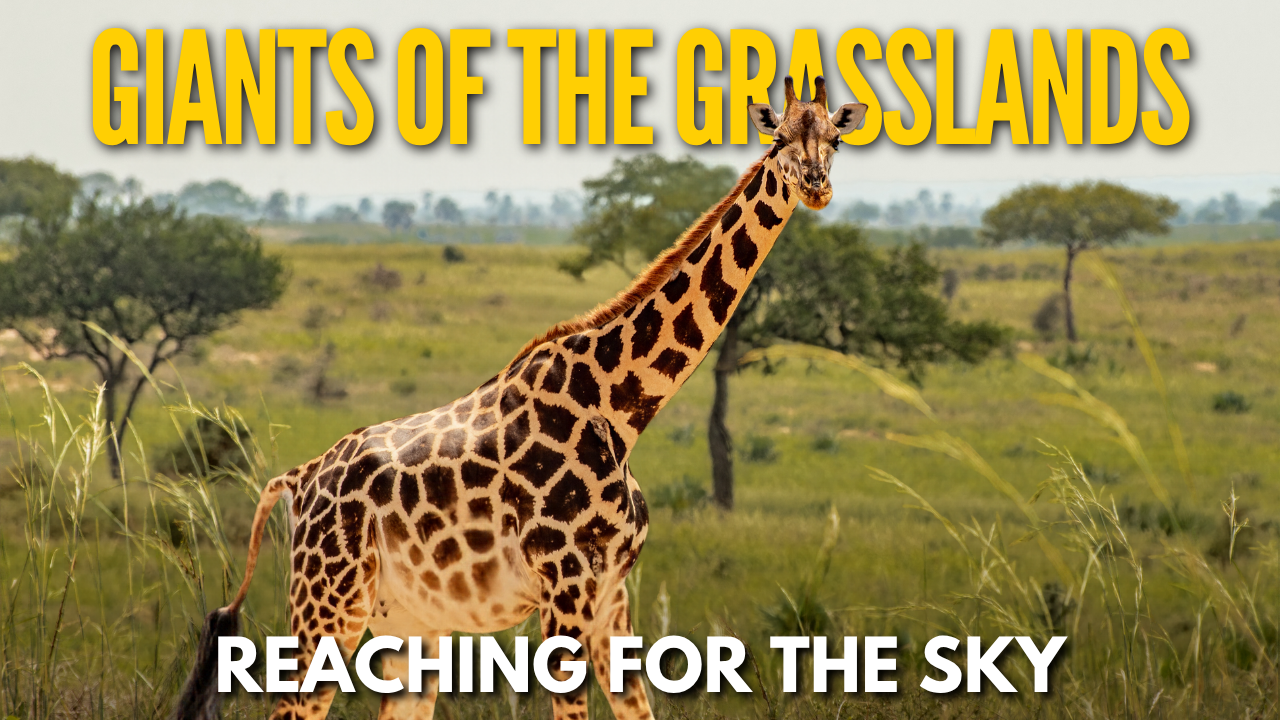
Meet the Giraffe
Giraffes are the tallest land animals on Earth, known for their long necks, distinctive spotted coats, and graceful movements across the African landscape. These remarkable mammals have special adaptations that help them reach leaves high in trees, navigate their habitats, and raise their young. From their unusual tongues to their powerful hearts, giraffes have plenty of fascinating features worth exploring.
Species of Giraffes
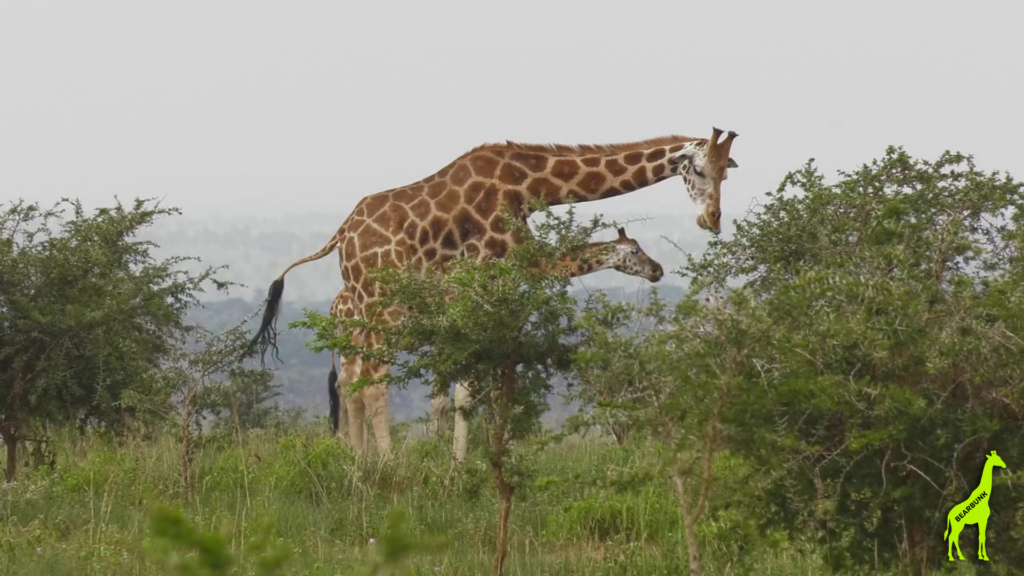
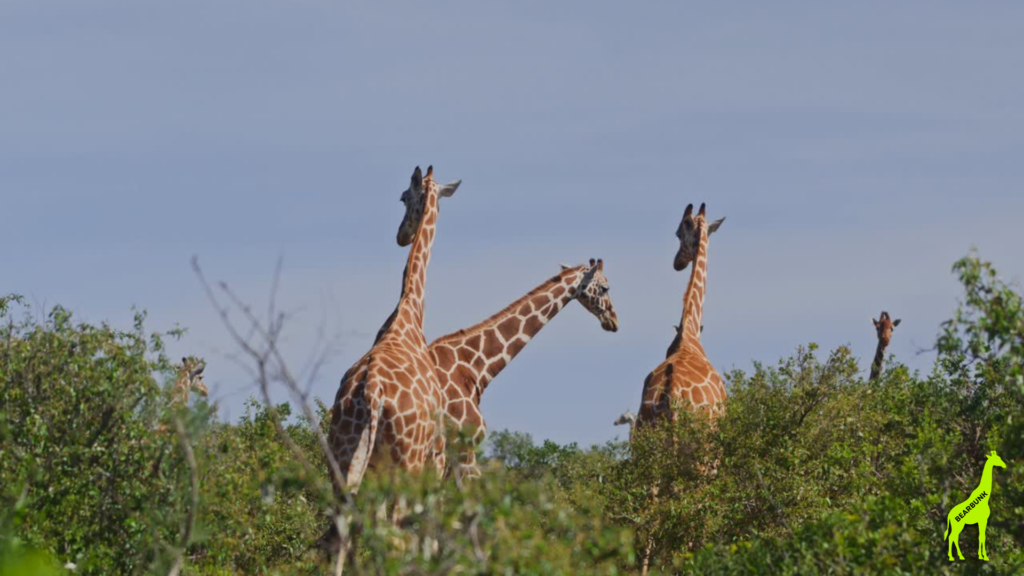
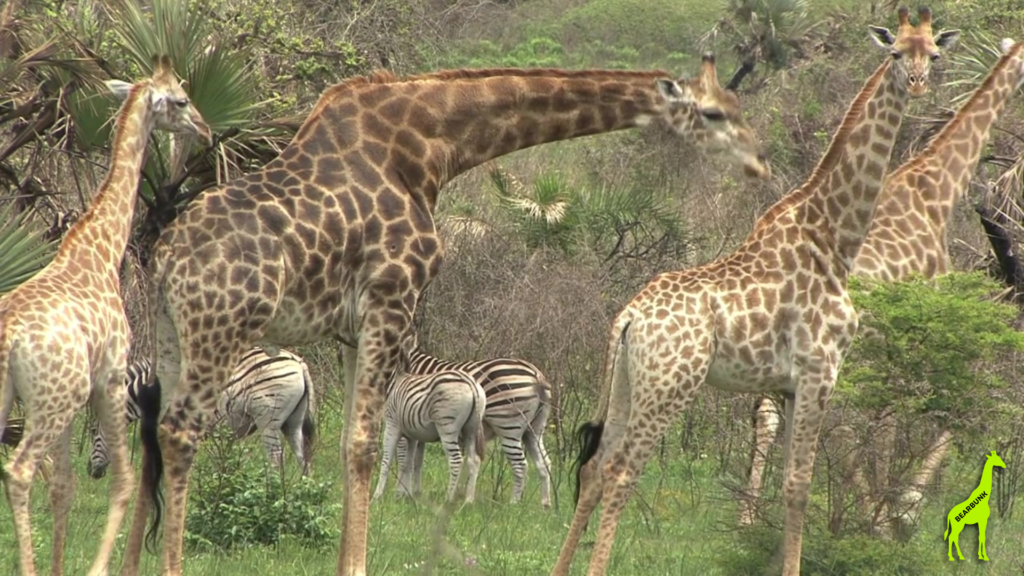
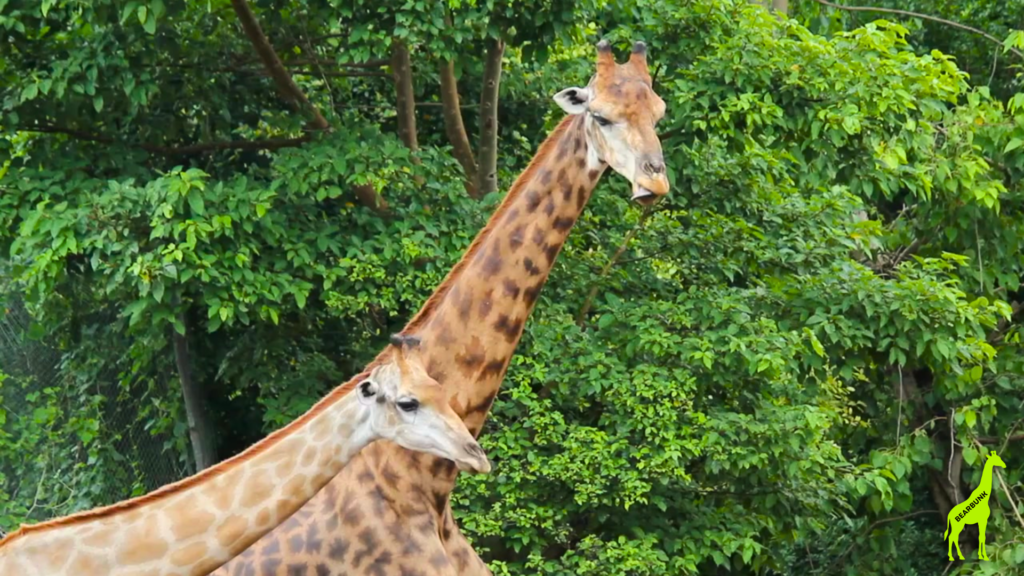
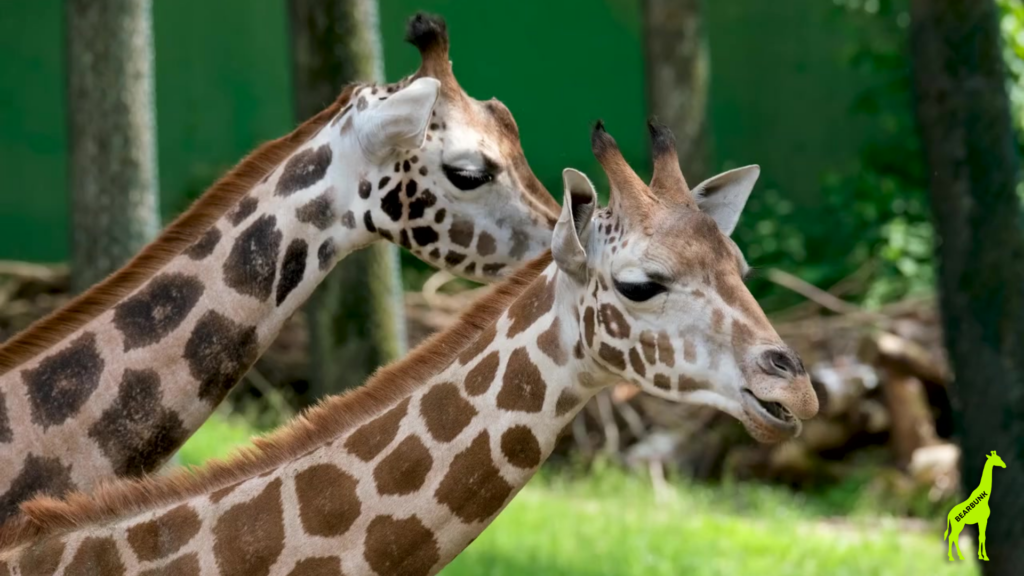
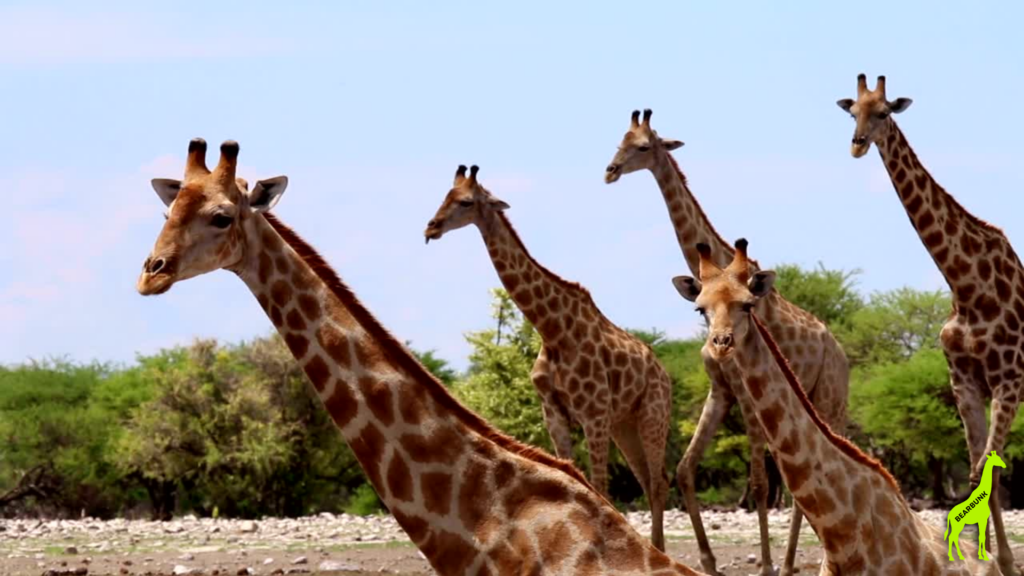
Scientists recognize four main giraffe species: the northern giraffe, southern giraffe, reticulated giraffe, and Masai giraffe. Each has a distinct geographical range and coat pattern. Reticulated giraffes have clearly defined patches separated by pale lines, while Masai giraffes have irregular, jagged patches. Although all giraffes share a familiar tall shape, their patterns and other characteristics help distinguish them.
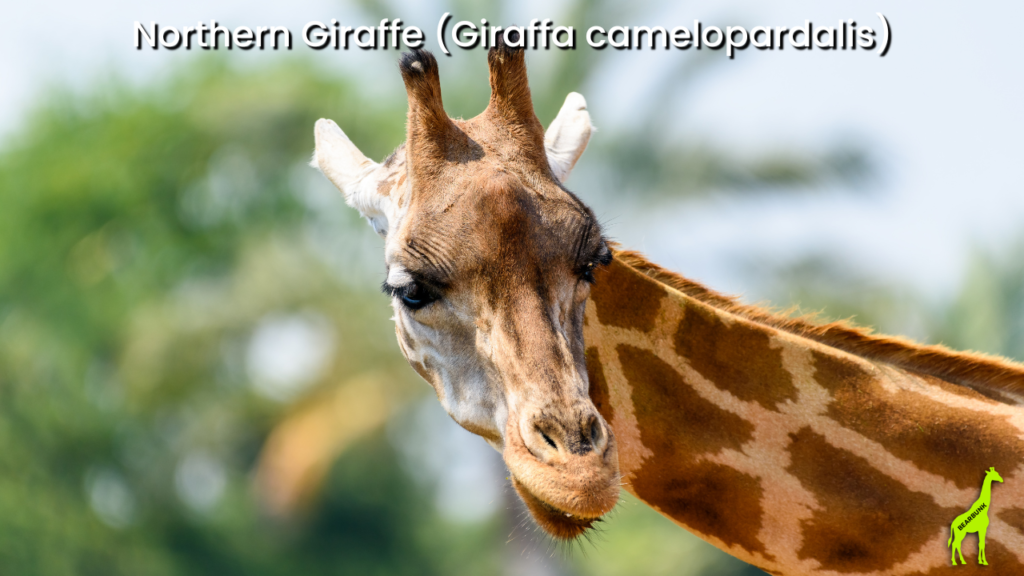
Northern Giraffe (Giraffa camelopardalis)
Found in parts of central, eastern, and western Africa, depending on the subspecies. Northern giraffes often have large, irregular patches with lighter areas between them. Their populations and ranges vary considerably, and several populations face conservation challenges.
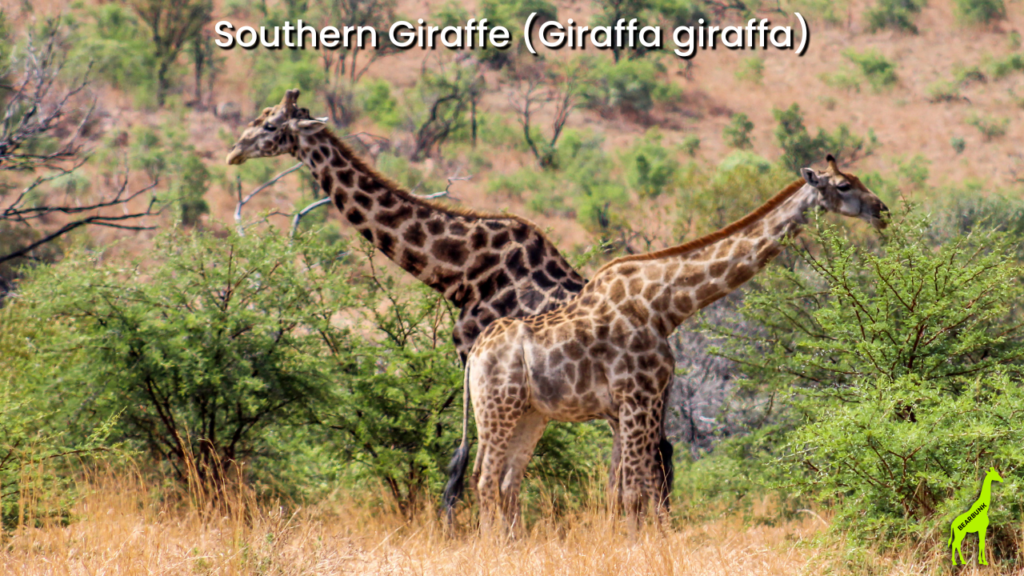
Southern Giraffe (Giraffa giraffa)
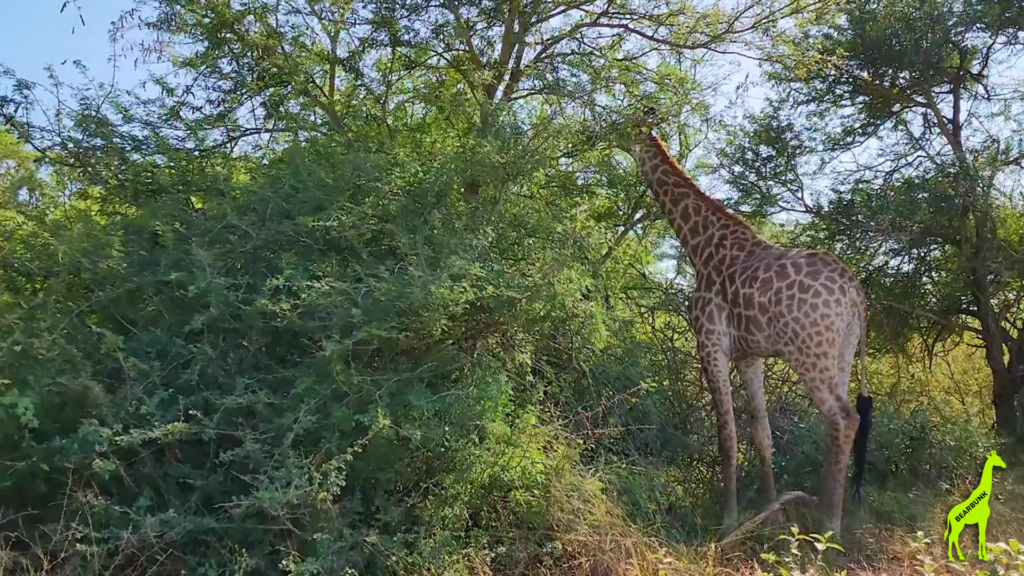
Found mainly in southern Africa. Southern giraffes have distinctive patches that vary in shape and color, often appearing rounded or irregular against a lighter background. They inhabit savannas, woodlands, and other areas with suitable trees and shrubs.
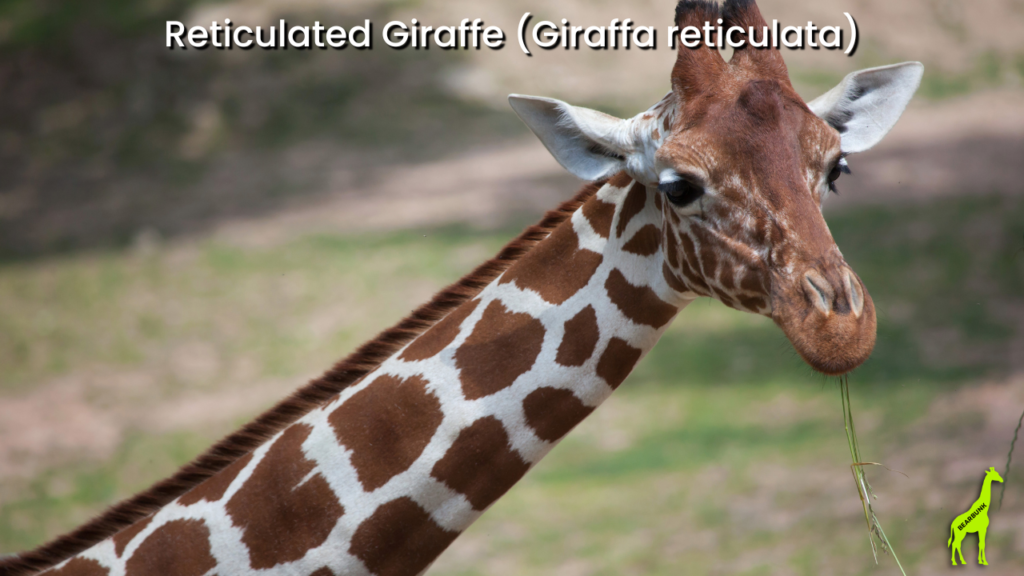
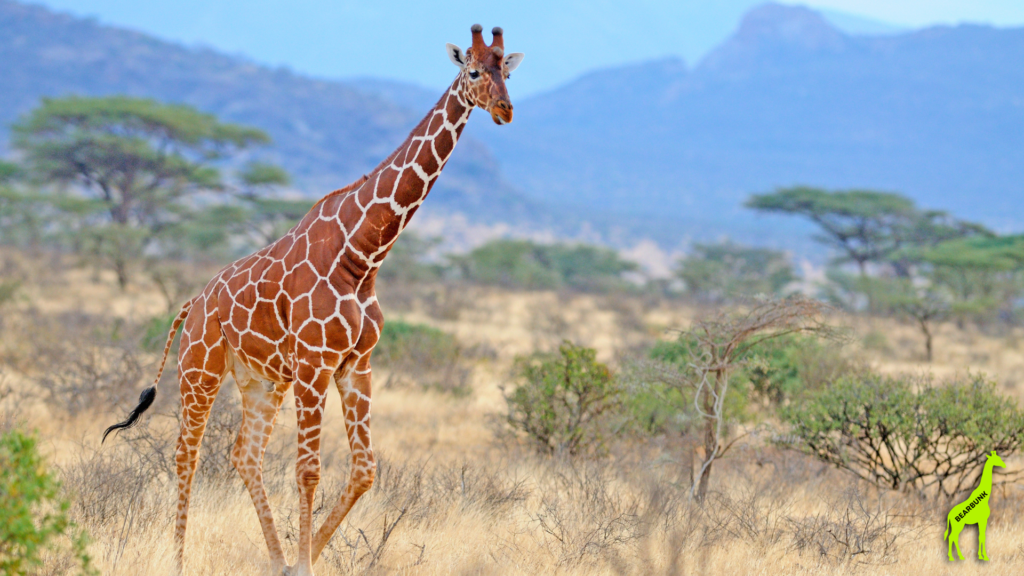
Reticulated Giraffe (Giraffa reticulata)
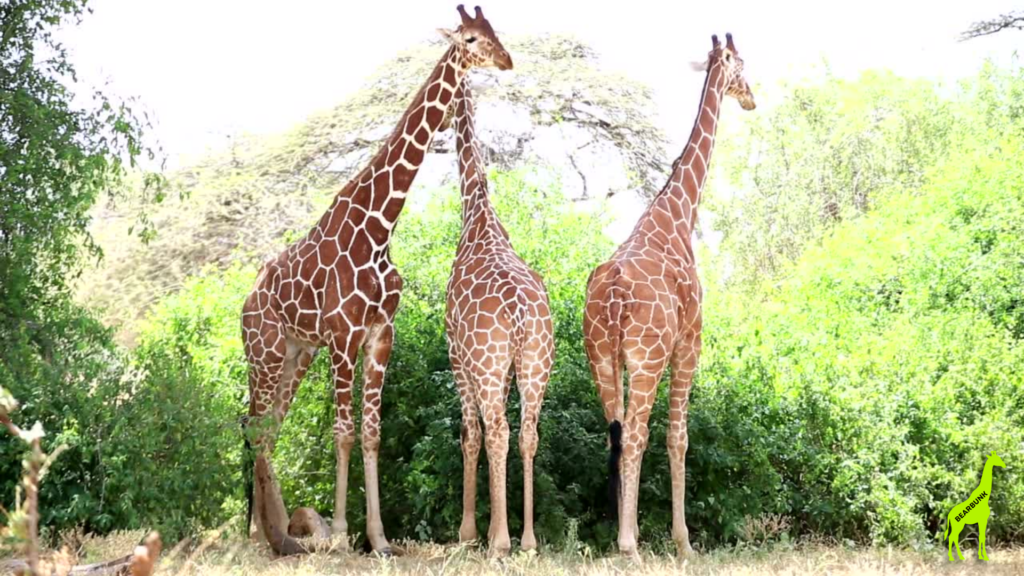
Native to the Horn of Africa, especially northern Kenya, with populations in nearby areas. Its striking coat features large, sharply defined chestnut-colored patches separated by bright, narrow white lines, creating a beautiful net-like pattern.
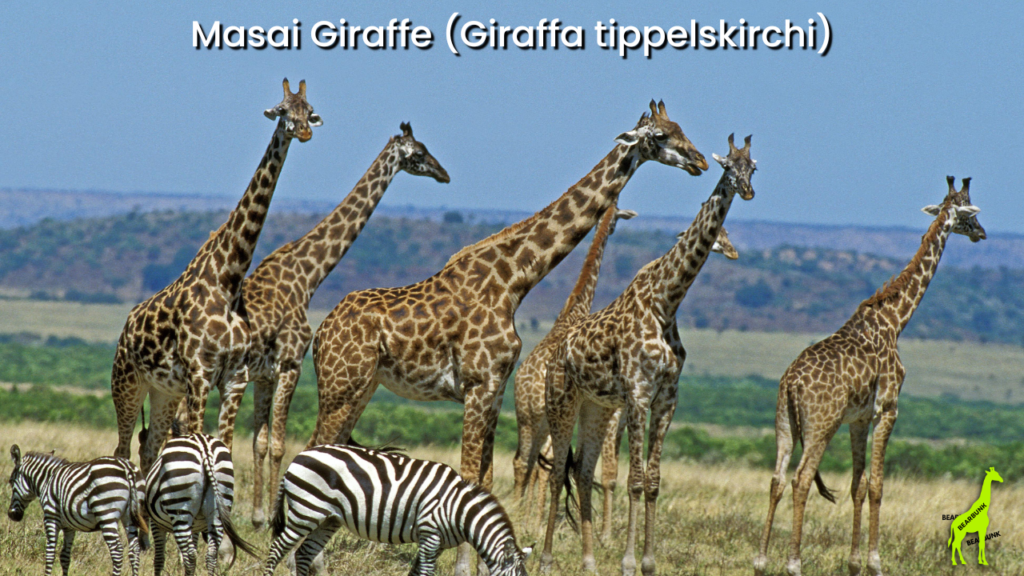
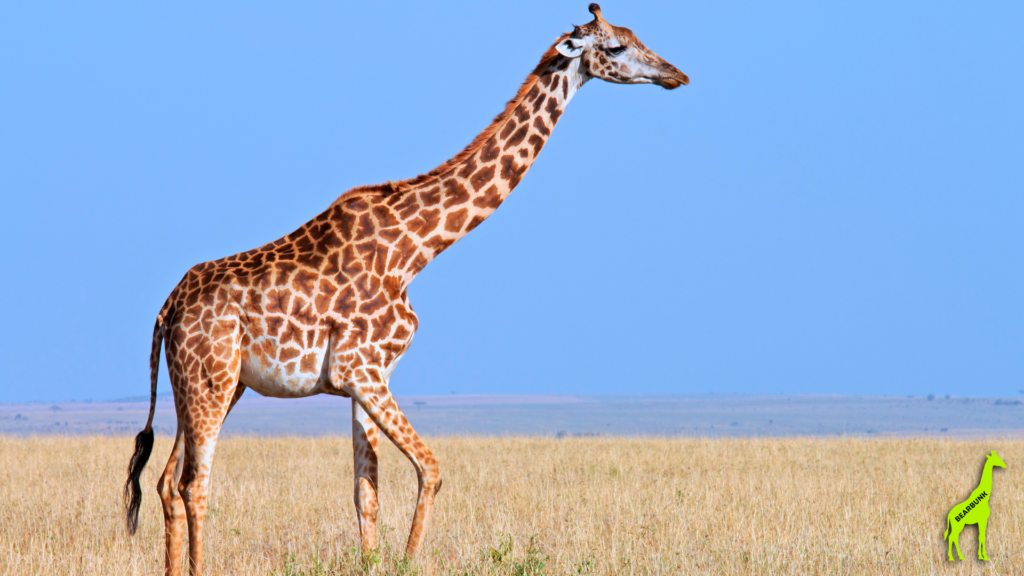
Found primarily in Tanzania and Kenya. Masai giraffes are recognizable by their irregular, jagged patches that resemble leaves or uneven stars. They inhabit savannas and open woodlands across eastern Africa.
Habitat
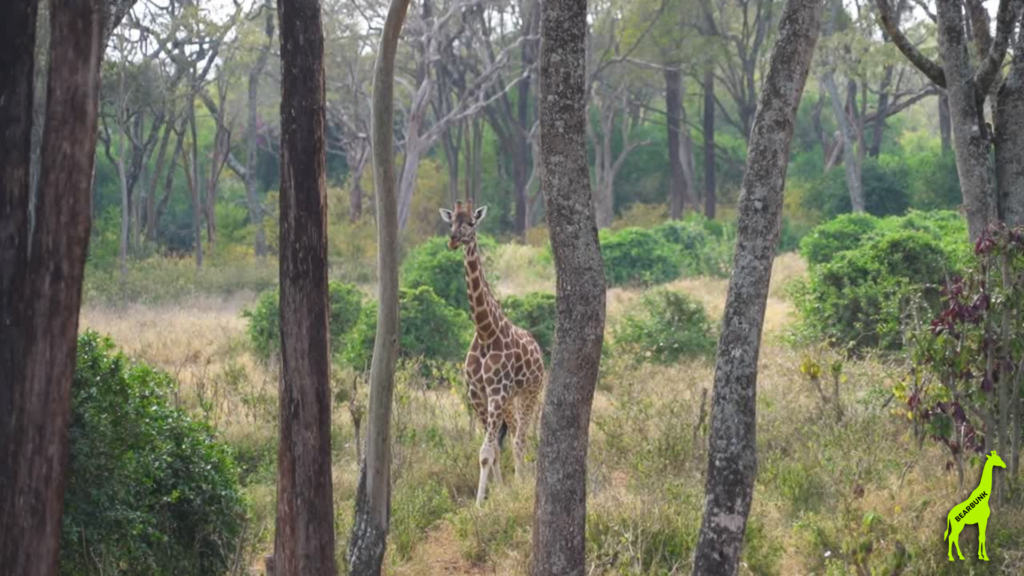
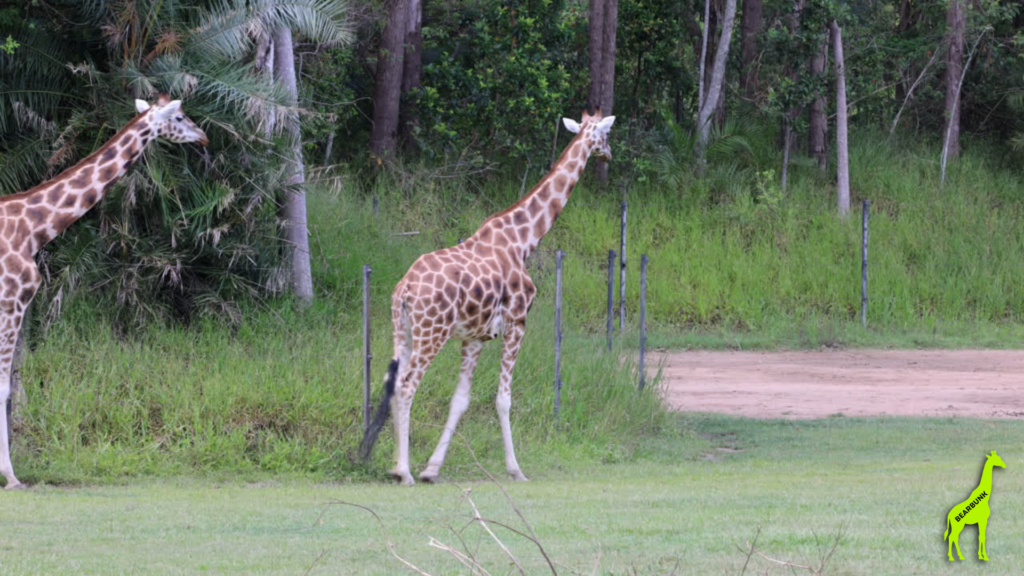
Giraffes live in Africa, primarily in open savannas, grasslands, and woodlands where trees and shrubs provide food. They occur across several areas of eastern and southern Africa, with smaller ranges in western and central regions. Their long legs help them travel across wide landscapes between feeding areas, while scattered trees provide access to the leaves they eat.
Diet
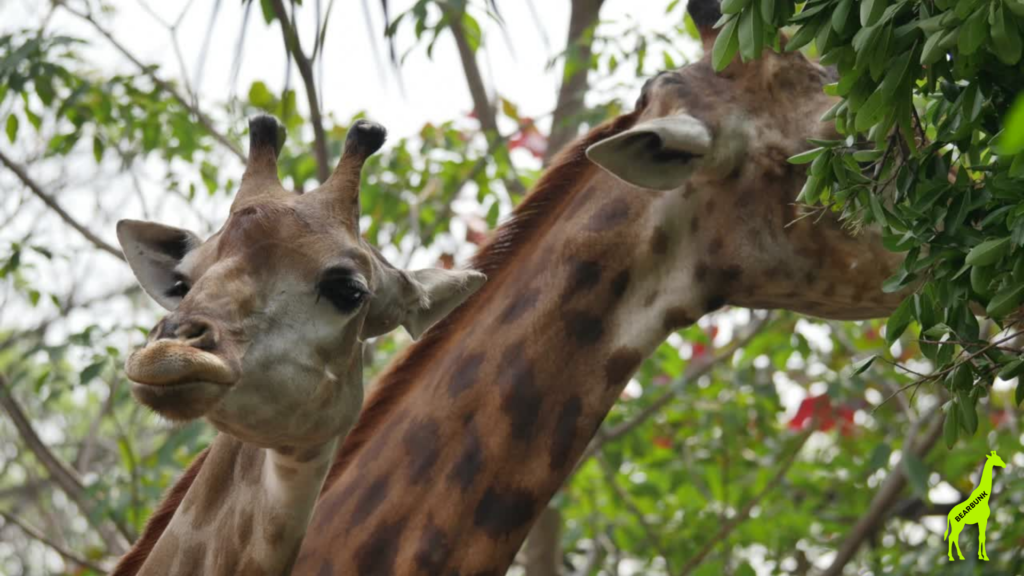
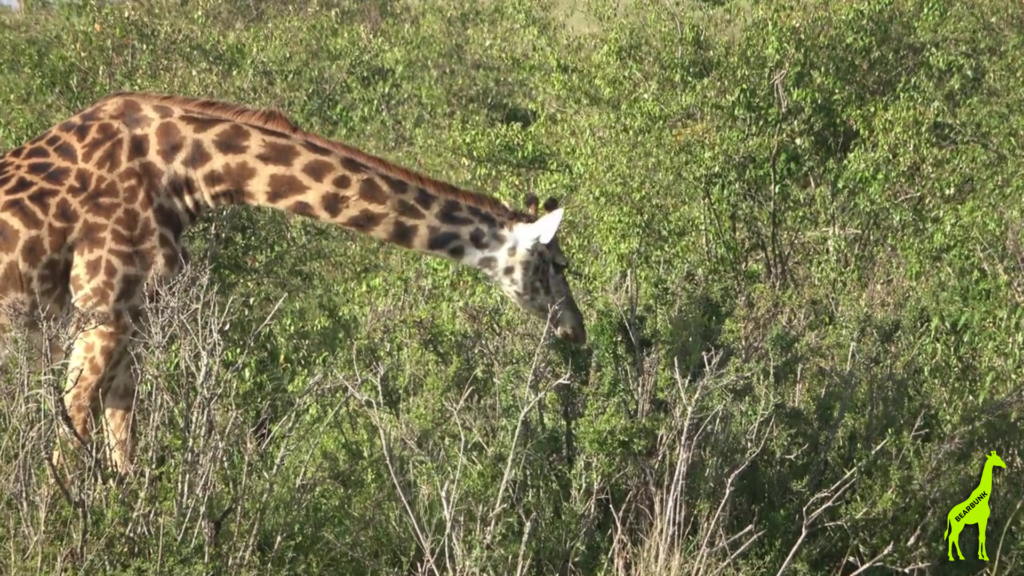
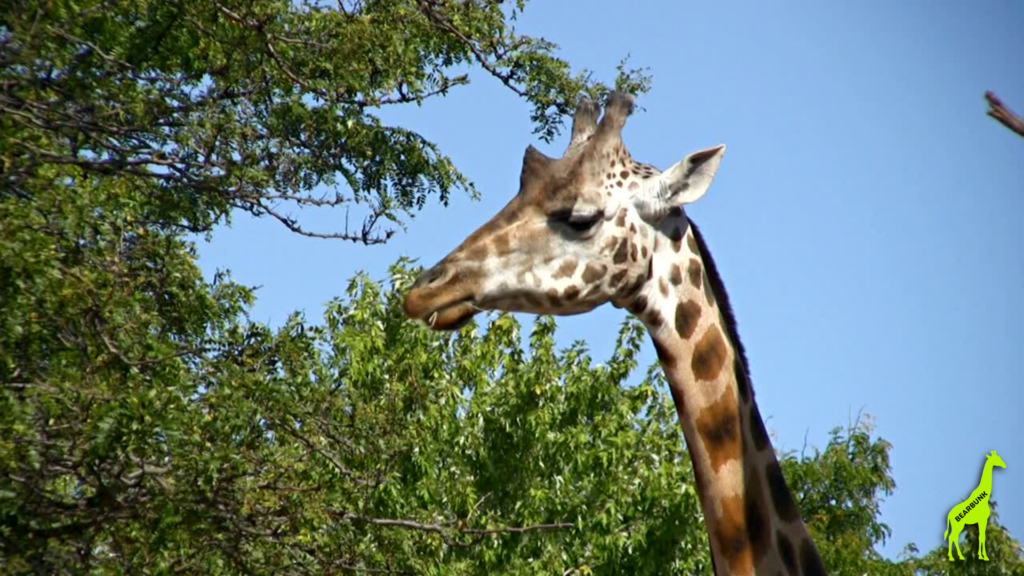
Giraffes are herbivores that browse on leaves, flowers, seed pods, and fresh shoots. Acacia leaves are among their favorite foods. Their long, flexible tongues can reach around branches and pull off leaves, while tough lips and specially adapted mouths help them feed among thorny vegetation. Giraffes spend many hours feeding and have a four-chambered stomach. As ruminants, they bring partially digested food back up to chew again, a process known as chewing the cud.
Share On Social:
Mating, Babies & Family Life
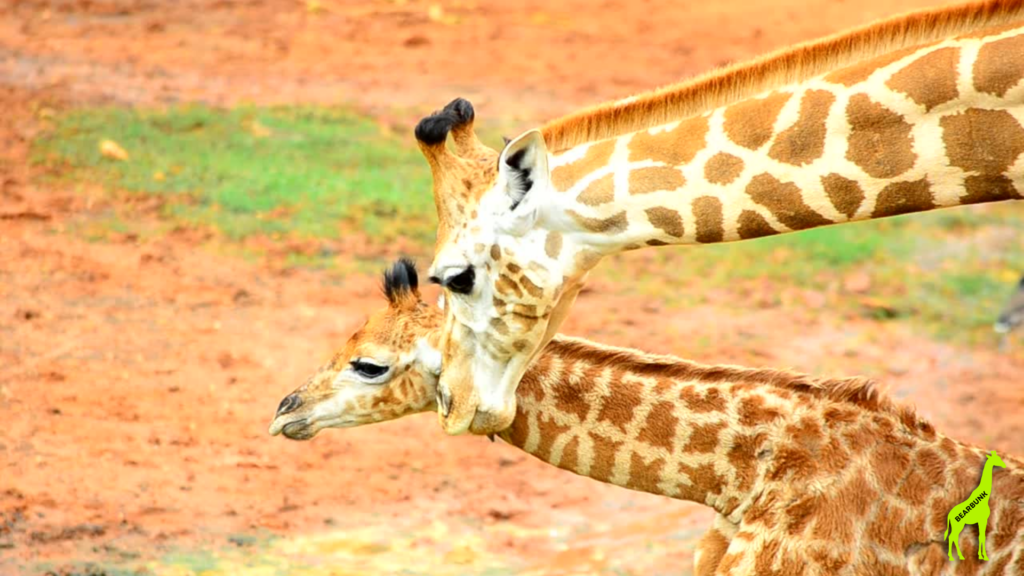
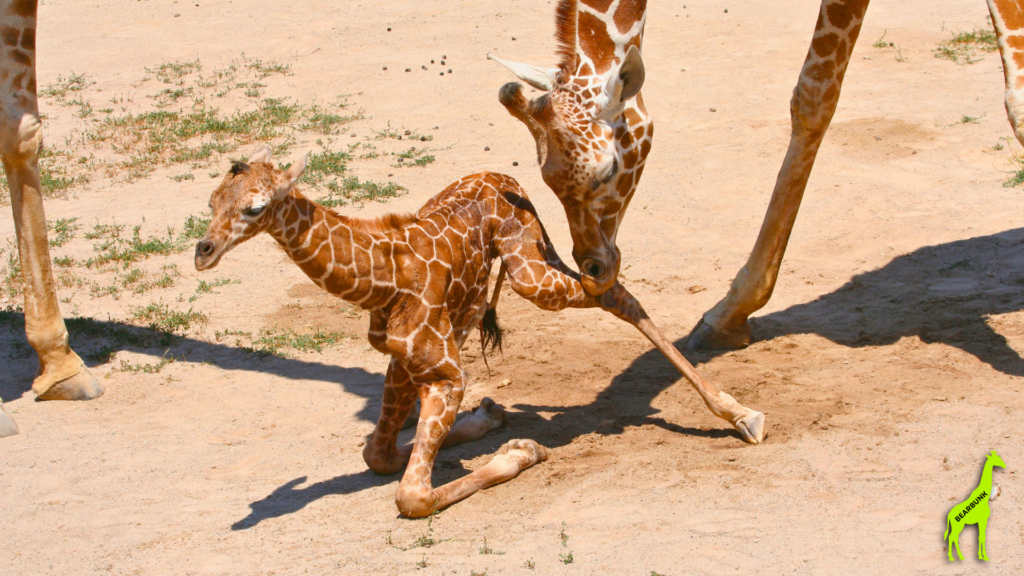
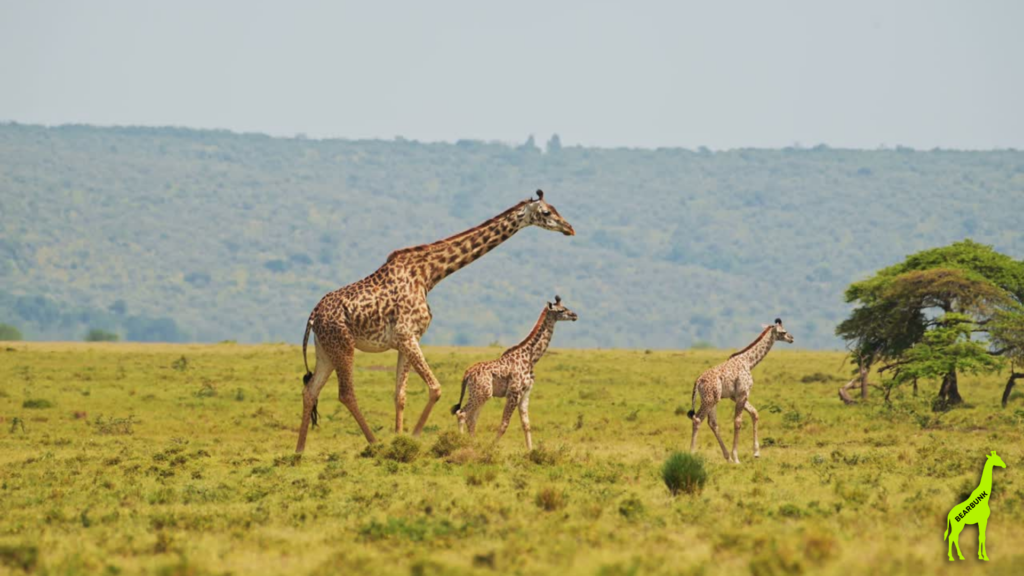
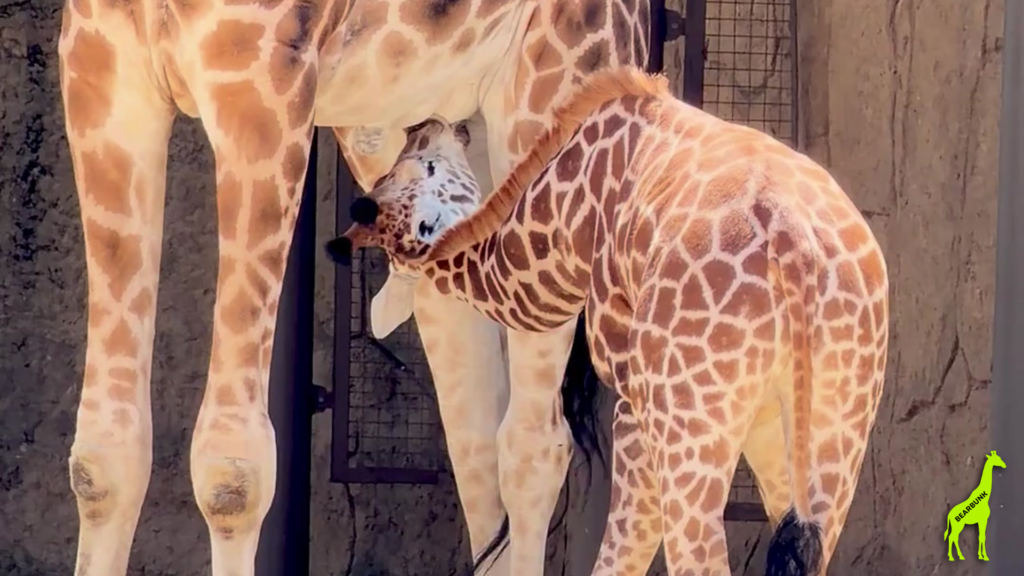
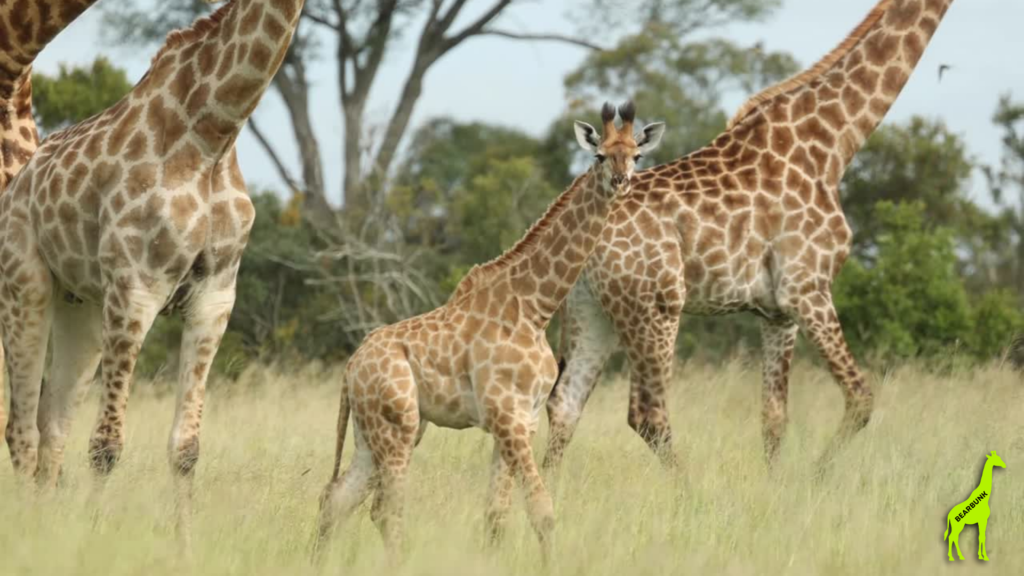
A mother giraffe carries her calf for about 15 months before giving birth, usually while standing. Newborn calves are approximately 5 to 6 feet tall and weigh around 100 to 150 pounds. A calf can often stand within about an hour and soon begins taking its first steps beside its mother. The mother nurses her calf, which gradually starts sampling leaves as it grows. Young giraffes may gather in nursery groups with other calves while their mothers feed nearby.
Behavior & Social Life
Giraffes communicate through body language and sounds that include grunts, snorts, and low-frequency humming. They often feed peacefully alongside other animals and maintain social relationships with other giraffes. They may rest standing up or lie down with their legs folded beneath them and their necks curved around. Giraffes also spread their front legs apart when lowering their heads to drink. Their daily routines include extensive feeding and short periods of sleep throughout the day and night.
Physical Features & Adaptations
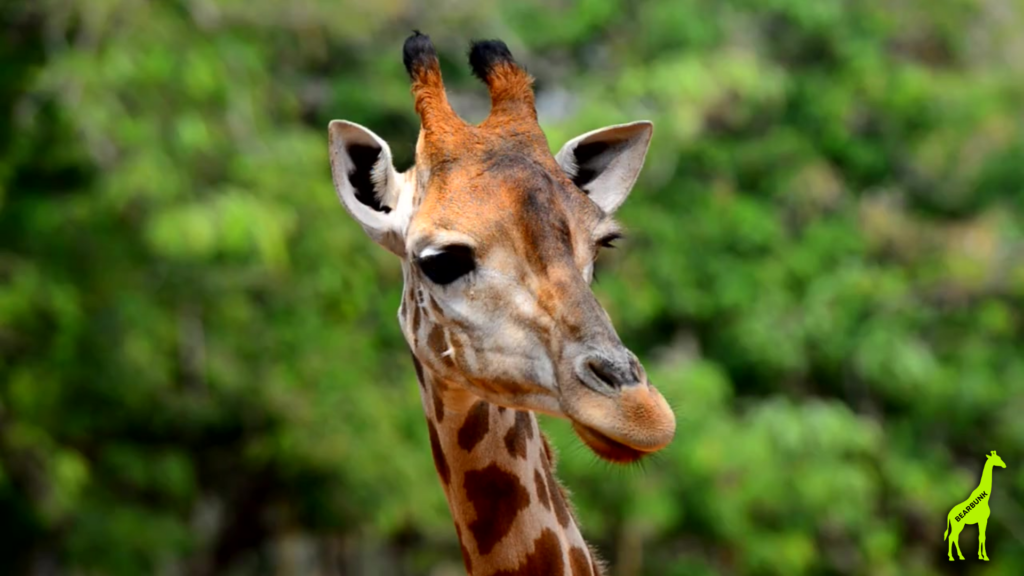
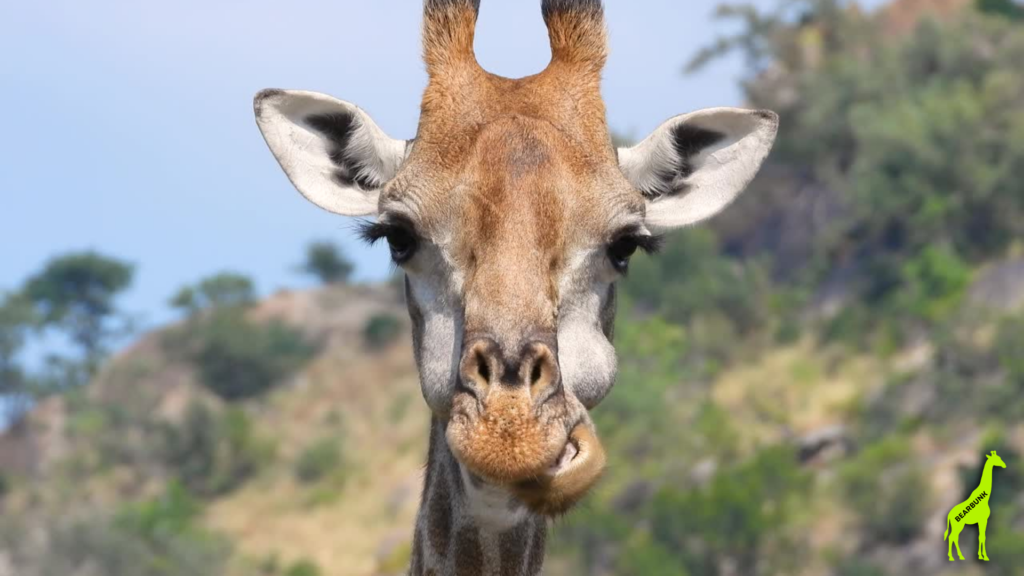
Giraffes are the tallest land animals in the world. Adult males can reach 16 to 18 feet tall, while females are generally around 14 to 16 feet. A male can weigh up to about 2,600 pounds. Their necks may measure around 6 feet long, yet they have just seven neck vertebrae, like humans. Both sexes have skin-covered, hair-covered structures called ossicones, which often become thicker in males as they age. Their distinctive coat patches help them blend into changing light and shadows. Large eyes positioned on the sides of the head provide a wide field of view, and their powerful hearts help circulate blood through their tall bodies.
Interactions with Humans
Giraffes are fascinating animals to observe in zoos and wildlife reserves, where people can learn about their size, feeding habits, and distinctive adaptations. Their great height allows them to browse vegetation that many other plant-eating animals cannot easily reach. In the wild, giraffes help shape the vegetation around them through browsing and can carry seeds from one place to another. Responsible wildlife viewing and conservation efforts help protect giraffes and the habitats they depend on.
Fun Facts
- Giraffes can run at speeds of around 35 miles per hour over short distances.
- Their tongues can reach about 18 inches long.
- They have seven neck vertebrae, just like humans, but each vertebra is much longer.
- Newborn calves can stand within about an hour of birth.
- Giraffes have four-chambered stomachs and chew their cud.
- Their coat patterns differ among species.
- Their large eyes give them a wide field of view.
- They can rest standing up and may sleep for only a few hours across a 24-hour period.
About Giraffes
Common Name: Giraffe
Scientific Name: Giraffa spp.
Family: Giraffidae
Order: Artiodactyla
Class: Mammalia
Diet: Herbivore
Habitat: Savannas, grasslands, and woodlands
Lifespan: Approximately 20–25 years in the wild
Size: Height: 14–18 feet; neck length: up to approximately 6 feet
Speed: Up to approximately 35 mph in short bursts
Region: Primarily eastern and southern Africa, with smaller populations or ranges in parts of western and central Africa
Conservation Status: Varies by species; giraffes are classified as Vulnerable overall on the IUCN Red List.
Why We Love Them
We love giraffes for their remarkable height, beautiful coat patterns, and surprising abilities. Their long tongues help them gather leaves, their calves take their first steps remarkably quickly, and their graceful movements make them captivating to watch. Every detail, from their unusual neck bones to their powerful hearts, shows how wonderfully suited these animals are to life in their African habitats.
Conclusion
Giraffes remind us that the animal world is full of extraordinary variety. From their towering height and specialized tongues to their family life and daily routines, these animals have many fascinating qualities. Learning about giraffes helps us appreciate their role in African habitats and the importance of protecting the places they call home.
Learn More:
Explore more BearBunk animal adventures, including our African wildlife features and Animal of the Week videos. Next, discover elephants and their remarkable intelligence, impressive size, and fascinating behaviors.
Giraffes The Tallest Animals on Earth Animal of the Week on YouTube
Read more about:





Leave a Reply