
Meet the Lion
Few animals are as instantly recognizable as the mighty lion. With their powerful bodies, golden coats, impressive manes, and deep, unforgettable voices, lions have fascinated people for thousands of years. But there is much more to these amazing big cats than their famous roar. From their close family relationships and surprising sleeping habits to their remarkable strength and the important role they play in the wild, lions are truly fascinating animals. Let us take a closer look at the wonderful world of lions and explore what makes them so unique.
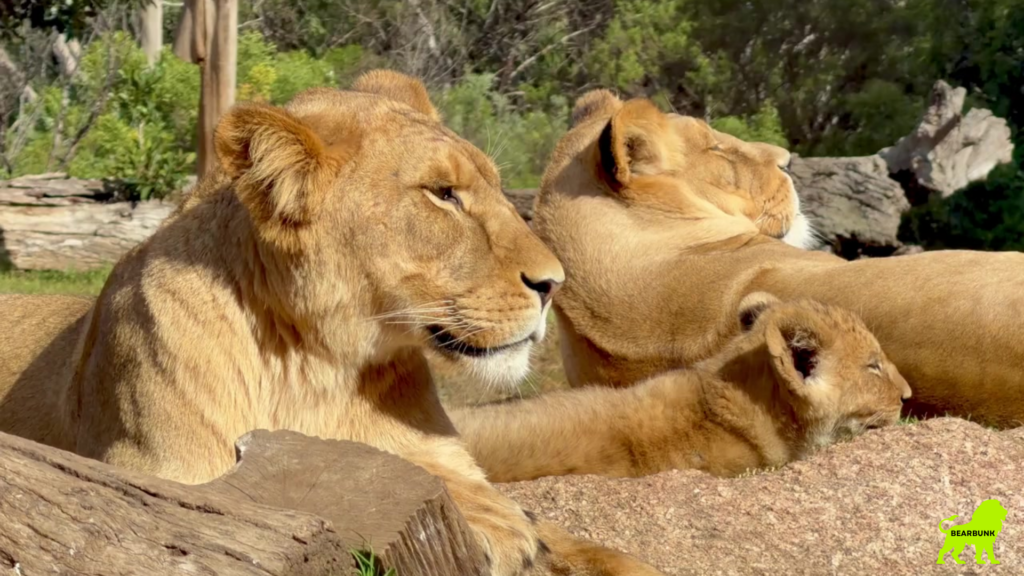
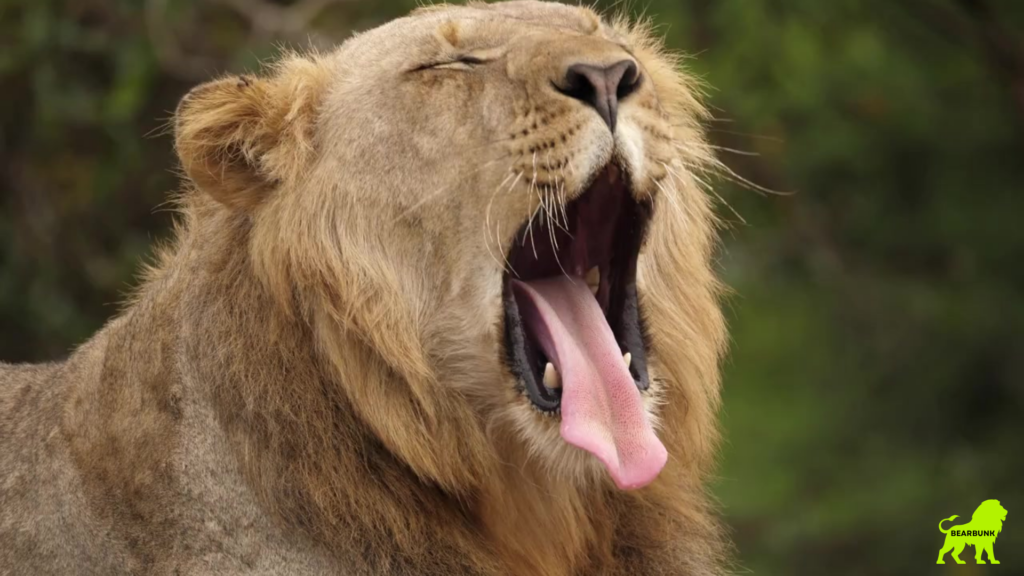
Species of Lions
Lions may be one species, but they aren’t all exactly alike. Let’s take a closer look at three fascinating lions and the unique characteristics that set them apart.
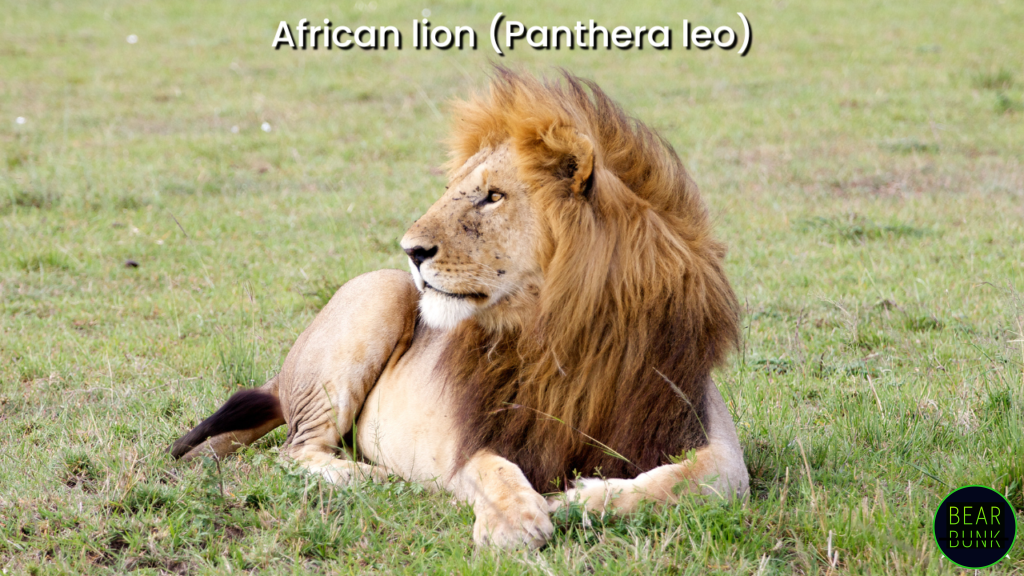
African lion (Panthera leo)
The African lion
is the lion most people picture, found across parts of sub-Saharan Africa. These powerful social cats live in prides and inhabit grasslands, savannas, and open woodlands.
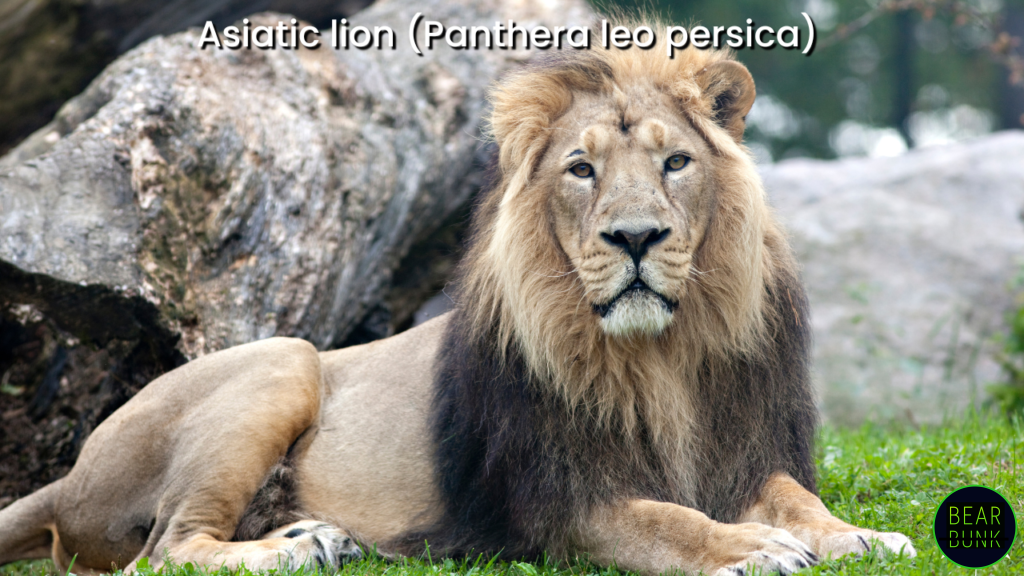
Asiatic lion (Panthera leo persica)
The Asiatic lion is a rare population of lions found in India’s Gir Forest region. Slightly smaller than many African lions, they are distinguished by features including a less-developed mane and a prominent fold of skin along the abdomen.
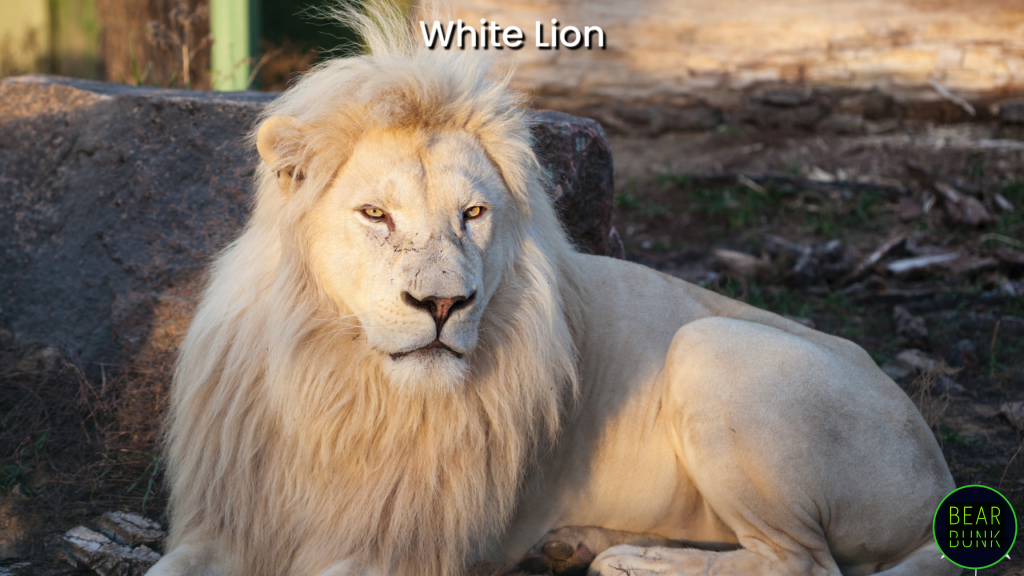
White Lion
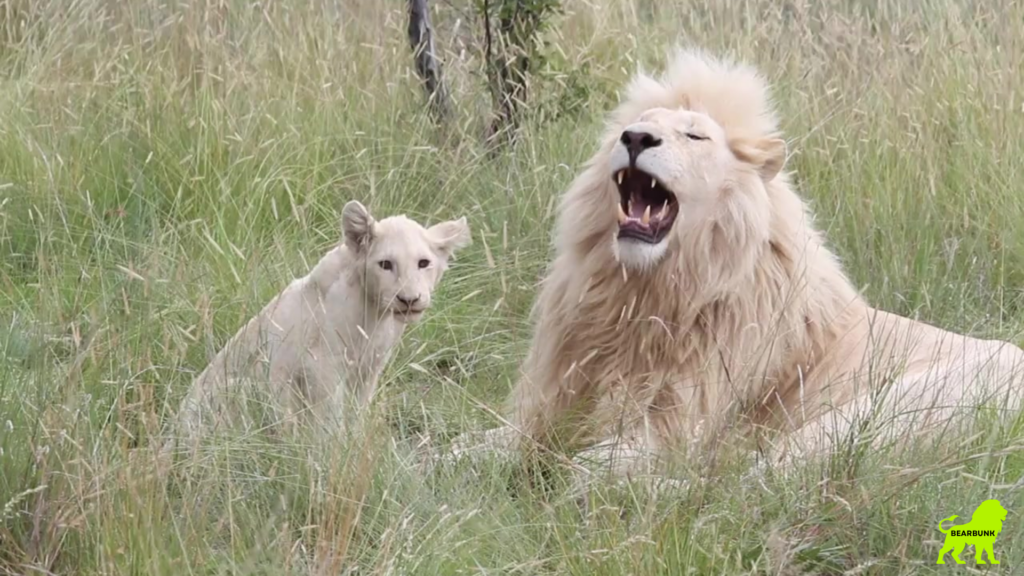
White lions are not a separate species. They are African lions with a rare genetic condition called leucism, which causes their coats to appear white or cream-colored while their eyes and skin retain pigment. Their unusual coloring makes them one of the most striking variations of the lion.
From the vast savannas of Africa to the forests of India, these lions show us the incredible variety found within this remarkable species.
Habitat
Most wild lions live in grasslands, open woodlands, and savanna areas where they have plenty of room to roam. These wide-open landscapes provide the perfect setting for a lion’s powerful build and incredible athletic ability. Unlike other big cats that prefer dense forests or jungles, lions thrive in open environments where they can easily watch over their surroundings and coordinate with their family groups.
Diet
Lions are carnivores, which means their natural diet consists entirely of meat. Both lionesses and male lions can participate in finding food, using their incredible sense of smell to detect potential prey from a distance of two to five miles. An interesting aspect of their biology is that lions do not need to eat every single day. After consuming a large meal, a lion can easily go for several days before feeding again, spending the in-between time conserving its energy.
Share On Social:
Mating, Babies & Family Life
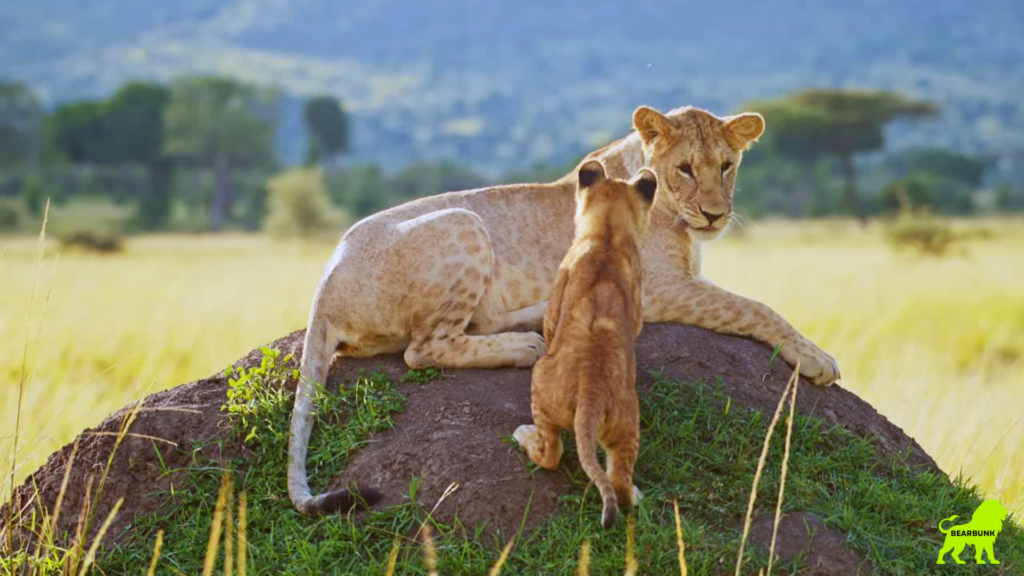
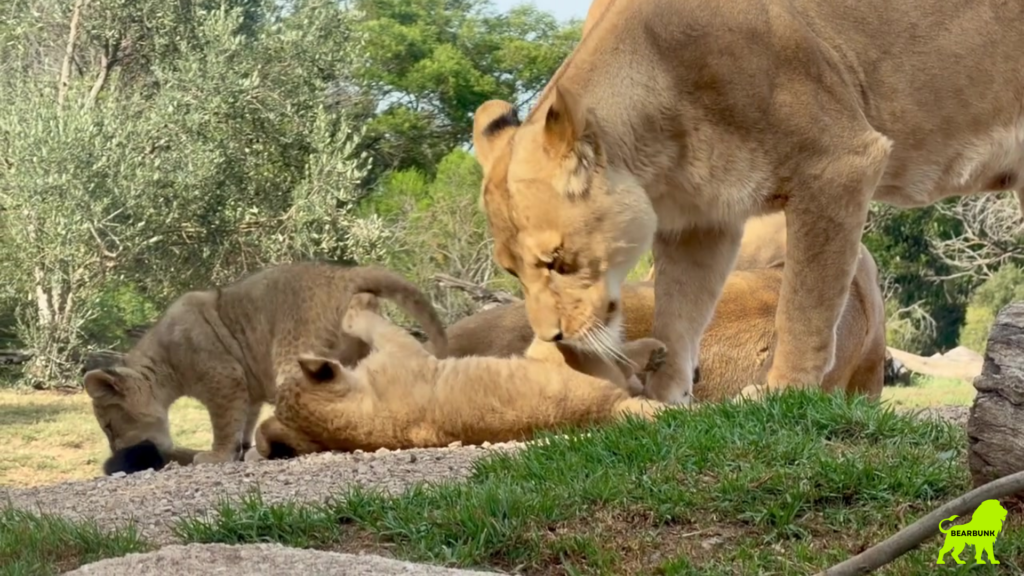
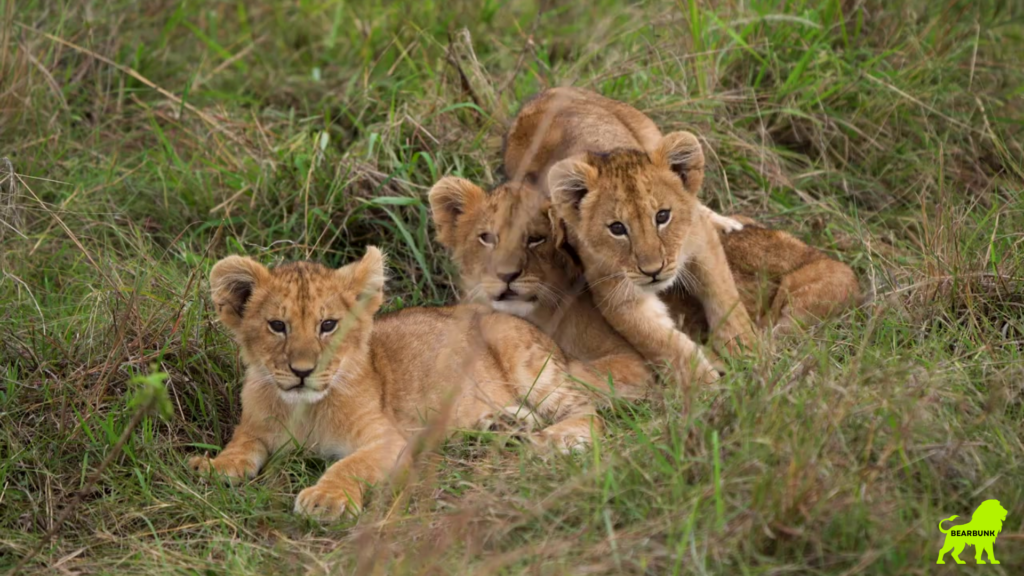
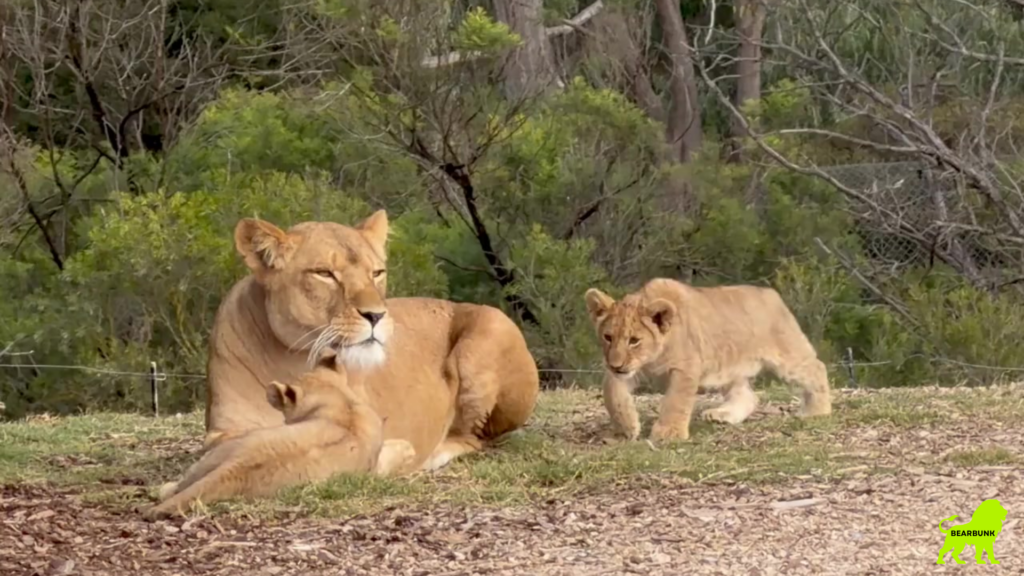
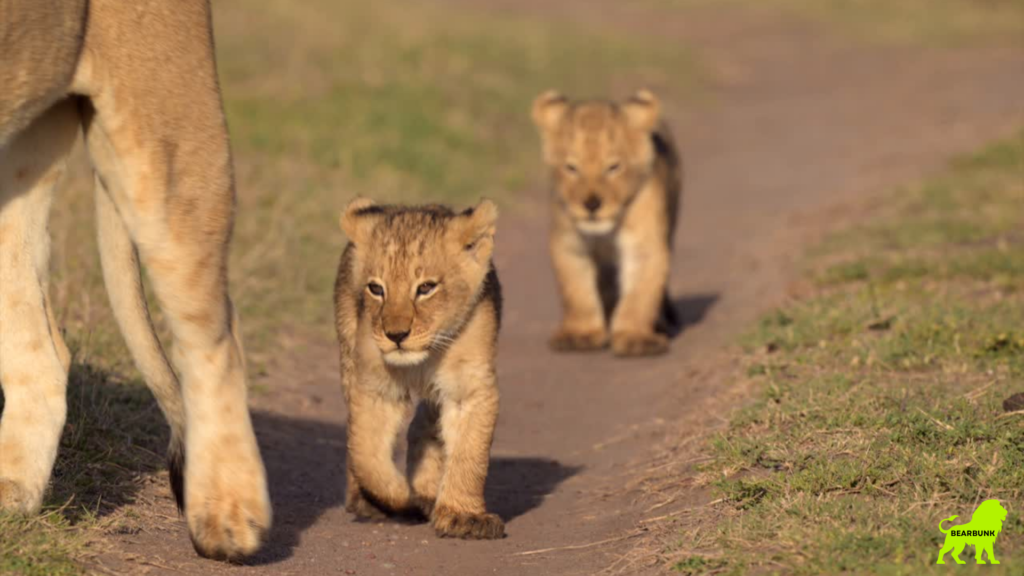
A lioness is pregnant for about three and a half months, or roughly one hundred and ten days. She typically gives birth to a litter of one to four cubs, which are tiny at birth, weighing only about three pounds. Newborn cubs have soft, spotted coats that help them blend into their surroundings to stay safe from predators. Their eyes open after about a week, and they begin walking at just a few weeks old. In a wonderful display of cooperative family life, cubs may nurse from more than one lioness in the pride, meaning multiple mothers help care for and protect the young as they grow.
Behavior & Social Life
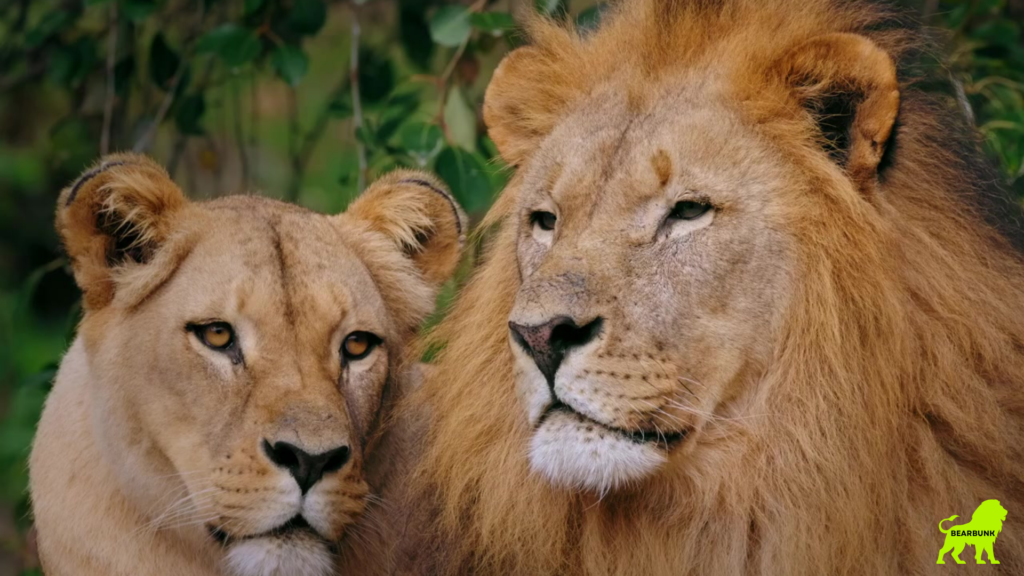
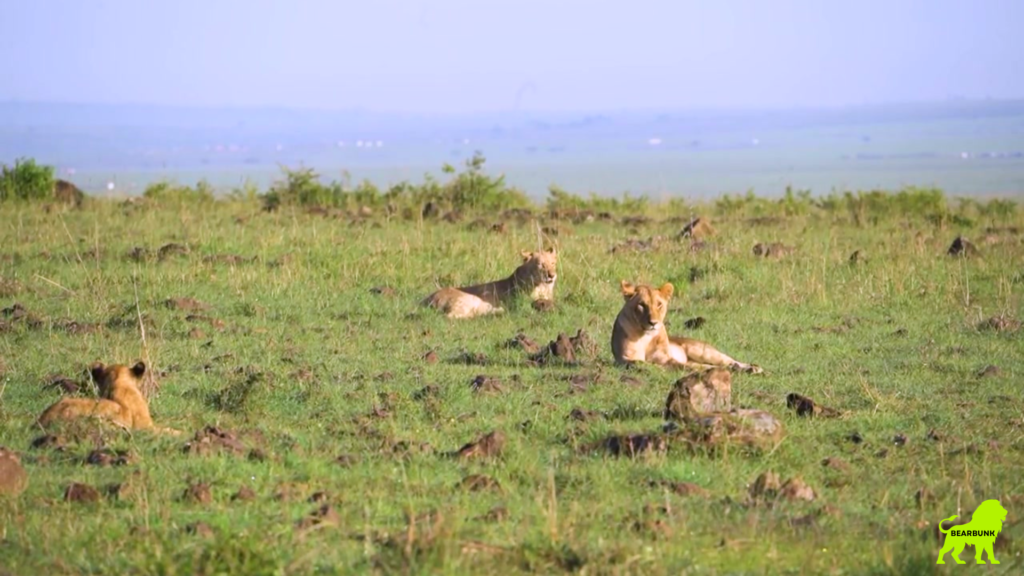
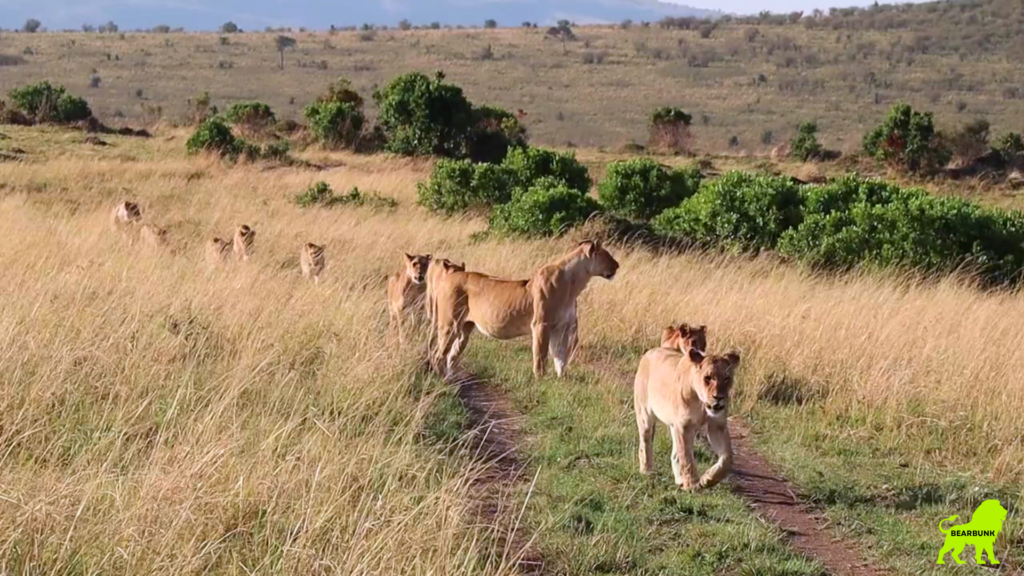
Unlike most other big cats, lions are highly social animals. They live in family groups called prides, which can include several related females, their young, and one or more adult males. Pride members communicate using facial expressions, body movements, gentle touches, and a variety of sounds. Their famous roar can travel for several miles, allowing them to keep in touch over long distances. Lions also spend a surprising amount of time resting, sleeping or relaxing for sixteen to twenty hours a day to conserve energy for short, powerful bursts of activity where they can run up to fifty miles per hour.
Physical Features & Adaptations
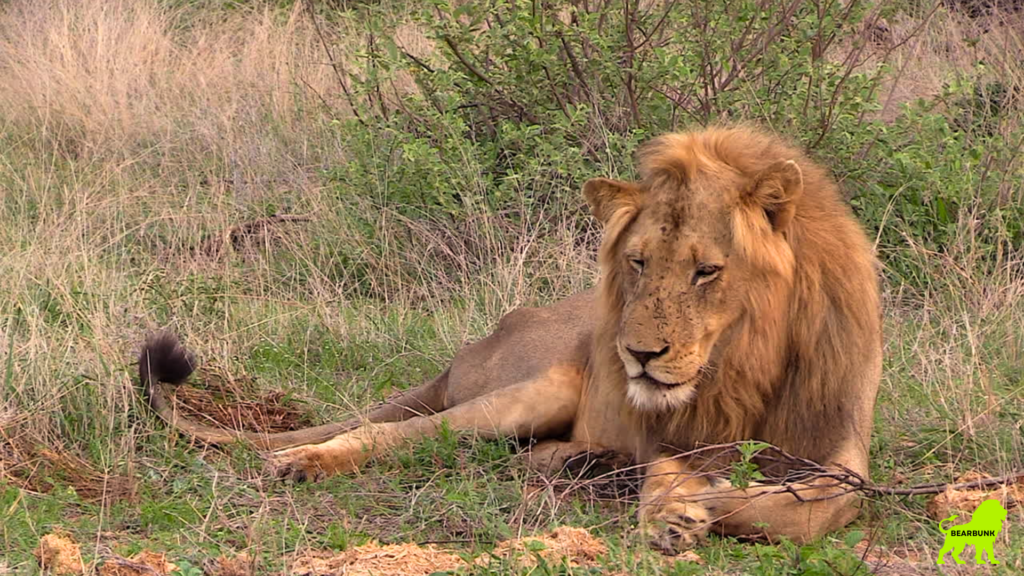
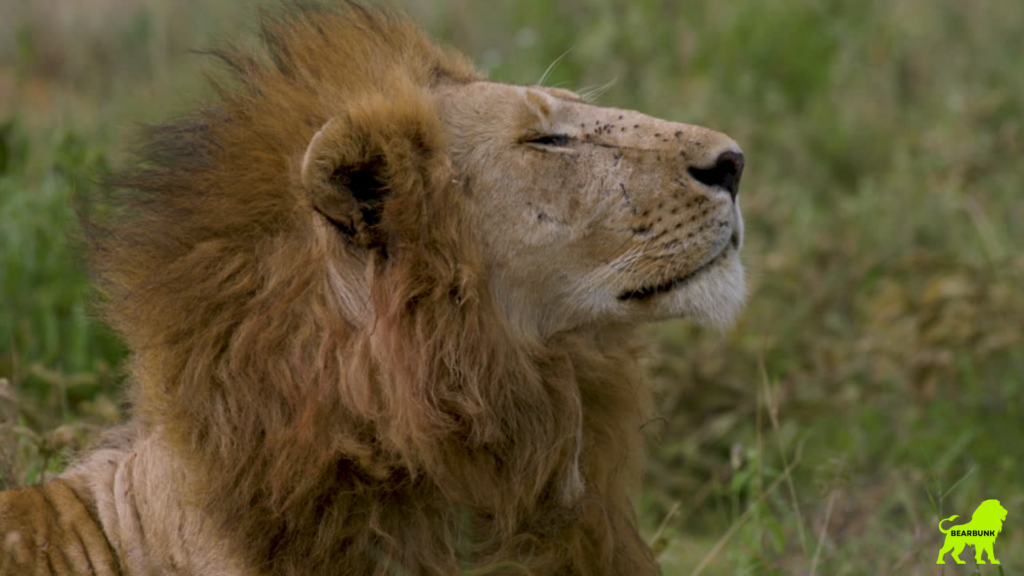
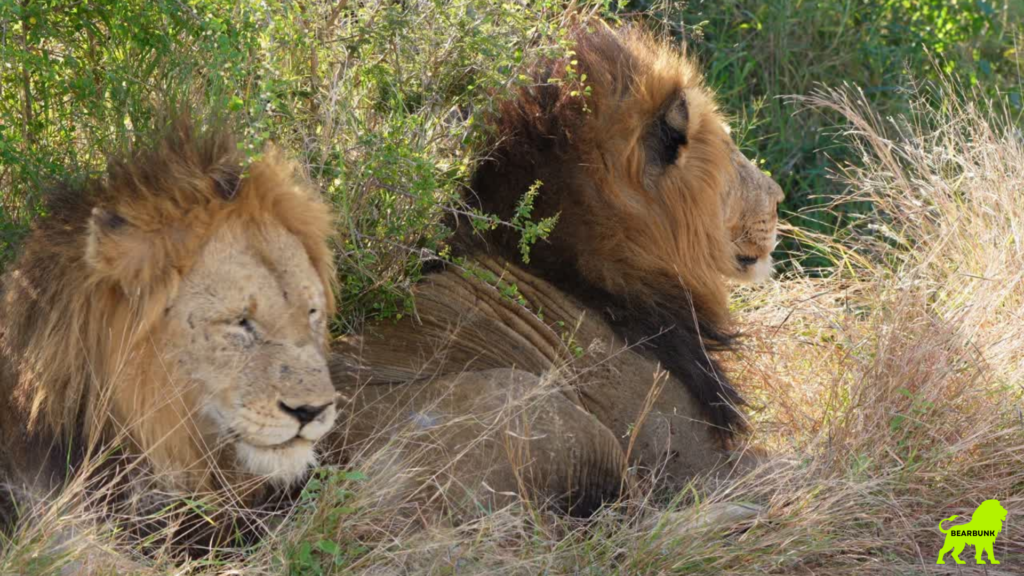
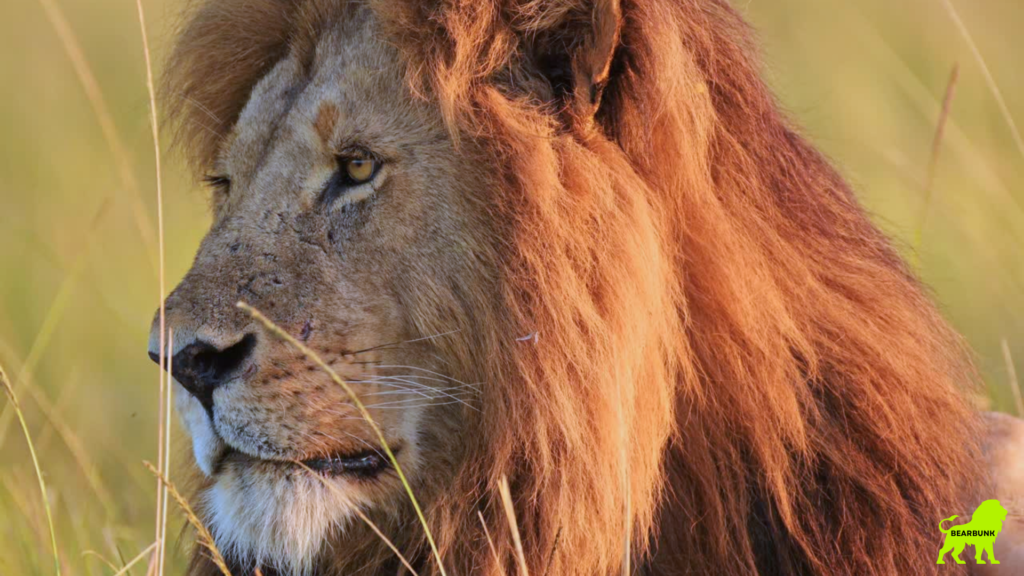
Lions are the second-largest living big cats, surpassed only by tigers. Adult males are especially famous for their thick manes, which can range from light golden and reddish-brown to much darker shades. No two manes look exactly alike, and they make the males look larger and more imposing. Female lions, called lionesses, do not have manes and have a sleeker, muscular appearance. Lions possess large paws with soft pads for quiet movement, retractable claws, and sensitive whiskers. Their tongues are covered with tiny, rough structures called papillae, giving them a sandpaper-like texture. Occasionally, a rare genetic condition called leucism causes some individuals to have striking cream-colored or white coats; these are known as white lions.
Interactions with Humans
Lions have long held a prominent place in human history and culture, symbolizing strength, courage, and majesty. Today, because their natural range has decreased, they are primarily protected within national parks, game reserves, and sanctuaries. Conservationists work tirelessly to safeguard these habitats and promote peaceful coexistence between lions and local human communities, ensuring that these magnificent animals have the space they need to thrive.
Fun Facts
- Social Superstars: Lions are the only wild cats that live in large, cooperative family groups called prides.
- Rest Experts: To conserve their energy, lions will sleep or relax for up to sixteen to twenty hours every single day.
- Long-Distance Roar: A lion’s deep roar is so powerful that it can easily be heard up to five miles away.
- Incredible Sense of Smell: Lions can detect food from two to five miles away thanks to their highly developed sense of smell.
- Special Spotted Coats: Lion cubs are born with spots on their fur to help them camouflage and stay hidden in the grass.
- Rough Tongues: A lion’s tongue is covered in tiny, hook-like structures called papillae, which help them groom themselves.
About Lions
Scientific Family: Felidae
Number of Species: 1 species (Panthera leo) with distinct African and Asiatic regional populations
Habitat: Grasslands, savannas, and open woodlands
Diet: Carnivorous (meat)
Lifespan: 10 to 14 years in the wild; late teens to twenties under human care
Unique Traits: Male manes, roaring communication, and highly social family groups
Social Structure: Group-living in prides
Fun Fact: Lions can leap several feet into the air using their incredibly strong back legs!
Why We Love Them
We love lions because they represent the perfect combination of strength and community. While they are incredibly powerful predators, their tender family bonds, cooperative cub-raising, and affectionate grooming sessions show a gentle, cooperative side that is deeply moving. They remind us of the beauty of family and the importance of working together to protect those we love.
Conclusion
From their majestic manes and powerful roars to their unique family prides and playful cubs, lions are truly among the most extraordinary animals on Earth. They are a vital part of their wild ecosystems and a true symbol of the natural world. By learning about and appreciating these magnificent cats, we help keep the spirit of the wild alive.
Learn More:
To see these amazing big cats in action and learn more about their incredible social lives, watch our full video on the BearBunk channel here:
(10) The Mighty Lion Secrets of the Pride Revealed – YouTube
Read more about:







Leave a Reply