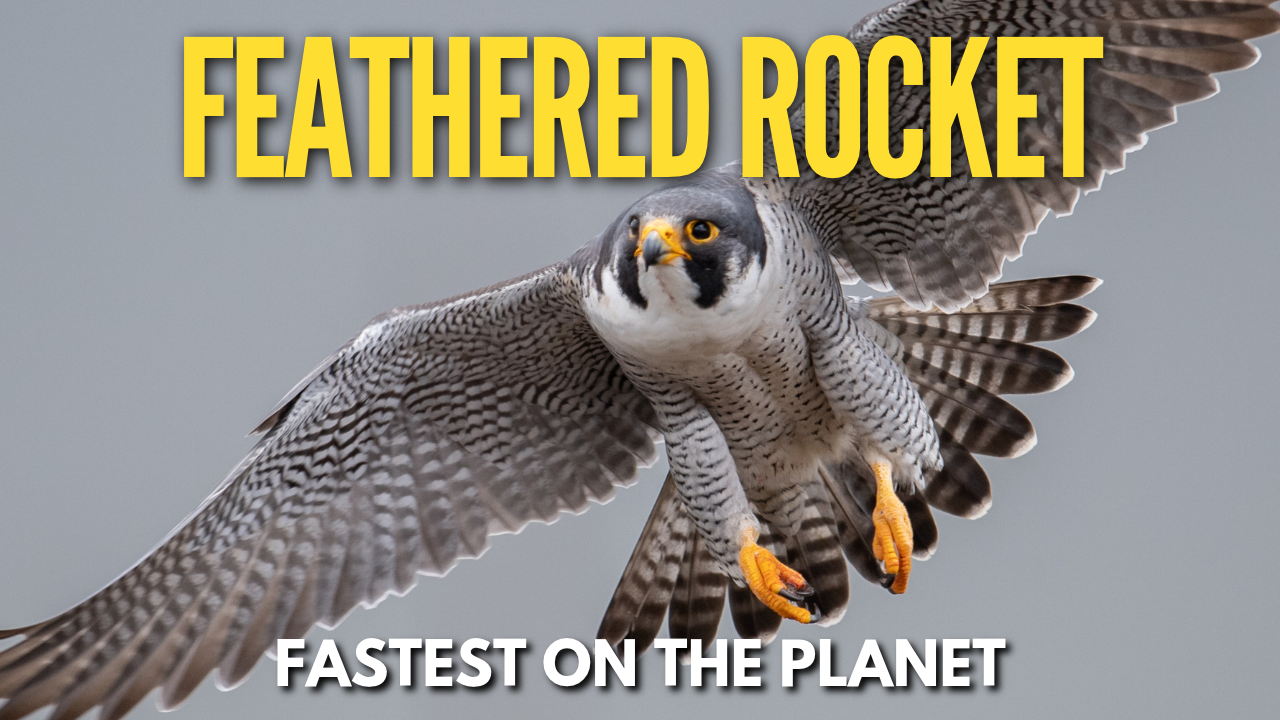
Meet the Peregrine Falcon
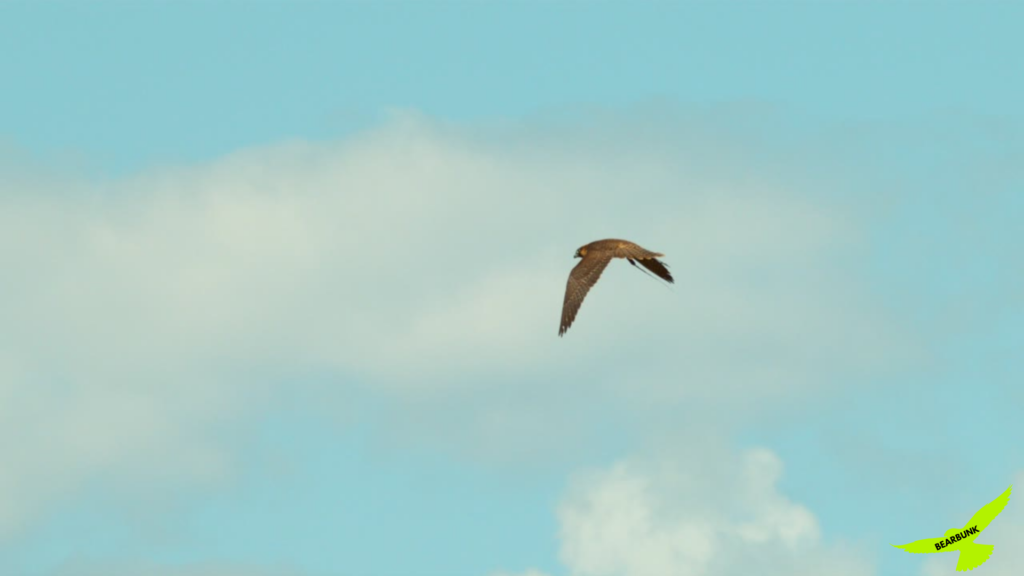
Imagine watching a bird swoop through the sky faster than a racing car on the highway! Reaching speeds of more than 200 miles per hour (322 kilometers per hour), the Peregrine Falcon is universally recognized as the fastest animal on the planet. With powerful wings, razor-sharp vision, and unmatched agility in the air, this elite flying athlete is truly one of nature’s greatest marvels. Beyond its legendary speed, the Peregrine Falcon has a fascinating lifestyle, adaptable habitat, and unique anatomical traits that make it a standout species in the animal kingdom.
Species of Peregrine Falcon
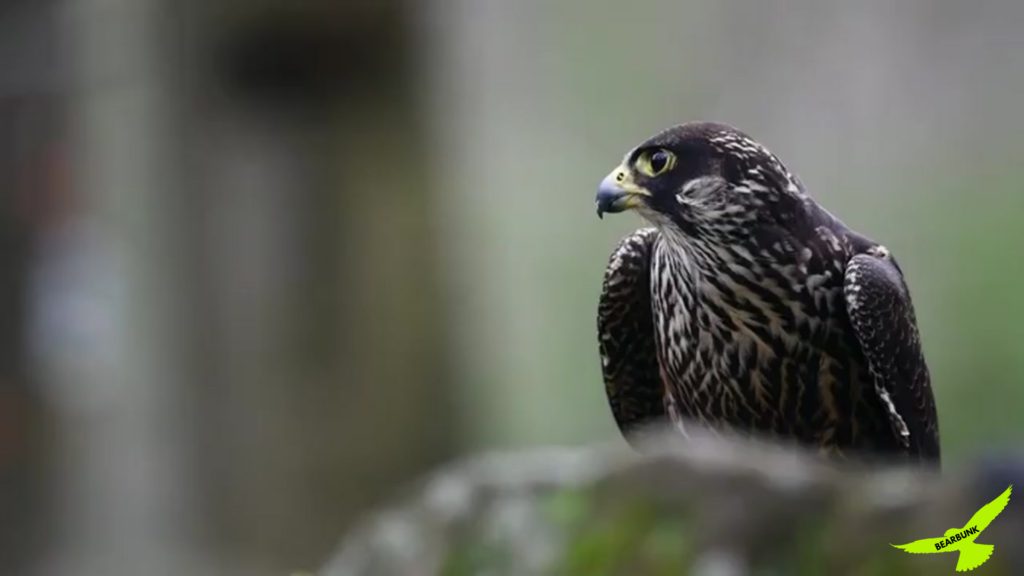
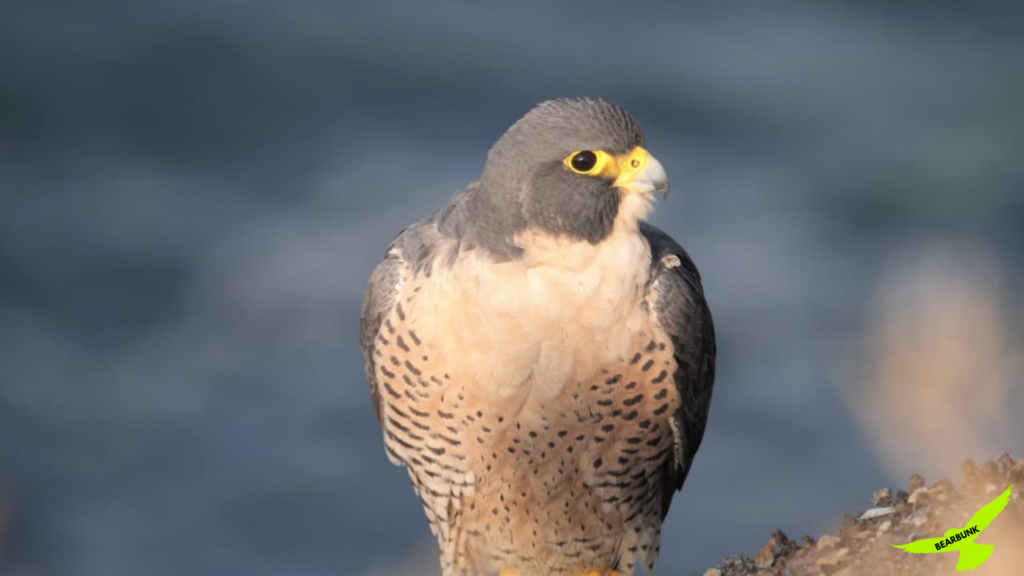
Taxonomically, there is only one recognized species of Peregrine Falcon in the world, known scientifically as Falco peregrinus. However, scientists recognize approximately 19 distinct subspecies worldwide. These subspecies vary slightly in size, feather color intensity, and geographical distribution. From the chilly Arctic tundra to warm tropical landscapes, each subspecies has developed subtle traits tailored perfectly to its specific region, while sharing the iconic shape and speed of the main species.
Habitat
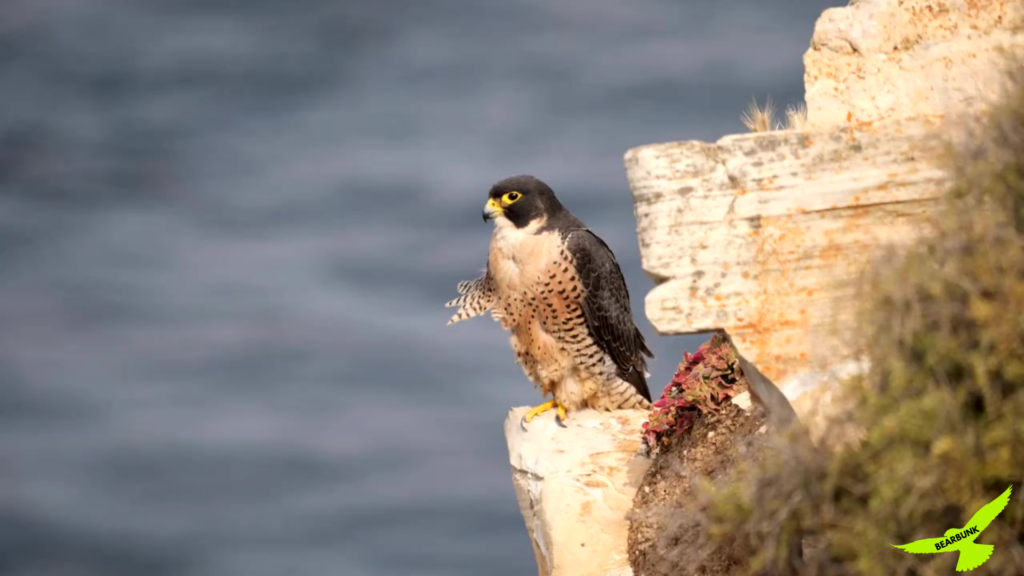
Peregrine Falcons are among the most widely distributed birds of prey on Earth, occupying territories across North America, South America, Europe, Asia, Africa, and Australia. Antarctica is the only continent where they do not live. They adapt easily to diverse environments, including rugged mountains, coastal cliffs, wide grasslands, and lush wetlands. In recent decades, Peregrine Falcons have also embraced urban areas. High city skyscrapers and grand bridges provide excellent high-altitude nesting spots that mimic natural cliff faces, offering great vantage points to spot food.
Diet
The Peregrine Falcon’s diet consists almost entirely of other birds. These remarkable flyers are specially adapted to find food while soaring high above the ground. Using incredibly sharp eyesight, they can spot birds from impressive distances and perform breathtaking high-speed dives.
Their powerful feet and sharp talons help them catch and hold onto food while flying. Peregrine Falcons also have a specialized notch on their beak, called a tomial tooth, which helps them efficiently eat their food.
It’s another fascinating adaptation that makes the Peregrine Falcon such an extraordinary bird!
Share On Social:
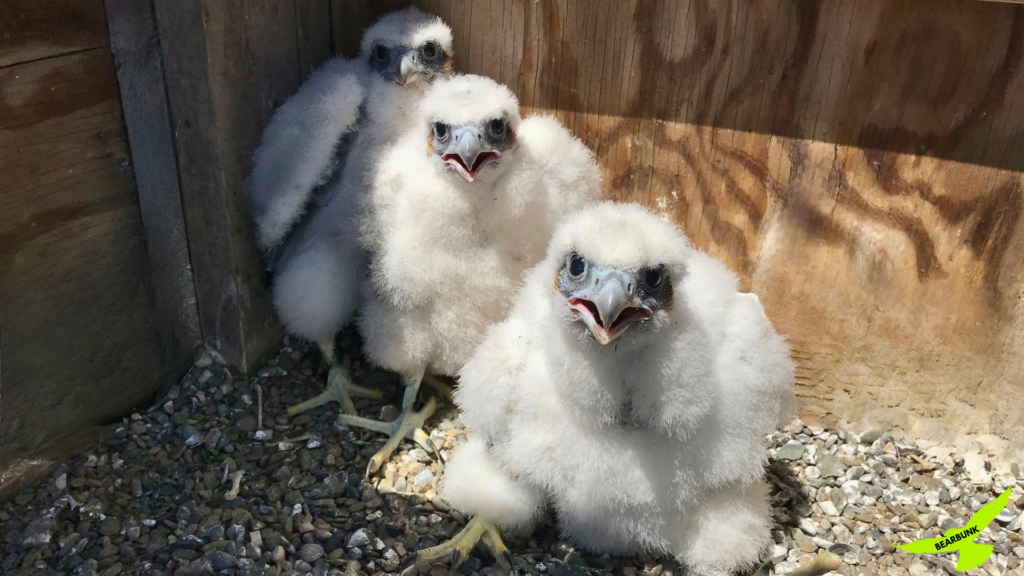
Mating, Babies & Family Life
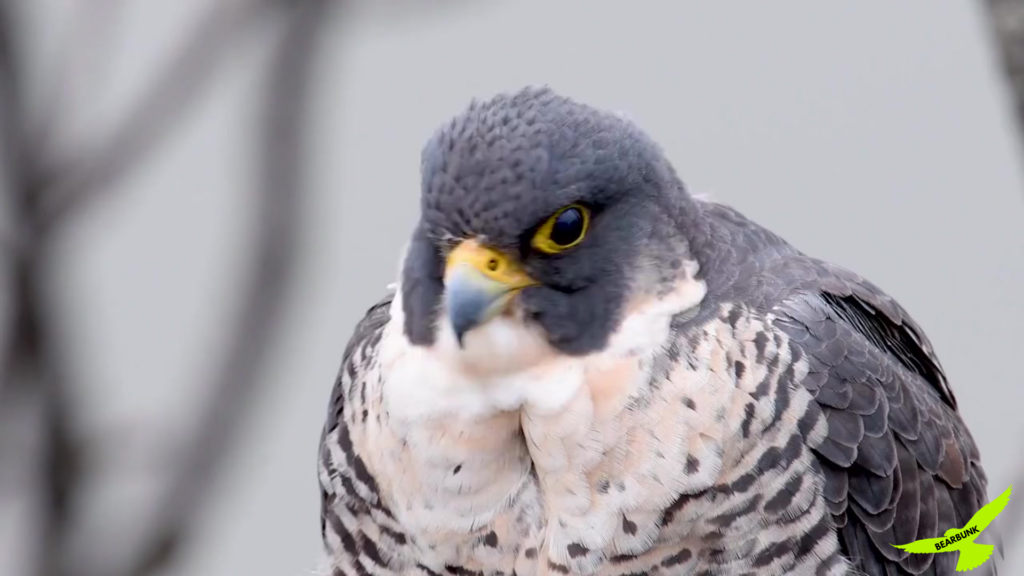
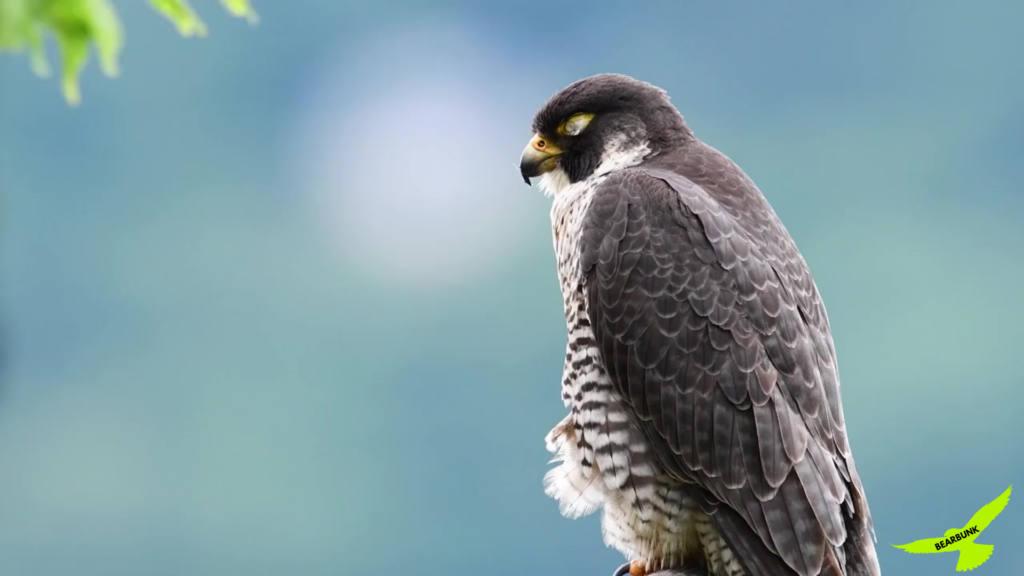
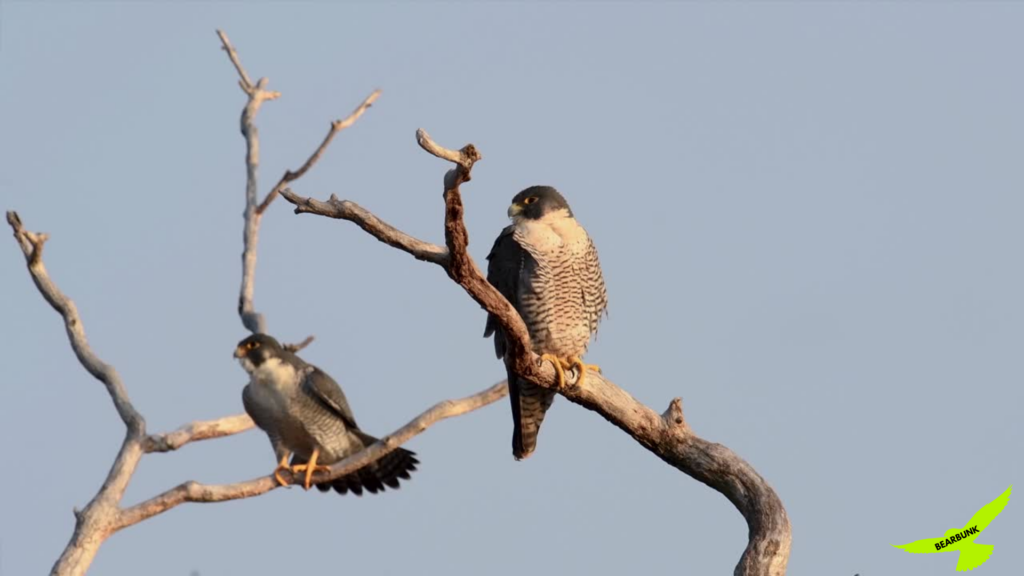
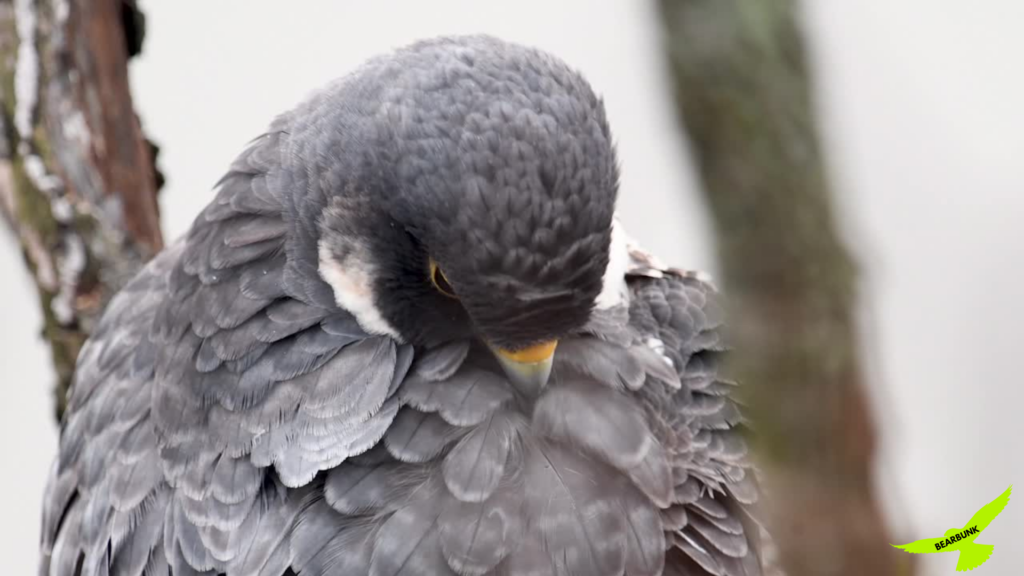
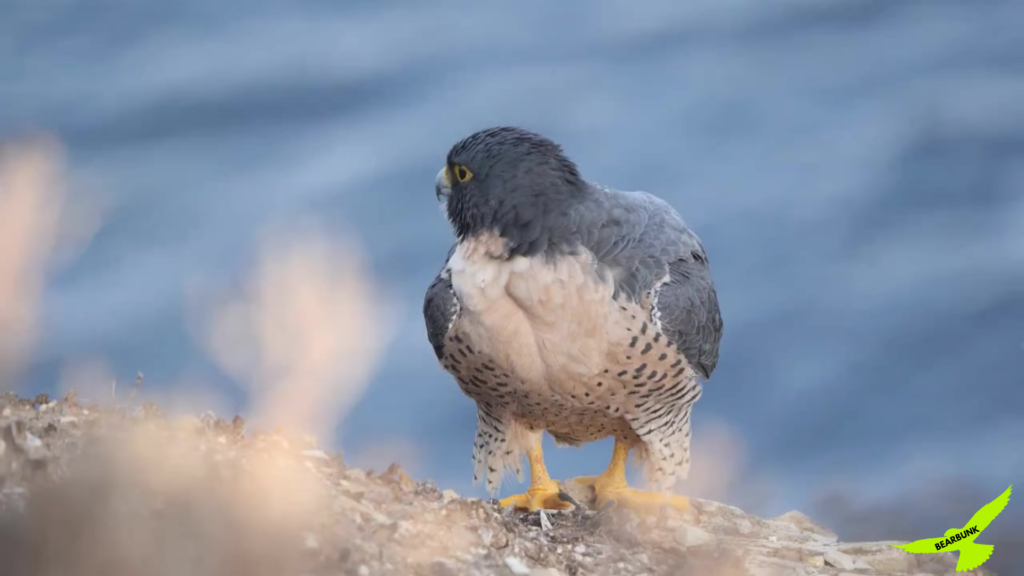
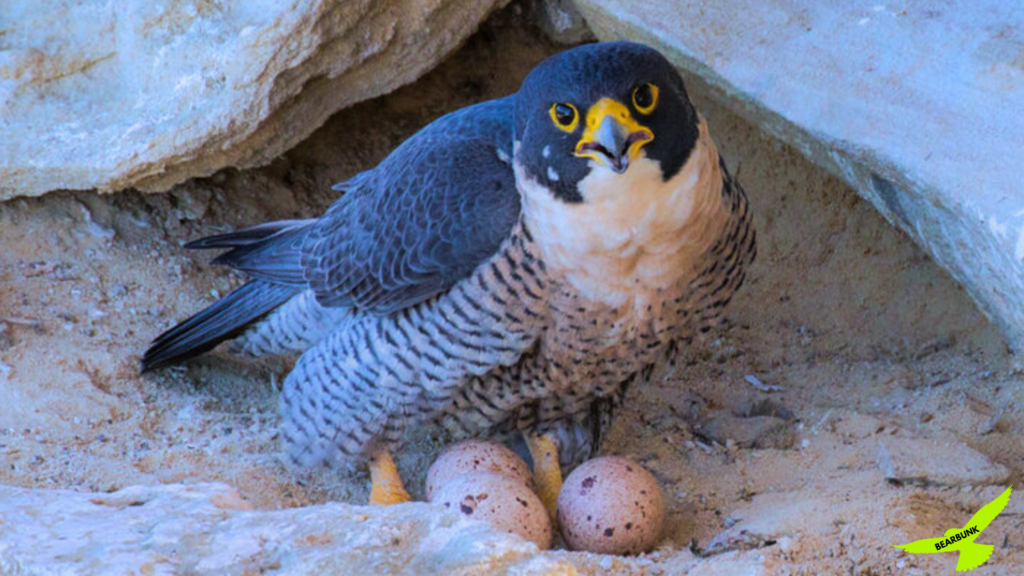
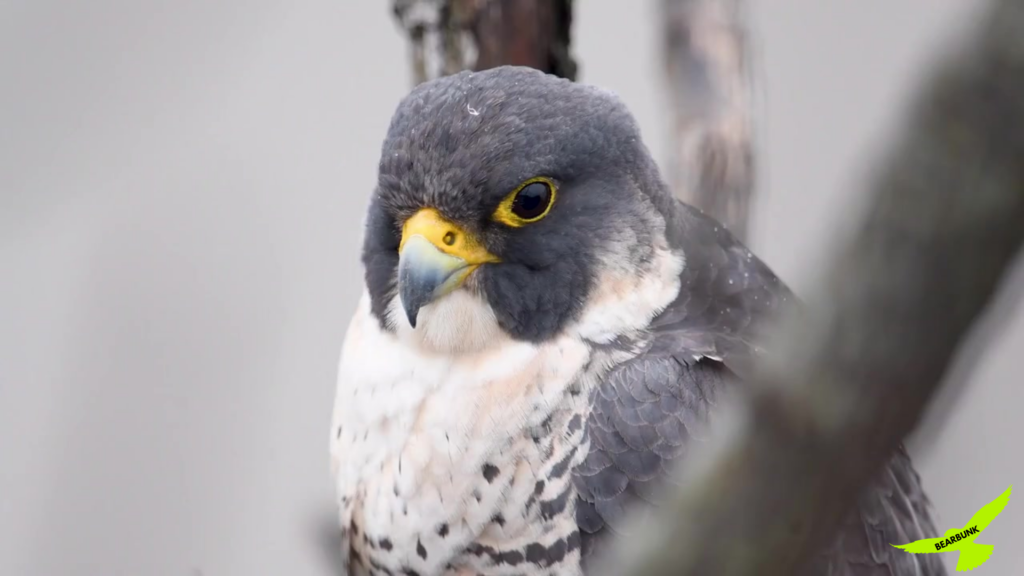
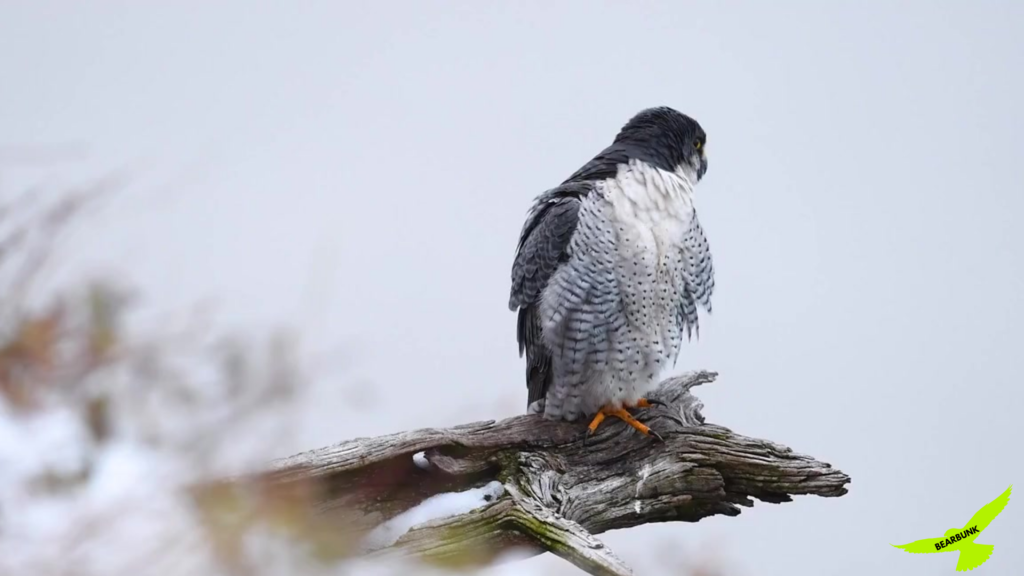
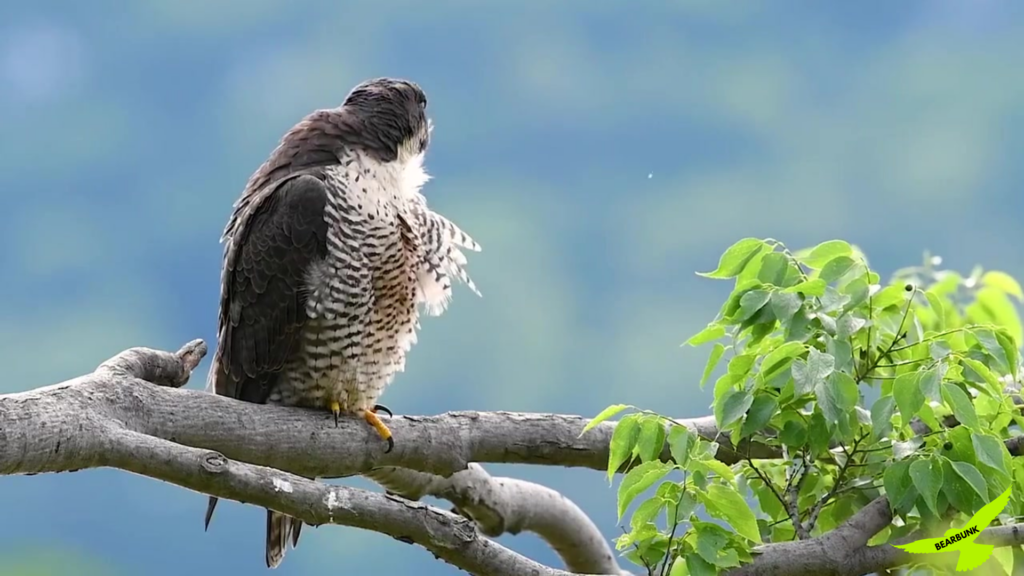
The Peregrine Falcon features a streamlined body shape designed for aerodynamic performance. Its back and pointed wings exhibit a beautiful blue-gray coloration, while its underside is light-colored with dark horizontal barring. One of its most distinctive visual features is a dark facial patch that resembles a sleek mustache. Adults sport bright yellow feet, dark eyes, and a yellow beak base with a dark tip. Females are noticeably larger than males. On average, adult bodies range from 14 to 19 inches (36 to 49 centimeters) in length, with wingspans reaching up to 3 feet 9 inches (114 centimeters).
Behavior & Social Life
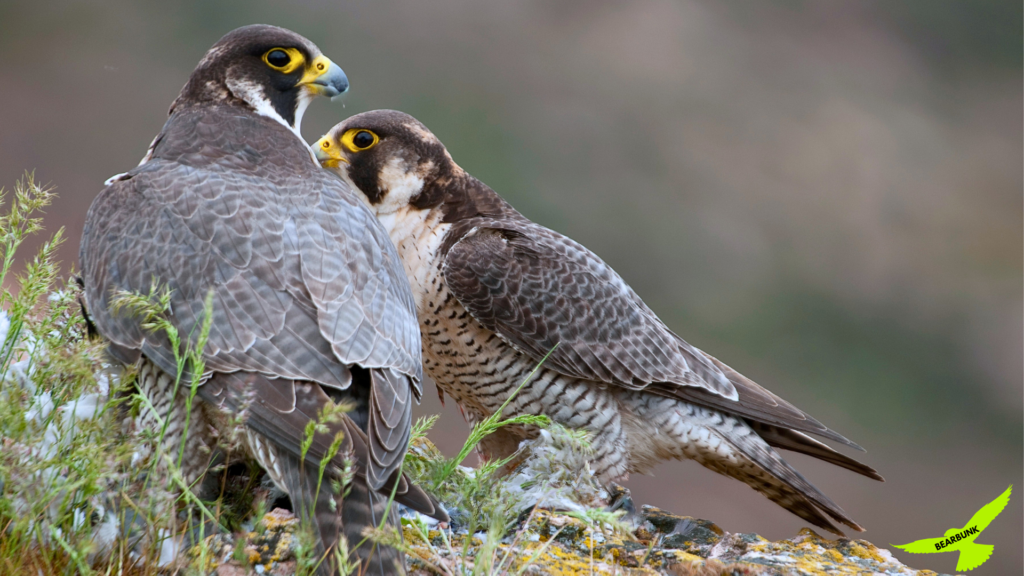
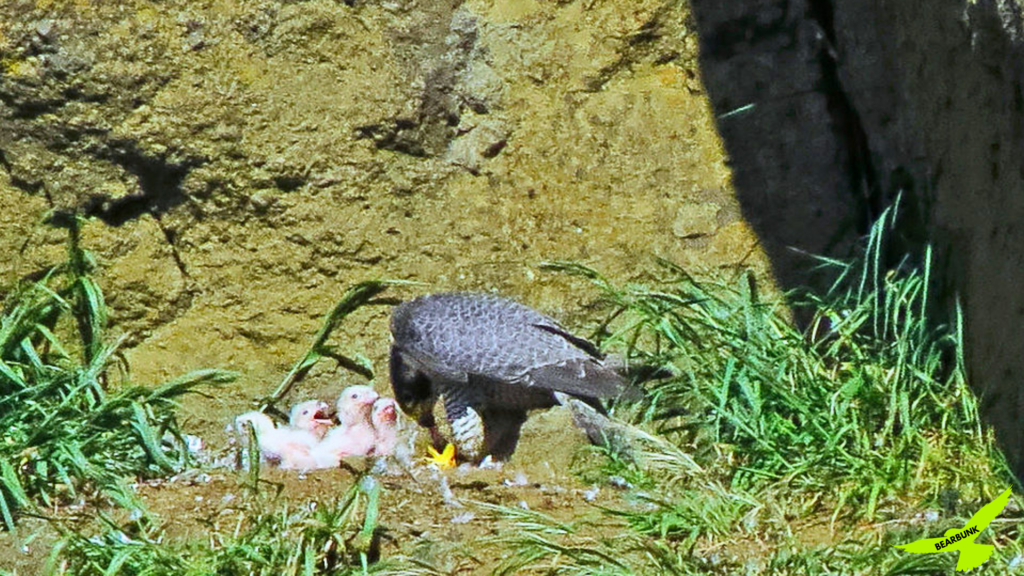
Peregrine Falcons display unmatched aerial maneuverability, using strong wing muscles to execute swift turns and deep swoops. They exhibit strong fidelity to their nesting territories, frequently returning to the exact same cliff edge or high-rise building year after year. Outside of the breeding season, they spend much of their time scouting large open hunting grounds. Vocalizations are key to their communication; they make sharp cries and loud, rapid series of call notes around their nests, especially during mating displays or when interacting with their offspring.
Physical Features & Adaptations
The Peregrine Falcon features a streamlined body shape designed for aerodynamic performance. Its back and pointed wings exhibit a beautiful blue-gray coloration, while its underside is light-colored with dark horizontal barring. One of its most distinctive visual features is a dark facial patch that resembles a sleek mustache. Adults sport bright yellow feet, dark eyes, and a yellow beak base with a dark tip. Females are noticeably larger than males. On average, adult bodies range from 14 to 19 inches (36 to 49 centimeters) in length, with wingspans reaching up to 3 feet 9 inches (114 centimeters).
Interactions with Humans
Human relationships with Peregrine Falcons are a story of successful coexistence and adaptation. While historical challenges affected their numbers, conservation efforts and legal protections helped populations recover dramatically. Today, people frequently see Peregrine Falcons nesting on city buildings, window ledges, and suspension bridges. Wildlife enthusiasts and urban dwellers alike enjoy watching these magnificent raptors thrive alongside human communities.
Fun Facts
- Speed Champions: Peregrine Falcons can reach dive speeds exceeding 200 miles per hour (322 kilometers per hour) when hunting.
- Global Citizens: These incredible birds live on every continent except Antarctica, thriving in wilderness and bustling cities alike.
- Built-in Goggles: A clear third eyelid, called a nictitating membrane, protects their eyes while maintaining crystal-clear vision during fast flights.
- High-Speed Breathing: Special bony cones inside their nostrils break up incoming air pressure so they can breathe normally during steep dives.
- Faithful Nesting: Breeding pairs often return to the exact same cliff ledge or skyscraper building year after year to raise their young.
About Peregrine Falcon
Scientific Family: Falconidae
Number of Species: 1 species (Falco peregrinus) with around 19 recognized subspecies
Habitat: Mountains, coastal cliffs, wetlands, grasslands, and city skyscrapers across six continents
Diet: Primarily other birds caught mid-flight
Lifespan: 12 to 15 years in the wild
Unique Traits: High-speed hunting dives over 200 mph, dark mustache facial pattern, nostril airflow cones
Social Structure: Solitary outside breeding season; territorial breeding pairs
Fun Fact: Peregrine Falcons use specialized bony structures in their nostrils to act like air deflectors during 200+ mph dives.
Why We Love Them
We love the Peregrine Falcon because it embodies the power and freedom of the skies. Its incredible diving speeds show us just how amazing wild adaptations can be, while its capability to thrive atop high-rise city buildings proves how resilient nature can be when given a chance. Watching a falcon glide effortlessly through the air is an unforgettable experience for nature lovers of all ages.
Conclusion
The Peregrine Falcon is a true masterpiece of nature, combining astonishing speed, impressive eyesight, and marvelous adaptability. From soaring over wild mountain peaks to nesting high above busy city streets, this remarkable raptor continues to inspire awe around the world. Keep exploring, stay curious, and keep discovering the wonderful animal world around us!
Learn More:
Want to see this speed powerhouse in action? Watch the complete video adventure on BearBunk to experience the thrill of the Peregrine Falcon:
Peregrine Falcon How the Fastest Animal on Earth Conquers the Sky – YouTube
Domestic Pigs Surprising Facts About One of the Smartest Animals




Leave a Reply