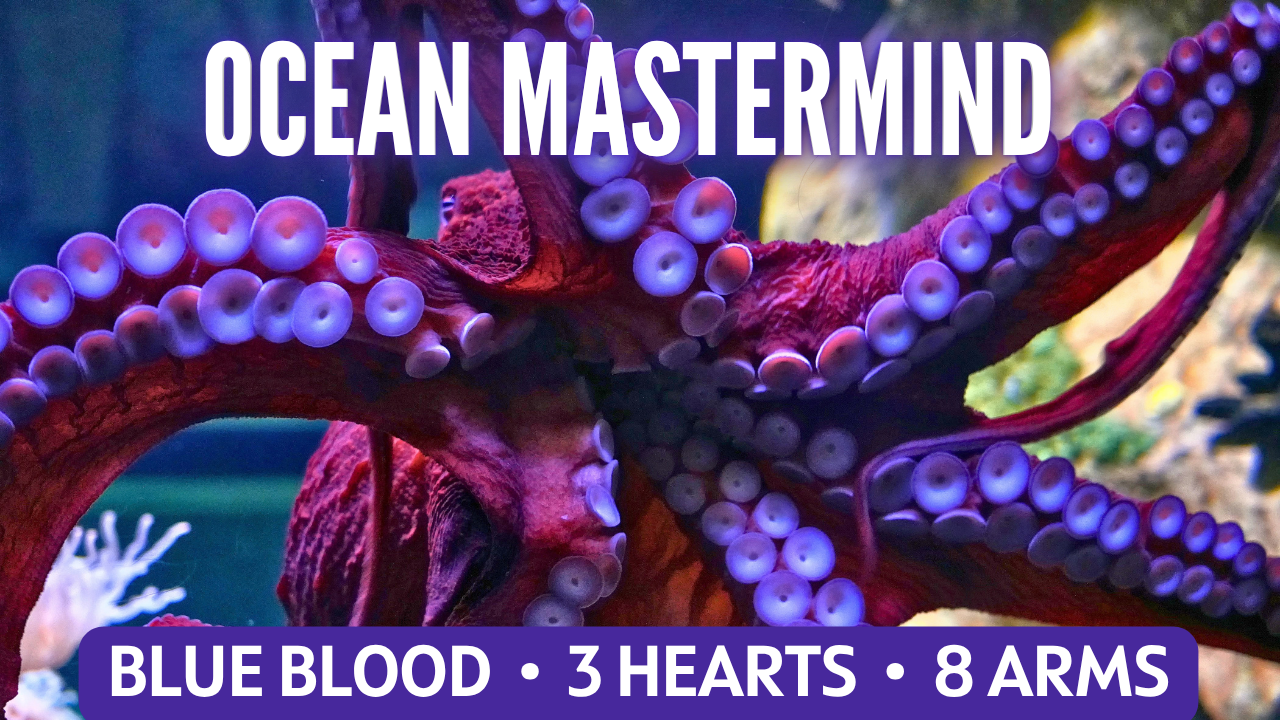
Meet the Octopus
Imagine an animal with three hearts, blue blood, and eight arms that can taste and touch the world around it! The octopus is one of the ocean’s most fascinating animals. These remarkable creatures can squeeze through tiny spaces, change their appearance, learn from experience, and use their arms to explore the world around them. From their unusual anatomy to their creative shelter-building habits, octopuses have plenty of surprises waiting beneath the waves. Let’s discover what makes these eight-armed animals so extraordinary.
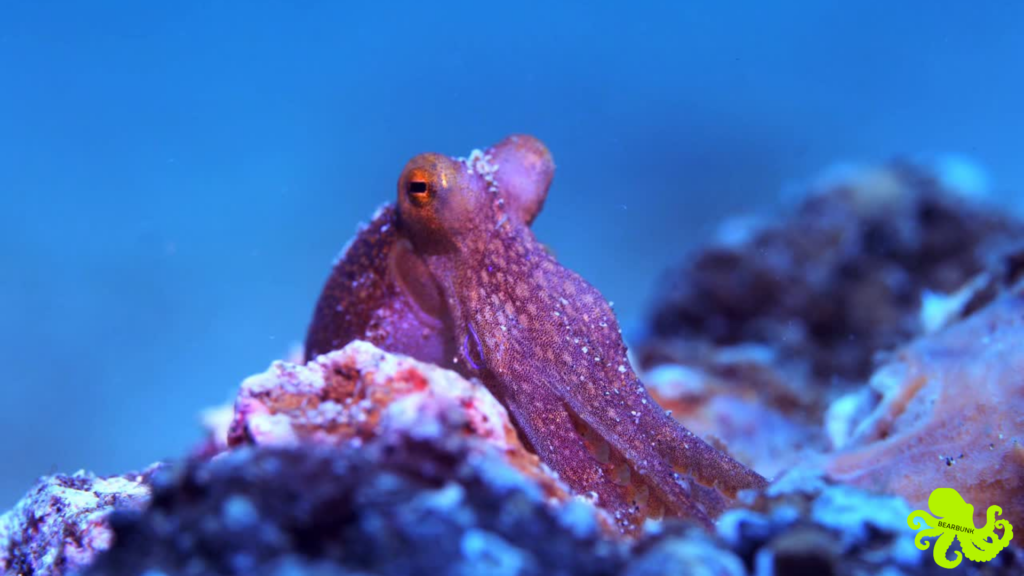
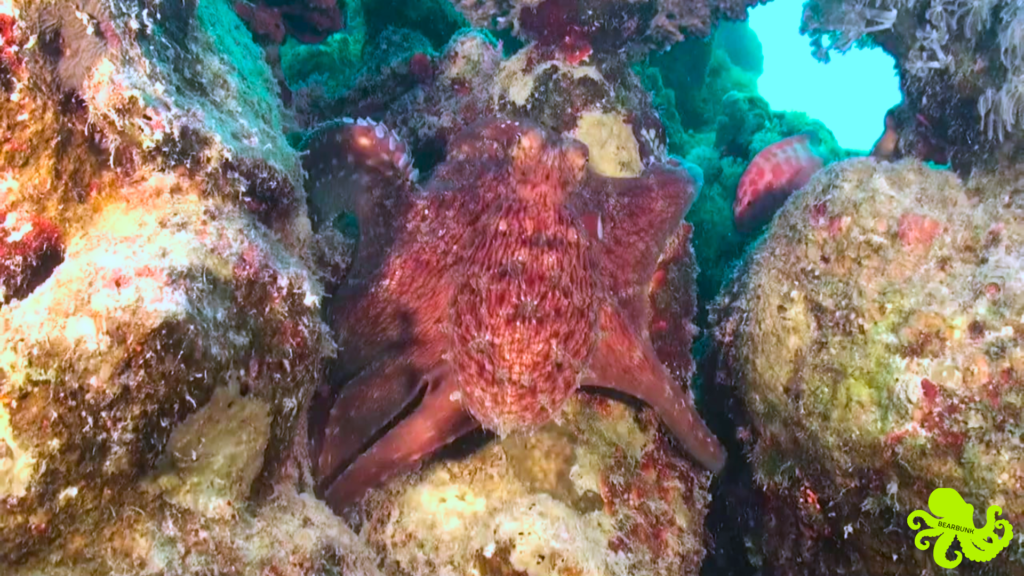
Species of Octopus
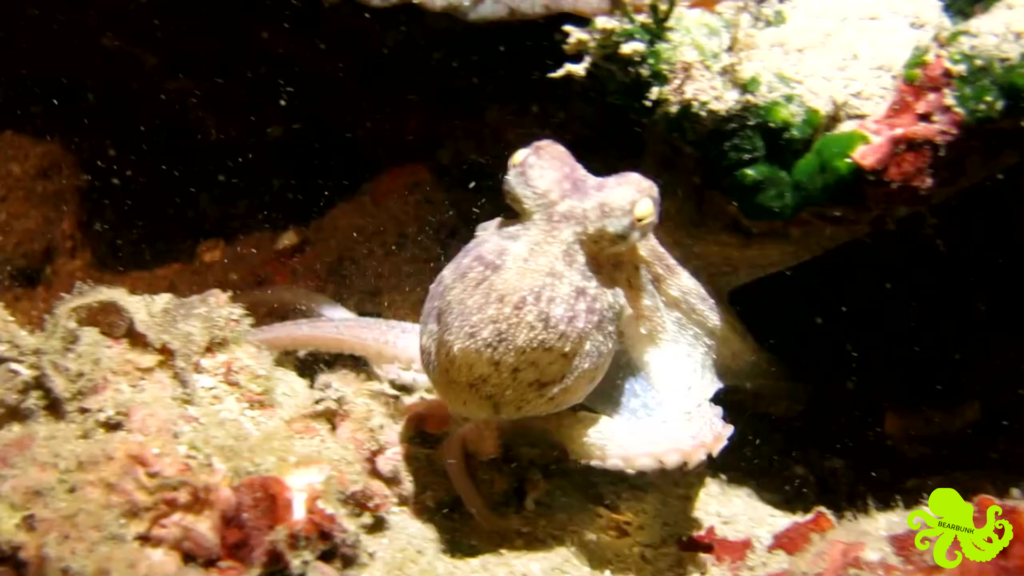
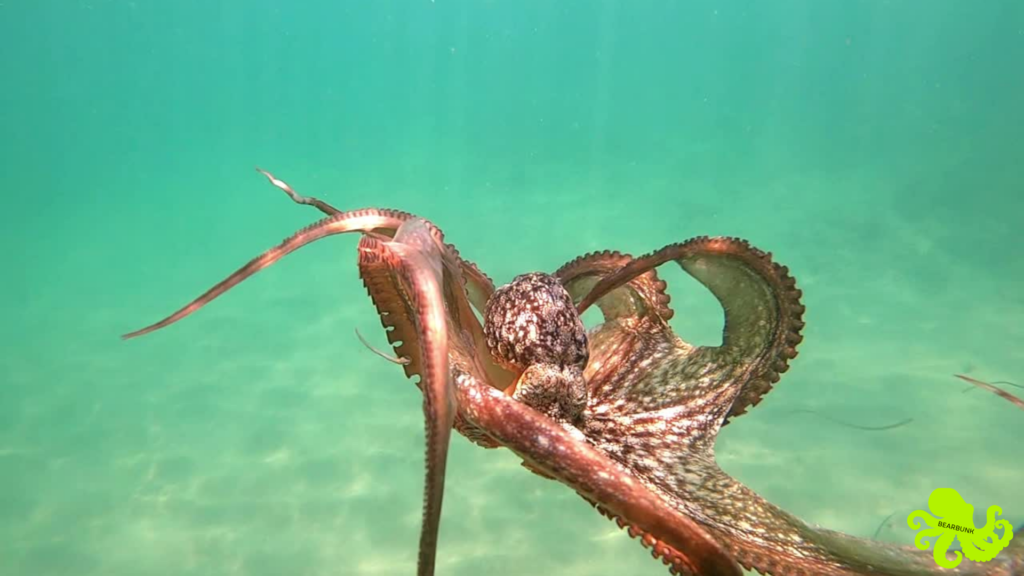
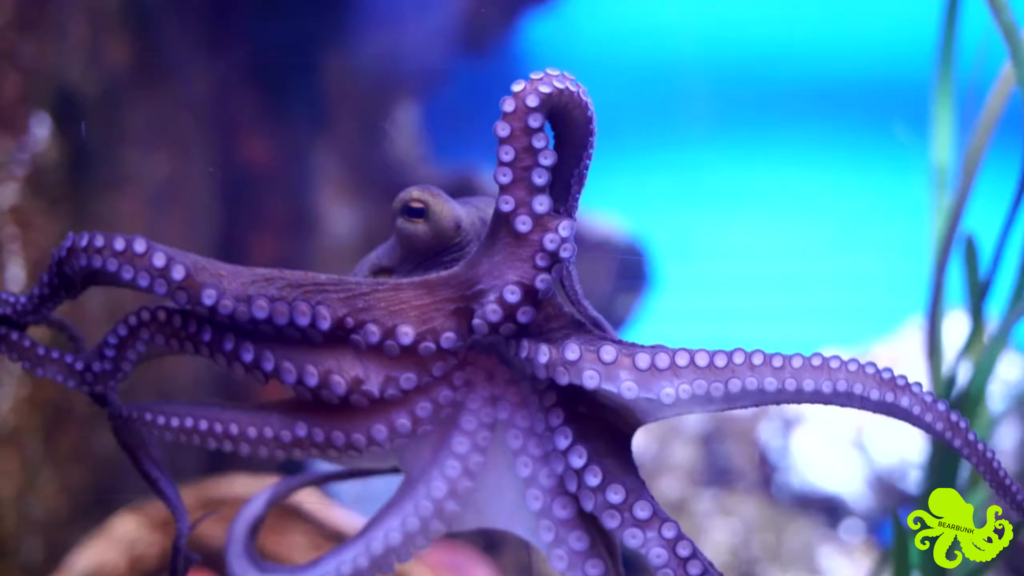
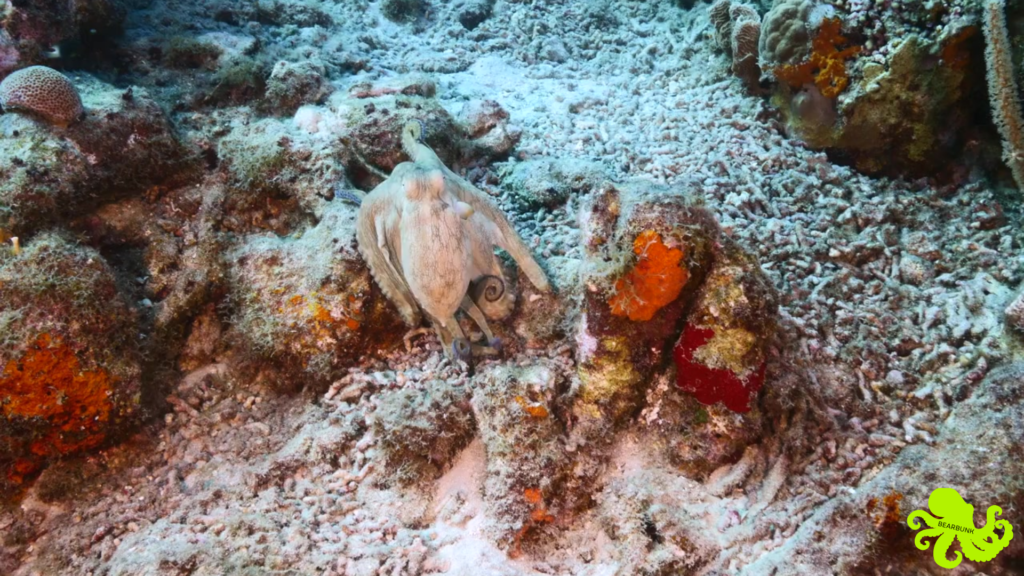
Octopuses belong to a group of marine animals called cephalopods, which also includes squid and cuttlefish. Scientists recognize roughly 300 octopus species, although classifications can change as researchers learn more. Octopuses vary greatly in size and appearance. Some are small enough to fit in the palm of a hand, while the giant Pacific octopus can spread its arms more than 10 feet, or 3 meters, across. Despite their differences, octopuses share several distinctive features, including eight arms, soft bodies, and remarkable abilities that help them explore their underwater surroundings.
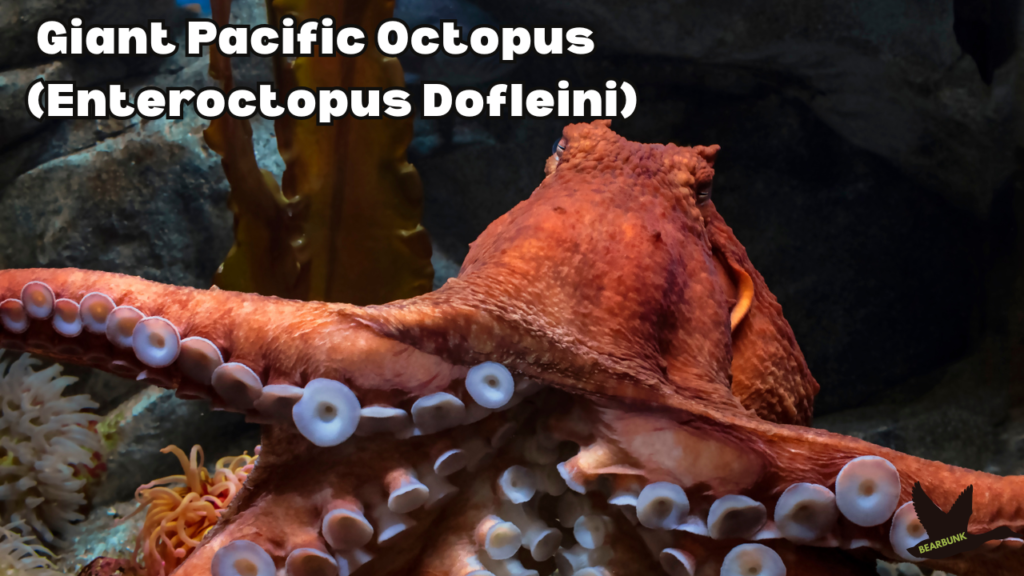
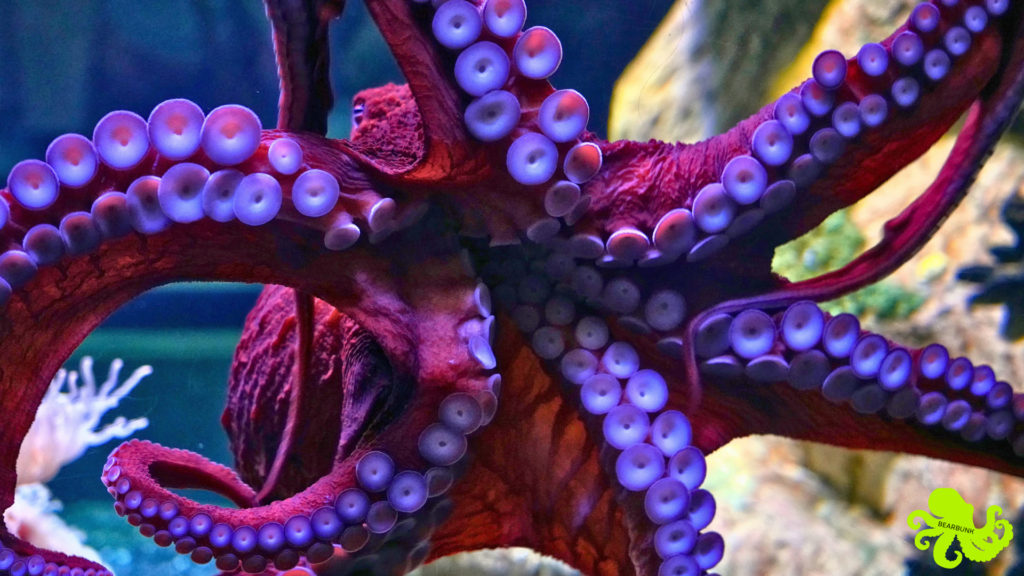
Giant Pacific Octopus (Enteroctopus Dofleini)
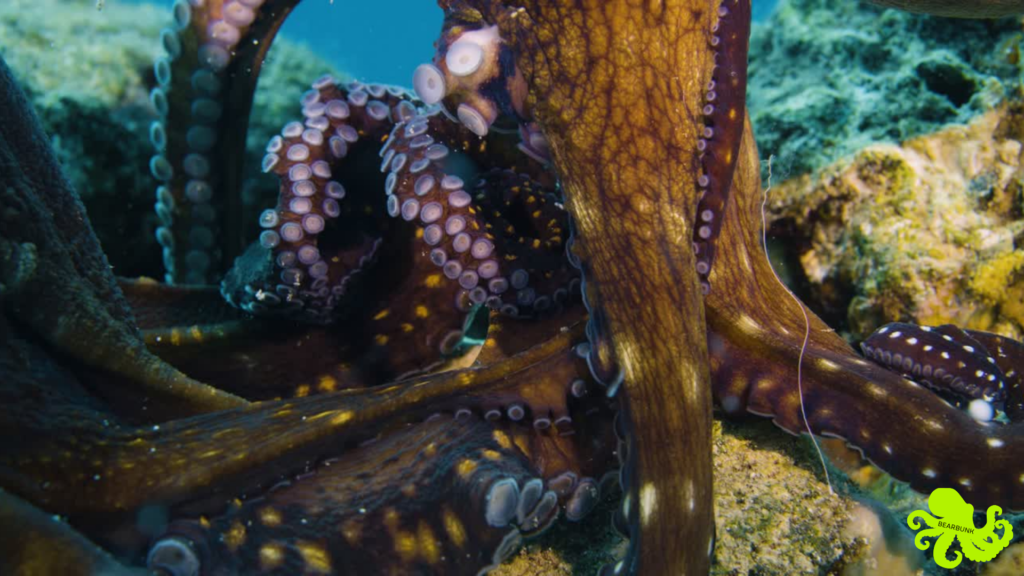
The Giant Pacific Octopus is the largest octopus species by overall size, with some individuals reaching arm spans of more than 14 feet (4.3 meters). Found in the North Pacific Ocean, it lives among rocky seafloors and coastal habitats. Its reddish-brown skin, powerful arms, and remarkable intelligence make it one of the ocean’s most fascinating animals. It typically lives around 3–5 years.
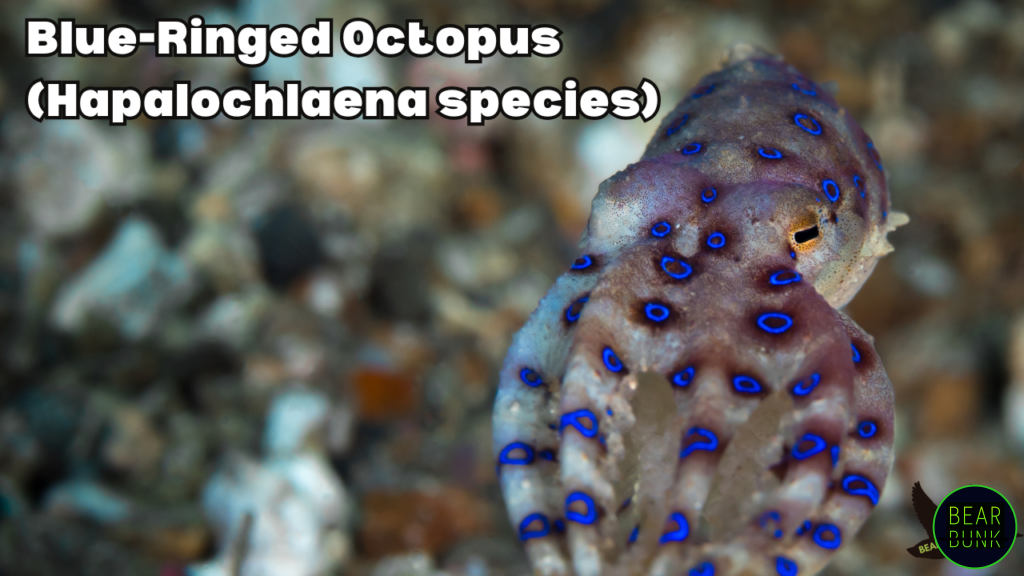
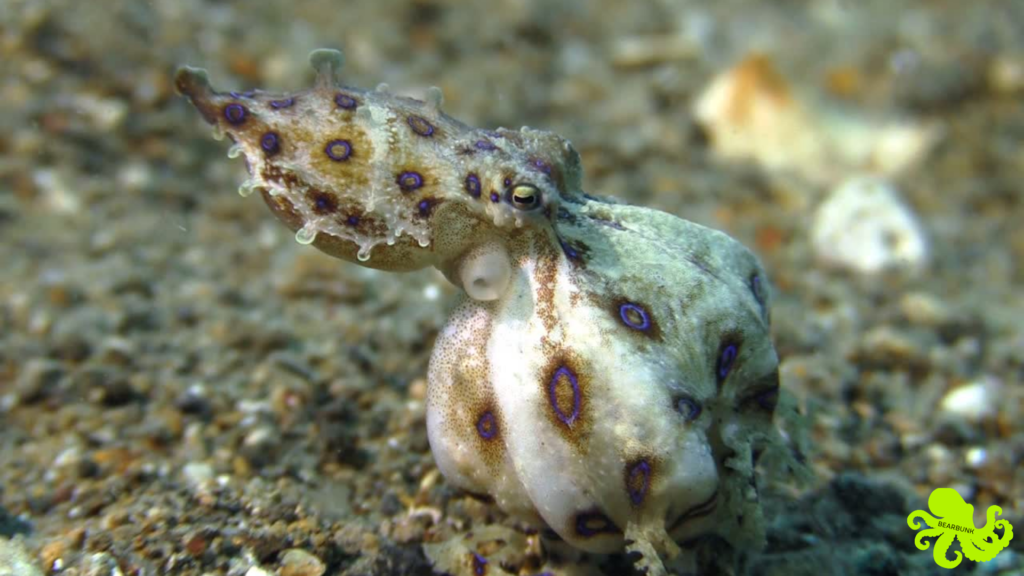
Blue-Ringed Octopus (Hapalochlaena species)
Small but striking, blue-ringed octopuses usually measure about 4–8 inches (10–20 centimeters) across, including their arms. They inhabit tropical and subtropical waters of the Indo-Pacific, often around coral reefs and shallow seafloors. Their brilliant blue rings become especially vivid when they feel threatened. These octopuses also produce potent venom, making them fascinating animals to observe from a safe distance. Their lifespan is generally around 1–2 years.
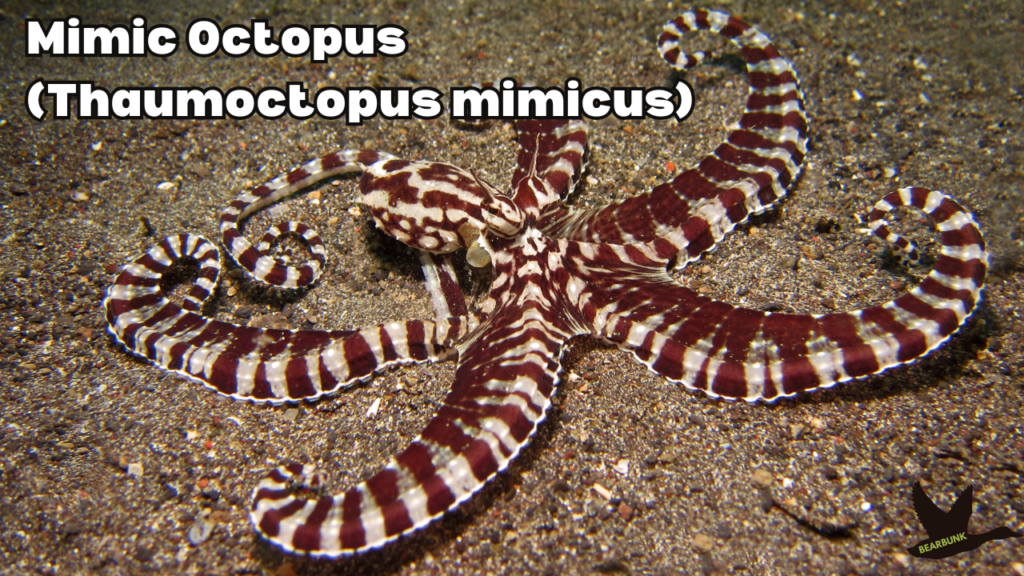
Mimic Octopus (Thaumoctopus mimicus)
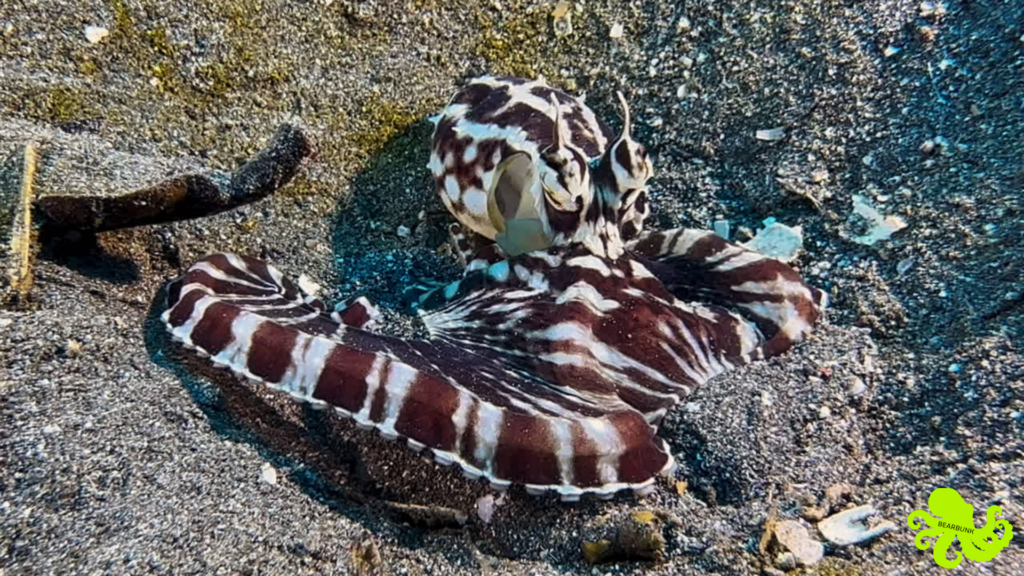
The Mimic Octopus is famous for its extraordinary ability to change its posture, movements, and appearance to imitate other marine animals. It can reach approximately 2 feet (60 centimeters) in total length, including its arms, and lives in tropical Indo-Pacific waters, particularly around sandy and muddy seafloors near Indonesia. Its flexible arms and remarkable behavioral adaptations make it one of the ocean’s most unusual octopuses.
Habitat
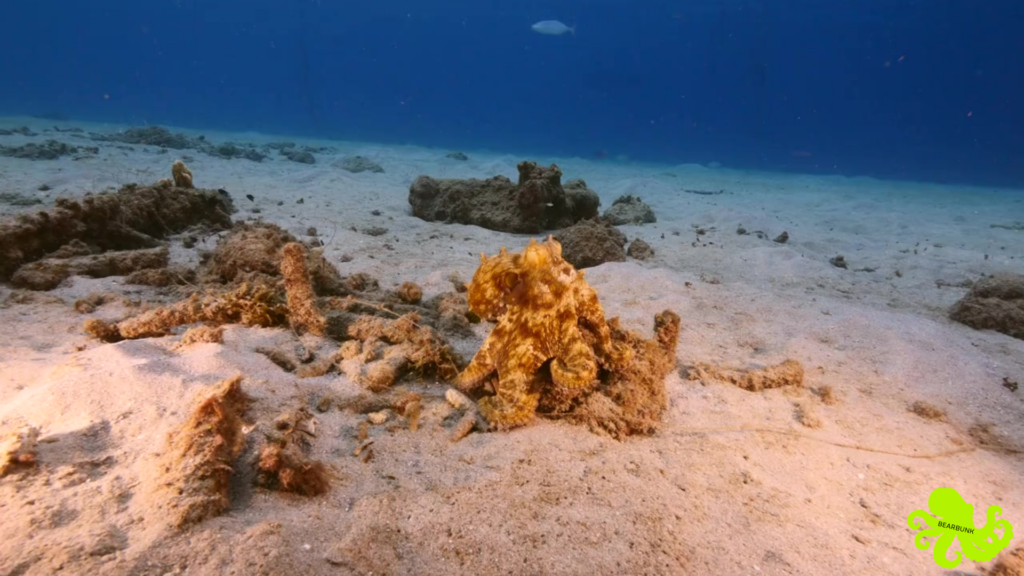
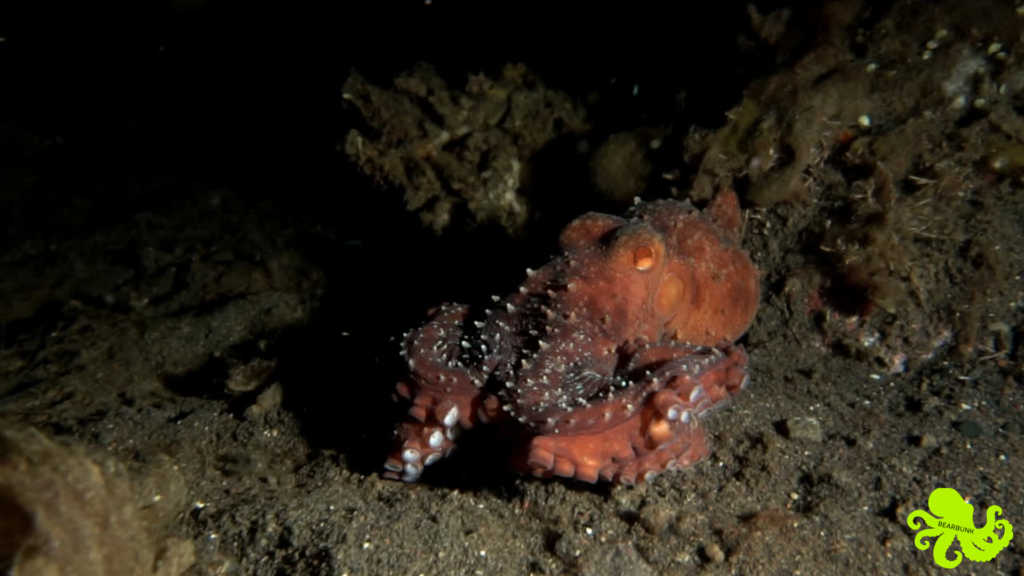
Octopuses live in every ocean on Earth, from warm tropical waters to cold polar seas. Many spend much of their time on or near the seafloor, exploring rocky reefs, coral reefs, sandy bottoms, seagrass beds, and other underwater habitats. Some live close to shore, while deep-sea species inhabit areas thousands of feet below the surface, where little or no sunlight reaches. Many octopuses use natural shelters such as rocky crevices, small caves, and spaces beneath rocks. Their flexible bodies allow them to investigate narrow spaces and settle into surprisingly small hiding places.
Diet
Octopuses are carnivores, and their diets can include crabs, shrimp, lobsters, clams, snails, and various fish. Many search patiently along the seafloor, using their arms to investigate cracks and crevices. Their suction cups help them grip objects and sense what they touch. Octopuses also have a specialized structure called a radula, a tongue-like organ with tiny tooth-like structures that helps process food. Their combination of flexible arms, sensitive suction cups, and specialized mouthparts makes them well equipped to explore and handle their meals.
Share On Social:
Mating, Babies & Family Life
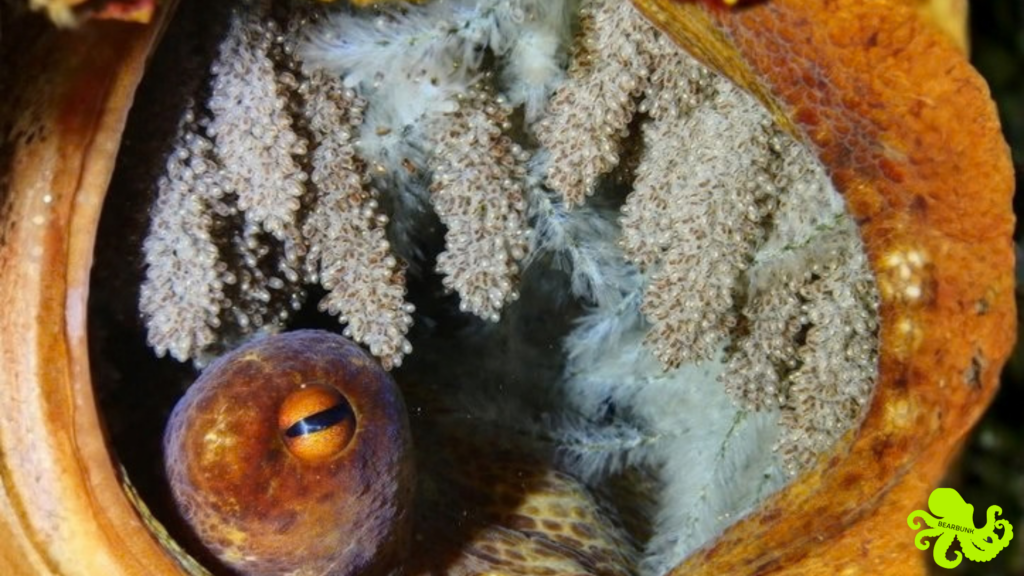
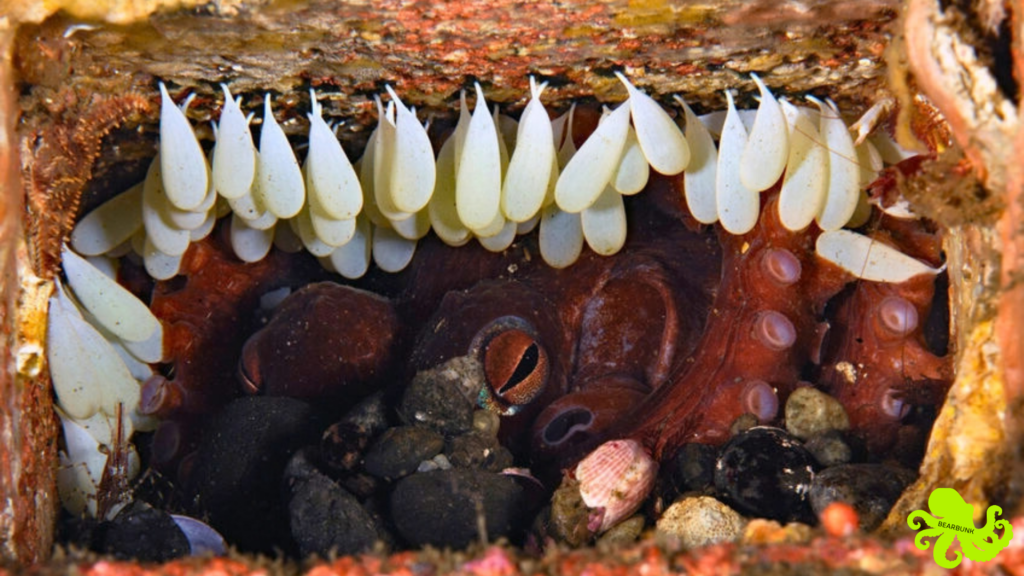
Octopus reproduction is fascinating. During mating, the male uses a specially modified arm called a hectocotylus to transfer sperm packets to the female. The female may store these packets and use them to fertilize her eggs when the time is right. Depending on the species, she may lay hundreds or thousands of eggs in a protected location, such as a rocky crevice. Many females carefully tend their eggs, keeping the area clean and moving water over them to provide a fresh supply of oxygen-rich water. After hatching, the young develop differently depending on the species. Some begin life resembling tiny adults, while others spend their early days drifting through the ocean as planktonic young.
Behavior & Social Life
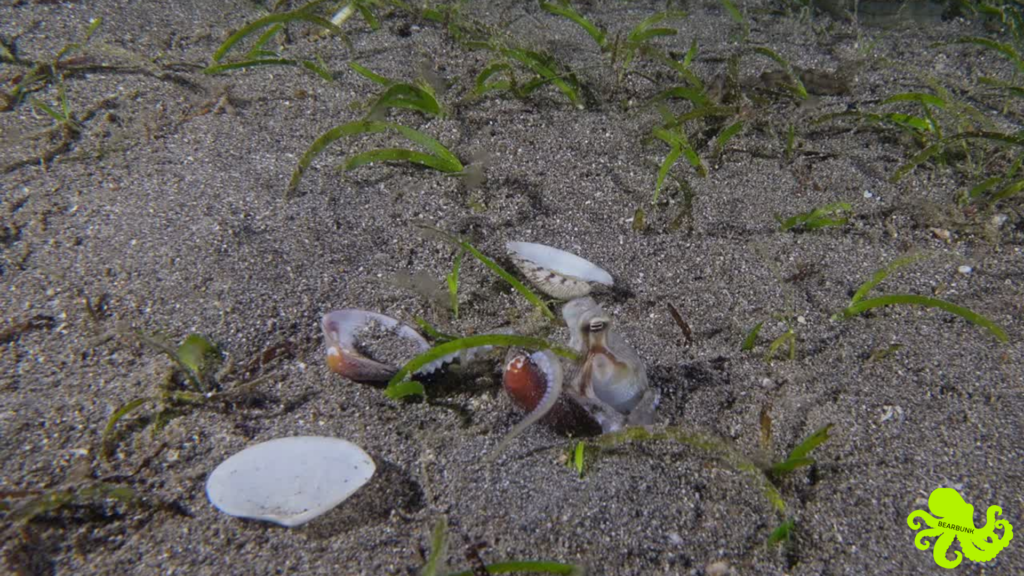
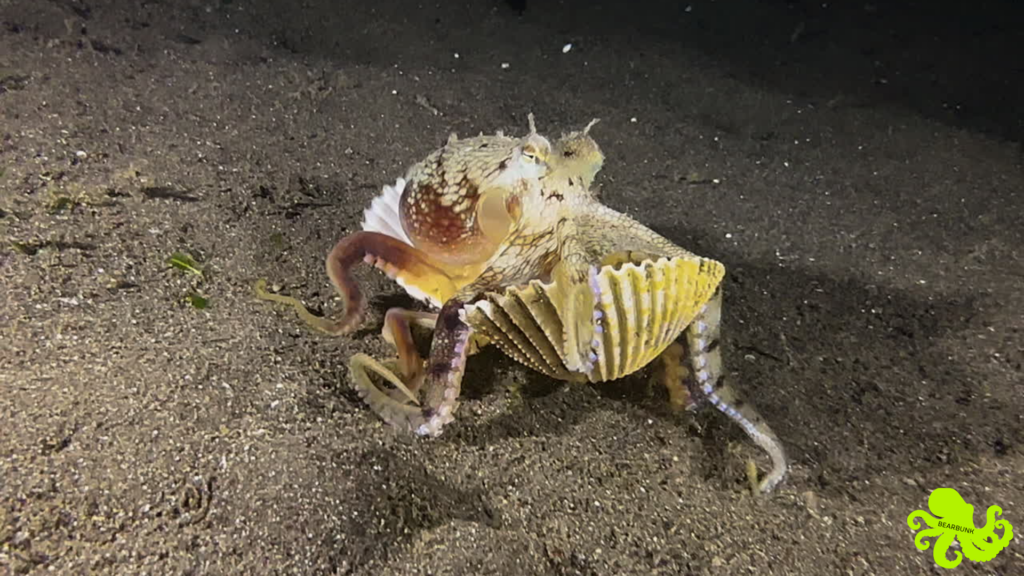
Octopuses are curious, intelligent animals capable of learning and adapting to new situations. They have been observed opening containers, navigating complicated spaces, remembering what they have learned, and investigating unfamiliar objects. Their nervous systems are especially remarkable because a large portion of their nerve cells are located in their arms. This arrangement helps their arms process information and control movements with impressive precision. Octopuses can also change their skin color, patterns, and texture. These changes can help them blend into their surroundings and may also communicate information to other octopuses. Some species collect objects for shelter, and the coconut octopus has been observed carrying coconut shells to use as portable protection.
Physical Features & Adaptations
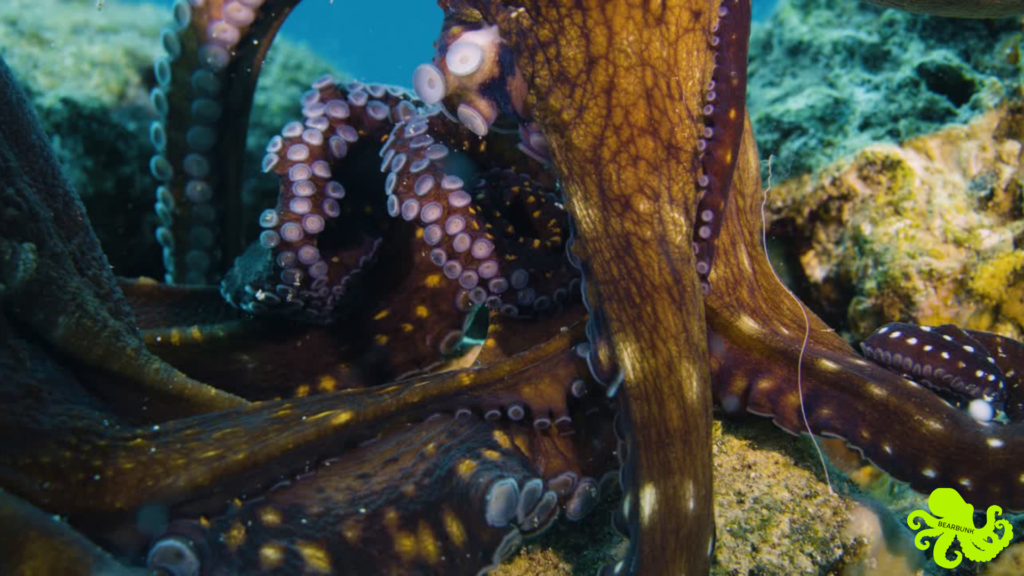
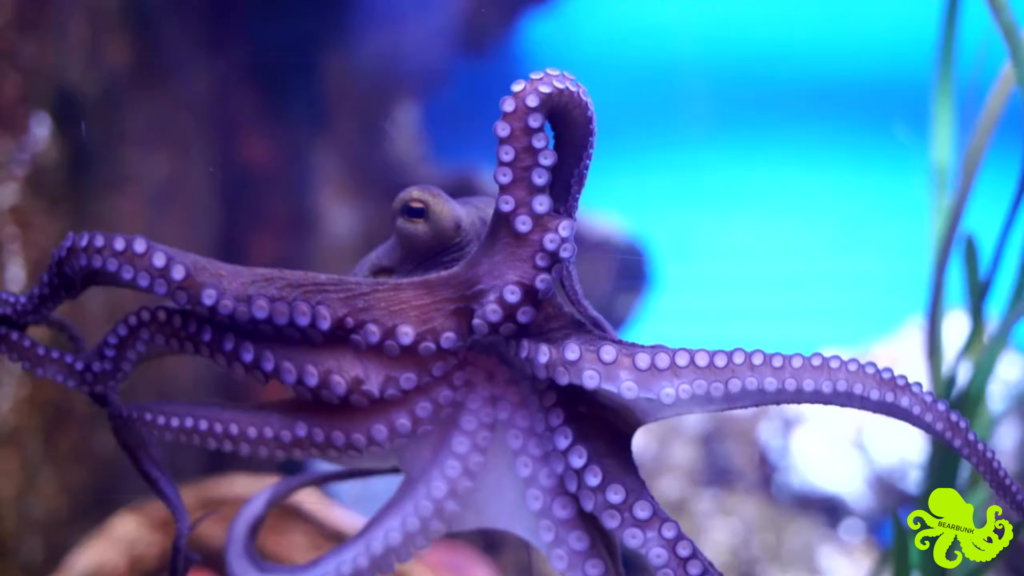
An octopus has a soft body without bones, allowing it to bend, twist, and squeeze through small openings. Its eight arms are lined with hundreds of suction cups each, providing thousands of gripping surfaces. These suction cups help with both touch and exploration. Octopuses have excellent vision and three hearts. Two hearts move blood toward the gills, while the third pumps blood around the rest of the body. Their blood appears blue because they use a copper-based protein called hemocyanin to carry oxygen. An octopus can also propel itself through the water by forcing water out through a tube called a siphon. Its hard beak is the most rigid part of its body, which explains why an octopus can squeeze through an opening only slightly larger than its beak. Many species can regenerate a lost arm, and the mimic octopus is famous for changing its shape, color, and movements to resemble other marine animals.
Interactions with Humans
The octopus’s unusual abilities make it a fascinating animal for people to observe and study. Its intelligence, flexible body, and color-changing skin offer many opportunities to learn about life in the ocean. When observing an octopus in the wild or in an aquarium, give it space and avoid disturbing its body or shelter. Responsible observation helps us appreciate these remarkable animals while respecting their needs.
Fun Facts
- Octopuses have three hearts.
- Their blood appears blue because they use the copper-based protein hemocyanin to carry oxygen.
- Their eight arms have hundreds of suction cups each.
- Their skin can change color, pattern, and texture.
- A boneless body lets them squeeze through openings only slightly larger than their beak.
- A large part of an octopus’s nervous system is located in its arms.
- The coconut octopus can carry coconut shells and use them as shelter.
- Giant Pacific octopuses typically live around three to five years.
- Some female octopuses tend hundreds or thousands of eggs.
- The mimic octopus can change its appearance and movements to resemble other marine animals.
About Octopuses
About Octopuses
Scientific Family: Varies by species; includes Octopodidae and other families
Number of Species: Approximately 300 known species
Habitat: Oceans worldwide, from shallow coastal waters and coral reefs to deep-sea environments
Diet: Crabs, shrimp, lobsters, clams, snails, and fish
Lifespan: Varies by species; generally several months to about 3–5 years
Unique Traits: Eight arms with suction cups, three hearts, blue blood, color-changing skin, remarkable flexibility, and the ability to regenerate arms
Social Structure: Generally solitary, coming together primarily to mate; some species display remarkable tool use and shelter-building behaviors
Fun Fact: An octopus can squeeze through an opening only slightly larger than its hard beak because it has no bones.
Why We Love Them
We love octopuses because they remind us how many amazing abilities can be found in creation. Three hearts, blue blood, flexible bodies, clever behavior, and color-changing skin make every discovery fascinating. Their curiosity and adaptability offer a wonderful glimpse into the variety of life found throughout our oceans.
Conclusion
From their unusual hearts and blue blood to their remarkable intelligence and flexible arms, octopuses are full of surprises. They live in a wide range of ocean habitats and use an impressive collection of abilities to explore their surroundings. The more we learn about octopuses, the more there is to appreciate about these extraordinary animals.
Learn More:
Keep exploring the amazing animal world with BearBunk! Visit https://bearbunk.com/blog-posts/ for more animal articles, and watch our next video about manta rays and their impressive wingspans.
Ocean Mastermind Amazing Octopus Facts 3 Hearts, Blue Blood & 8 Arms – YouTube
Read more about:



Leave a Reply