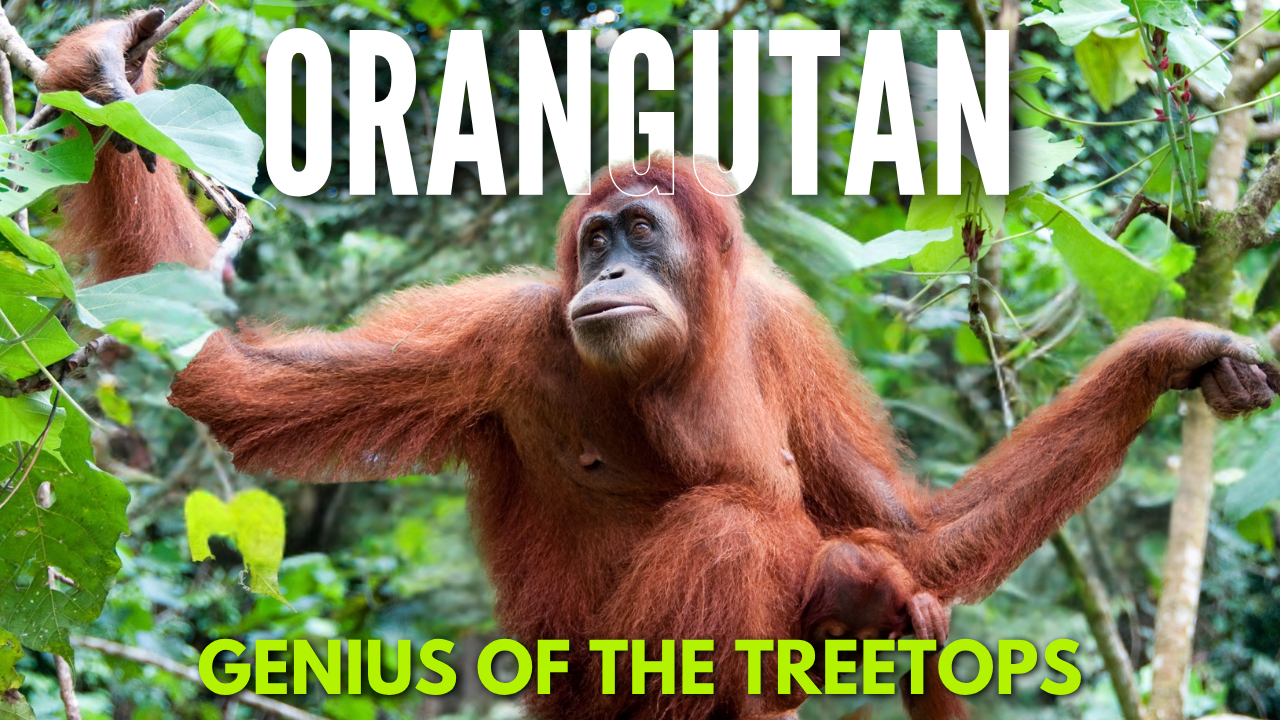
Meet the Orangutan
Imagine meeting an animal that can swing through the treetops, use simple tools, remember exactly where its favorite foods are found, and spend much of its life high above the ground. This is the incredible world of the orangutan, one of the most intelligent and fascinating creatures on our planet. Known as the gentle giants of the canopy, these great apes have captured human imagination for centuries with their thoughtful eyes, remarkable problem-solving abilities, and quiet, solitary lifestyles.
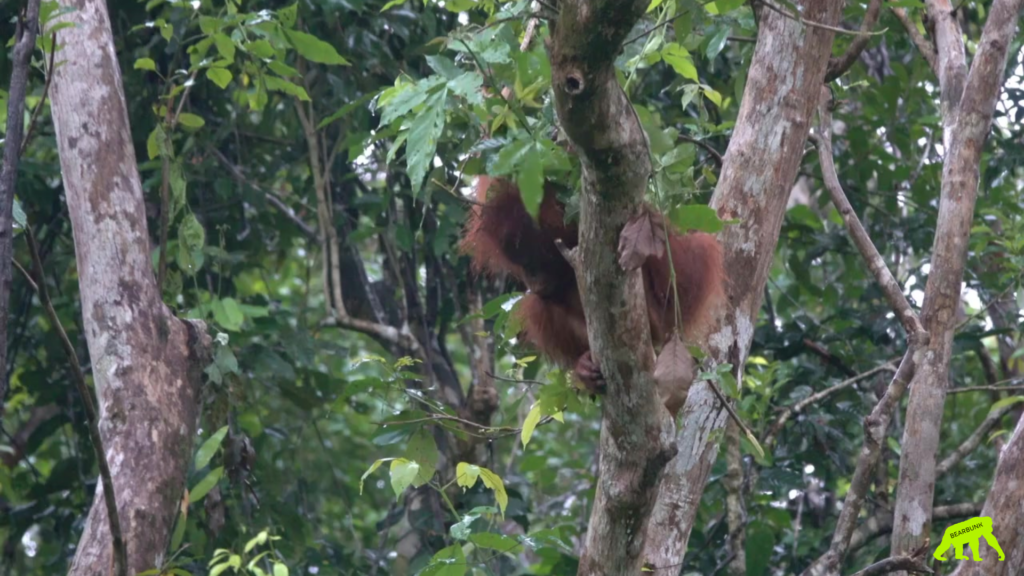
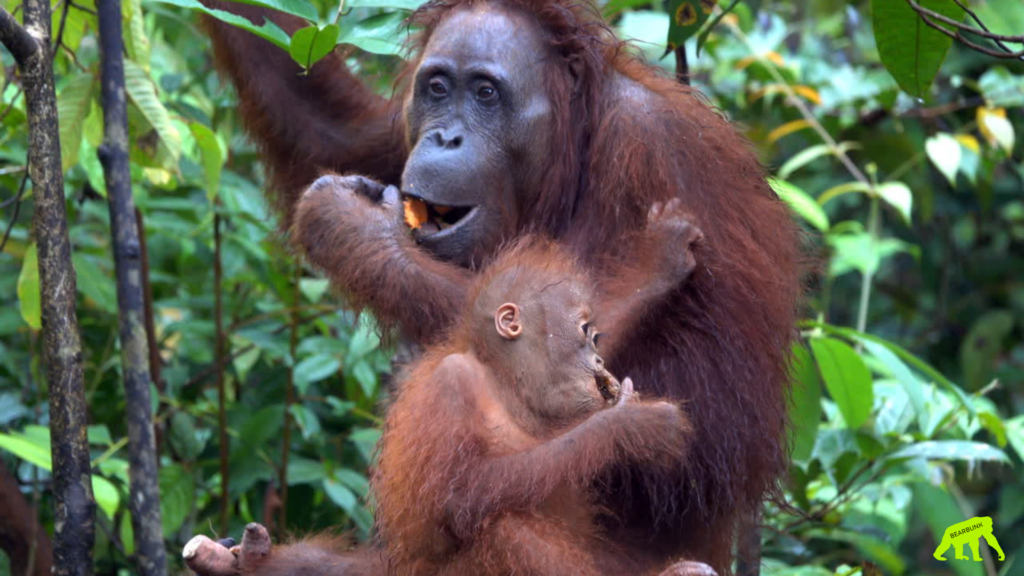
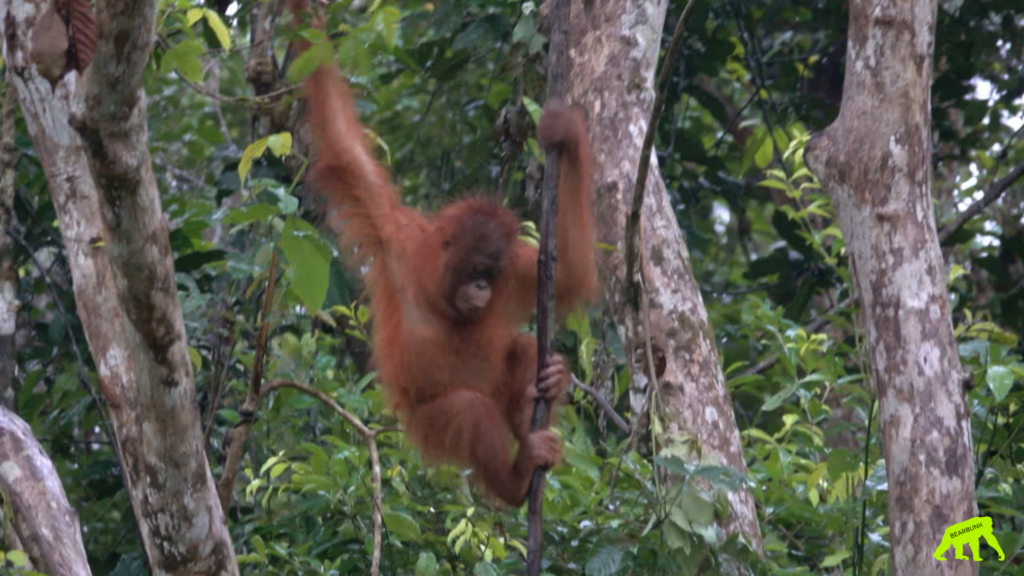
Species of Orangutans
There are three distinct species of orangutans recognized by scientists today, all of which belong to the genus Pongo. The rarest of all is the Tapanuli orangutan (Pongo tapanuliensis), which was only identified as a distinct species in 2017 and lives in a very restricted highland area of Sumatra.
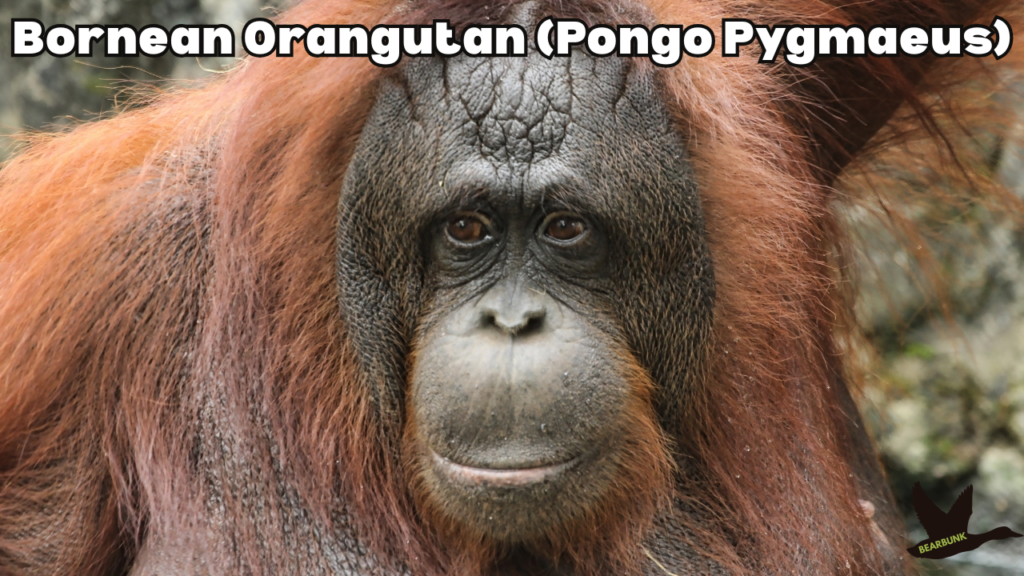
Bornean orangutan (Pongo pygmaeus)
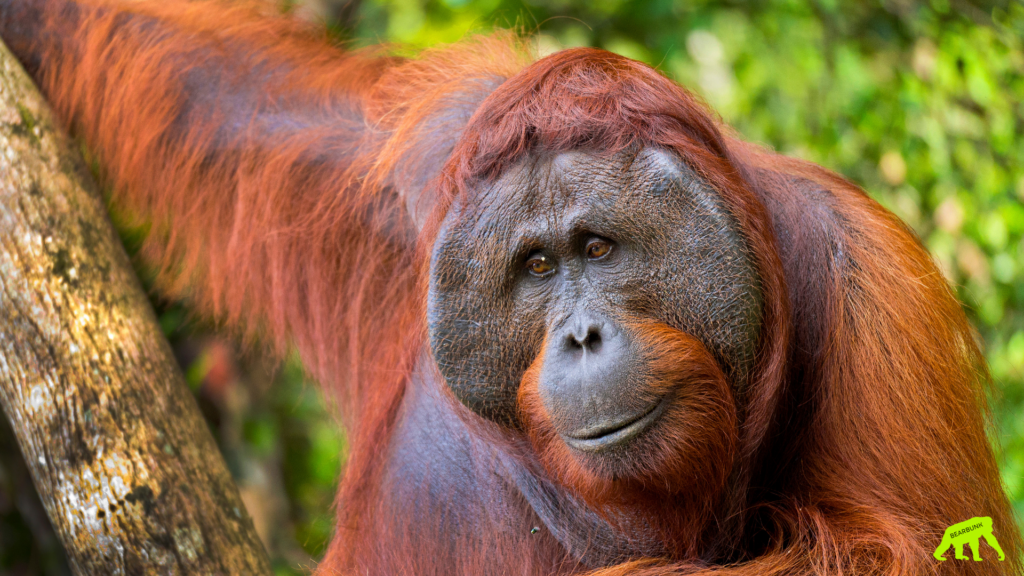
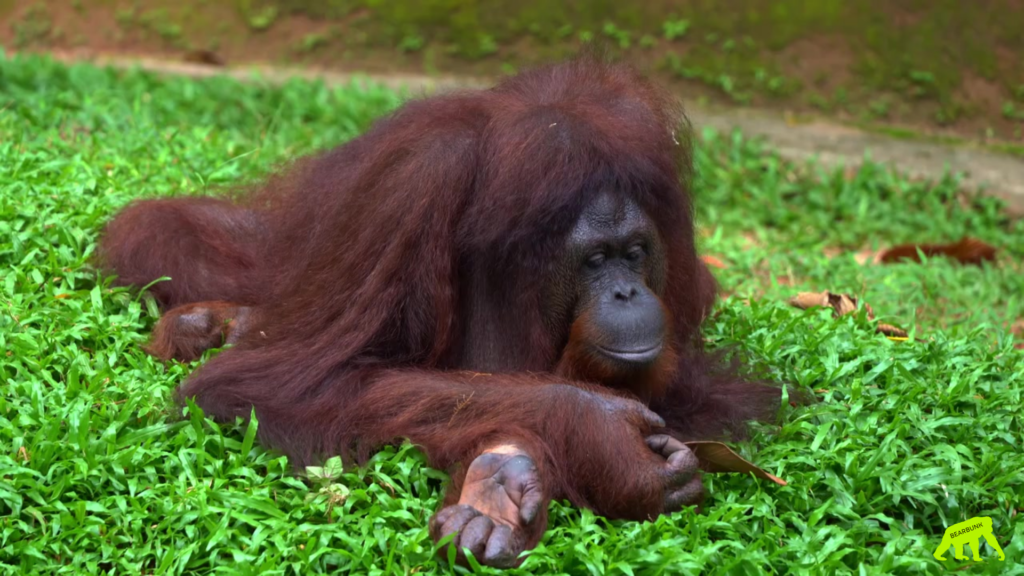
The Bornean orangutan is the most numerous, characterized by its slightly rounder face and darker red coat.
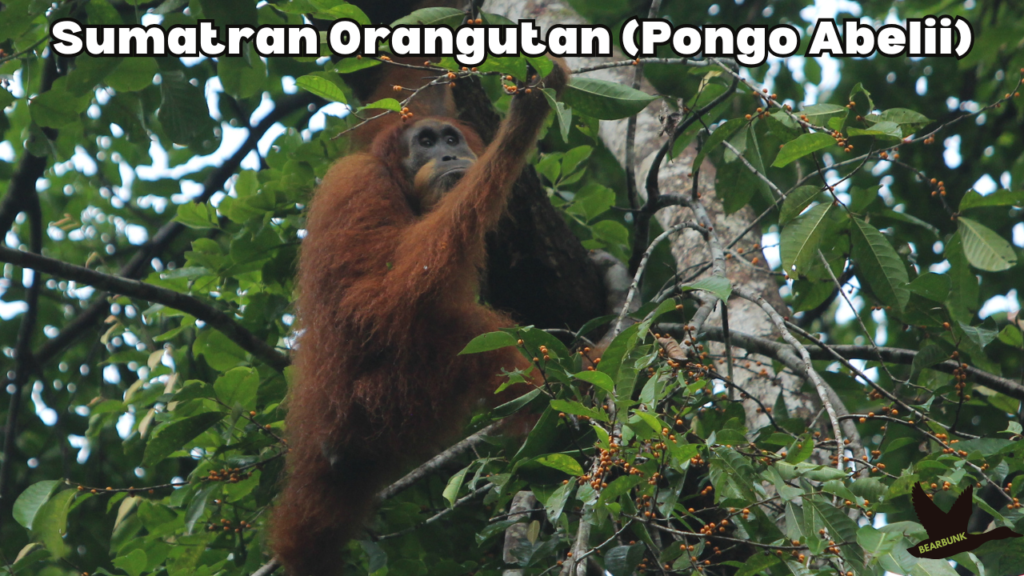
Sumatran orangutan (Pongo abelii)
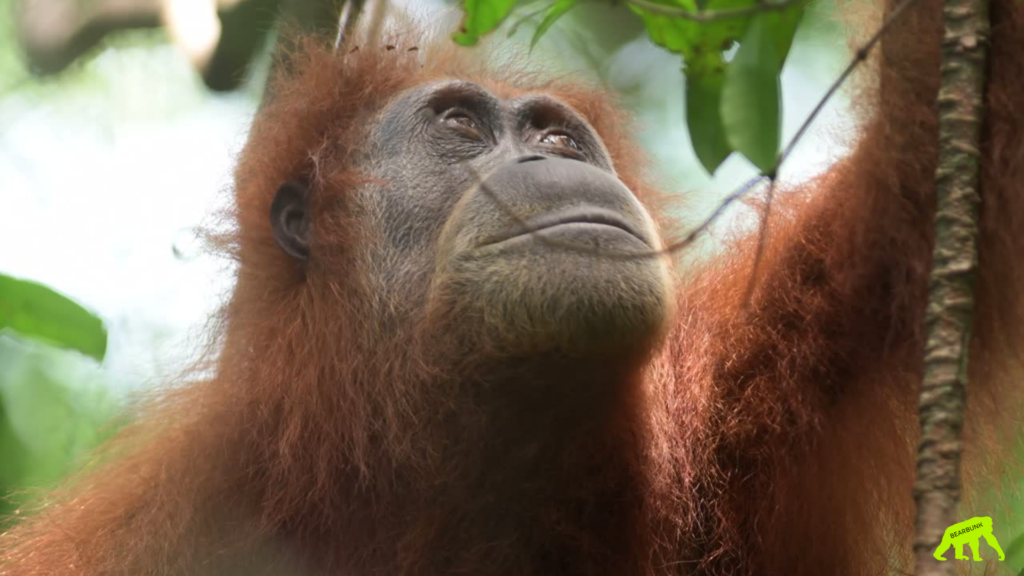
The Sumatran orangutan is typically smaller with lighter orange hair and longer facial hair.
Tapanuli orangutan (Pongo tapanuliensis)
The rarest of all is the Tapanuli orangutan, which was only identified as a distinct species in 2017 and lives in a very restricted highland area of Sumatra.
Habitat
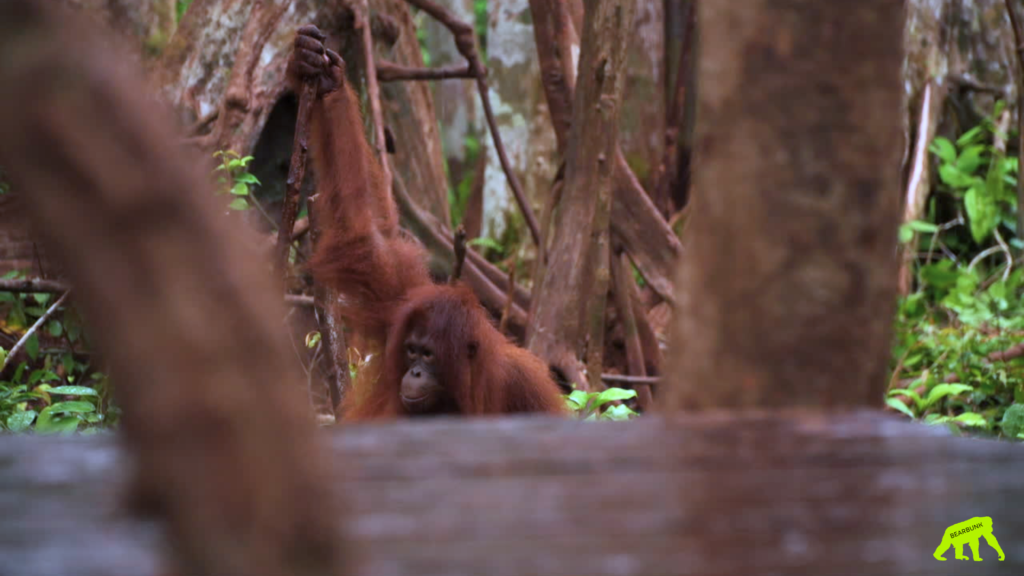
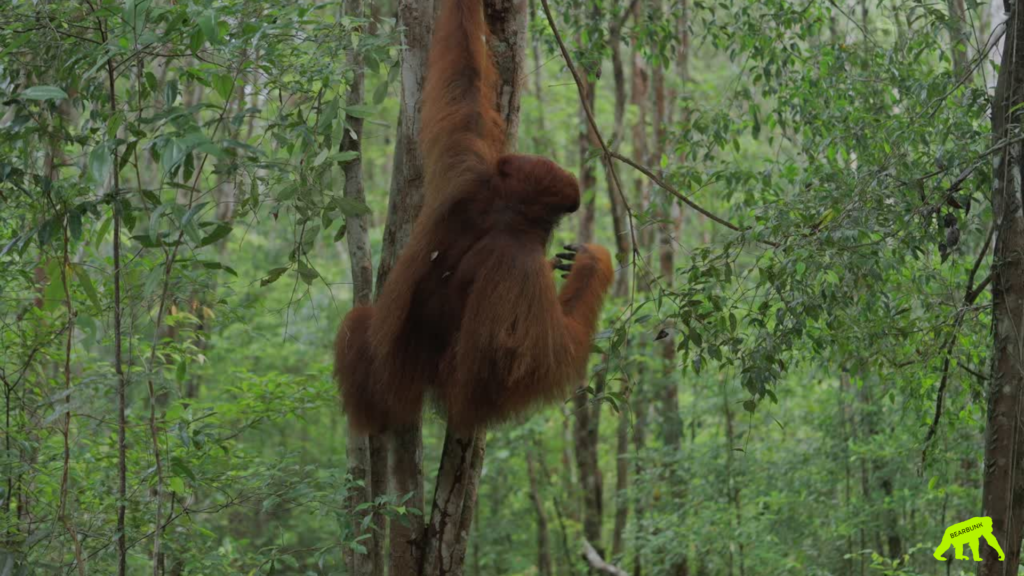
Orangutans are native only to the islands of Borneo and Sumatra in Southeast Asia. They live almost exclusively in lowland tropical rainforests, peat swamp forests, and mountain valleys. Because they are highly adapted to an arboreal lifestyle, they spend over 90 percent of their time in the high canopy, safely elevated above ground-level predators.
Diet
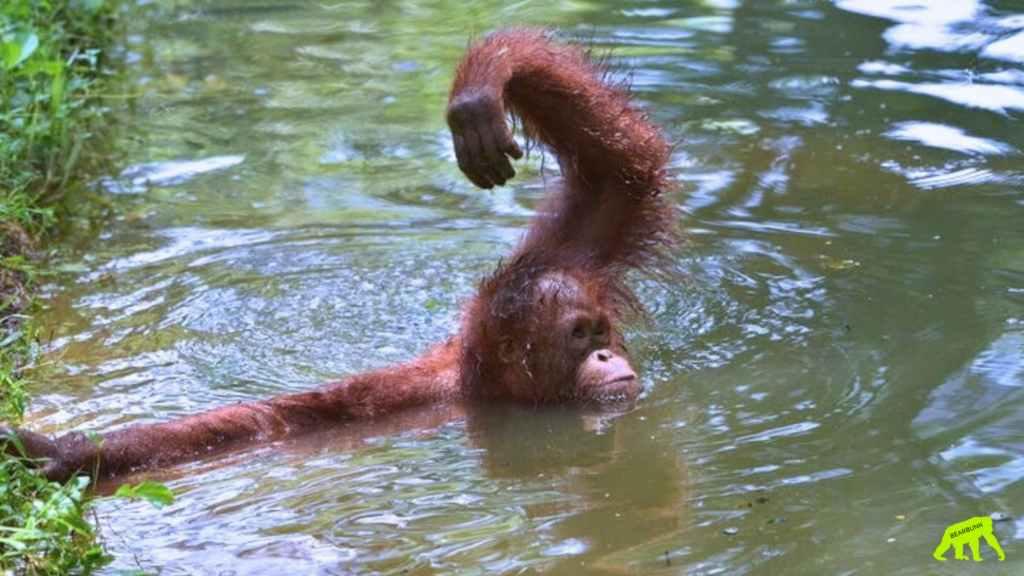
Orangutans are primarily frugivores, meaning fruit is their absolute favorite food. They play a critical role in their ecosystems as seed dispersers. When fruit is scarce, they adapt by eating young leaves, inner tree bark, mineral-rich soil, flowers, and the occasional insect. Their incredible spatial memory allows them to remember the precise locations and fruiting cycles of hundreds of individual trees across their home range.
Share On Social:
Mating, Babies & Family Life
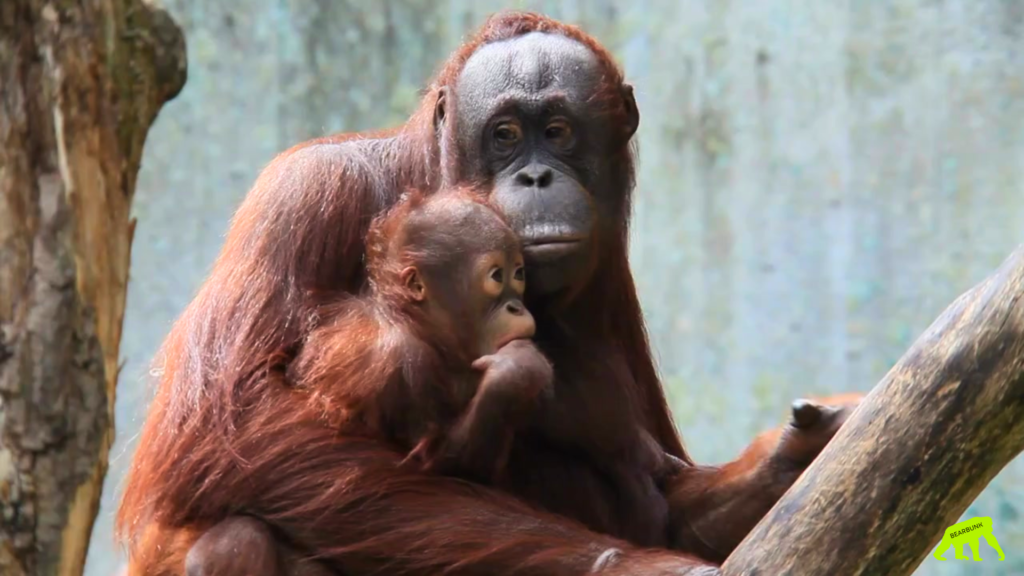
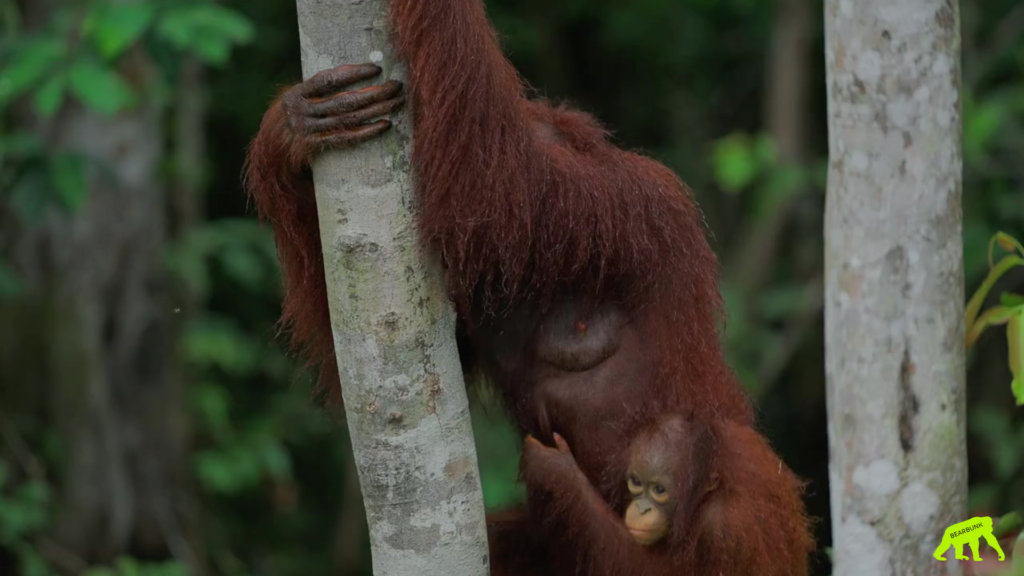
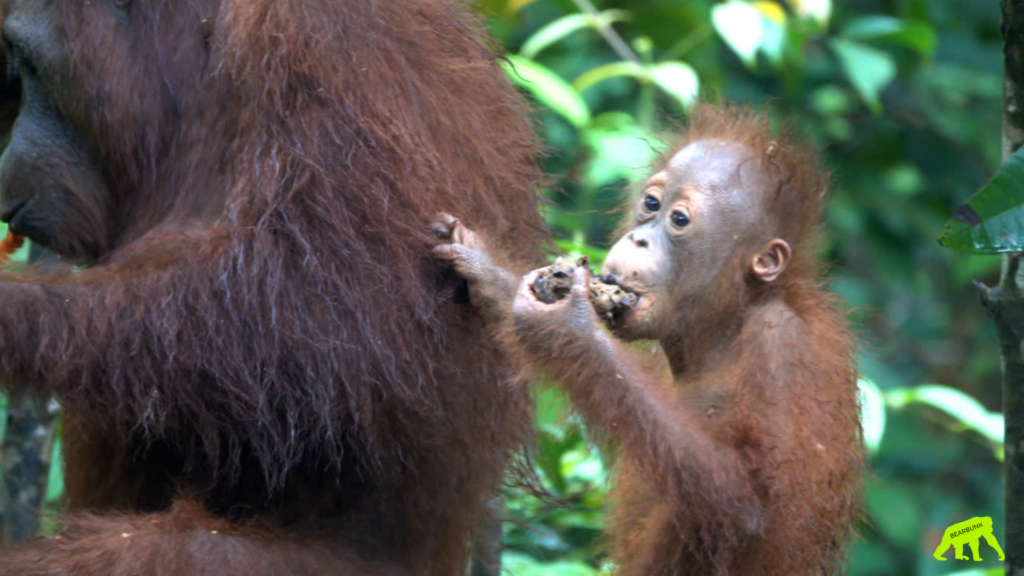
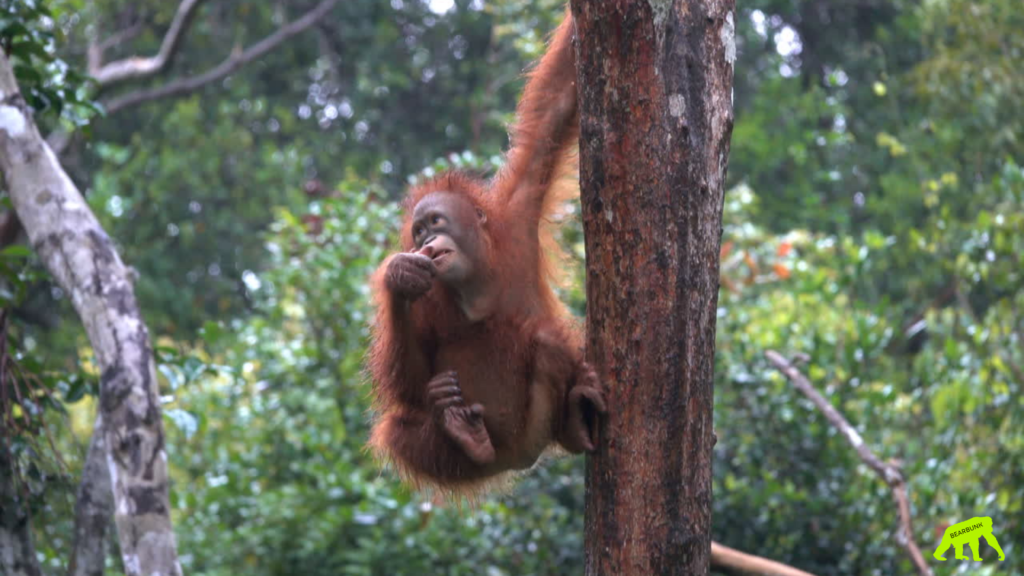
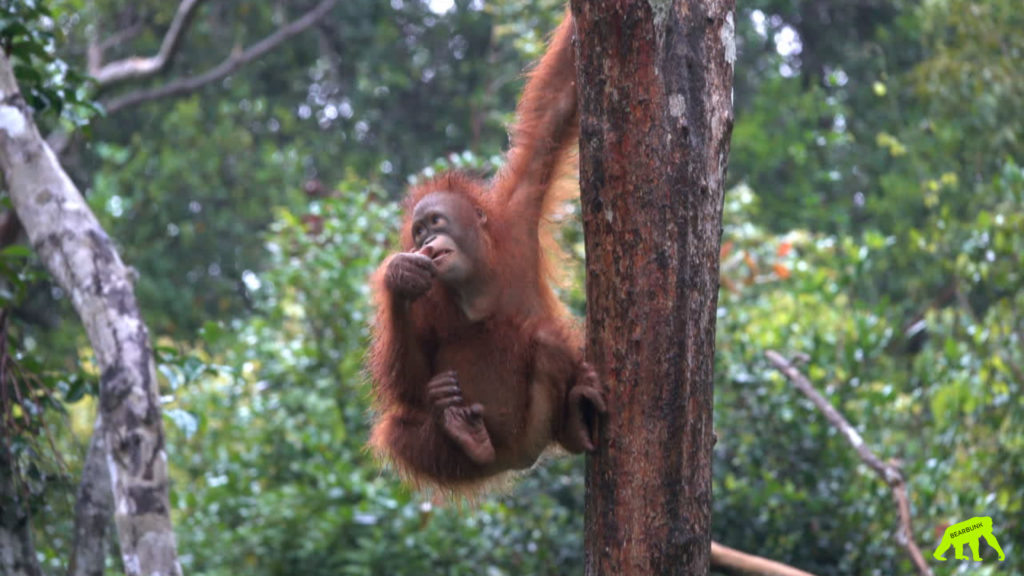
Female orangutans give birth to a single infant after a gestation period of about nine months. Orangutans have the longest childhood of any land mammal besides humans, with offspring staying with their mothers for up to eight or nine years. During this time, the mother teaches her young how to navigate the canopy, identify safe foods, build nests, and use tools, passing down vital generational knowledge.
Behavior & Social Life
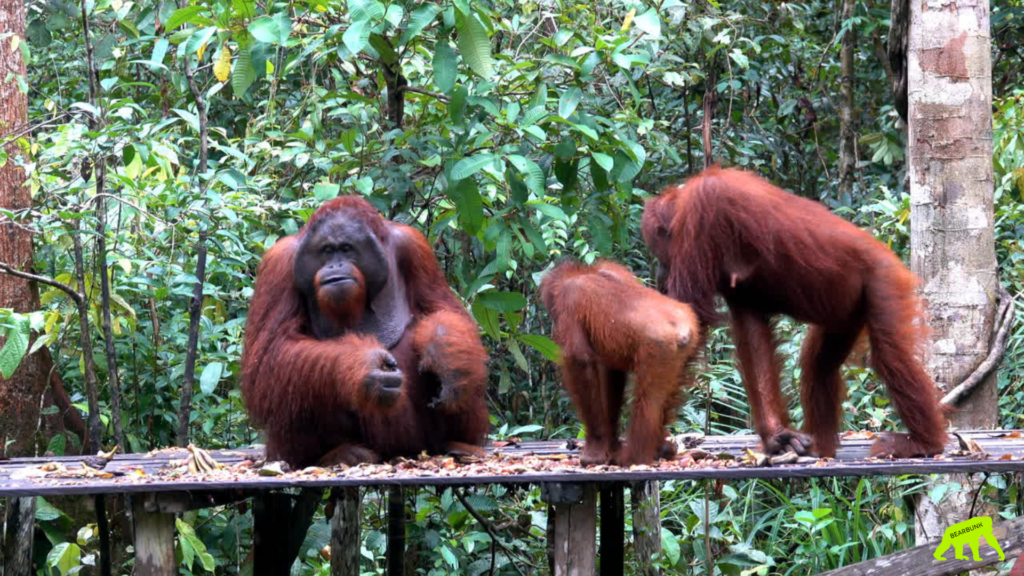
Unlike most other great apes, orangutans are semi-solitary animals. Adults spend most of their time foraging and traveling alone or in very small groups. They are exceptionally quiet and thoughtful, spending hours solving complex physical puzzles in their environment. Every evening, they bend branches and weave leaves together to build a secure, comfortable sleeping nest high in the trees, a process that takes them only a few minutes.
Physical Features & Adaptations
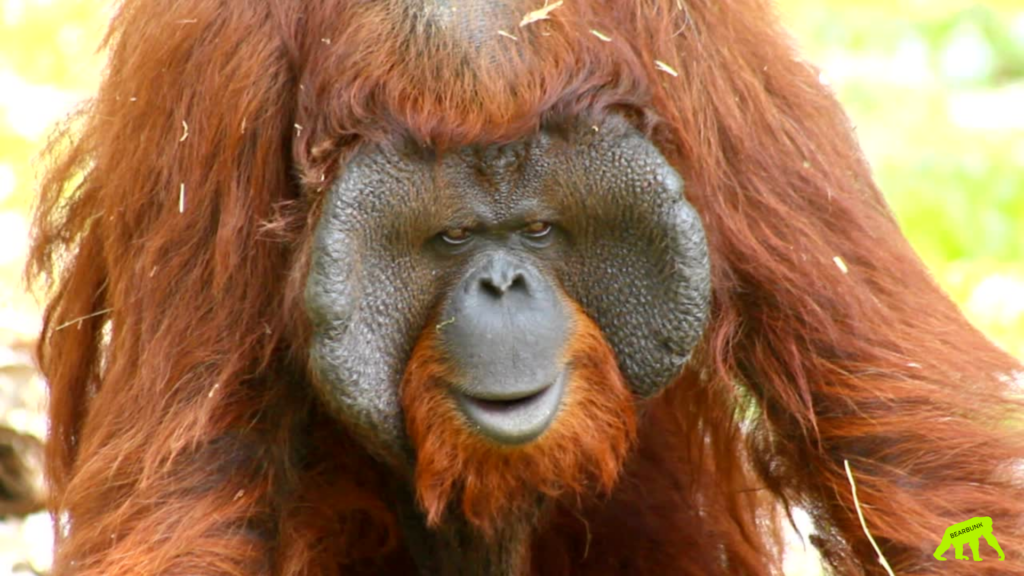
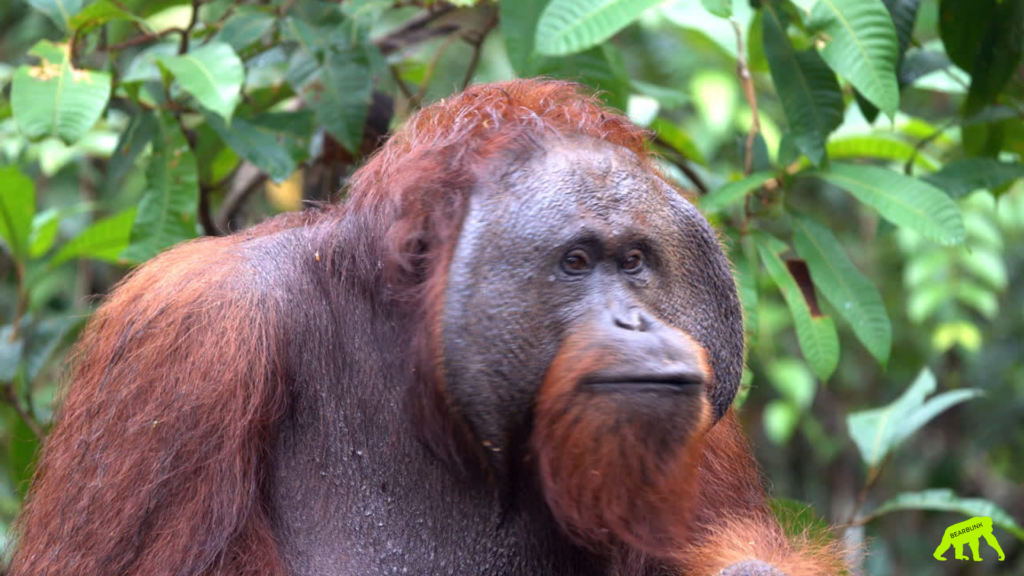
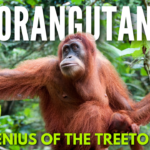
Orangutans are instantly recognizable by their long, shaggy reddish-orange hair and exceptionally long, strong arms, which can span up to 8 feet from fingertip to fingertip. This arm span is significantly longer than their standing height. Their hands and feet are designed like hooks with opposable thumbs and big toes, allowing them to grasp branches with immense strength. Adult males develop large cheek pads, known as flanges, which frame their faces and help project their vocalizations across the dense forest.
Interactions with Humans
In the Malay language, the word orangutan translates to person of the forest, reflecting the deep connection local communities have always felt with these peaceful primates. Today, orangutans face severe threats from habitat loss due to deforestation, agriculture, and infrastructure development. Conservation groups worldwide are working diligently to protect their remaining rainforest habitats, run rescue and rehabilitation centers, and promote sustainable eco-tourism to ensure their survival.
Fun Facts
- Master Builders: Every single night, these clever primates construct a brand-new sleeping platform high in the canopy using leaves and branches.
- Heavyweight Champions: They are the largest tree-dwelling animals on Earth, spending nearly their entire lives off the forest floor.
- Mental Maps: Orangutans have incredible memories, remembering the exact locations of fruit-bearing trees throughout the changing seasons.
- Tool Users: They regularly fashion simple tools, like using leafy branches as umbrellas during rainstorms or twigs to scoop out delicious honey.
- Long Childhoods: Young orangutans stay close to their mothers for up to eight years, learning essential survival and climbing skills.
About Orangutans
Peccaries are sociaScientific Family: Hominidae
Number of Species: 3 species (Bornean, Sumatran, and Tapanuli)
Habitat: Tropical rainforests of Sumatra and Borneo
Diet: Mostly fruit, supplemented by leaves, bark, flowers, and insects
Lifespan: 30 to 45 years in the wild, up to 50 years in professional care
Unique Traits: Arm spans reaching up to 8 feet, opposable thumbs and big toes, distinctive orange fur
Social Structure: Semi-solitary, with independent adults and close mother-offspring pairs
Fun Fact: Orangutans share approximately 97 percent of their DNA with humans!
mammals known for their strong herd behavior, adaptability, and unique scent communication. Although they resemble pigs, they belong to their own distinct family and occupy a unique place in the ecosystems of the Americas.
Why We Love Them
We love orangutans because of their gentle nature, quiet wisdom, and astounding intelligence. Watching an orangutan carefully select a leaf to use as an umbrella or patiently teach its baby how to climb reminds us of the profound connections we share with the natural world. They are true guardians of the rainforest, maintaining the health of the canopy and showing us what it means to live in perfect harmony with the trees.
Conclusion
Orangutans are irreplaceable wonders of our world. As the largest tree-dwelling mammals on Earth, their survival is deeply intertwined with the health of our planet’s tropical rainforests. By understanding their unique behaviors, incredible intelligence, and peaceful lifestyles, we can better appreciate the vital need to protect these magnificent persons of the forest for generations to come.
Learn More:
To see this incredible tree-top genius in action and learn more about their daily lives, check out the full video here:
Orangutans Geniuses of the Treetops Fascinating Rainforest Apes – YouTube
Read more about:




Leave a Reply