
Meet the Tiger
Imagine a magnificent cat with brilliant orange fur, bold black stripes, and eyes adapted for seeing in dim light. The tiger is one of the most recognizable wild animals in the world, and its remarkable features make it truly fascinating. Every tiger has a unique stripe pattern, and these powerful cats can thrive in a surprising variety of habitats. From their excellent swimming skills to the care mothers provide their cubs, there is so much to discover about these extraordinary animals. Let’s explore the wonderful world of tigers!
Species of Tigers
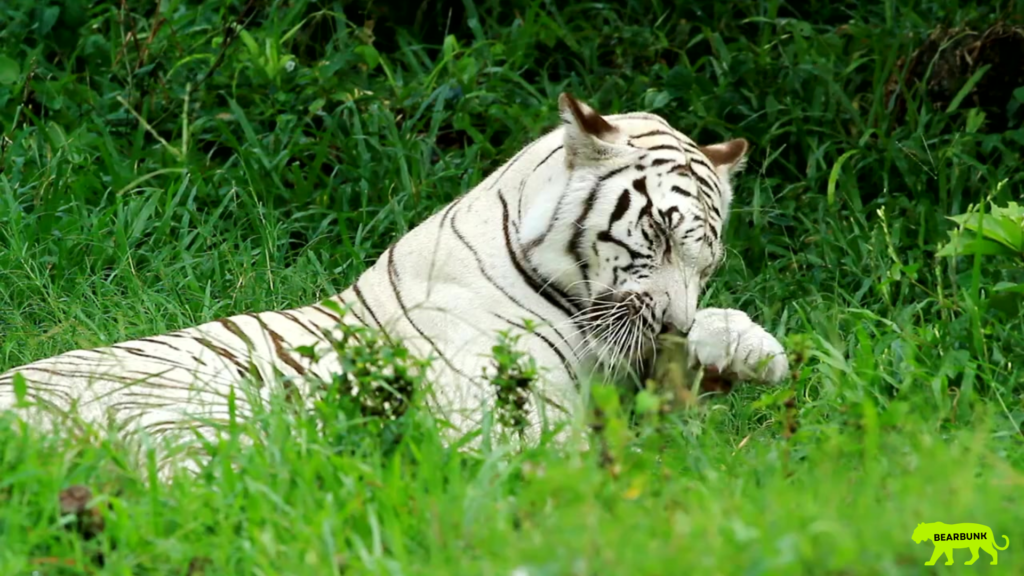
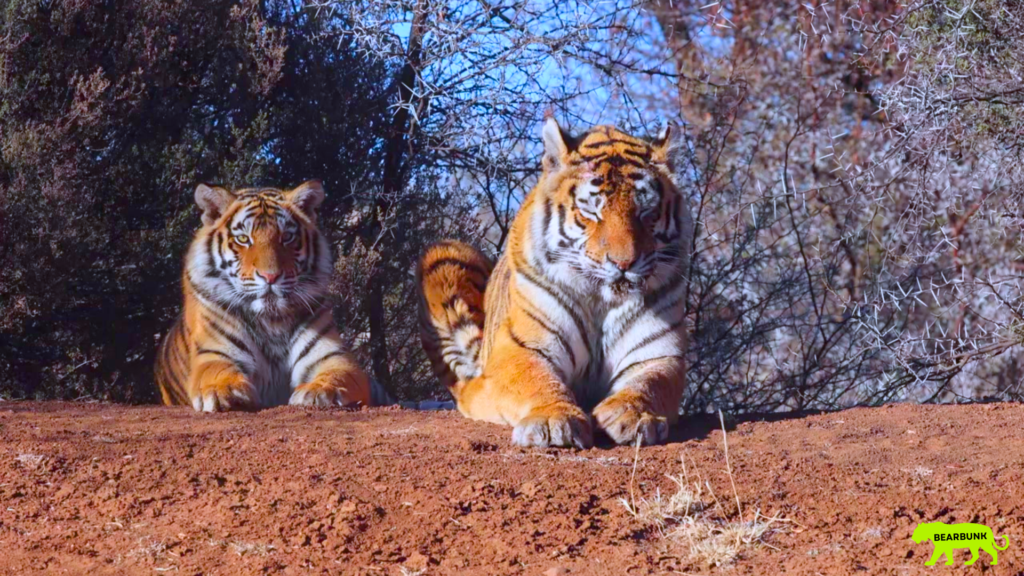
The tiger (Panthera tigris) is a large mammal in the family Felidae, which includes cats both large and small. Tigers are the largest living members of the cat family and are native to Asia. Scientists recognize two main living tiger subspecies under a newer classification: the continental tiger and the Sunda island tiger. These groupings include several well-known tiger populations, such as Bengal, Amur, and Sumatran tigers. Tigers are solitary animals that generally establish territories and are known for their distinctive striped coats, powerful bodies, and adaptability across different habitats.

Bengal Tiger (Panthera tigris tigris)
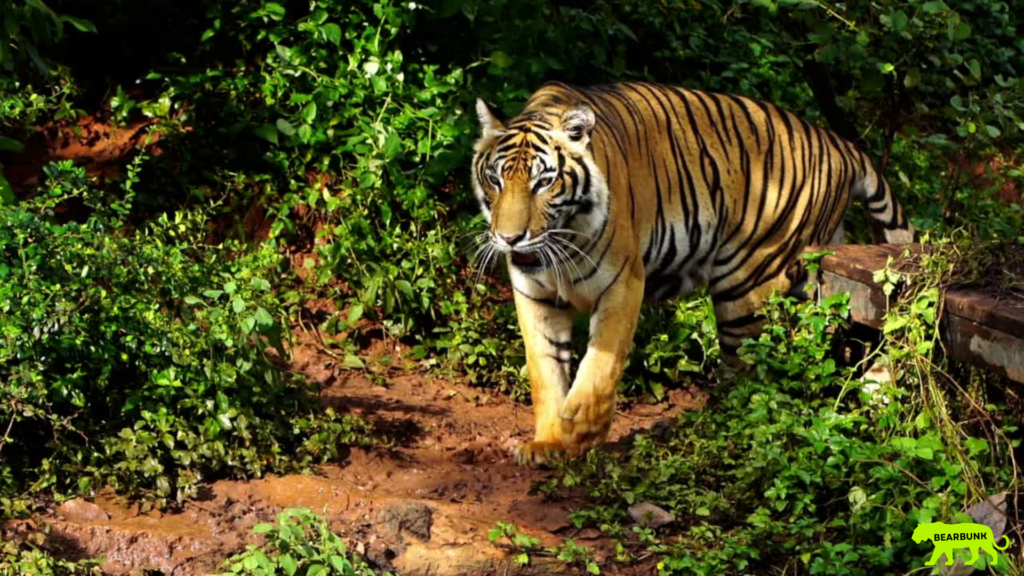
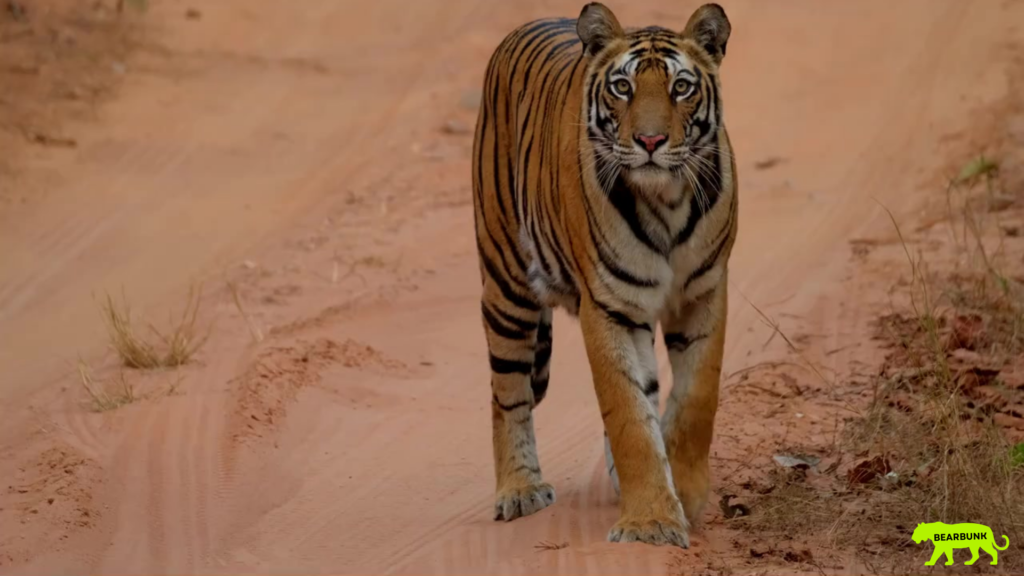
Found primarily in India, with smaller populations in Bangladesh, Nepal, and Bhutan. Bengal tigers typically have rich orange coats with dark stripes and white areas on the face, chest, and underside. They are the most numerous wild tiger subspecies, though habitat loss and other conservation challenges affect their populations.
Amur Tiger (Panthera tigris altaica)
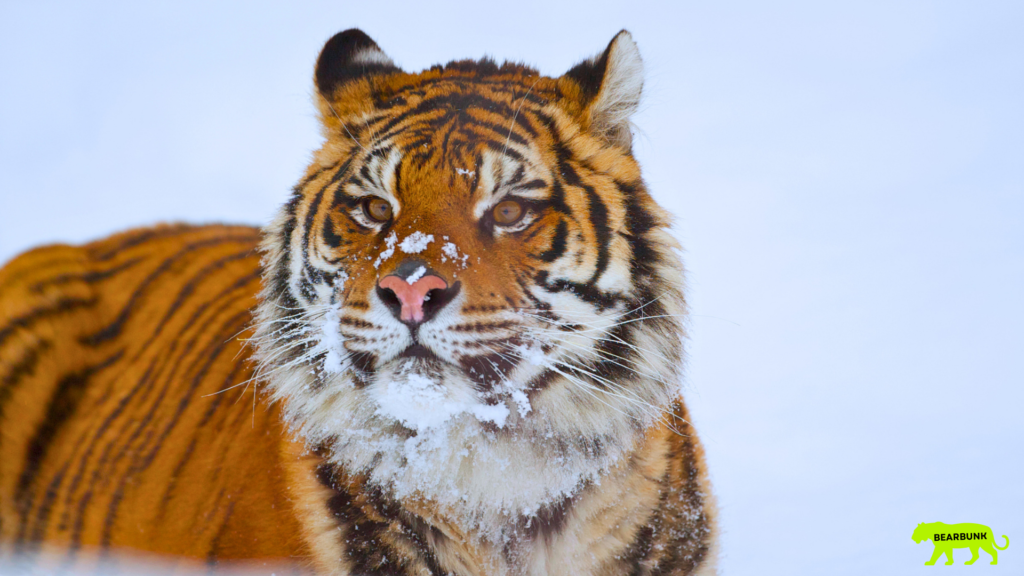
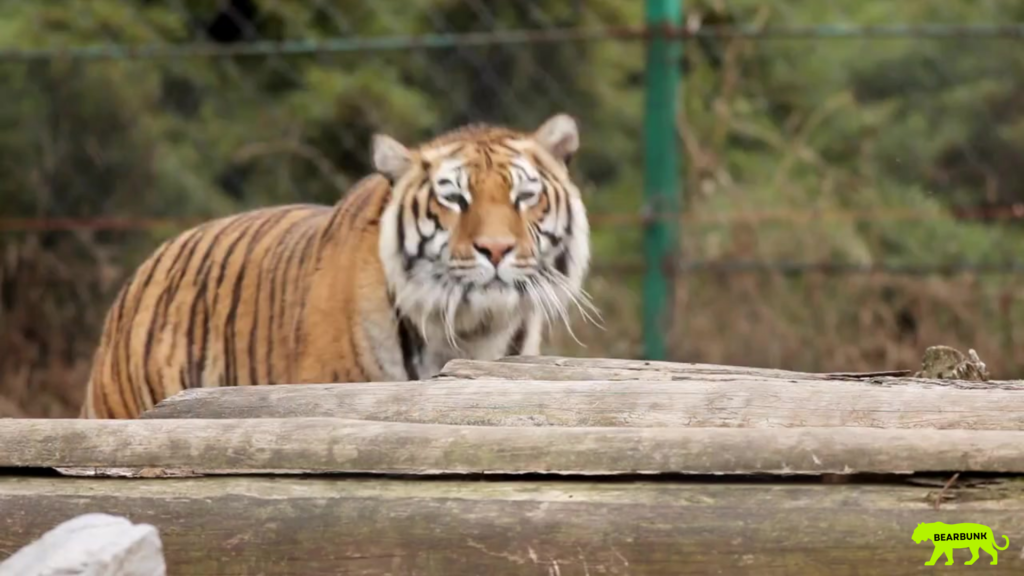
Found in the Russian Far East and parts of northeastern China. Amur tigers have thick, pale orange coats with widely spaced dark stripes, helping them blend into snowy forests. They are the largest living tiger subspecies and are adapted to some of the coldest environments inhabited by tigers.


Sumatran Tiger (Panthera tigris sumatrae)
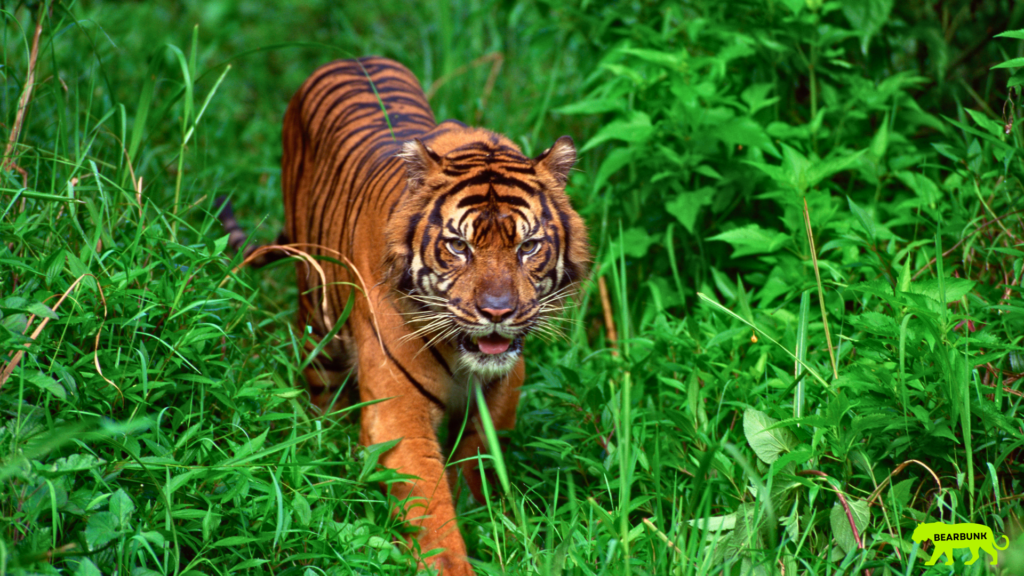
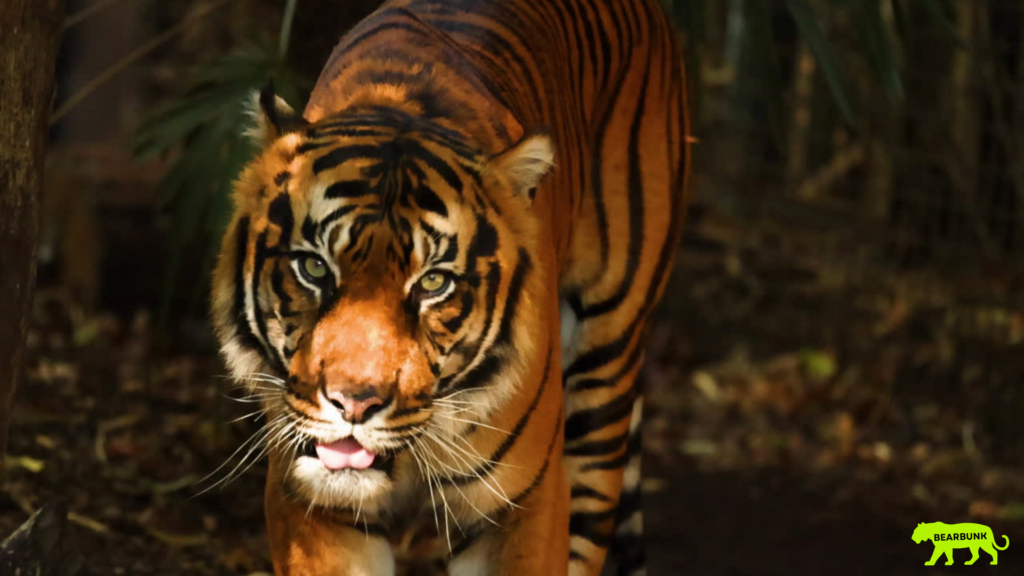
Found only on the Indonesian island of Sumatra. Sumatran tigers are the smallest living tiger subspecies, with darker orange coats and closely spaced stripes. Their smaller build and distinctive markings suit the island’s dense tropical forests. They are critically endangered.
Indochinese Tiger (Panthera tigris corbetti)
Found primarily in Tanzania and Kenya. Masai giraffes are recognizable by their irregular, jagged patches that resemble leaves or uneven stars. They inhabit savannas and open woodlands across eastern Africa.

Habitat
Tigers live across parts of Asia, occupying habitats that range from tropical rainforests and mangrove swamps to grasslands and cool temperate forests. Bengal tigers are found mainly in India and neighboring parts of South Asia, Amur tigers live in the Russian Far East and nearby areas, and Sumatran tigers live only on the Indonesian island of Sumatra. Dense vegetation can provide shade and cover, while access to water and suitable habitat helps support their daily needs. The habitats used by tigers vary according to their location and the conditions available in each region.
Diet
As strict carnivores, tigers have bodies built specifically for meat-eating. Unlike smaller cats that hunt repeatedly for modest meals, an adult tiger often consumes a substantial meal in a single sitting before spending days resting and digesting. Their acute hearing, sharp vision, and sensitive facial whiskers allow them to navigate thick underbrush effortlessly and detect movement even in fading twilight. Soft pads beneath their wide paws allow them to tread silently across the forest floor as they patrol their home range.
Share On Social:
Mating, Babies & Family Life
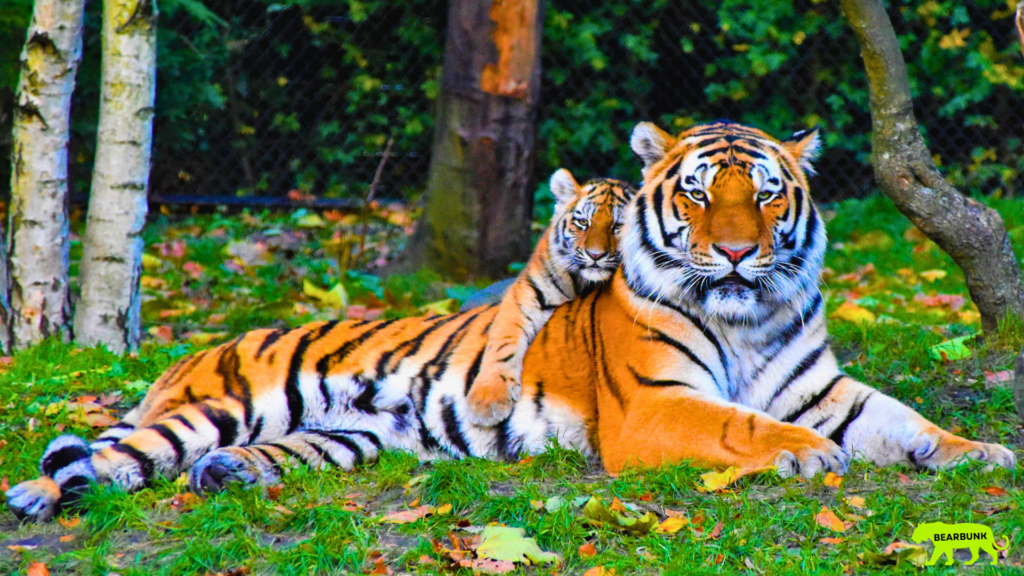
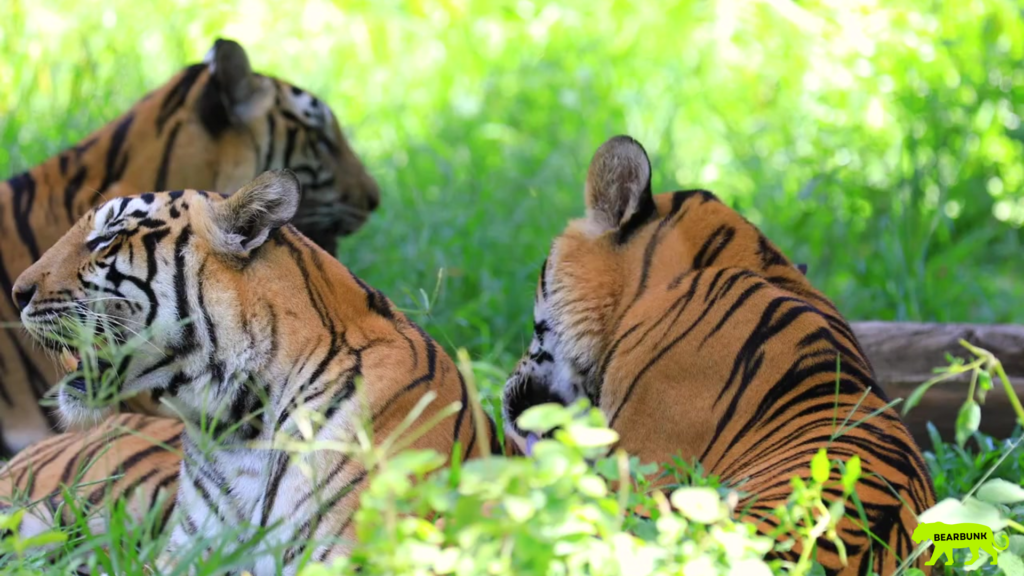
Tiger mothers usually carry their cubs for around 100 to 110 days before giving birth. Litters commonly contain two to four cubs, although the number can vary. Newborn cubs are small, their eyes are closed, and they depend on their mother for warmth, milk, and protection. Their eyes begin opening after roughly six to twelve days. Cubs start sampling solid food at around two months while continuing to nurse, and they gradually develop coordination and independence through play and exploration. Young tigers often remain with their mother for around two years as they grow and learn the skills needed for adult life.
A mother tiger carries her young for about 100 to 110 days before giving birth to a litter of two to four cubs. At birth, tiger cubs weigh a mere two to three pounds and arrive completely blind, relying entirely on their mother’s milk, warmth, and protection within a sheltered den. Their eyes open after one to two weeks, and by two months of age, they begin tasting solid food. Tiger mothers are exceptionally devoted caregivers, teaching their young how to balance, stalk, and survive. Cubs remain with their mother for approximately two years before venturing out to establish territories of their own. In the wild, tigers typically live between 10 and 15 years.


Behavior & Social Life
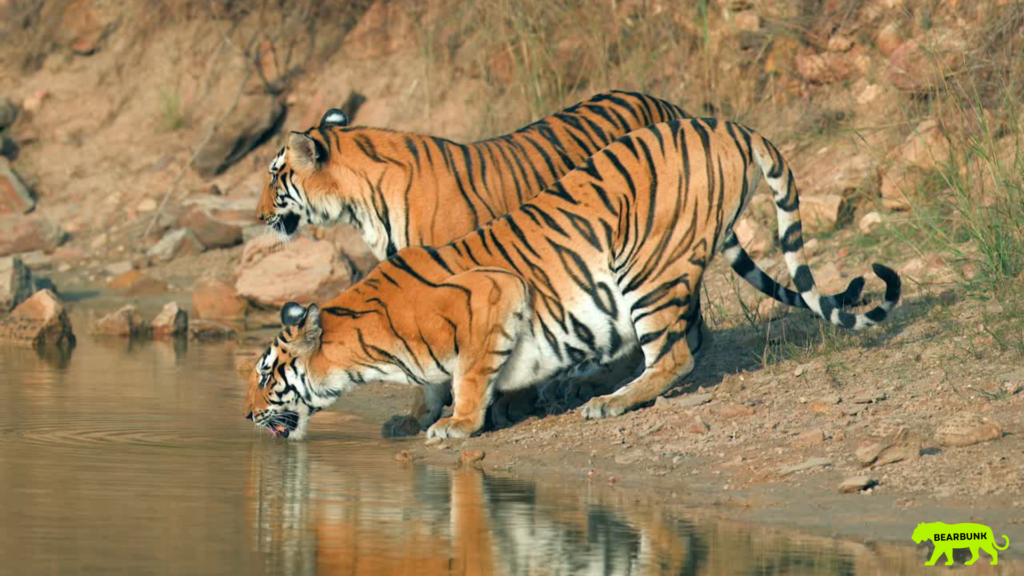
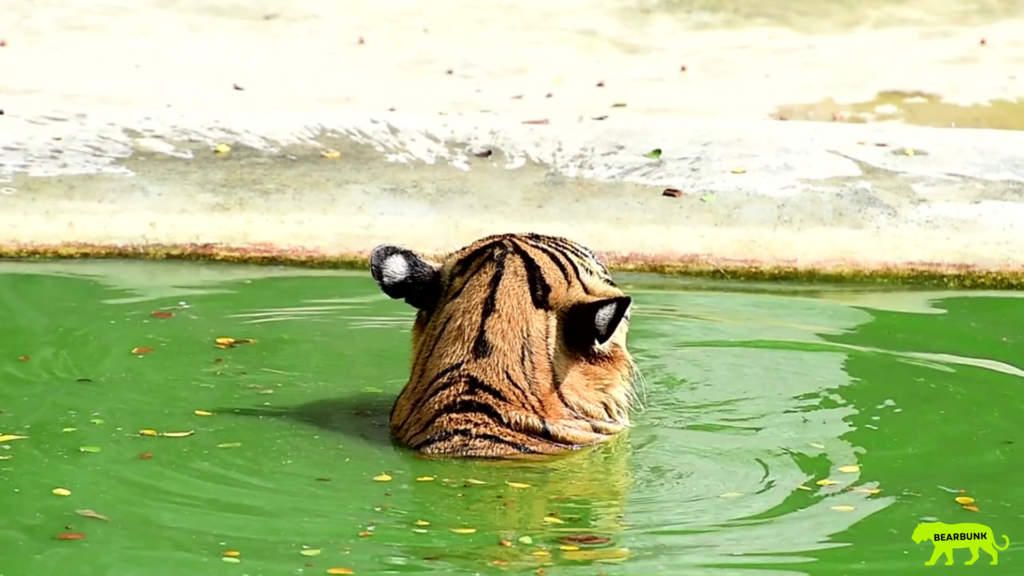
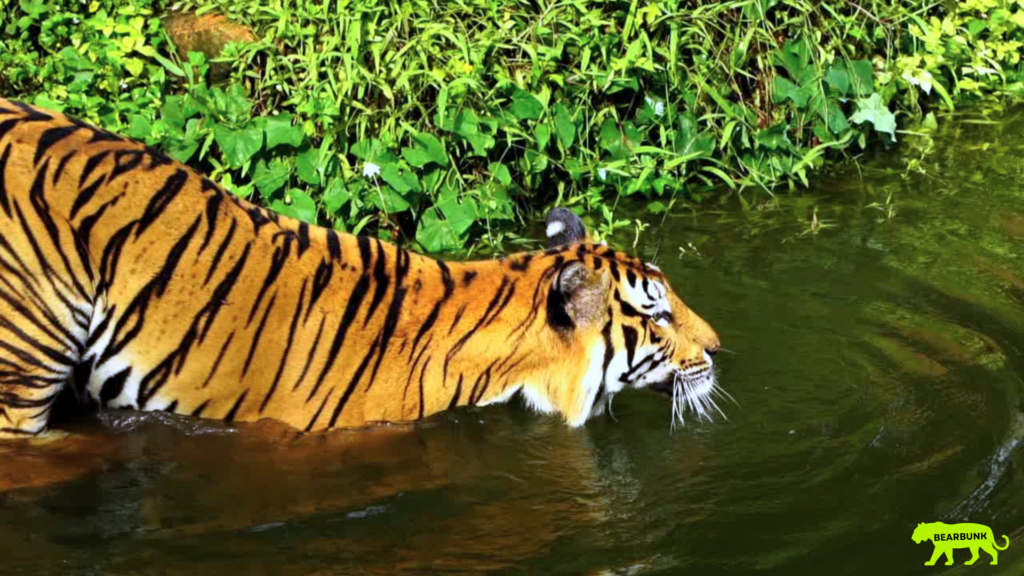
Tigers are largely solitary animals that establish and patrol expansive home ranges. While they are renowned for silent stealth and solitary patience, they communicate across distances using scent markings, deep roars, growls, and soft calls. One of their most charming sounds is the ‘chuff’—a friendly, breathy snort used between friendly cats or mothers greeting their young. Unlike many domestic felines, tigers have a natural affinity for water. They frequently soak in rivers and lakes to stay cool during the heat of the day and are strong swimmers capable of crossing wide rivers.
Physical Features & Adaptations
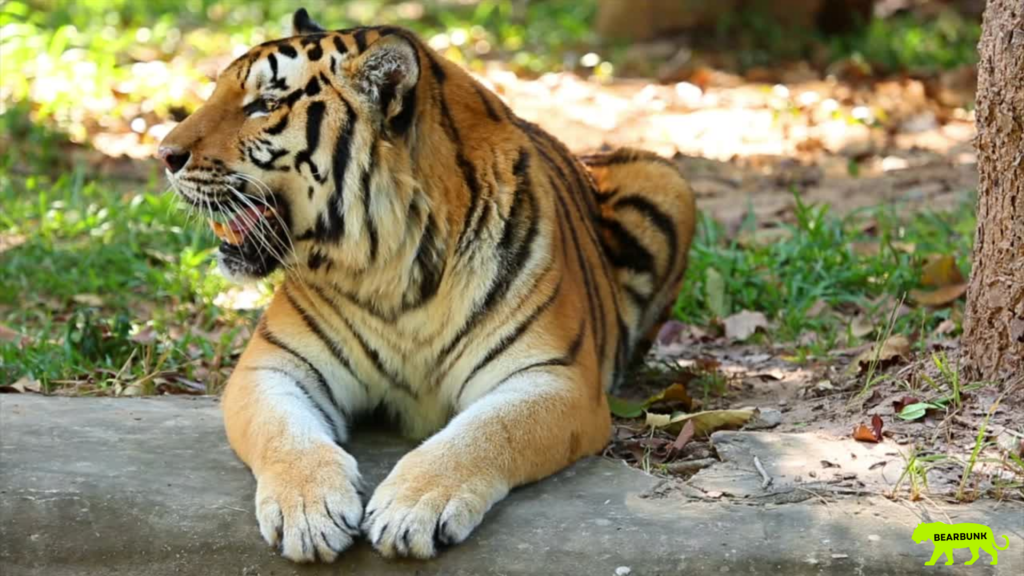
Tigers have muscular bodies, strong legs, large paws, and long tails that help them balance as they move. Their coats usually have an orange or reddish-orange background with dark stripes and pale fur on the cheeks, chest, belly, and inner legs. Each tiger has a distinctive stripe pattern, and the markings extend onto the skin beneath the fur. Tigers vary considerably in size depending on their subspecies, sex, and individual characteristics. Their sharp eyesight is well suited to low-light conditions, their hearing is excellent, and their sensitive whiskers help them sense nearby objects. Soft pads beneath their paws help them move quietly, while their powerful hind legs support impressive leaps.
Tigers stand as the largest living members of the cat family. An adult male can measure 4.5 to 9 feet in body length, with a heavy tail adding another 2 to 3.5 feet. Weights vary widely across subspecies: smaller island varieties may weigh around 165 pounds, whereas large male Amur tigers can exceed 660 pounds. Their famous coat features a reddish-orange background with dark vertical stripes, complemented by white fur along the chest, cheeks, throat, and belly. These stripes break up the cat’s silhouette amid tall grass and shadowed trees. Remarkably, a tiger’s stripes are not just fur-deep—the dark pattern is pigmented directly onto its skin.
Interactions with Humans
Tigers have shared landscapes with human communities across Asia for centuries, inspiring folklore, art, and national pride. As human settlements, agriculture, and infrastructure expand, tiger habitats have become fragmented, making peaceful coexistence an essential focus of modern conservation. Protecting wide wildlife corridors and safeguarding natural forest ecosystems ensures these apex predators have the space they need to live undisturbed.
Fun Facts
- Tigers have many remarkable features worth celebrating.
- Every tiger has a unique stripe pattern, and those stripes extend onto its skin.
- Tigers are excellent swimmers and may travel through water when conditions call for it.
- Their eyes are adapted for seeing in dim light, and a reflective layer behind the retina helps them make use of available light.
- Tigers communicate through several vocalizations, including the friendly-sounding chuff. Mothers usually raise their cubs for around two years, giving the young cats time to grow and develop.
- Tigers are also the largest living members of the cat family, with adults varying widely in size depending on their type.
- Every tiger has a completely unique pattern of stripes, much like a human fingerprint.
- A tiger’s stripes are pigmented on its skin, meaning the pattern remains even if shaved.
- Unlike most cats, tigers are excellent swimmers and often swim across wide rivers.
- Tigers can produce a friendly, non-threatening greeting sound called a chuff.
- At night, a reflective layer behind the retina gives tigers night vision six times better than a human’s.
About Tigers
Common Name: Tiger
Scientific Name: Panthera tigris
Family: Felidae
Order: Carnivora
Class: Mammalia
Diet: Carnivore
Habitat: Tropical rainforests, grasslands, temperate forests, and mangrove swamps
Lifespan: Approximately 10–15 years in the wild
Size: Body length: approximately 4.5–9 feet, excluding the tail; tail length: approximately 2–3.5 feet. Size varies by subspecies and sex.
Speed: Up to approximately 35–40 mph in short bursts
Region: Asia, including parts of South Asia, Southeast Asia, and the Russian Far East
Conservation Status: Endangered on the IUCN Red List.
Why We Love Them
We love tigers for their striking beauty, impressive abilities, and fascinating family life. Their individual stripe patterns make every tiger distinctive, while their swimming skills and excellent low-light vision reveal the remarkable ways they are equipped for life in their habitats. Tiger cubs bring another delightful side to these powerful cats as they play, explore, and grow under their mother’s care. Learning about tigers helps us appreciate the variety of animals God created and the importance of caring for the habitats they depend on.
We love tigers because they embody both majestic power and quiet grace. From their vibrant coats and soulful amber eyes to the affectionate chuffing exchanged between a mother and her cubs, tigers remind us of the beauty, complexity, and wonder of the natural world.
Conclusion
Tigers are extraordinary animals, from their beautiful striped coats and powerful bodies to their excellent swimming skills and remarkable senses. Their lives include fascinating adaptations, devoted maternal care, and a wide range of habitats across Asia. By learning about these magnificent cats and the challenges they face, we can better appreciate their place in creation and the importance of protecting them for future generations.
Tigers remain one of the planet’s most iconic and magnificent treasures. Understanding their habits, family bonds, and unique physical gifts deepens our appreciation for wild nature and inspires us to protect the untamed forests they call home.
Learn More:
Ready to explore more incredible wildlife? Watch our full-length documentary on the tiger to see these forest kings in action, or dive into our companion features on the mighty Lion and the elusive Snow Leopard on the BearBunk YouTube channel.
Tigers Titan of the Jungle: Stripes • Super Senses • Strength | Amazing Tiger Facts
Read more about:







Leave a Reply