Meet the Cheetah
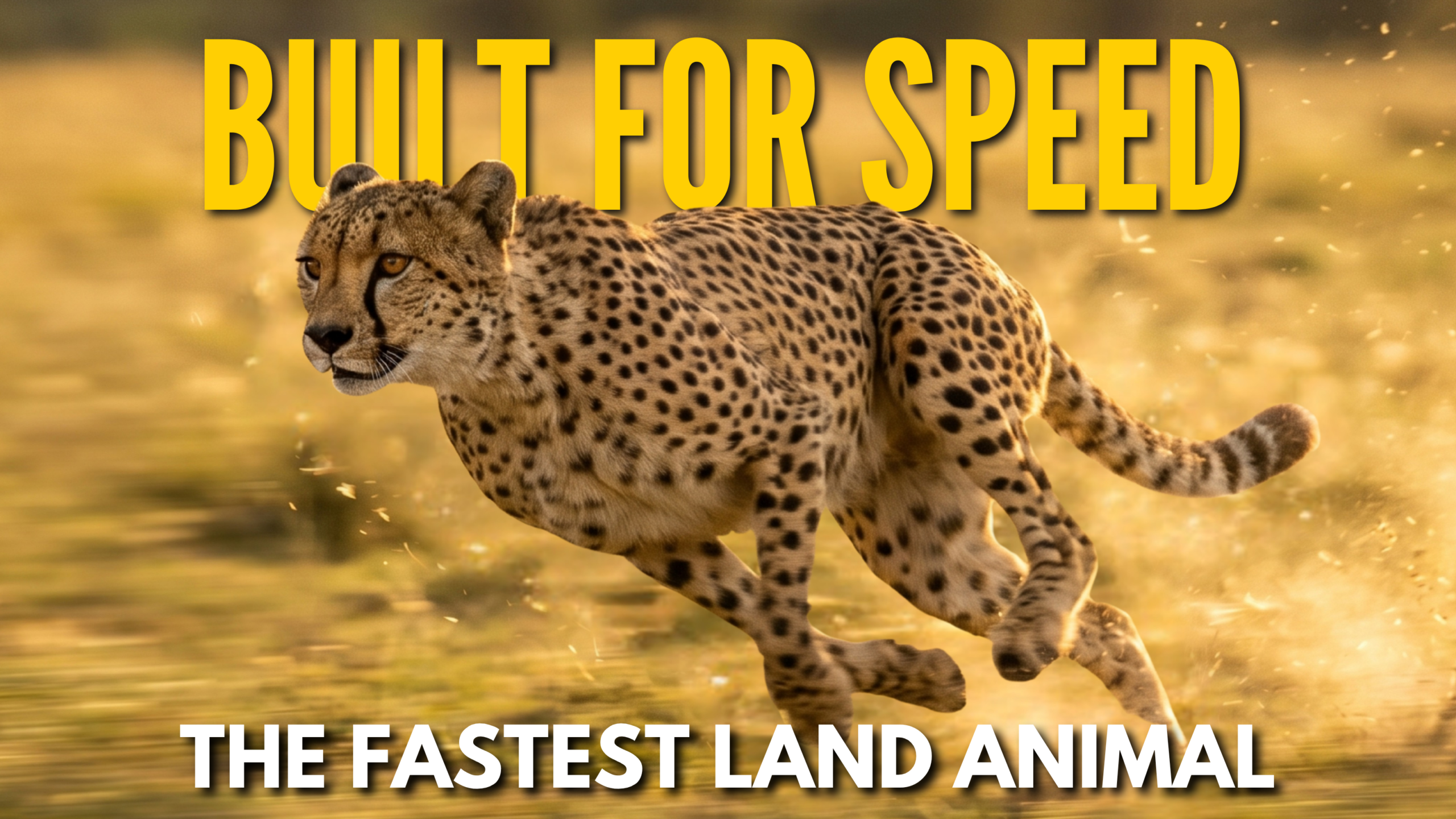
Imagine running faster than most cars travel on city streets! Cheetahs are famous for their incredible bursts of speed, but these remarkable cats have many more fascinating features. From their golden coats and distinctive facial markings to their fluffy cubs and amazing balance, cheetahs are full of surprises. Join BearBunk as we explore where cheetahs live, what they eat, how they raise their young, and what makes them one of creation’s most extraordinary runners.
Species of Cheetahs
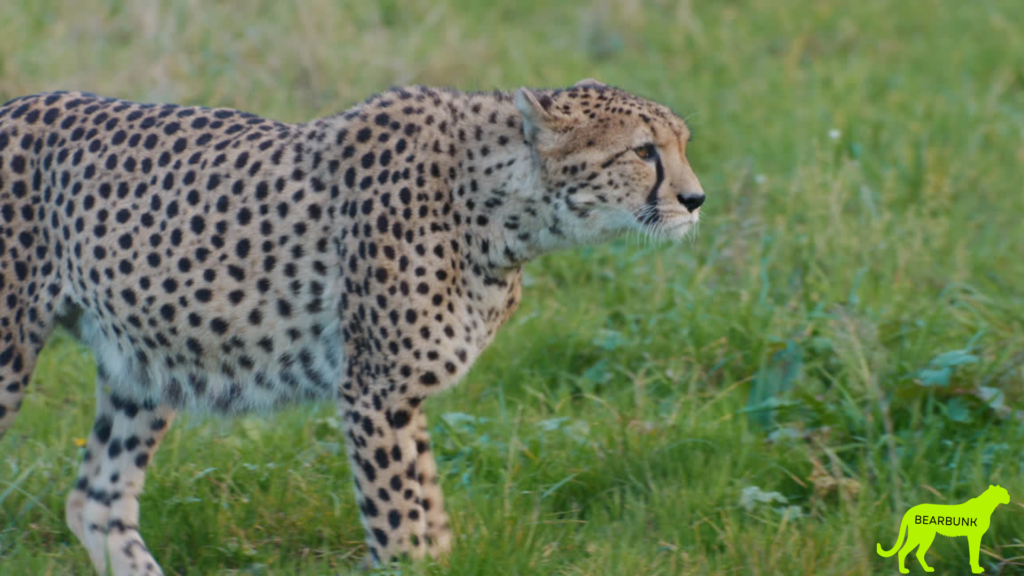
Cheetahs belong to the cat family, Felidae, and are the only living members of the genus Acinonyx. Scientists recognize several cheetah subspecies, including the Southeast African, Northeast African, Northwest African, and Asiatic cheetah. Each group has its own characteristics and geographic range. Cheetahs once occupied a much larger area, but today their wild populations are limited to parts of their former range. The Asiatic cheetah is especially rare, with only a small population remaining in Iran.
Habitat
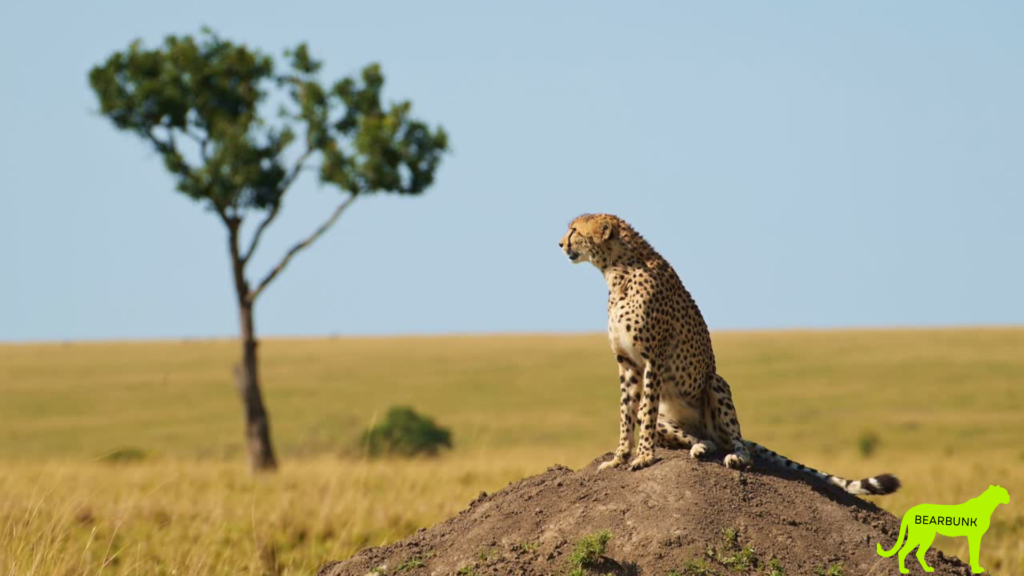
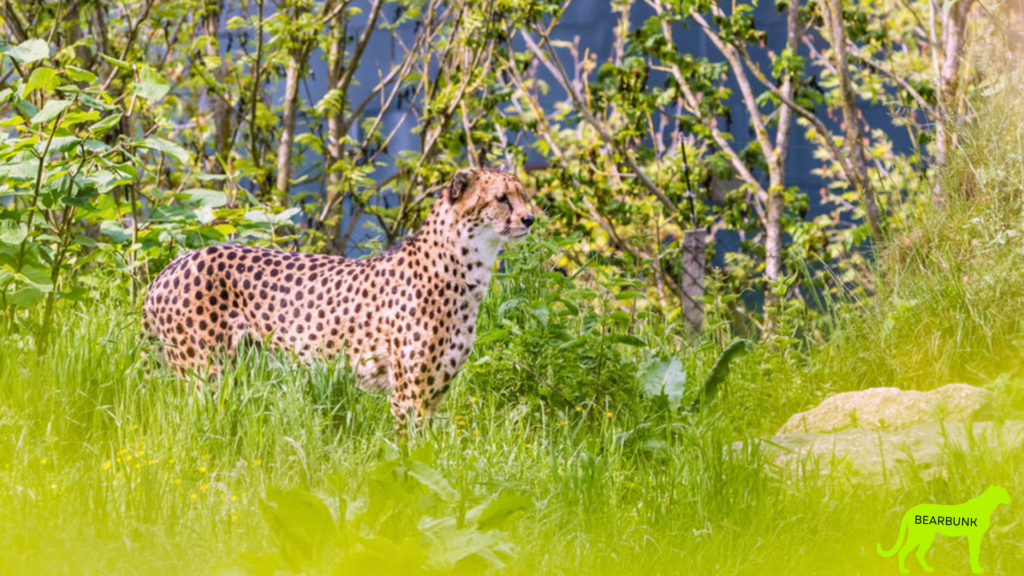
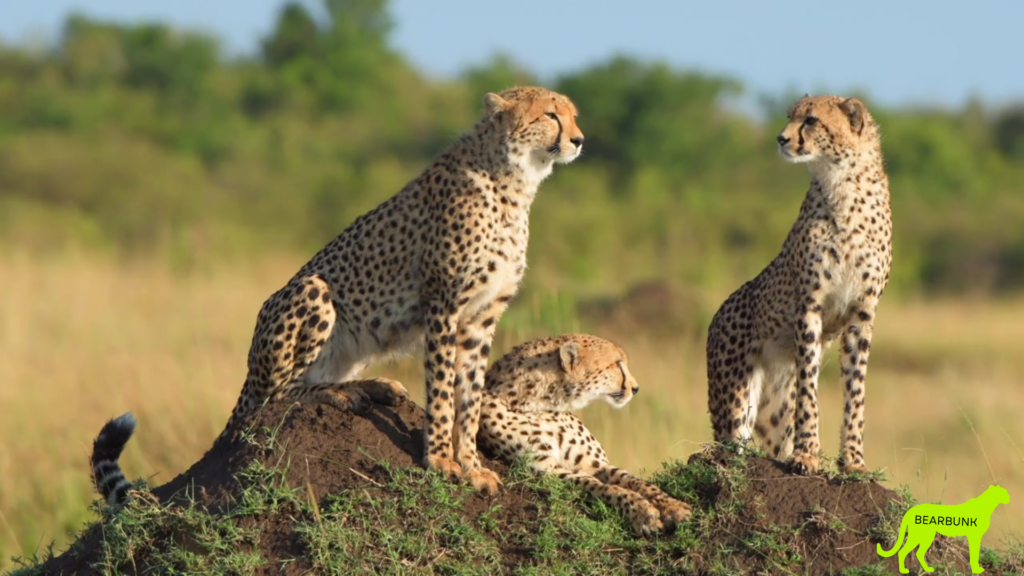
Most wild cheetahs live in eastern and southern Africa, including countries such as Kenya, Tanzania, Botswana, and Namibia. They favor open grasslands, savannas, and other landscapes where they can see across long distances. Their excellent daytime vision helps them observe their surroundings, while open terrain gives them room to use their remarkable running ability. Suitable habitat also provides space to find food, rest, and raise their cubs.
Diet
Cheetahs have a meat-based diet and commonly eat small to medium-sized hoofed mammals, including gazelles and impalas. Their excellent eyesight helps them locate food across open landscapes. Their slender bodies, long legs, flexible spines, and strong muscles allow them to accelerate quickly and maneuver with impressive agility. Cheetahs usually eat on the ground. Because sprinting uses considerable energy, they need time to rest and recover after intense activity.
Share On Social:
Mating, Babies & Family Life
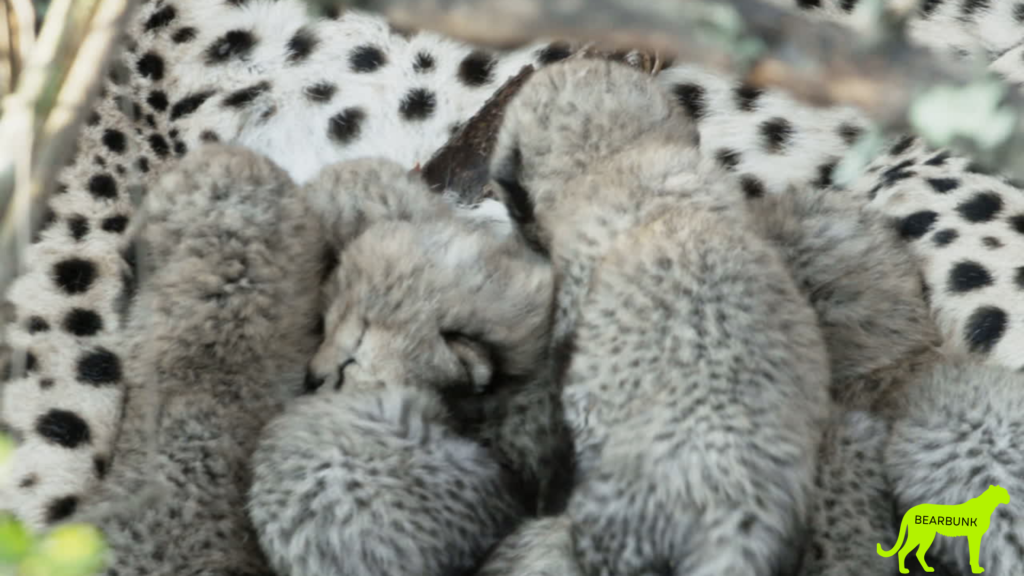
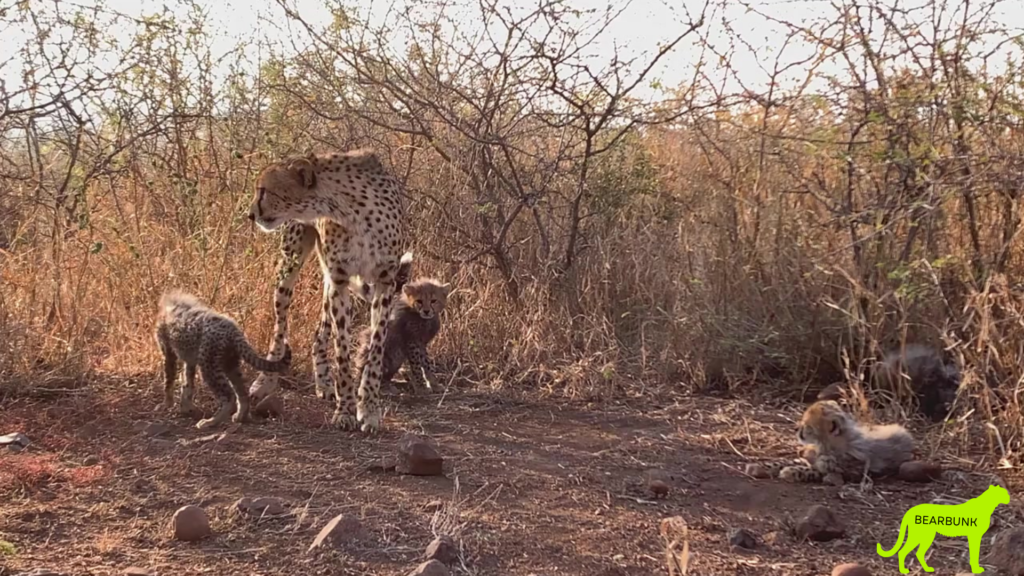
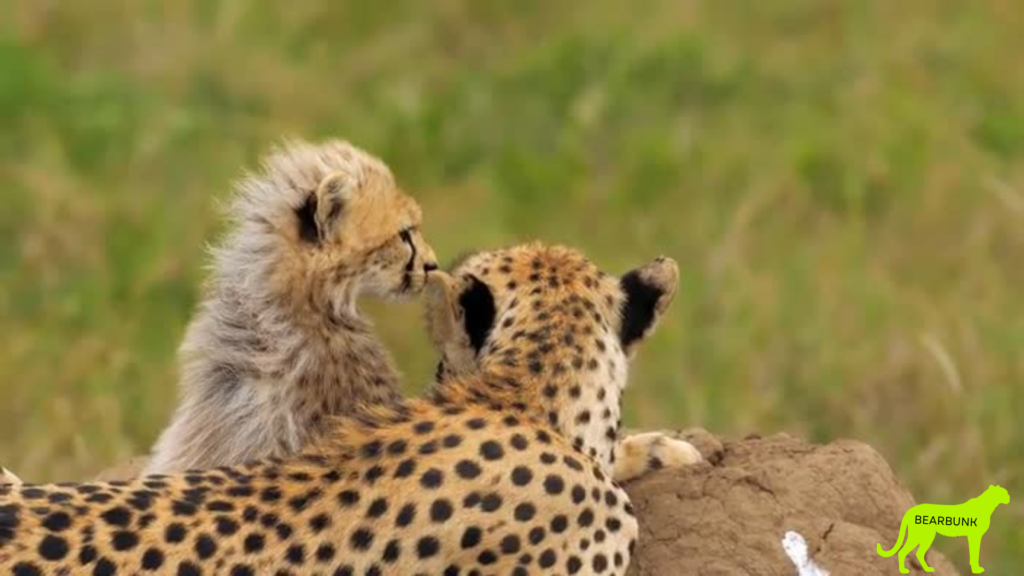
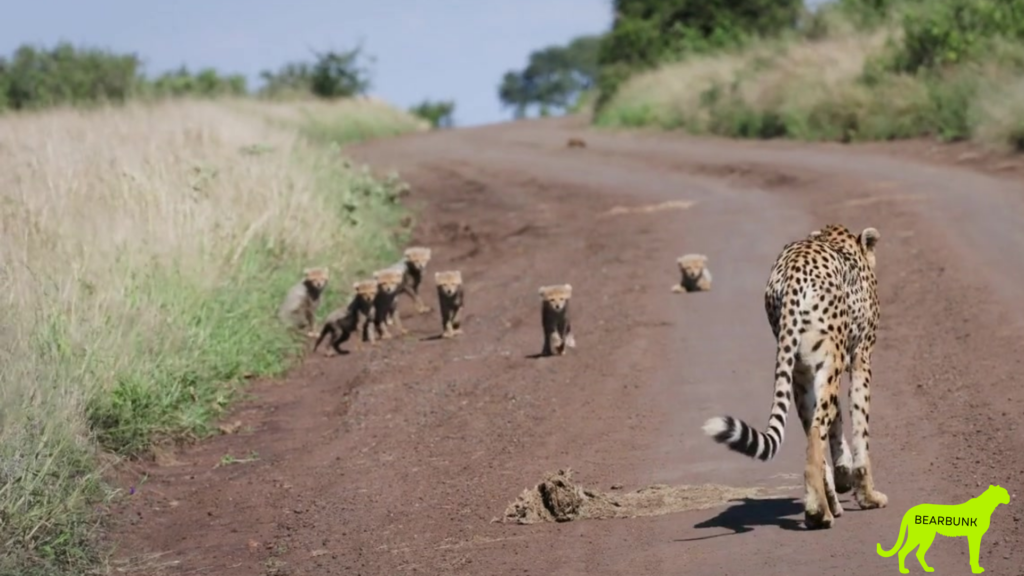
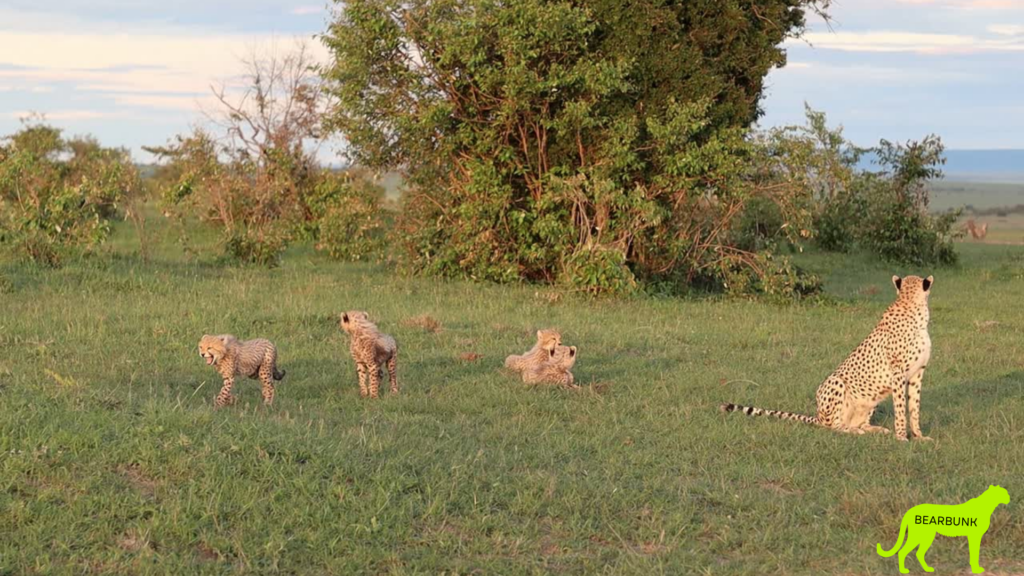
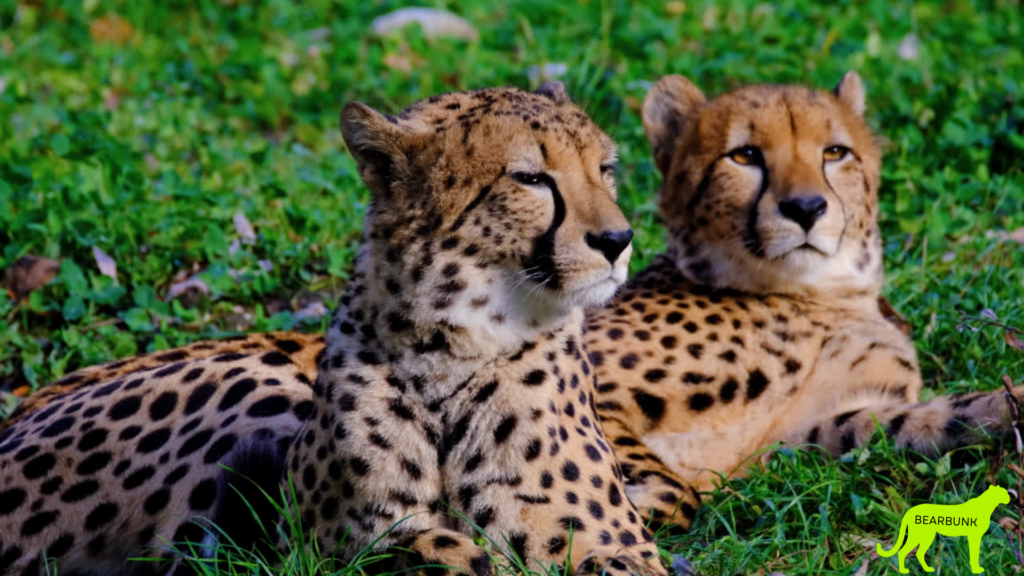
A mother cheetah carries her cubs for approximately 90 to 95 days before giving birth. Litters commonly contain three to five cubs, although litter sizes vary. Newborn cubs weigh only about 8 to 15 ounces and depend on their mother for warmth, nourishment, and protection. Their fluffy, silvery-gray mantle runs along their backs and gradually becomes less noticeable as they mature. Cubs begin exploring and tasting solid food during their early weeks while continuing to nurse. Through play and observation, they develop coordination and other important skills. Young cheetahs usually remain with their mother for around 18 months before becoming independent. Brothers may stay together in small groups called coalitions, while females generally live independently except when raising their own cubs.
Behavior & Social Life
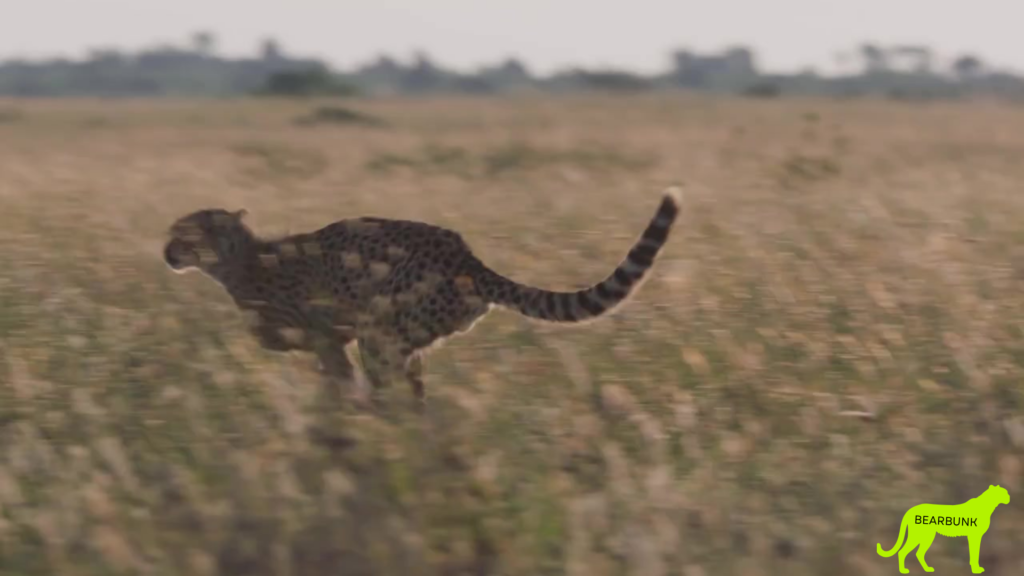
Cheetahs are generally solitary animals, although mothers live with their cubs and groups of brothers may form coalitions. They spend time resting, observing their surroundings, and moving through their home ranges. Their excellent eyesight helps them notice details across open landscapes. When they run, cheetahs combine rapid acceleration with remarkable coordination, using their long tails to help balance and change direction. They communicate through a variety of sounds, including chirps, purrs, growls, and sharp calls. Their daily activities include resting, exploring, caring for young, and finding suitable food.
Physical Features & Adaptations
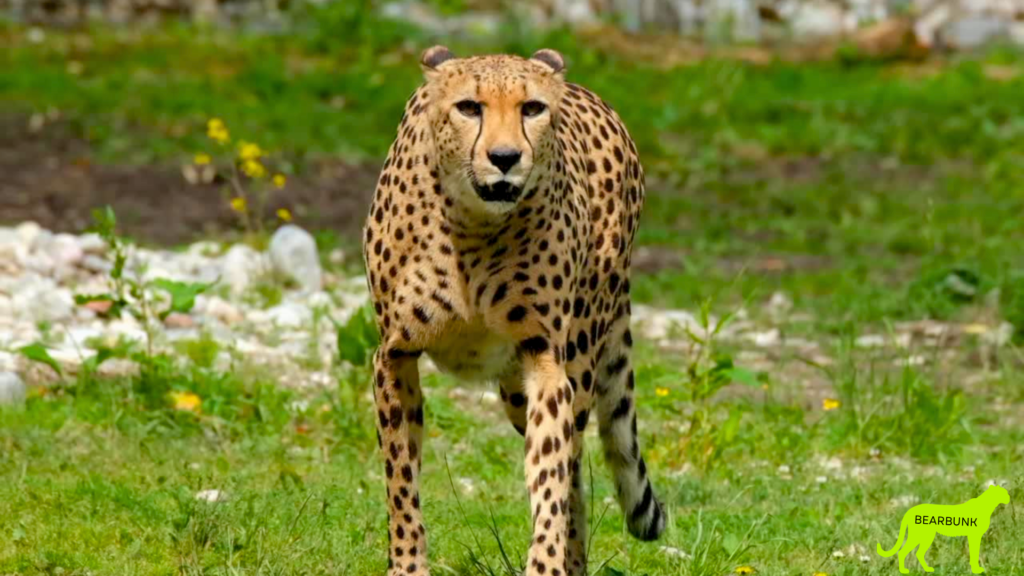
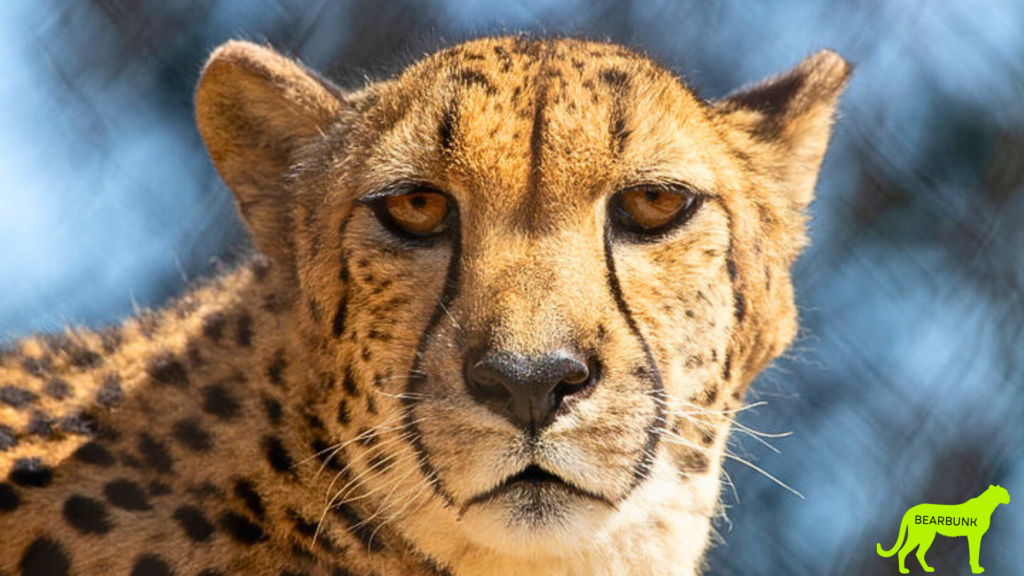
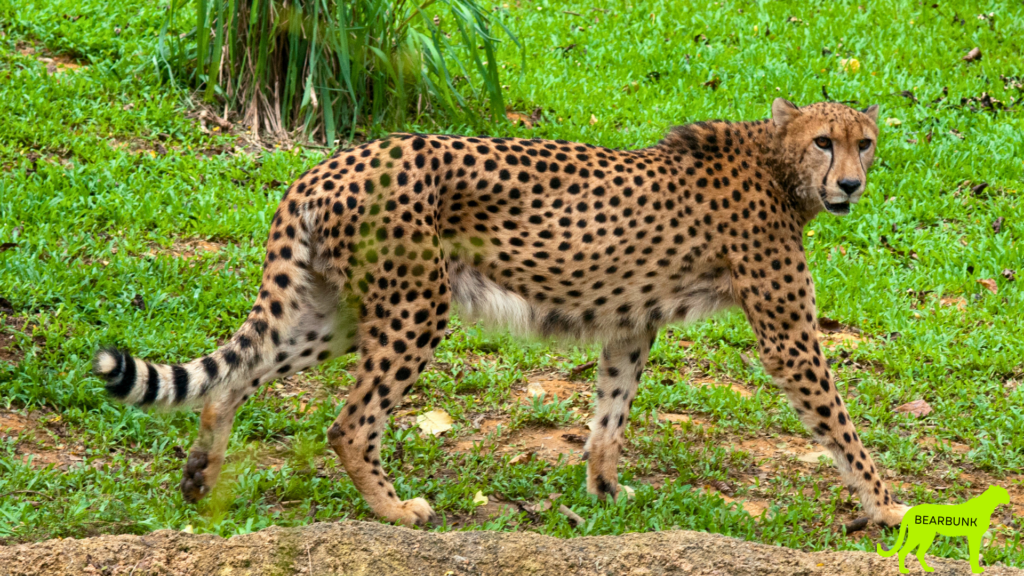
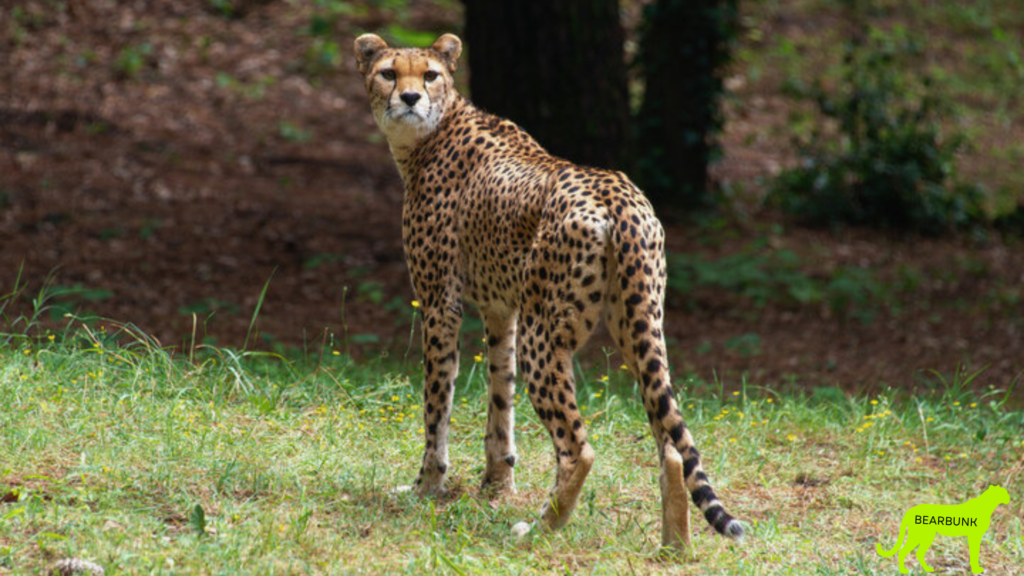
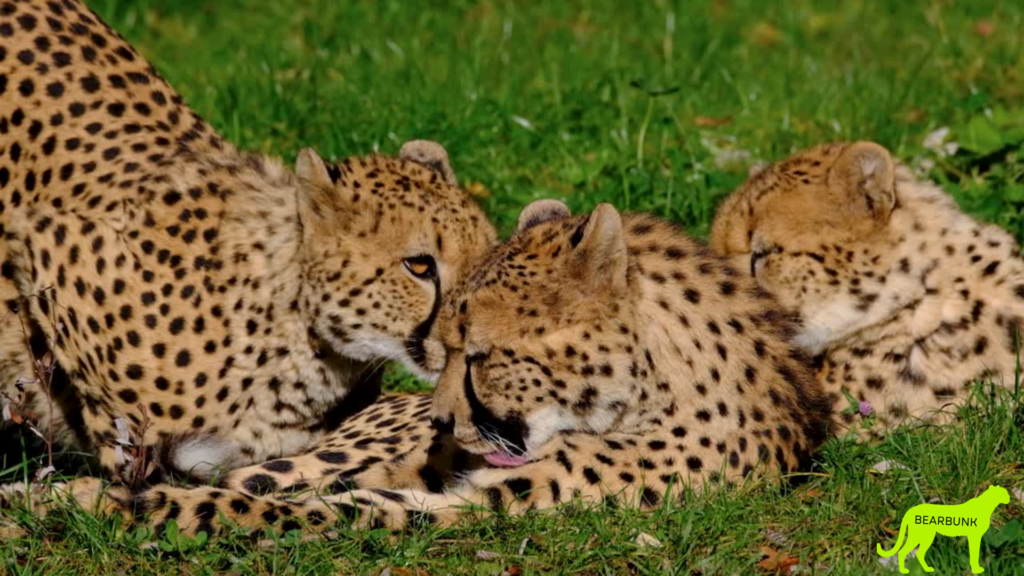
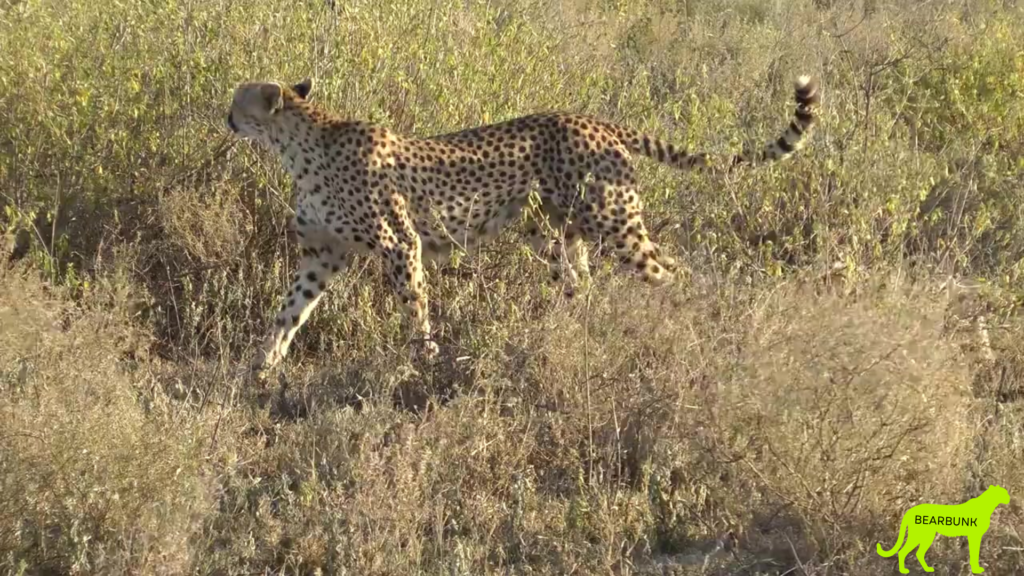
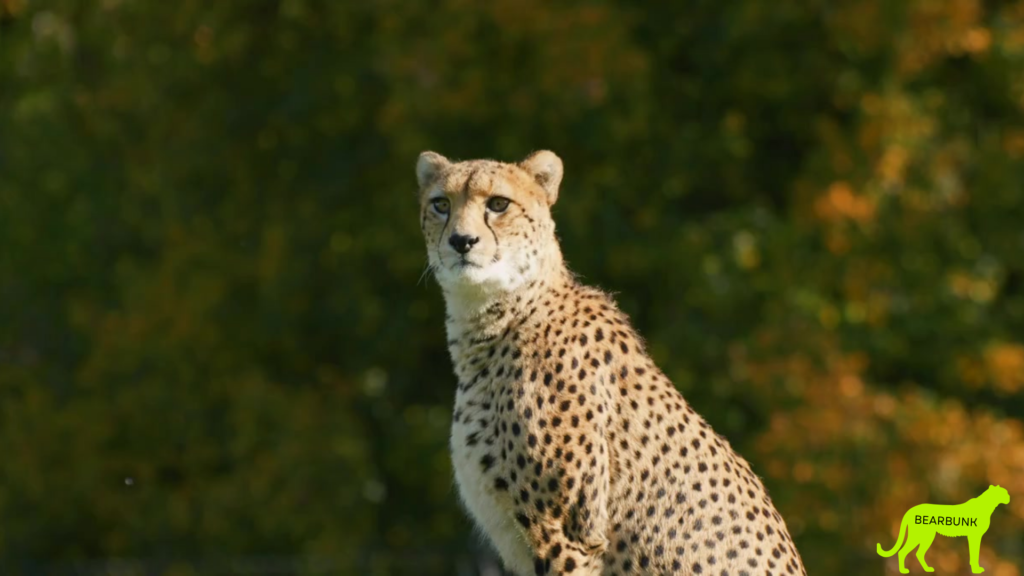
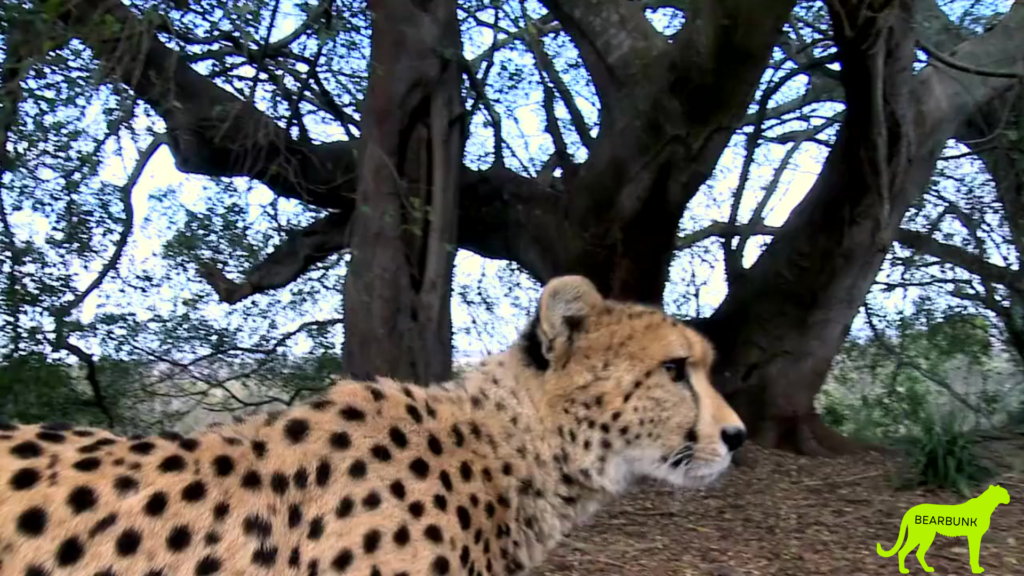
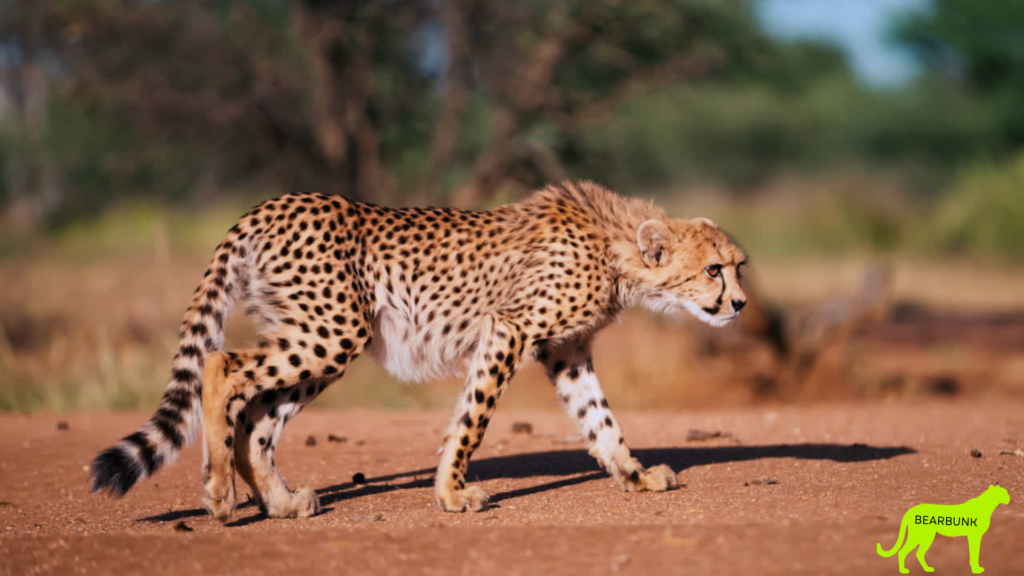
Cheetahs have slender, lightweight bodies, long legs, deep chests, and flexible spines that help them achieve enormous strides. Their golden-yellow coats are covered in solid black spots, and each cheetah has a distinctive pattern. Dark tear lines extend from the inner corners of the eyes toward the sides of the mouth, creating their recognizable facial appearance. Adult cheetahs typically measure around 3.5 to 4.5 feet in body length, with a long tail adding another 2 to 2.5 feet. Their claws do not fully retract, providing extra grip while running. Wide nostrils and large nasal passages help support airflow during intense activity. Unlike lions, cheetahs cannot roar, but they produce a fascinating variety of other sounds.
Interactions with Humans
Cheetahs are important members of the ecosystems where they live, and their future is closely connected to the availability of suitable habitat. Habitat loss and fragmentation, declining food availability, and conflict with people can create challenges for wild populations. Conservation efforts include protecting habitats, monitoring populations, and supporting coexistence between people and wildlife. Learning about cheetahs helps people appreciate their special adaptations and understand why protecting these remarkable animals matters.
Fun Facts
- Fun Facts
- Cheetahs are the fastest land animals, reaching speeds of around 60–70 miles per hour during short sprints.
- Each cheetah has a unique pattern of solid black spots on its golden-yellow coat.
- Their distinctive black tear lines run from the inner corners of their eyes down toward the sides of their mouths.
- A cheetah’s long tail helps it maintain balance and make sharp turns while running.
- Unlike most cats, cheetahs have claws that do not fully retract, giving them extra grip while sprinting.
- Cheetahs cannot roar, but they can chirp, purr, growl, and make other interesting sounds.
- Cheetah cubs have a fluffy, silvery-gray mantle of fur running down their backs.
- Cheetahs can accelerate from a standstill to high speeds in just a few seconds.
- Their flexible spines help their bodies stretch and curl during each powerful stride.
- A small population of Asiatic cheetahs survives in Iran, making this subspecies exceptionally rare.
About Cheetahs
Common Name: Cheetah
Scientific Name: Acinonyx jubatus
Family: Felidae
Order: Carnivora
Class: Mammalia
Diet: Carnivore
Habitat: Grasslands, savannas, and other open, dry habitats
Lifespan: Approximately 8–10 years in the wild
Size: Body length: 3.5–4.5 feet; tail length: 2–2.5 feet
Speed: Up to approximately 60–70 mph in short bursts
Region: Primarily eastern and southern Africa; a small, critically endangered population of Asiatic cheetahs remains in Iran
Conservation Status: Vulnerable (IUCN Red List)
Why We Love Them
We love cheetahs for their combination of speed, grace, and distinctive features. Their golden coats and dark tear lines make them instantly recognizable, while their flexible bodies and long tails reveal amazing coordination. Their fluffy cubs are especially endearing as they explore, play, and learn alongside their mothers. Every stage of a cheetah’s life offers something fascinating to discover, reminding us how wonderfully animals are designed for their particular ways of living.
Conclusion
Cheetahs are much more than fast runners. Their specialized bodies, remarkable eyesight, distinctive markings, and devoted care of their young make them fascinating animals to learn about. Although wild cheetah populations face challenges, conservation efforts can help protect their future. We hope these cheetah facts inspired you to appreciate these extraordinary cats and the variety of life across creation.
Learn More:
Ready for another animal adventure? Explore our Animal of the Week collection to discover more fascinating wildlife. Learn about lions and their distinctive characteristics, then meet impalas, the graceful antelopes known for their incredible leaps. Keep exploring with BearBunk, where every animal has a story worth discovering!
Inside the World of Cheetahs Speed, Agility, and Savanna Life – YouTube
Read more about:





Leave a Reply