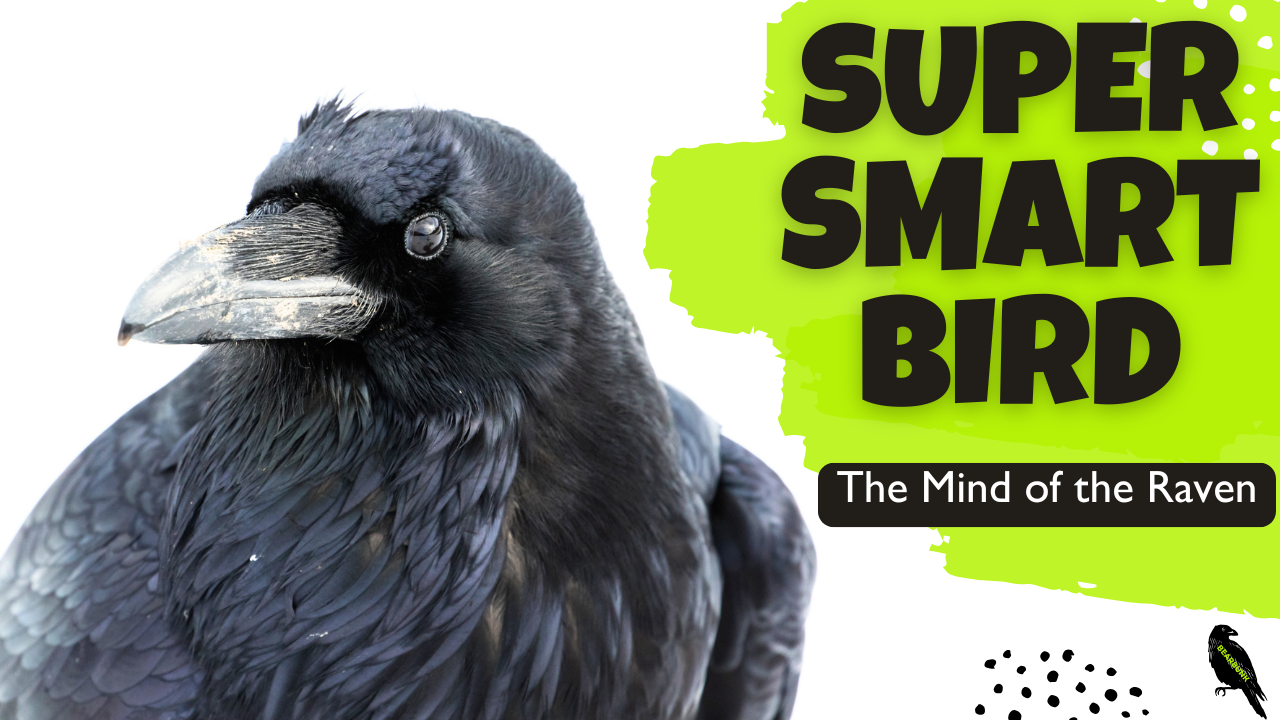
Meet the Raven
Imagine a bird with an incredible memory, a remarkable ability to learn, and a voice that can sound surprisingly different from one individual to another. Meet the raven! With their glossy black feathers, powerful beaks, and sharp intelligence, ravens are among the most remarkable birds in the world. But what really makes these birds so special? From the way they communicate to the clever behaviors they display, ravens have plenty of surprises waiting to be discovered. Let’s take a closer look at these amazing birds and discover what makes ravens truly extraordinary!

Species of Ravens
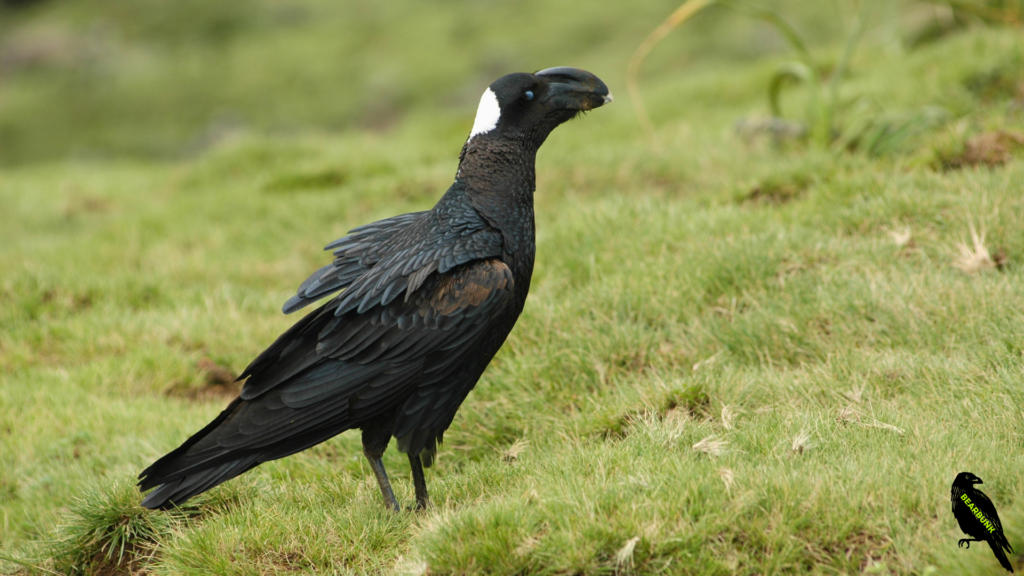
The word raven describes several members of the crow family rather than one single scientific group. Depending on how scientists classify them, there are around ten living species commonly known as ravens. They are all members of the crow family, known scientifically as Corvidae, which also includes crows, rooks, jackdaws, and jays. Although these species can look quite similar at first glance, they vary in size, feathering, bill shape, voice, and the specific geographic locations where they live.
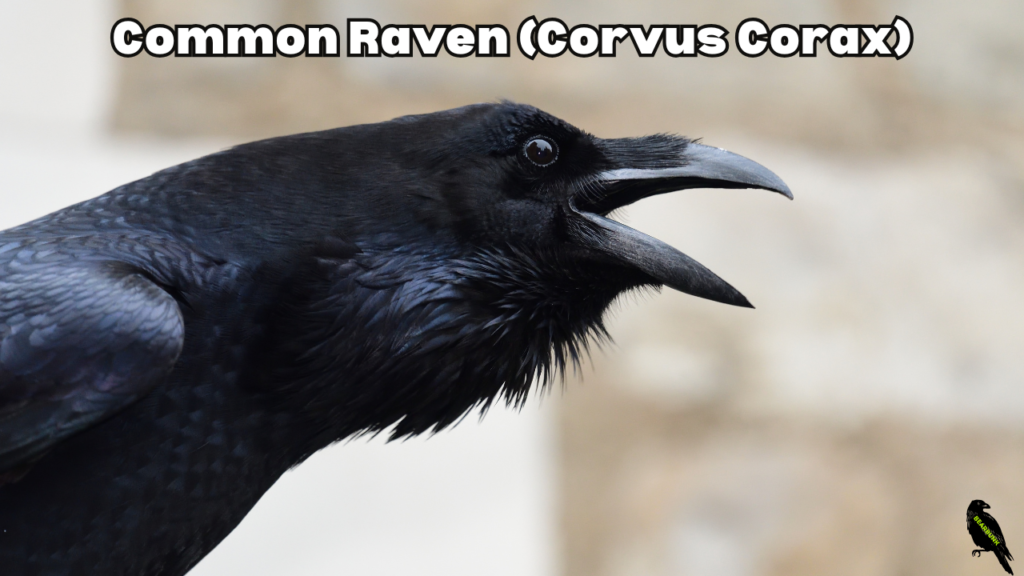
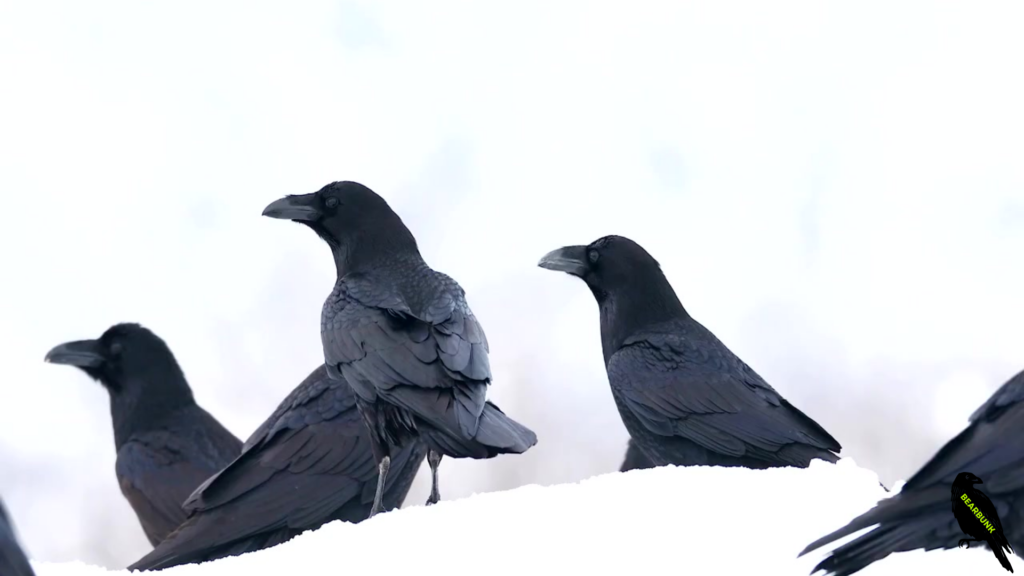
Common Raven (Corvus Corax)
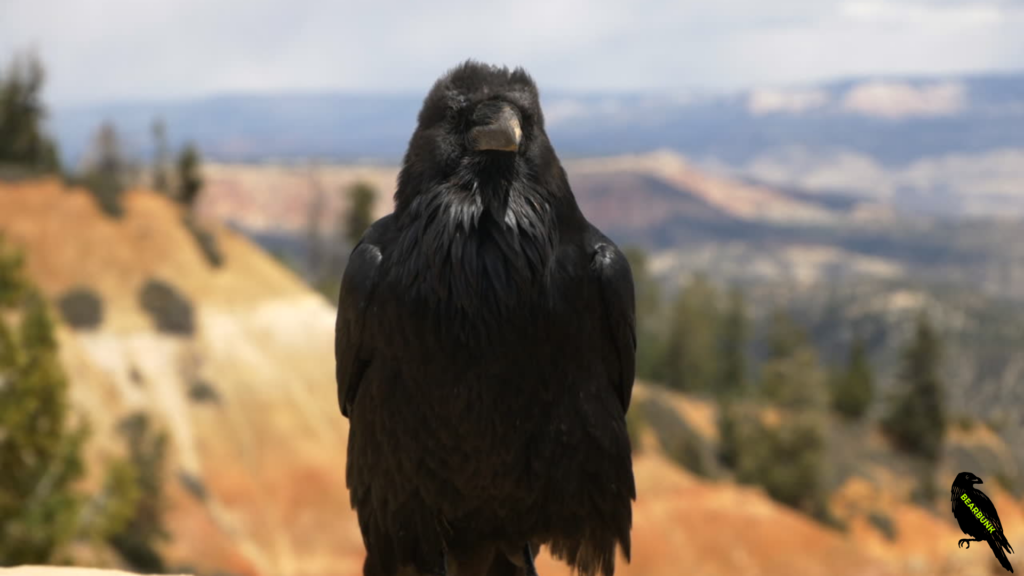
The Common Raven is the largest and most widespread raven species, found across much of the Northern Hemisphere. It has glossy black plumage, a heavy bill, shaggy throat feathers, and a distinctive wedge-shaped tail. Common Ravens live in a remarkable range of habitats, from forests and mountains to deserts, grasslands, coastlines, and tundra. They are known for their intelligence, problem-solving abilities, complex vocalizations, memory, and impressive aerial acrobatics.
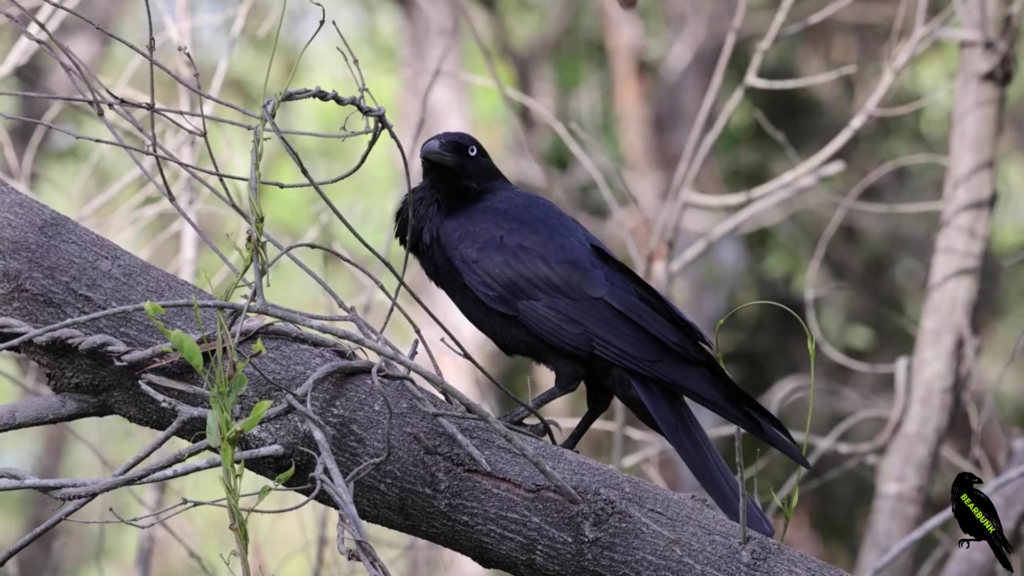
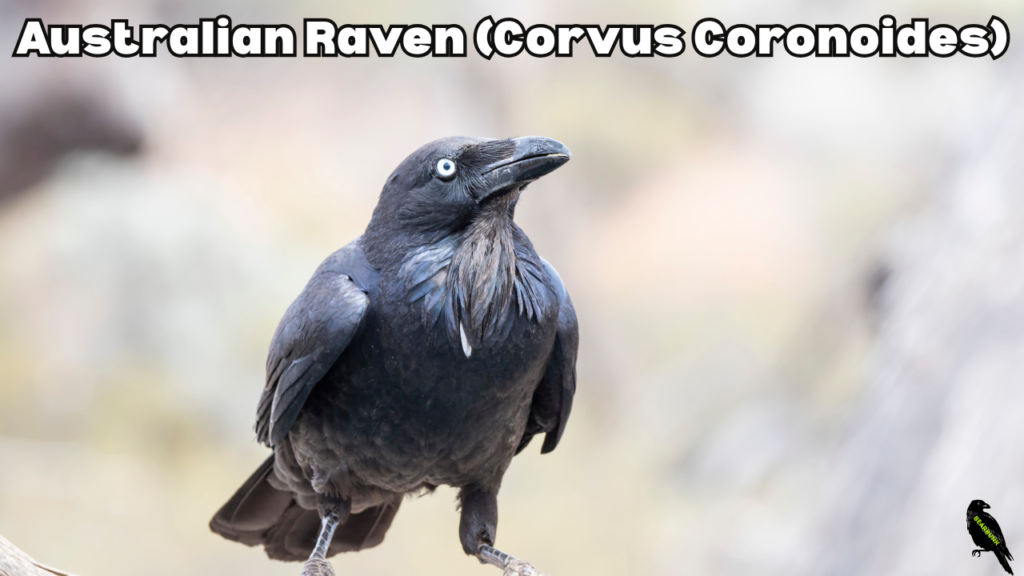
Australian Raven (Corvus coronoides)
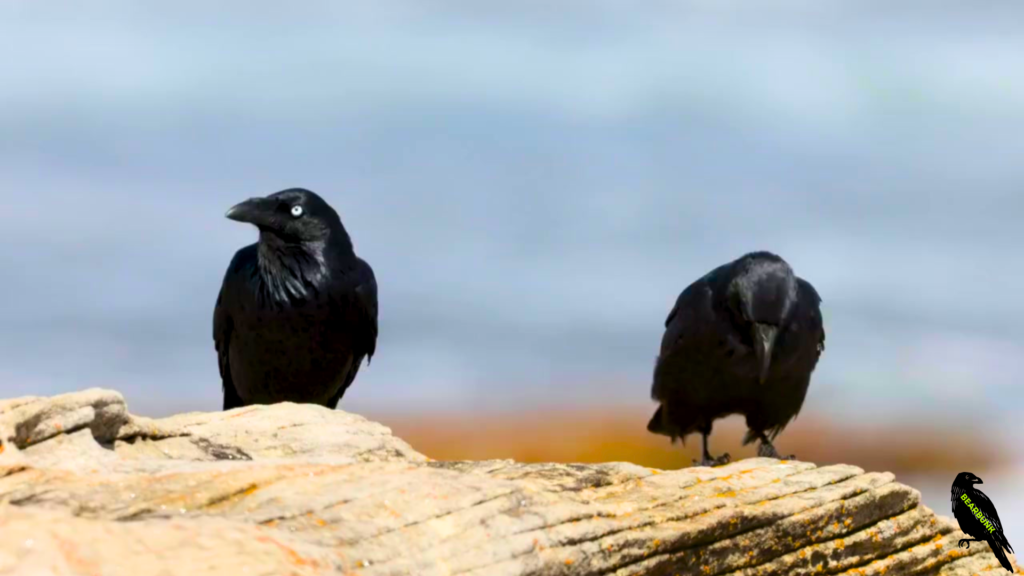
The Australian Raven is native to much of southeastern Australia and is one of Australia’s larger members of the crow family. It is an adaptable bird that can live in forests, woodlands, farmland, and urban areas. Like other ravens, it is an omnivore with a varied diet and is recognized for its intelligence and complex vocal behavior.
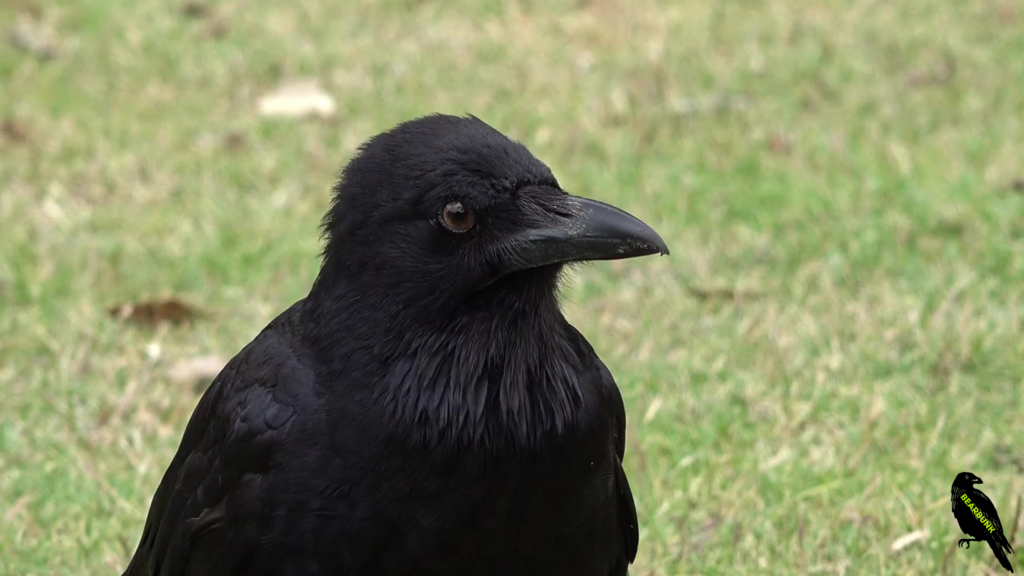
Forest Raven (Corvus tasmanicus)
The Forest Raven is found in southeastern Australia and Tasmania, where it inhabits forests, woodlands, farmland, and other wooded environments. It is a large black corvid with a substantial bill and a distinctive voice. Forest Ravens are adaptable generalists, feeding on a wide variety of foods and taking advantage of both natural and human-modified habitats.
Chihuahuan Raven (Corvus cryptoleucus)
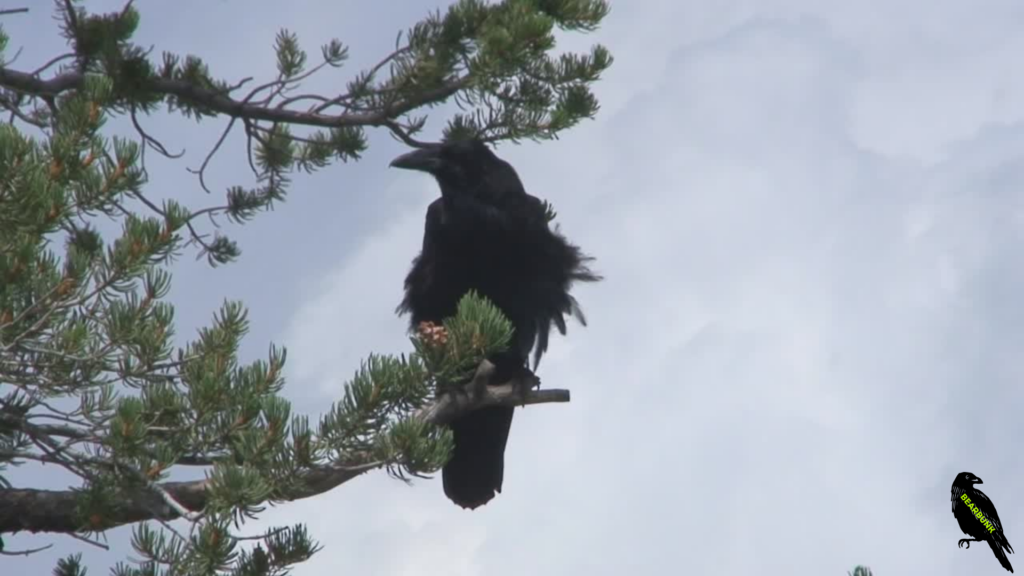
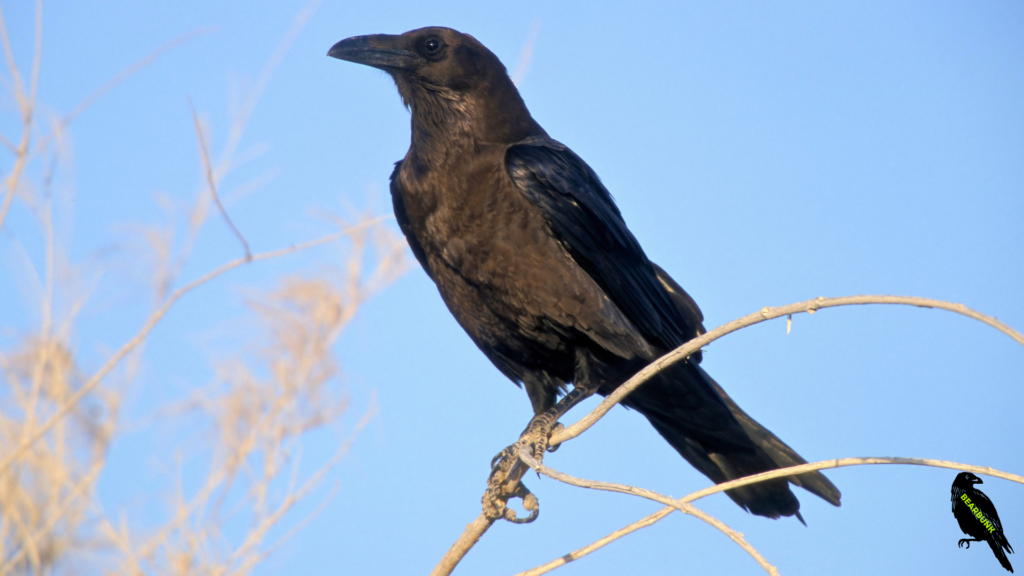
The Chihuahuan Raven is a smaller raven found primarily in the dry grasslands and deserts of the southwestern United States and northern Mexico. Although its plumage appears entirely black, the bases of its neck feathers are white and can be seen when the feathers are fluffed or blown by the wind. These social ravens often gather in flocks and are highly adaptable, using everything from trees and cliffs to utility poles and windmills as nesting sites.
Habitat
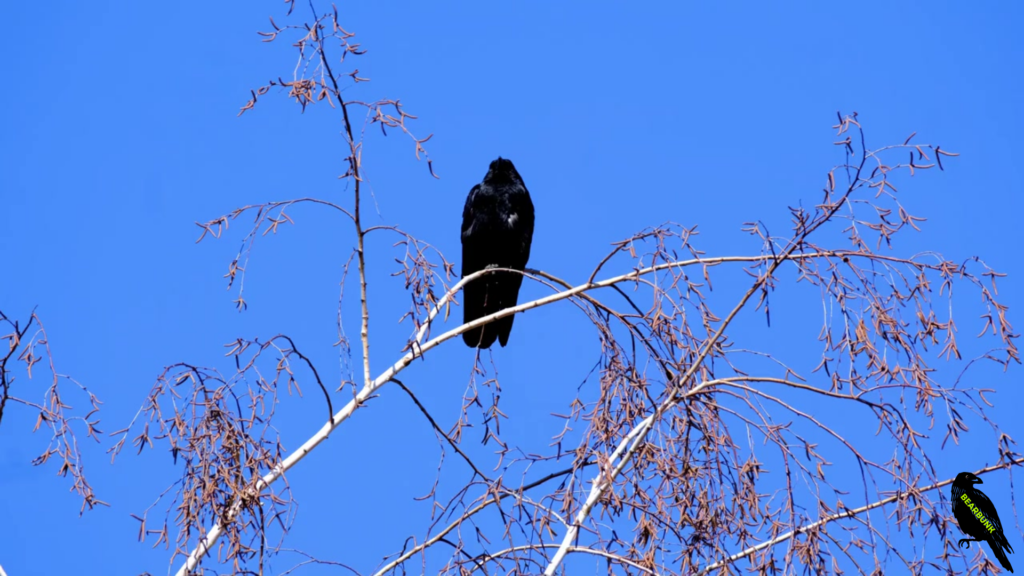
Ravens are incredibly adaptable birds, and they can make their homes in some surprisingly different places. They are found across large parts of the Northern Hemisphere, including North America, Europe, and Asia. You can find ravens in rugged mountains, open grasslands, dense forests, dry deserts, coastal areas, and even regions with very cold climates. They are also comfortable around people, and some can be seen near farms, roads, parks, and towns where suitable food and nesting places are available. Their adaptability allows ravens to live in environments ranging from quiet wilderness to areas where humans are nearby, proving remarkably good at making the most of their surroundings.
Diet
Ravens are opportunistic eaters, which means they enjoy a surprisingly wide variety of foods. Their diet can include insects, berries, fruits, seeds, nuts, and grain. They are excellent at finding food that other animals might overlook, using their sharp eyesight to spot items from a distance and their strong bills to pull and break apart different kinds of food. This varied diet is one of the main reasons ravens can survive in such a wide range of habitats. Additionally, ravens do not always eat their food immediately. When they find more food than they need, they hide some of it away and return to it later. They have been observed remembering where they placed hidden food, sometimes returning to several different hiding spots weeks later.
Share On Social:
Mating, Babies & Family Life
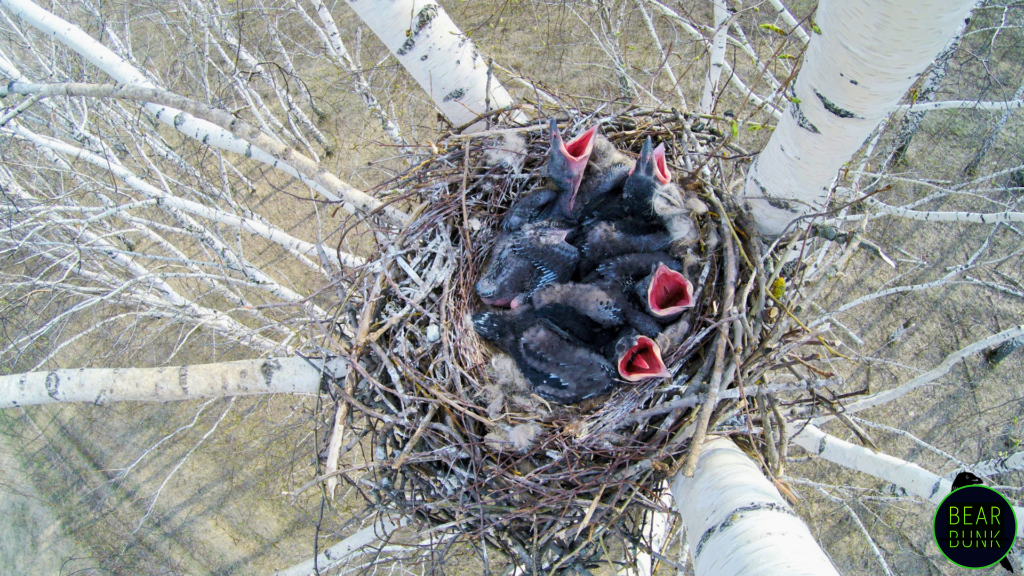
When it is time to start a family, ravens become busy builders. A pair of ravens usually works together to create a large, sturdy nest, often choosing a secure, high location such as a cliff ledge, tall tree, or another elevated spot. The nest is built from sticks and branches, with softer materials added inside to create a comfortable place for the eggs. Ravens usually lay between three and seven eggs. The eggs are incubated for roughly three weeks, with the female doing most of the incubation while the male helps provide food. When the chicks hatch, they depend completely on their parents for care. The parents work together to raise their chicks, who gradually become more independent and learn to navigate the world after several weeks.


Behavior & Social Life
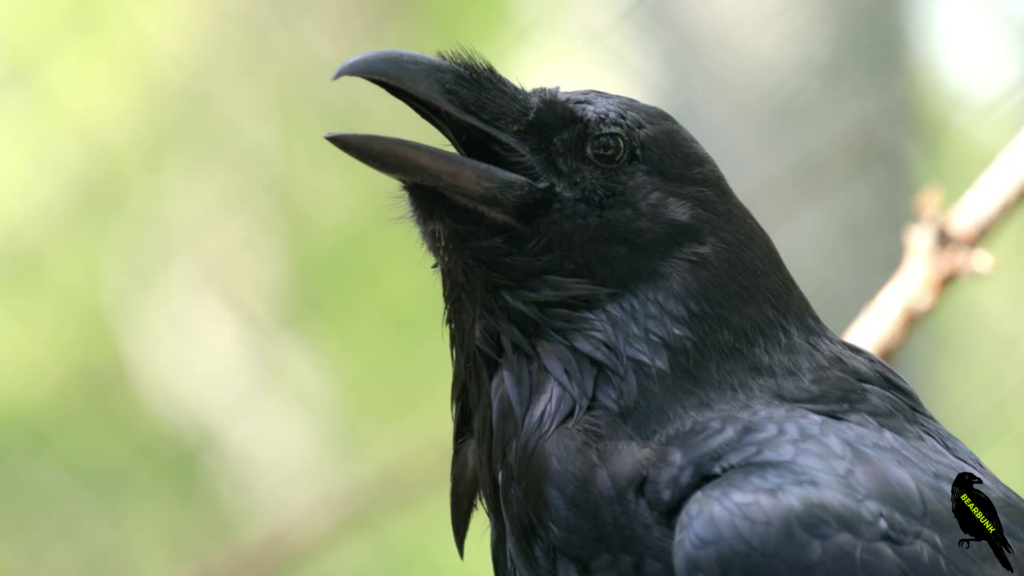
Ravens are highly intelligent and communicative birds. They have a surprisingly large variety of sounds, including deep croaks, rattles, clicks, and softer notes. They can also imitate sounds they hear around them, and some individuals can even learn to copy human speech. Beyond communication, ravens are known for being highly playful. They frequently chase one another through the sky, performing aerial acrobatics such as rolling, twisting, diving, and soaring simply because they can. They are also highly curious, often carrying objects in their bills and investigating unfamiliar things from different angles before deciding what to do with them. Their brains are incredibly sharp, helping them recognize individual humans and remember previous experiences with them.
Physical Features & Adaptations
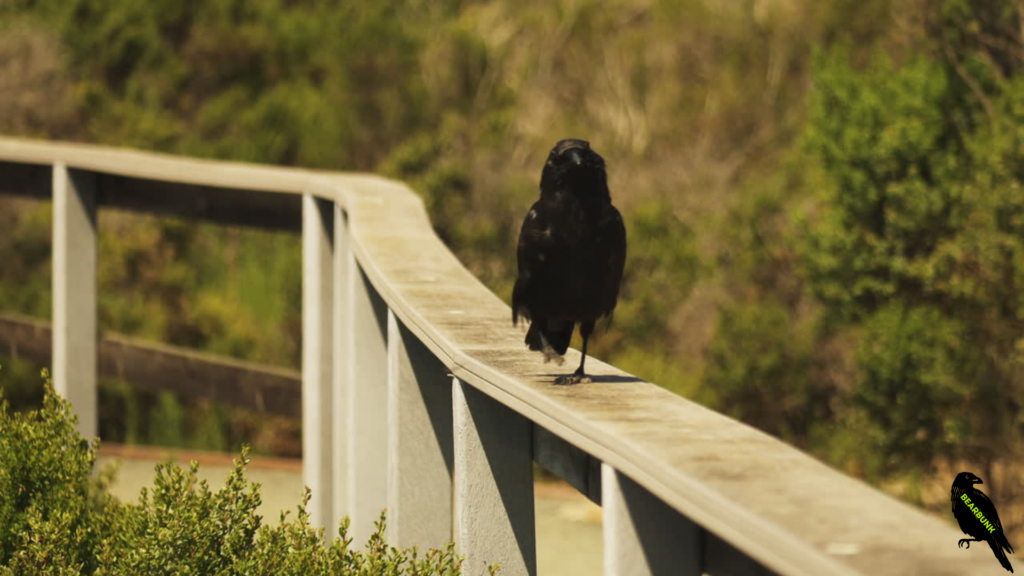
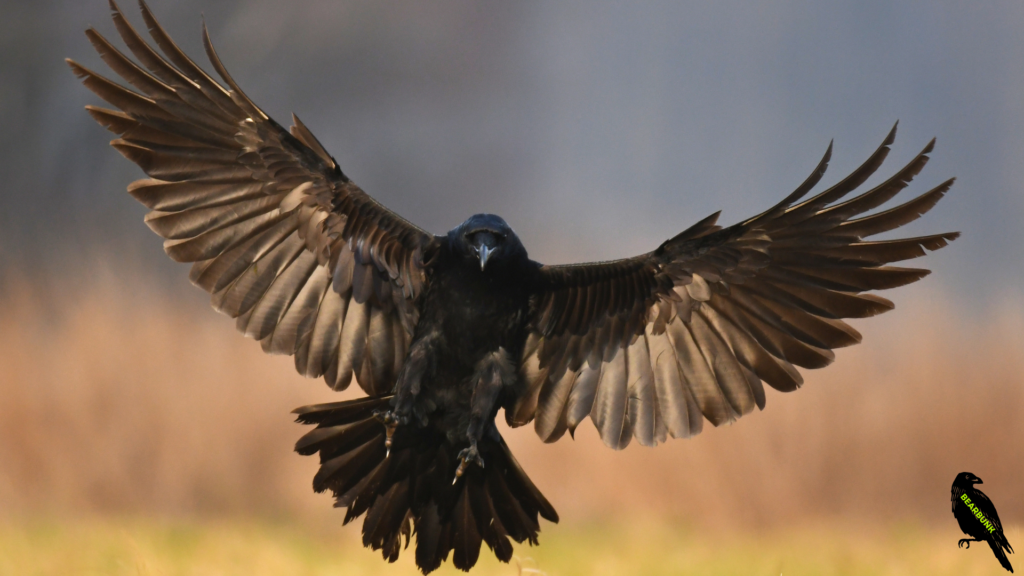
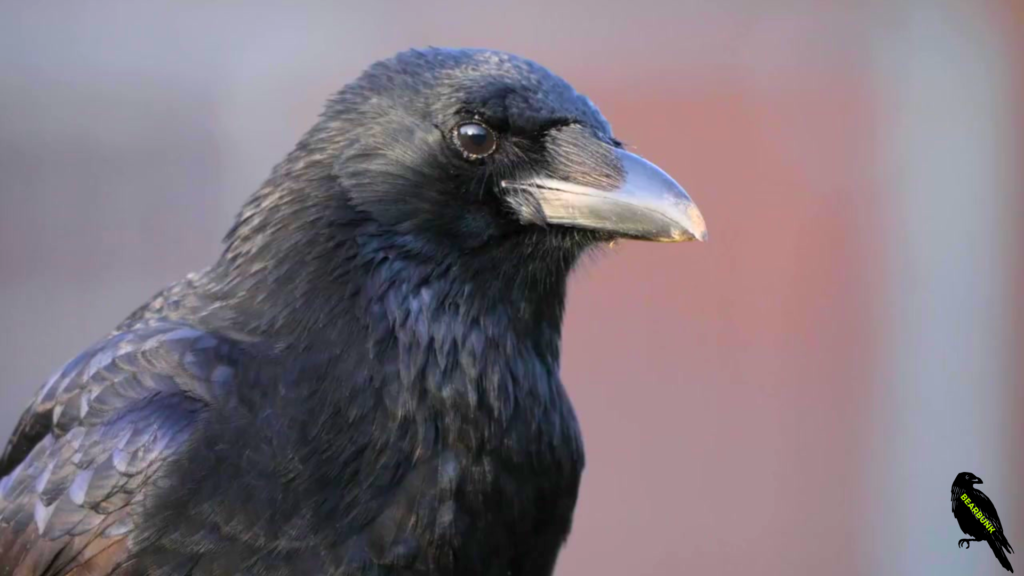
At first glance, a raven may look like a simple black bird, but a closer look reveals some remarkable details. Ravens are covered in glossy feathers that can shine with subtle shades of blue, purple, or green when sunlight catches them. They have large, powerful bodies compared with many other members of the crow family, along with long wings and a distinctive wedge-shaped tail that helps them steer. Their bills are thick, strong, and slightly curved, giving them an impressive profile. Their feet are strong, with sharp claws that help them grip branches and other surfaces. Common ravens can have a wingspan of around four feet and reach about two feet in length from beak to tail, making them powerful and graceful to watch as they soar.
Interactions with Humans
Ravens are highly observant of humans and can adapt quickly to living near human settlements. Because they are excellent problem solvers, they are often found near farms, roads, and parks where food is easy to access. Their unique intelligence allows them to remember individual people, recognizing those who are helpful and avoiding those who are not. This strong memory and adaptability help them navigate human-dominated spaces safely, making them one of the most successful and fascinating urban-edge bird species in the world.
Fun Facts
- Master Mimics: Ravens are excellent communicators that can copy sounds around them, including other animal calls and human speech.
- Aerial Acrobats: These birds love to perform playful stunts in the sky, including rolling, twisting, and diving just for the fun of it.
- Hidden Treasures: When ravens have extra food, they hide it in secret spots and use their powerful memories to find it again later.
- Built-in Rudder: A raven can be identified in flight by its wedge-shaped tail, which helps it steer and change directions quickly.
- Lifelong Pairs: Many ravens form long-lasting pair bonds, staying with the same partner for years to build nests and raise families.
About Ravens
Scientific Family: Corvidae
Number of Species: Around 10 living species, including the common raven and Chihuahuan raven
Habitat: Deserts, forests, mountains, grasslands, coasts, and urban areas across North America, Europe, and Asia
Diet: Omnivorous, including insects, berries, fruits, seeds, nuts, grain, and stored foods
Lifespan: Often 15 to 20+ years in the wild
Unique Traits: Iridescent glossy feathers, wedge-shaped tail, thick curved bill, and high learning capacity
Social Structure: Monogamous breeding pairs and loose groups of young, playful birds
Fun Fact: Ravens are known to recognize individual human faces and remember their previous interactions with them!
Why We Love Them
We love ravens because they challenge our ideas about how birds think and play. Their mischievous, playful personalities, combined with their incredible ability to solve problems and communicate, make them endless sources of wonder. Watching a raven effortlessly soar through the wind or thoughtfully examine a new object reminds us of how much magic and intelligence exists in the natural world.
Conclusion
From their glossy black feathers and remarkable intelligence to their playful personalities and impressive flying skills, ravens truly are extraordinary birds. Their ability to adapt to almost any environment, remember details about the world around them, and form strong bonds makes them stand out among the wildlife of the Northern Hemisphere. The next time you spot a large, dark bird soaring gracefully through the sky, listen closely for its calls—you might just be witnessing one of the most brilliant minds in nature!
Learn More:
Want to see these brilliant, glossy-feathered birds in action? Watch our full raven educational video on YouTube here: https://www.youtube.com/watch?v=Lg7LdR1Cvlc
The Hidden Brilliance of Ravens Nature’s Smartest Birds – YouTube
Read more about:




Leave a Reply