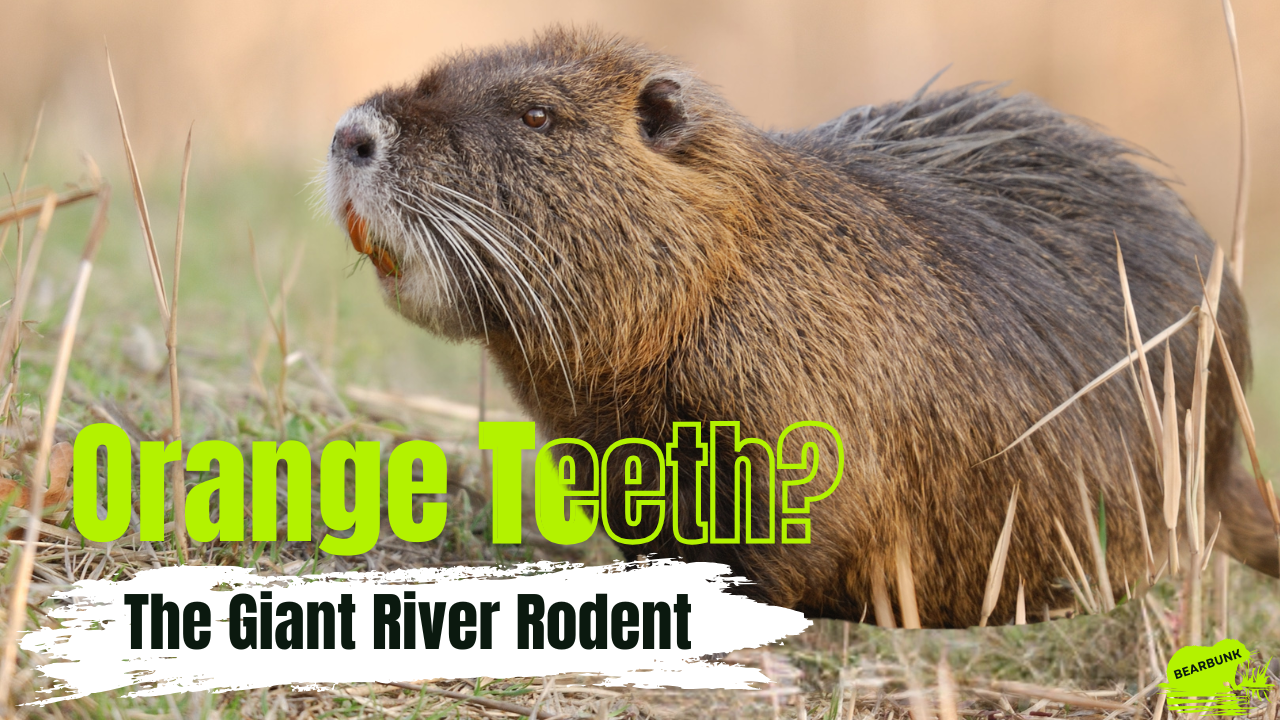
Meet the Nutria
Have you ever seen an animal that looks like a mix between a giant guinea pig, a beaver, and a river rat? Meet the nutria — one of the most unusual wetland animals in the world.
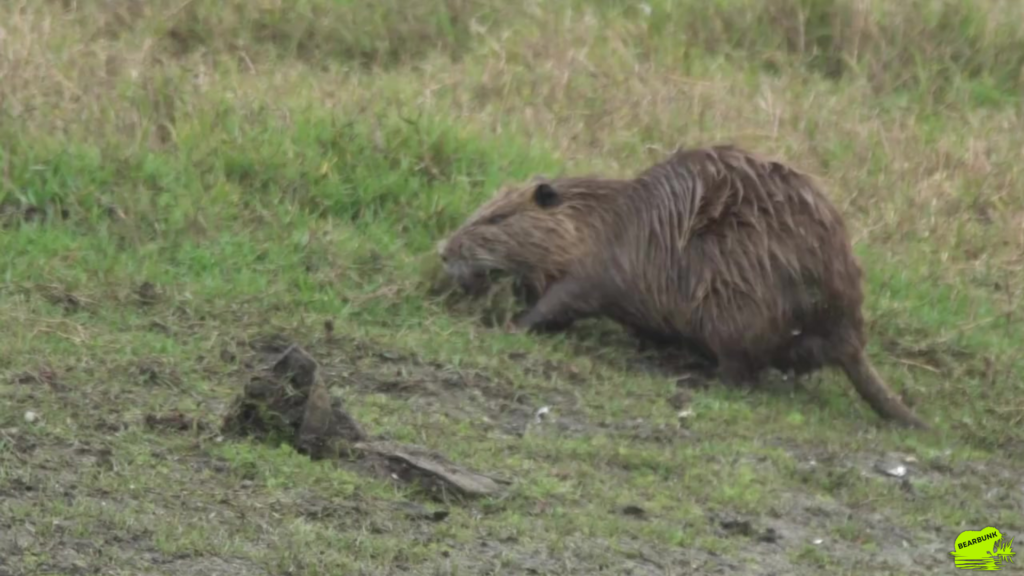
With their bright orange teeth, webbed feet, and strong swimming abilities, nutria are perfectly designed for life in and around the water. These semi-aquatic rodents spend much of their time swimming, feeding on plants, and exploring marshes, rivers, ponds, and wetlands.
Even though they may not be as famous as some other animals, nutria are full of fascinating adaptations and surprising behaviors that make them truly unique.
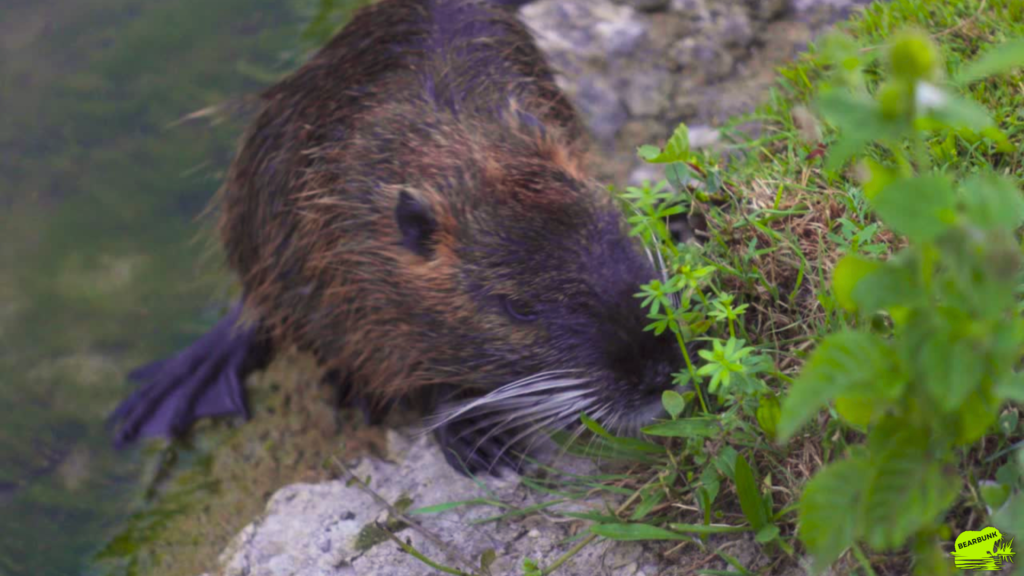
Species of Nutria
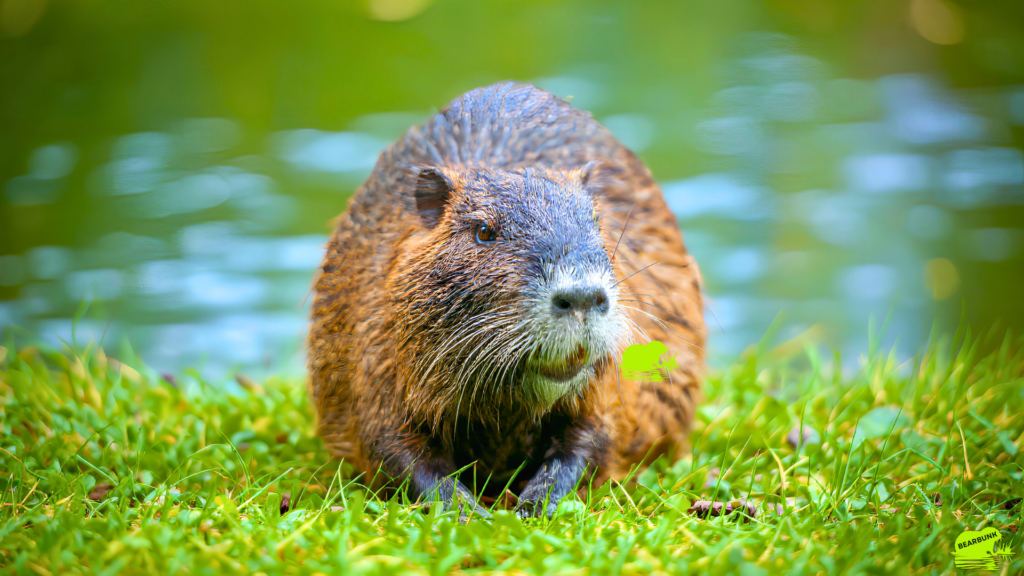
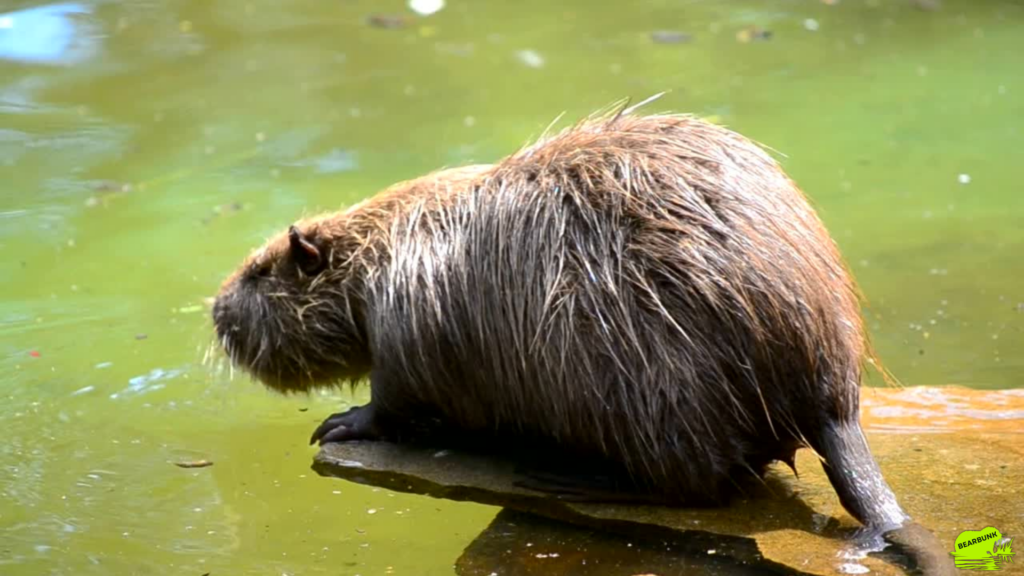
Nutria may look like oversized rats or beavers at first glance, but they are actually unique semi-aquatic rodents with their own special adaptations for wetland life. Surprisingly, there is only one living species of nutria in the world today.
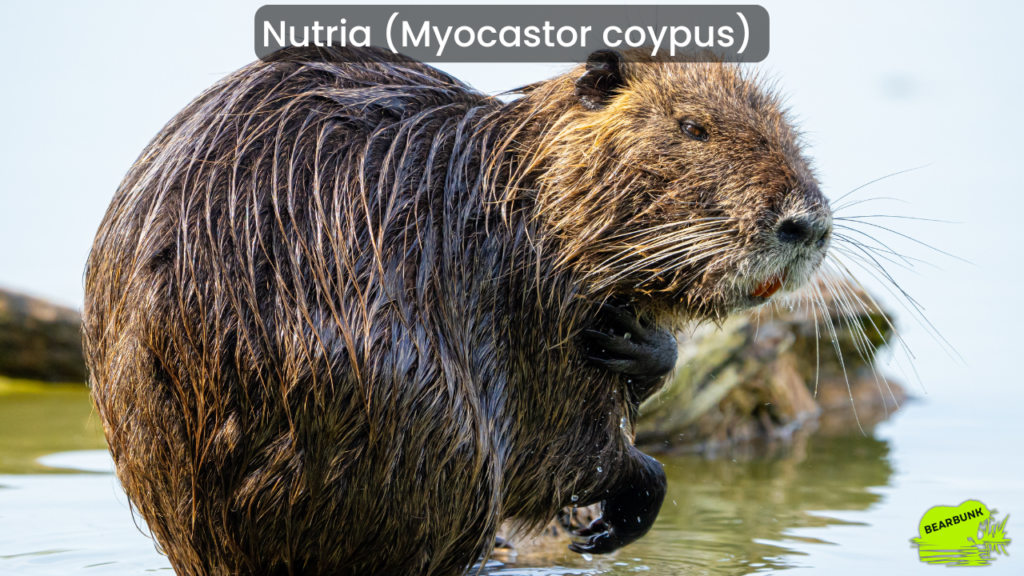
Nutria (Myocastor coypus)
A large semi-aquatic rodent known for its orange teeth, webbed feet, and strong swimming abilities. Nutria are the only living species in the genus Myocastor and are highly adapted for life in wetlands and waterways.
Habitat
Nutria originally come from South America, including countries such as Brazil, Argentina, Chile, and Uruguay. Today, nutria can also be found in many other parts of the world after being introduced to new environments.
These adaptable mammals thrive in wetlands, marshes, swamps, ponds, lakes, rivers, and canals. They prefer areas with calm freshwater and lots of vegetation to eat.
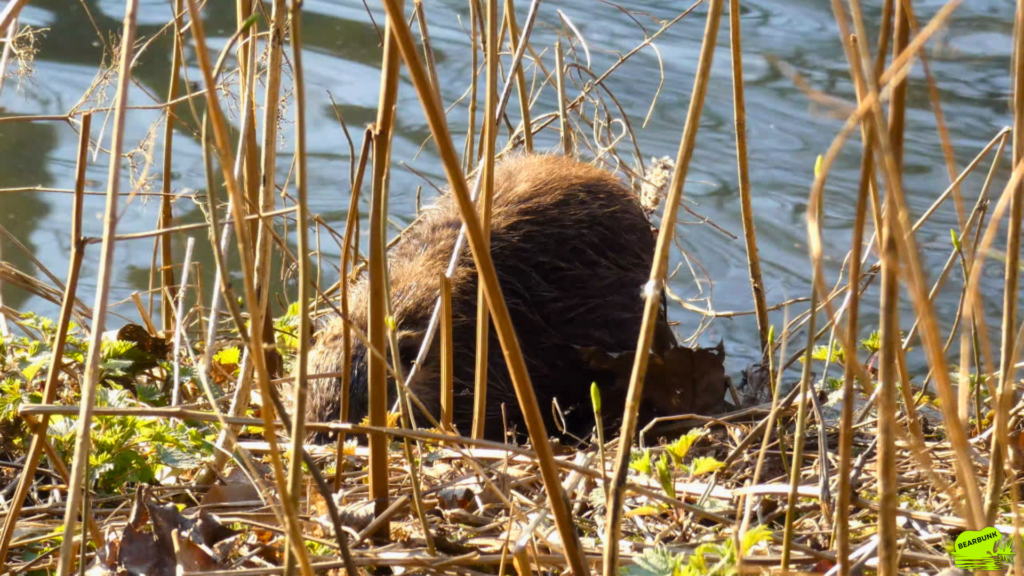
Nutria are commonly seen near the water’s edge, where they build burrows into muddy banks or create resting platforms from plants and reeds. In some places, they have even adapted to suburban ponds, urban waterways, golf course lakes, and drainage canals.
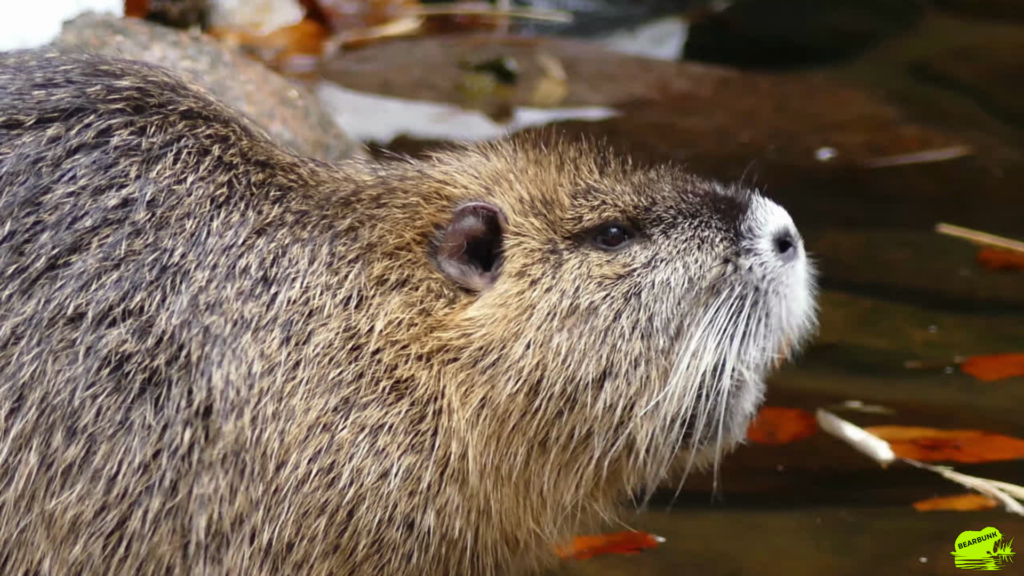
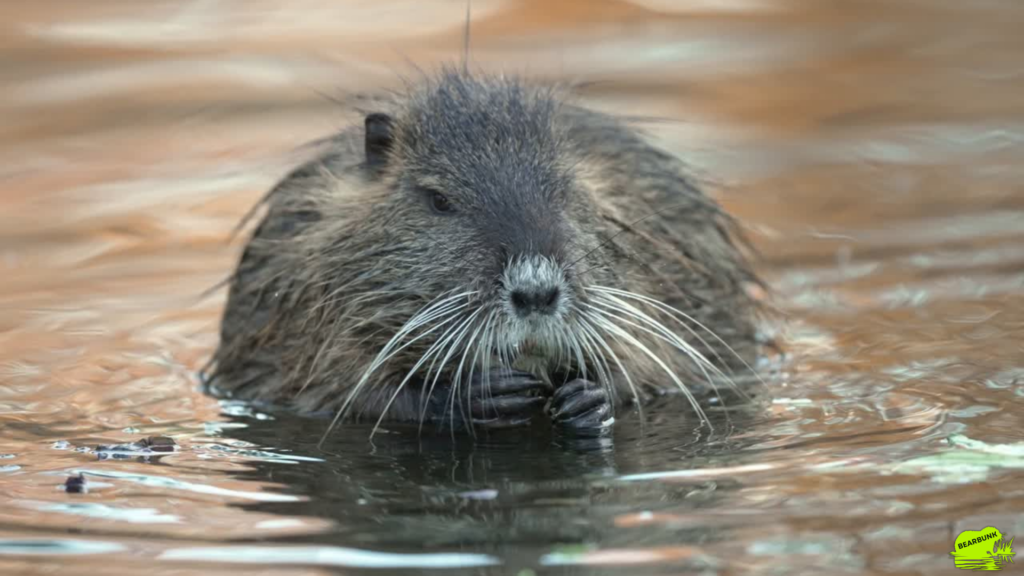
Water is central to almost every part of a nutria’s life. They swim with ease using their partially webbed hind feet and long tails for steering. Their eyes, ears, and noses sit high on their heads, allowing them to stay mostly underwater while still being able to see, hear, and breathe.
Diet
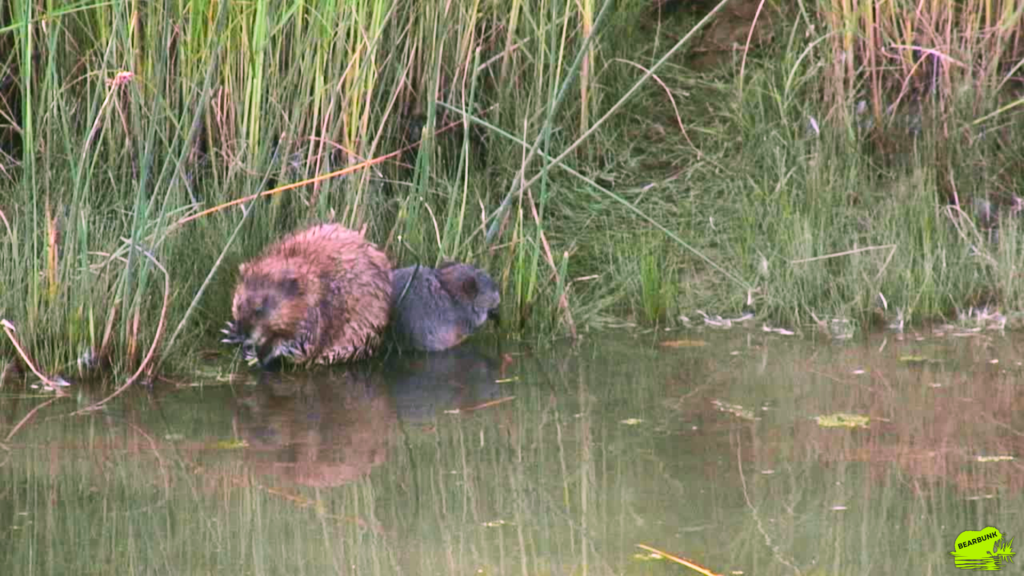
Nutria are mostly herbivores, meaning they primarily eat plants. Their diet includes grasses, reeds, roots, stems, aquatic plants, and other soft vegetation growing near the water.
These rodents have a huge appetite and may eat up to about a quarter of their body weight in plants every day.
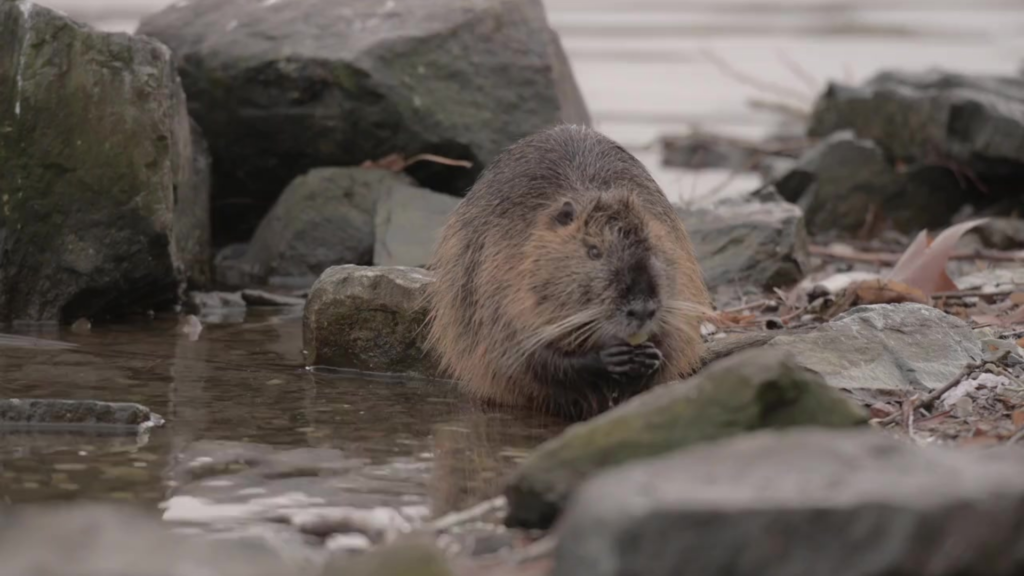
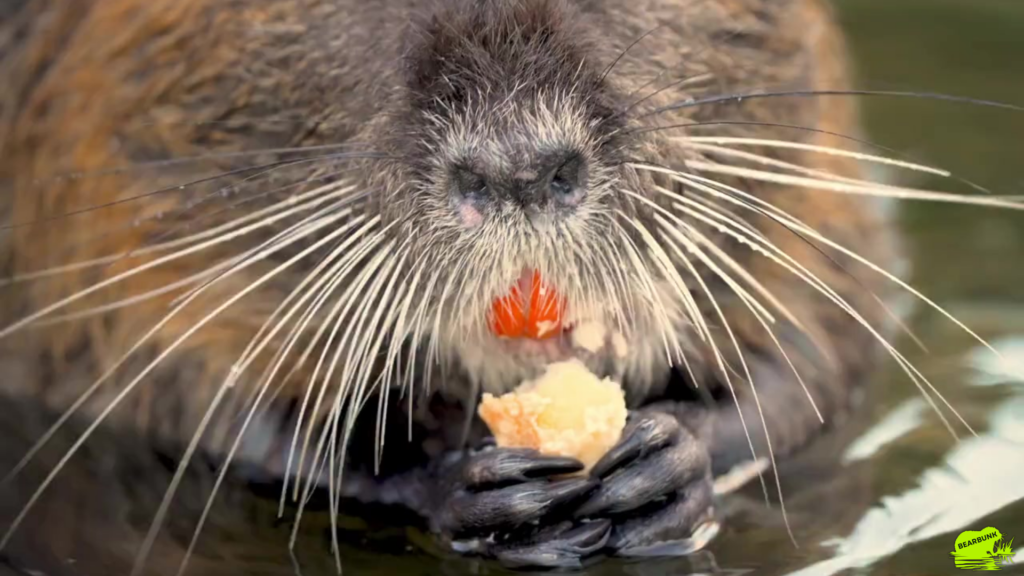
One of the most interesting things about nutria is how they eat. They often sit near the water while using their front paws almost like tiny hands to hold food.
They also have a special adaptation that allows them to chew underwater. Their lips close behind their large front teeth, helping keep water out while they eat submerged plants.
Instead of eating an entire plant, nutria often focus on the roots and lower stems, which contain lots of nutrients. This feeding behavior can reshape wetland vegetation over time.
Share On Social:
Mating, Babies & Family Life
Unlike many animals that breed only during certain seasons, nutria can reproduce throughout much of the year, especially in warm climates.
Female nutria are pregnant for around four to four and a half months before giving birth to a litter of babies. Litters can range from only a few babies to more than ten.
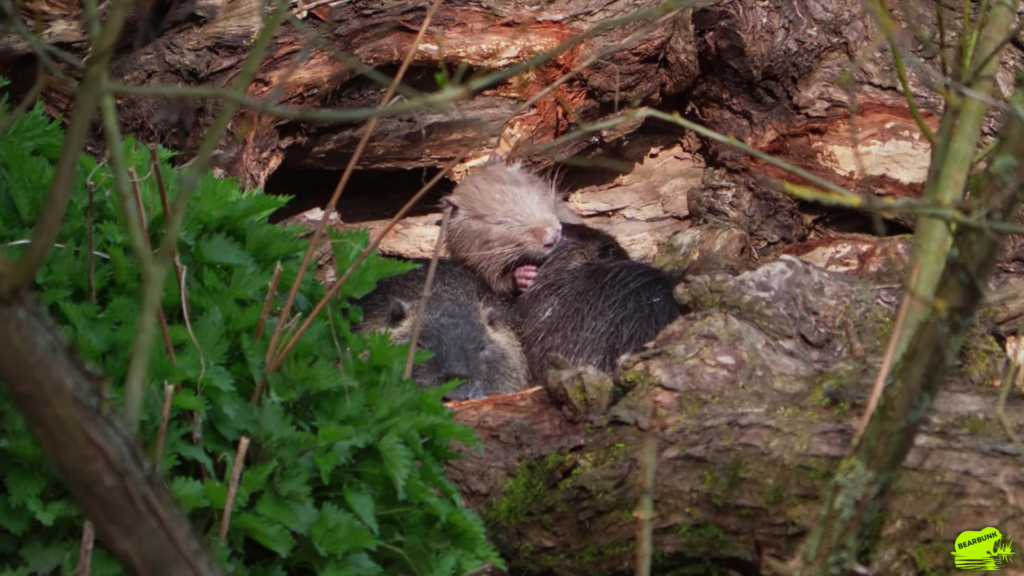
Baby nutria are surprisingly well-developed when they are born. They already have fur, open eyes, and can move around shortly after birth. Many can even swim within a very short time.
The mother nurses and protects her babies while they grow, but young nutria become independent fairly quickly compared to many other mammals.
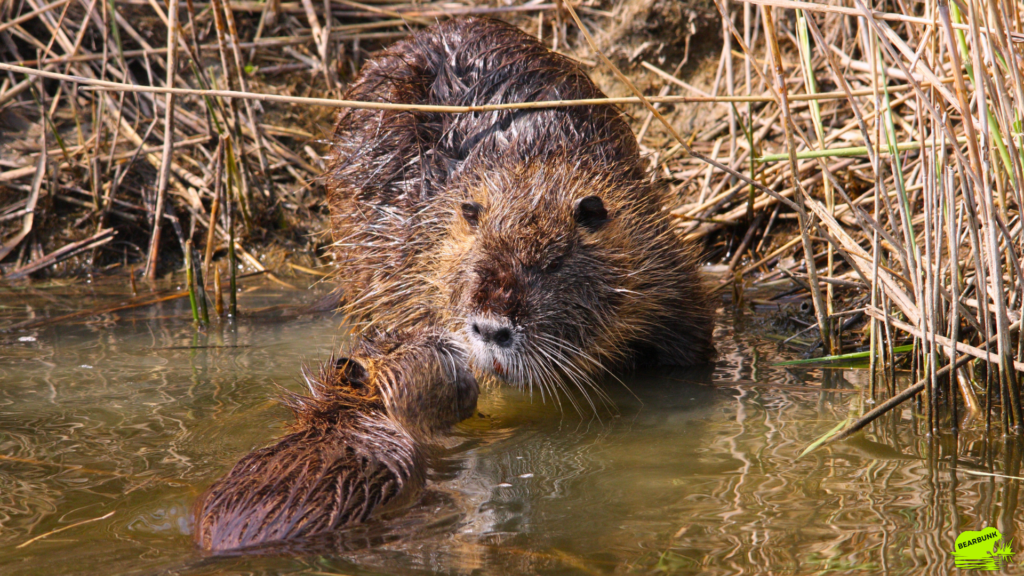
Behavior & Social Life
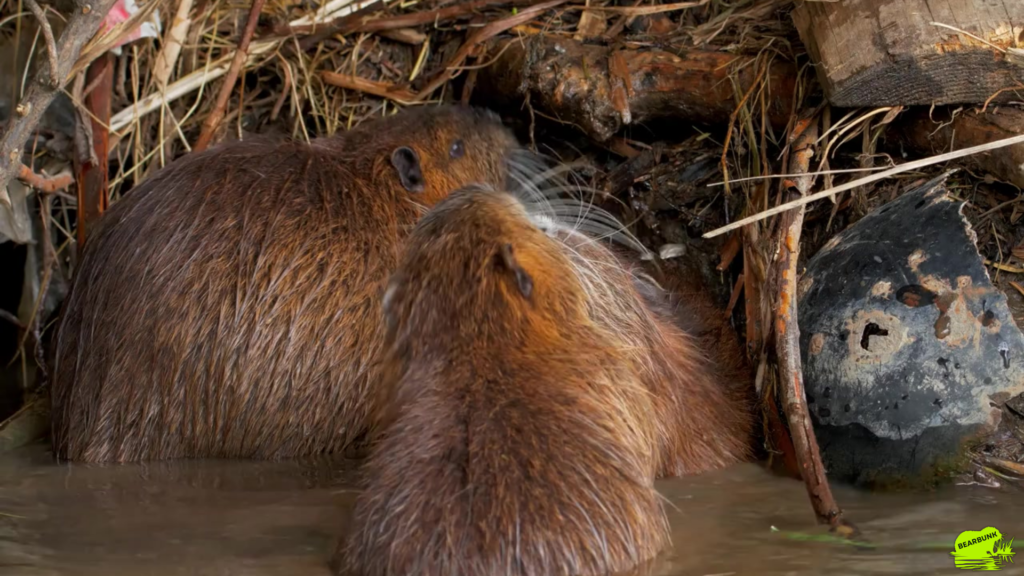
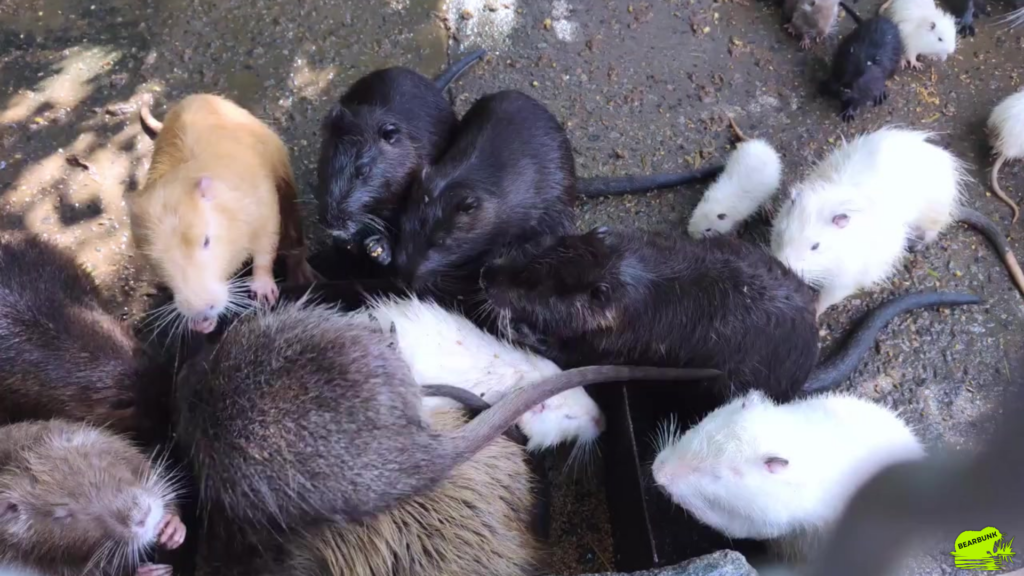
Nutria are generally social animals and are often found living in small groups near good feeding areas.
These groups may include adults and young nutria sharing the same wetland habitat. They communicate using soft squeaks, grunts, and whimpers, especially between mothers and babies.
Even when they seem relaxed, nutria stay alert to danger. If startled, they quickly escape by diving into the water and swimming away.
In the wild, nutria usually live around six to eight years depending on habitat conditions and food availability.
Physical Features & Adaptations
Nutria have several unique physical traits that make them highly adapted for wetland life:
- Bright orange teeth strengthened with iron-rich enamel
- Partially webbed hind feet for powerful swimming
- Thick water-resistant fur that helps keep them warm
- Eyes, ears, and nostrils positioned high on the head
- Special lips that close behind their teeth for underwater chewing
These adaptations allow nutria to thrive in marshes, ponds, rivers, and other freshwater environments.
Fun Facts
- Nutria have bright orange teeth strengthened by iron in the enamel.
- Their lips can close behind their front teeth so they can chew underwater.
- Nutria use partially webbed hind feet to swim efficiently.
- Baby nutria can swim shortly after birth.
- Their feeding habits help reshape wetland vegetation.
About Nutria
Common Name: Nutria
Scientific Name: Myocastor coypus
Family: Echimyidae
Subfamily: Myocastorinae
Size: About 16–24 inches long, not including the tail
Weight: Usually 15–22 pounds
Lifespan: Around 6–8 years in the wild
Location: Originally South America; now found in many parts of the world
Habitat: Wetlands, marshes, ponds, rivers, canals, and swamps
Diet: Aquatic plants, grasses, roots, stems, and vegetation
Conservation Status: Least Concern
Nutria are highly adaptable semi-aquatic rodents known for their bright orange teeth, strong swimming abilities, and unique underwater feeding adaptations. Their wetland lifestyle and powerful plant-eating habits make them one of the most unusual mammals living near freshwater environments.
Why We Love Them
Nutria may look unusual at first, but they are fascinating animals with some incredible adaptations for wetland life.
From their bright orange teeth to their underwater chewing abilities, nutria are perfectly built for swimming, feeding, and surviving in marshy habitats. Their calm behavior, expressive faces, and unique appearance also make them surprisingly memorable animals to watch.
Conclusion
Nutria may not be the most famous wetland animal, but they are certainly one of the most interesting.
With their webbed feet, floating lifestyles, orange teeth, and underwater eating abilities, nutria are full of unique adaptations that help them thrive in wetlands around the world.
The next time you spot one near a pond, marsh, or river, take a closer look — you might just discover one of nature’s most fascinating semi-aquatic mammals.
Learn More:
Watch the full Video on YouTube:
Nutria The Giant River Rodent With Orange Teeth – YouTube
Read more about:


Leave a Reply