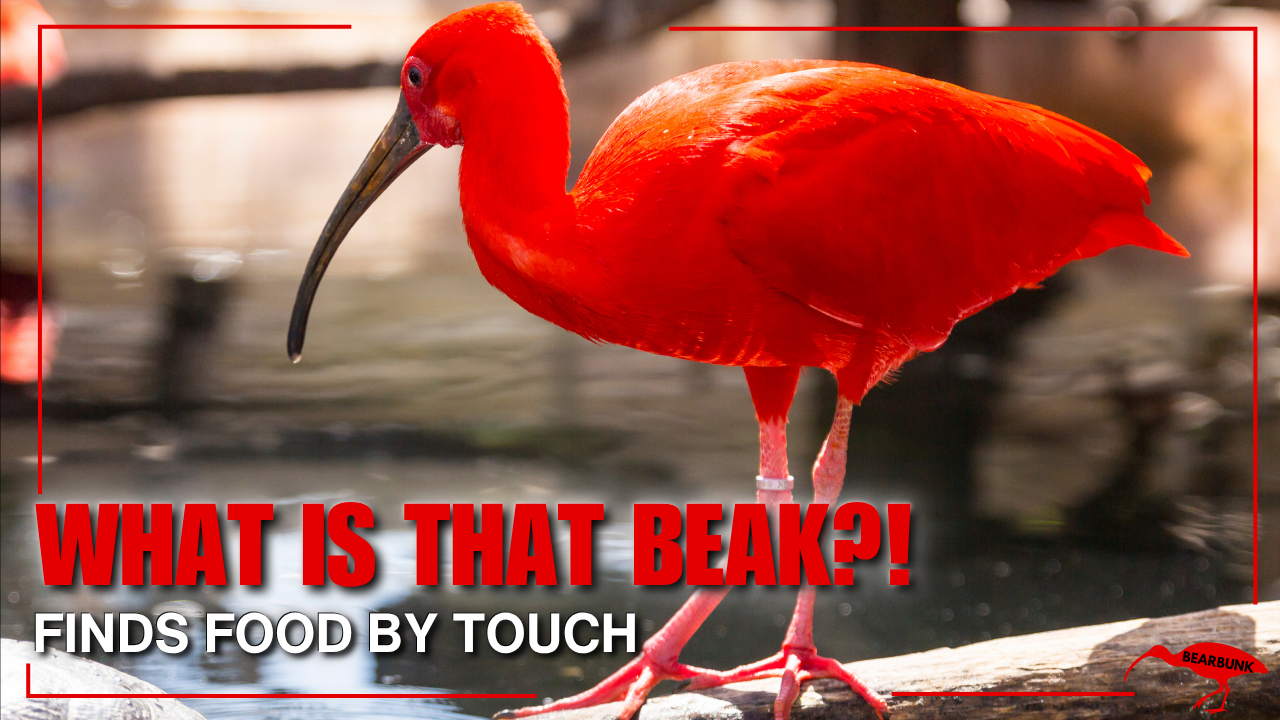
Meet the Ibis
Have you ever seen a bird sweeping its long curved beak through the water and wondered what it’s doing? That elegant bird is likely an ibis—one of the most fascinating and adaptable wading birds in the world. Found in wetlands, marshes, and even neighborhoods, ibises are known for their unique beaks, social behavior, and surprising history.
Species of Ibis
Common Name: Ibis
Scientific Name: Threskiornithidae
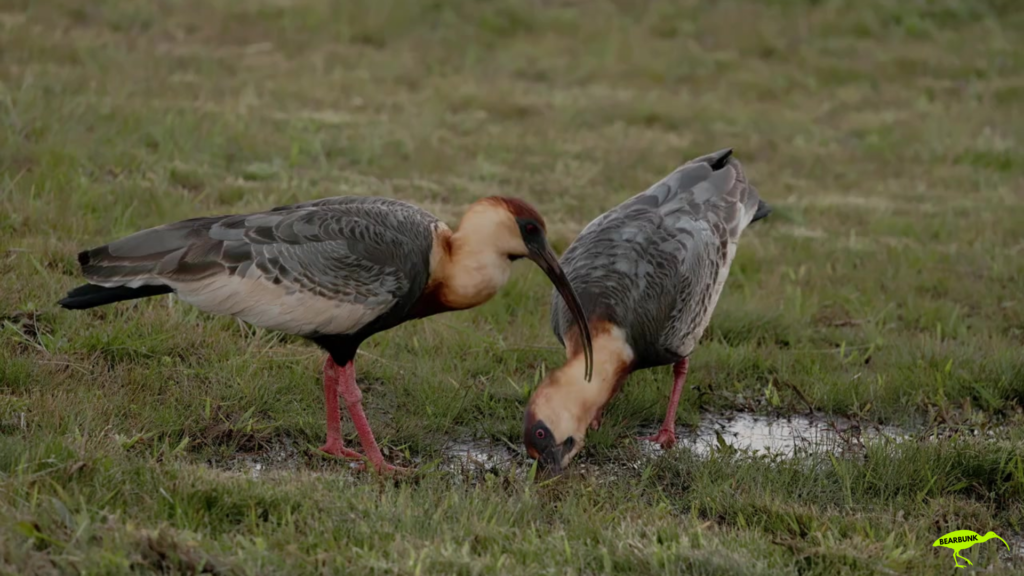
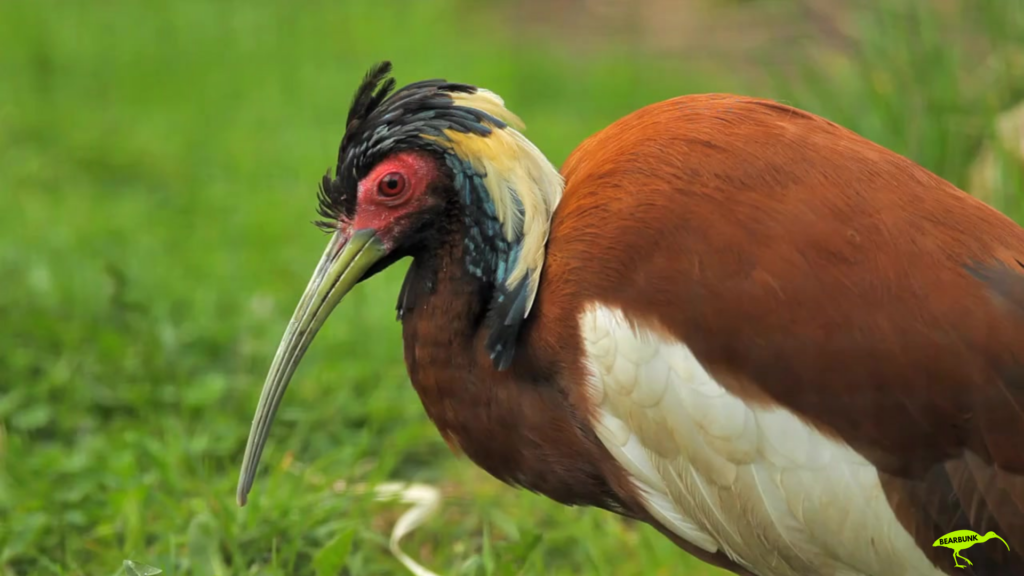
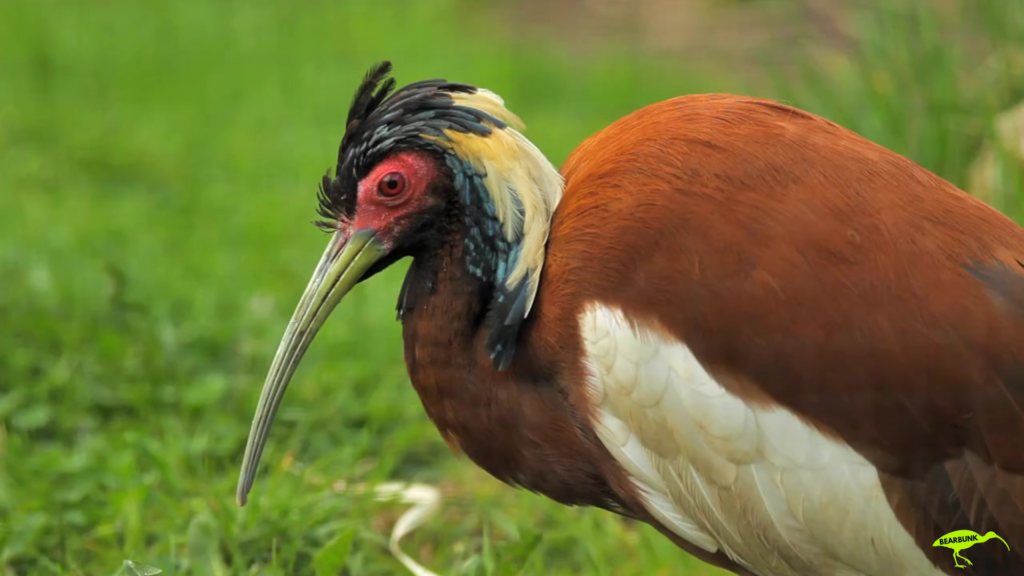
Scientists recognize around 28 different species of ibis found across the world. Here are a few of the most well-known:
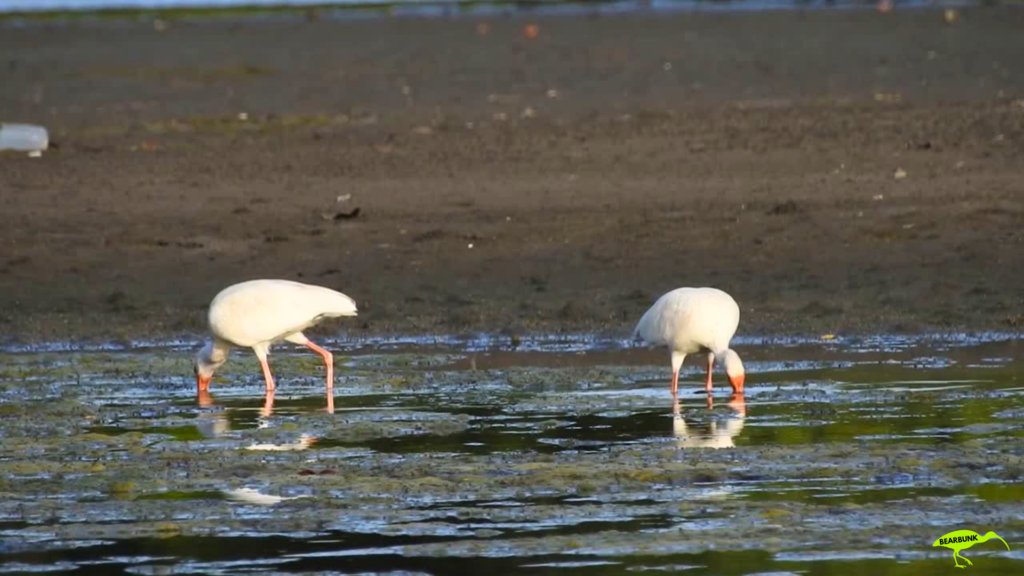
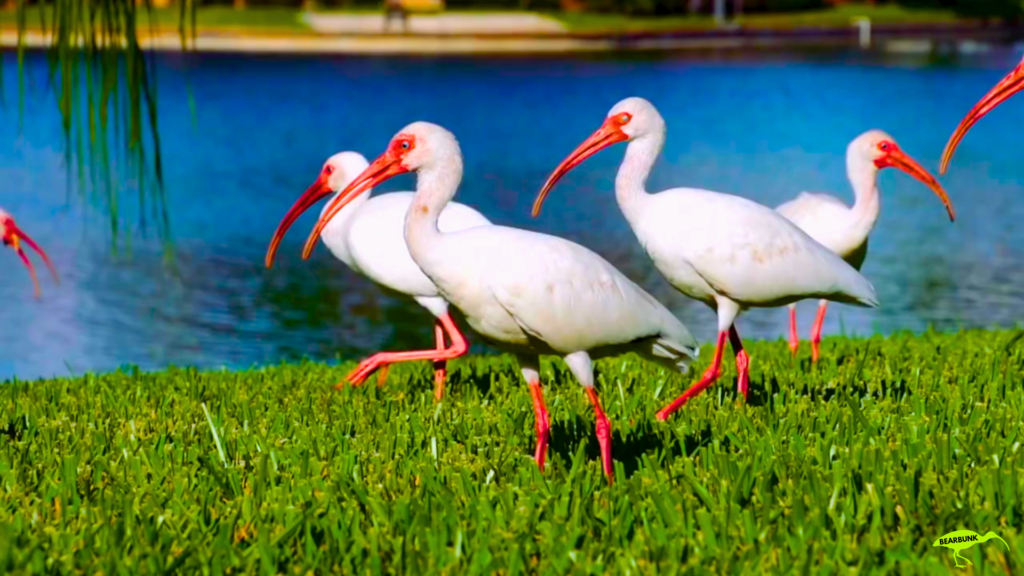
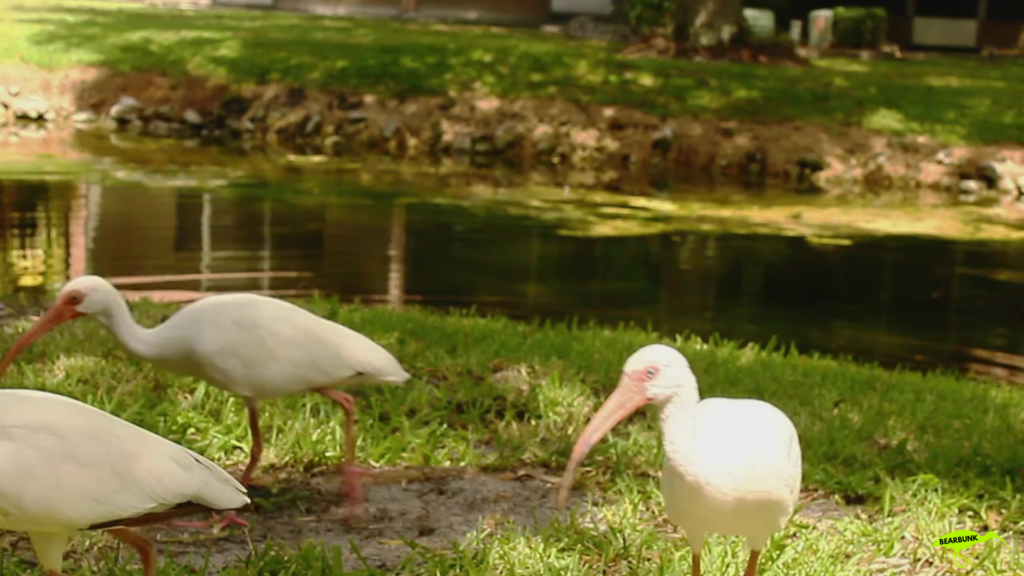
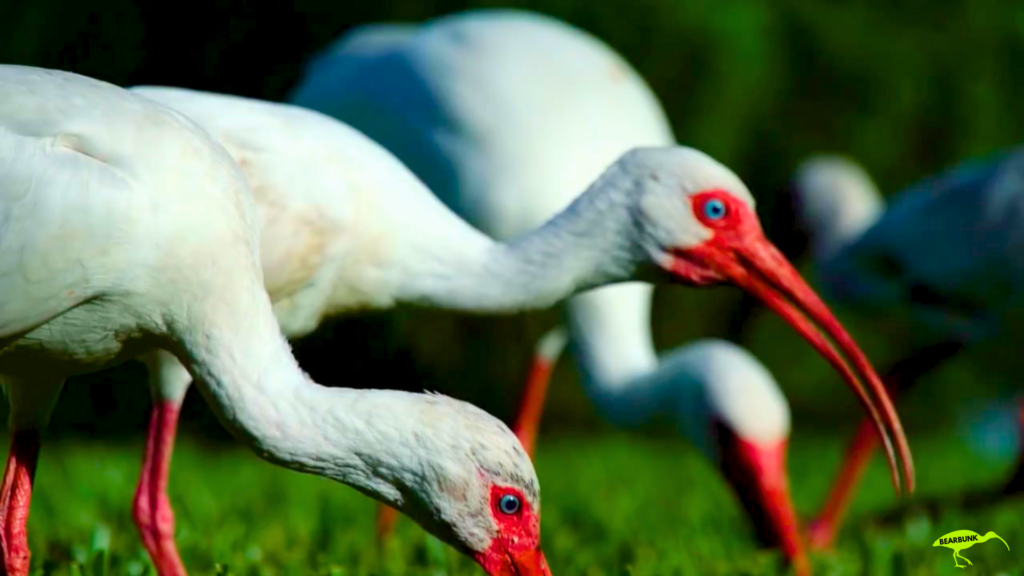
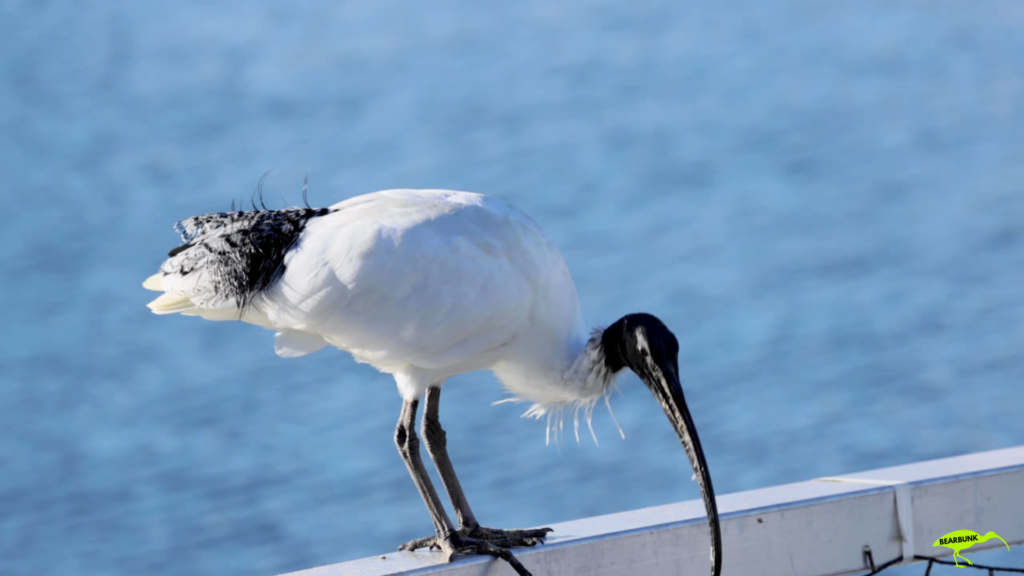
- White Ibis (Eudocimus albus) – Common in Florida and the southeastern U.S., often seen in parks and neighborhoods.
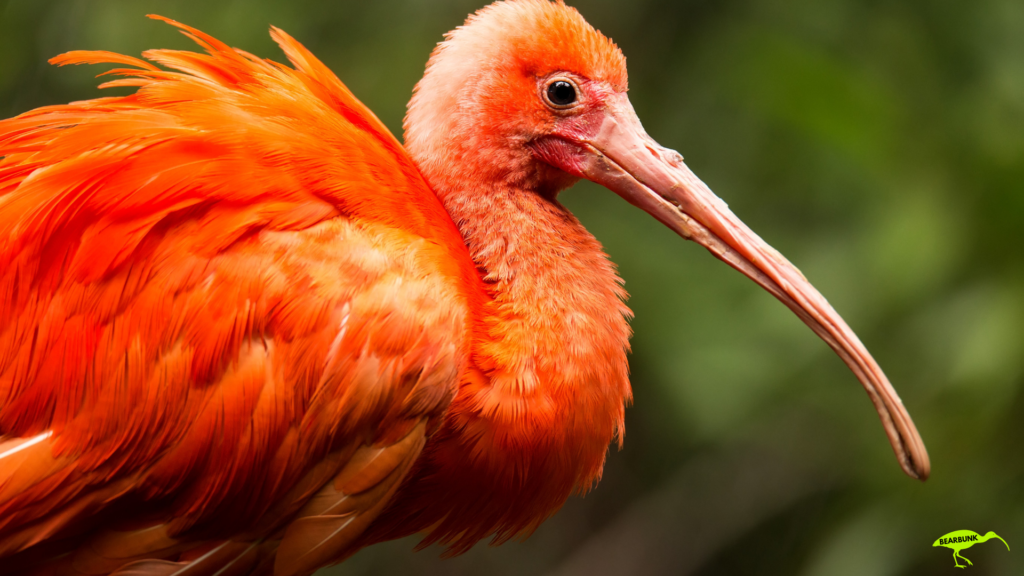
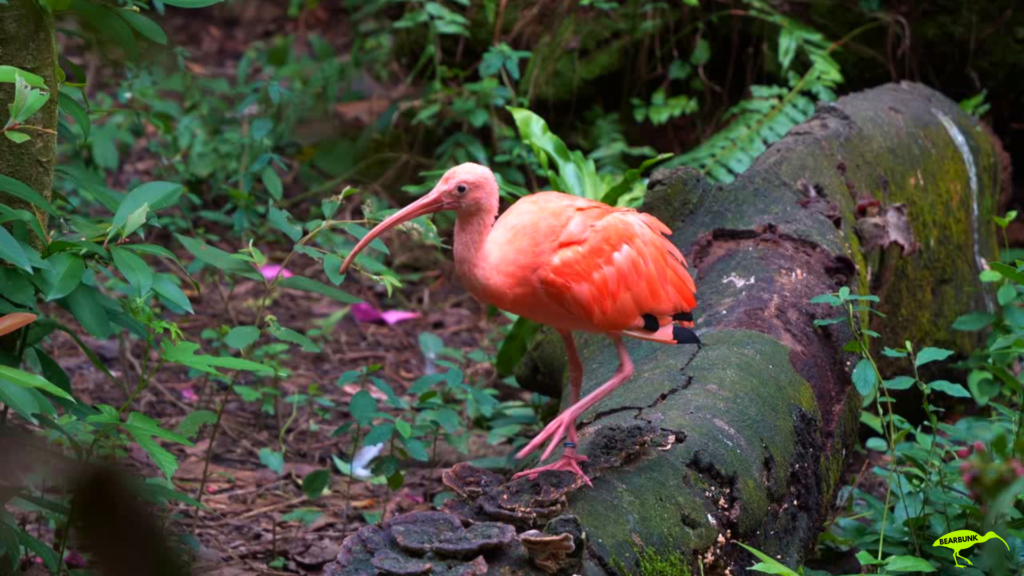
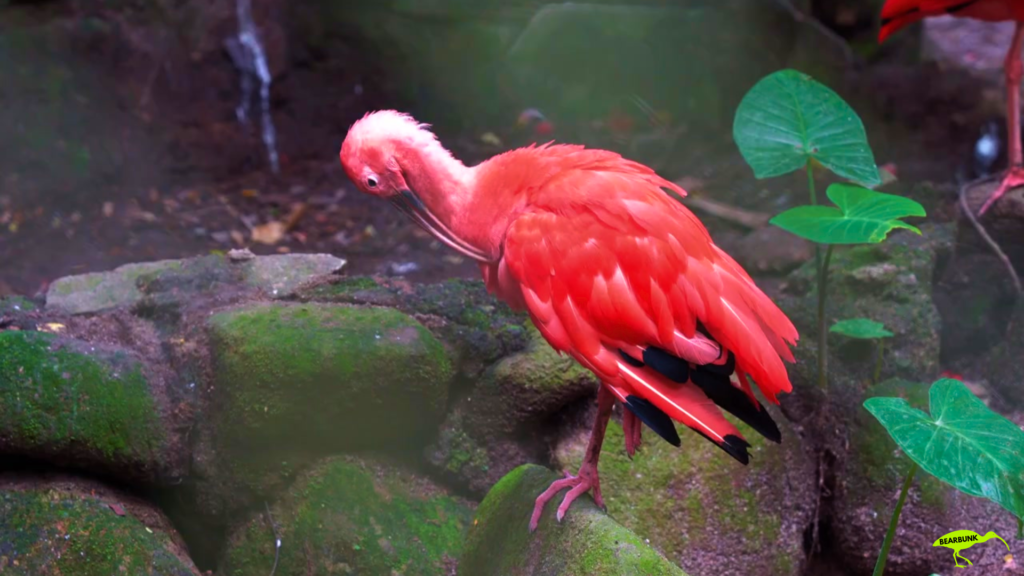
- Scarlet Ibis (Eudocimus ruber) – Bright red and one of the most colorful birds in the world, found in South America.
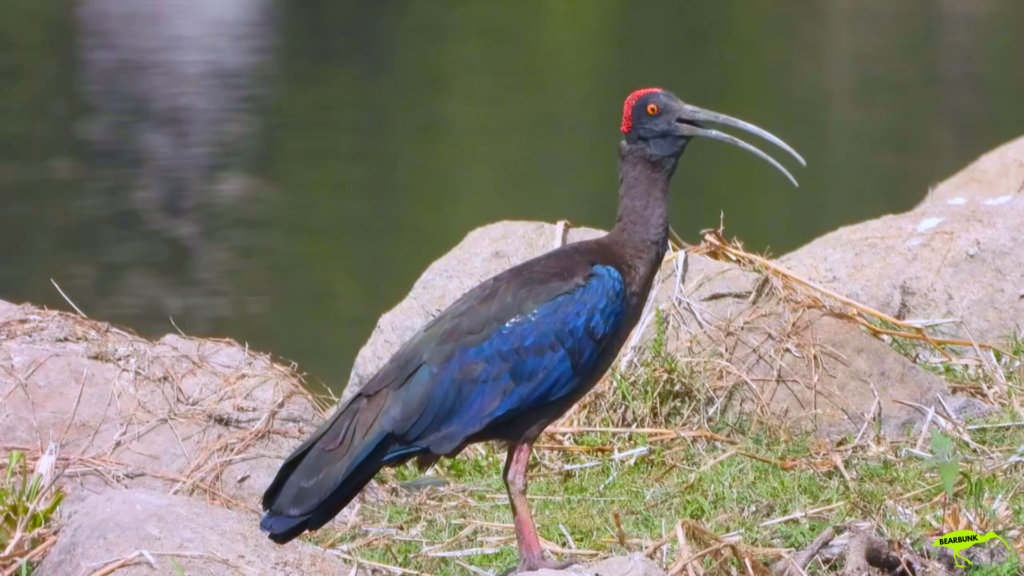
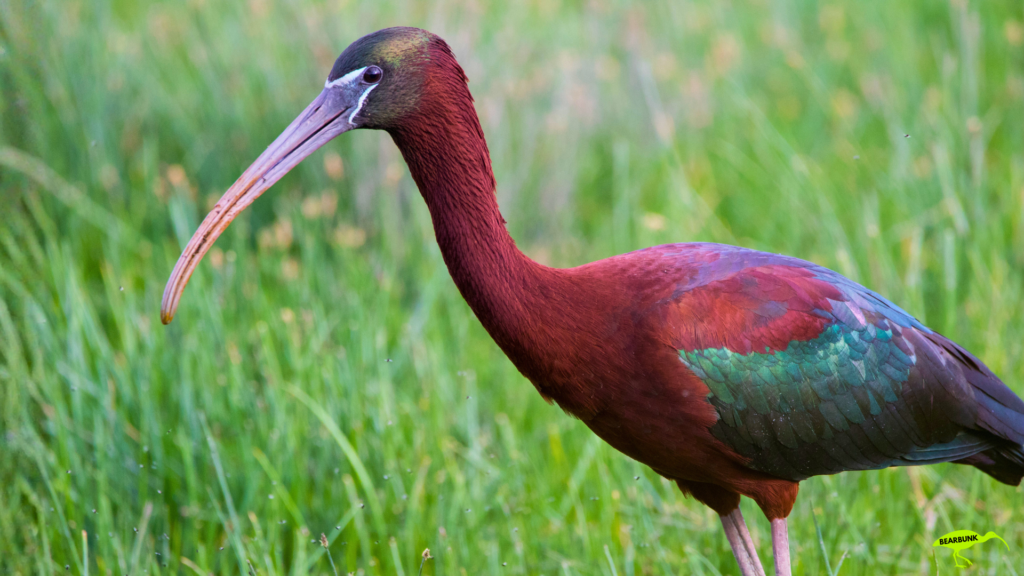
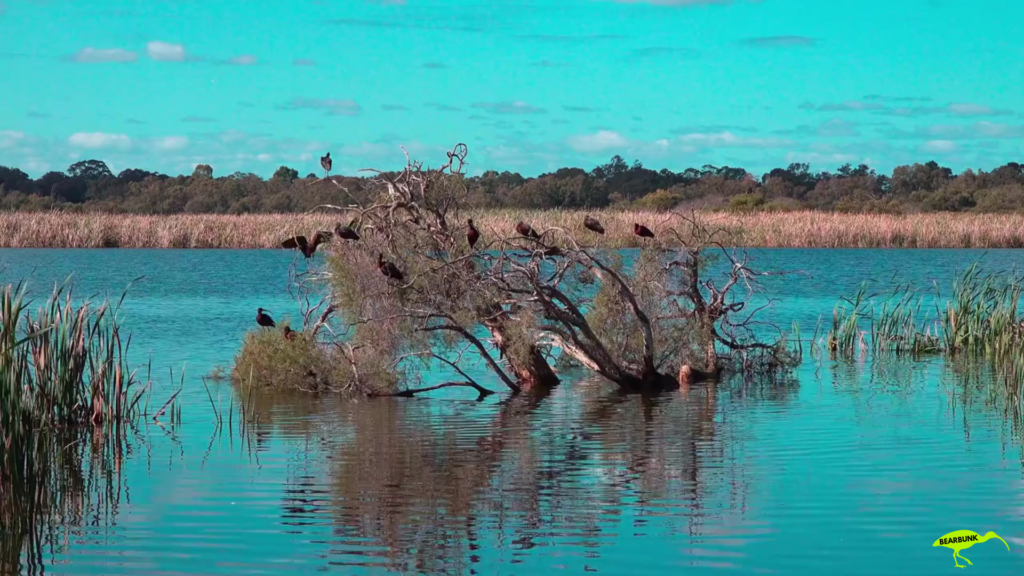
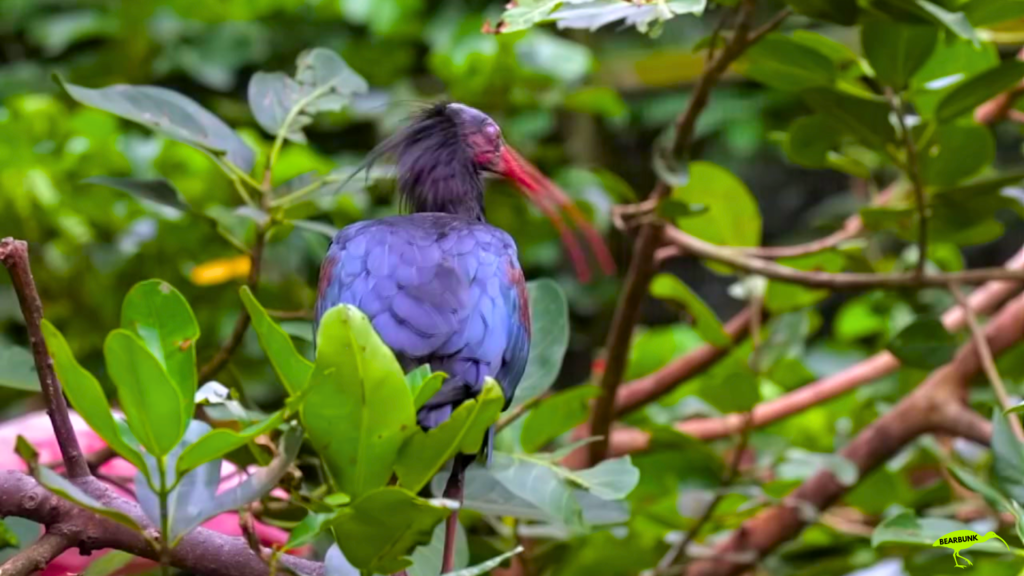
- Glossy Ibis (Plegadis falcinellus) – Dark with a beautiful green and purple iridescent shine, found across multiple continents.
Habitat
Ibises live in wetlands across the globe, including marshes, swamps, lagoons, mangrove forests, riverbanks, estuaries, and shallow lakes. These watery environments provide the perfect conditions for finding food.
Some species, especially the white ibis in the southeastern United States, have adapted to life near humans. They are commonly seen in parks, golf courses, neighborhoods, and even along roadsides, where grassy areas and ponds provide easy feeding opportunities.
Diet
Burrowing owls have a very flexible diet and will eat whatever prey is most abundant in their hIbises eat a wide variety of small animals, including insects, worms, snails, small fish, and crustaceans like crabs and crayfish.
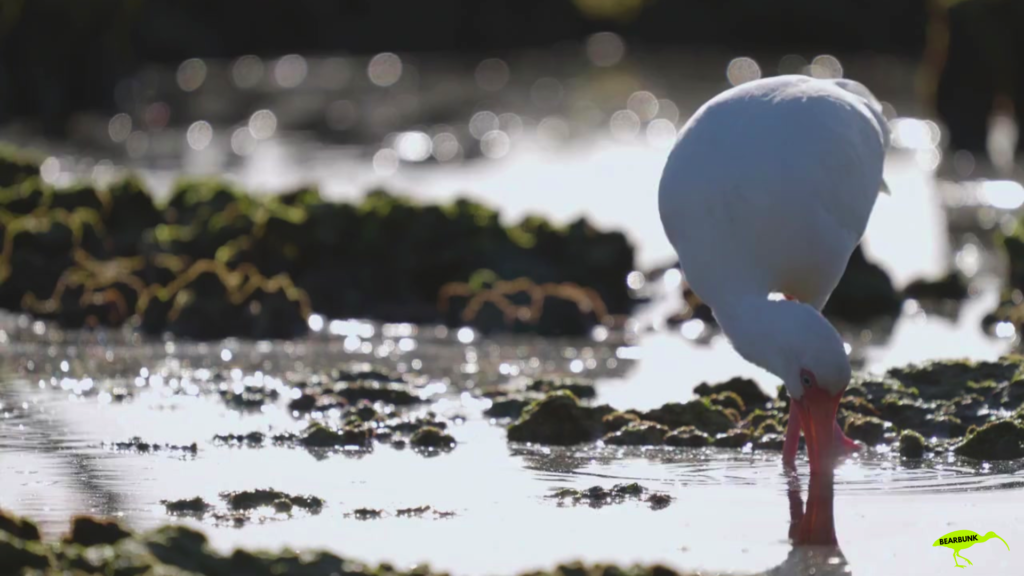
Instead of relying on sight, they use their long curved beaks as sensitive tools. As they walk through shallow water or soft mud, they sweep their bills side to side, feeling for movement. The moment they detect prey, they snap their beak shut with impressive speed—allowing them to feed even in murky water.
Share On Social:
Mating & Raising Young
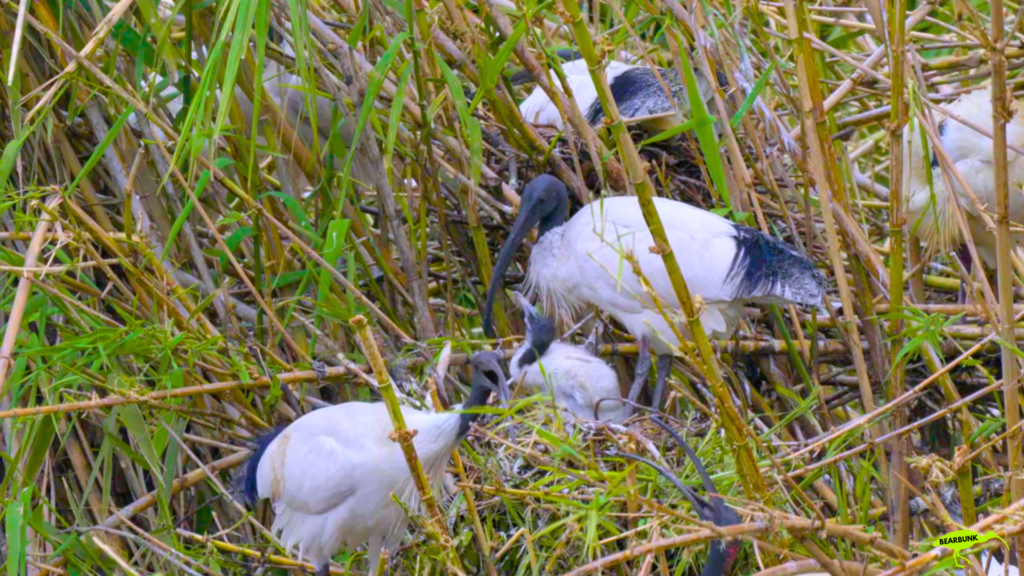
During breeding season, ibises gather in large colonies, often nesting in trees, mangroves, or dense shrubs.
Males perform small displays to attract mates, and once paired, both parents help build a simple nest made of sticks and vegetation. Females usually lay two to four eggs, and both parents take turns incubating them for about three weeks.
After hatching, chicks are completely dependent on their parents. Both mother and father feed and protect them until they are strong enough to move around and eventually learn to fly.
Behavior & Social Life
Ibises are highly social birds. They often live, feed, and travel in groups that can range from small flocks to large colonies of hundreds.
While feeding, they spread out across shallow water or grassy areas, moving slowly as they search for food. At night, they gather in communal roosts in trees or dense vegetation, creating lively, noisy gatherings.
They are also strong fliers and often travel together in loose formations, their long necks stretched forward and legs trailing behind in a graceful silhouette.
Physical Features & Adaptations
Ibises are built perfectly for life in shallow water.
- Long legs allow them to wade easily
- Slim bodies and graceful necks help with balance and movement
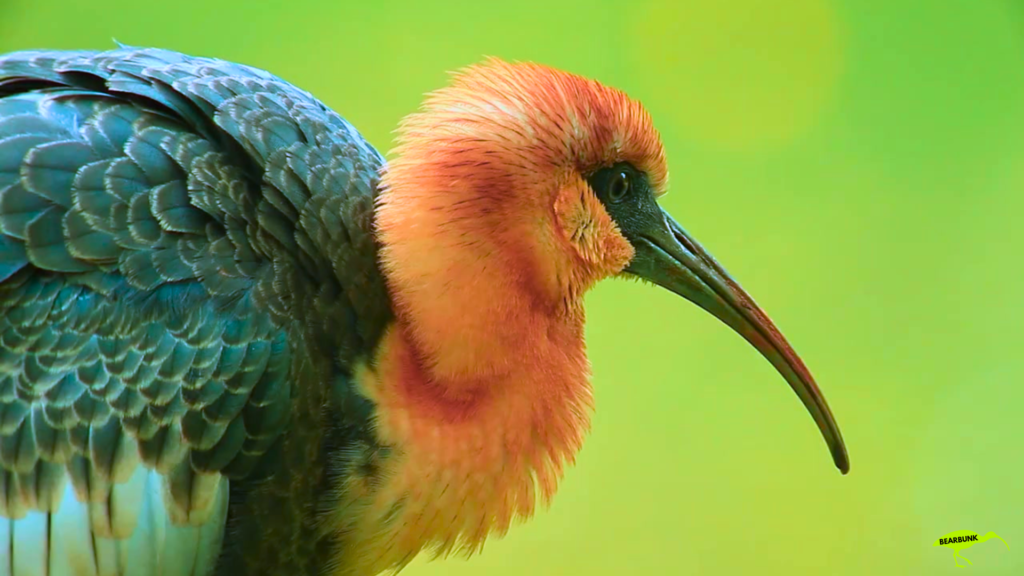
- Their most defining feature is the long, downward-curved beak
This curved bill acts like a natural sensor. Instead of relying on sight, ibises use touch to detect prey hidden beneath the surface, making them highly effective hunters in muddy or low-visibility conditions.
Color & Appearance
Ibises vary widely in color depending on the species.
- Some are bright white (like the white ibis)
- Others are deep red (like the scarlet ibis)
- Some shimmer with metallic greens, purples, and bronze tones (like the glossy ibis)
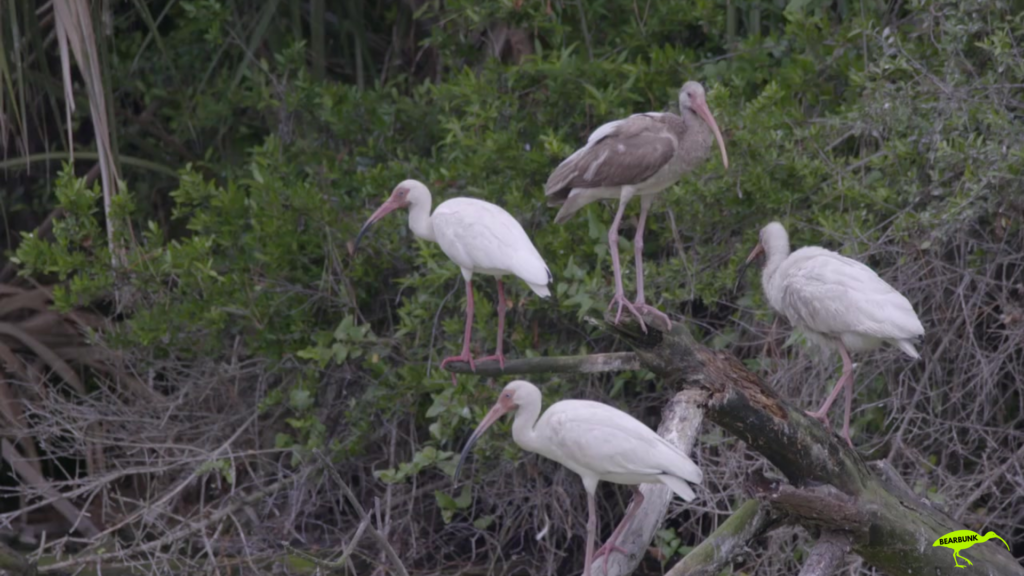
Young ibises are often duller in color, usually brown or gray, and develop their adult coloration as they mature. In some species, like the scarlet ibis, color intensity is influenced by diet.
Interactions with Humans
Ibises are one of the more familiar wild birds in certain regions, especially in Florida and other parts of the southeastern United States.
They are frequently seen walking through neighborhoods, parks, and golf courses, often appearing comfortable around people. Their presence can be a great opportunity for wildlife observation, but it’s important not to feed them, as human food can disrupt their natural diet and behavior.
Their adaptability to human environments highlights both their resilience and the importance of preserving natural wetland habitats.
Fun Facts
- Touch Experts – Ibises find food by feeling, not seeing.
- Growing Curve – Their beaks start straighter and curve as they mature.
- Color from Diet – Some species get their bright colors from what they eat.
- Social Birds – They often live in large, active groups.
- Ancient Symbol – In ancient Egypt, ibises were linked to wisdom and knowledge.
About Ibis
Common Name: Ibis
Scientific Name: Threskiornithidae
Family: Threskiornithidae
Subfamily: Varies by species
Size: 20–30 inches tall
Weight: 1–3 pounds
Lifespan: 15–20 years
Location: Worldwide (except Antarctica)
Habitat: Wetlands, marshes, coastal areas, and nearby human environments
Diet: Insects, crustaceans, worms, snails, and small fish
Conservation Status: Varies by species
Ibises are elegant wading birds known for their long curved beaks and social nature. Their unique feeding method and adaptability allow them to thrive in both natural wetlands and human-influenced environments, making them one of the most recognizable birds in many parts of the world.
Why We Love Them
Ibises are the perfect blend of beauty and function. Their graceful movements, striking colors, and unique feeding style make them fascinating to watch. Whether seen in a quiet marsh or walking through a neighborhood lawn, they offer a glimpse into how well wildlife can adapt while still remaining true to its natural design.
Conclusion
From ancient symbolism to modern-day sightings in parks and wetlands, ibises continue to capture our attention. Their curved beaks, social lifestyles, and adaptability make them truly remarkable birds. The next time you see one sweeping its beak through the water, you’ll know there’s much more going on than meets the eye.
Learn More:
Watch the full Video on YouTube:
What Is That Beak! The Amazing World of Ibises! – YouTube
Read more about:




Leave a Reply