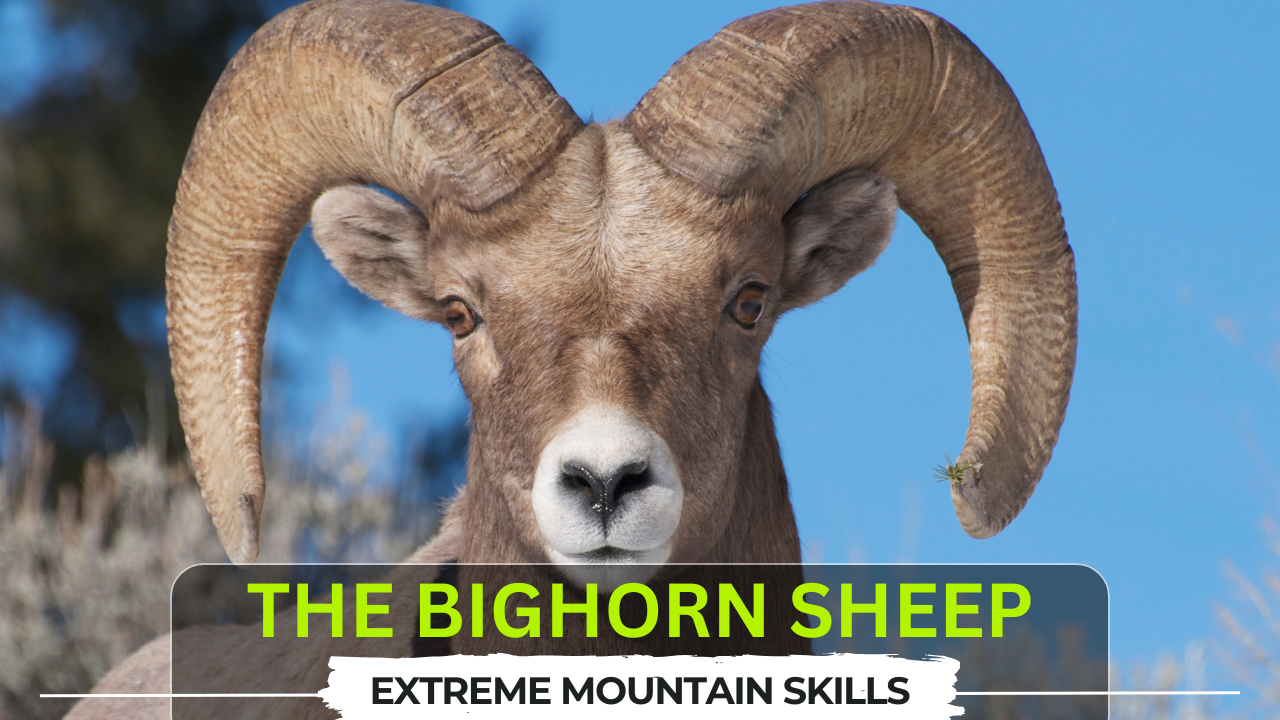
Meet the Bighorn Sheep
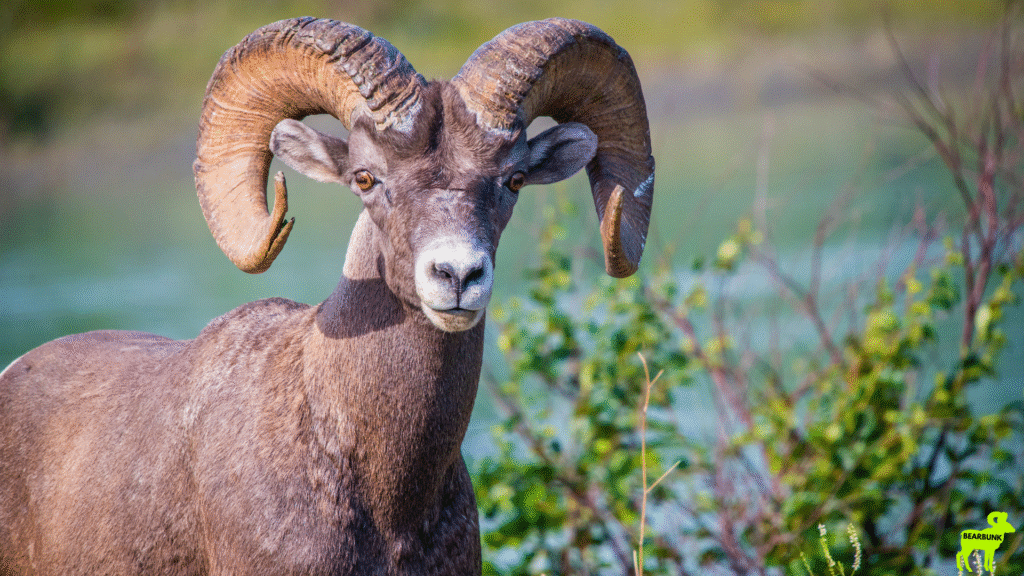
Bighorn sheep are some of the most iconic animals in North America. With massive curled horns, natural agility, and the ability to climb cliffs that seem impossible, these incredible animals have adapted to thrive in rugged landscapes where few others can survive. In this article, we explore their habitat, behavior, diet, social structure, and the surprising adaptations that make bighorn sheep true masters of the mountains.
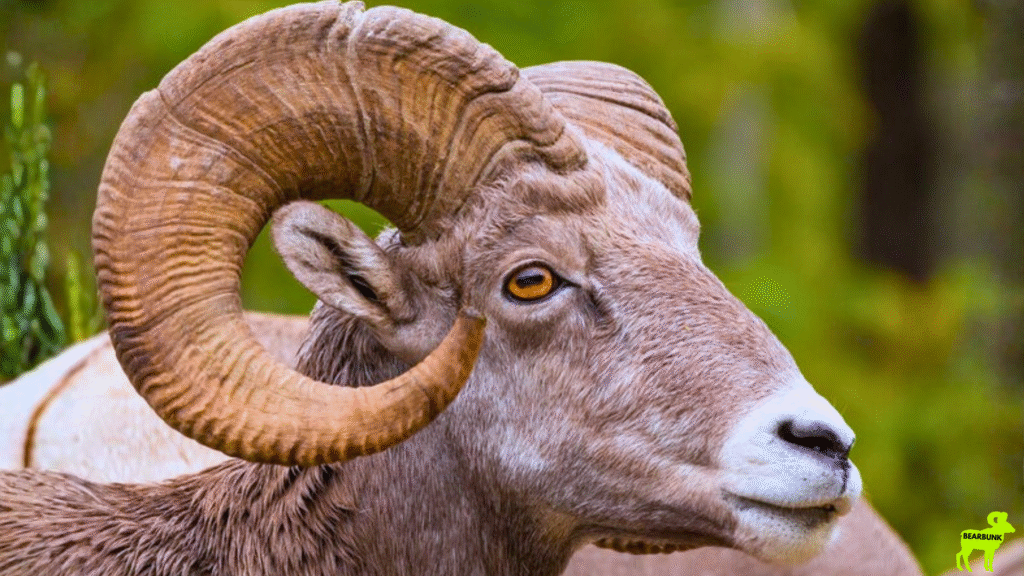
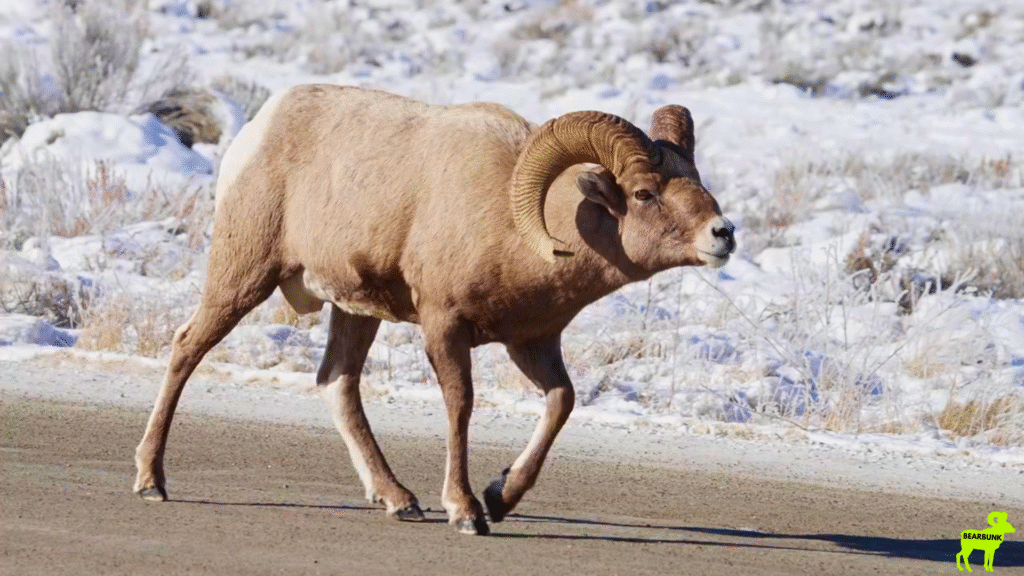
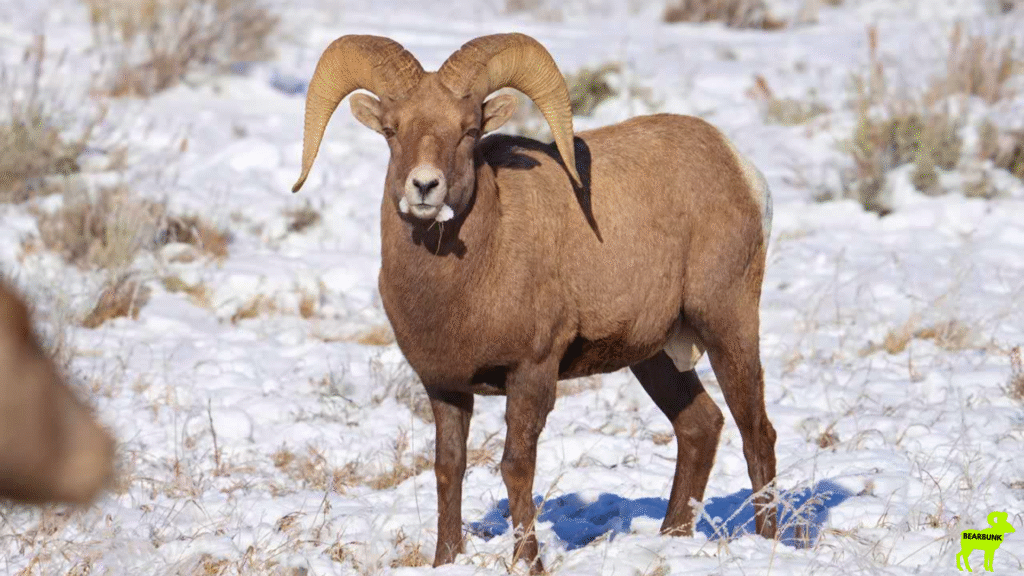
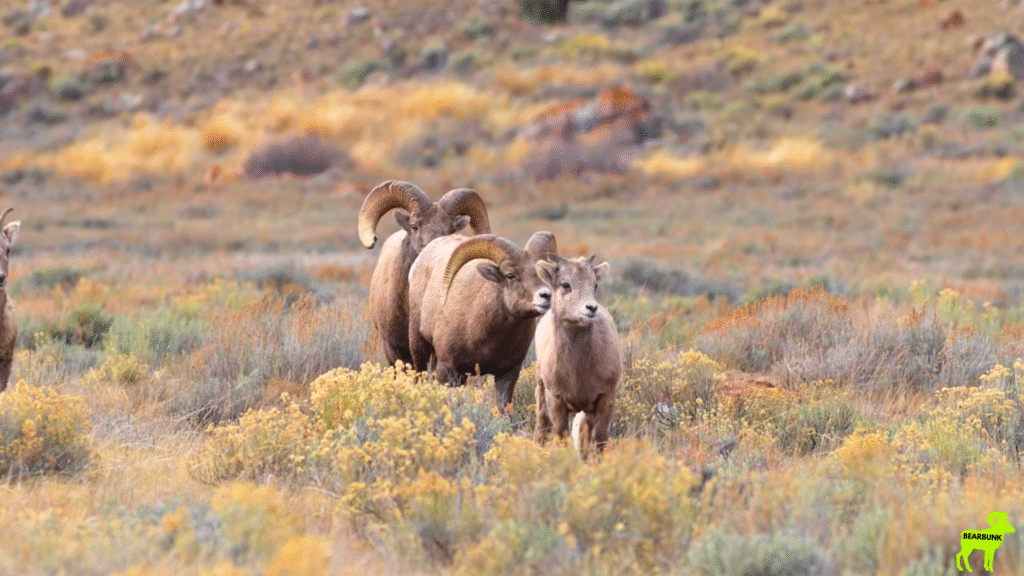
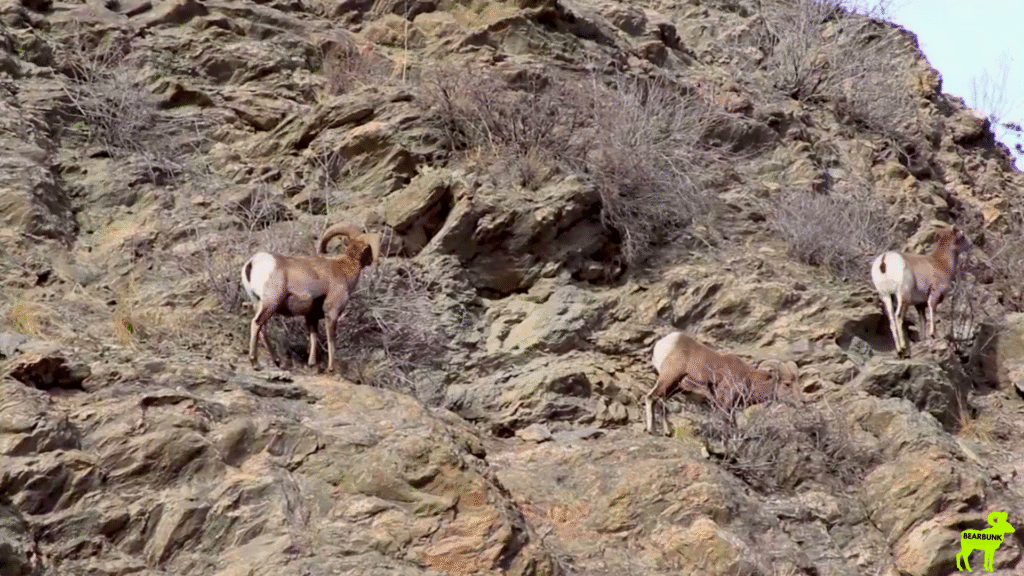
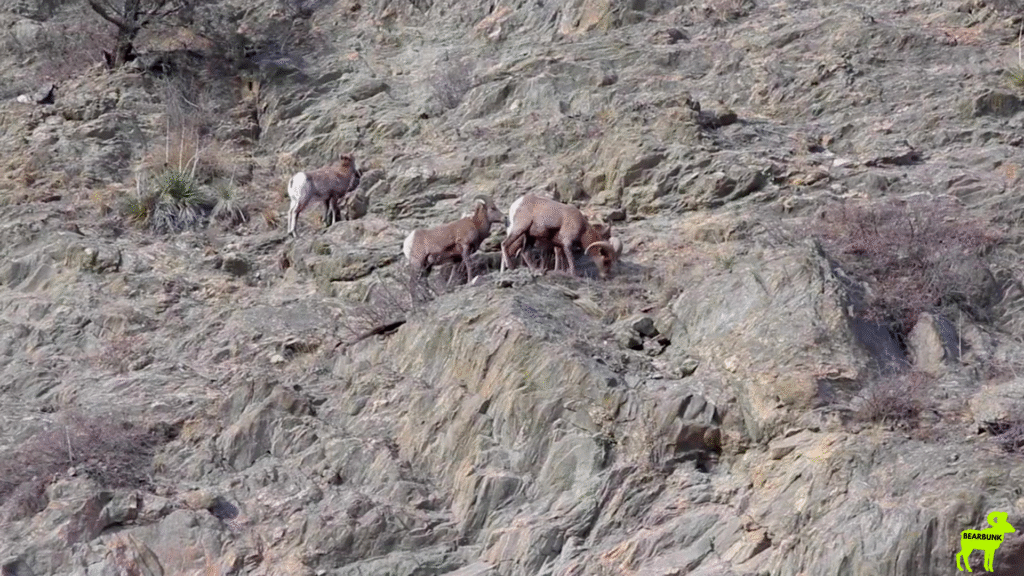
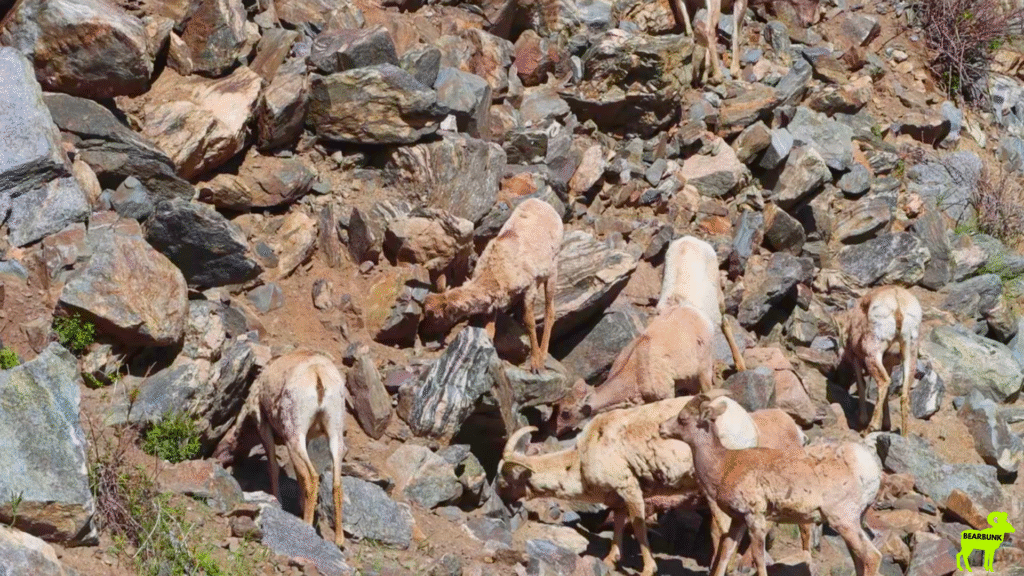
Species of Bighorn Sheep
Not all bighorn sheep are the same — in fact, several subspecies exist, each shaped by the terrain they call home. These are the main groups.
Bighorn Sheep
Ovis canadensis
One of the most recognizable hoofed mammals in North America, famous for their curled horns and mountain-climbing abilities.
Subspecies
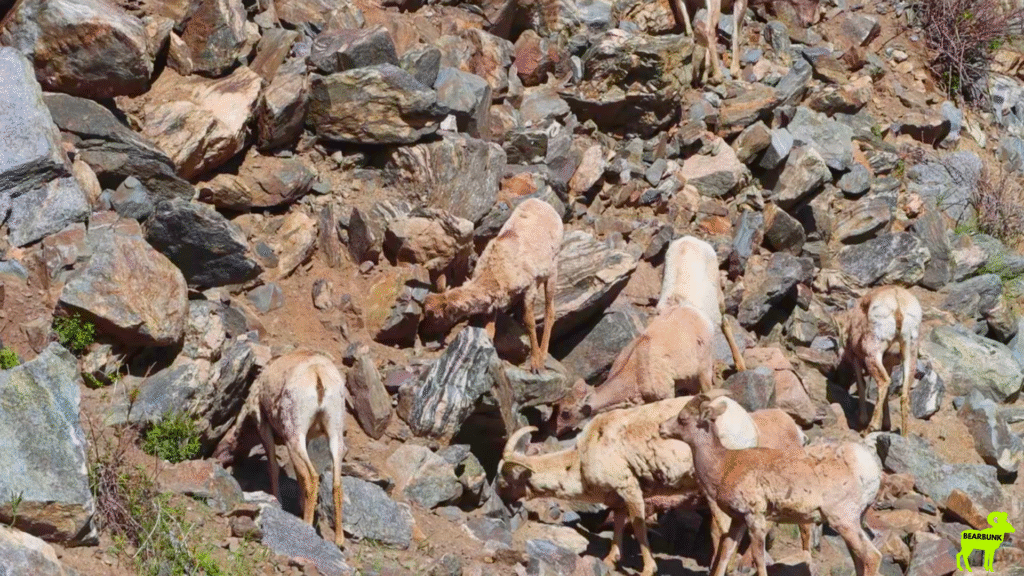
Rocky Mountain Bighorn Sheep
Ovis canadensis canadensis
The largest subspecies, living in steep, high-elevation mountain ranges with snowy winters and rocky cliffs.
Sierra Nevada Bighorn Sheep
Ovis canadensis sierrae
A rare and endangered subspecies found only in California’s Sierra Nevada mountains, known for their incredible agility on granite slopes.
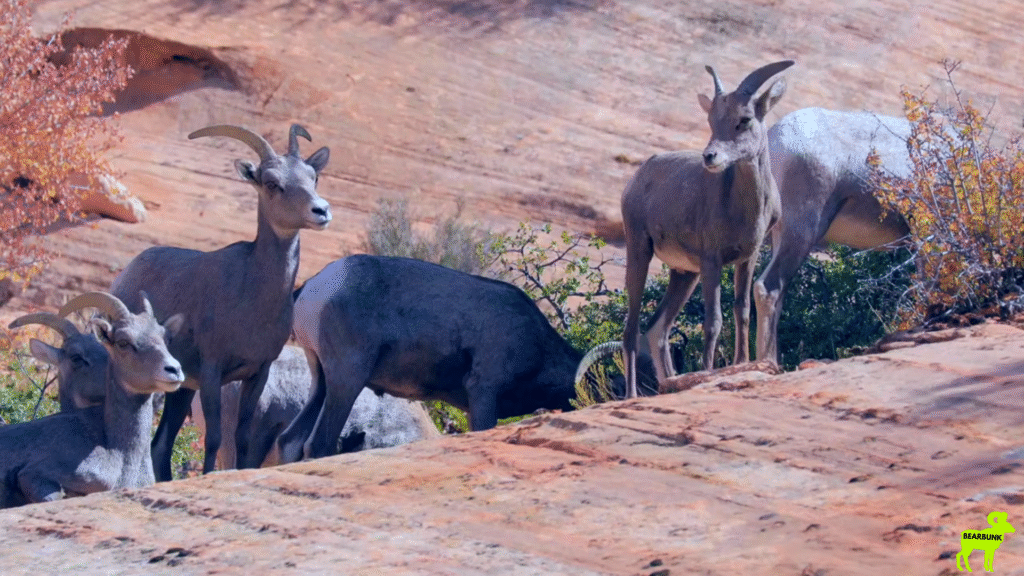
Desert Bighorn Sheep
Ovis canadensis nelsoni
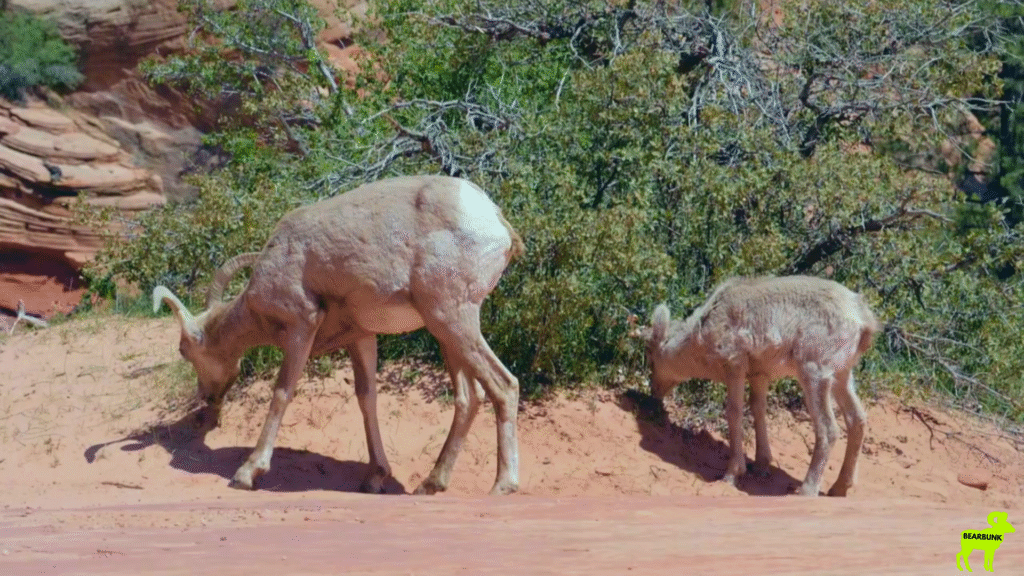
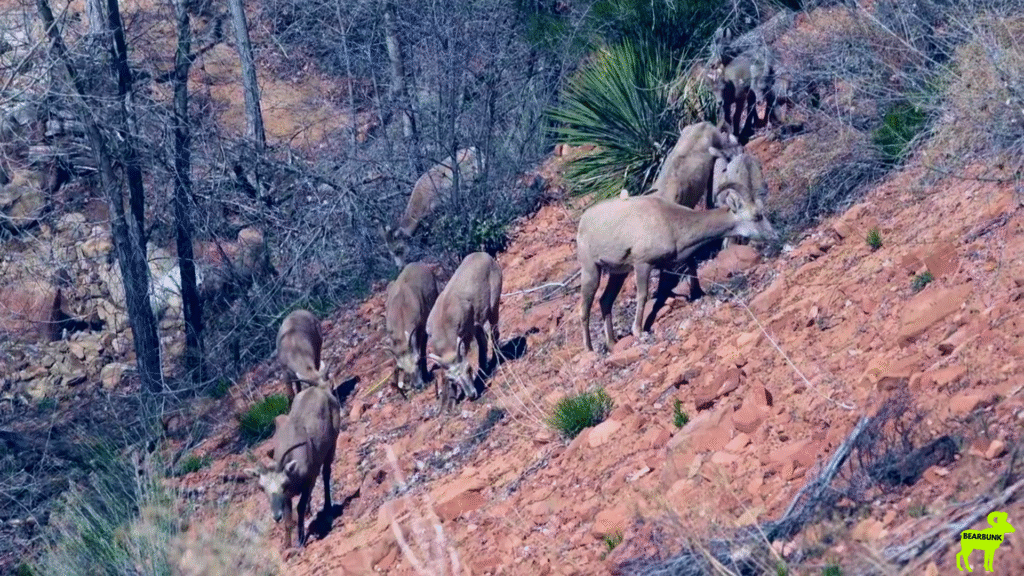
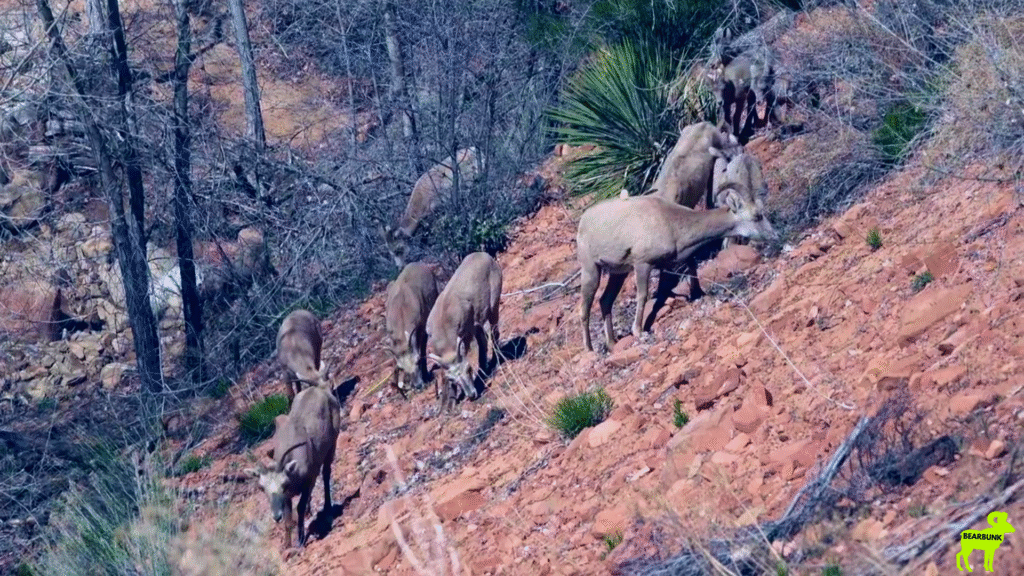
Adapted for life in extreme heat, these sheep survive in arid deserts across the American Southwest and can go long periods without drinking water.
Together, these subspecies show how adaptable bighorn sheep are, thriving in landscapes that range from high mountain peaks to scorching desert canyons.
Habitat
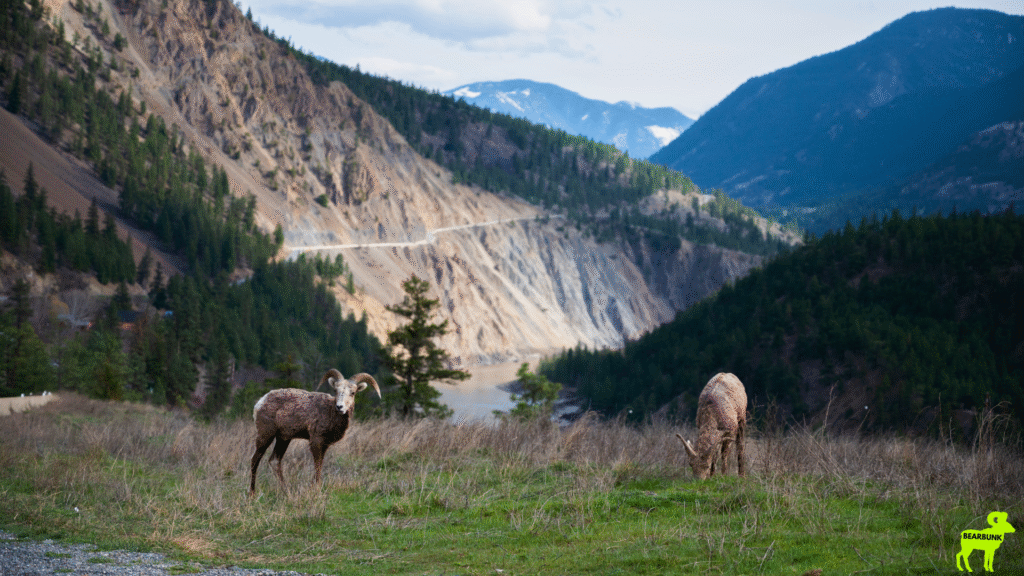
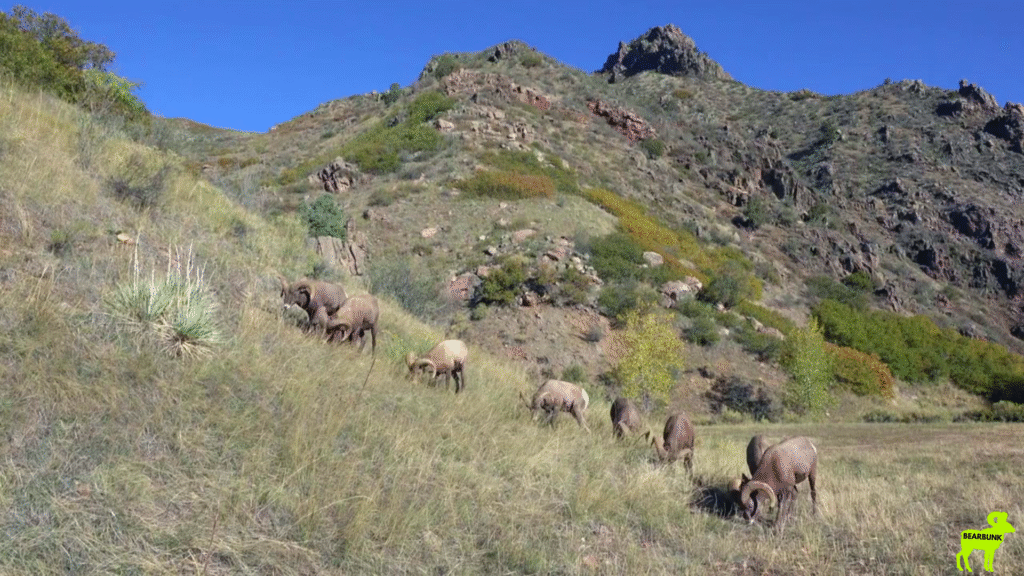
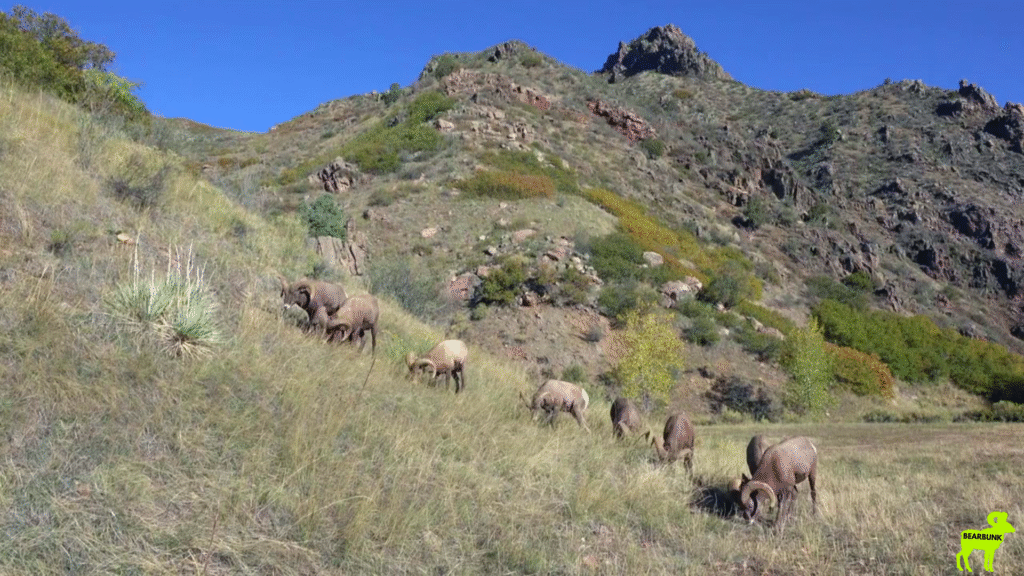
Bighorn sheep live in some of the most rugged environments in North America. They prefer steep cliffs, rocky outcroppings, and wide-open slopes where they can see predators and escape danger quickly. Their hooves have rough, textured pads that grip rocks like natural climbing shoes, allowing them to move safely across narrow ledges and uneven terrain.
Rocky Mountain bighorns occupy high-elevation ranges in states like Colorado, Montana, and Wyoming. Sierra Nevada bighorns specialize in steep granite peaks. Desert bighorns thrive in hot, dry canyons and rocky deserts, including areas of Arizona, Nevada, and California.
You can sometimes spot them in national parks such as Yellowstone, Glacier, Zion, and Death Valley.
Diet
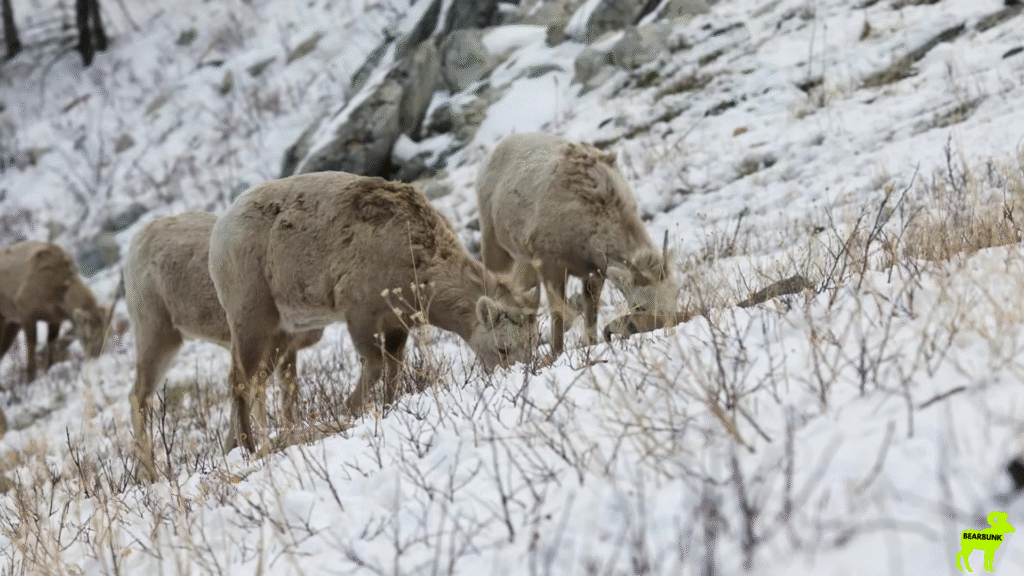
Bighorn sheep are herbivores whose diet changes with the seasons.
Spring–Summer:
• Fresh grasses
• Sedges
• Wildflowers
• Clover
Fall–Winter:
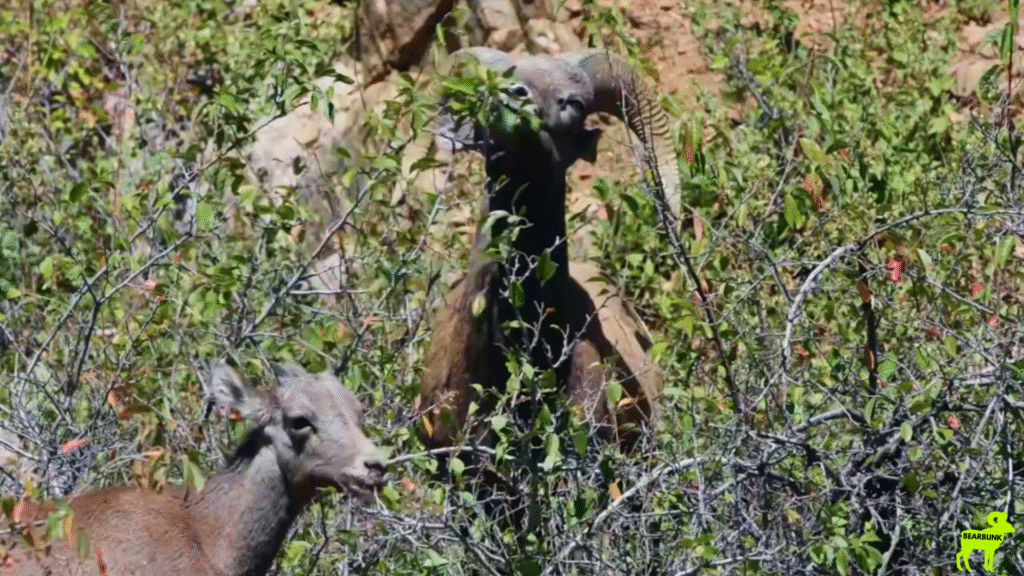
• Shrubs
• Woody plants
• Dried grasses
• Moss and lichens
Desert bighorns are especially remarkable — they often get enough moisture from plants to survive days or even weeks without standing water. Their sense of smell is so strong that they can detect hidden water sources within complex canyon systems.
Share On Social:
Mating & Raising Young
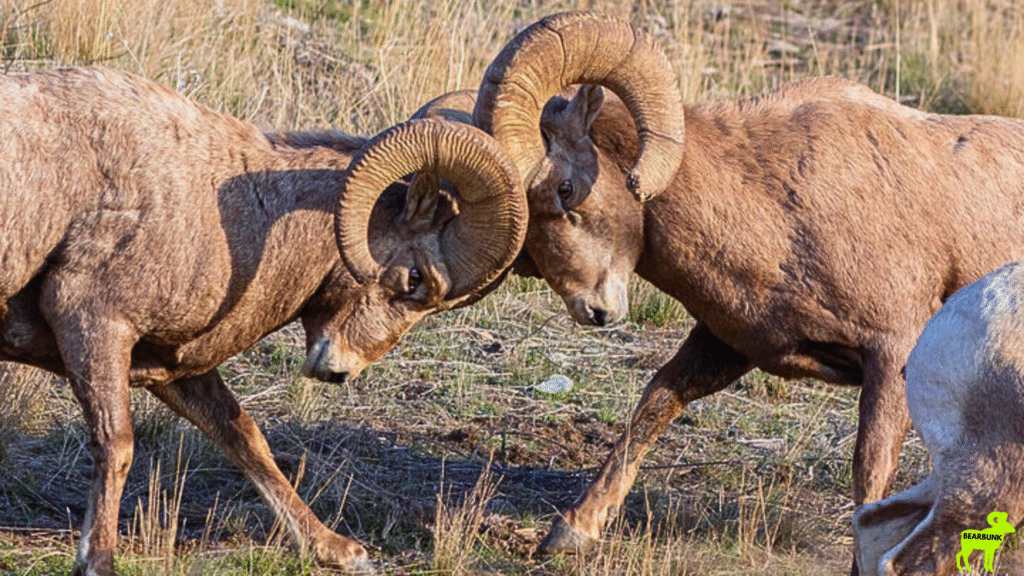
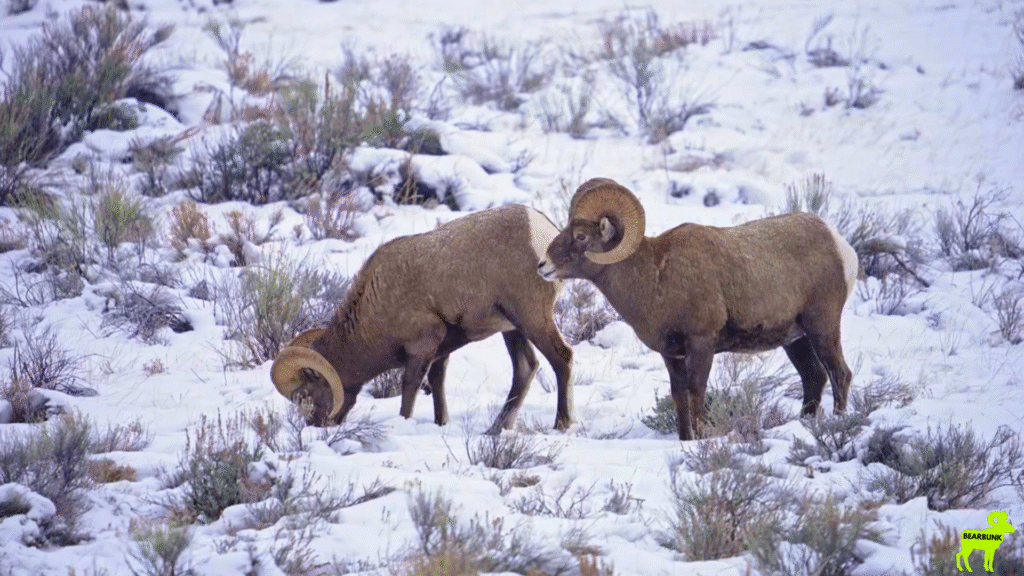
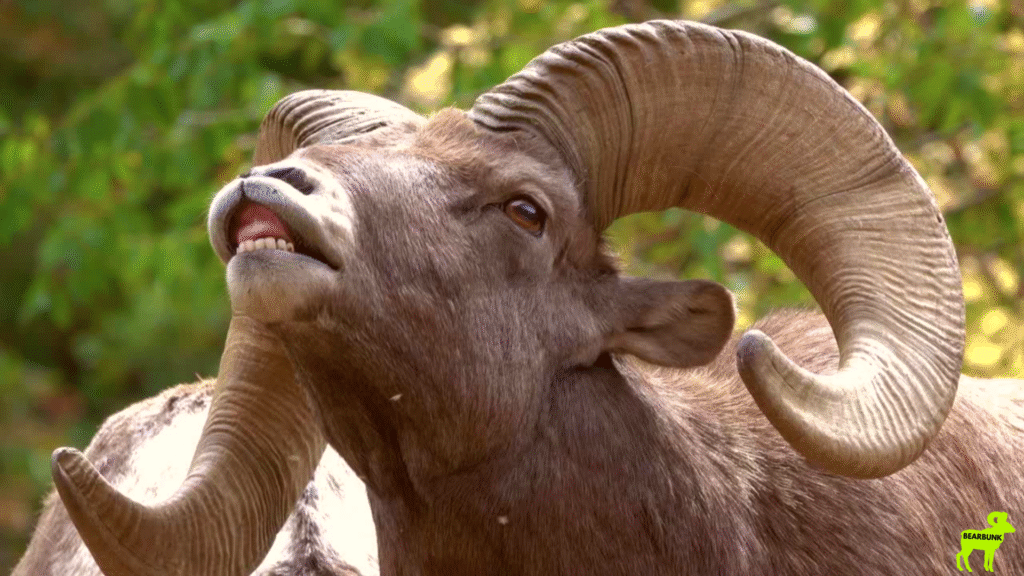
Mating season, known as the rut, takes place in late fall. During this dramatic time, rams compete by charging at one another and colliding horns at speeds up to 20 miles per hour. Thanks to thick skulls and shock-absorbing horn structures, these battles rarely cause serious injury.
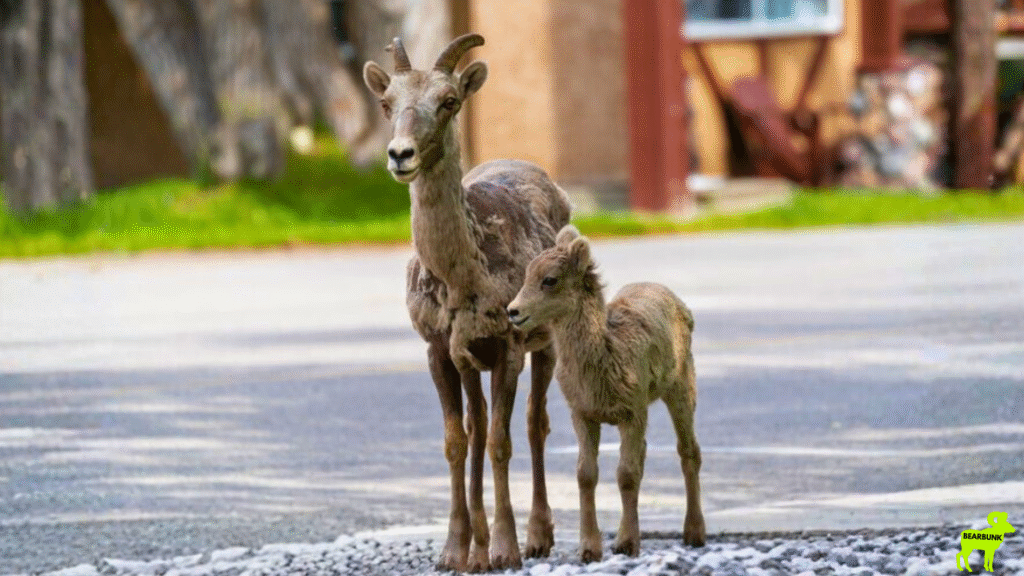
After mating, rams stay close to the ewes for several days. The gestation period lasts around six months, with lambs usually born in spring. Within hours, lambs can stand and follow their mothers, learning to navigate rocky slopes with surprising confidence. Their horns begin as tiny bumps and grow steadily throughout their lives.
Ewes form close-knit nursery groups, providing protection and teaching young lambs the safest routes across the terrain.
Fun Facts
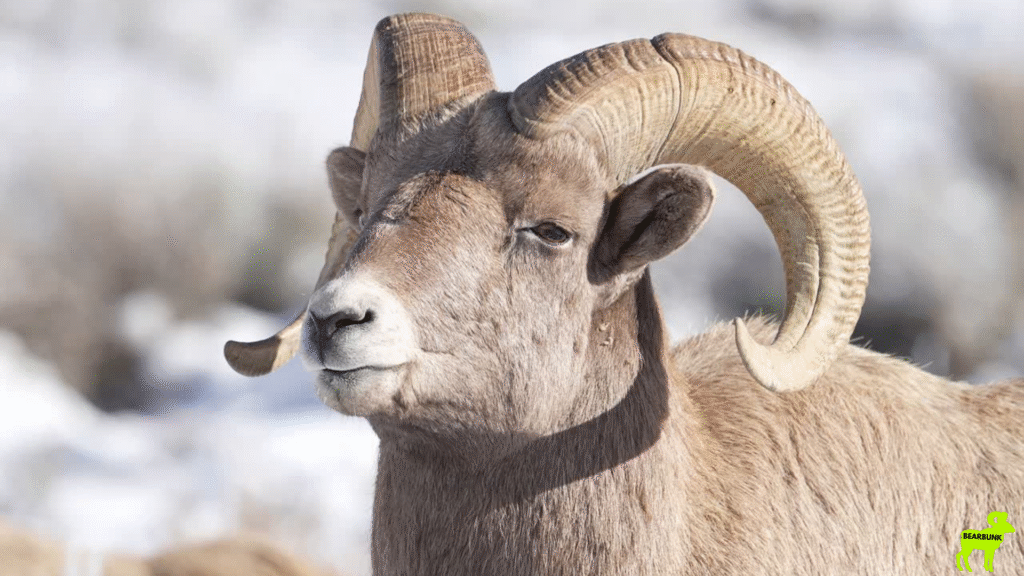
• A ram’s horns can weigh up to 30 pounds, heavier than the bones in the rest of its body combined.
• They can jump over 6 feet horizontally and about 5 feet vertically.
• Their specialized hooves act like built-in climbing shoes, giving them excellent traction.
• Bighorn sheep have wide-angle vision and can detect movement from long distances.
• They often reuse the same trails for many years, passing safe routes down through generations.
• Ewes live in family groups, while rams typically form bachelor herds except during mating season.
• Desert bighorns can survive long periods without water by eating moisture-rich vegetation.
About Bighorn Sheep
Common Name: Bighorn Sheep
Scientific Name: Ovis canadensis
Family: Bovidae
Subfamily: Caprinae
Size: 3–4 ft at the shoulder (rams), slightly smaller for ewes
Weight: 160–320 lbs (rams); 75–180 lbs (ewes)
Lifespan: 10–15 years in the wild
Location: Western United States, Canada, northern Mexico
Habitat: Mountain cliffs, rocky terrain, canyons, deserts
Diet: Grasses, shrubs, flowering plants, mosses
Conservation Status: Varies; some populations stable, others threatened or endangered
Bighorn sheep are built for life in rugged terrain. Their powerful legs, specialized hooves, and spiraling horns help them navigate dangerous cliffs and survive in tough environments where agility and balance are essential. These natural athletes are symbols of strength, adaptability, and the wild beauty of North America.
Why We Love Them
Whether they’re sprinting across a steep slope, leaping between boulders, or standing proudly with their curled horns catching the sunlight, bighorn sheep are unforgettable animals. Their incredible athleticism, strong social bonds, and resilience in harsh landscapes make them some of the most fascinating creatures in the wild.
Conclusion
Bighorn sheep remind us of nature’s remarkable ability to adapt and thrive. Their climbing skills, seasonal behaviors, and iconic horns make them a favorite among wildlife enthusiasts. By learning more about these impressive animals, we gain a deeper appreciation for the rugged landscapes they call home and the wild lives they lead.
Watch the Video on YouTube:
Bighorn Sheep: North America’s Mountain Athlete – YouTube
Learn more about:






Leave a Reply