Meet the Pelican
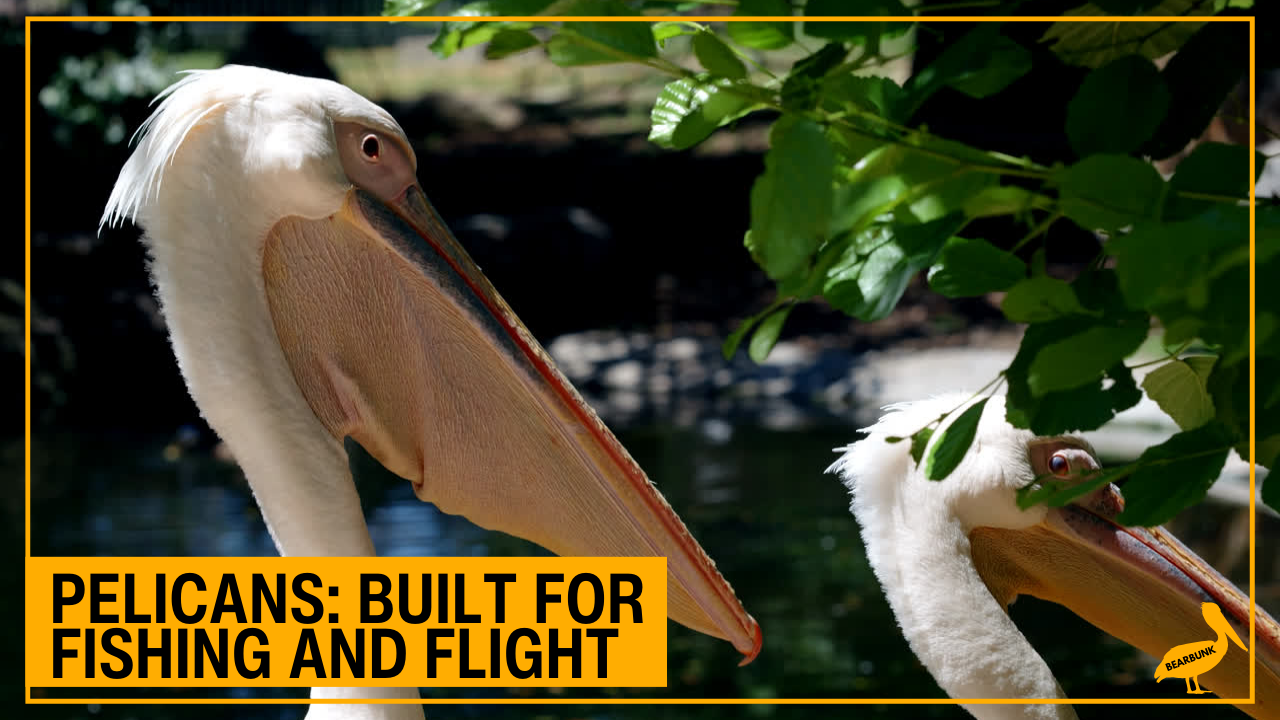
Pelicans are some of the most instantly recognizable birds on Earth. With their enormous beaks, expandable throat pouches, and wide wings that seem to float effortlessly through the air, they often leave people wondering how such a large bird can be so graceful.
While pelicans are commonly seen resting on docks or gliding over coastal waters, there is far more to these birds than meets the eye. They are highly specialized fishers, efficient long-distance flyers, and surprisingly social animals that have adapted perfectly to life around water. In this guide, we’ll take a deeper look at pelicans — where they live, how they hunt, how they raise their young, and what truly makes them built for fishing and flight.
Species of Pelicans
There are eight species of pelicans found around the world, each adapted to different regions and fishing styles.
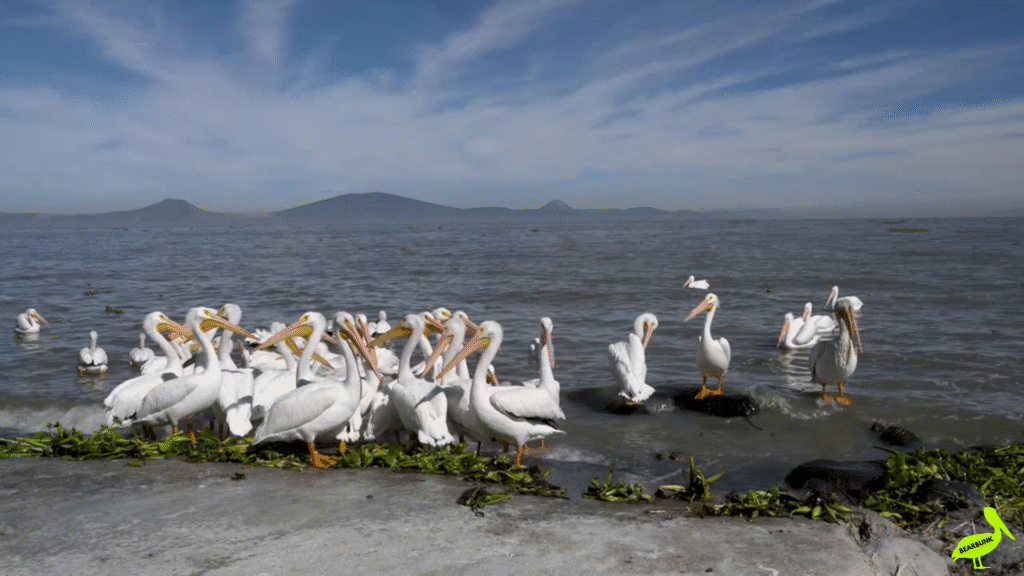
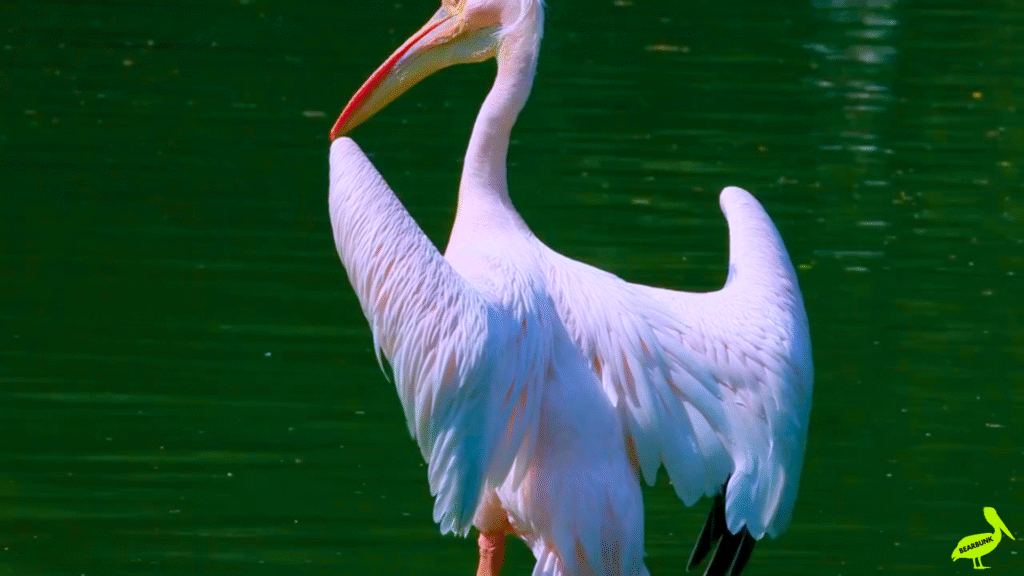
- American White Pelican (Pelecanus erythrorhynchos) – Large, bright white pelican found across North America, especially inland lakes and wetlands
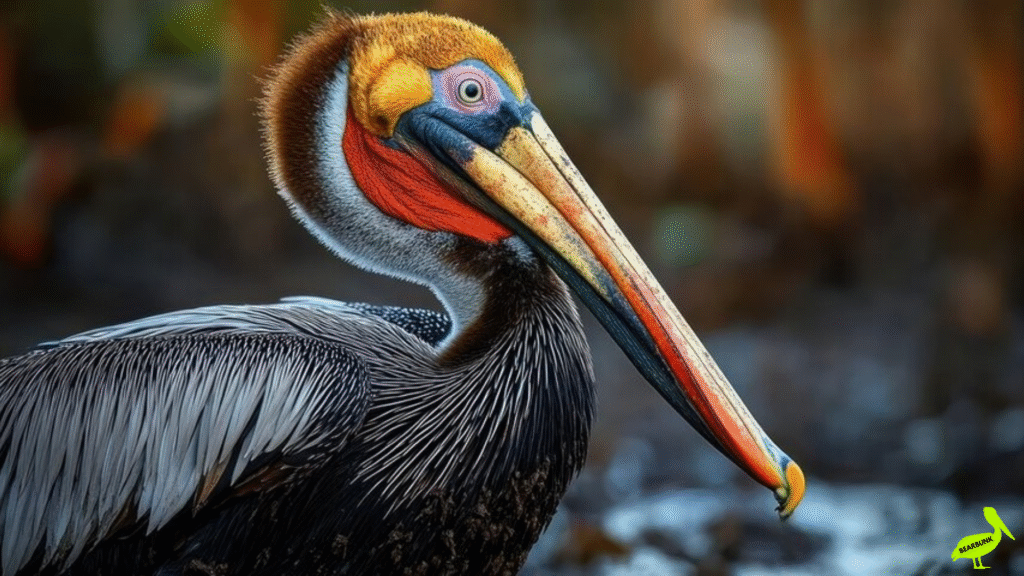
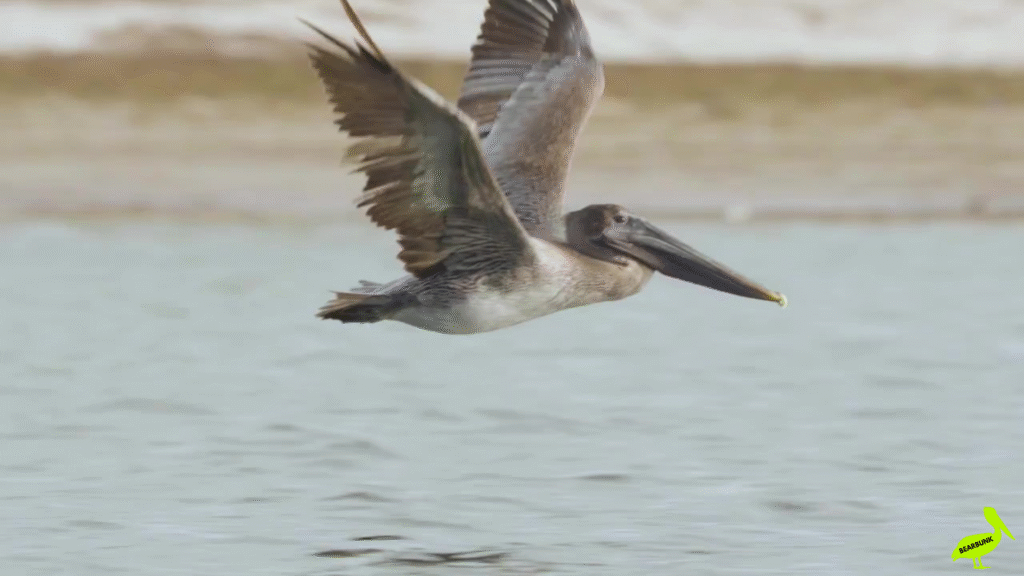
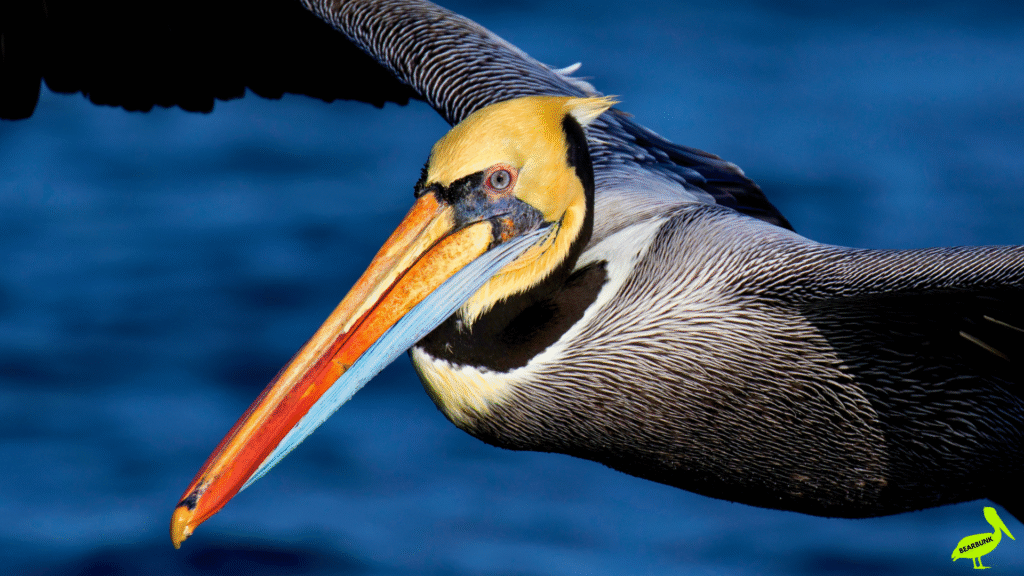
- Brown Pelican (Pelecanus occidentalis) – Coastal pelican known for dramatic dive-bomb fishing
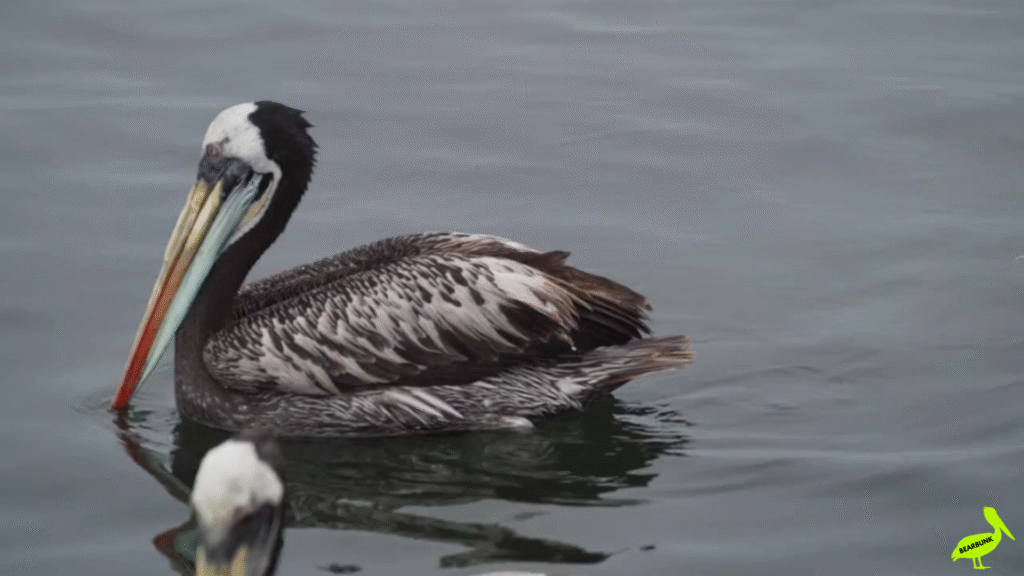
- Peruvian Pelican (Pelecanus thagus) – Powerful diver along the Pacific coast of South America
- Great White Pelican (Pelecanus onocrotalus) – One of the largest flying birds, found in Africa and parts of Europe
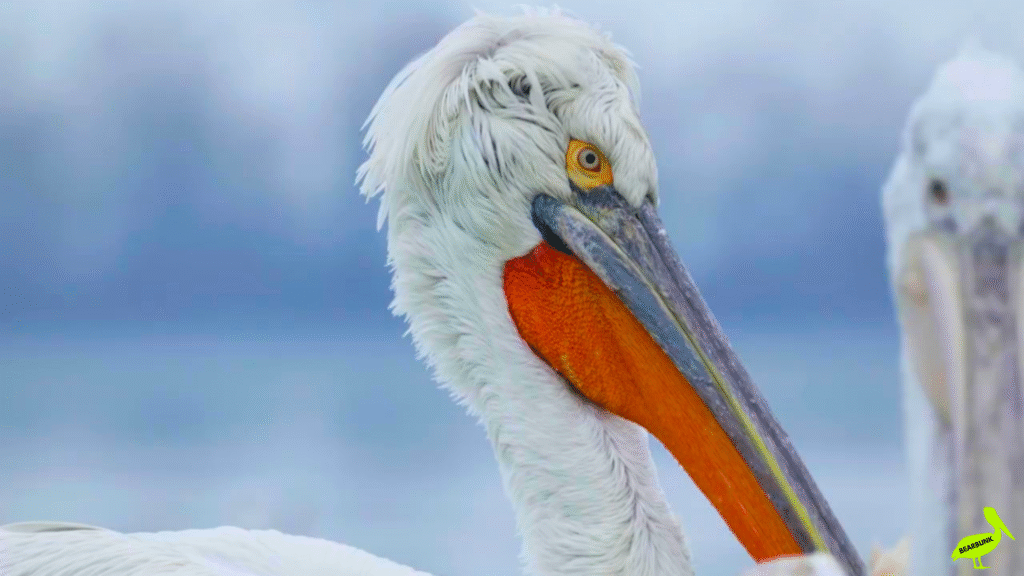
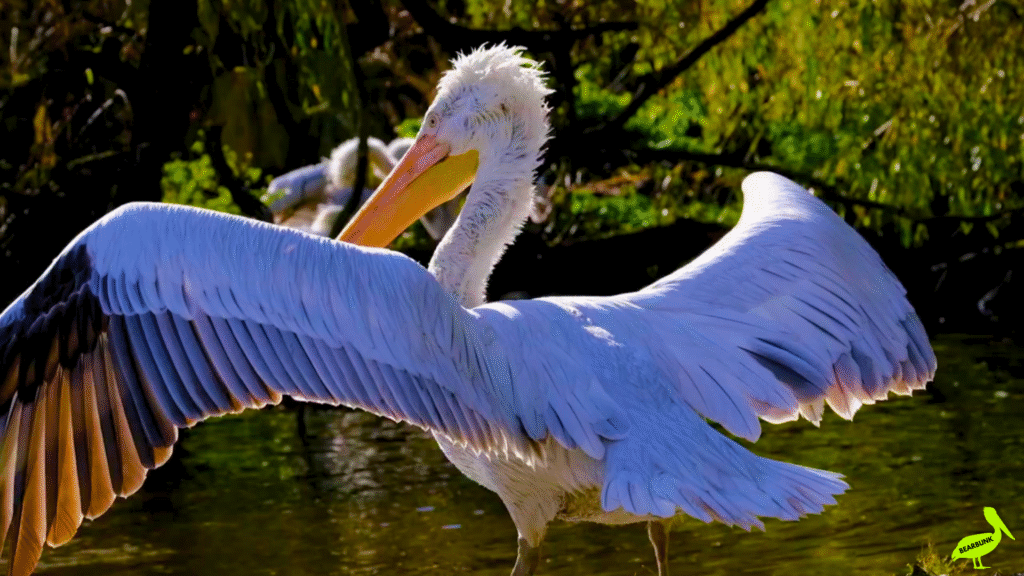
- Dalmatian Pelican (Pelecanus crispus) – The heaviest pelican species, with shaggy head feathers
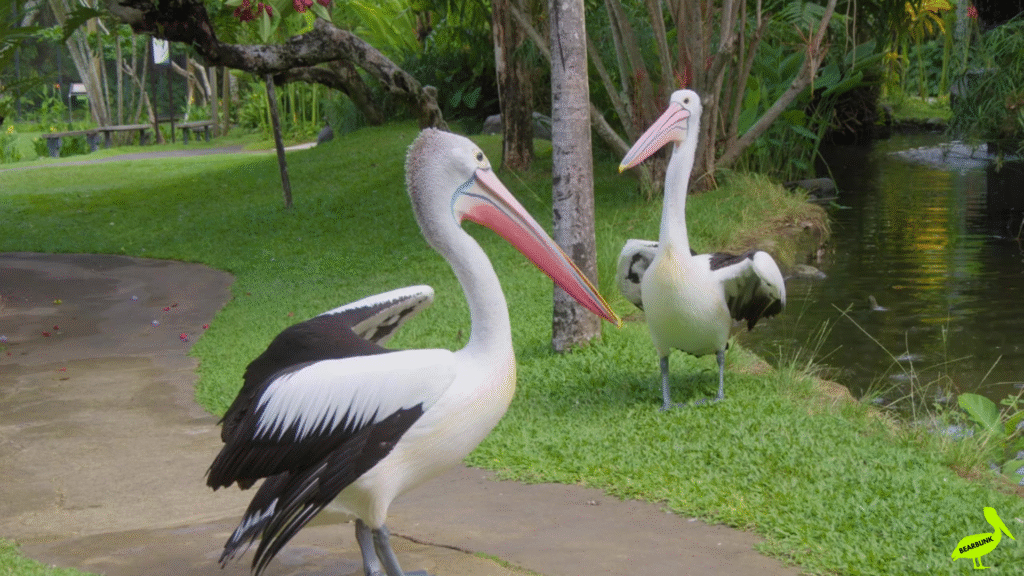
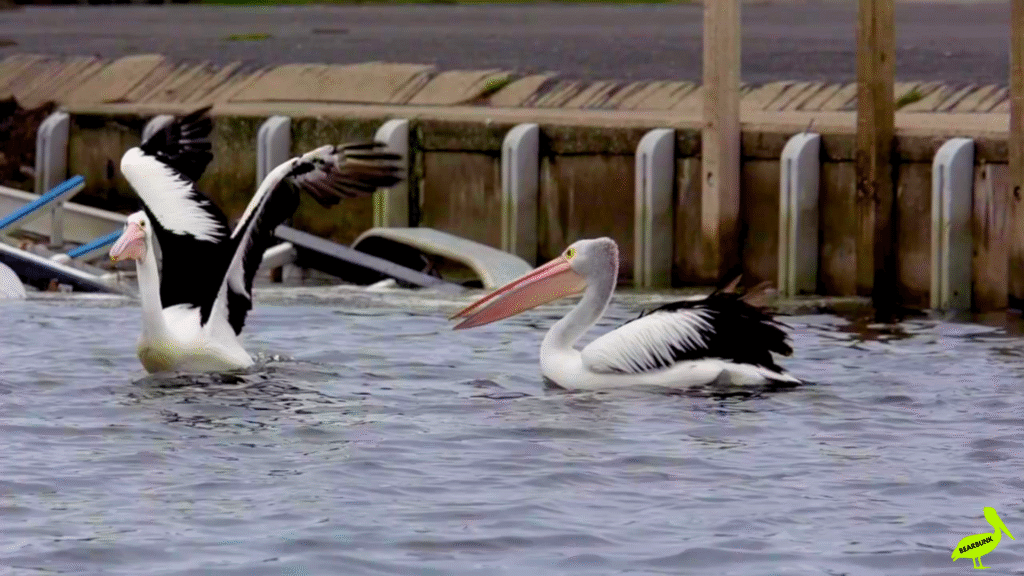
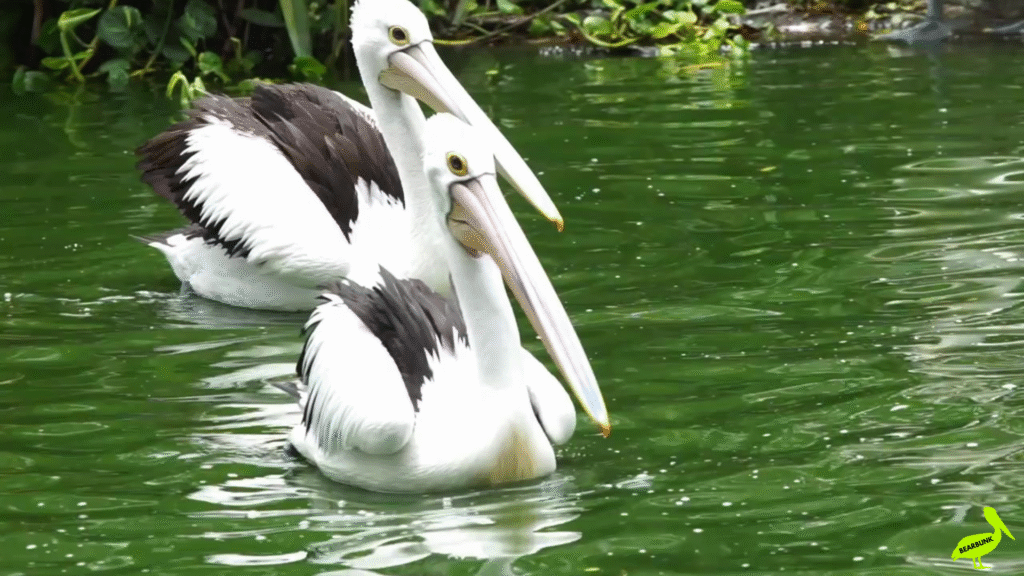
- Australian Pelican (Pelecanus conspicillatus) – Famous for its extremely long beak
- Pink-backed Pelican (Pelecanus rufescens) – Smaller pelican with soft pink tones
- Spot-billed Pelican (Pelecanus philippensis) – Identified by spots along the upper beak
Habitat
Pelicans are found on every continent except Antarctica, making them one of the most widely distributed groups of birds.
They live anywhere that provides:
- Open water
- Reliable fish populations
- Space for takeoff and landing
Habitats include:
- Ocean coastlines and seas
- Estuaries and bays
- Lakes and ponds
- Rivers and wetlands
Some species are strictly coastal, while others spend much of their lives far inland. Regardless of location, pelicans tend to choose calm waters where fishing is efficient and energy use is low.
Diet
Pelicans are fish specialists.
Their diet commonly includes:
- Sardines
- Anchovies
- Mullet
- Herring
- Minnows and small freshwater fish
Despite their massive beaks, pelicans do not chew. Fish are swallowed whole after excess water is drained from the pouch. An adult pelican typically eats 3 to 4 pounds of fish per day, adjusting intake depending on food availability.
Built for Fishing
The pelican’s beak is the longest of any living bird, sometimes measuring over a foot and a half in length. Attached to it is the iconic throat pouch — a flexible skin structure that works like a built-in fishing net.
The pouch allows pelicans to:
- Scoop fish and water together
- Drain water before swallowing
- Handle slippery prey efficiently
Contrary to popular belief, the pouch is not used for storage. It is a precision tool designed for fast, effective fishing.
Built for Flight
Pelicans may look bulky on land, but in the air they are exceptionally efficient flyers.
Key flight adaptations include:
- Wingspans reaching 8 to 11 feet
- Lightweight, hollow bones
- Highly efficient respiratory systems
Pelicans often soar using rising air currents, allowing them to travel long distances with minimal wing flapping. Some species can even lock their wings in place, gliding effortlessly for extended periods.
Social Behavior
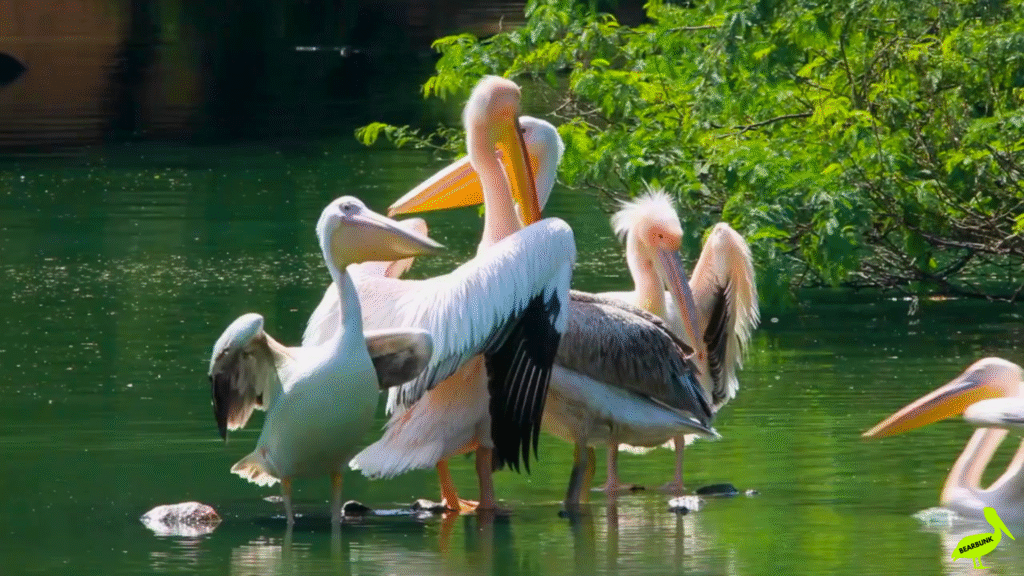
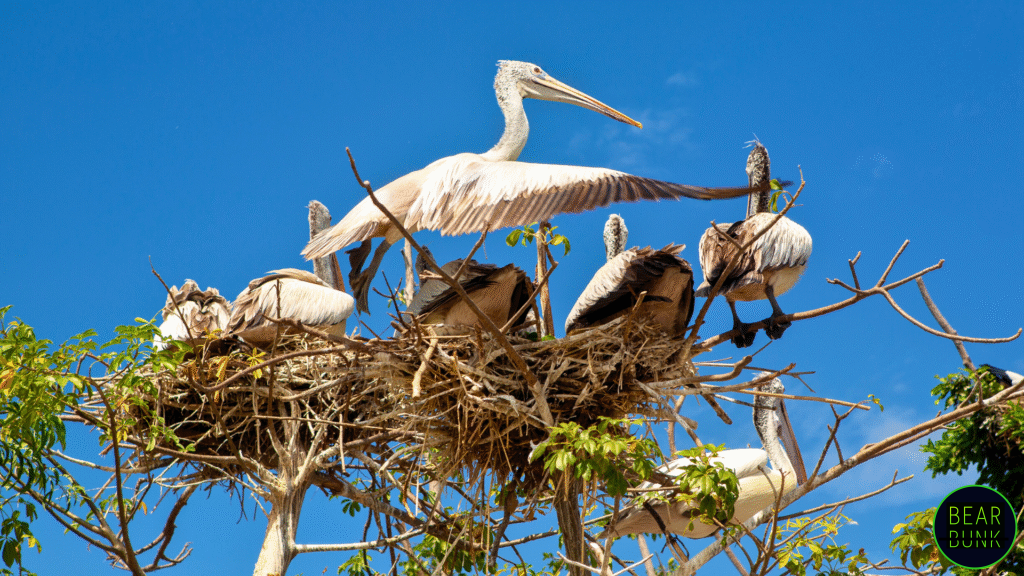
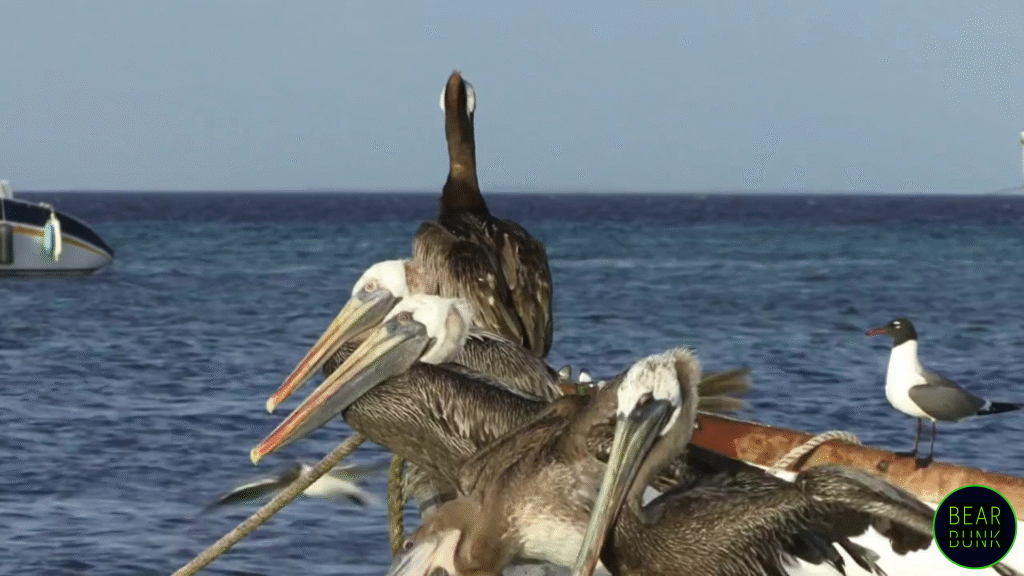
Pelicans are highly social birds. They are rarely seen alone and typically live in colonies ranging from small groups to hundreds of individuals.
Social behaviors include:
- Group resting and roosting
- Flying in loose formations
- Cooperative fishing
Some species work together to herd fish into shallow water, increasing feeding success for the entire group.
Share On Social:
Mating & Raising Young
Breeding season varies by region but generally occurs when food is abundant and conditions are favorable.
Pelicans:
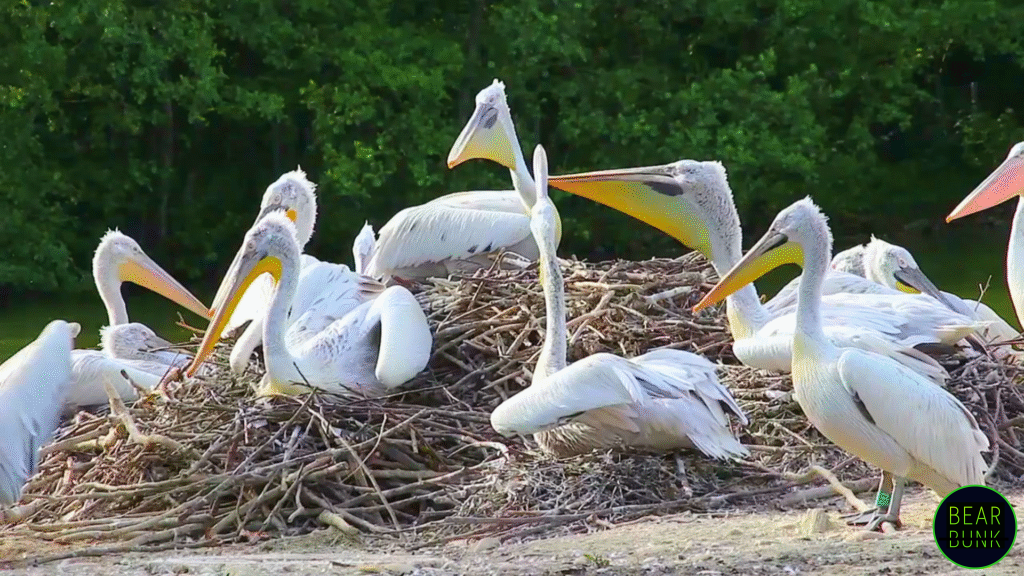
- Form large nesting colonies
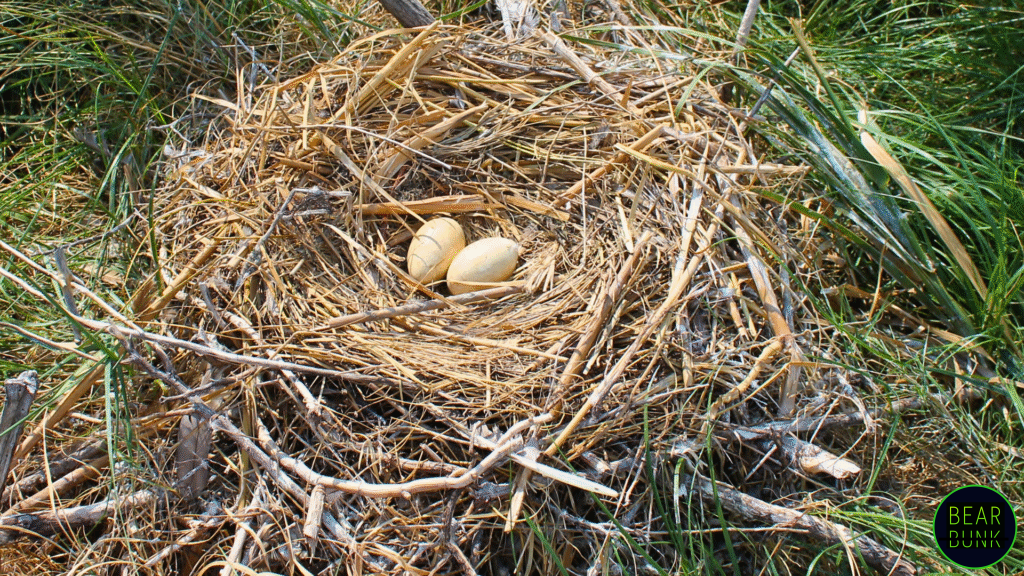
- Build simple ground or vegetation nests
- Lay 2–3 eggs per clutch
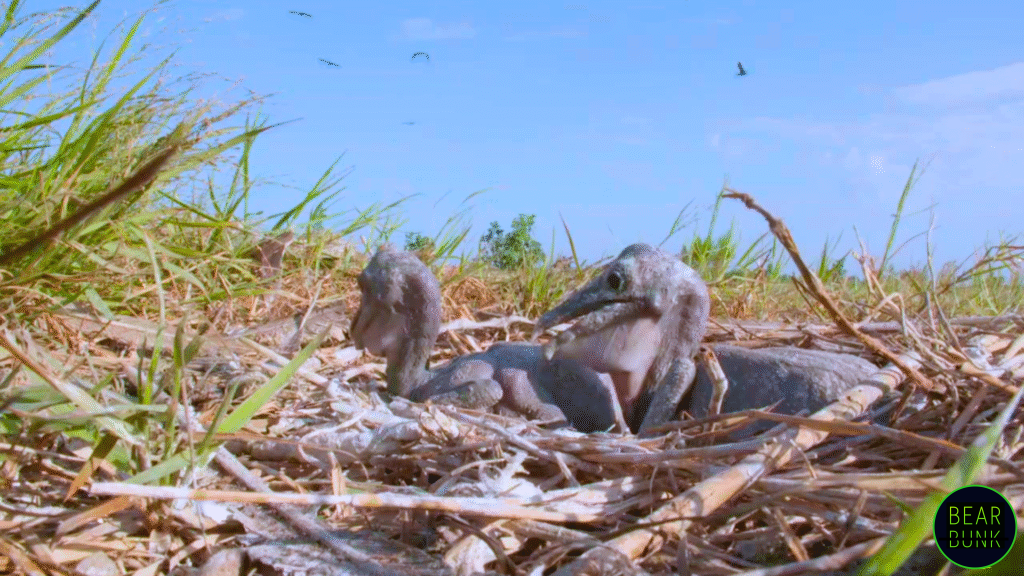
Both parents share incubation duties. After hatching, chicks rely entirely on adults for food. Young pelicans feed by reaching into a parent’s pouch, a behavior that looks unusual but is essential for their survival.
Chicks grow rapidly and typically:
- Begin swimming before flying
- Take first flights at 10–12 weeks old
Fun Facts
- Pelicans can glide long distances without flapping their wings
- Their pouch also helps regulate body temperature on hot days
- Despite their size, they are graceful swimmers
- Some pelicans migrate thousands of miles seasonally
- Larger species rank among the heaviest flying birds on Earth
About Pelicans
Common Name: Pelican
Scientific Name: Pelecanus
Family: Pelecanidae
Subfamily: Pelecaninae
Size: 4–5 feet tall
Weight: 10–30 pounds
Lifespan: 15–25 years
Location: Worldwide (except Antarctica)
Habitat: Oceans, seas, estuaries, lakes, rivers, wetlands
Diet: Fish
Conservation Status: Least Concern (most species)
Pelicans are perfectly adapted for life between sky and sea. Their specialized beak, powerful wings, and cooperative behaviors make them one of the most successful fishing birds on the planet.
Why We Love Them
Pelicans combine power and grace in a way few birds can. They remind us that size doesn’t have to mean clumsiness and that teamwork and efficiency can be just as impressive as speed or strength. Whether soaring overhead or resting calmly along the shoreline, pelicans are a striking example of intelligent natural design.
Conclusion
Pelicans are far more than coastal birds waiting for scraps. They are expert fishers, master gliders, and deeply social animals built for survival around water. From their massive beaks to their elegant flight, every part of a pelican serves a purpose — making them one of the most fascinating birds in the natural world.
Learn More:
Watch the full Video on YouTube:
Giants of the Sky and Sea – The Incredible World of Pelicans – YouTube
Read more about:







Leave a Reply