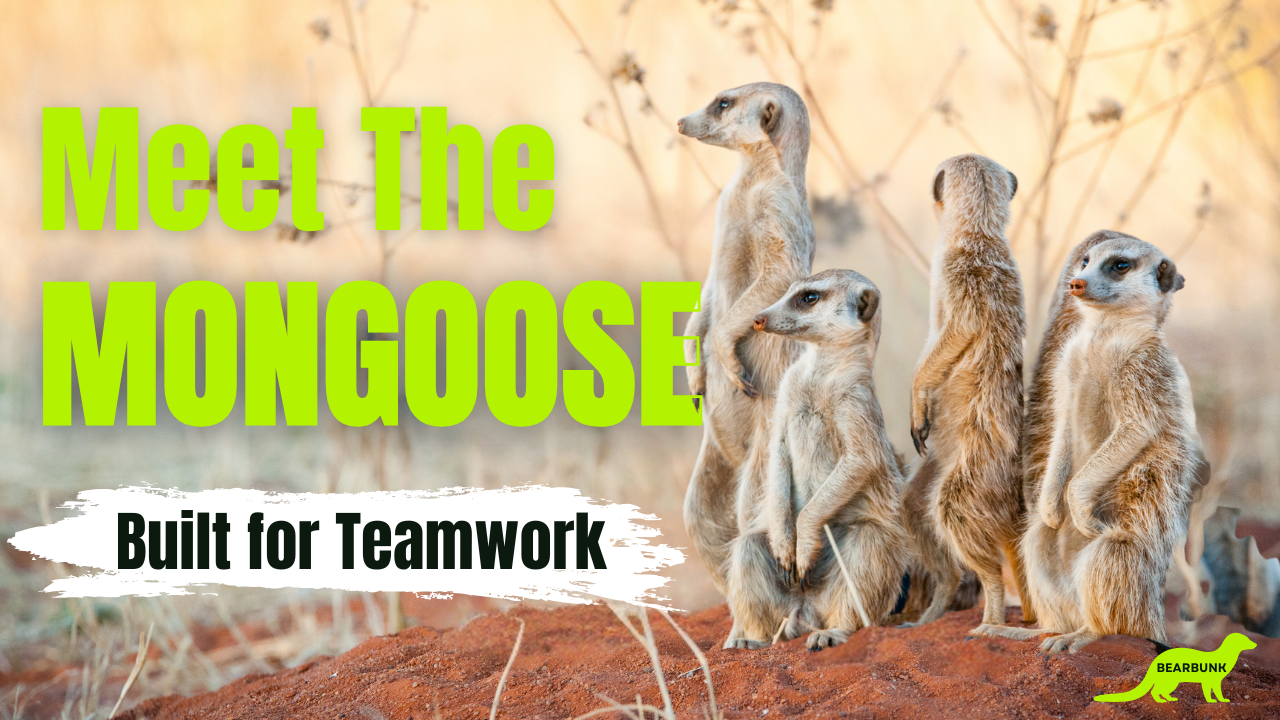
Meet the Mongoose
Small body. Huge personality. Sharp reflexes. Strong social bonds.
Mongooses are quick-thinking, highly adaptable mammals found across Africa and parts of Asia and southern Europe. While many people immediately think of the meerkat, that famous upright sentinel is just one member of a much larger mongoose family.
With more than 30 species worldwide, mongooses have mastered survival through speed, intelligence, communication, and teamwork. From open savannas to rocky hillsides, these alert little mammals thrive in environments where awareness and cooperation mean everything.
Species of Mongooses
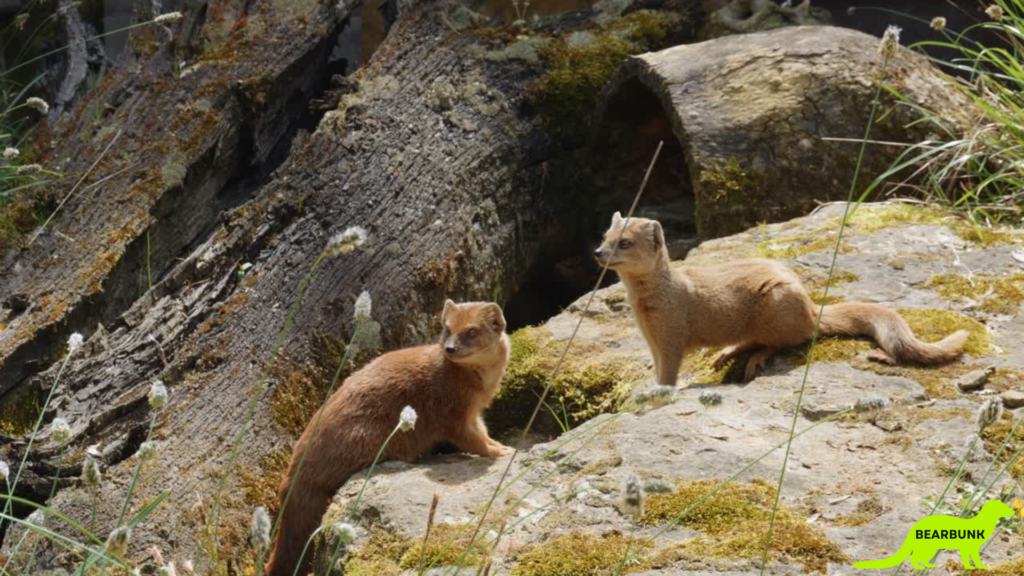
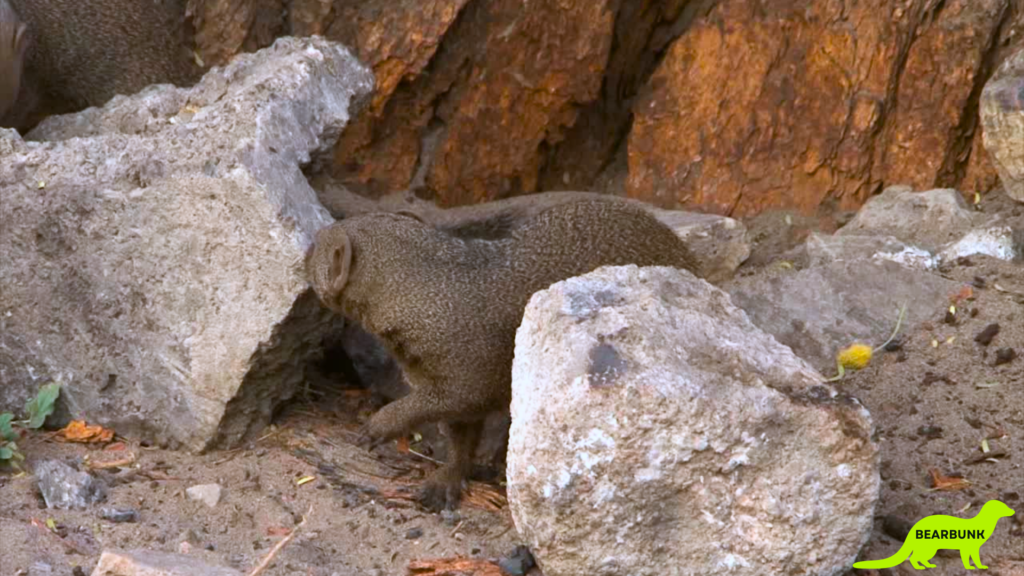
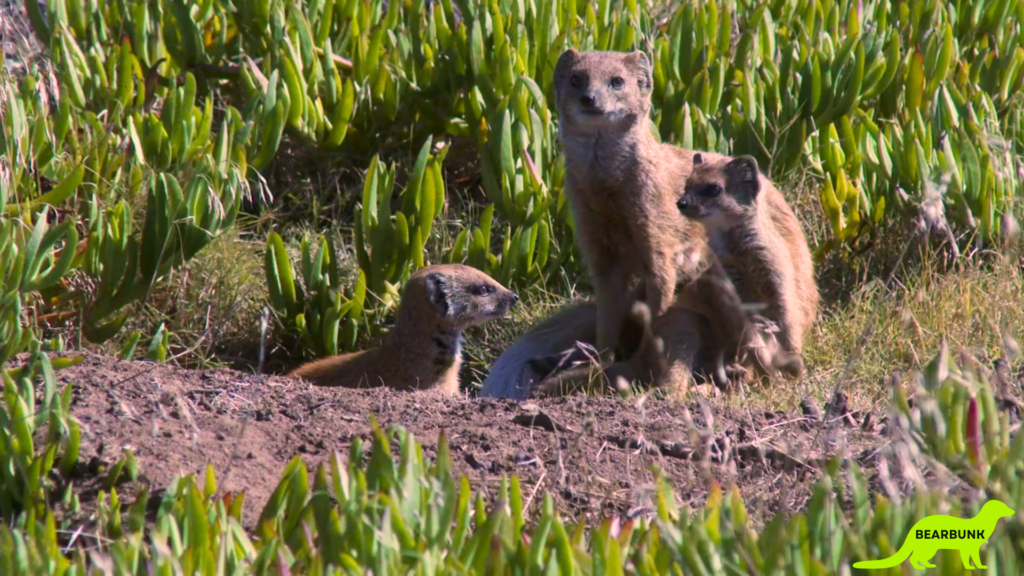
With more than 30 species in the mongoose family, each has adapted to its environment in slightly different ways. Here are a few well-known examples that showcase the diversity within this fascinating group:
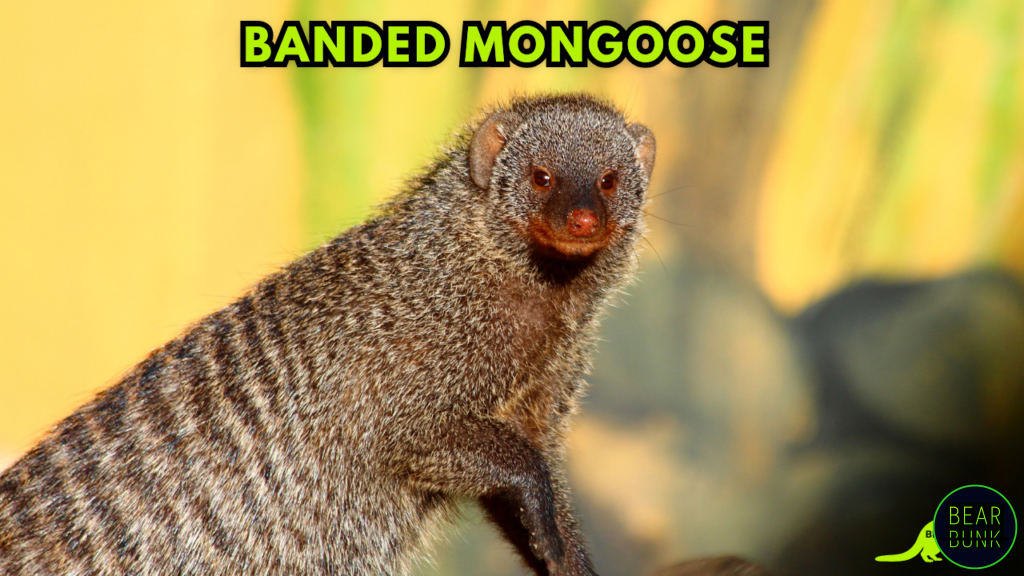
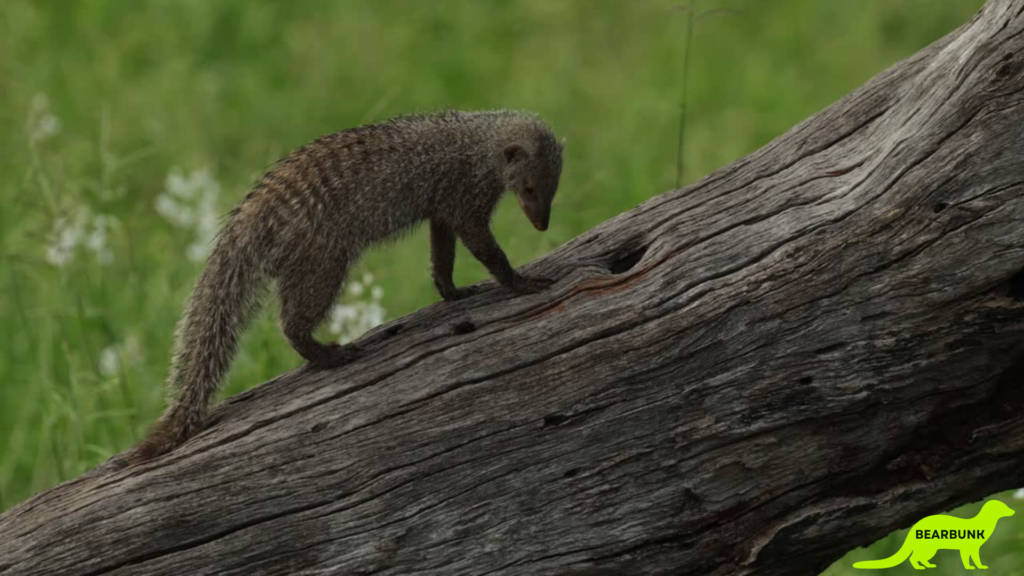
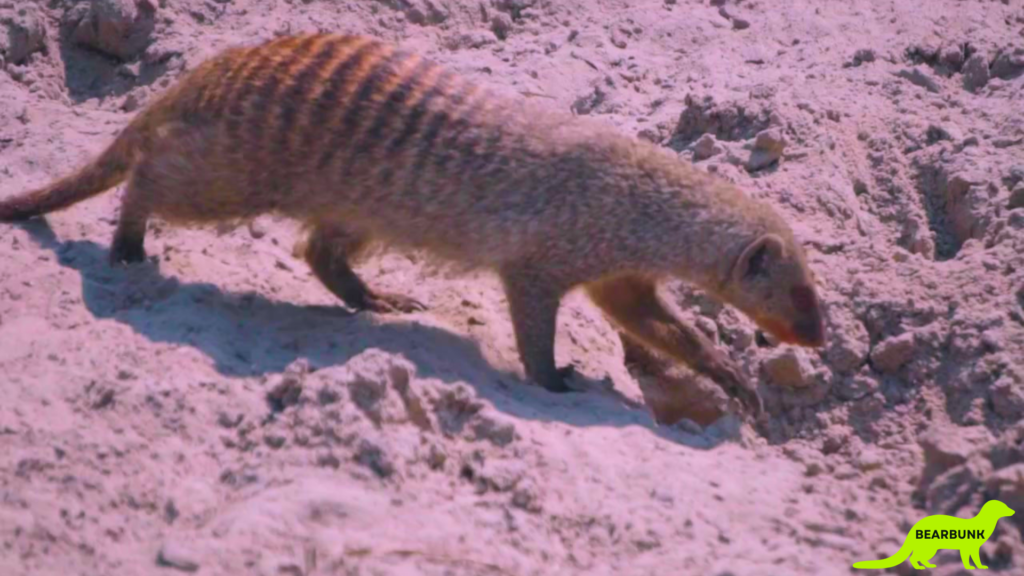
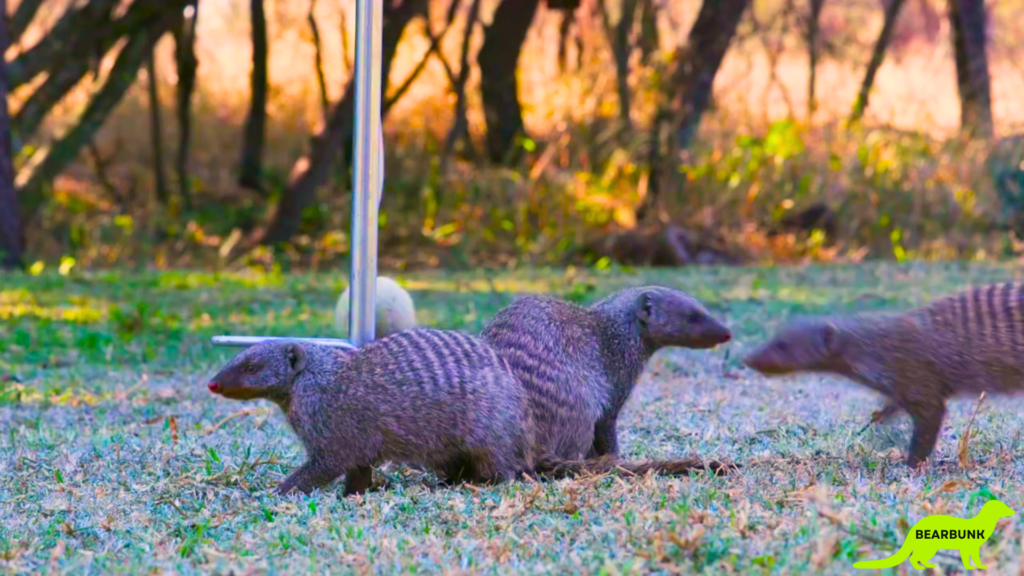
Banded Mongoose
Mungos mungo
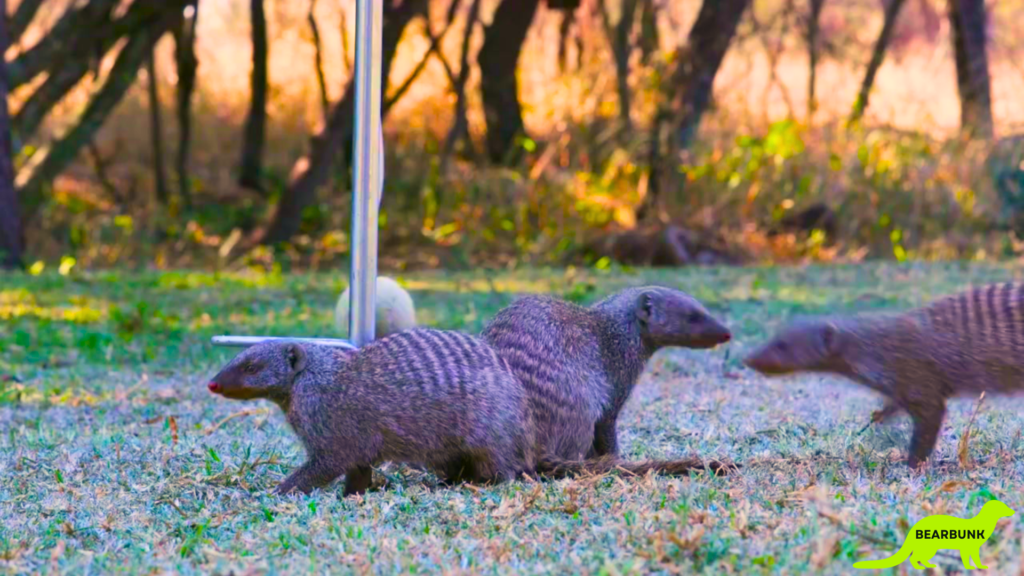
Recognizable by the dark horizontal stripes across its back. Lives in large, cooperative troops and shares pup-raising duties.
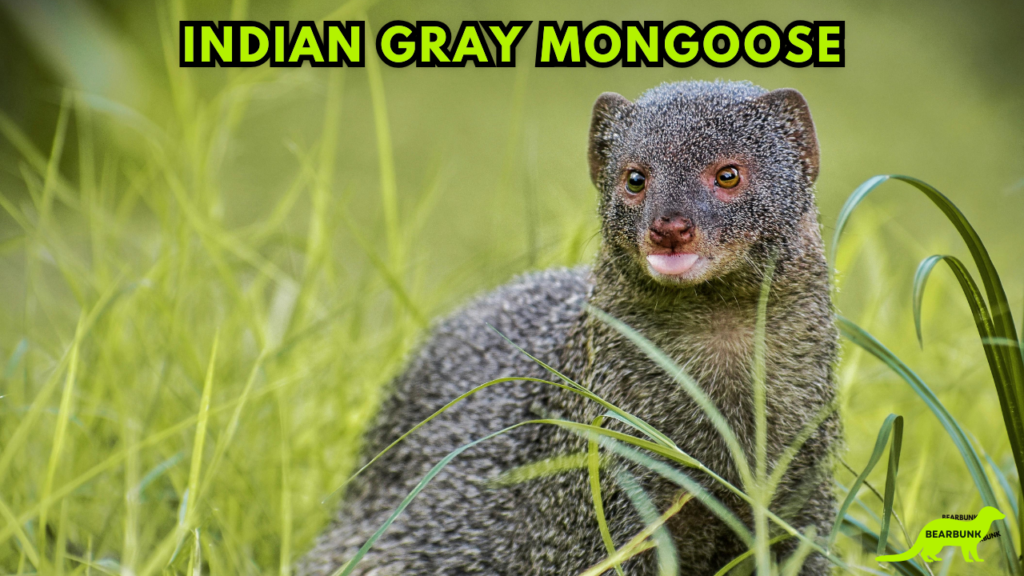
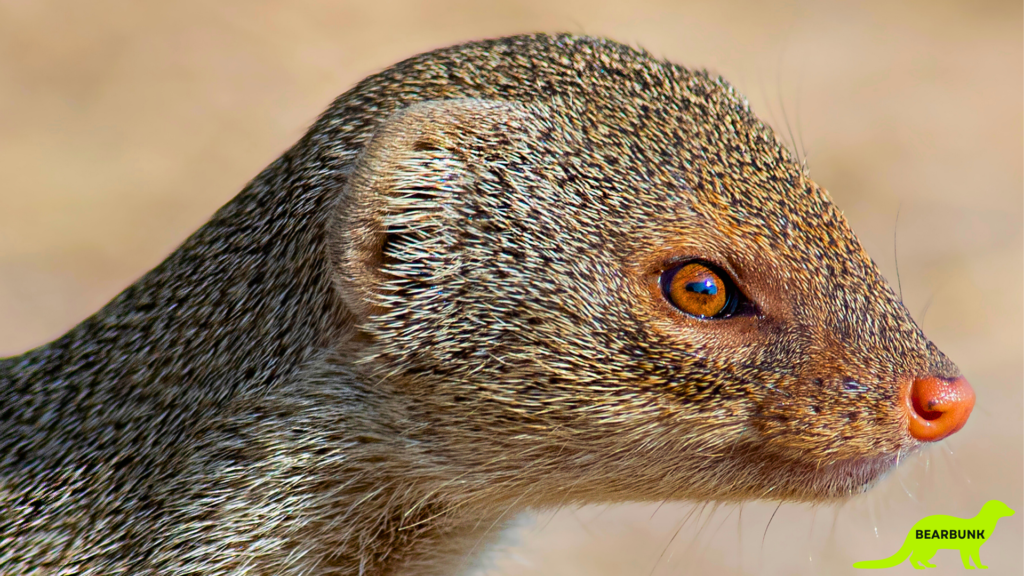
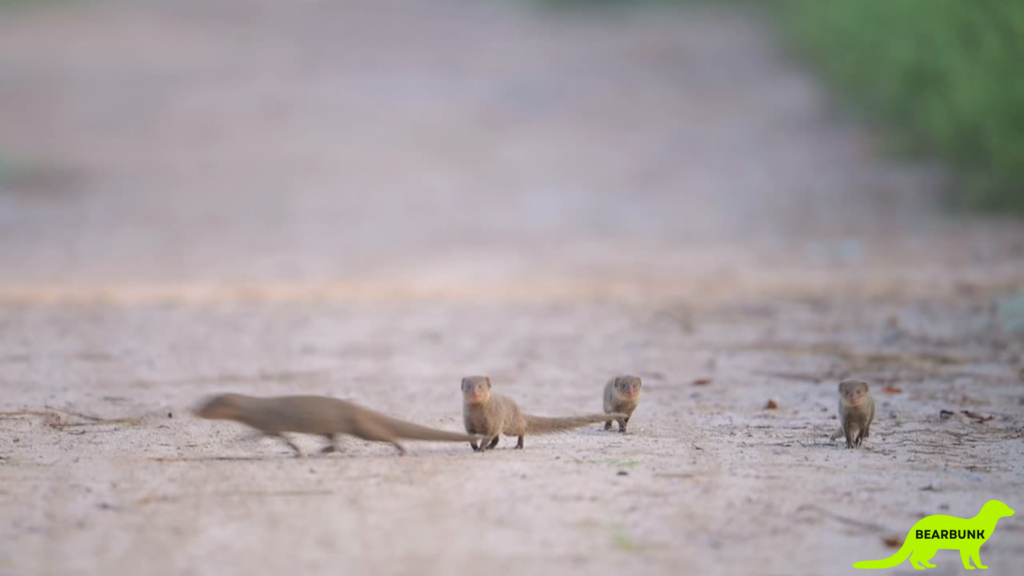
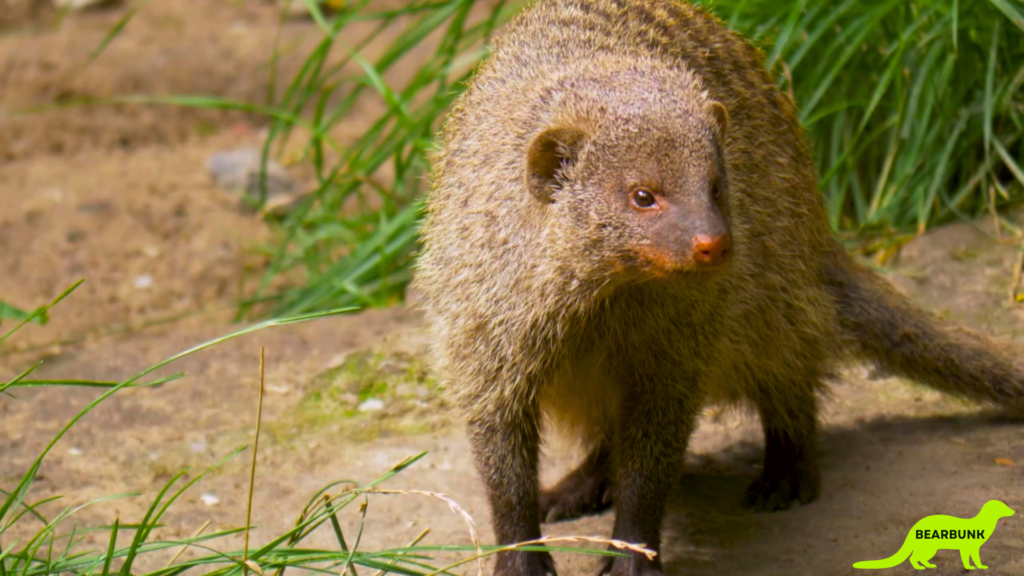
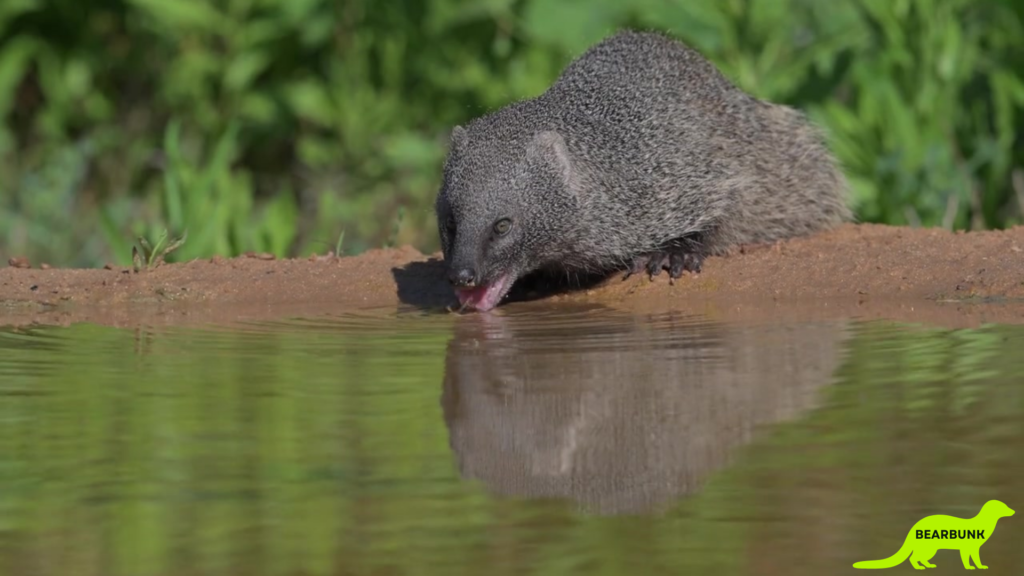
Indian Gray Mongoose
Herpestes edwardsii
Found across the Indian subcontinent. Known for agility and adaptability in both rural and semi-urban environments.
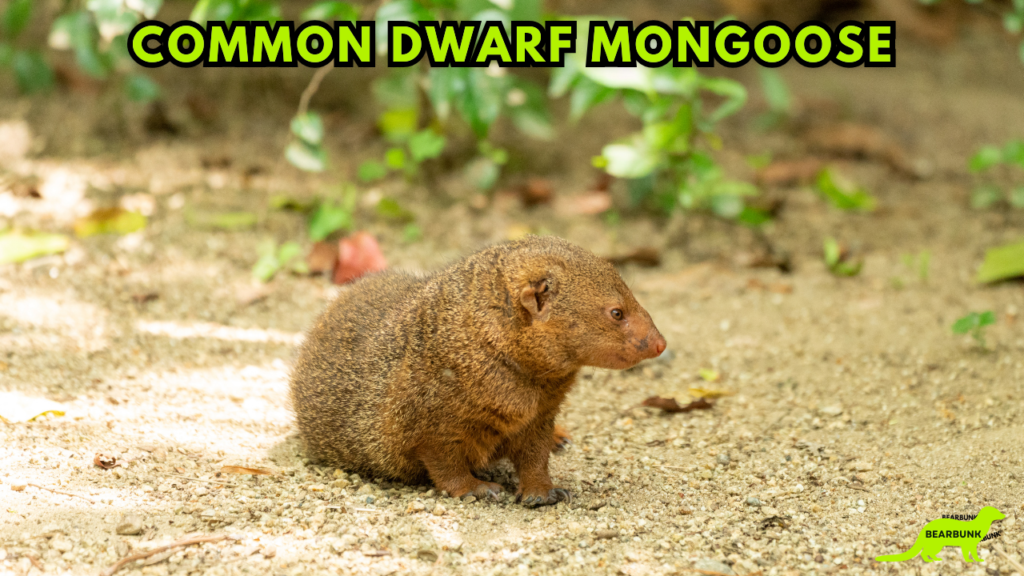
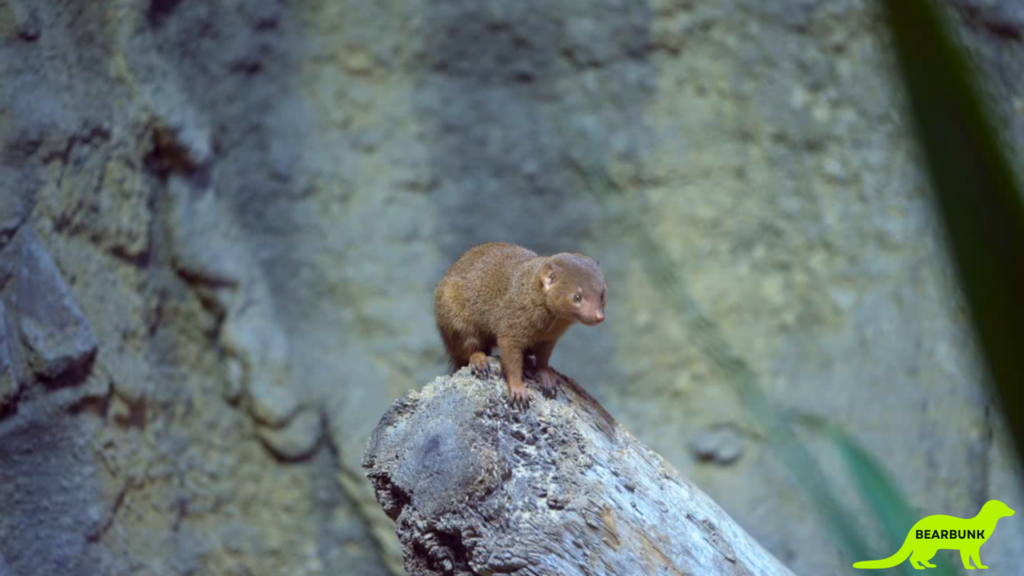
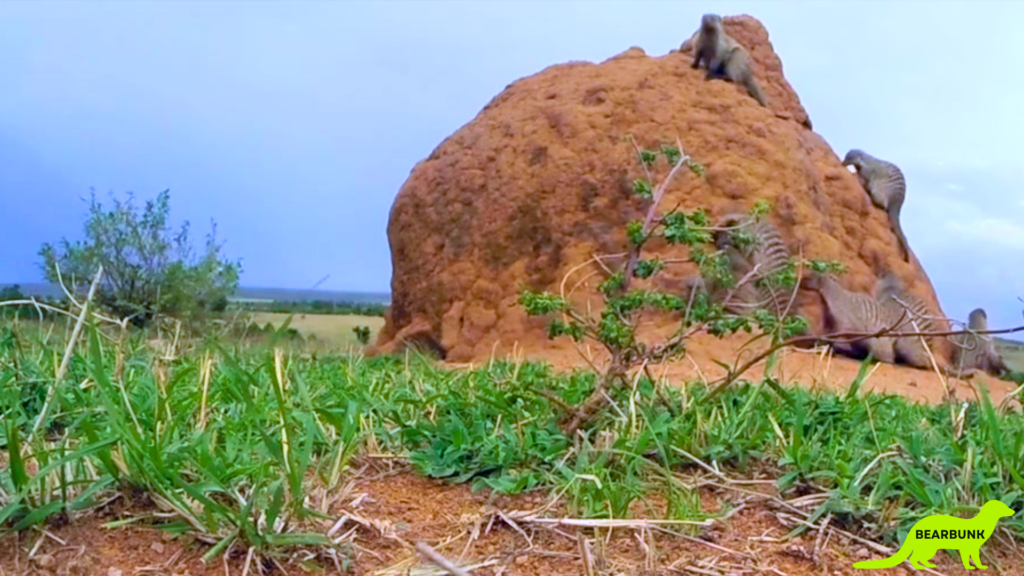
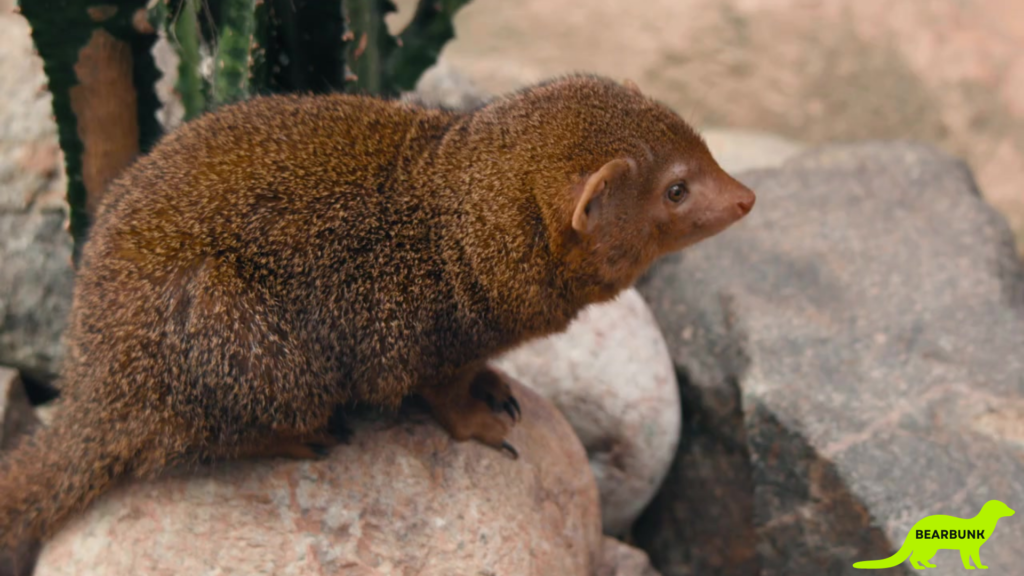
Common Dwarf Mongoose
Helogale parvula
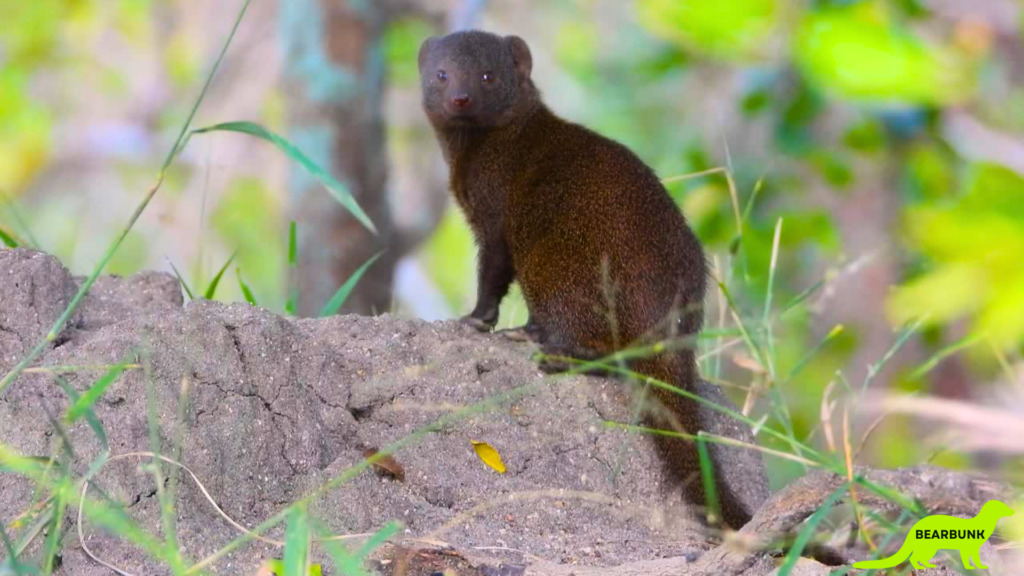
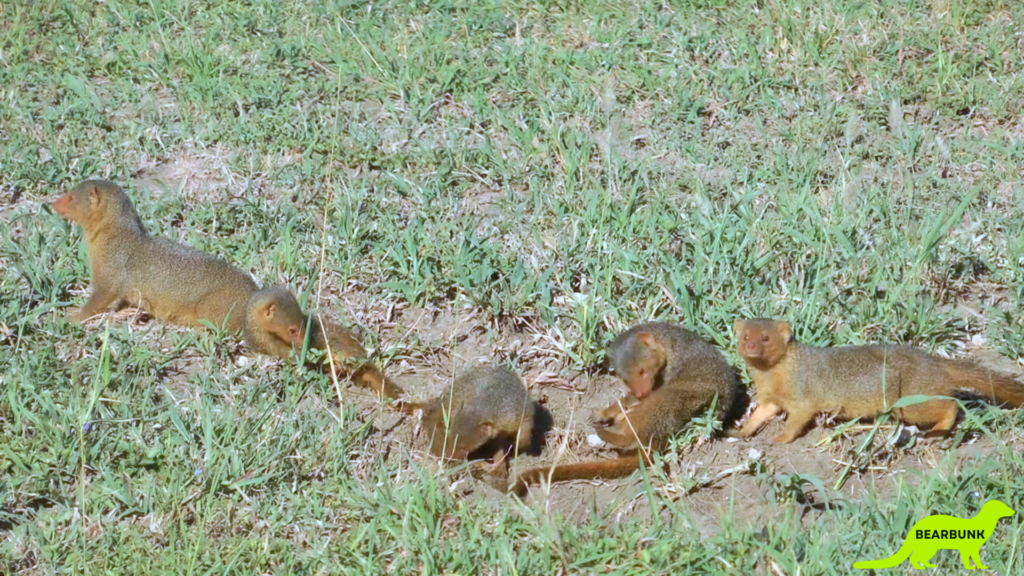
The smallest mongoose species. Highly social and often seen perched on termite mounds scanning for danger.
Habitat
Mongooses are extremely adaptable.
Most species are native to Africa, where they inhabit savannas, grasslands, open woodlands, rocky outcrops, and semi-desert regions. Several species also live in southern Asia, and the Egyptian mongoose extends into parts of southern Europe.
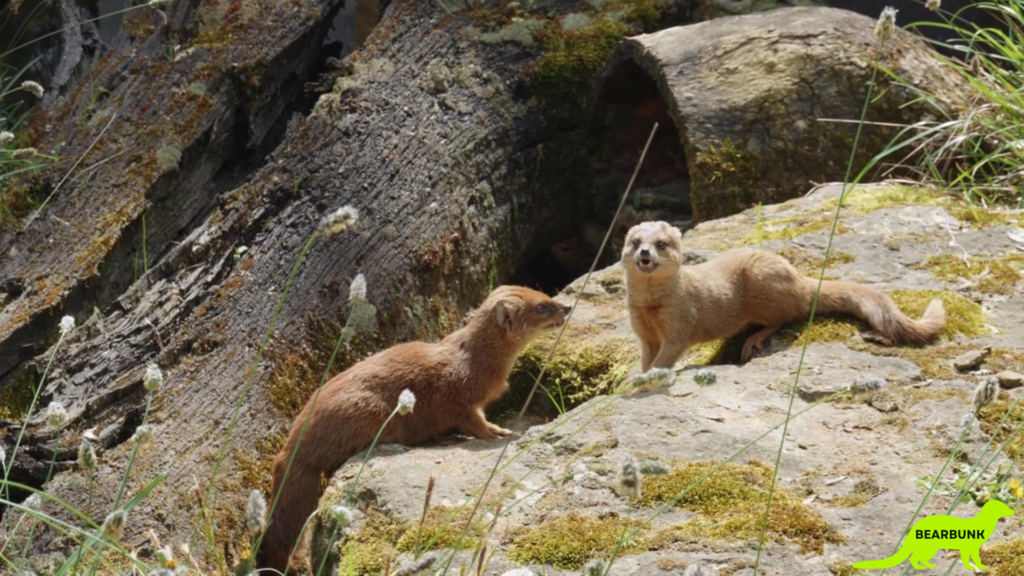
They prefer areas with good visibility and quick access to cover. Burrows are essential. Some mongooses expand abandoned burrows, while others use hollow logs, rock crevices, or dig their own tunnel systems.
Many species are diurnal, meaning they are active during the day. Early mornings often begin with group members emerging to warm themselves in the sun before foraging.
Diet
Mongooses are primarily carnivorous but opportunistic.
Their diet includes:
- Insects such as beetles, termites, grasshoppers, spiders, and scorpions
- Small mammals
- Birds and eggs
- Reptiles and amphibians
- Occasionally fruit when prey is scarce
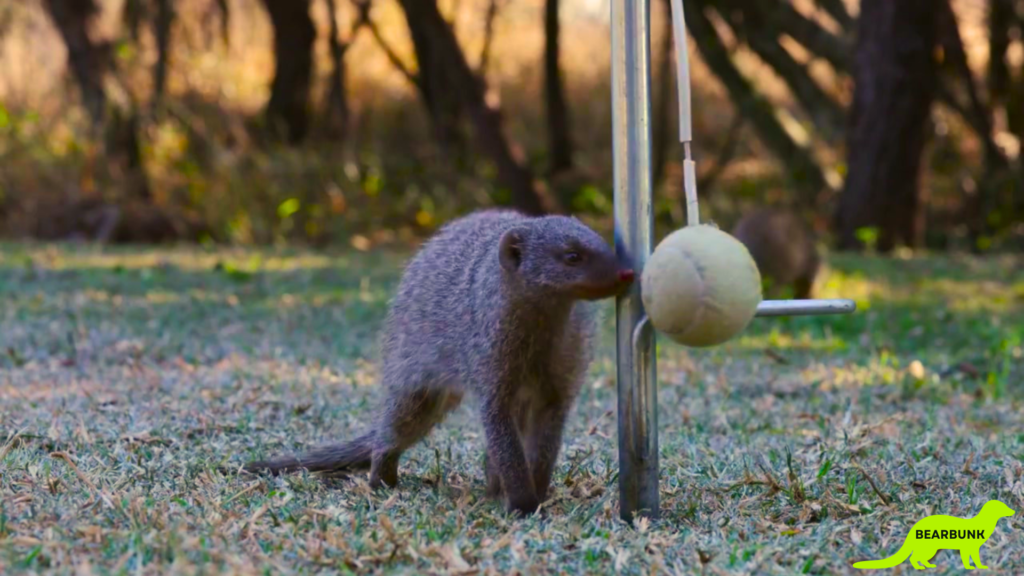
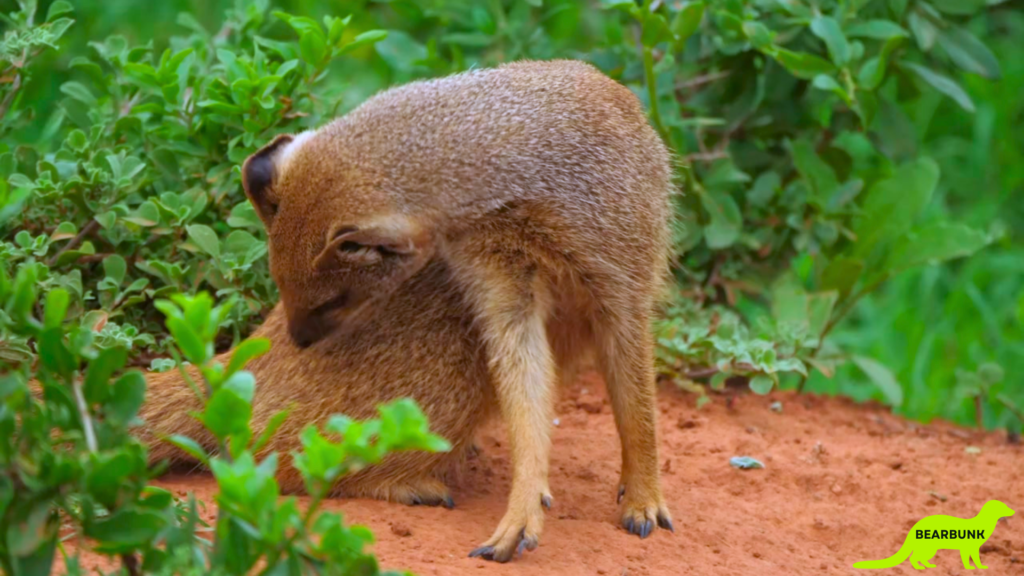
They rely on sharp vision, strong memory, and lightning-fast reflexes. When hunting insects, they dig rapidly, sometimes partially closing their ears to keep out dirt. When pursuing larger prey, timing and agility are key.
Some species have partial resistance to certain snake venoms. This does not make them immune, but it can provide an advantage in specific encounters.
Social Life and Communication
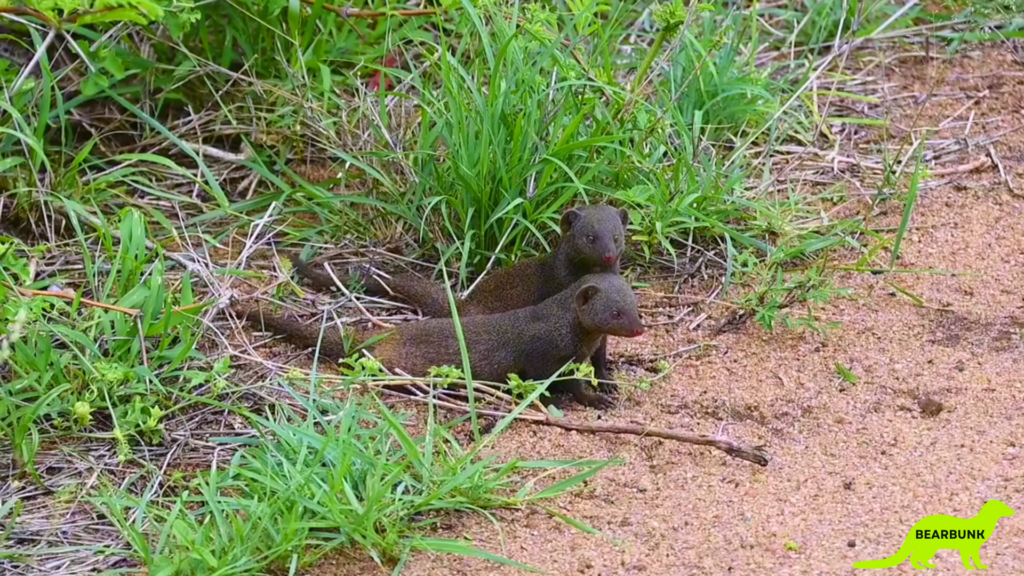
Many mongoose species live in cooperative groups called troops.
Troop size can range from a few individuals to more than 30 members. Within these groups:
- Individuals groom one another to strengthen bonds
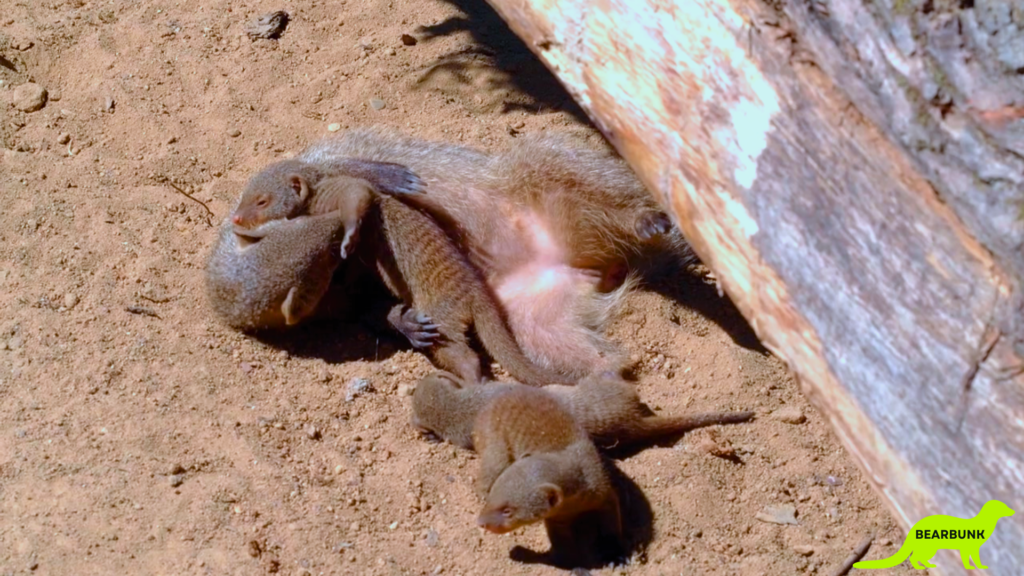
- Young practice through play-wrestling and chasing
- A sentinel often stands guard while others forage
Communication is constant. Mongooses use chirps, growls, squeaks, alarm calls, tail positioning, and scent marking to share information.
Some species exhibit cooperative breeding, where multiple adults help care for pups. This shared responsibility increases survival rates and strengthens group cohesion.
Share On Social:
Mating & Raising Young
Breeding seasons vary by species and climate.
In warmer regions, some mongooses breed year-round. In seasonal climates, breeding often aligns with rainy periods when food is abundant.
Gestation typically lasts between 40 and 60 days. A litter usually includes 2 to 5 pups.
Newborn pups are blind and fully dependent. They remain inside the burrow for the first few weeks. Eyes open around three weeks, and supervised exploration soon follows.
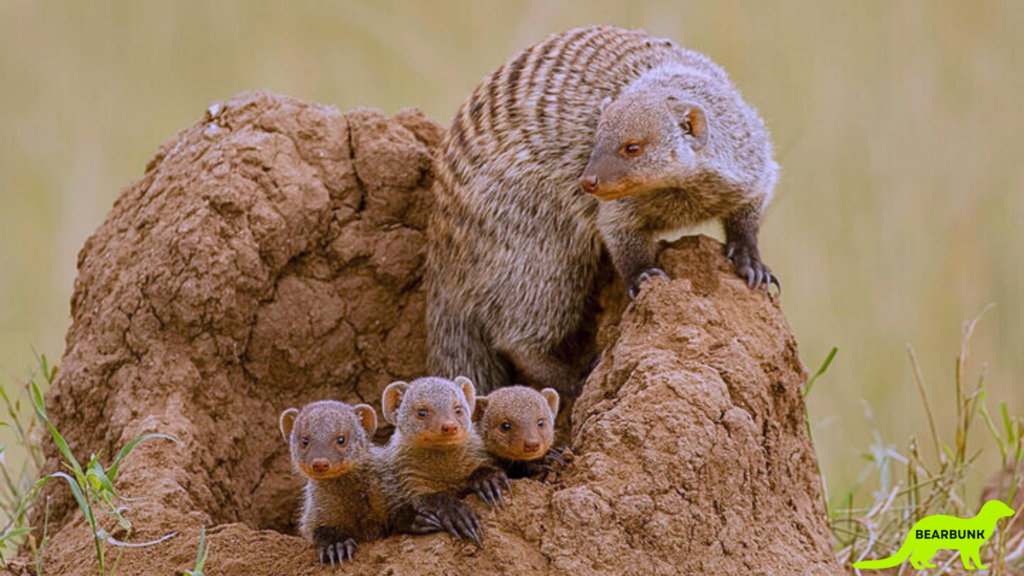
In social species like the banded mongoose, multiple adults help guard and sometimes even nurse the young. This cooperative care system improves pup survival and strengthens social bonds within the troop.
Interactions With People
Mongooses have a long and complicated relationship with humans.
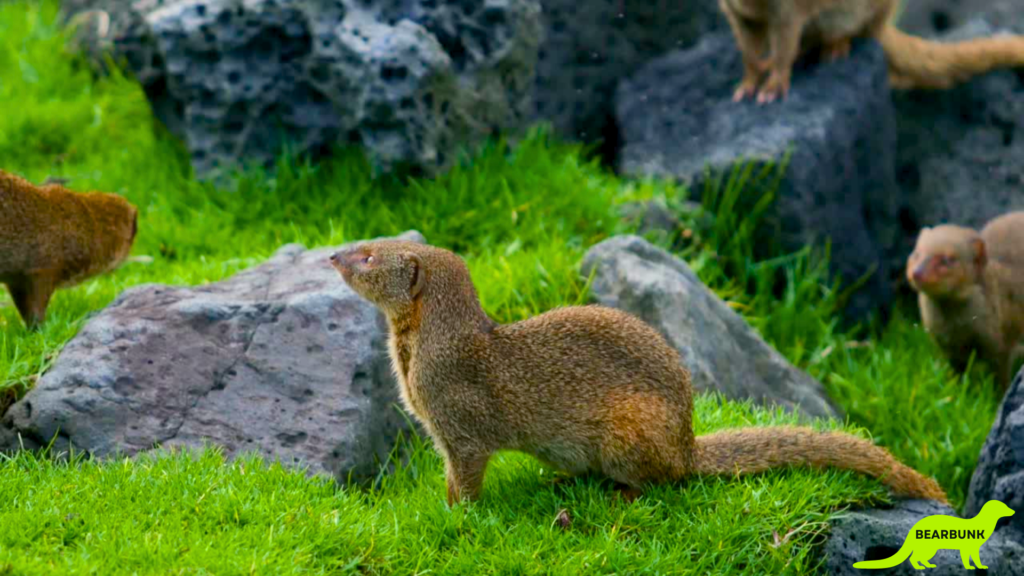
In parts of Africa and Asia, some species are appreciated for helping control rodents and insects near farms and villages. The Indian gray mongoose, in particular, is sometimes tolerated or even welcomed for this reason.
However, human involvement has not always been beneficial. In the 19th century, mongooses were introduced to several Caribbean islands and Hawaii in an attempt to control rats in sugarcane fields. While they did reduce some rodent populations, they also preyed on native birds, reptiles, and ground-nesting species. In some areas, they became invasive and disrupted local ecosystems.
Today, most mongoose species are classified as Least Concern, but habitat loss and human expansion can affect local populations.
Despite their bold reputation, mongooses generally avoid human conflict when possible. Their survival depends on awareness, not aggression.
Unique Traits and Adaptations
- Flexible spine allows rapid twisting and evasive movement
- Non-retractable claws make them excellent diggers
- Forward-facing eyes provide strong depth perception
- Scent glands used for territory marking and identification
- Strong memory for safe travel routes and food-rich areas
Their confidence often appears bold, but it is rooted in awareness, teamwork, and preparation.
Fun Facts
- Meerkats are actually a type of mongoose.
- Some mongooses can partially close their ears while digging.
- Banded mongooses give birth on the same day within a troop.
- They use over a dozen distinct vocal sounds.
- Despite their size, they are highly strategic hunters.
About Mongooses
Common Name: Mongoose
Scientific Name: Family Herpestidae
Family: Herpestidae
Subfamily: Multiple subfamilies depending on species
Size: 7 inches to nearly 2 feet (body length)
Weight: Under 1 pound to about 11 pounds
Lifespan: 6–10 years in the wild
Location: Africa, Southern Asia, parts of Southern Europe
Habitat: Savannas, grasslands, open forests, rocky areas, semi-deserts
Diet: Carnivorous and opportunistic omnivore
Conservation Status: Varies by species (most are Least Concern)
Mongooses are highly adaptable mammals known for intelligence, social cooperation, and remarkable reflexes. Their ability to thrive in diverse environments and communicate effectively within groups makes them one of the most socially fascinating small predators in the animal kingdom.
Why We Love Them
Mongooses prove that size does not determine influence.
They succeed not through brute strength, but through awareness, cooperation, memory, and adaptability. Watching a troop move together across open grassland — some foraging, one standing guard — reveals a level of coordination that feels almost strategic.
They are alert. They are social. They are bold without being reckless.
Conclusion
From Africa’s wide savannas to Asia’s forests, mongooses have carved out a place in the wild through speed, intelligence, and teamwork.
Whether standing upright on watch or darting through tall grass in pursuit of insects, these small mammals demonstrate how cooperation and adaptability can shape survival.
And the next time you see a meerkat scanning the horizon, you’ll know you’re looking at just one remarkable branch of the mongoose family tree.
Learn More:
Watch the full Video on YouTube:
How the Mongoose Survives in the Wild | Fast, Fearless & Smart
Read more about:



Leave a Reply