
Meet The Mallard Duck
The mallard duck (Anas platyrhynchos) is one of the most familiar and widespread birds in the world. Recognized instantly by the male’s shimmering green head and the female’s beautifully camouflaged plumage, mallards are found across nearly every continent. They’ve adapted to wild marshes, suburban ponds, and even city fountains — proving that being ordinary doesn’t mean being unremarkable.
Though they’re common, there’s more to mallards than meets the eye. They’re strong fliers, loyal parents, and social travelers who connect ecosystems around the world.
Species of Mallard Ducks
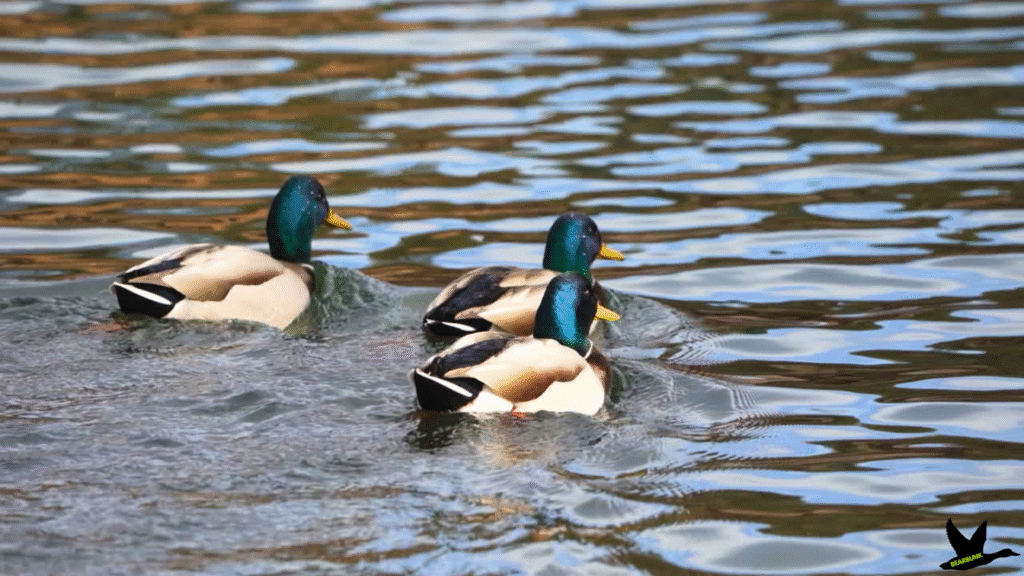
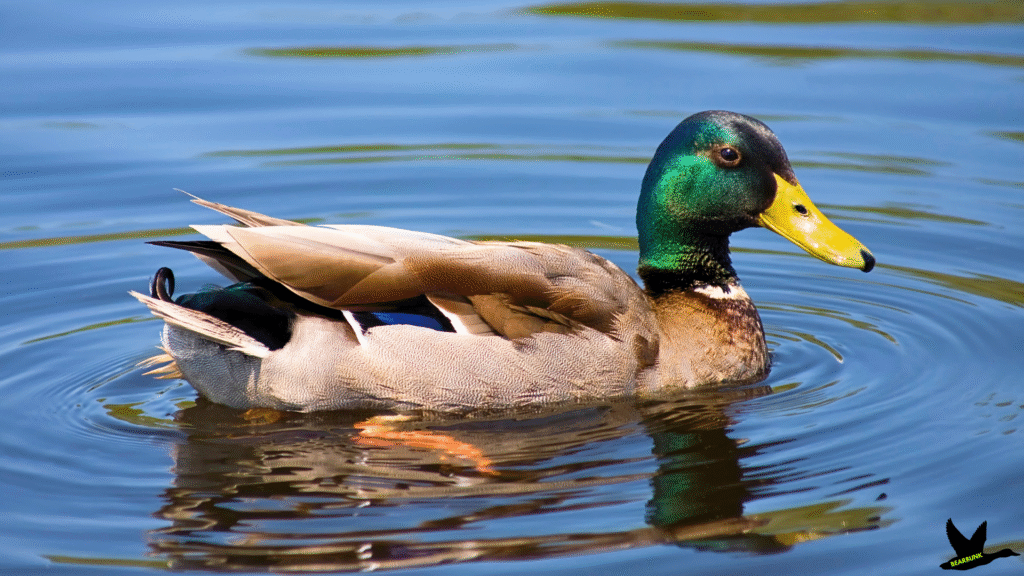
Mallards might seem like one species, but they represent a worldwide family of adaptable ducks with subtle differences shaped by climate, migration, and geography. From the classic green-headed drakes we see in city ponds to the darker, more localized relatives in remote regions, mallards show just how beautifully one species can thrive across continents.
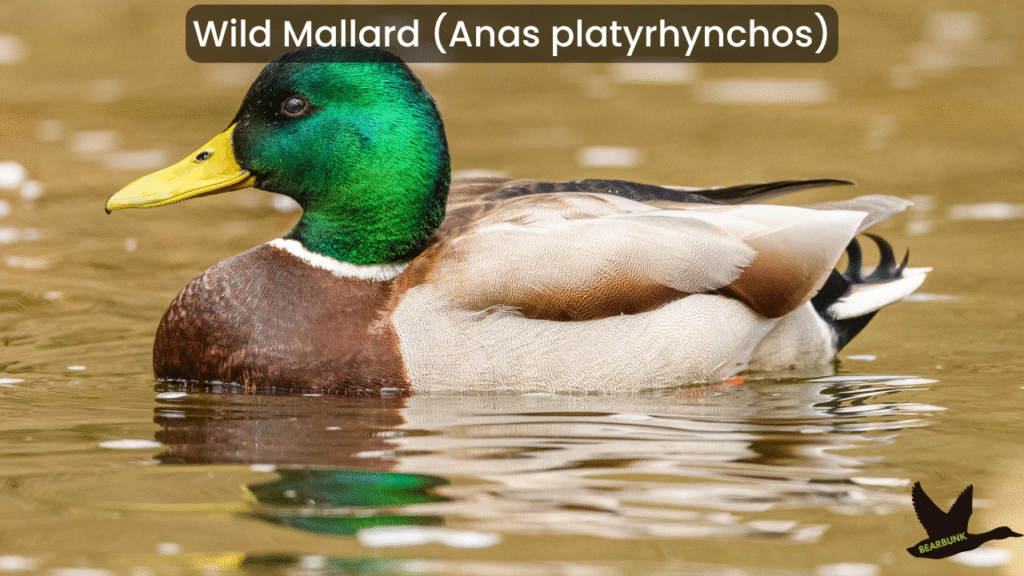
Wild Mallard (Anas platyrhynchos)
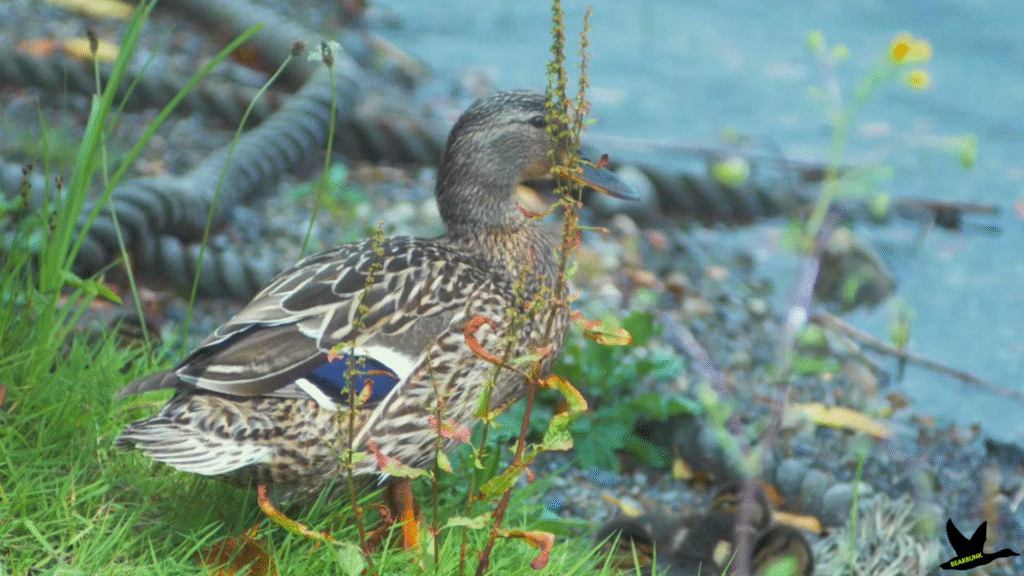
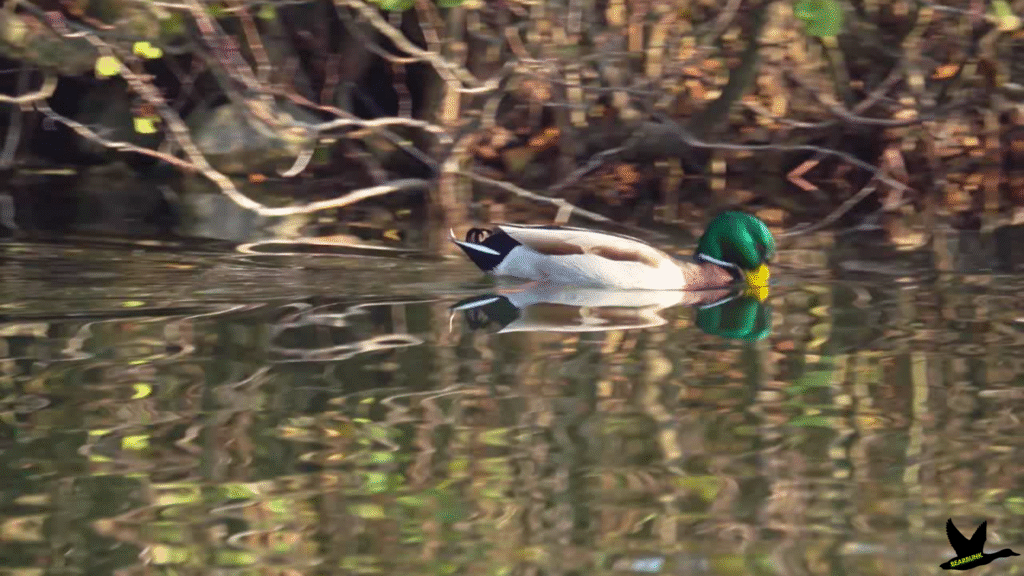
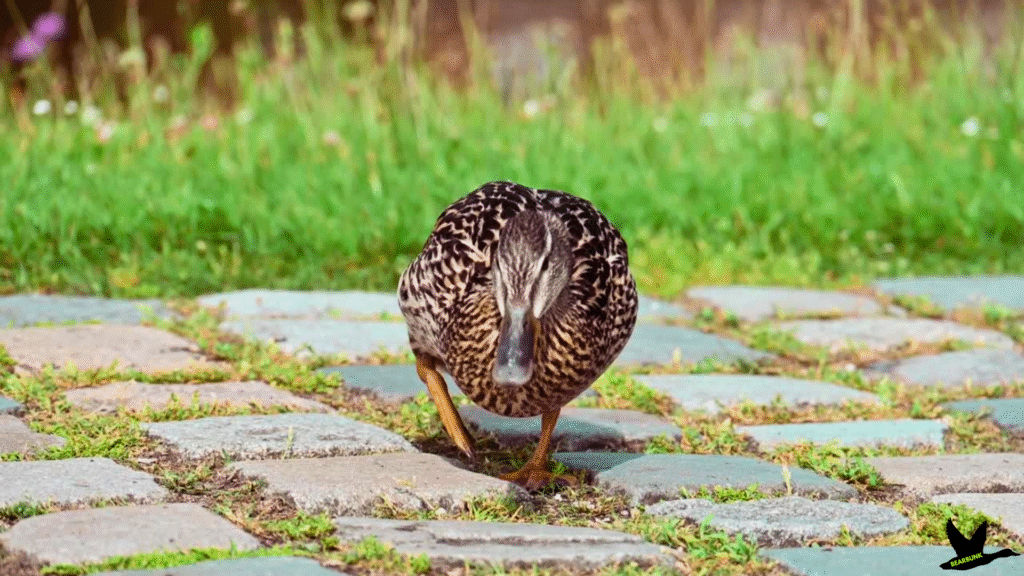
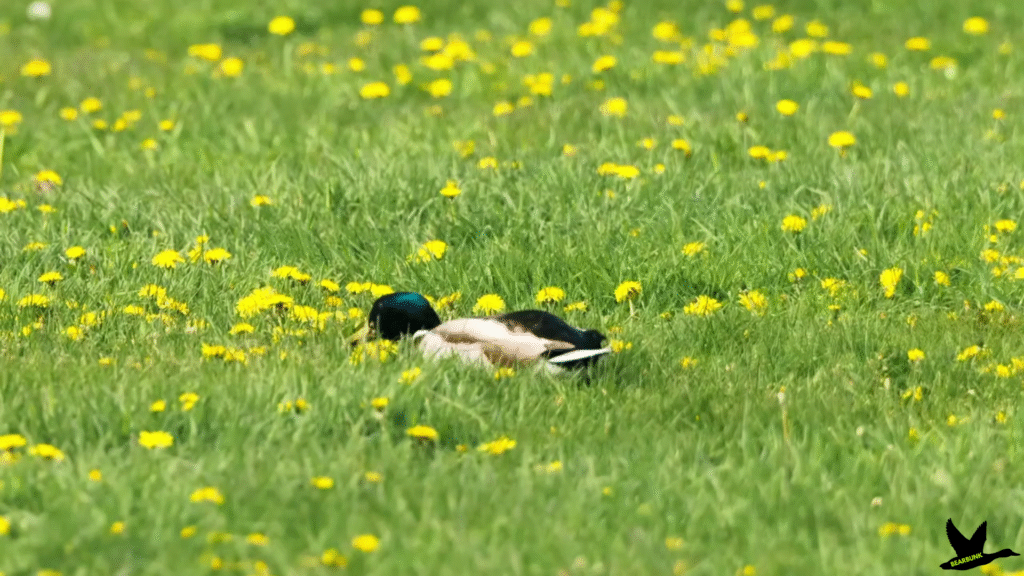
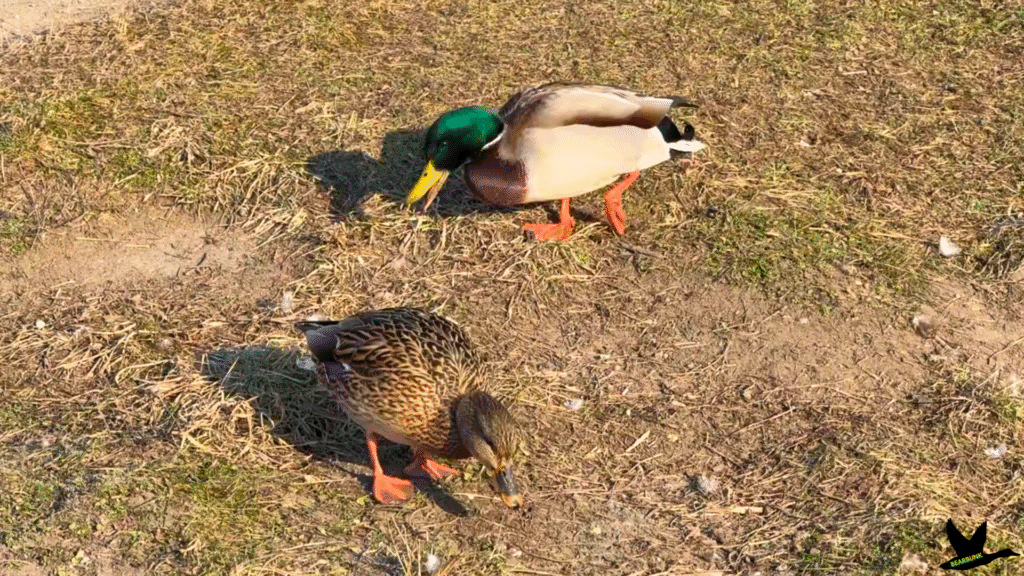
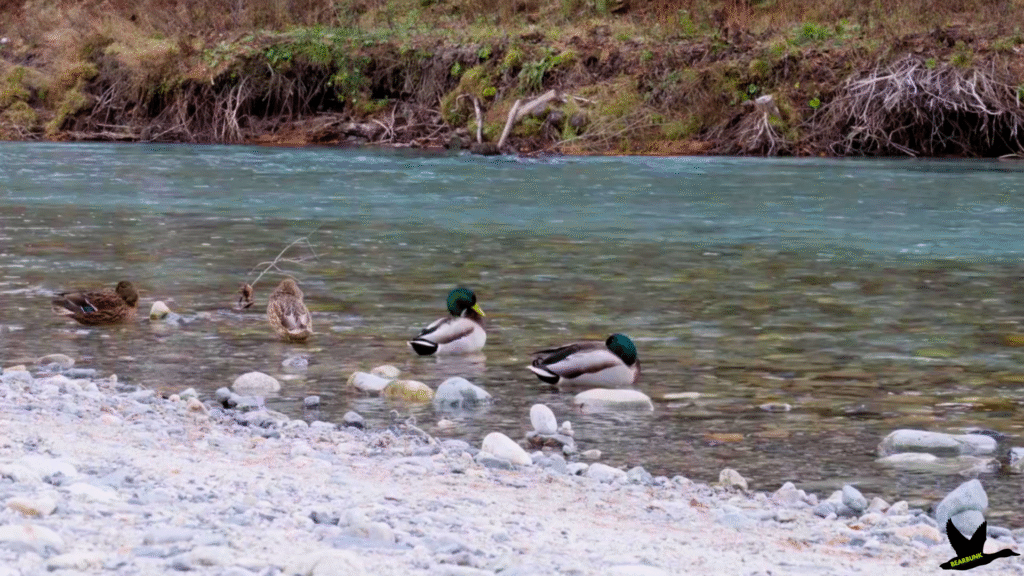
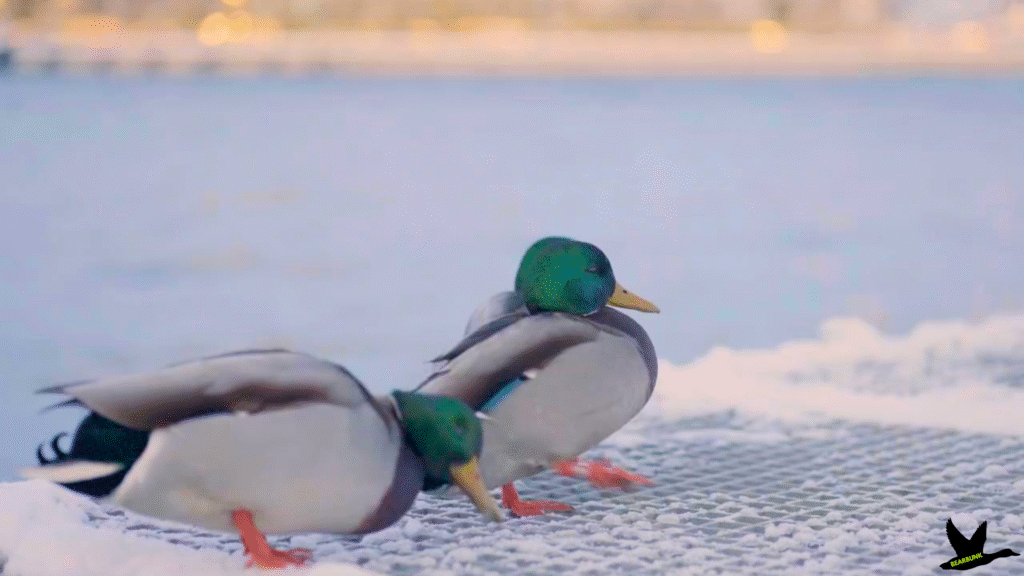
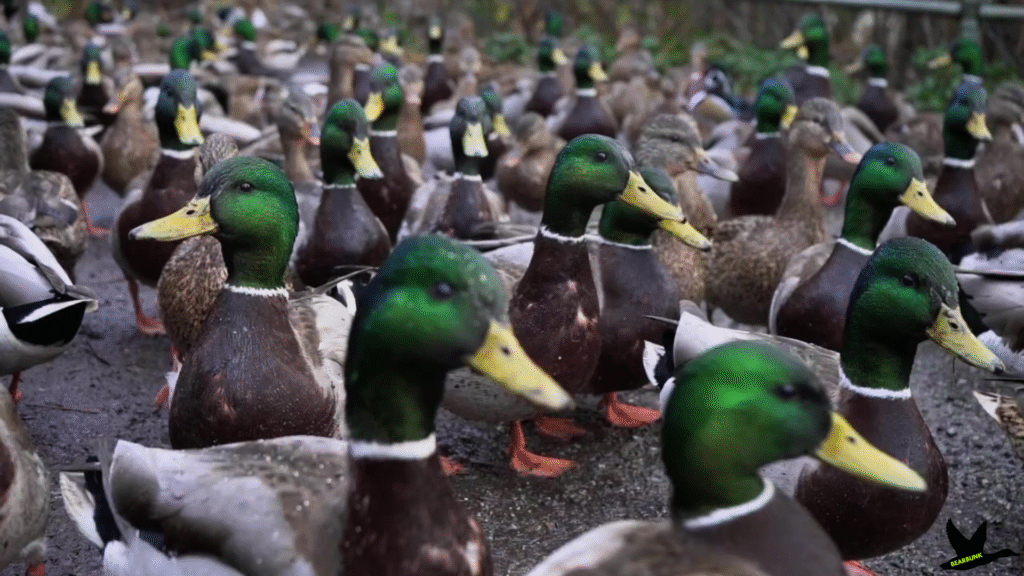
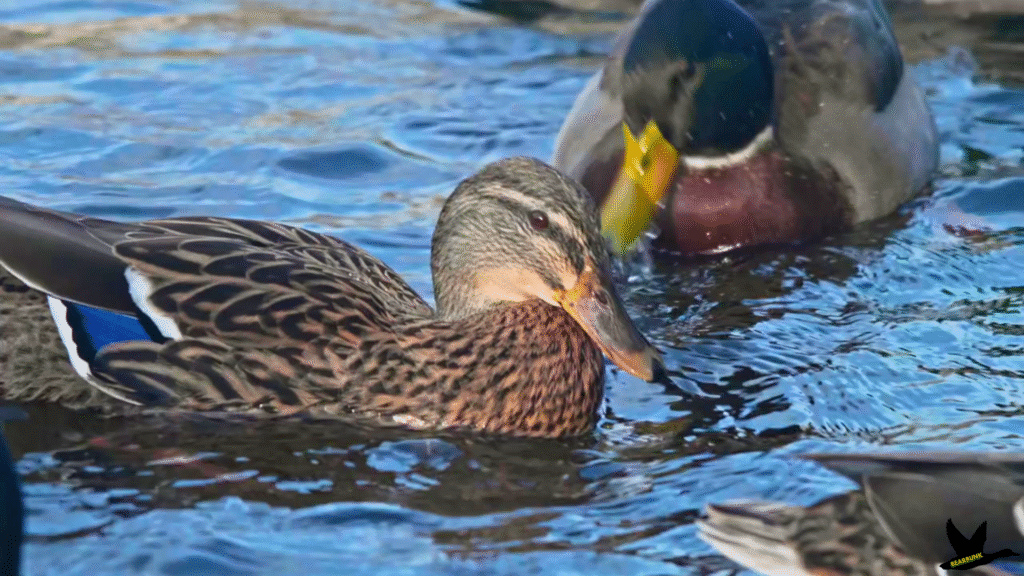
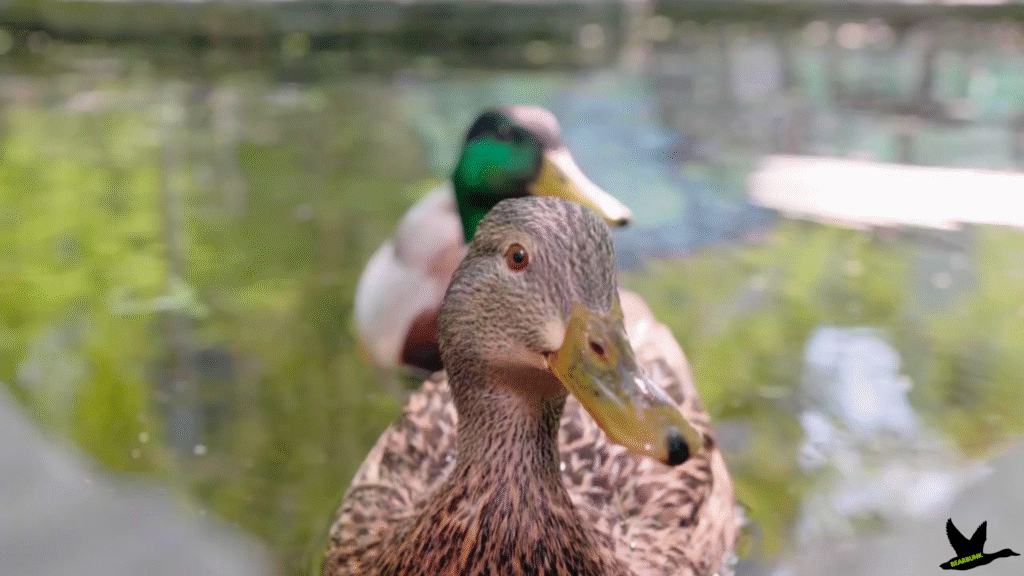
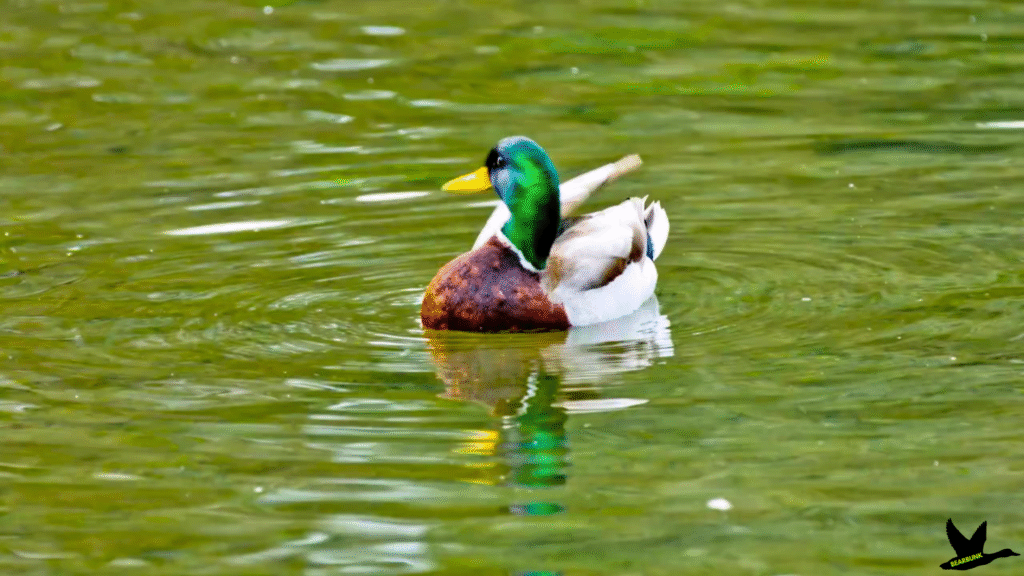
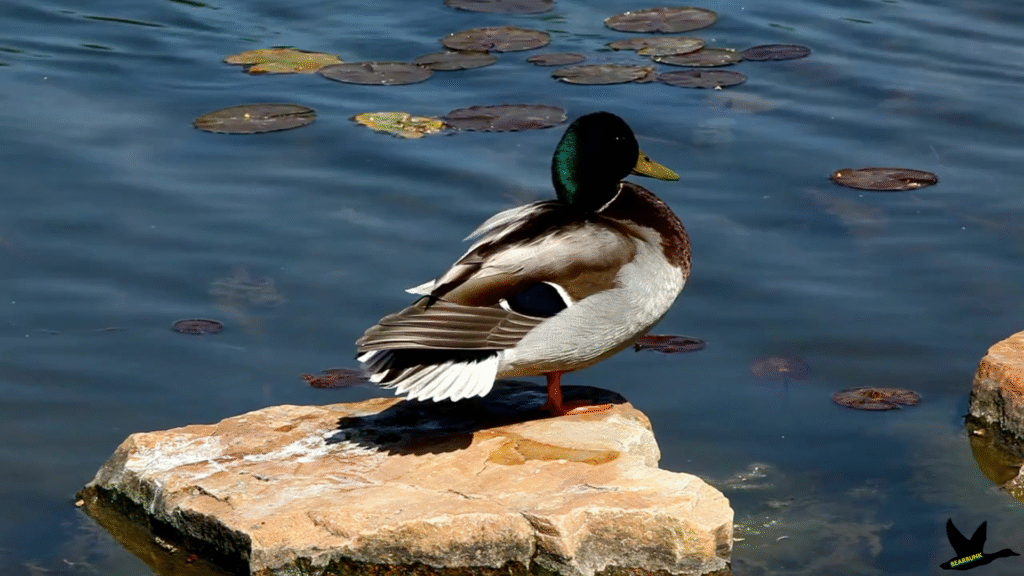
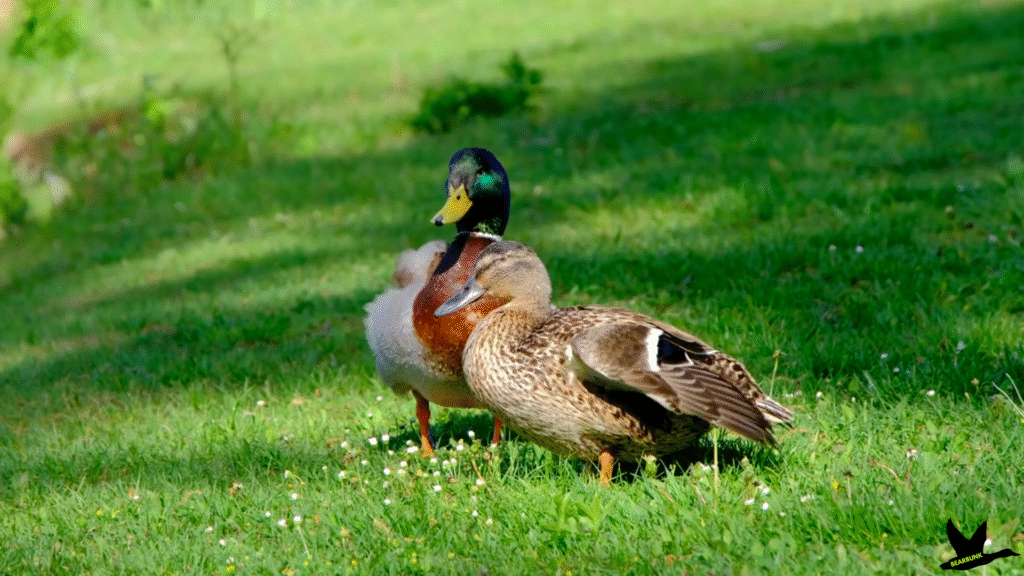
The wild mallard is the world’s most widespread duck species and the ancestor of nearly all domestic ducks. Males, known as drakes, are easily recognized by their emerald-green heads, white neck rings, and chestnut-brown chests. Females are mottled brown with subtle patterns that blend perfectly into reeds and grasses — ideal camouflage for nesting. Both sexes have a blue-purple wing patch called a speculum.
Taxonomy:
- Kingdom: Animalia
- Phylum: Chordata
- Class: Aves
- Order: Anseriformes
- Family: Anatidae
- Genus: Anas
- Species: A. platyrhynchos
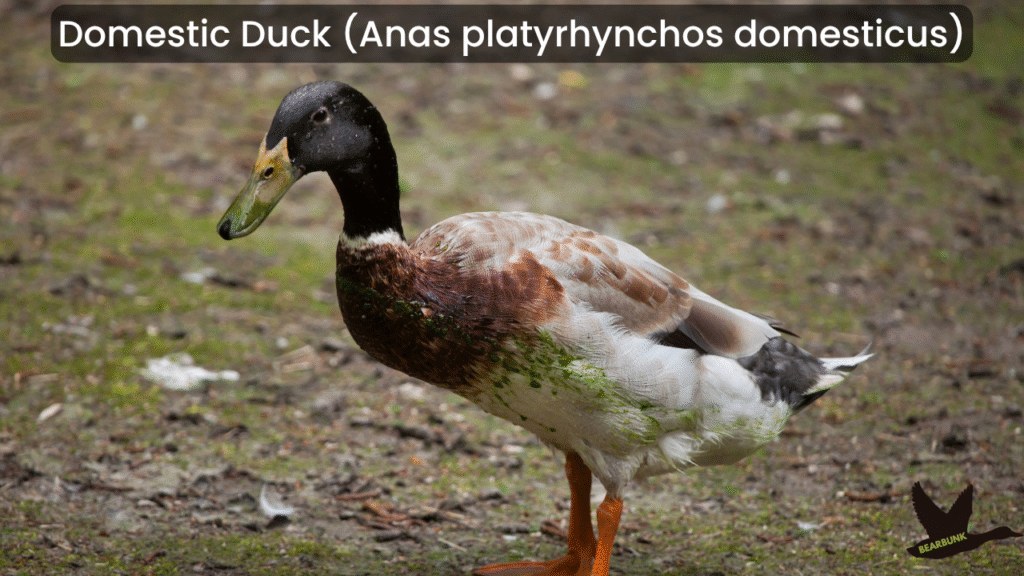
Domestic Duck (Anas platyrhynchos domesticus)
Domestic ducks are direct descendants of the wild mallard. Selective breeding over thousands of years has created countless varieties — from pure white farm ducks to colorful ornamental breeds. They share the same curious, social behavior and dabbling feeding style as their wild ancestors. While many can no longer fly long distances, they remain intelligent, adaptable, and deeply connected to human life across the world.
Taxonomy:
- Kingdom: Animalia
- Phylum: Chordata
- Class: Aves
- Order: Anseriformes
- Family: Anatidae
- Genus: Anas
- Species: A. platyrhynchos domesticus
Mallards and their domestic relatives form one of the most successful bird lineages on Earth. Their adaptability, intelligence, and social nature have allowed them to coexist with humans for centuries — thriving everywhere from quiet wetlands to backyard ponds.
Habitat
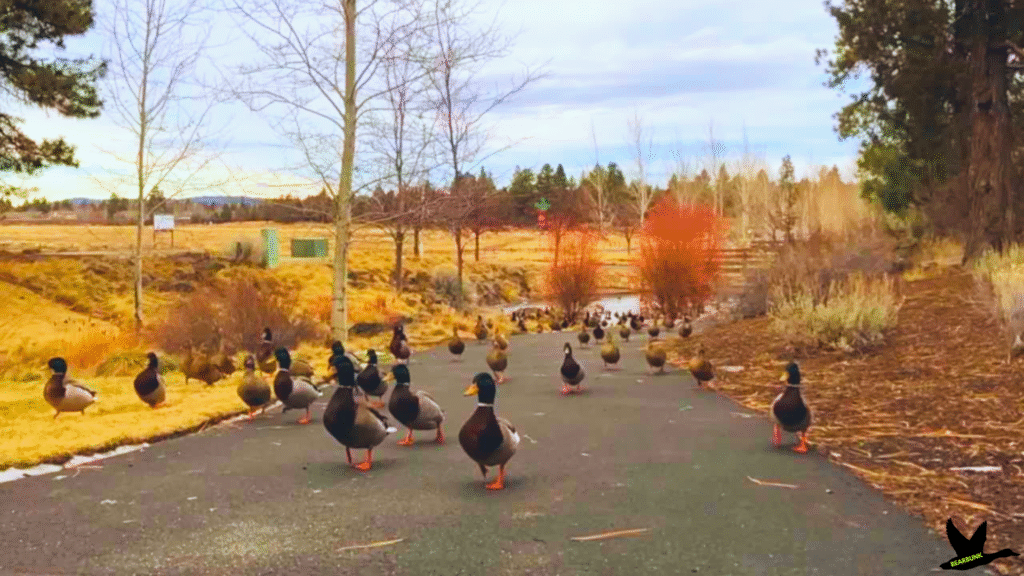
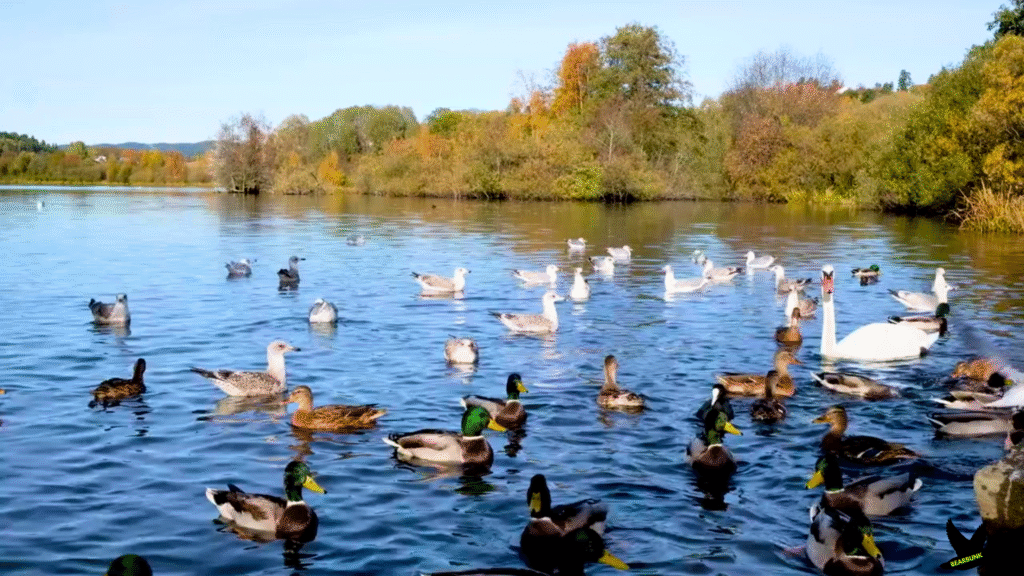
Mallards thrive anywhere water and vegetation meet. They prefer calm freshwater like ponds, lakes, and wetlands but are equally at home in rivers, streams, or flooded fields. Their ability to nest near people — in parks, golf courses, and backyard ponds — has helped them spread worldwide.
During migration, mallards follow traditional flyways across North America, Europe, and Asia, stopping at wetlands that serve as essential resting and feeding spots. They play a small but vital role in those habitats, stirring nutrients as they feed and dispersing plant seeds as they travel.
Diet
Mallards are dabbling ducks, meaning they feed mostly at or near the surface of the water. You’ll often see them tip forward — tails in the air, heads underwater — as they scoop up aquatic plants, algae, small crustaceans, and insects.
They also forage on land, eating seeds, grains, and even small amphibians. Their flexible diet is one of the biggest reasons they’ve adapted so successfully to so many environments.
Did you know? Feeding wild ducks bread is unhealthy for them and their habitat. Instead, offer cracked corn, oats, or chopped greens — healthier choices for both ducks and ponds.
Share On Social:
Mating & Raising Young
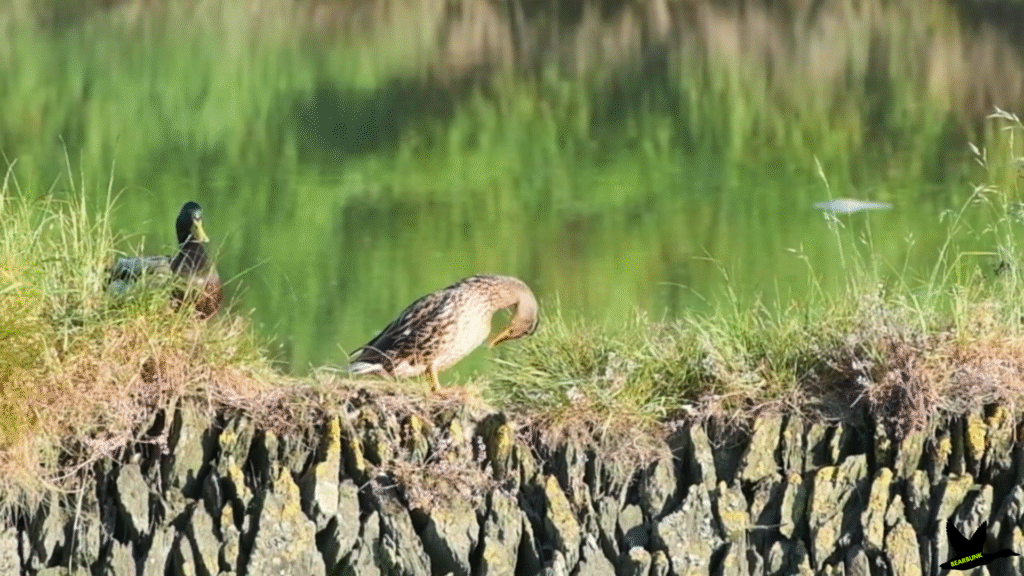
When winter turns to spring, mallards begin their courtship season. Males, known as drakes, flash their glossy plumage and perform displays — synchronized head-bobs, wing flutters, and low whistles — to attract females.
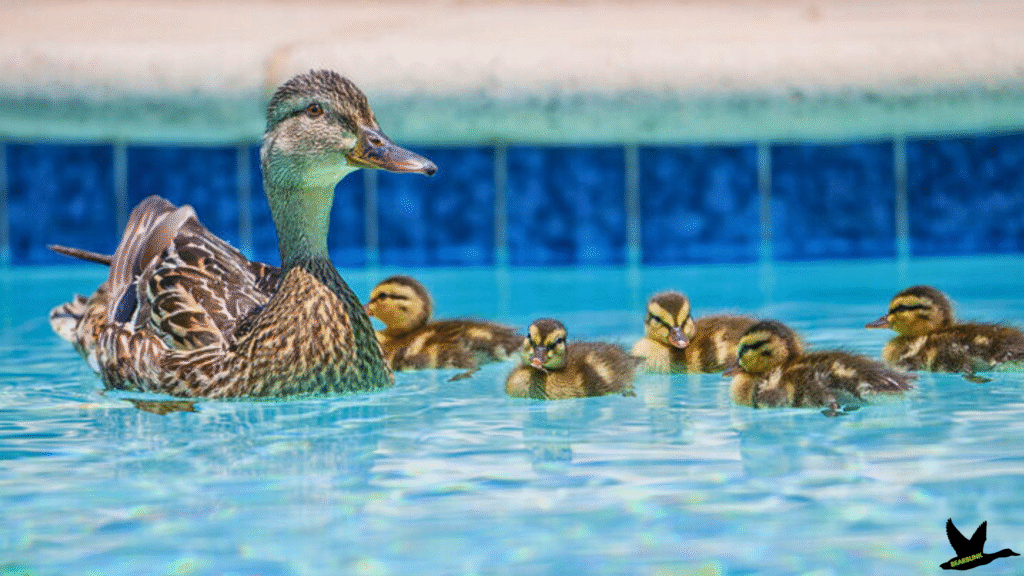
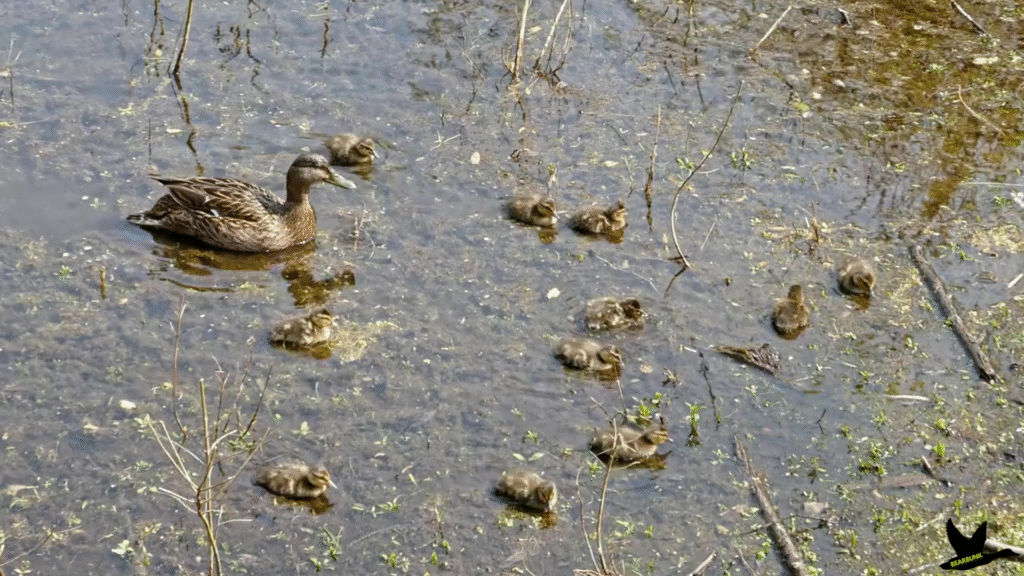
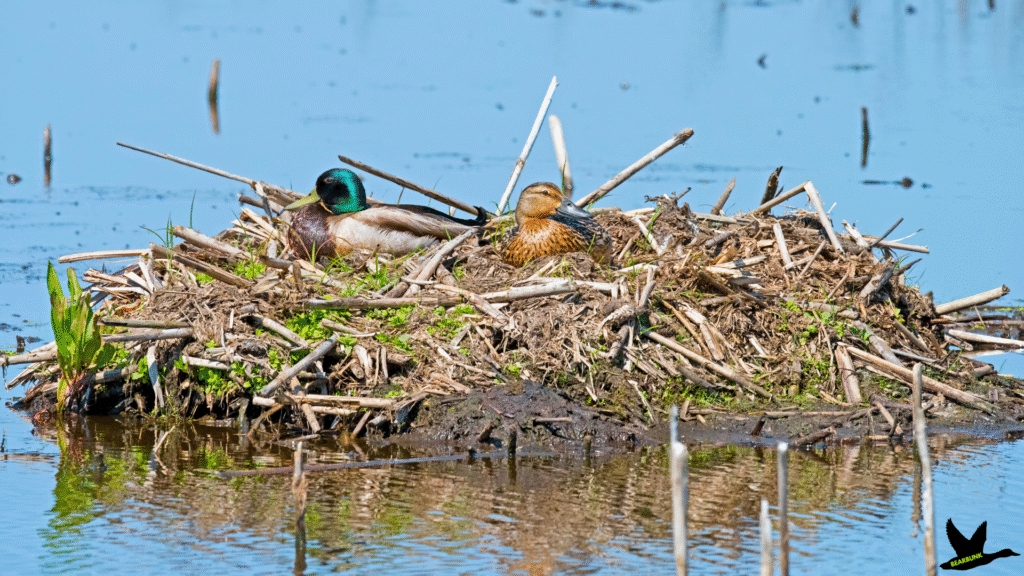
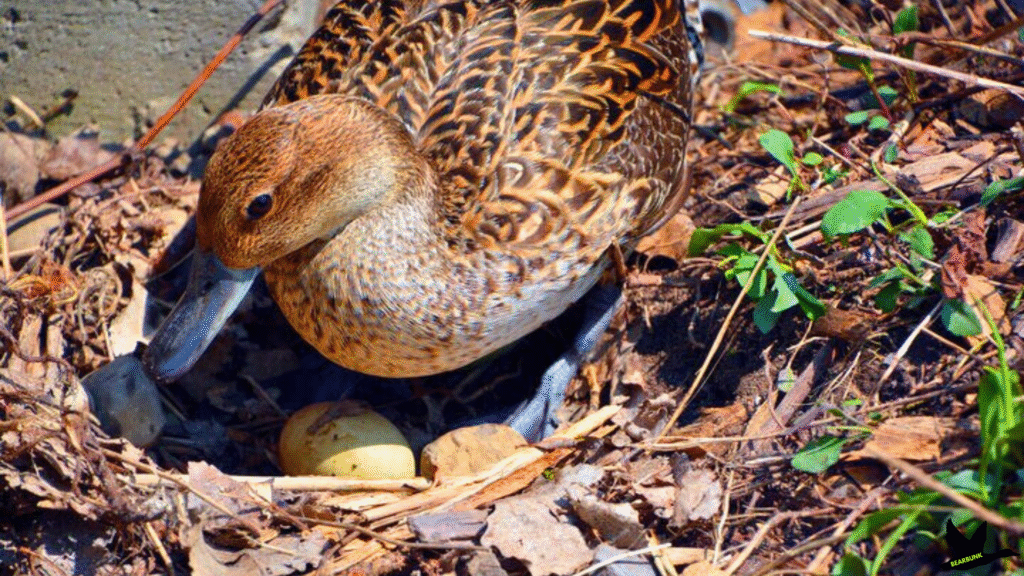
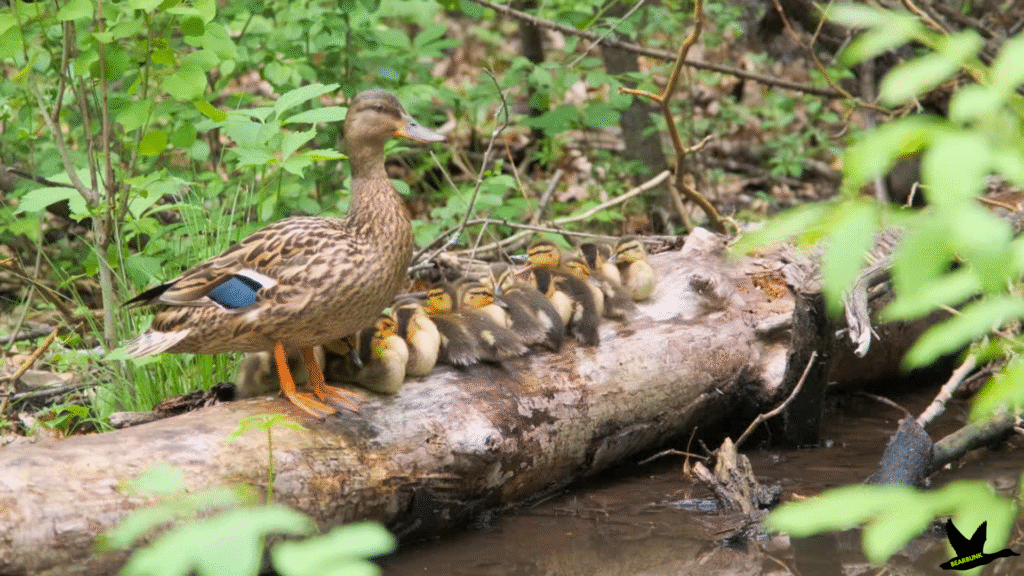
Once a pair forms, the ducks mate, and the female soon begins building a hidden nest near water. She lines it with grass and her own down feathers for warmth, then lays 8–13 eggs, which she incubates for about four weeks.
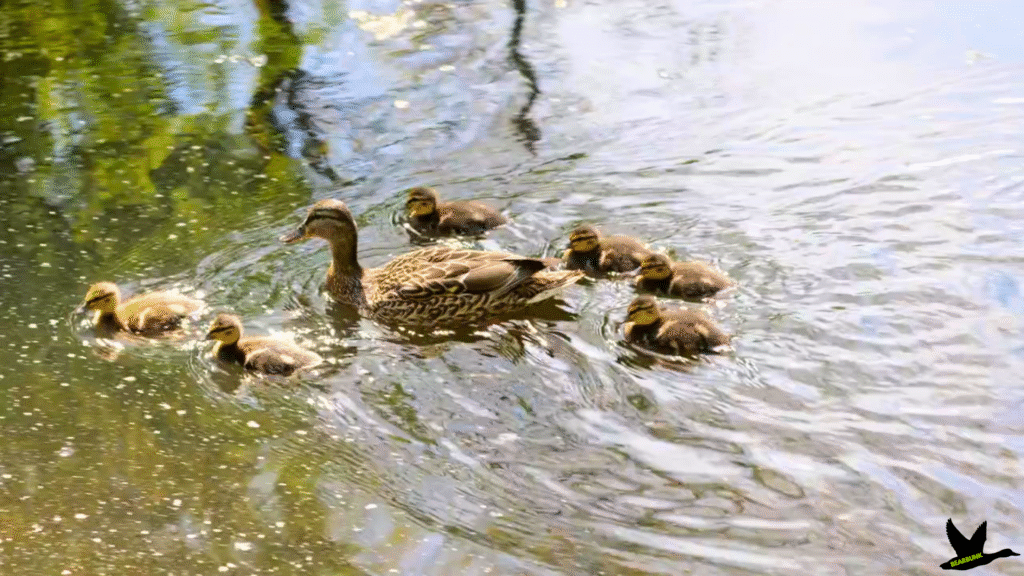
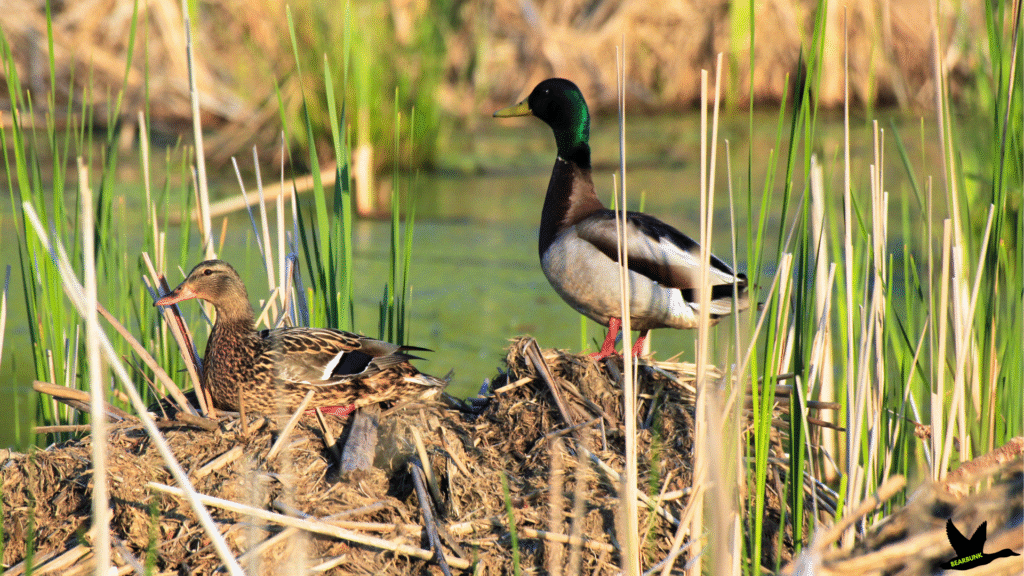
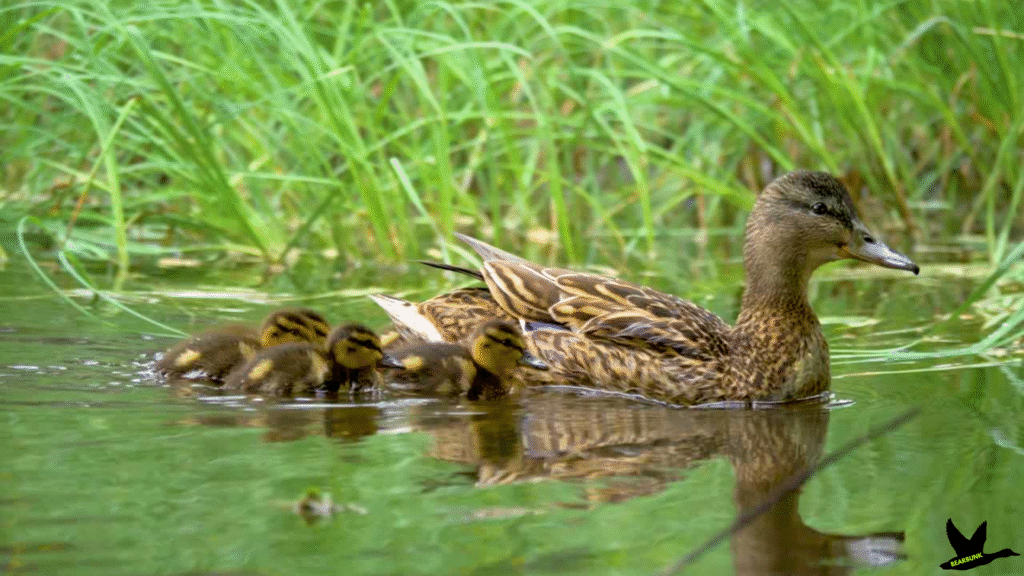
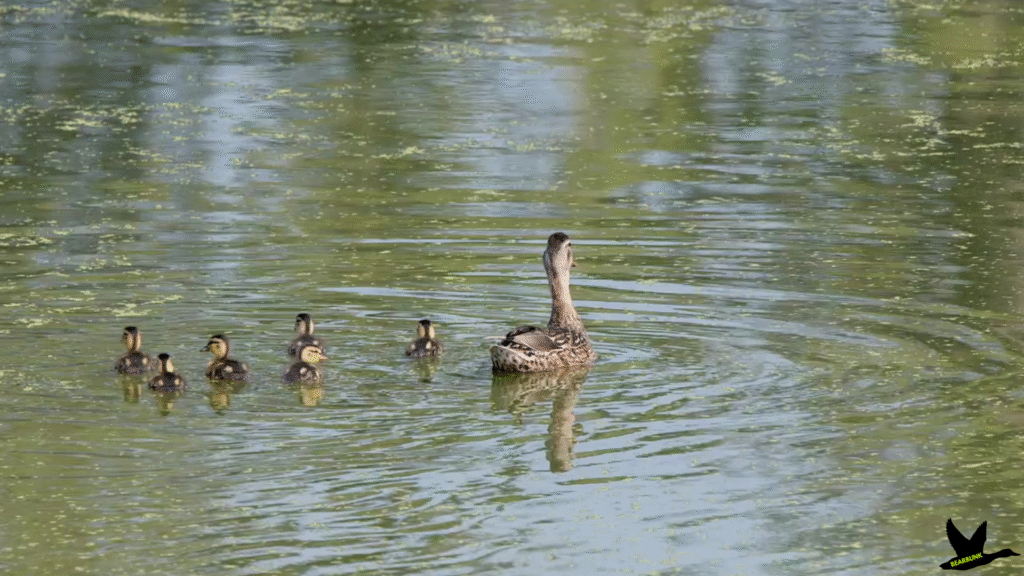
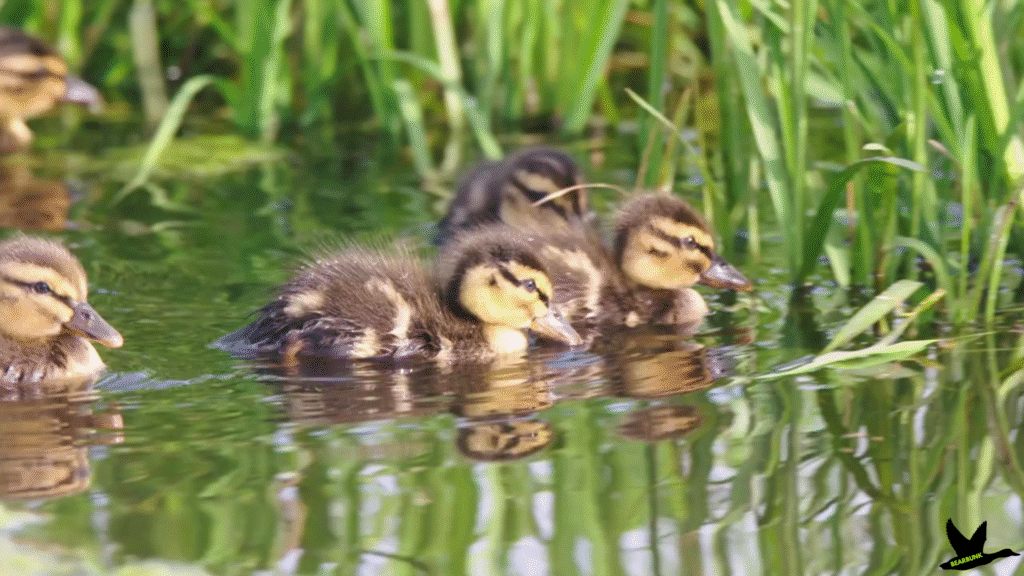
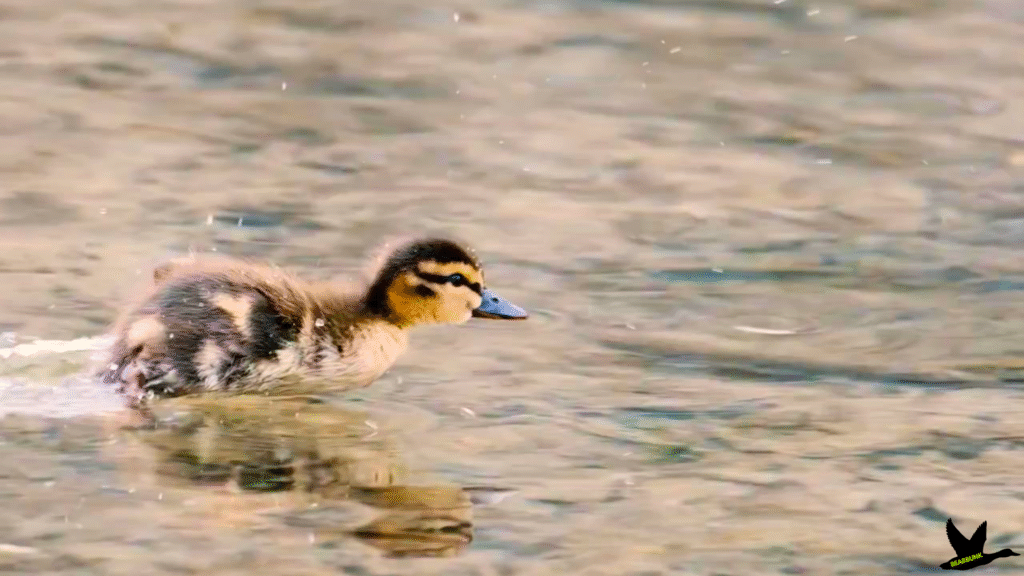
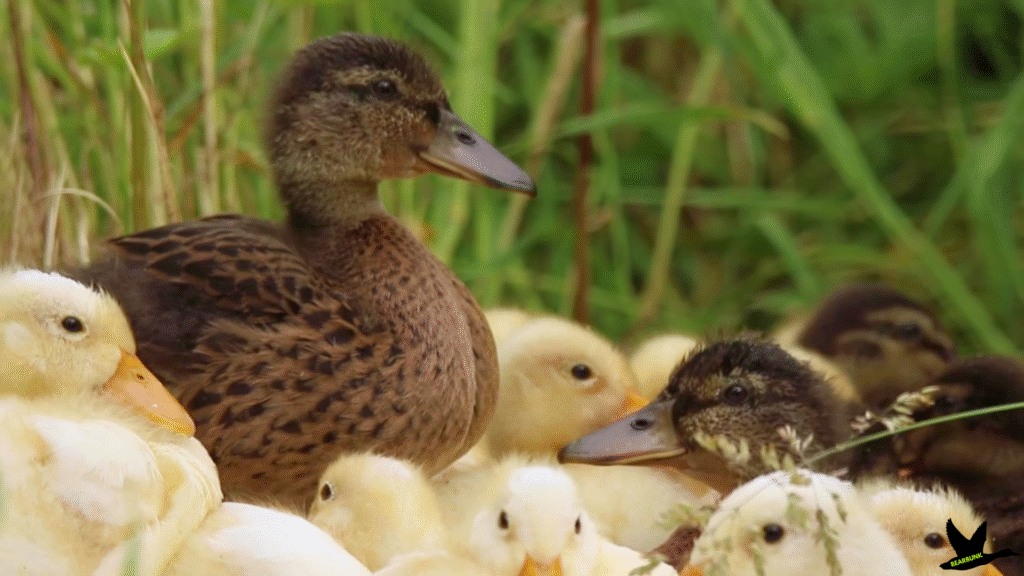
After hatching, ducklings are ready for the water within hours. They quickly learn to swim, dive, and feed, following their mother closely. The drake usually departs early in nesting season, leaving mom to raise the young — though in rare cases, multiple females may share brooding space, creating a “duckling daycare.”
Fun Facts
1. Only the Females Truly Quack
That classic “quack-quack” you hear on the pond? It’s almost always a female. Male mallards make softer, raspier sounds — low grunts, whistles, and murmurs — used mostly during courtship and flock communication.
2. They’re Expert Sleepers
Mallards can sleep with one eye open, literally. Half their brain rests while the other stays alert to danger — an adaptation that allows them to nap safely on open water or near predators.
3. Masters of Instant Takeoff
Mallards can spring straight up from water into flight without a running start. This powerful vertical lift is rare among ducks and gives them a quick escape from predators.
4. They’re World Travelers
Some mallards migrate thousands of miles each year. Birds from Canada may winter in Mexico, while others from Russia and Siberia fly south to India, China, or the Mediterranean. Many even return to the exact same pond year after year.
5. The Origin of Most Domestic Ducks
Nearly all domestic duck breeds — from farmyard white ducks to ornamental species — trace their ancestry back to the wild mallard. Selective breeding over thousands of years created the variety we see today.
6. Ducklings Are Born Ready for Water
Within hours of hatching, ducklings can swim, dive, and feed on their own. They follow their mother in tight formation, learning to mimic her movements almost immediately.
7. Built for All Seasons
Mallards have a unique blood vessel system in their legs that keeps their feet from freezing, even in icy water. Warm blood flowing down meets cooler blood returning up, balancing temperature perfectly.
8. Masters of Adaptation
From Arctic lakes to tropical wetlands — and even city parks — mallards can thrive almost anywhere. Their flexible diet and calm nature make them one of the most adaptable bird species on Earth.
9. Hidden Beauty in Flight
The bright blue patch on each wing, called a “speculum,” flashes like a mirror when they fly. It’s bordered in white and used in visual signaling between mallards.
10. Their Legacy Lives On
Because mallards interbreed easily, they’ve influenced many related duck species, including the Mexican
About Mallard Ducks
Common Name: Mallard Duck
Scientific Name: Anas platyrhynchos
Family: Anatidae
Subfamily: Anatinae
Size: 20–26 inches
Weight: 1.5–3 pounds
Lifespan: 5–10 years (wild)
Location: North America, Europe, Asia, Africa, Australia
Habitat: Lakes, rivers, wetlands, marshes, streams, ponds
Diet: Aquatic plants, seeds, insects, crustaceans, grains
Conservation Status: Least Concern
Mallards are adaptable, intelligent, and endlessly resourceful — thriving in icy northern lakes or tropical wetlands alike. Their bright plumage, gentle personalities, and familiar “quack” have made them one of the world’s most beloved birds.
Why We Love Them
Mallard ducks are everyday reminders of nature’s quiet brilliance. Whether it’s the flash of emerald on a drake’s head or a line of ducklings trailing their mother, they bring a sense of calm and connection wherever they appear. They’re proof that sometimes the most common creatures are also the most extraordinary.
Conclusion
The mallard may seem ordinary, but it’s anything but. These adaptable ducks bridge continents, raise devoted families, and add color and life to nearly every pond and park they touch. The next time you hear that familiar quack, remember — you’re listening to one of nature’s greatest survivors and storytellers.
Watch the Video on YouTube:
Meet the Mallard Duck | The Duck You Thought You Knew – YouTube
Learn more about:
Birds, Rivers and Streams, Aquatic Life. and Colorful Creatures




Leave a Reply