
Meet the Caribou | Reindeer
Caribou are some of the most remarkable mammals on Earth, thriving in regions where winter dominates most of the year. Known as reindeer in parts of Europe and Asia, these Arctic travelers are famous for their long migrations, unique antlers, and incredible cold-weather adaptations.
From snow-covered tundra to boreal forests, caribou have evolved to survive — and even flourish — in some of the harshest environments on the planet.

Species of Caribou
Caribou belong to a single species with several distinct groups adapted to different habitats.
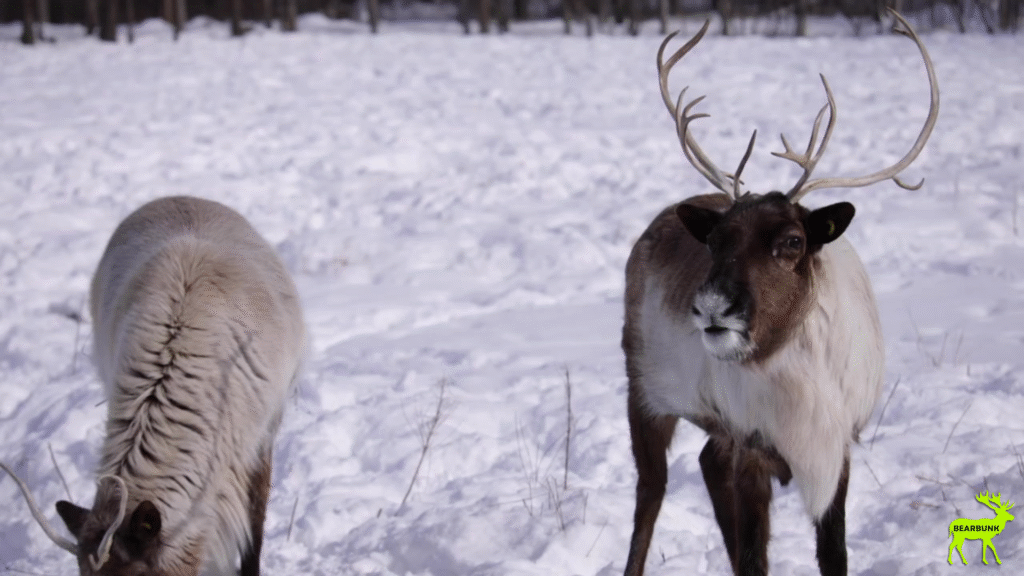
Caribou (Rangifer tarandus) – A cold-adapted deer species found across the Arctic and sub-Arctic regions of the Northern Hemisphere.
Major Caribou Groups (Ecotypes):
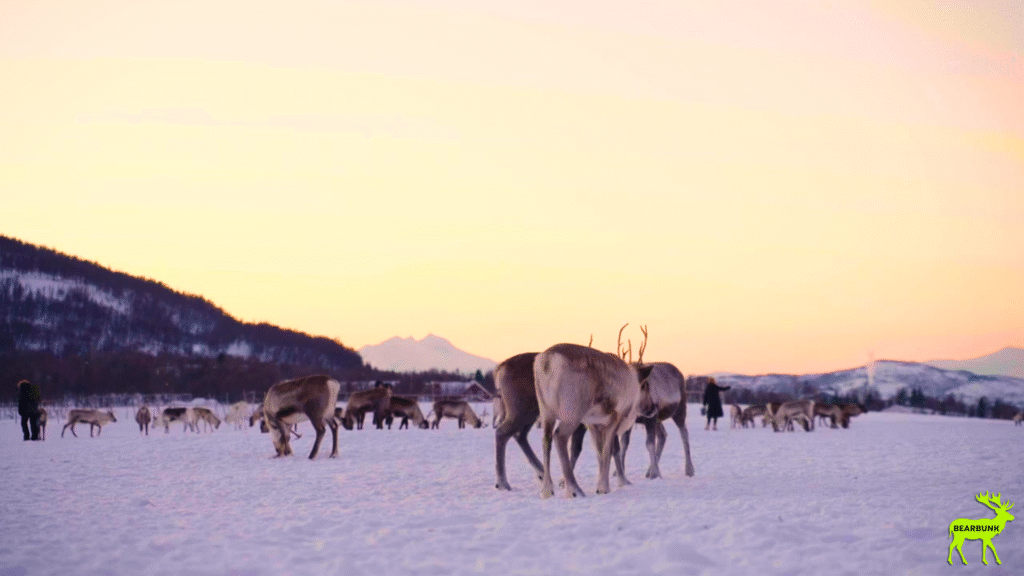
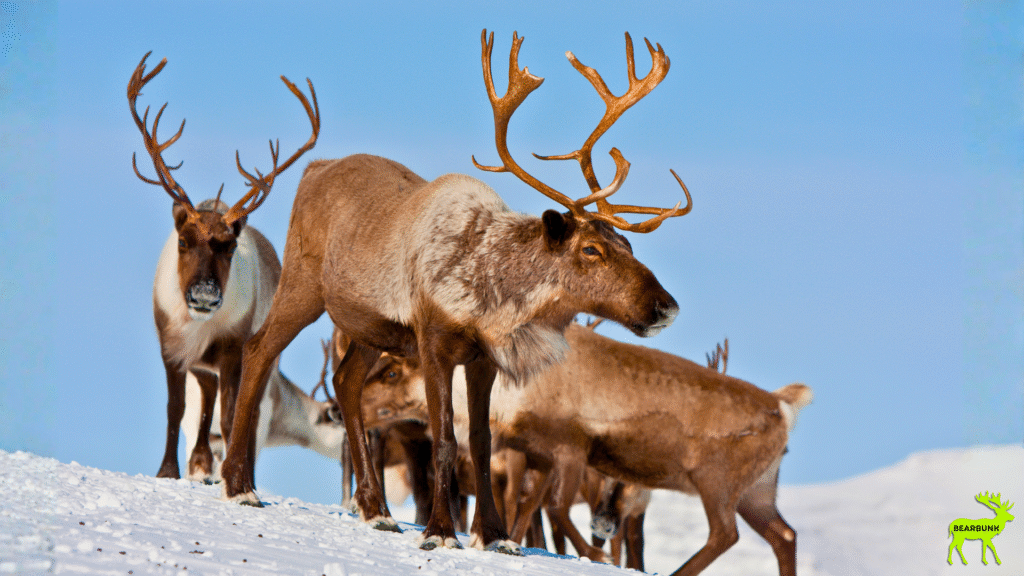
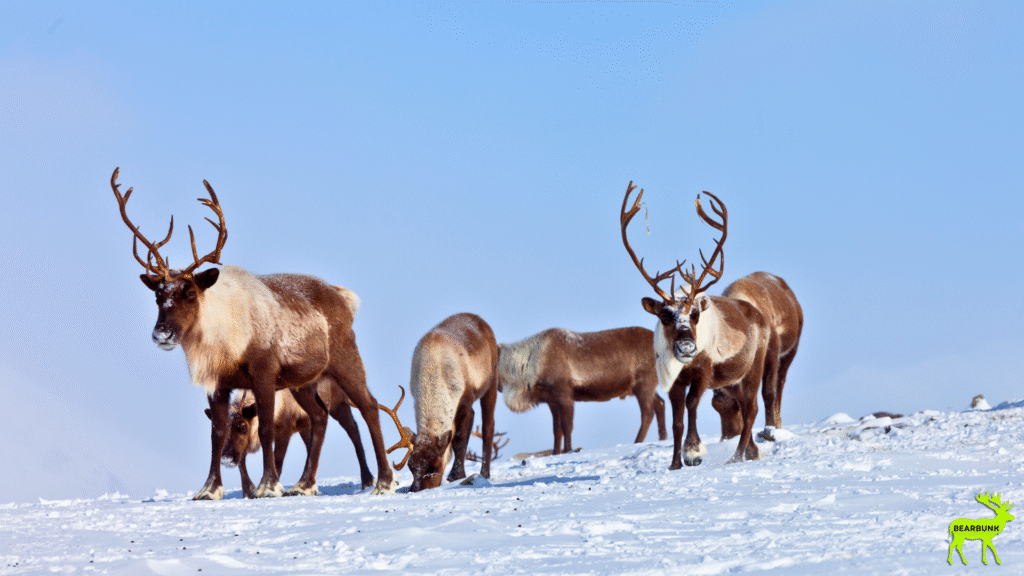
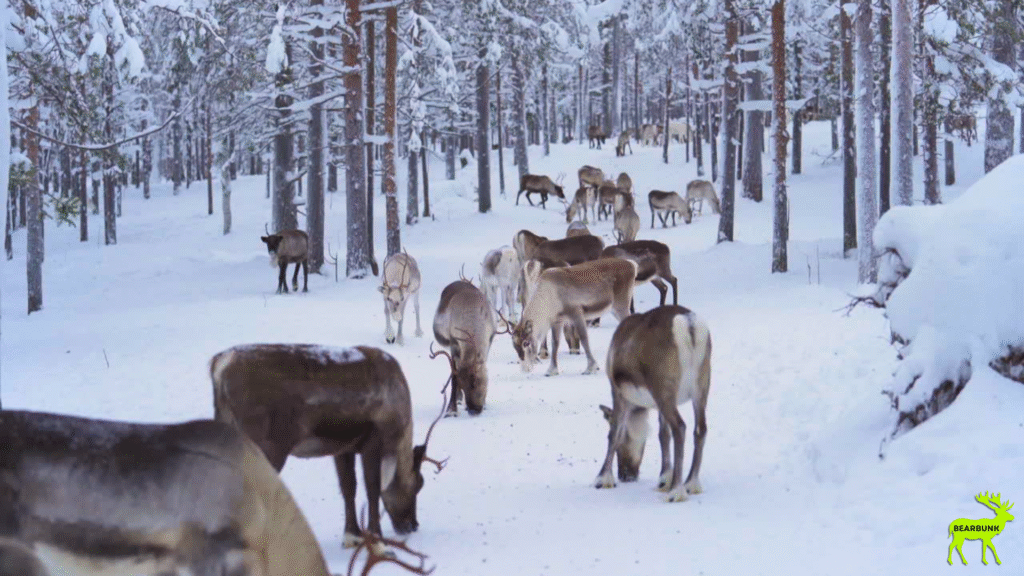
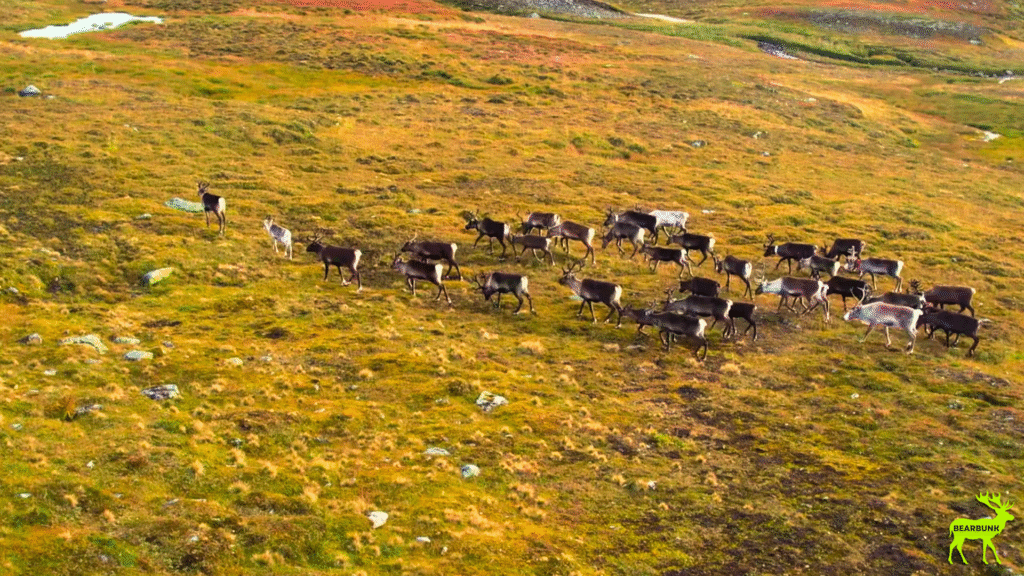
- Tundra Caribou – Form large herds and complete long seasonal migrations
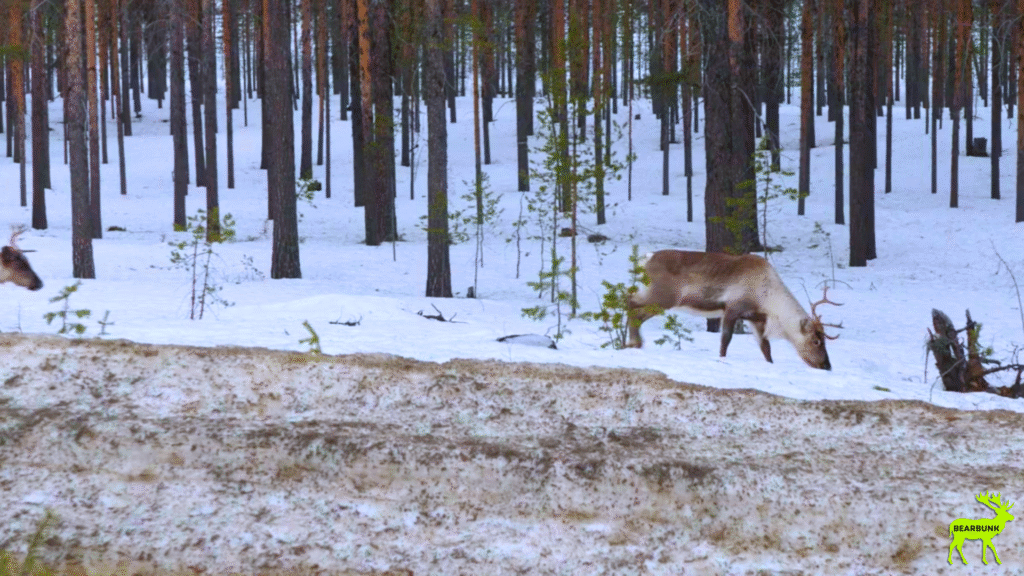
- Woodland Caribou – Live in boreal forests, often in smaller groups
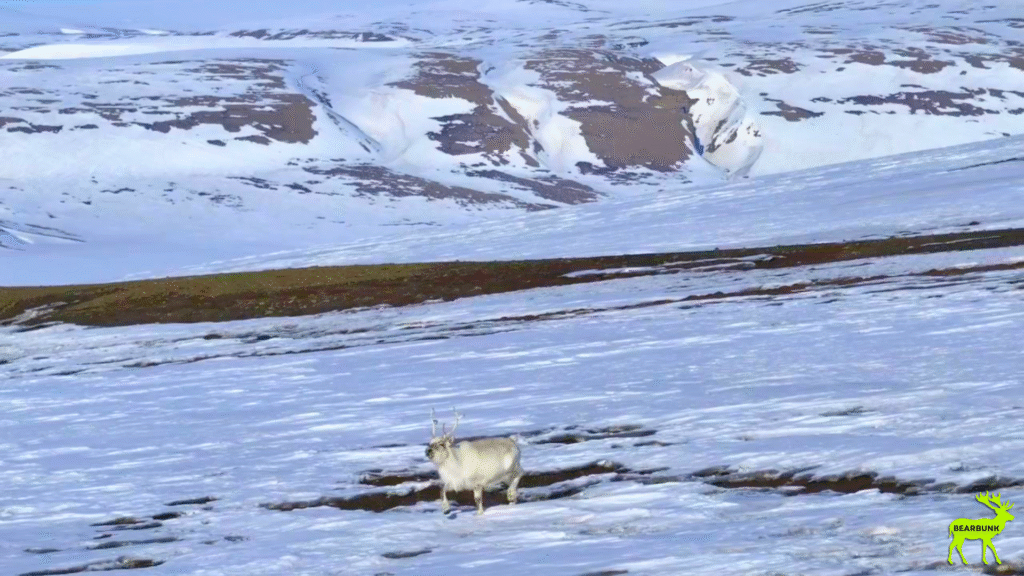
- Barren-Ground Caribou – Arctic tundra specialists adapted to extreme cold
Habitat
Caribou inhabit a wide range of northern environments, including:
- Arctic tundra
- Boreal forests
- Coastal plains
- Mountainous regions
What all caribou habitats share is space — wide, open areas that allow herds to move freely throughout the year.
Diet
Caribou are herbivores with a flexible diet that changes by season.
- Summer: grasses, sedges, leaves, shrubs, and mushrooms
- Winter: lichen (often called reindeer moss), along with buried plants
Their strong sense of smell helps them locate food beneath deep snow, which they uncover using their hooves.
Share On Social:
Mating & Raising Young
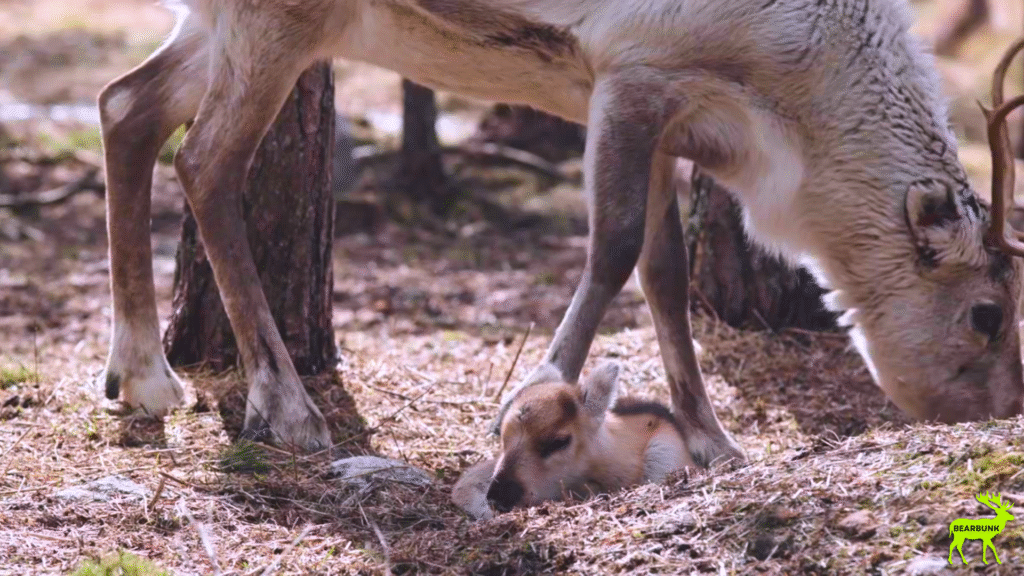
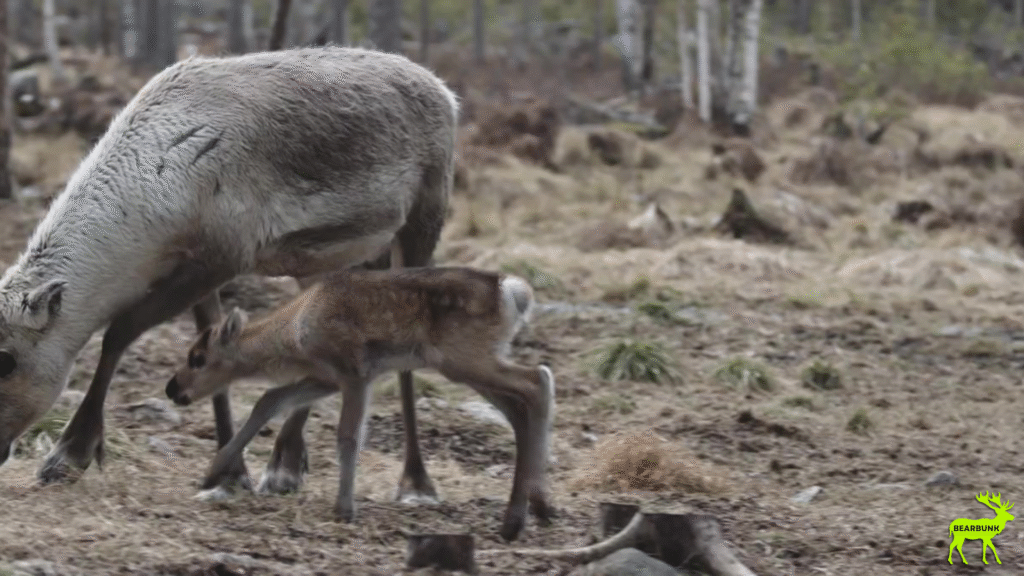
Caribou mate in the fall during a period known as the rut. After mating, females carry their calves for about seven and a half months.
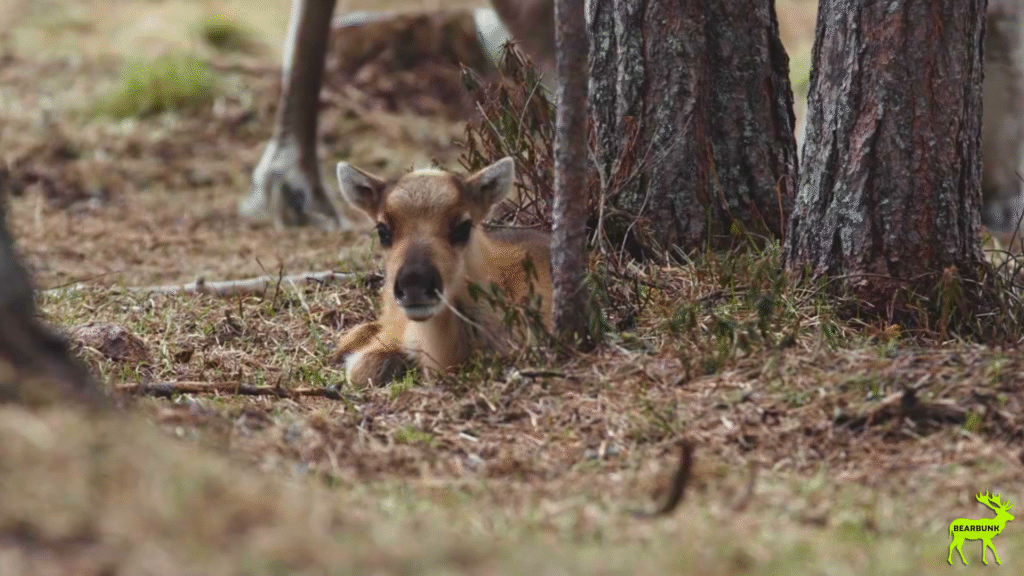
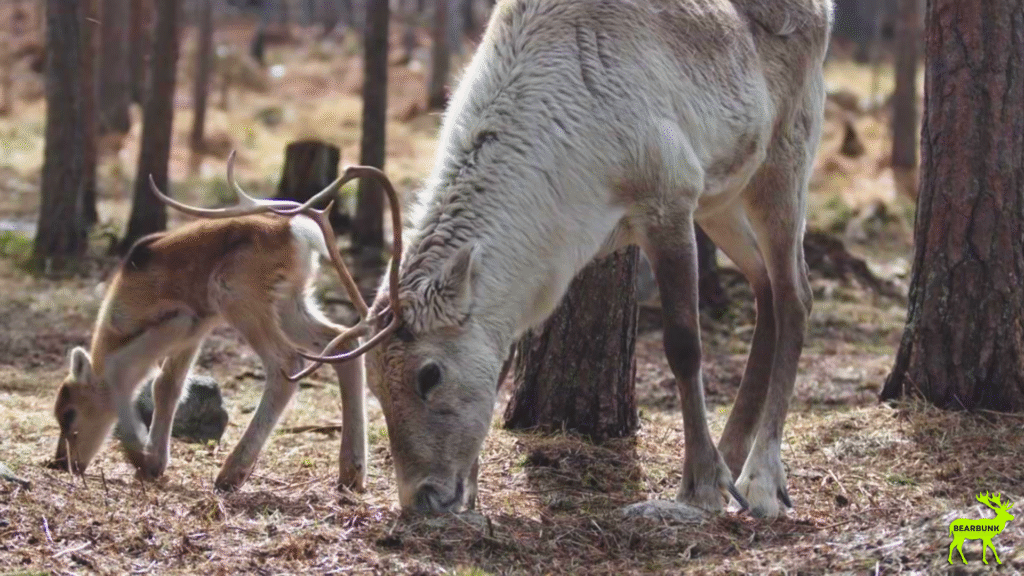
Most calves are born in late spring or early summer when food is plentiful. Newborn calves can stand and walk within hours of birth, allowing them to keep up with moving herds almost immediately.
Fun Facts
- Caribou complete the longest land migration of any land mammal
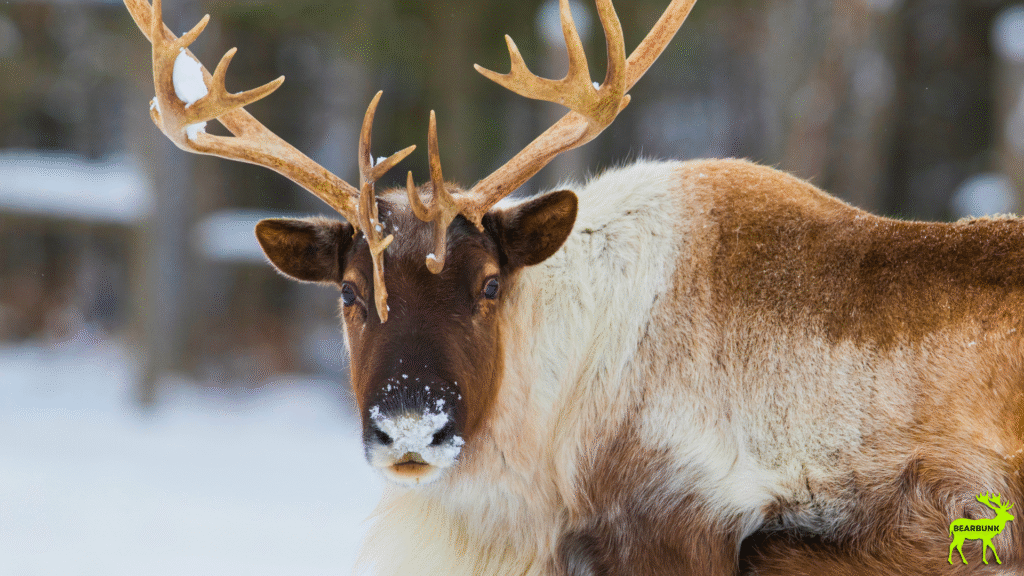
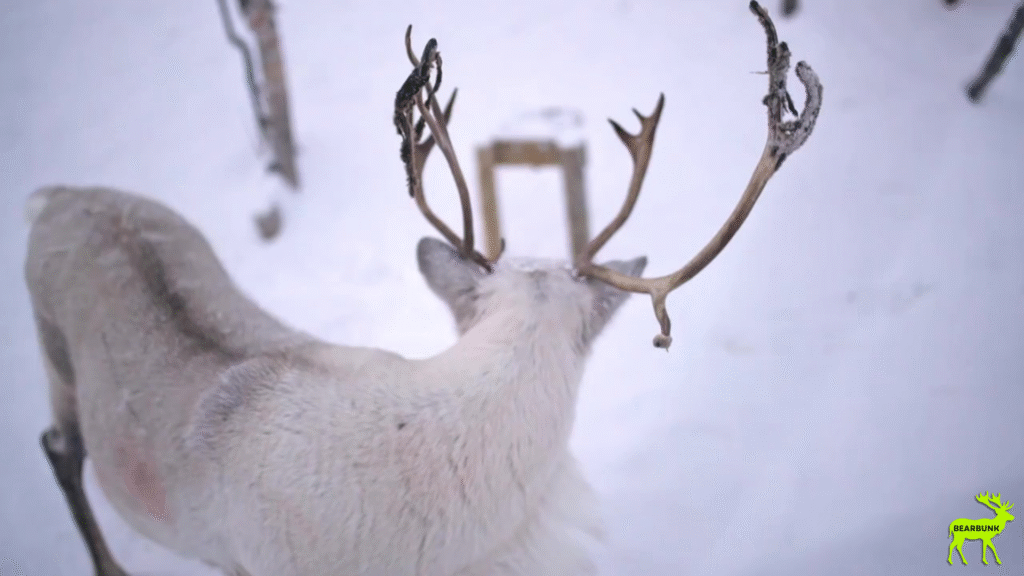
- Both males and females grow antlers — unique among deer
- Females keep their antlers through winter
- Hollow fur traps heat and helps them float while swimming
- Caribou can see ultraviolet light, helping them spot food in snowy landscapes
About Caribou
Common Name: Caribou
Scientific Name: Rangifer tarandus
Family: Cervidae
Subfamily: Capreolinae
Size: 4–5 feet at the shoulder
Weight: 150–300 pounds
Lifespan: 12–15 years
Location: North America, Europe, Asia
Habitat: Arctic tundra, boreal forest, coastal plains
Diet: Grasses, sedges, shrubs, mushrooms, lichen
Conservation Status: Varies by population
Caribou are uniquely adapted for cold environments, with wide hooves that act like snowshoes, hollow fur for insulation, and seasonal behaviors that help them survive extreme winters.
Why We Love Them
Caribou represent endurance, cooperation, and adaptability. Their massive migrations, shared antlers, and gentle herd behavior remind us that survival in extreme environments often depends on balance rather than aggression.
They are quiet giants of the tundra, perfectly shaped by the land they roam.
Conclusion
From snowshoe-like hooves to winter antlers and epic migrations, caribou are truly masters of the frozen north. Their story is one of resilience, movement, and remarkable adaptation — proof that life can thrive even in the coldest corners of the world.
Learn More:
Watch the full Video on YouTube:
Giants of the Tundra and Masters of the Arctic: Meet the Caribou – YouTube
Read more about:







Leave a Reply