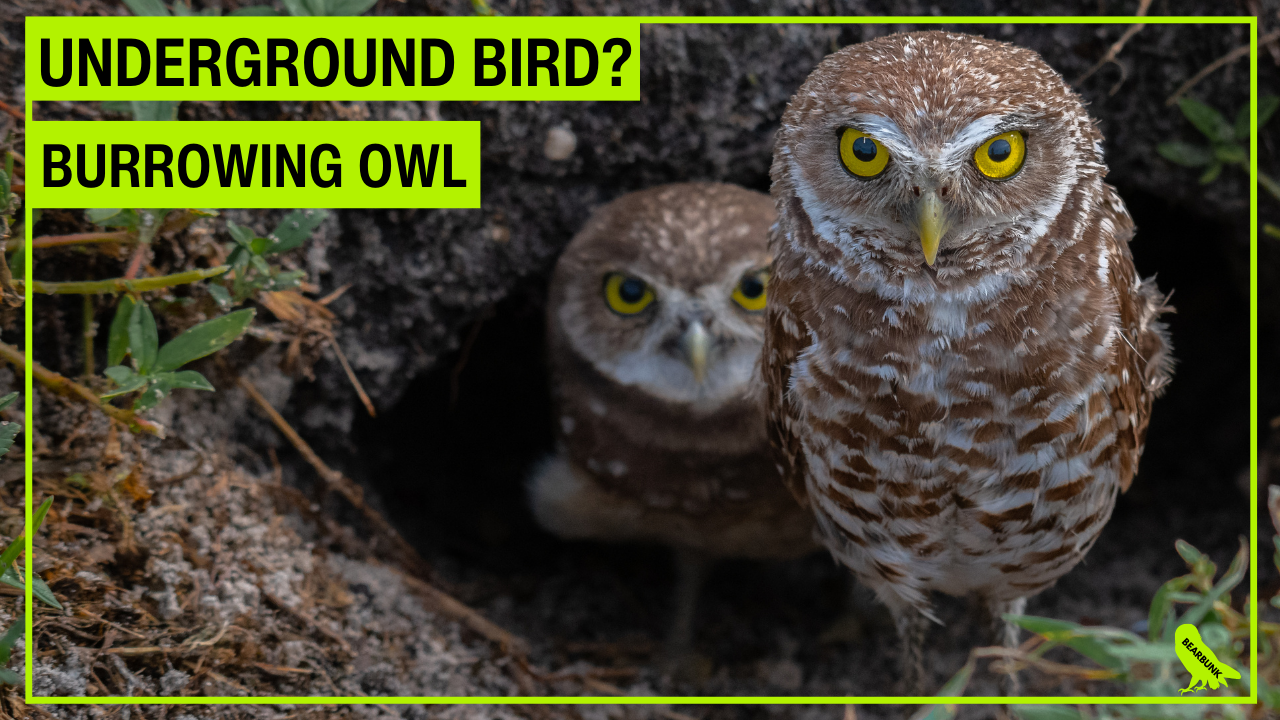
Meet the Burrowing Owl
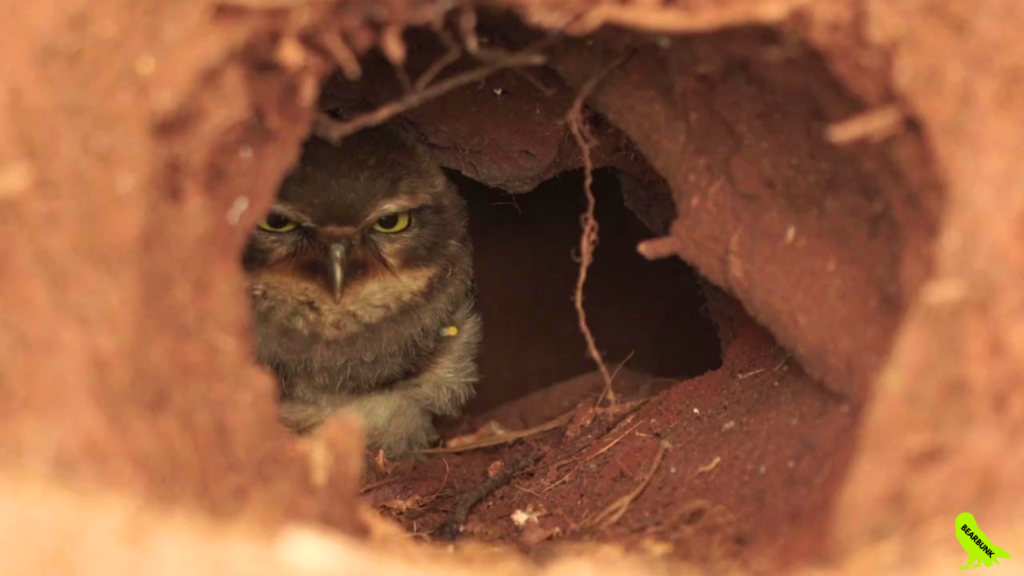
Burrowing owls are one of the most unusual owls in the world. While most owls spend their lives perched in trees or hidden deep within forests, these small birds do something completely different. They live underground.
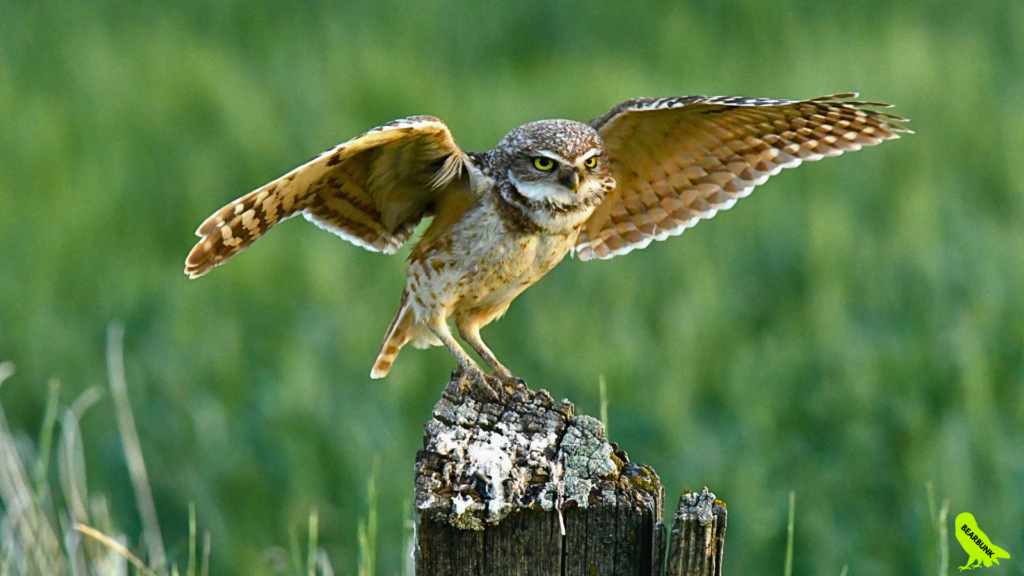
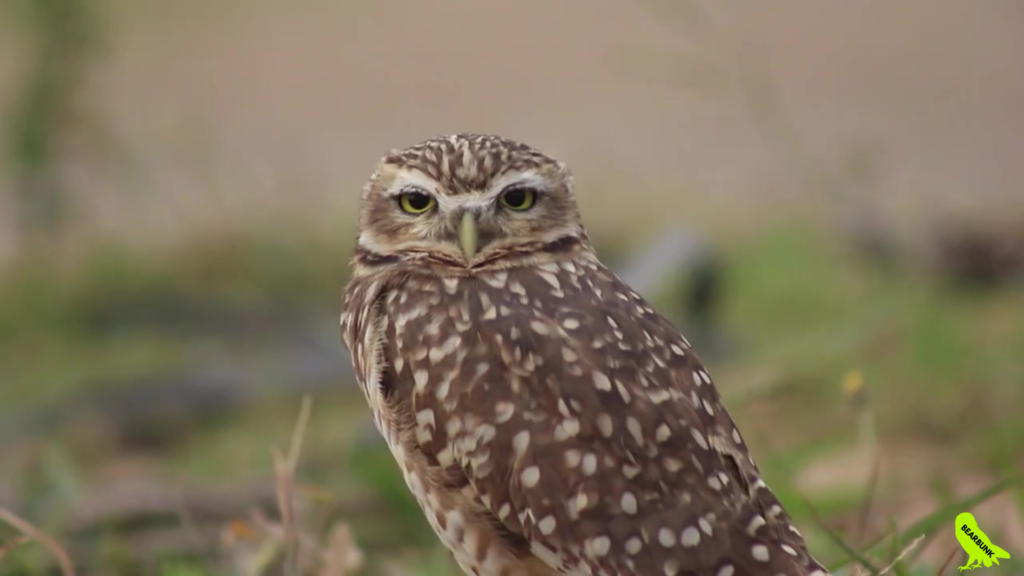
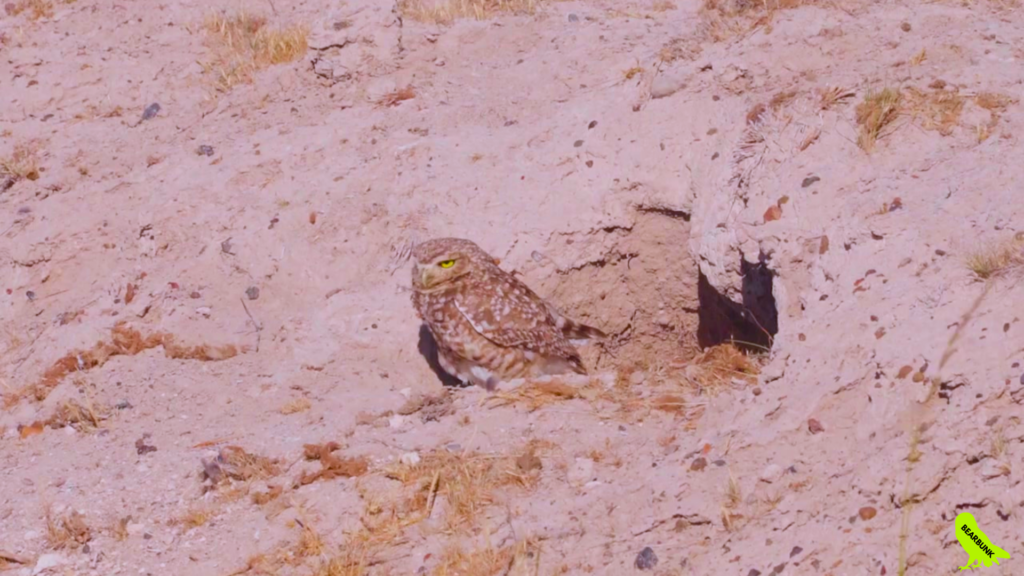
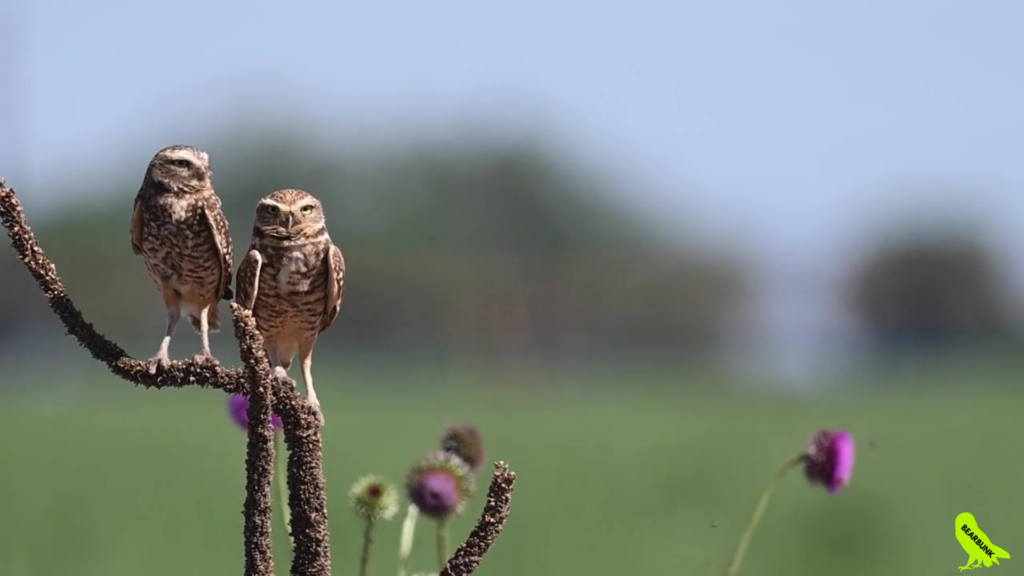
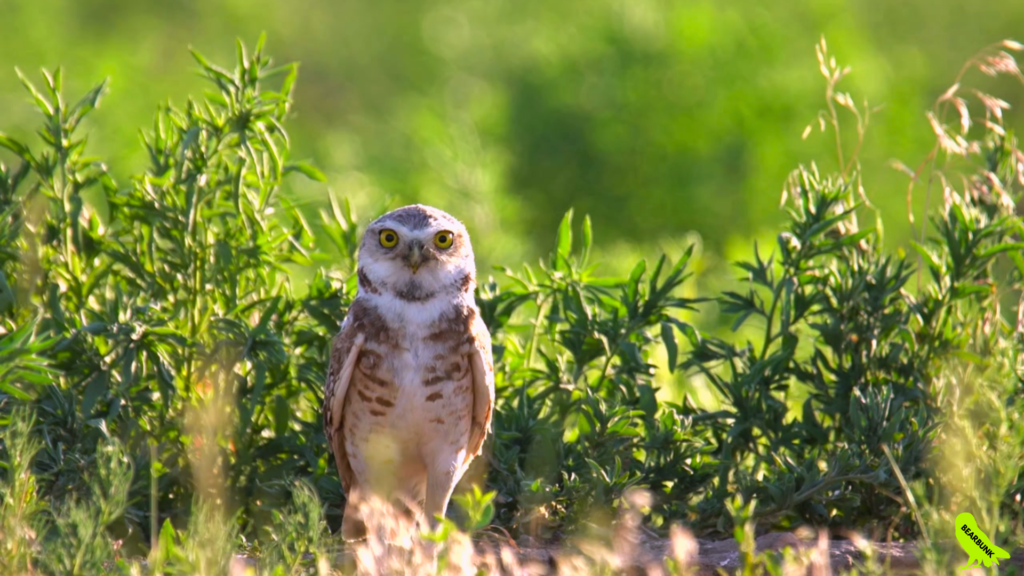
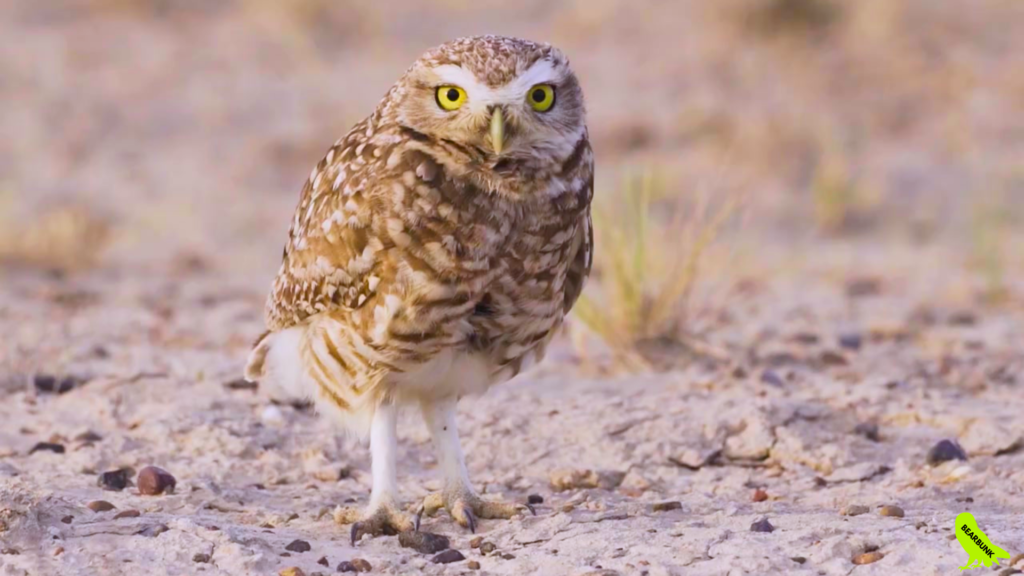
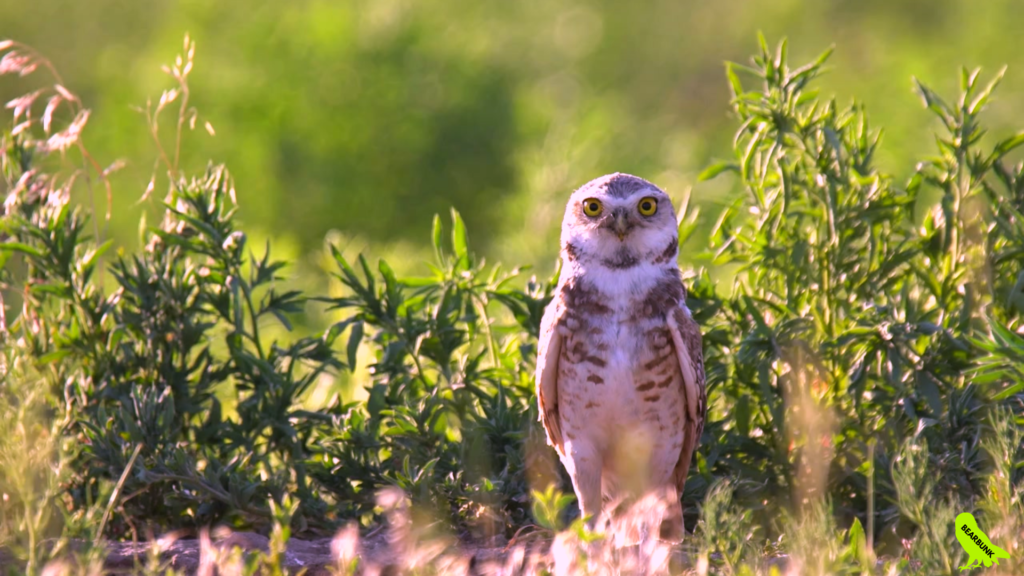
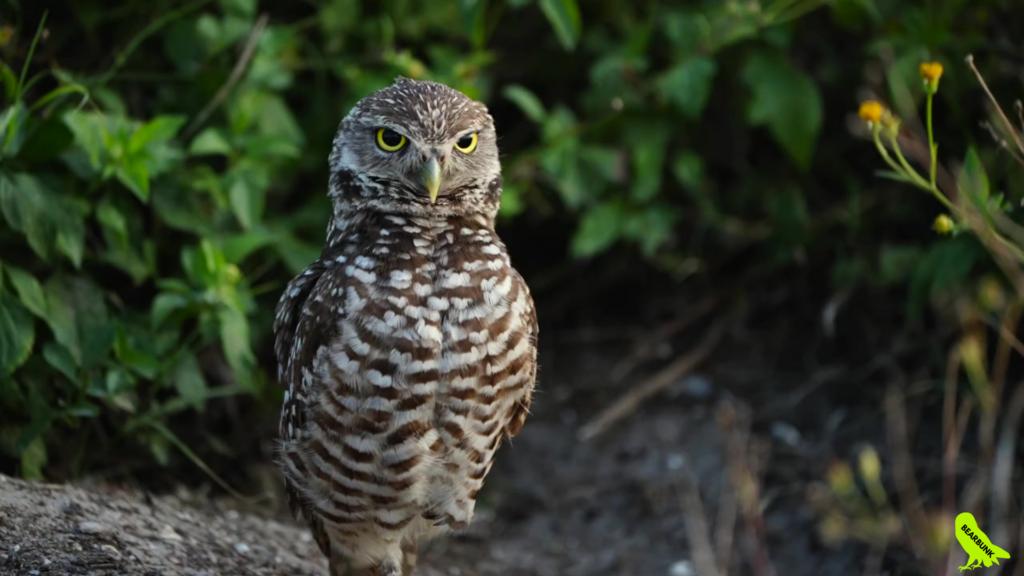
Found across the open landscapes of North and South America, burrowing owls make their homes in tunnels and burrows beneath the soil. These tiny owls are active during the day, run across the ground on surprisingly long legs, and stand guard outside their burrows like little feathered sentinels watching everything around them.
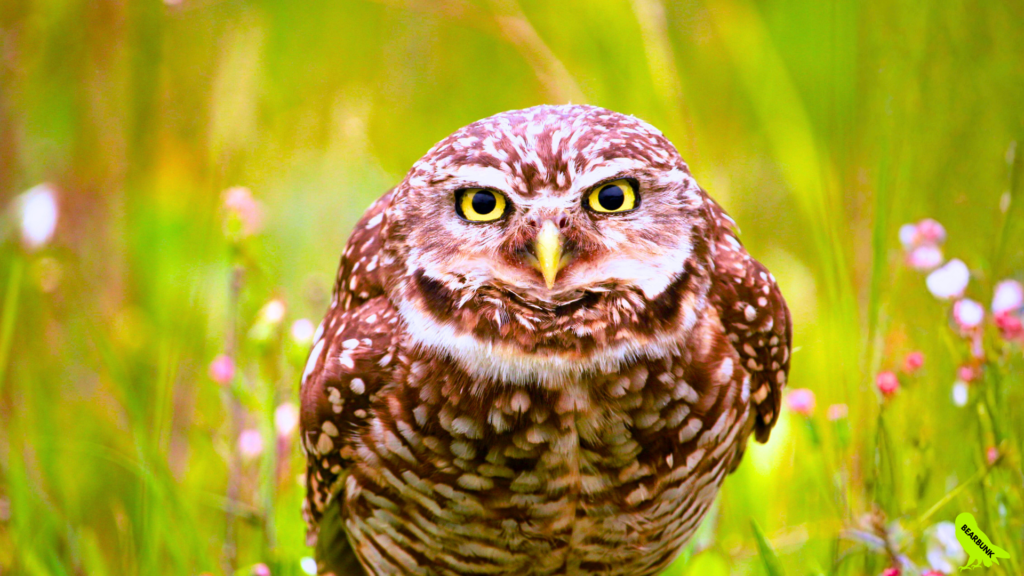
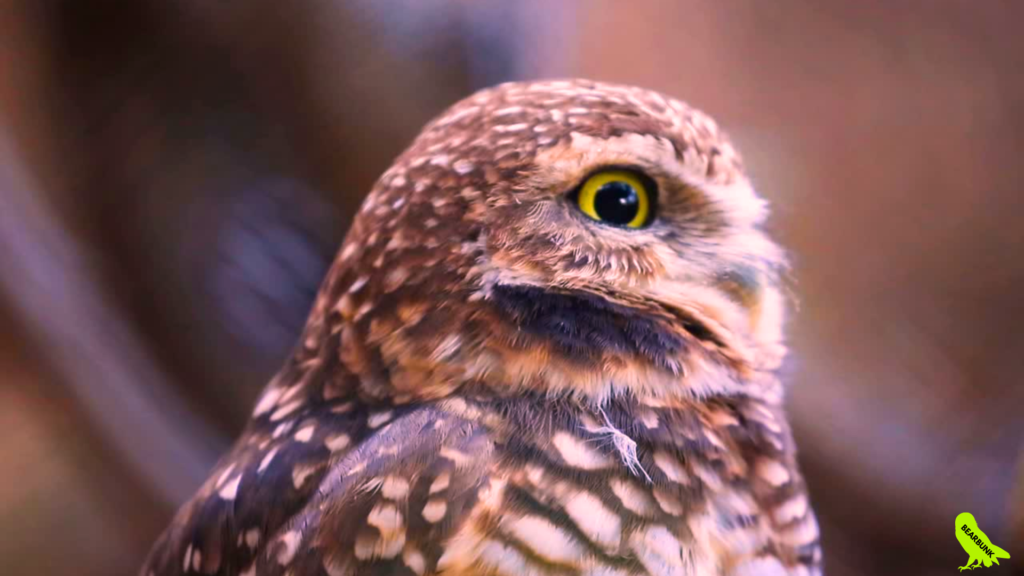
With their bright yellow eyes, curious personalities, and fascinating behaviors, burrowing owls are among the most entertaining birds to observe in the wild.
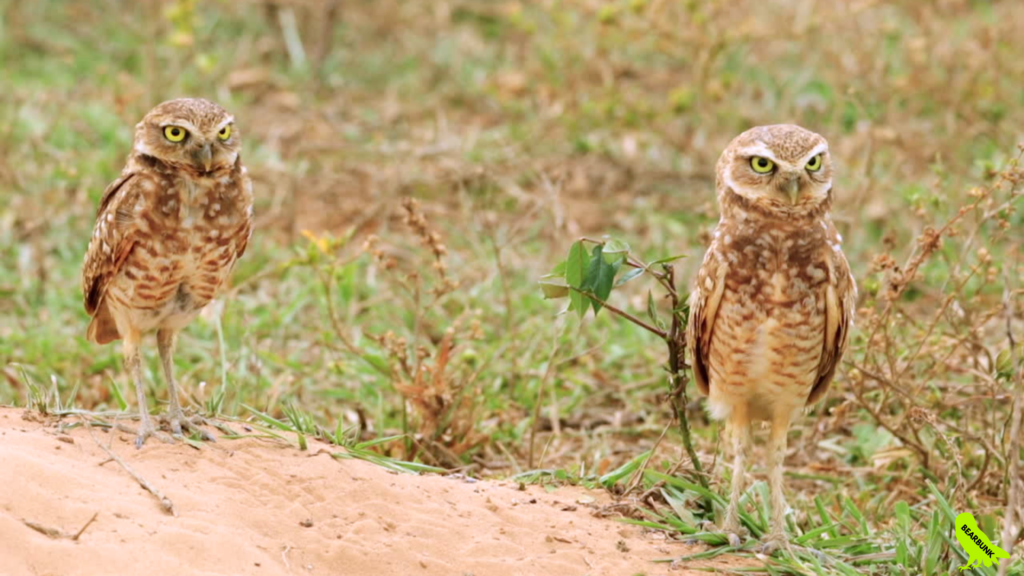
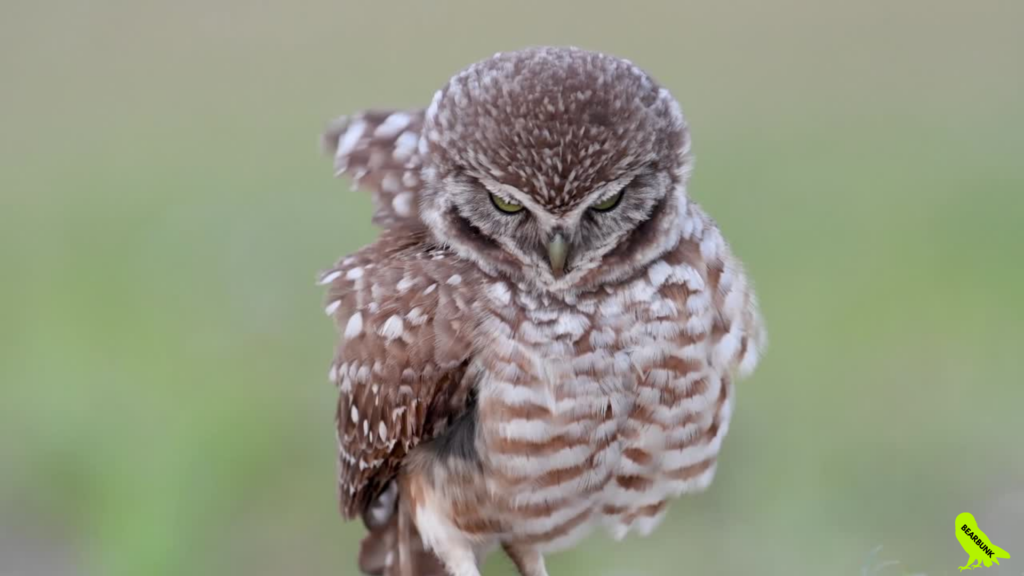
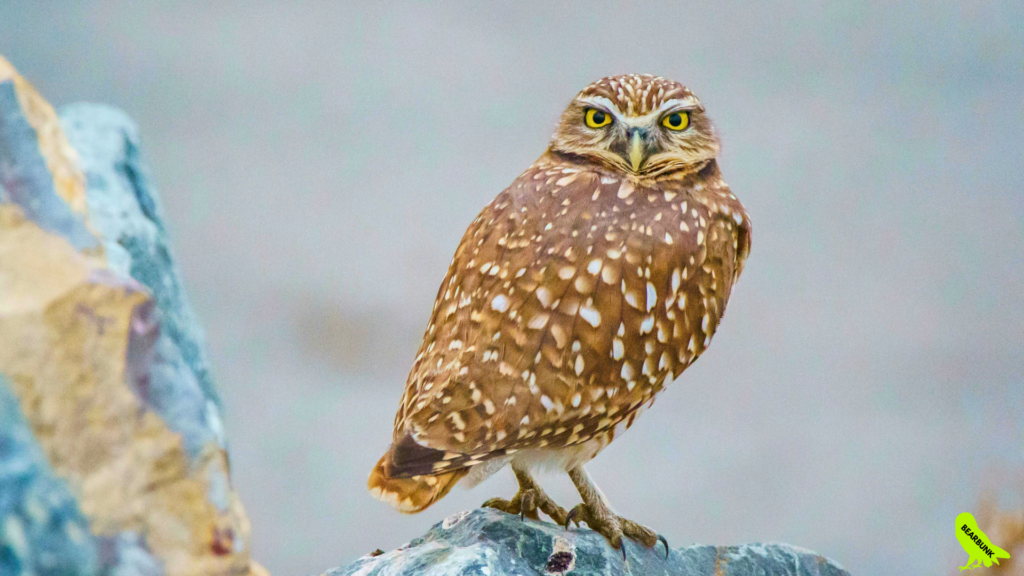
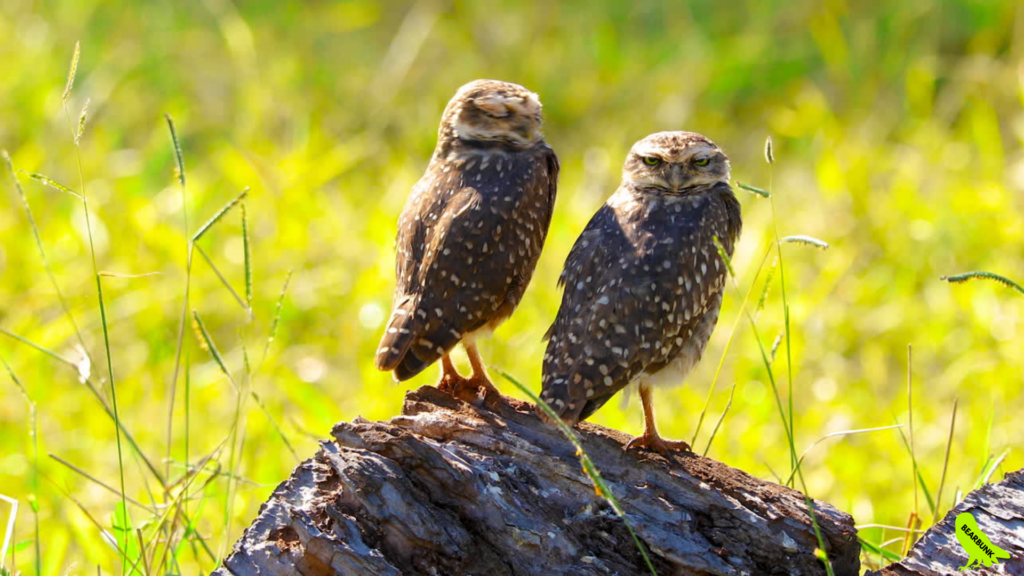
Species of Burrowing Owl
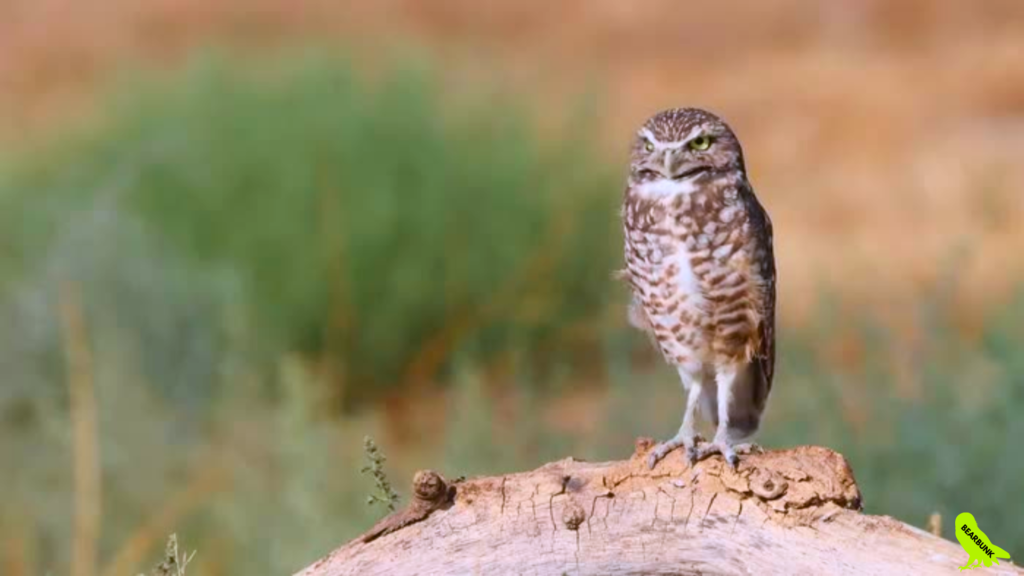
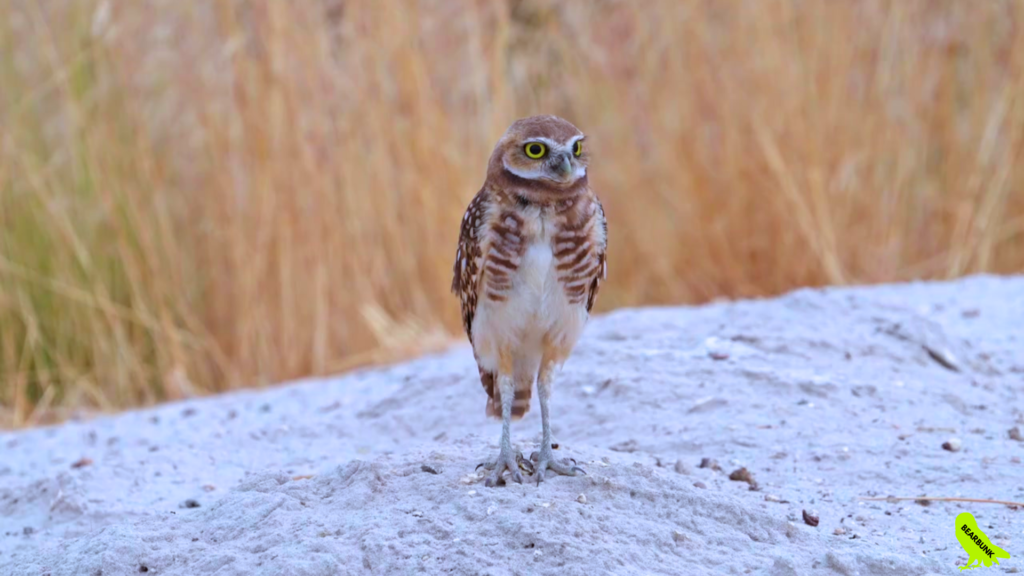
There is one primary species of burrowing owl, but scientists recognize more than twenty subspecies spread across the Americas. These subspecies vary slightly in size, coloration, and range.
Burrowing Owl
Athene cunicularia
A small ground-dwelling owl found throughout grasslands, deserts, and open habitats across North and South America. Known for living in underground burrows and being active during daylight hours.
Some notable regional subspecies include:
Western Burrowing Owl
Athene cunicularia hypugaea
Common across the western United States and Canada in grasslands and prairies.
Florida Burrowing Owl
Athene cunicularia floridana
A smaller subspecies found primarily in Florida, often living near suburban neighborhoods and open fields.
South American Burrowing Owl
Various subspecies found across countries including Brazil, Argentina, Chile, and Peru.
Habitat
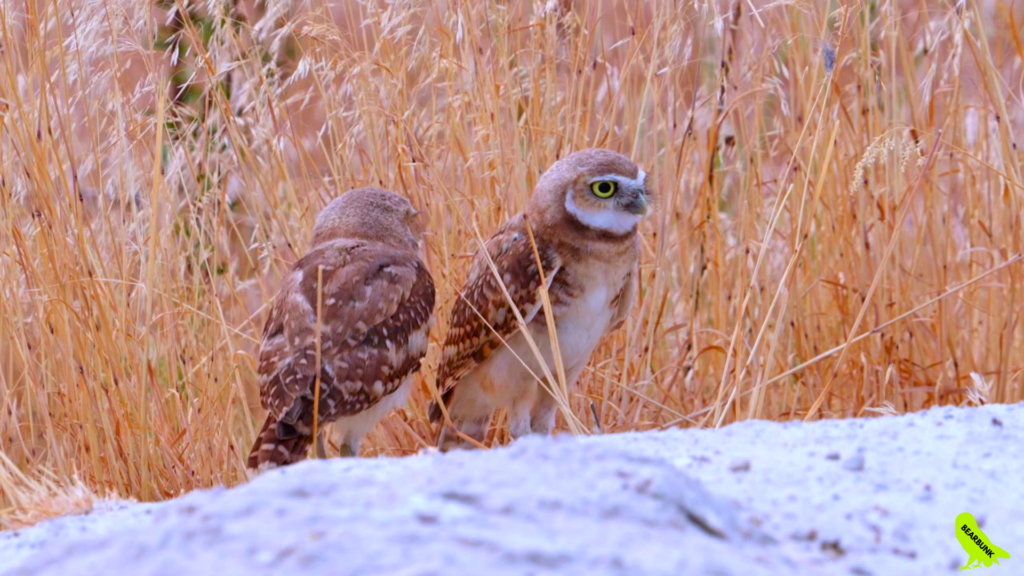
Burrowing owls thrive in wide open landscapes where they can clearly see their surroundings. These birds prefer habitats with short vegetation and plenty of open ground.
Common habitats include:
- Grasslands and prairies
- Deserts and scrublands
- Agricultural fields
- Coastal dunes
- Airport fields and open urban areas
The key requirement for these owls is suitable underground burrows. Many burrowing owls move into tunnels originally dug by other animals such as prairie dogs, ground squirrels, badgers, or tortoises.
In Florida, burrowing owls often dig their own burrows in sandy soil when abandoned tunnels are not available.
Diet
Burrowing owls have a very flexible diet and will eat whatever prey is most abundant in their habitat.
A large portion of their food comes from insects, including:
- Grasshoppers
- Beetles
- Crickets
- Moths
- Scorpions
They also hunt small vertebrates such as:
- Mice
- Voles
- Small birds
- Lizards
- Frogs
Unlike many owls that hunt primarily from the air, burrowing owls frequently hunt on foot. They often run or hop across the ground to capture insects or chase small prey.
These owls are also capable flyers and can catch flying insects mid-air.
Share On Social:
Mating & Raising Young
Burrowing owl breeding season typically begins in early spring.
Male owls try to attract females with a series of displays near the burrow entrance. These displays may include:
- Puffing up their feathers
- Bowing and bobbing their heads
- Bringing food gifts to the female
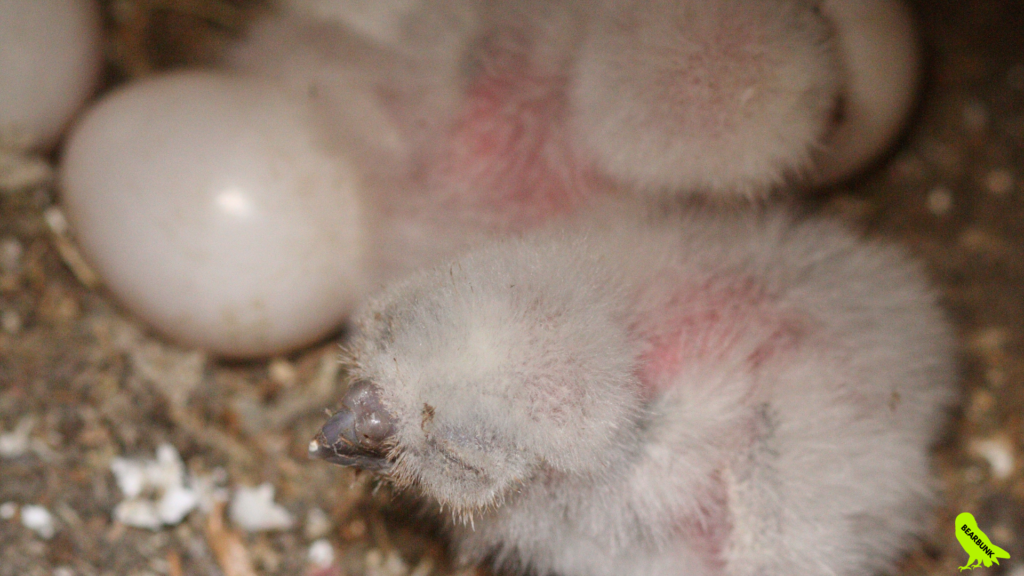
Once a pair bonds, the female lays about 4 to 7 eggs inside the burrow.
The female incubates the eggs for roughly four weeks while the male hunts and brings food.
When the chicks hatch, they remain inside the burrow for the first few weeks. Both parents work together to feed them.
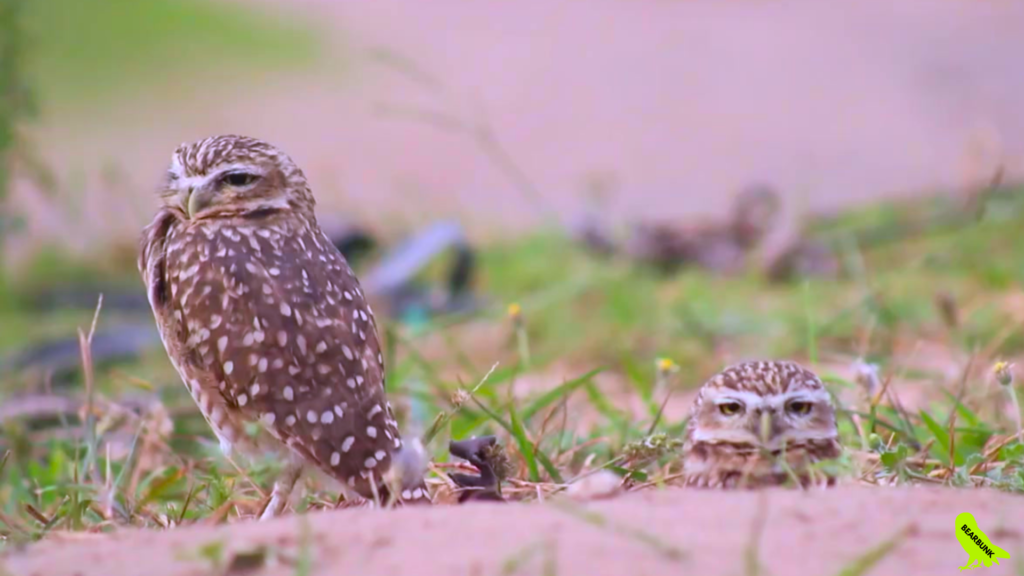
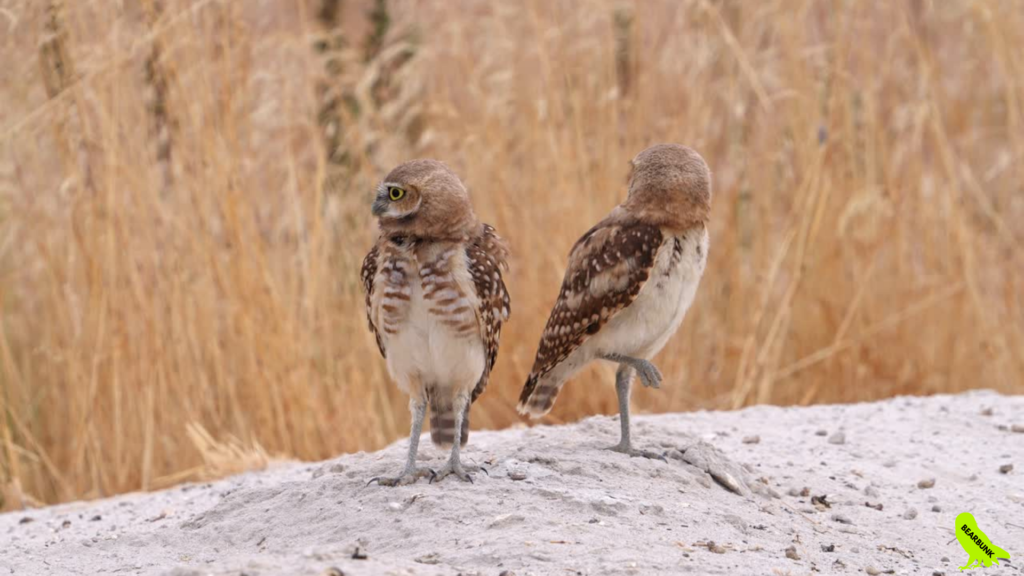
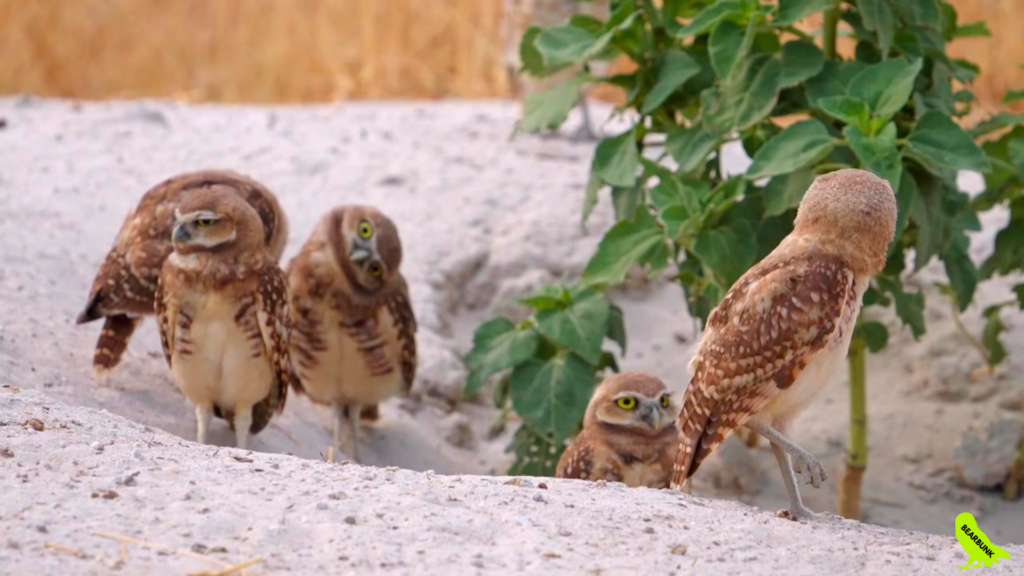
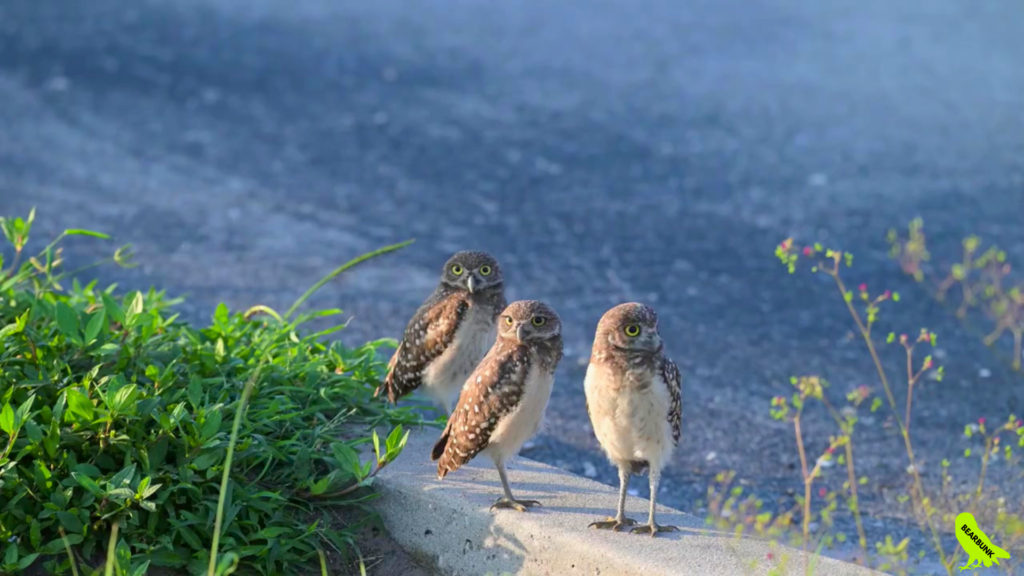
As the young owls grow, they begin appearing at the burrow entrance where they can be seen standing in a row like tiny guards. At around six to seven weeks old, the young owls begin flying and learning to hunt.
Unique Traits
They Can Mimic Rattlesnakes
Burrowing owls are famous for mimicking the buzzing sound of a rattlesnake when predators approach their burrow. This clever defense can scare off animals that might otherwise investigate the nest.
They Decorate Their Burrows
Burrowing owls sometimes place grass, feathers, or even animal fur near the burrow entrance. These materials can attract insects, creating easy hunting opportunities.
They Are Active During the Day
Most owls are nocturnal, but burrowing owls are frequently active during daylight hours. They hunt in the daytime as well as at dawn and dusk.
They Run Surprisingly Fast
Because of their long legs, burrowing owls can sprint across the ground when chasing prey. Their running speed can reach about 5 miles per hour.
They Live in Loose Colonies
Although each pair has its own burrow, several burrowing owl families may live in the same area, creating small colonies across grasslands.
Superpowers
Fast
Burrowing owls can run across the ground much faster than most birds of prey, allowing them to chase insects and small animals.
Survivalists
These owls thrive in harsh environments including deserts and open plains, adapting to different climates across two continents.
Conservation
Burrowing owl populations face several challenges, especially in parts of North America.
Major threats include:
- Habitat loss from development
- Declining prairie dog populations (which provide burrows)
- Pesticide use reducing insect prey
- Vehicle collisions
In some areas, conservation groups install artificial burrows to help support local owl populations.
Despite these challenges, burrowing owls remain widespread across the Americas.
About Burrowing Owl
Common Name: Burrowing Owl
Scientific Name: Athene cunicularia
Family: Strigidae
Subfamily: Athene
Size: 7–10 inches tall
Weight: 5–8 ounces
Lifespan: 6–8 years in the wild
Location: North and South America
Habitat: Grasslands, deserts, prairies, farmland, and open plains
Diet: Insects, small mammals, reptiles, frogs, and small birds
Conservation Status: Least Concern
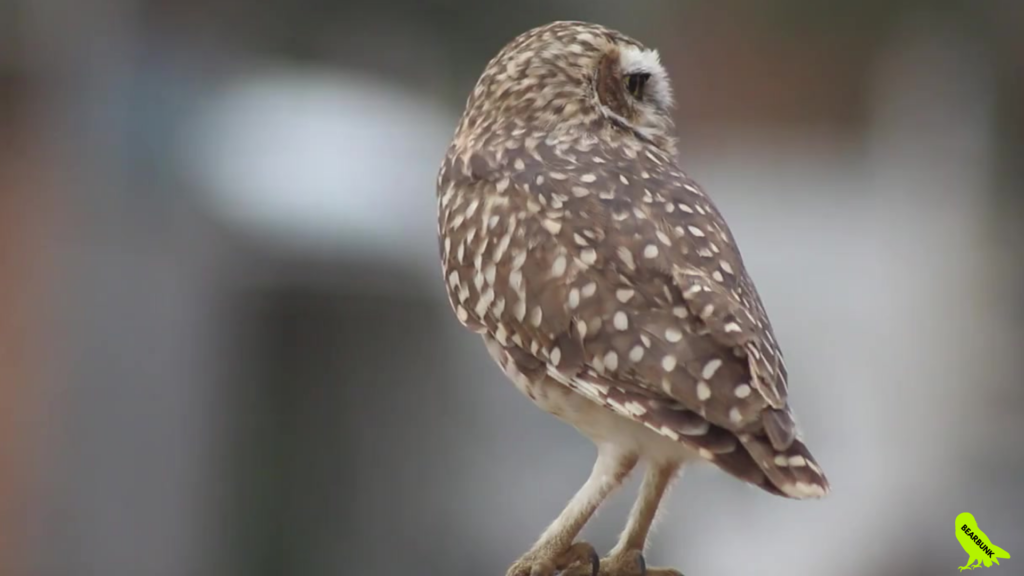
Burrowing owls are small, ground-dwelling owls known for their bright yellow eyes, long legs, and unusual underground homes. Unlike most owls, they spend much of their time walking and running on the ground and are often active during the day.
Why We Love Them
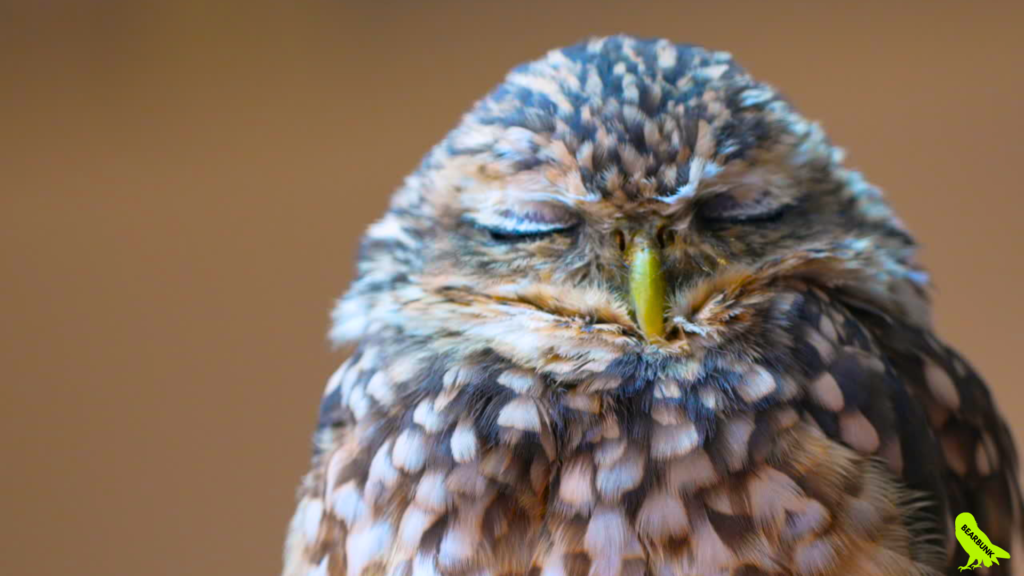
Burrowing owls have big personalities packed into a tiny body. Their curious expressions, playful head bobs, and upright posture make them look constantly alert and inquisitive.
Watching a burrowing owl standing guard outside its burrow or sprinting after insects across the grass is a reminder that nature is full of surprises.
These tiny owls prove that some of the most fascinating animals in the world are living right under our feet.
Conclusion
Burrowing owls are truly one of nature’s most unique birds. From their underground homes to their daytime hunting habits and surprising defense strategies, these owls break nearly every rule we usually associate with owls.
Whether they are standing watch outside their burrow, chasing insects across the prairie, or raising their chicks beneath the soil, burrowing owls continue to fascinate wildlife lovers around the world.
If you ever find yourself walking through open grasslands or deserts in the Americas, keep an eye on the ground. You might just spot a pair of bright yellow eyes watching you from the entrance of an underground home.
Learn More:
Watch the full Video on YouTube:
The Owl That Lives Underground | Amazing Burrowing Owl Facts – YouTube
Read more about:





Leave a Reply