Meet the Highland Cow
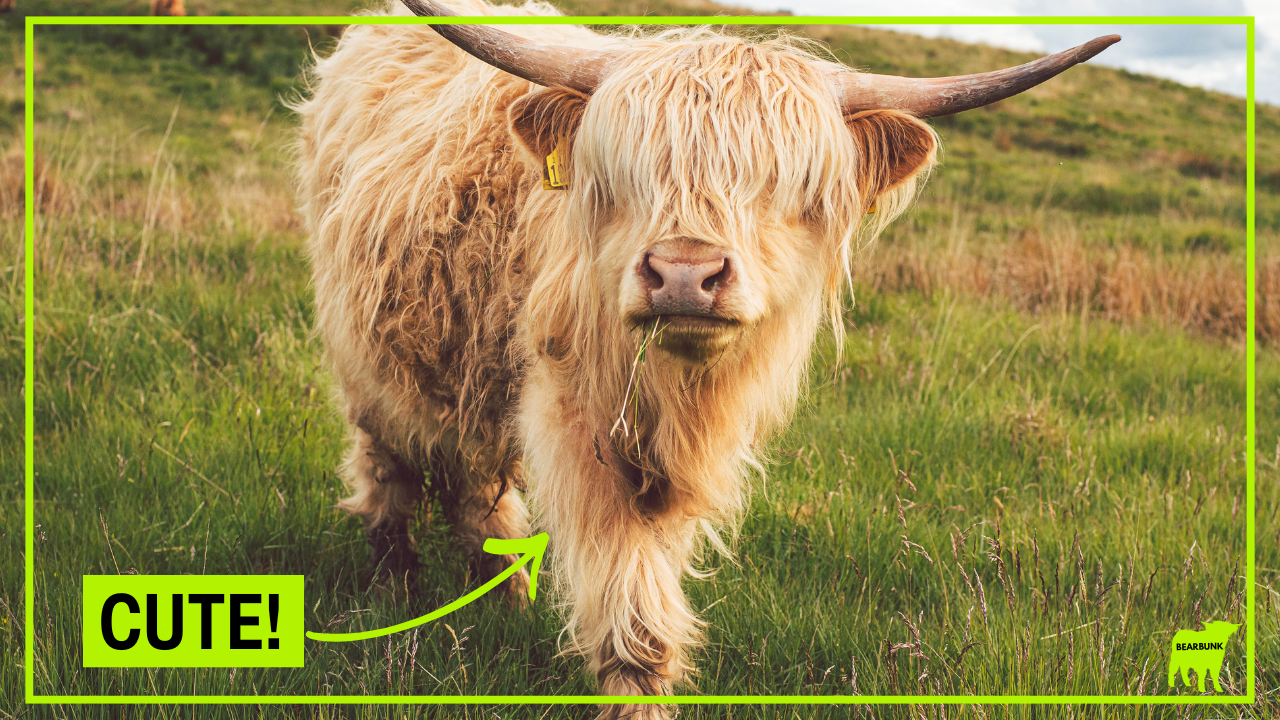
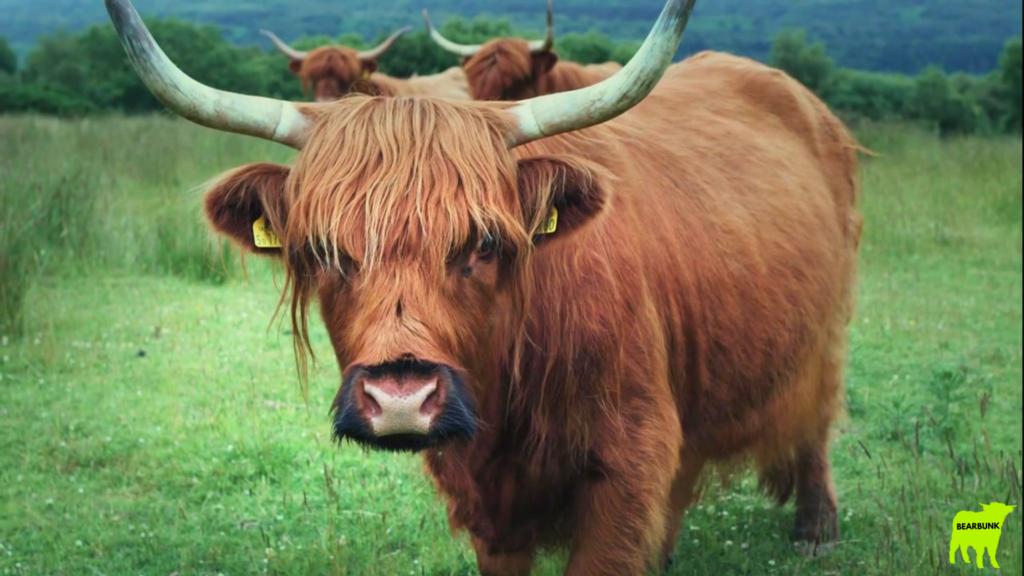
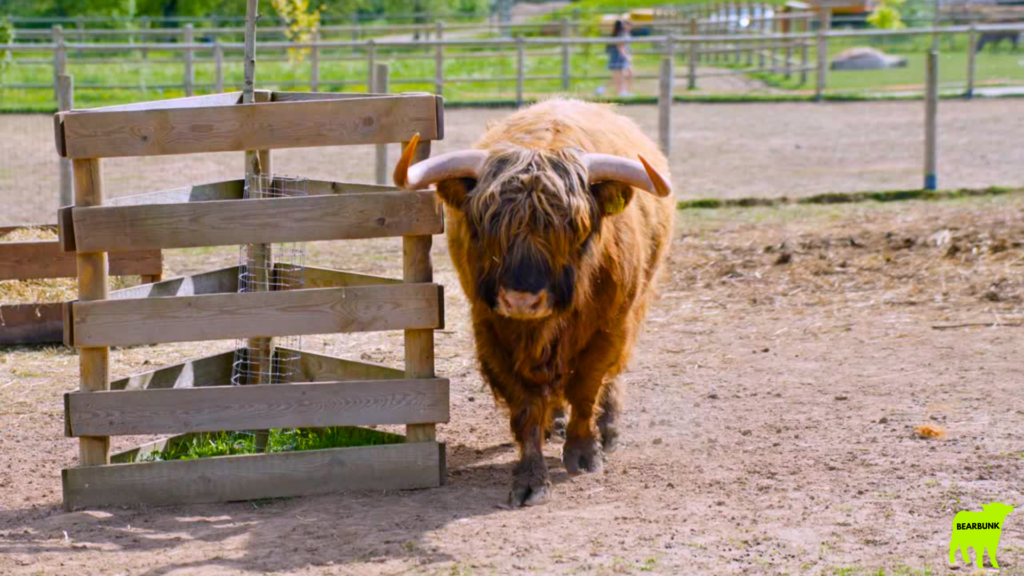
The Highland cow is one of the most recognizable cattle breeds in the world. With its long shaggy coat, sweeping horns, and calm personality, this iconic animal has become a beloved symbol of Scotland. These hardy cows were shaped by centuries of life in the rugged Scottish Highlands, where strong winds, cold weather, and rocky landscapes are part of daily life.
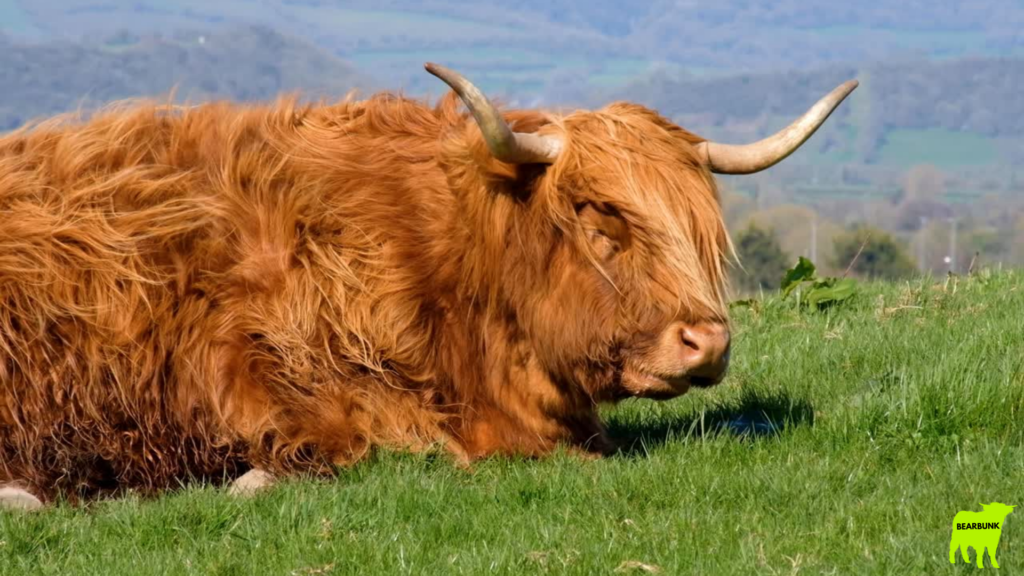
Despite their fluffy appearance, Highland cows are incredibly tough. Their thick double-layered coats protect them from harsh weather, allowing them to thrive in environments where many other cattle breeds would struggle. Today, these famous shaggy cows are admired around the world for both their resilience and their gentle nature.
Species of Highland Cows
Highland Cow (Highland Cattle)
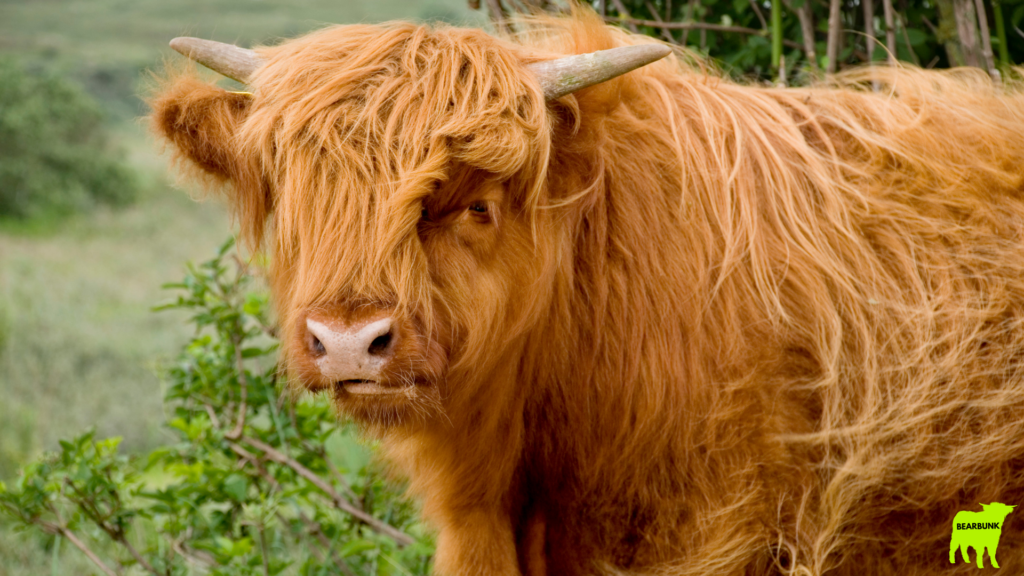
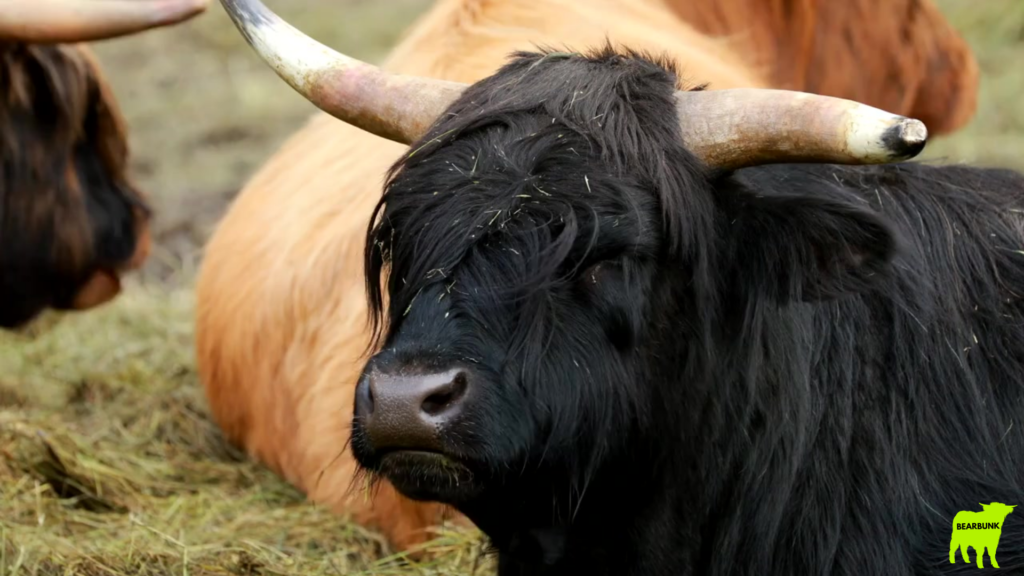
Bos taurus — Highland cows are not a separate species but a breed of domestic cattle. This hardy breed developed in the rugged Highlands of Scotland, where centuries of natural selection and traditional farming shaped their long shaggy coats, sweeping horns, and remarkable ability to thrive in cold, windy environments.
Habitat
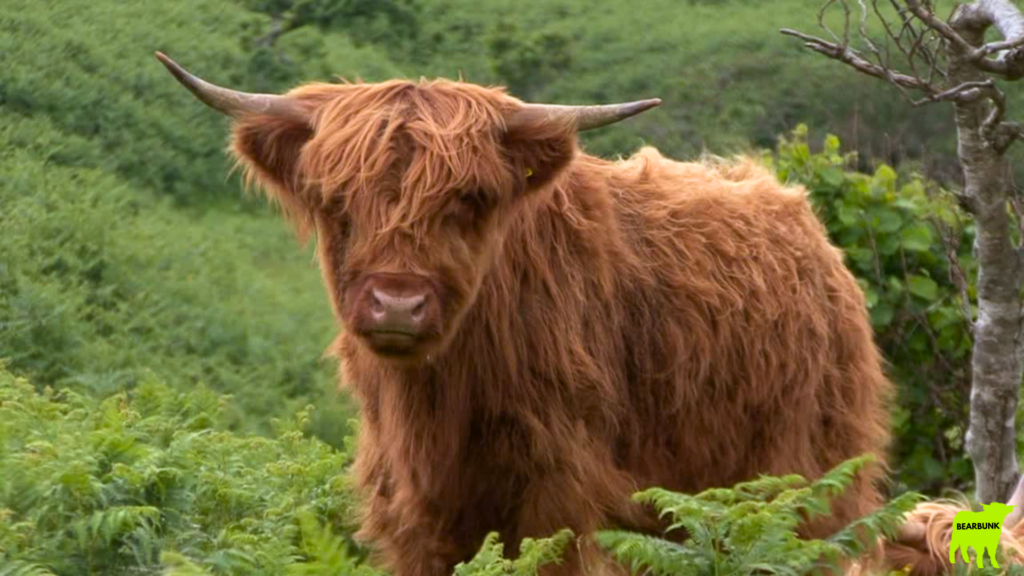
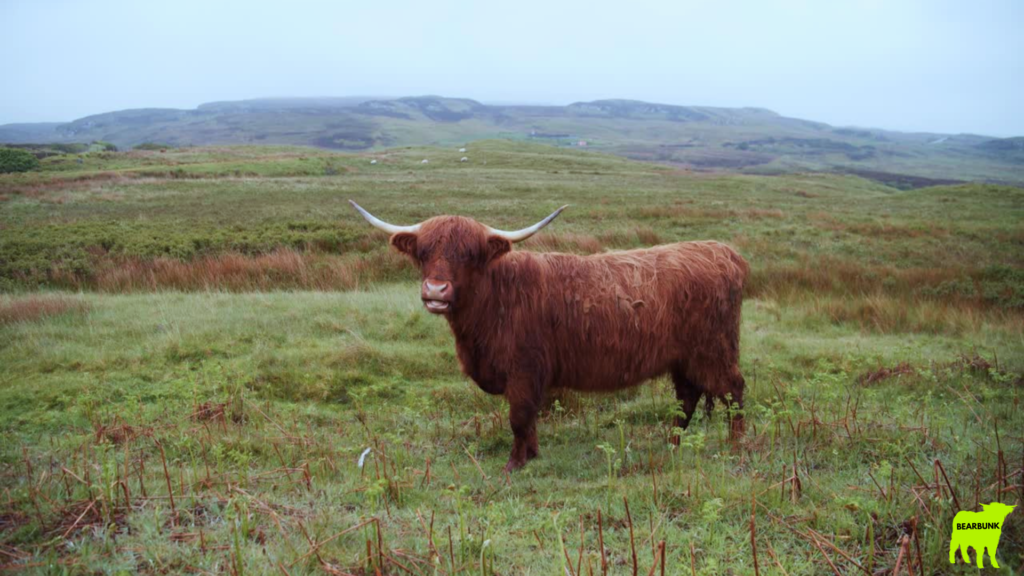
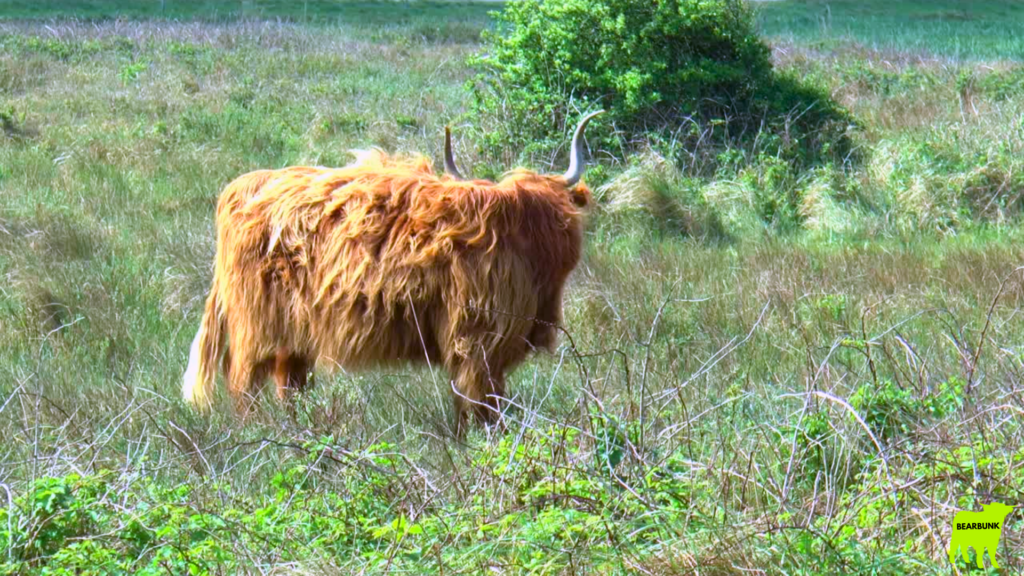
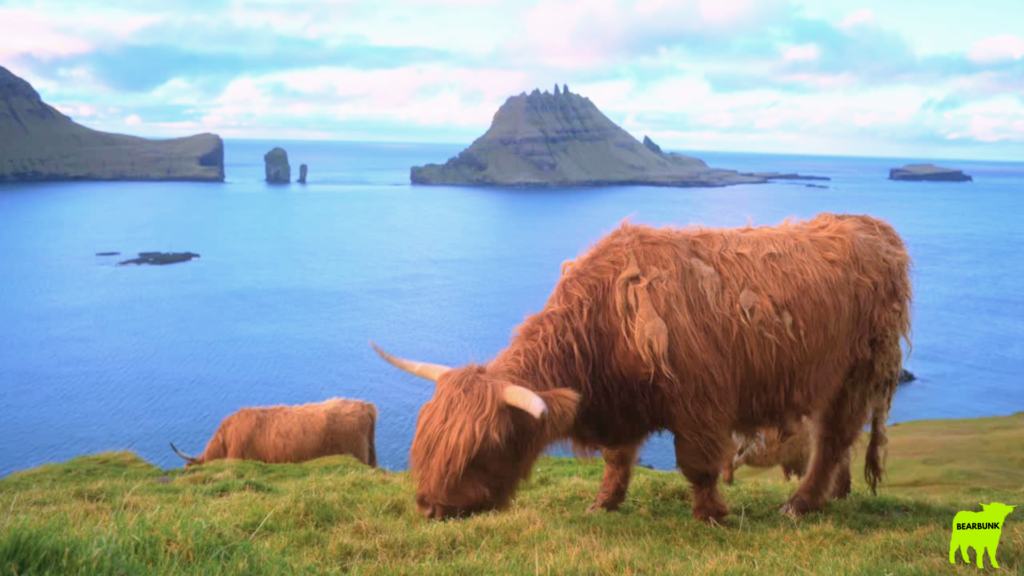
Highland cows originally developed in the rugged Highlands and islands of Scotland. These regions include rocky mountains, open moorlands, and windswept coastal pastures. The climate in these areas can be cold, wet, and windy for much of the year.
Thanks to their thick double coats, Highland cows are well suited for cooler environments. Their outer coat sheds rain and snow, while the soft undercoat traps heat close to their bodies.
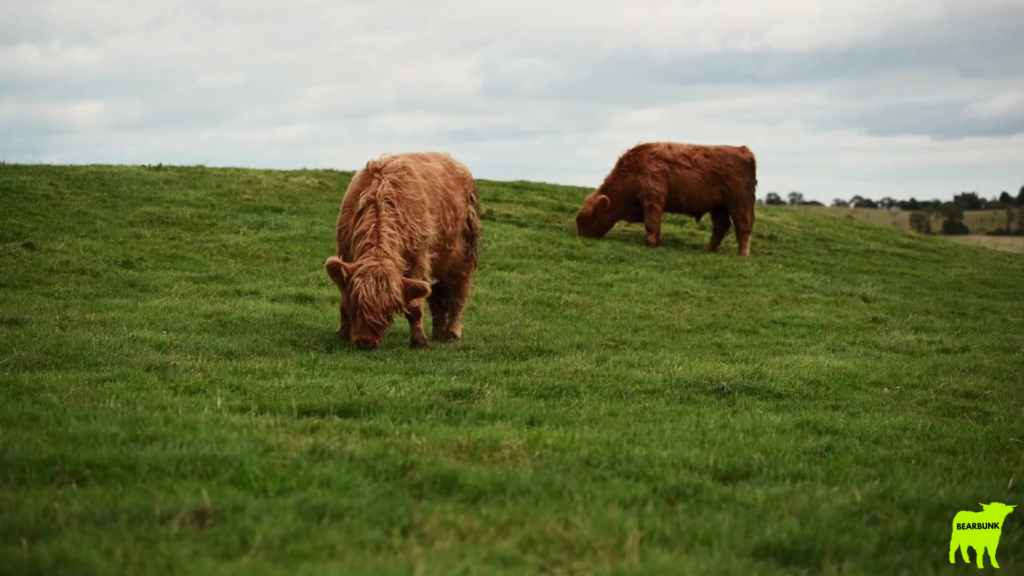
Today, Highland cattle are raised in many parts of the world, including North America, Europe, and Australia. They often live on farms, grasslands, and mountain pastures where they can graze on natural vegetation.
Diet
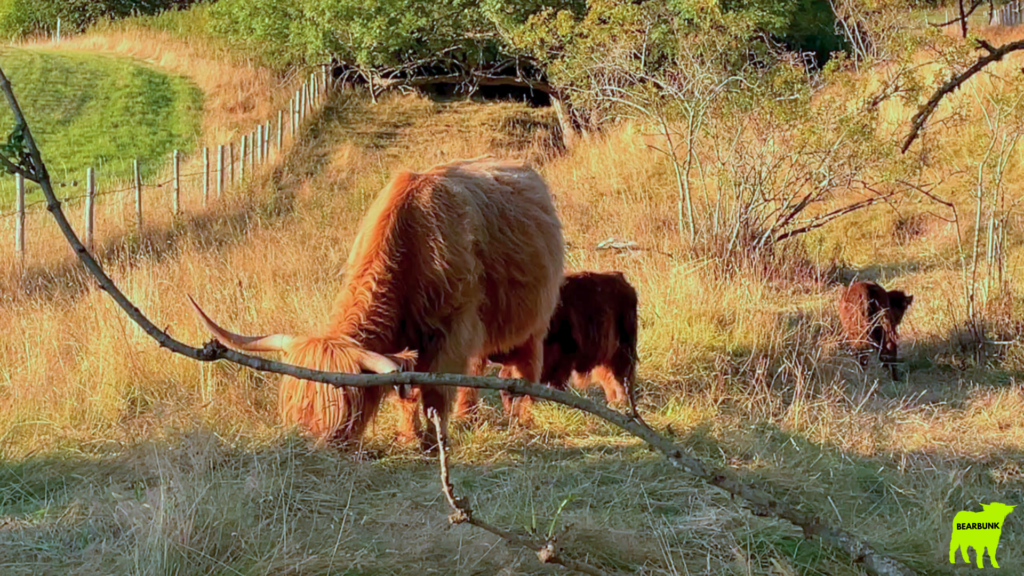
Highland cows are herbivores and spend much of their day grazing. Their diet mainly consists of grasses, herbs, shrubs, and other vegetation found in grasslands and pastures.
These hardy animals are excellent foragers and can eat plants that many other cattle breeds avoid, including coarse grasses and heather. Their digestive system allows them to extract nutrients from tough plant material, which helps them survive in rough landscapes where food can be limited.
Like other ruminants, Highland cows have multi-chambered stomachs that allow them to break down plant material efficiently.
pups. This shared responsibility increases survival rates and strengthens group cohesion.
Share On Social:
Mating & Raising Young
Highland cows usually give birth to calves in the spring when food is more abundant and weather conditions are milder. The gestation period is about nine months.
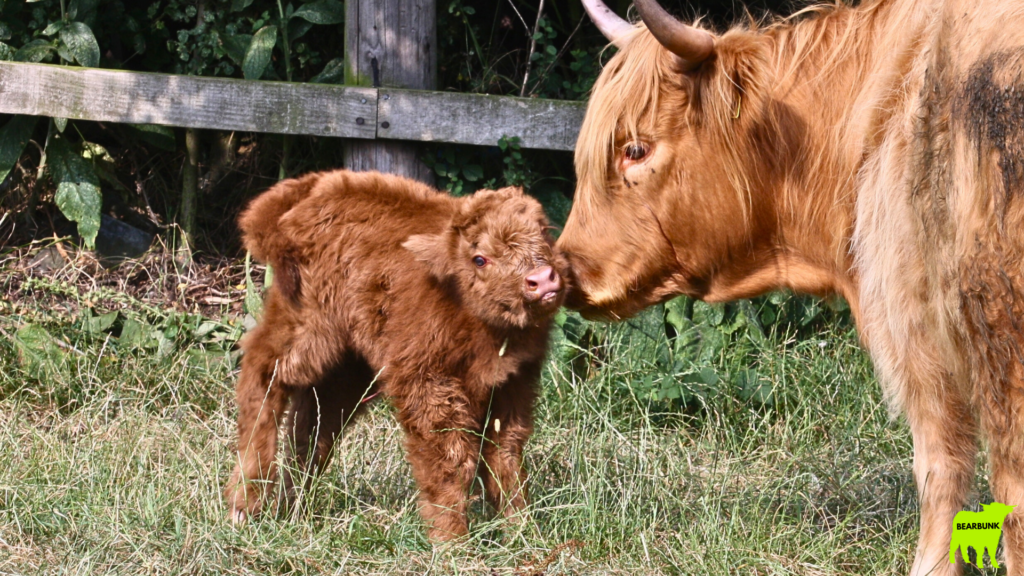
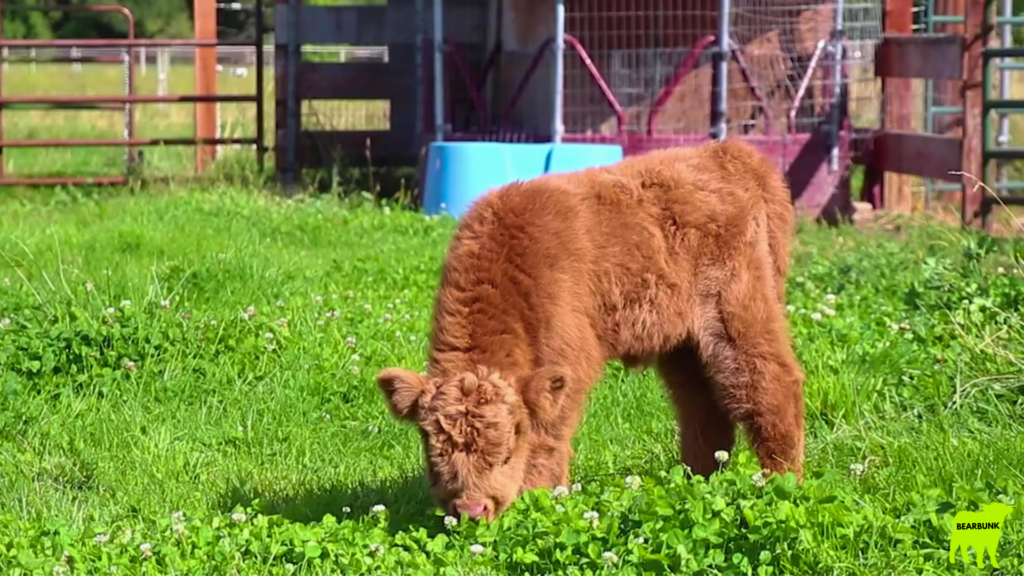
Newborn calves typically weigh between 50 and 75 pounds. They are surprisingly strong and can usually stand and begin nursing shortly after birth.
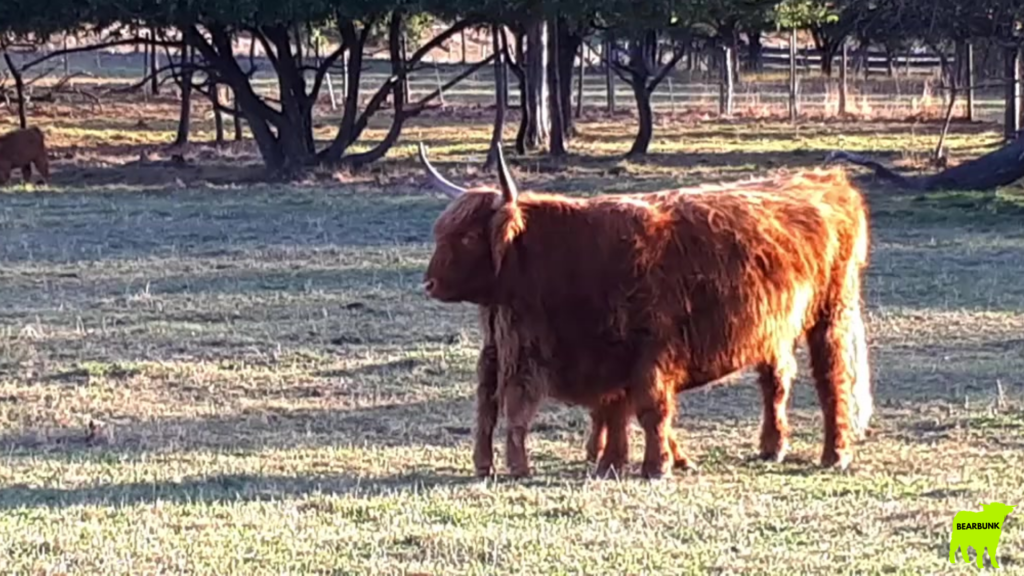
Mother cows are attentive and protective of their calves. Young Highland calves grow quickly while staying close to their mothers and the herd for safety.
Highland cattle are also known for relatively easy calving compared to many other breeds, partly because their calves are born smaller.
Interactions With People
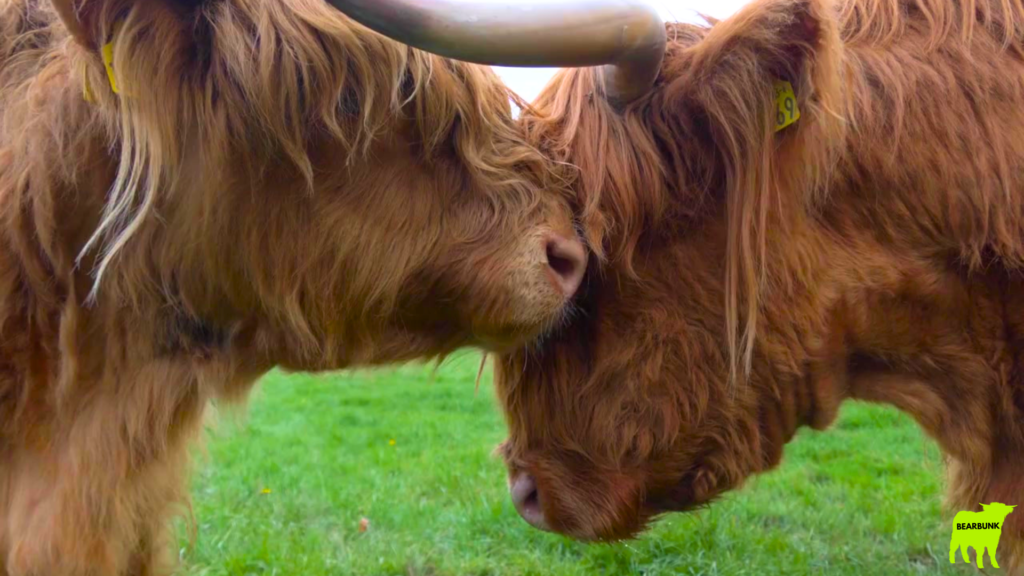
Highland cows have a long history of living alongside people. For centuries, farmers in the Scottish Highlands relied on these hardy cattle for meat, milk, and hides. Their ability to survive cold weather and graze on rough vegetation made them extremely valuable in harsh landscapes.
Today, Highland cows are still raised on farms, but they have also become popular around the world for their gentle temperaments and unique appearance. Many farms keep Highland cattle for sustainable grazing or conservation grazing because they help manage vegetation naturally.
Their calm personalities and shaggy coats have also made them internet favorites. Photos and videos of Highland cows often go viral, and some farms even welcome visitors who want to see these famous fluffy animals up close.
Why Highland Cows Are So Popular
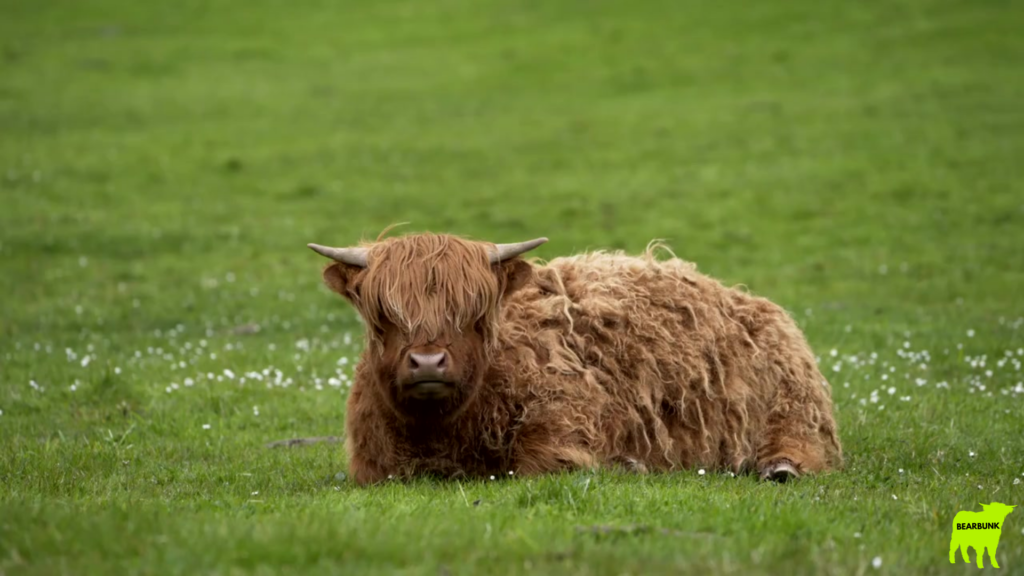
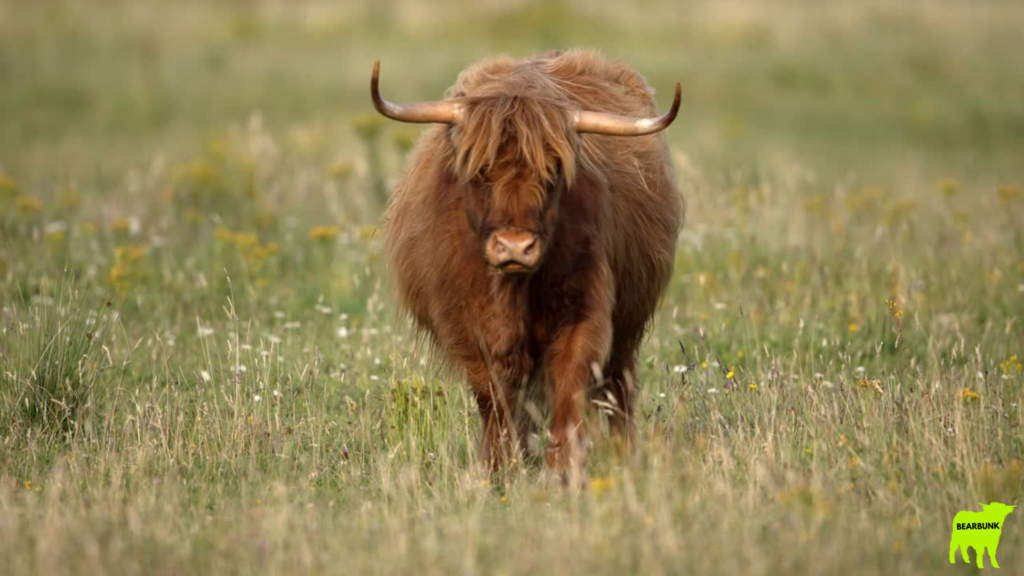
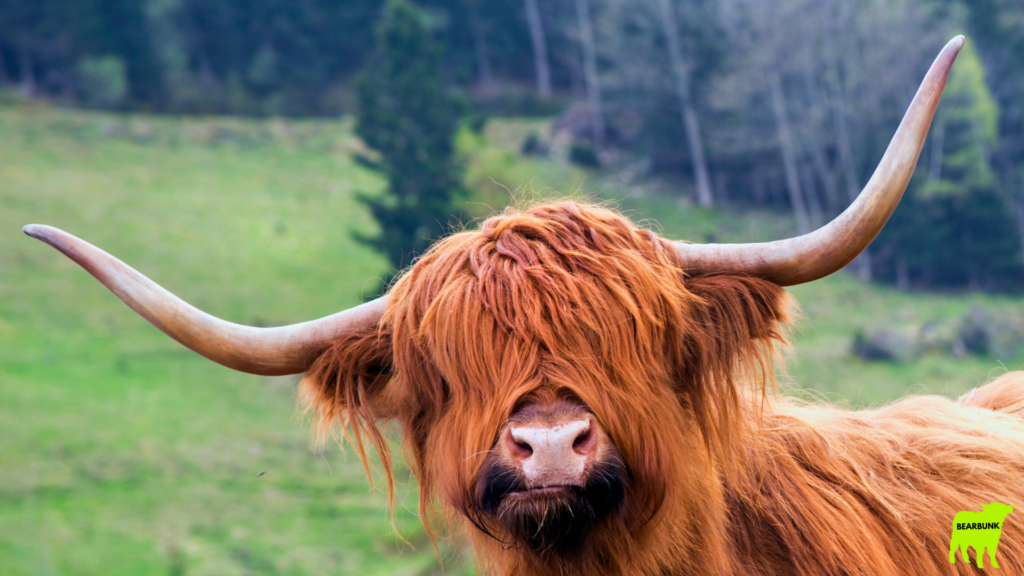
Highland cows have become one of the most recognizable cattle breeds in the world, and much of their popularity comes from their distinctive appearance. Their long shaggy coats, sweeping horns, and gentle expressions give them a look that many people find both rugged and adorable.
In recent years, Highland cows have also become internet favorites. Photos and videos of these fluffy animals often spread widely online, with many people surprised to learn that such a shaggy cow really exists.
Beyond their appearance, Highland cattle are admired for their hardy nature and calm temperament. Farmers value them for their ability to thrive in difficult environments, while animal lovers appreciate their peaceful behavior and unique personality.
From misty hillsides in Scotland to farms around the world, Highland cows have become a beloved symbol of resilience, beauty, and rustic charm.
Unique Traits and Adaptations
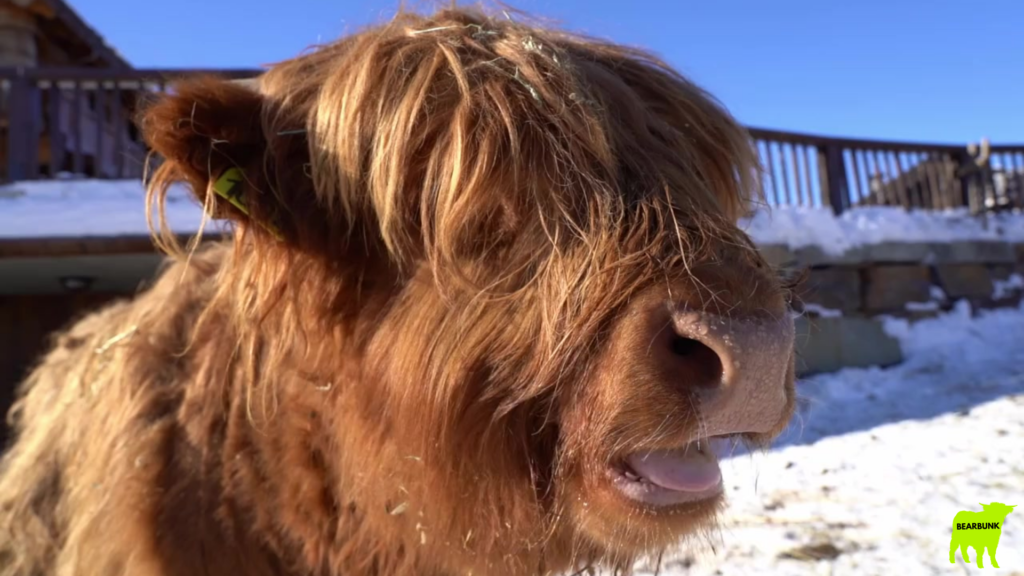
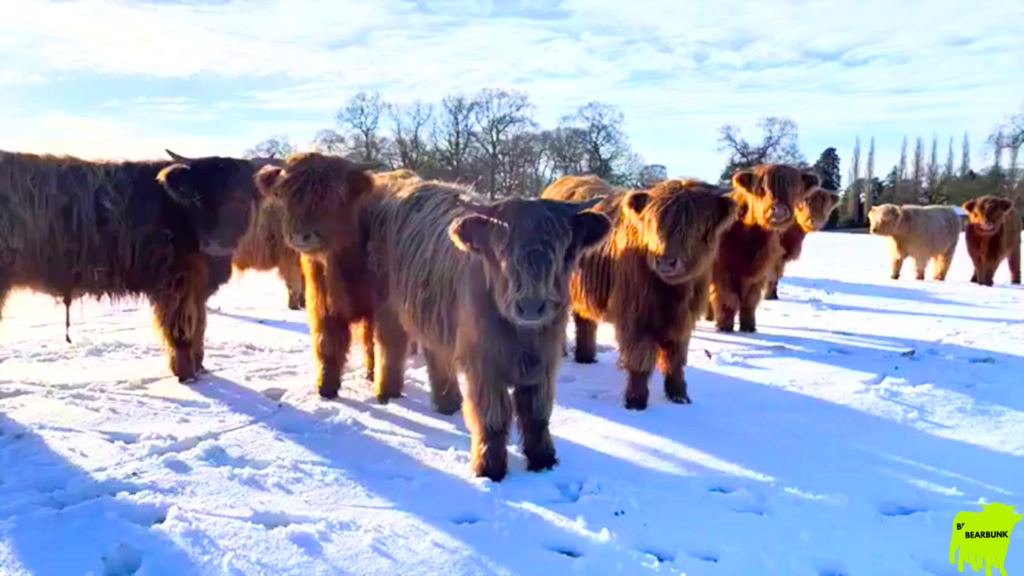
Highland cows are exceptionally well adapted to cold and windy climates. Their long outer coat sheds rain and snow, while a dense inner layer traps heat close to the body.
This natural insulation allows them to survive in environments where other cattle breeds might struggle. Because their coats keep them warm, Highland cattle often carry less body fat than many other breeds.
Their long horns are also useful tools. Highland cows sometimes use their horns to brush aside snow while searching for grass beneath the surface.
Behavior
Highland cows are social animals that prefer living in small herds. Within these groups, older and more experienced females often help guide the herd to good grazing areas.
They are generally calm and steady in temperament compared to many other cattle breeds. When something new appears in their environment, several cows may approach together, carefully investigating their surroundings.
Mother cows are especially attentive to their calves, keeping them close and protecting them from potential threats.
Fun Facts
• Highland cows have a double-layered coat that protects them from cold weather.
• Both males and females grow horns, which help them dig through snow for food.
• Their long shaggy bangs help shield their eyes from wind and rain.
• Highland cattle are one of the oldest cattle breeds, with records dating back to the 1200s.
• Despite their heavy build, they can run up to about 25 miles per hour.
About The Highland Cow
Common Name: Highland Cow
Scientific Name: Bos taurus
Family: Bovidae
Subfamily: Bovinae
Size: About 3.3–3.9 feet tall at the shoulder
Weight: 880–1,760 pounds
Lifespan: 15–20 years
Location: Originally Scotland; now found worldwide
Habitat: Grasslands, mountain regions, and farmland
Diet: Herbivore — grasses, shrubs, and vegetation
Conservation Status: Domesticated
Highland cows are famous for their long shaggy coats and sweeping horns. These hardy cattle were developed in the rugged Scottish Highlands, where their thick fur and strong bodies help them survive cold winds and harsh weather. Their calm personalities and unique appearance have made them one of the most beloved cattle breeds in the world.
Why We Love Them
Highland cows combine strength, resilience, and charm in a way that few animals do. Their shaggy coats and gentle expressions make them instantly recognizable, while their calm personalities make them easy to admire.
Many people are drawn to Highland cows because they seem both tough and friendly at the same time. Whether standing on a misty hillside or grazing peacefully in a pasture, these shaggy animals have a quiet beauty that captures people’s attention.
Conclusion
Highland cows combine strength, resilience, and charm in a way that few animals do. Their shaggy coats and gentle expressions make them instantly recognizable, while their calm personalities make them easy to admire.
Many people are drawn to Highland cows because they seem both tough and friendly at the same time. Whether standing on a misty hillside or grazing peacefully in a pasture, these shaggy animals have a quiet beauty that captures people’s attention.
Learn More:
Watch the full Video on YouTube:
The Highland Cow Scotland’s Famous Shaggy Icon – YouTube
Read more about:





Leave a Reply