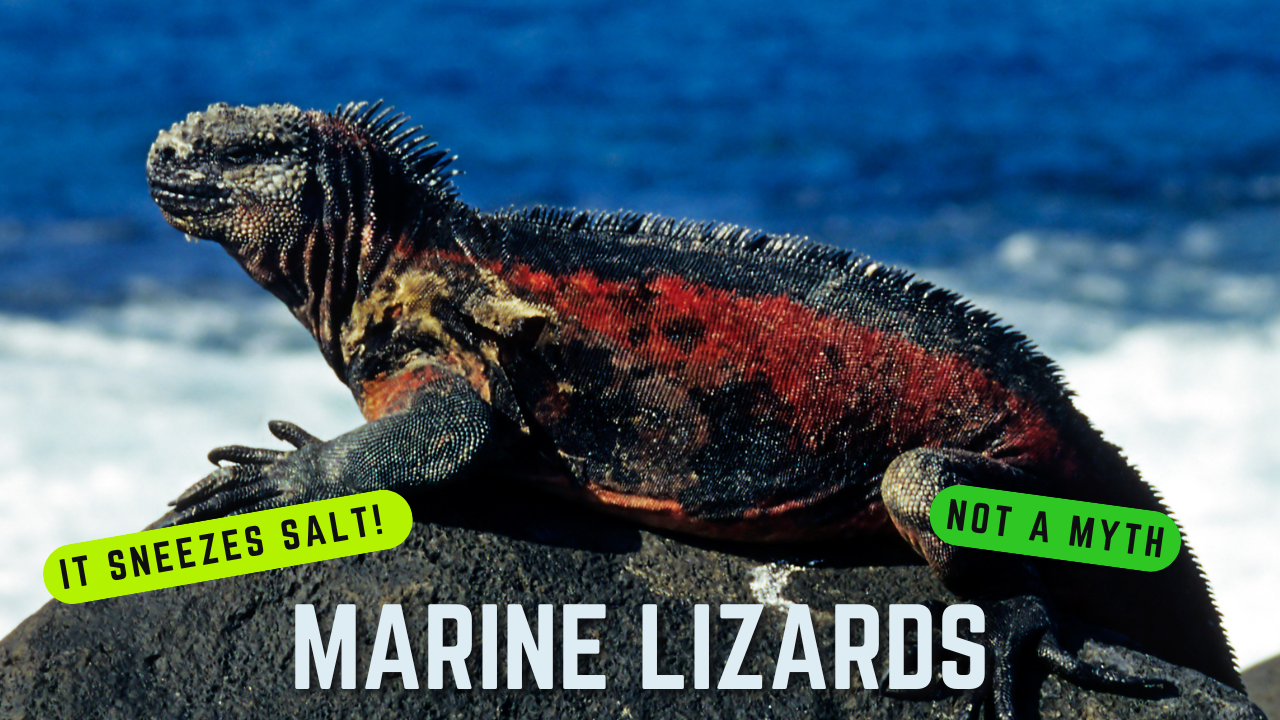
Meet the Marine Iguana
A lizard swimming through the ocean sounds like something from a monster movie, but the marine iguana is very real. Found only in the Galápagos Islands, this remarkable reptile is the only lizard on Earth that feeds in the sea. From diving beneath the waves for algae to sneezing out excess salt, the marine iguana is one of nature’s most fascinating evolutionary success stories.
Species of Marine Iguana
arine Iguana
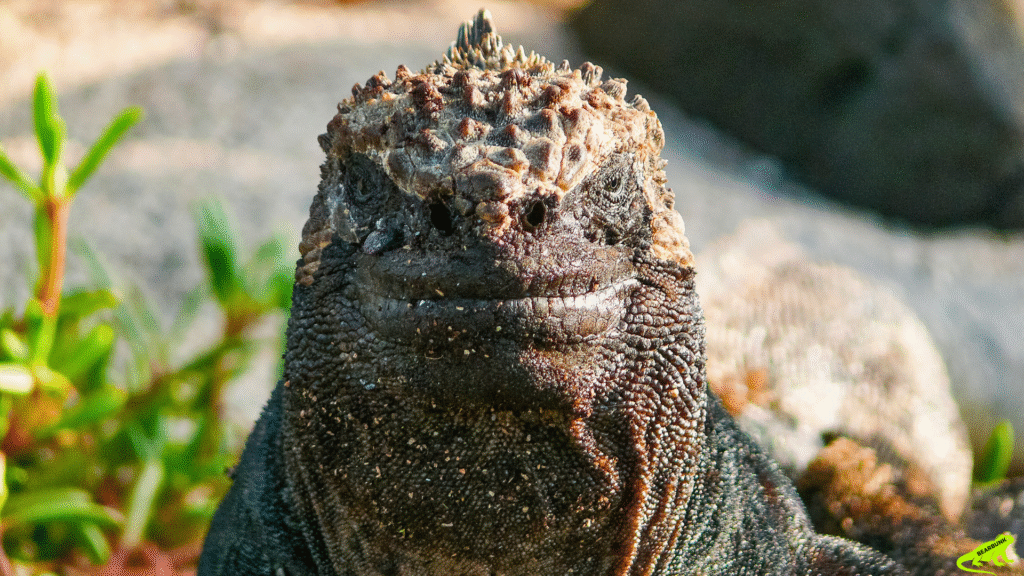
Scientific Name: Amblyrhynchus cristatus
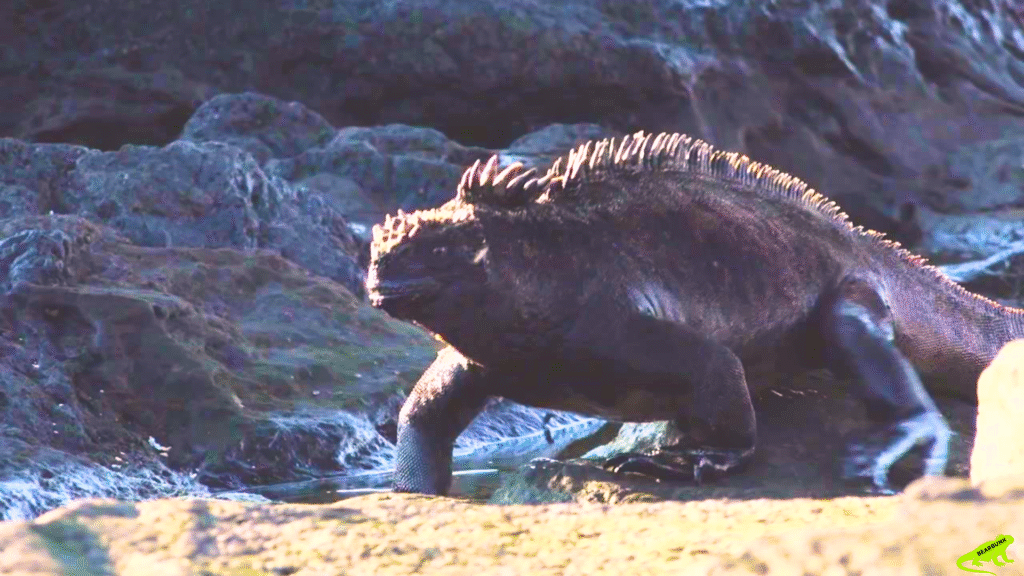
The only sea-foraging lizard in the world, uniquely adapted to life between lava rock and ocean.
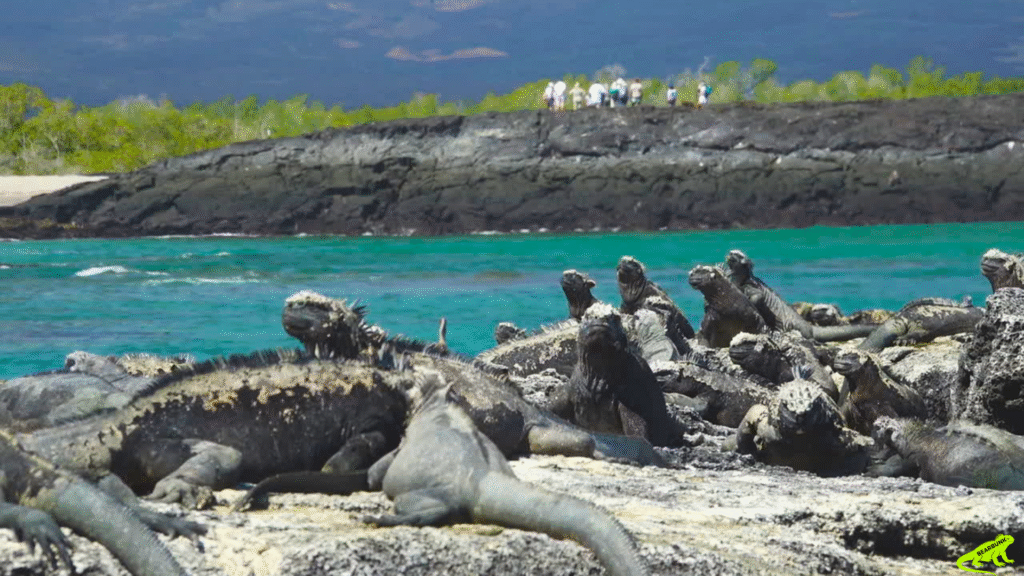
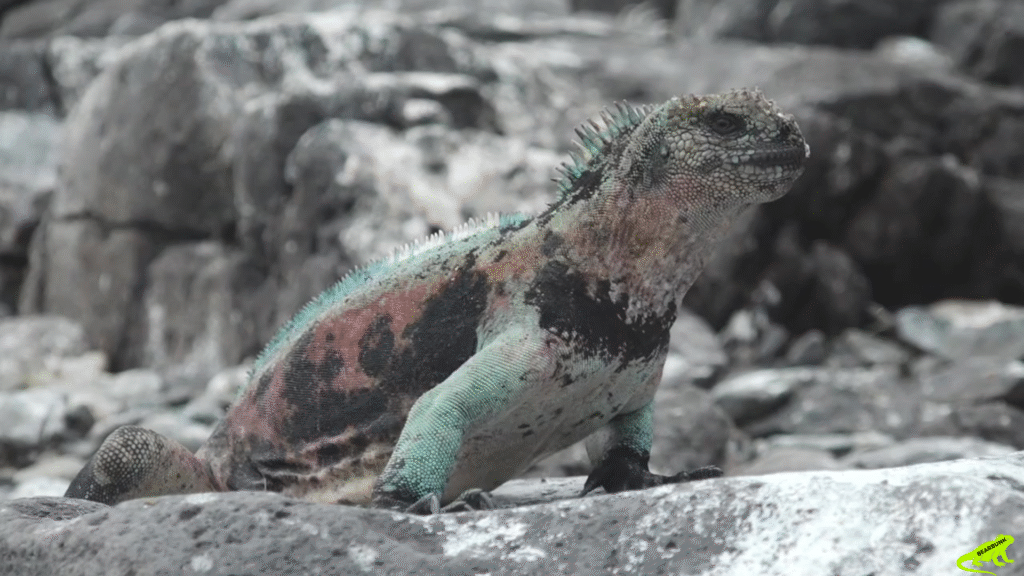
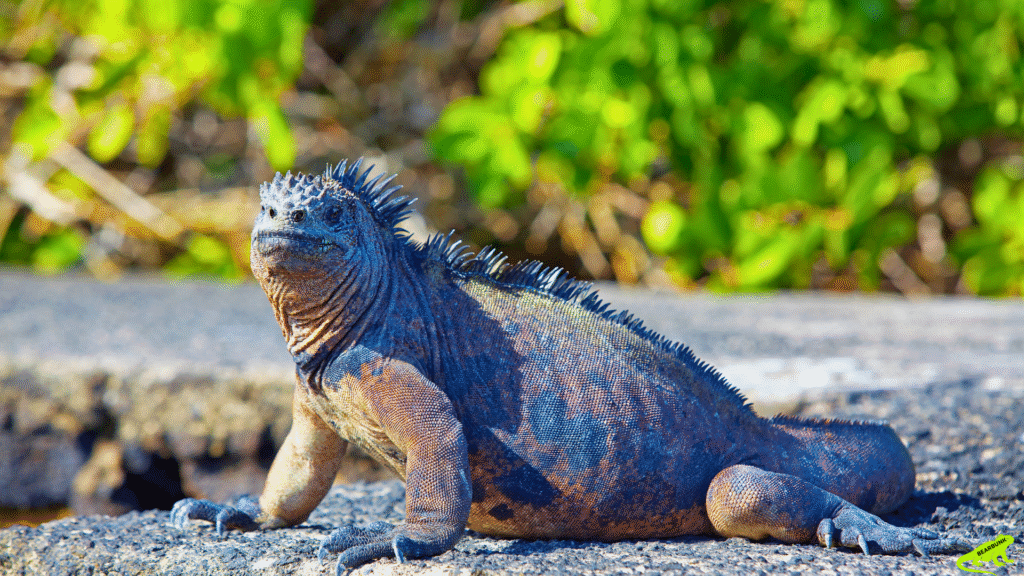
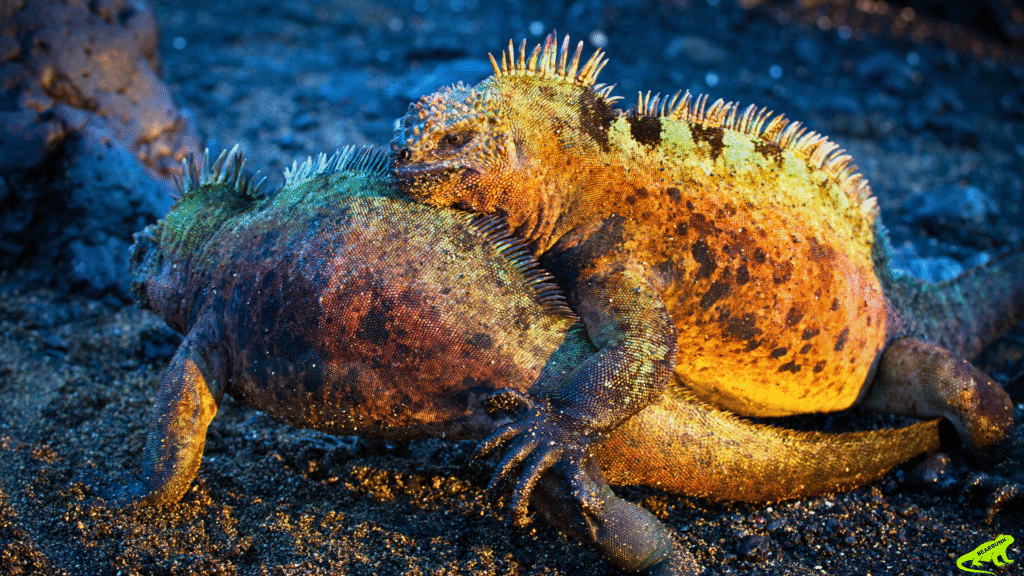
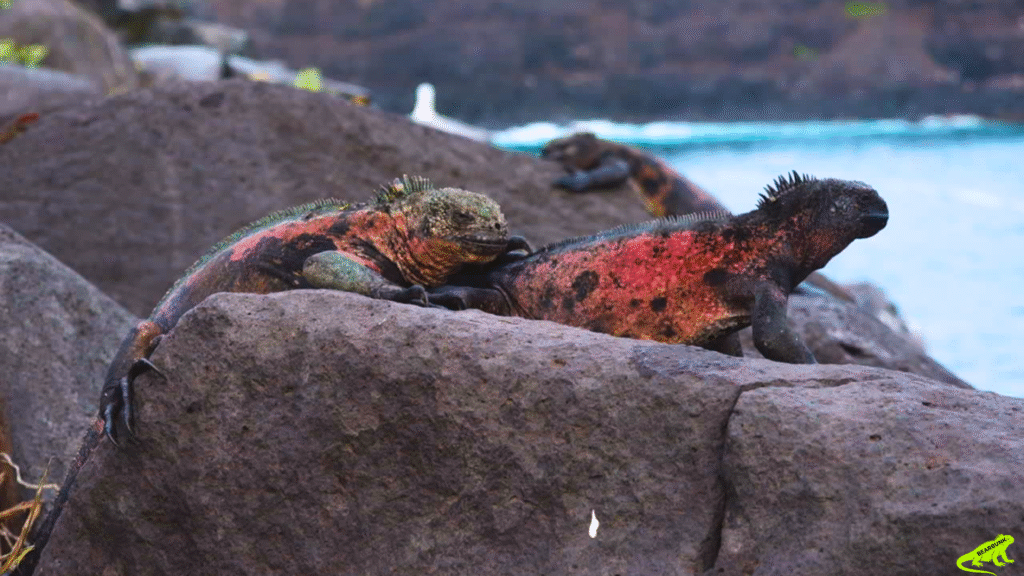
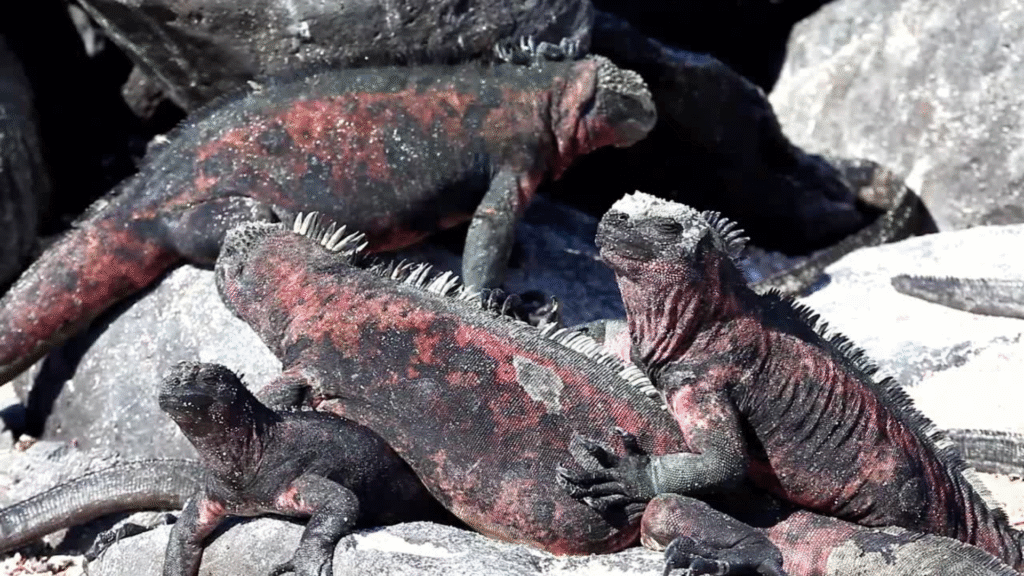
Although there is just one species, different island populations vary in size, coloration, and build depending on local conditions.
Habitat
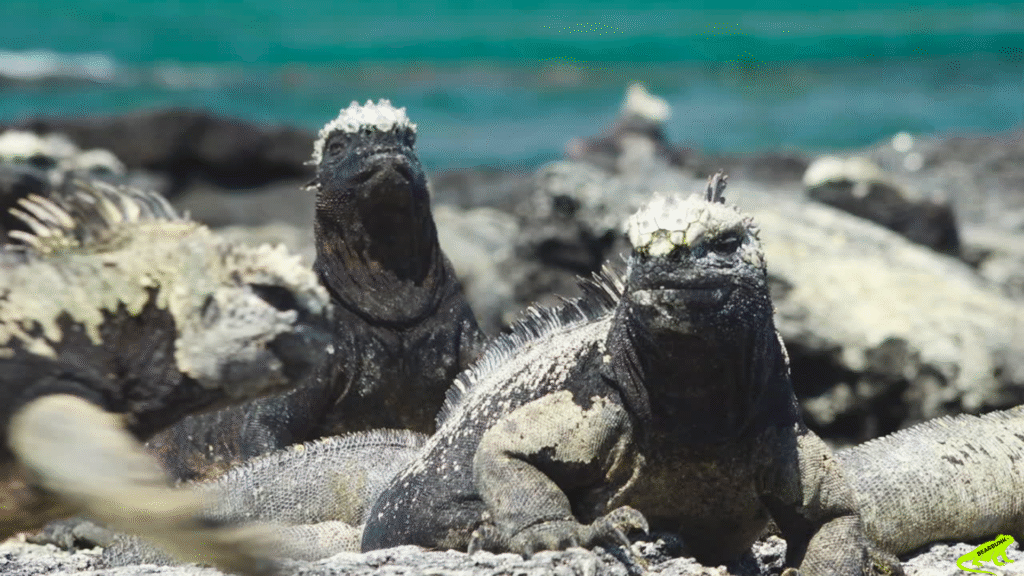
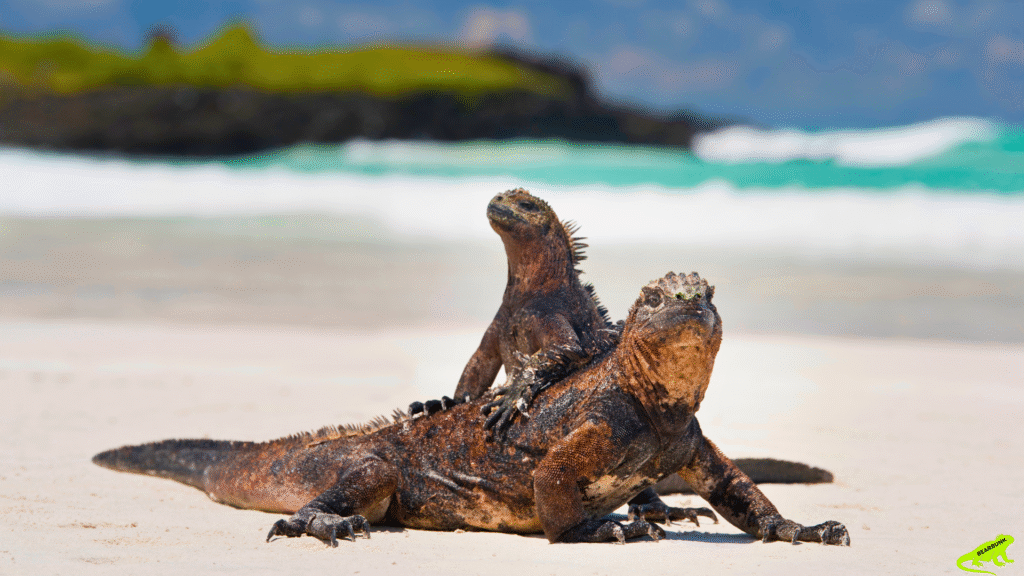
Marine iguanas live exclusively in the Galápagos Islands, a volcanic archipelago in the Pacific Ocean off the coast of Ecuador.
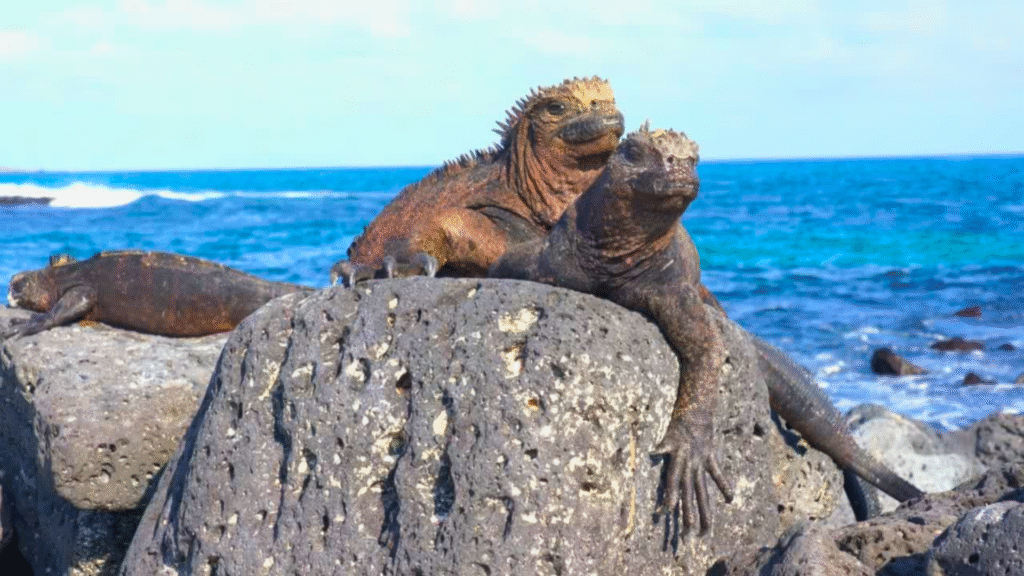
They are most often found along black lava coastlines where land meets the sea. These areas provide:
- Access to marine algae
- Warm sun-exposed rocks for basking
- Rugged terrain for protection
After feeding in cold ocean water, marine iguanas return to lava rocks to restore body heat before their next dive.
Diet
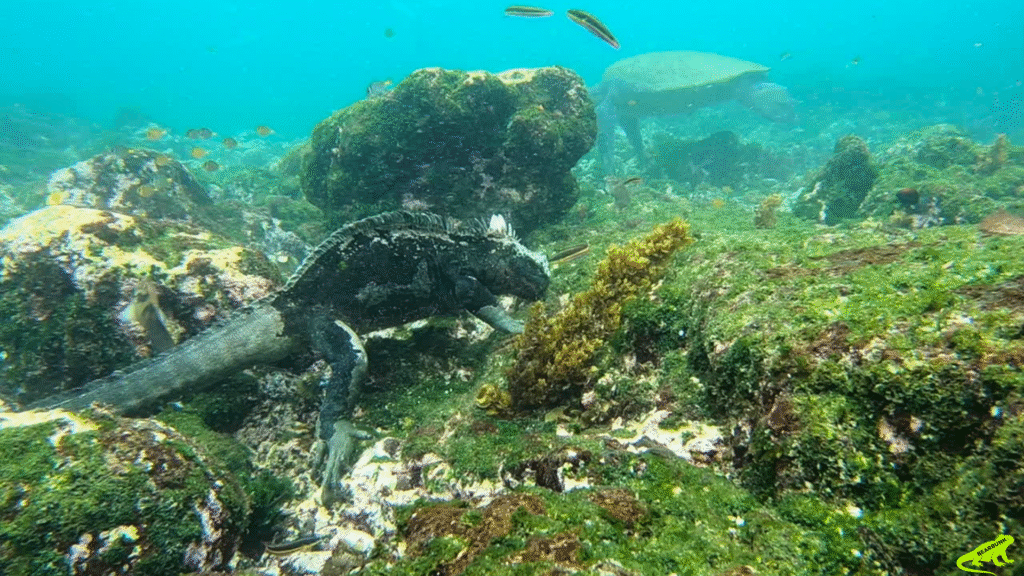
Marine iguanas are almost entirely herbivores. Their diet consists mainly of marine algae growing on underwater rocks.
They feed in two primary ways:
- Grazing algae in shallow water during low tide
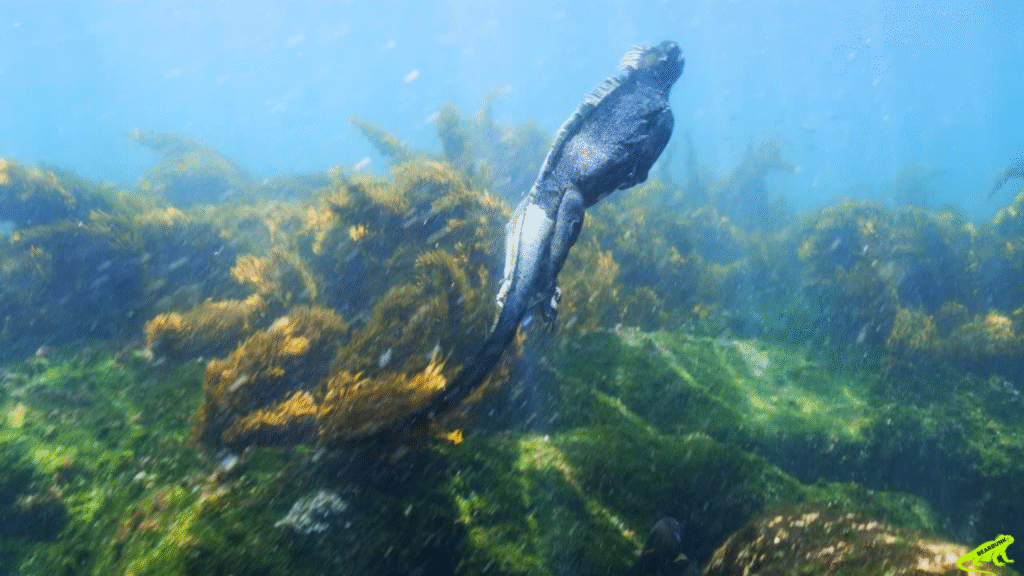
- Diving underwater to scrape algae off submerged rocks
Unlike most lizards, marine iguanas glide through the water using flattened tails that move side to side like an eel. Larger males often dive 30 to 40 feet deep, while females feed closer to shore. This separation reduces competition and allows more iguanas to share the same coastline.
Share On Social:
Mating & Raising Young
During the warmer months, males establish small territories and perform head-bobbing displays to attract females.
After mating:
- Females travel inland
- Dig nests in sandy or volcanic soil
- Lay between one and six eggs
The eggs incubate for about three to four months. Hatchlings emerge fully independent and immediately begin feeding in shallow areas.
Marine iguanas typically live around 10 to 15 years in the wild.
Interactions With People
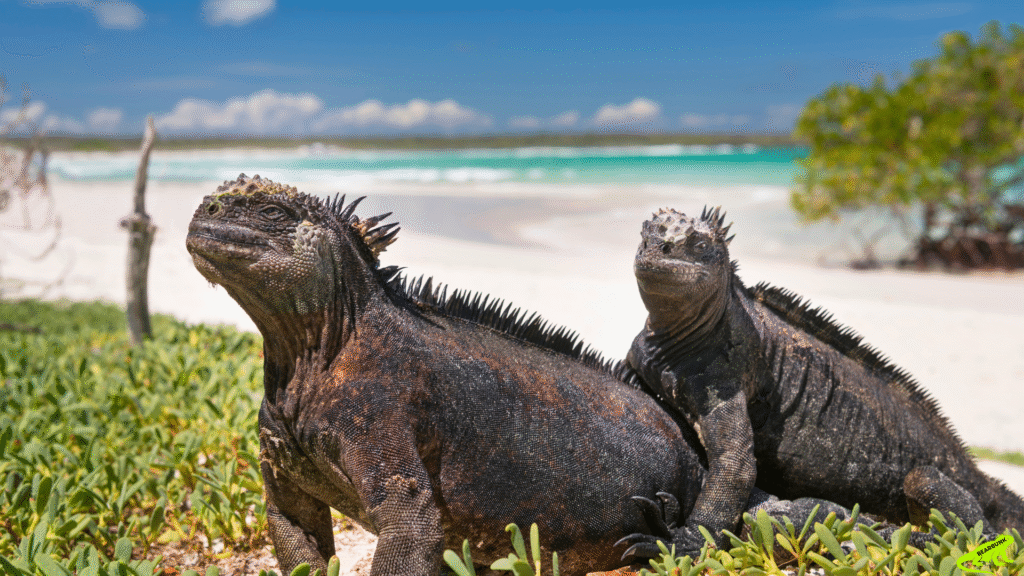
Marine iguanas are surprisingly tolerant of humans. In the Galápagos, they are accustomed to visitors and may appear curious rather than fearful.
They rarely show aggression and typically respond by slowly moving aside or simply watching quietly.
Strict conservation rules in the Galápagos help protect them from disturbance. Responsible tourism ensures that people can observe these reptiles without interfering with their natural behavior.
Because they exist nowhere else on Earth, marine iguanas are a powerful reminder of how important habitat protection is for island species.
Unique Traits
Marine iguanas are the only lizards on Earth that forage in the ocean. Their adaptations are extraordinary:
- Flattened tails for powerful swimming
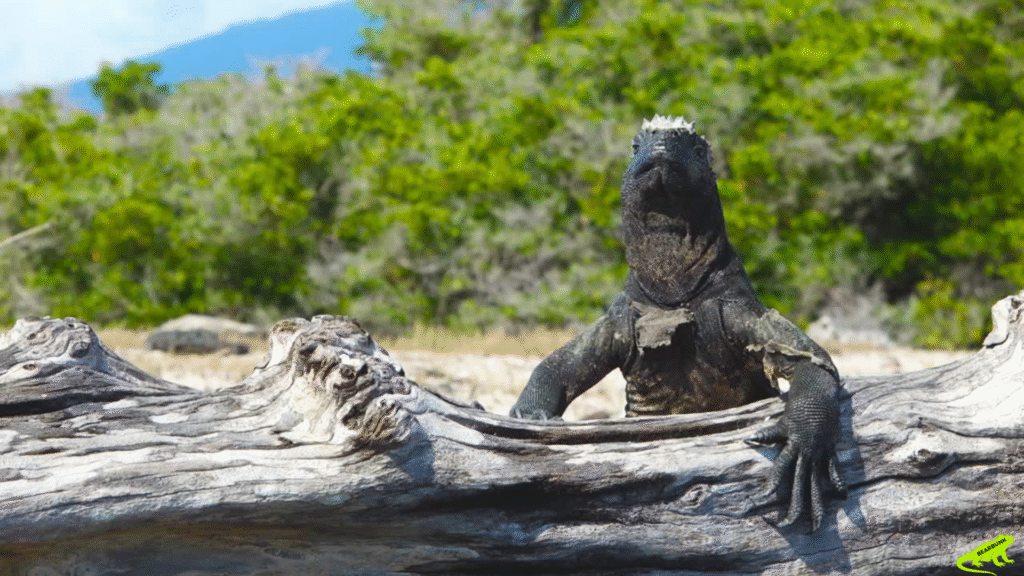
- Strong claws for gripping slippery lava rocks
- Dark skin that absorbs heat efficiently
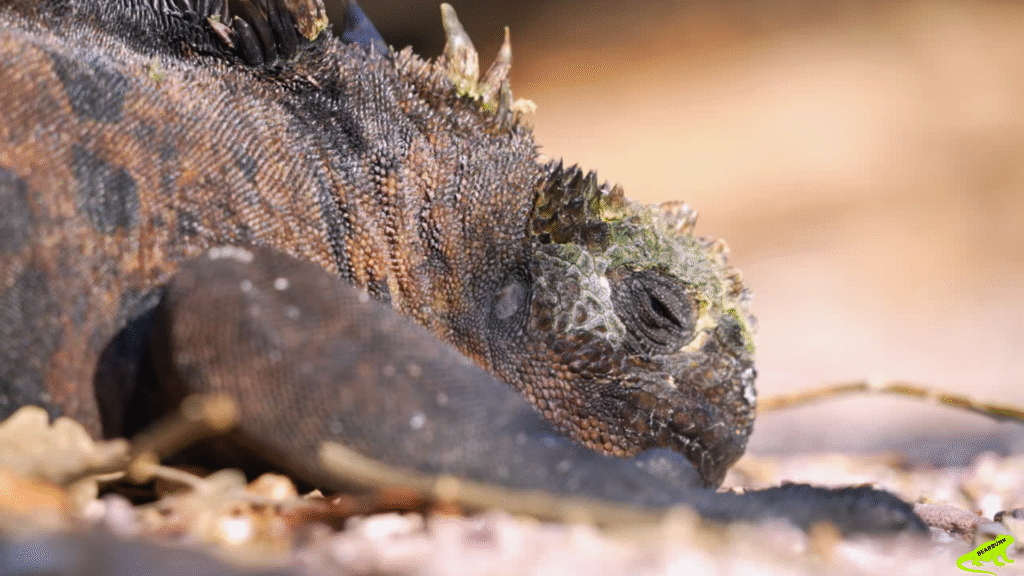
- Specialized salt glands that remove excess salt
During food shortages, marine iguanas can even temporarily reduce their body size to conserve energy — a rare ability among reptiles.
Their appearance, with spiky backs and rugged skin, has earned them the nickname “Godzilla lizards,” though their behavior is generally calm and measured.
Fun Facts
- Marine iguanas are the only lizards that feed in the ocean.
- They can dive up to 40 feet underwater.
- They sneeze out excess salt through specialized nasal glands.
- Their dark coloration helps them warm up quickly.
- They can temporarily shrink during times of food scarcity.
About Marine Iguanas
Common Name: Marine Iguana
Scientific Name: Amblyrhynchus cristatus
Family: Iguanidae
Subfamily: Iguaninae
Size: 3–4 feet long (including tail)
Weight: 3–5 pounds (larger males may exceed this depending on island population)
Lifespan: 10–15 years
Location: Galápagos Islands
Habitat: Volcanic coastlines, lava rocks, and shallow ocean waters
Diet: Marine algae
Conservation Status: Vulnerable
Marine iguanas are uniquely adapted for life between land and sea. With paddle-like tails for swimming, sharp claws for gripping lava rock, and salt glands that expel excess salt, they are a remarkable example of evolution shaping survival.
Why We Love Them
Marine iguanas feel prehistoric and almost mythical, yet they are calm, deliberate, and perfectly adapted to their environment. A reptile that dives into the ocean, grazes underwater, and warms itself on lava rock captures everything we love about wildlife — resilience, specialization, and natural beauty.
Conclusion
nclusion
From salt-sneezing adaptations to underwater feeding skills, the marine iguana is unlike any other lizard on Earth. Found only in the Galápagos, this extraordinary reptile shows how environment and evolution can shape life in surprising ways.
Learn More:
Watch the full Video on YouTube:
The Only Sea-Going Lizard on Earth | Marine Iguana – YouTube
Read more about:





Leave a Reply