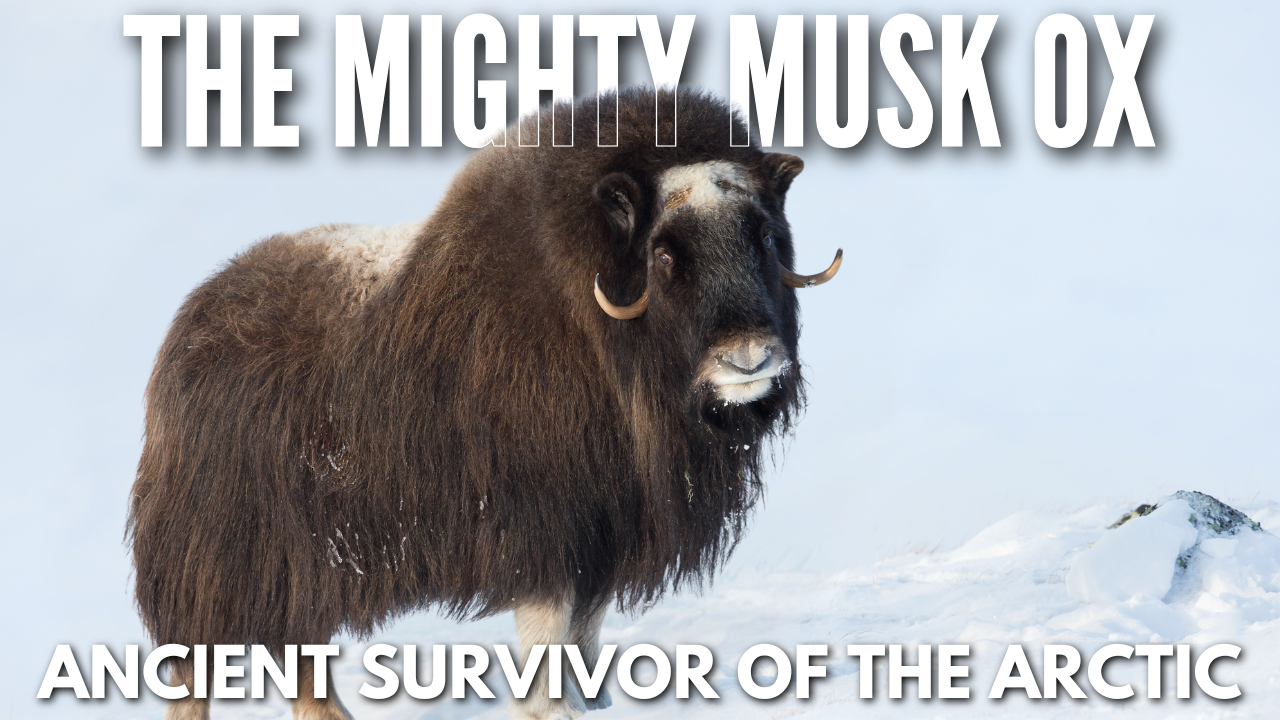
Meet the Musk Ox
The musk ox is one of the Arctic’s most iconic and enduring mammals. With its massive frame, sweeping horns, and shaggy coat, this animal looks like it belongs to another time — and in many ways, it does. Musk oxen once roamed alongside mammoths during the Ice Age, and unlike many prehistoric giants, they survived.
Today, the musk ox remains a symbol of calm strength, teamwork, and resilience, thriving in environments where few animals can endure.
Species of Musk Ox
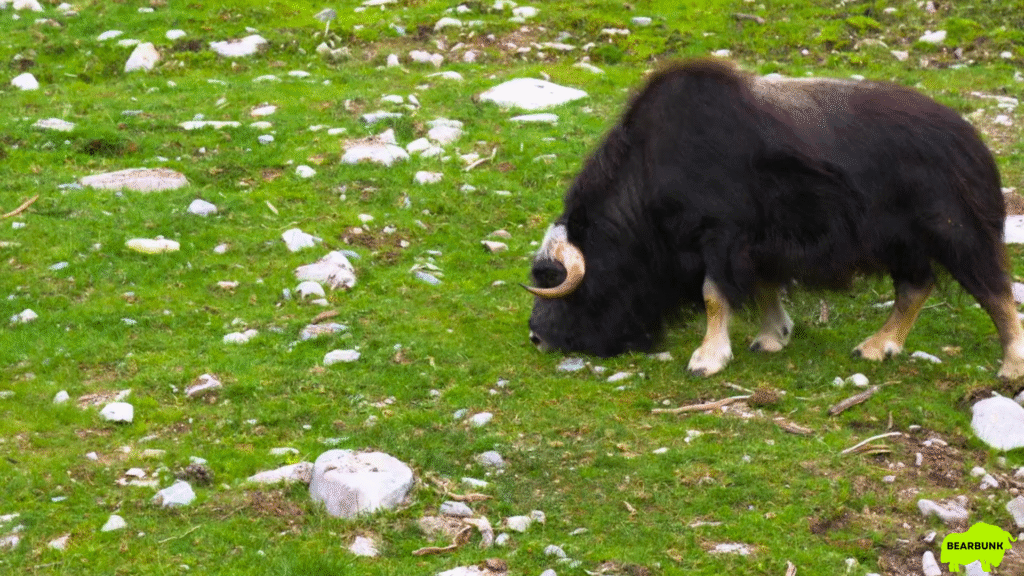
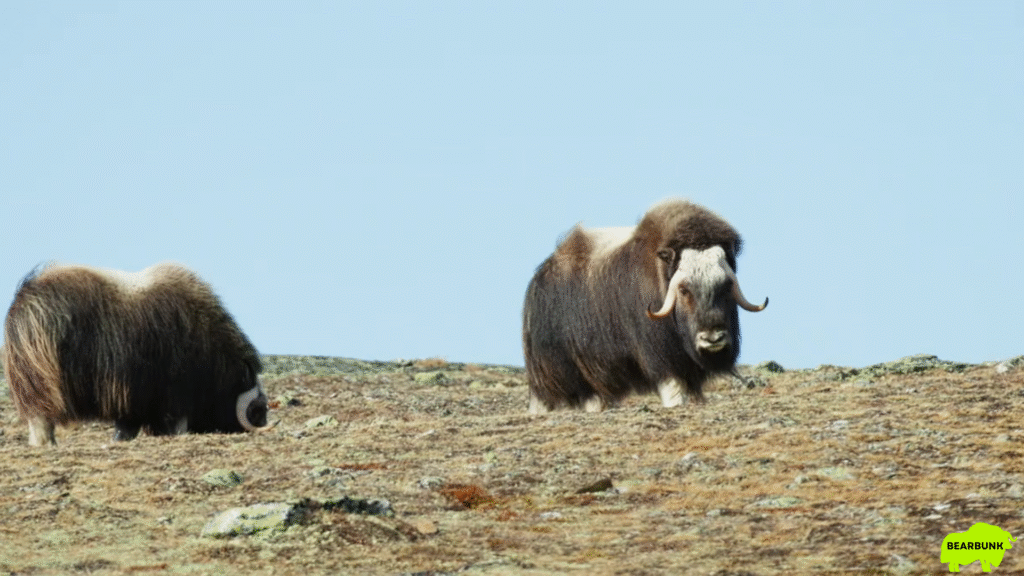
There is only one living species of musk ox: the musk ox (Ovibos moschatus). Despite their name and appearance, musk oxen are more closely related to goats and sheep than to true oxen.
Habitat
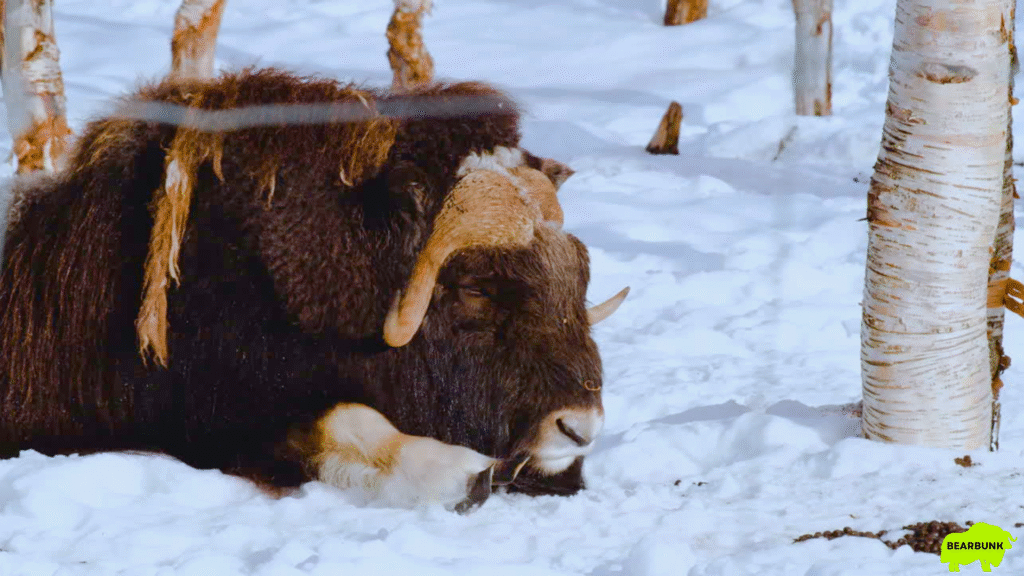
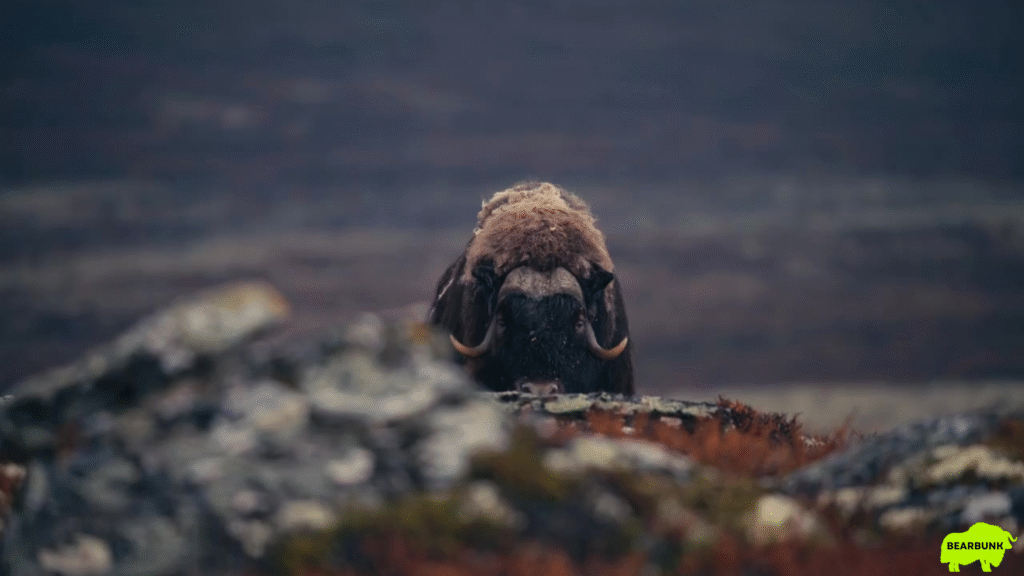
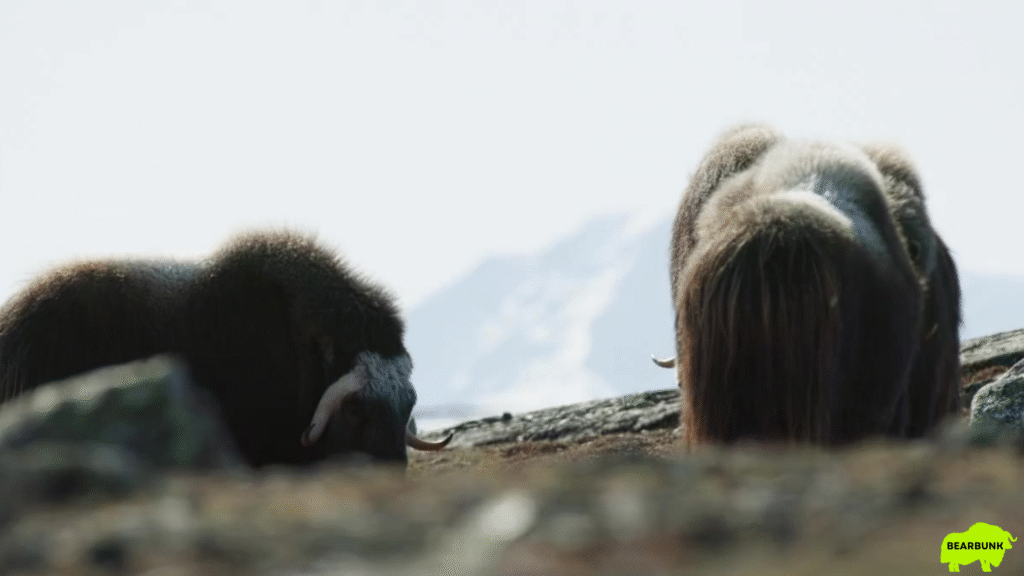
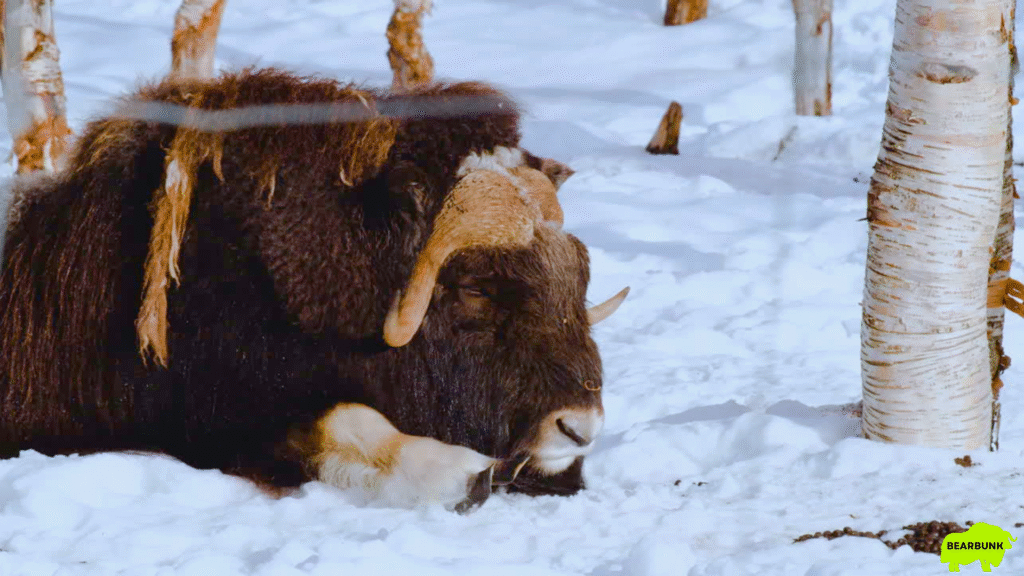
Musk oxen inhabit the Arctic tundra, where landscapes are open, treeless, and shaped by extreme cold. They are commonly found on plains, valleys, and gentle slopes where vegetation is accessible, even under snow. These regions experience long winters, strong winds, and short growing seasons, making survival especially challenging.
Diet
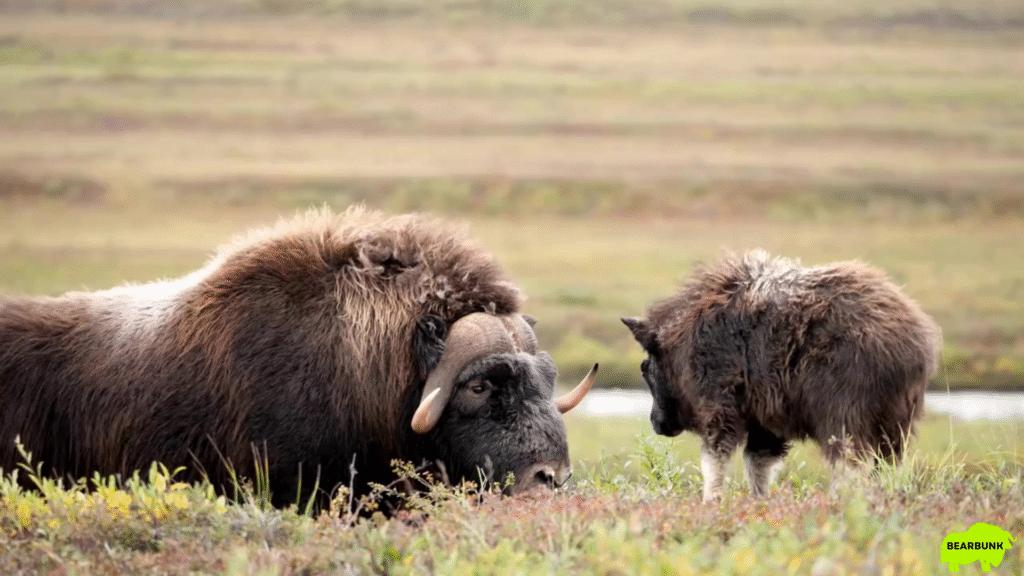
Musk oxen are ruminant herbivores. Their diet includes grasses, sedges, mosses, lichens, and small Arctic plants. During winter, they use their strong hooves to scrape through snow to uncover food. Their multi-chambered stomach allows them to extract nutrients from tough, low-quality vegetation.
Share On Social:
Mating & Raising Young
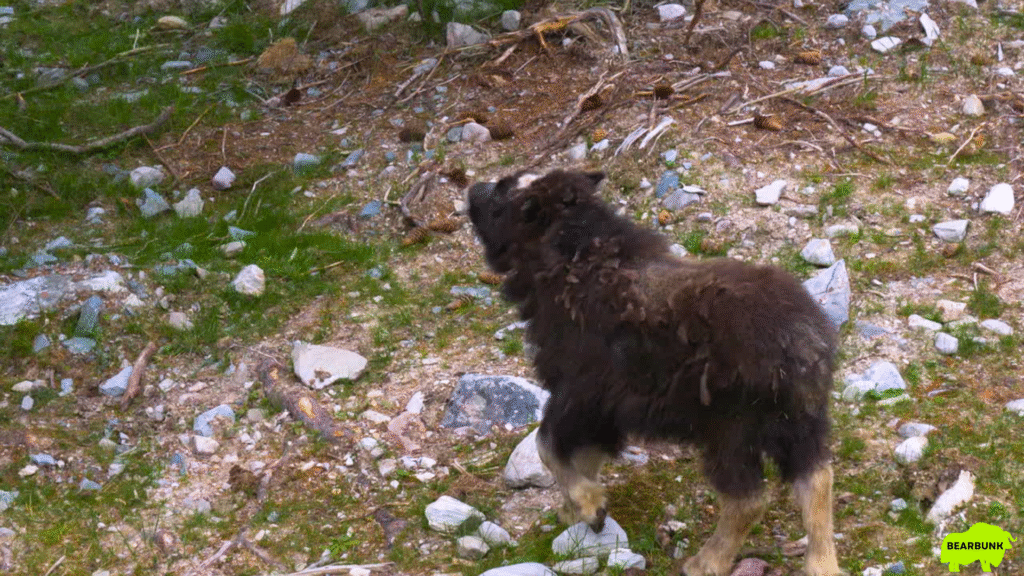
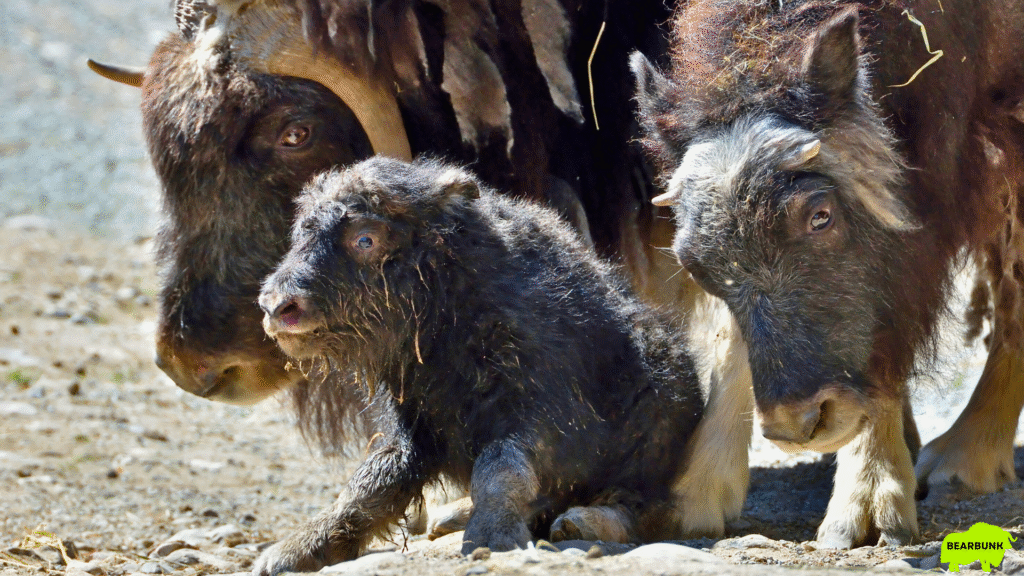
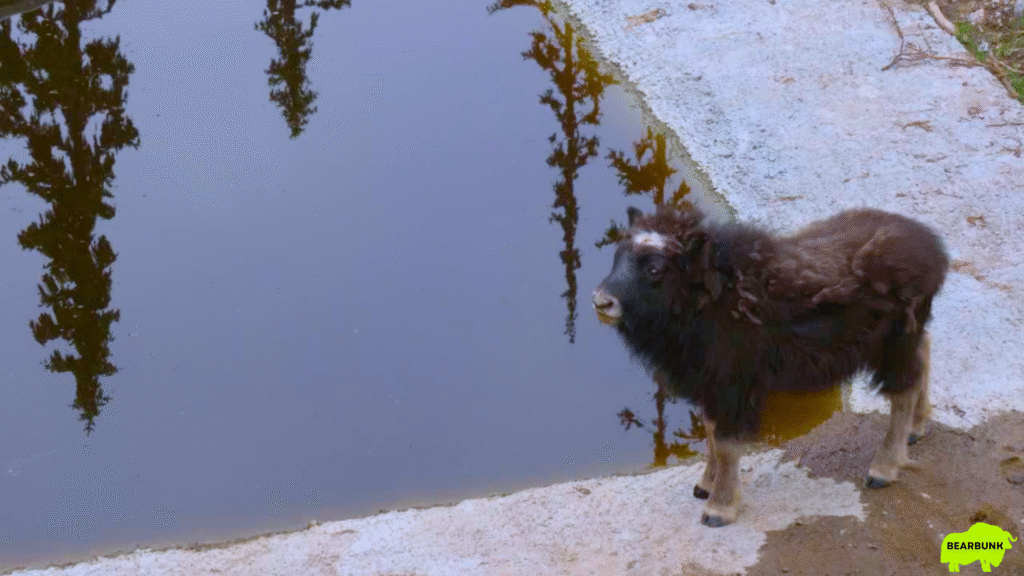
Breeding season occurs in late summer. After an eight-month gestation, calves are born in spring when conditions are more favorable. Newborn calves can stand and walk within hours and remain close to their mothers. Herd members help protect calves, forming a tight-knit defensive group when needed.
Relationship With People
Musk oxen rarely encounter humans due to their remote Arctic range. They are generally calm and non-aggressive but will defend themselves if threatened. When danger is perceived, herds often form a protective circle around calves rather than fleeing. Observing musk oxen from a respectful distance is essential, as they are powerful wild animals.
Unique Traits
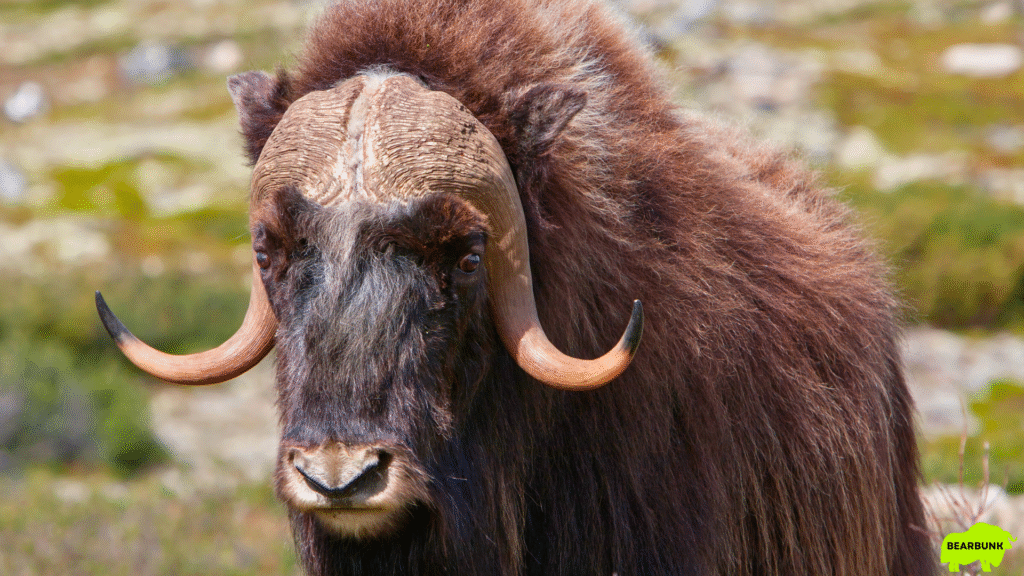
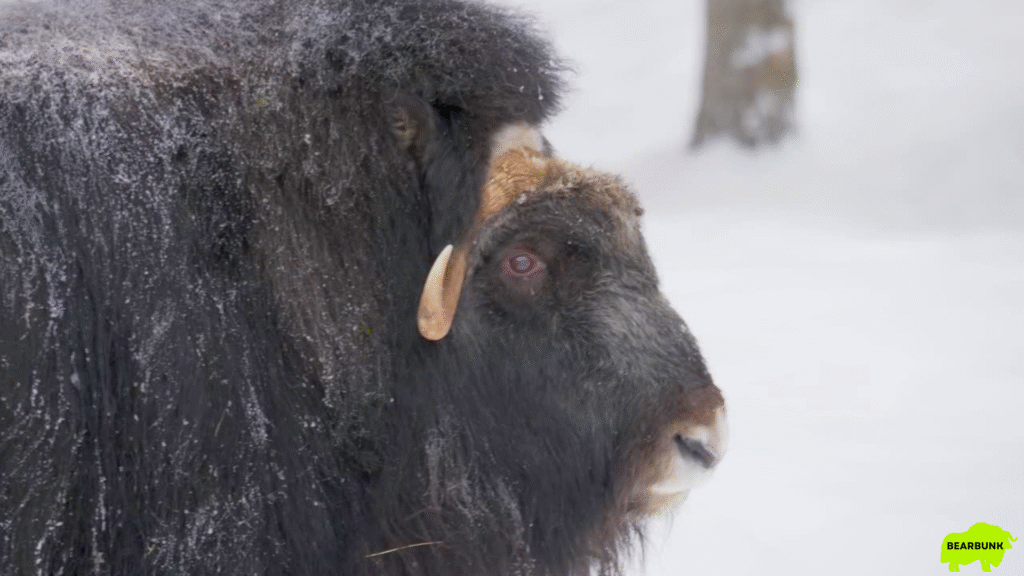
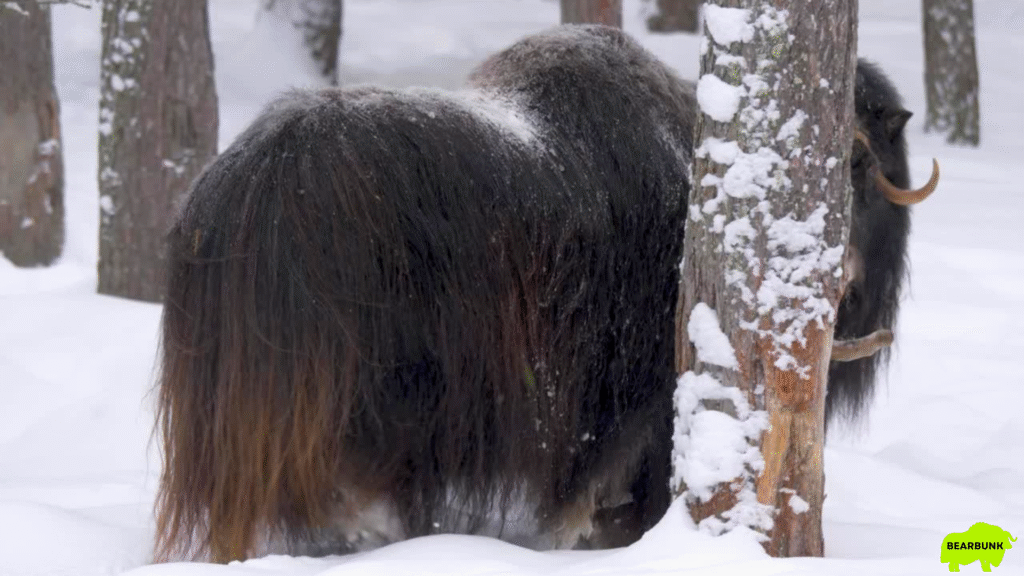
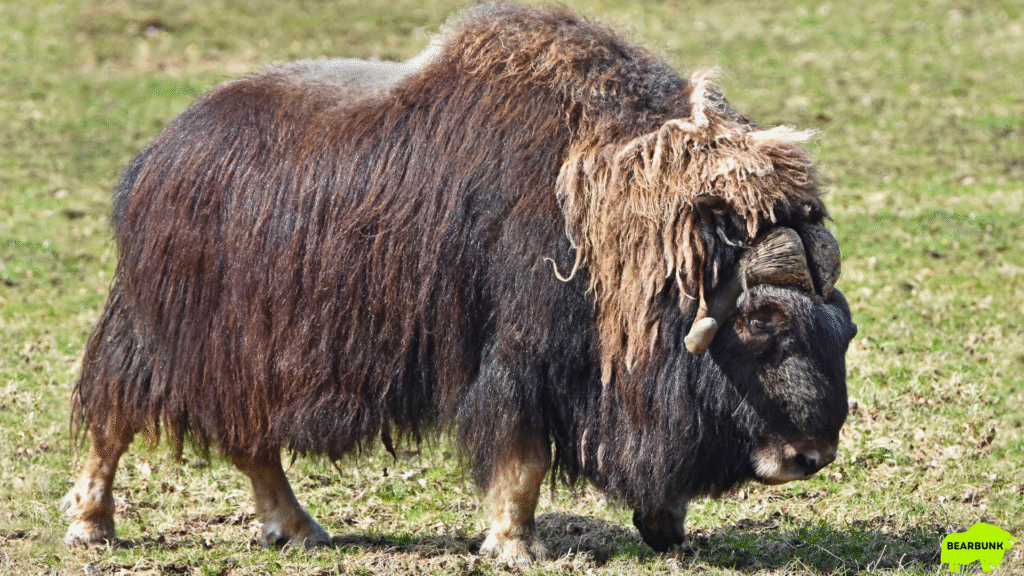
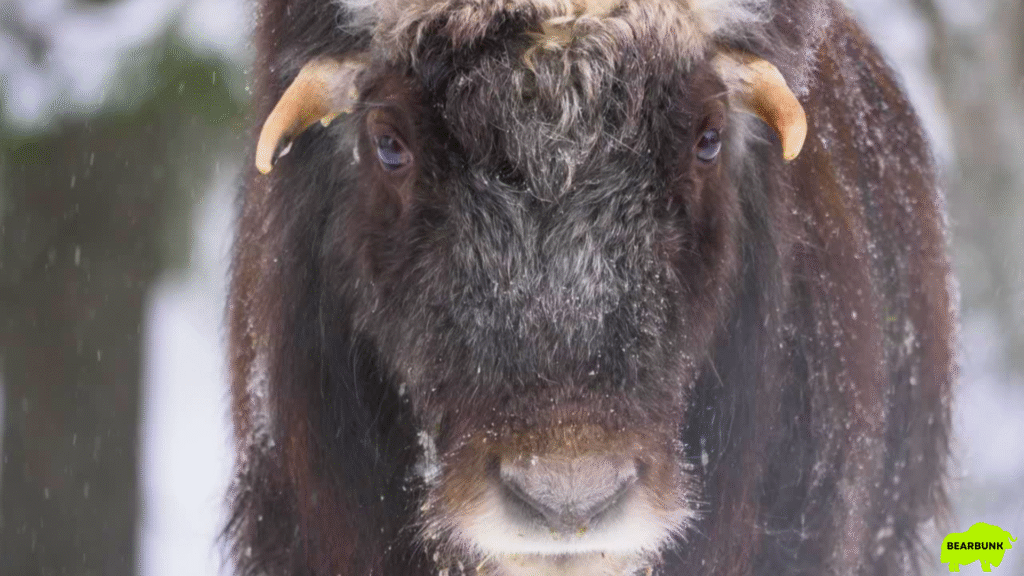
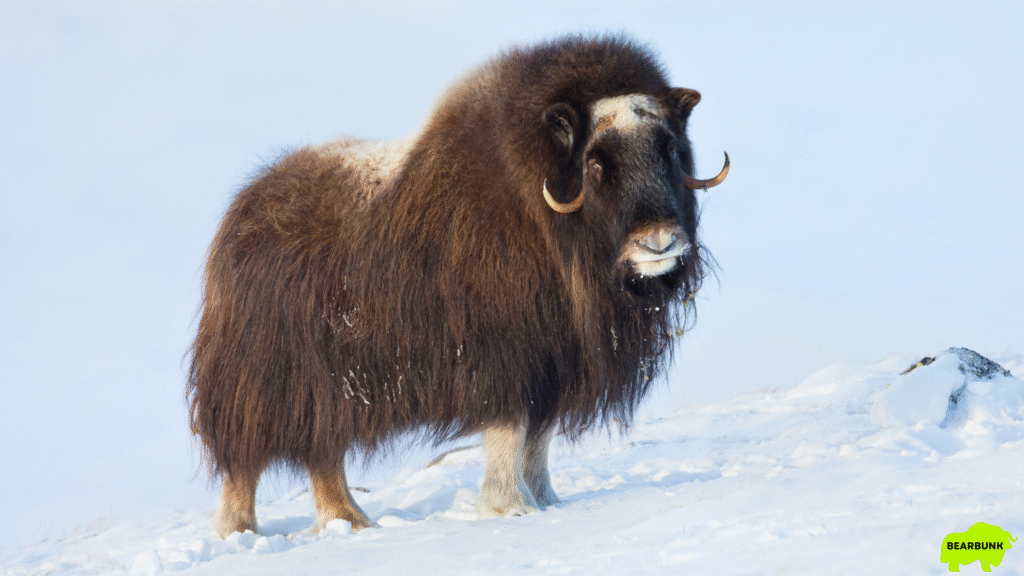
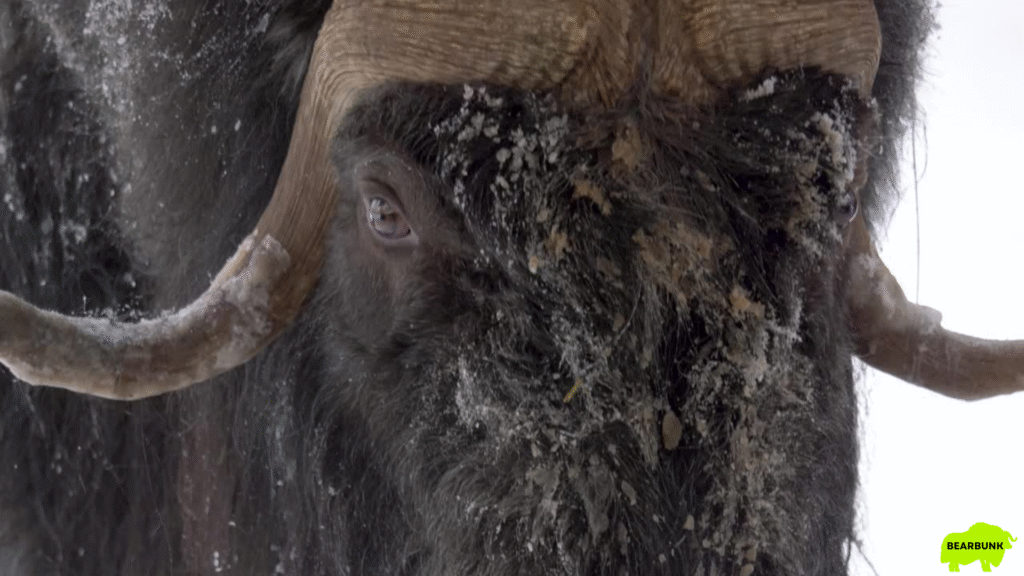
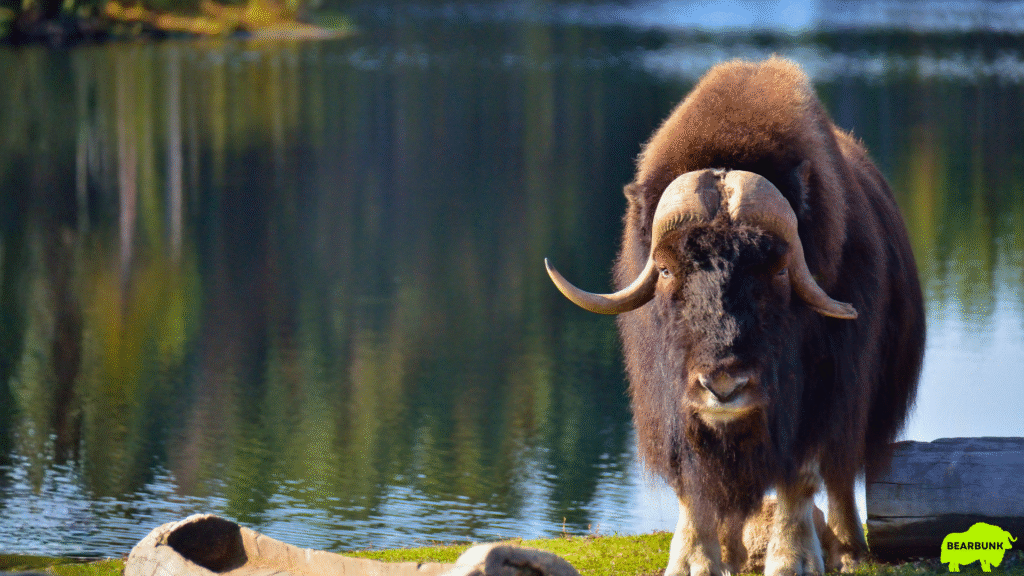
Musk oxen have one of the warmest coats of any mammal. Their outer hair blocks wind and snow, while the soft underlayer — qiviut — provides exceptional insulation. Both males and females have thick, curved horns used for defense and dominance displays. Their compact bodies and short legs reduce heat loss and provide stability in deep snow.
Fun Facts
- Lived alongside mammoths during the Ice Age
- Have one of the warmest coats of any land mammal
- Both males and females grow large curved horns
- Herds form defensive circles to protect calves
About Musk Ox
Common Name: Musk Ox
Scientific Name: Ovibos moschatus
Family: Bovidae
Subfamily: Caprinae
Size: 4–5 feet tall at the shoulder
Weight: 400–900 pounds
Lifespan: 12–15 years
Location: Arctic regions of North America and Greenland
Habitat: Arctic tundra, open plains, valleys
Diet: Grasses, sedges, mosses, lichens
Conservation Status: Least Concern
Musk oxen are powerful Arctic mammals known for their ancient appearance, remarkable insulation, and strong social bonds that help them survive some of the harshest conditions on Earth.
Why We Love Them
The musk ox represents endurance through unity. Rather than relying on speed, they survive by standing together, conserving energy, and remaining calm under pressure — a powerful reminder that strength often comes from cooperation.
Conclusion
The musk ox is a living link to the Ice Age and a testament to nature’s ability to adapt. Through extreme cold, limited food, and long winters, this ancient mammal continues to thrive — not through aggression, but through resilience and community.
Learn More:
Watch the full Video on YouTube:
The Mighty Musk Ox | How This Arctic Giant Survives Extreme Cold – YouTube
Read more about:





Leave a Reply