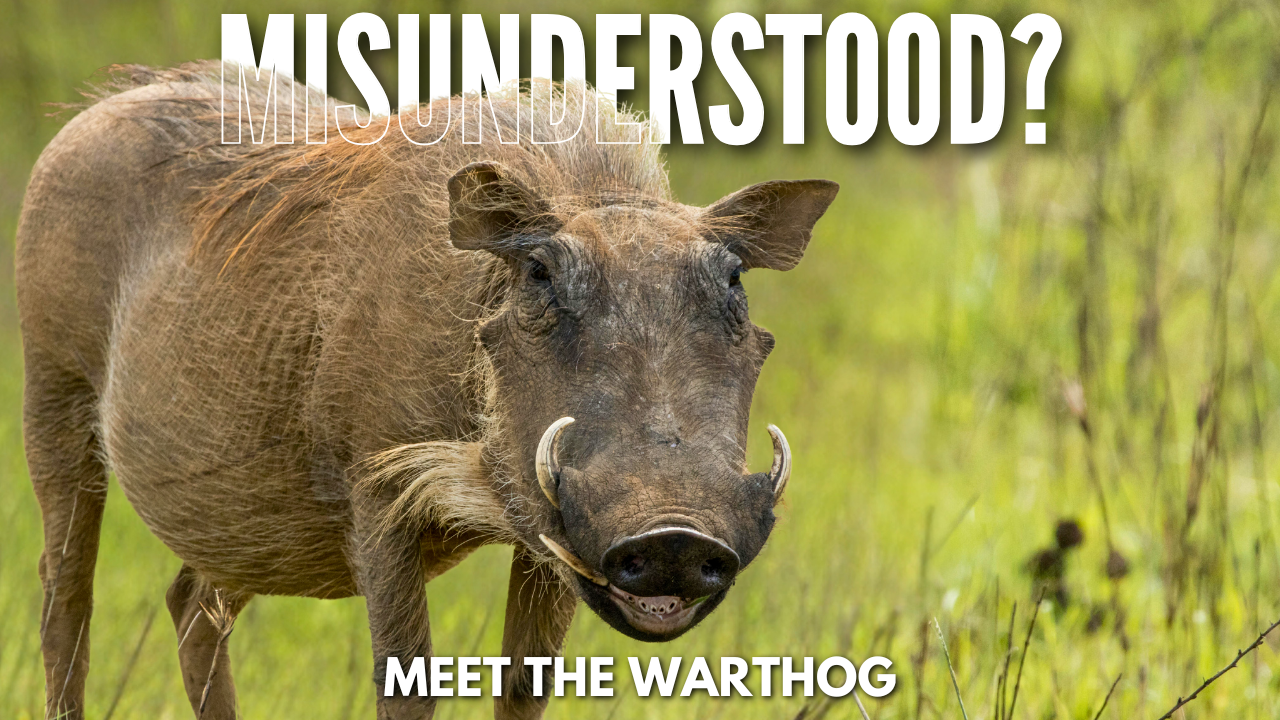
Meet the Warthog
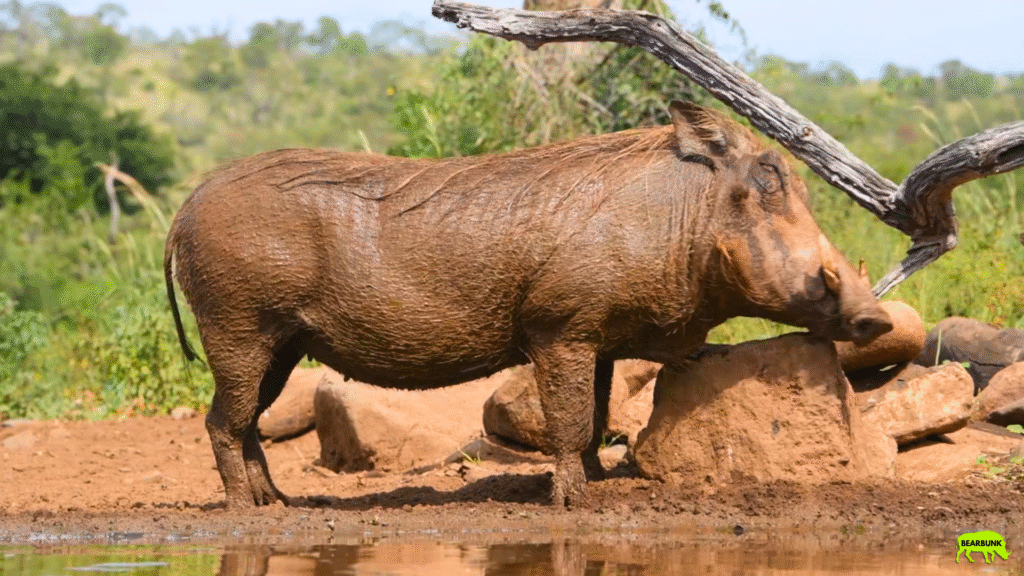
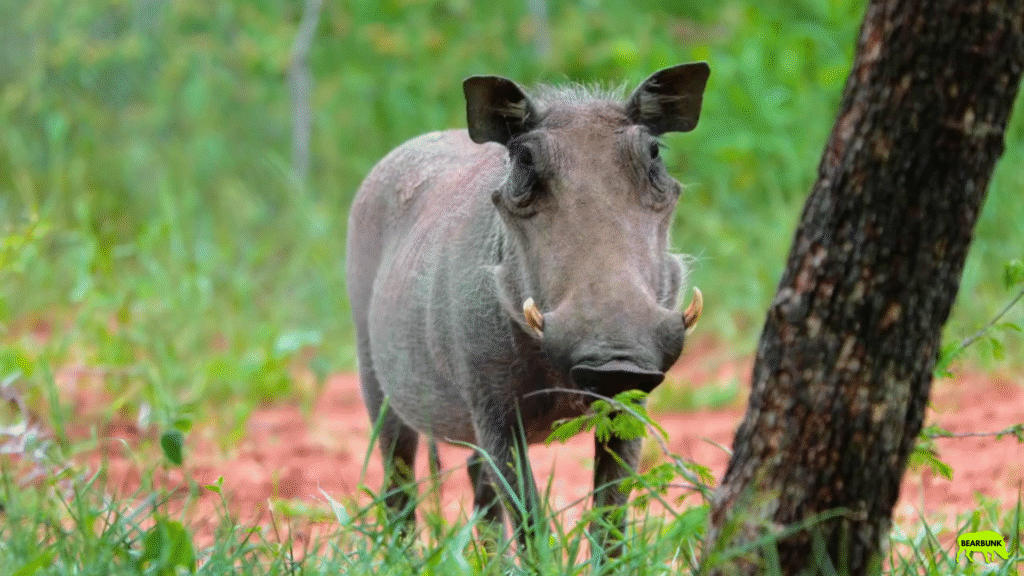
Warthogs may look rough around the edges, but these African wild pigs are far more clever, social, and adaptable than their appearance suggests. Built for life in open, often unforgiving landscapes, warthogs have developed a unique mix of behaviors and physical traits that help them survive heat, drought, and predators. Once you understand how they live, it’s easy to see why warthogs are true masters of survival.

Species of Warthogs
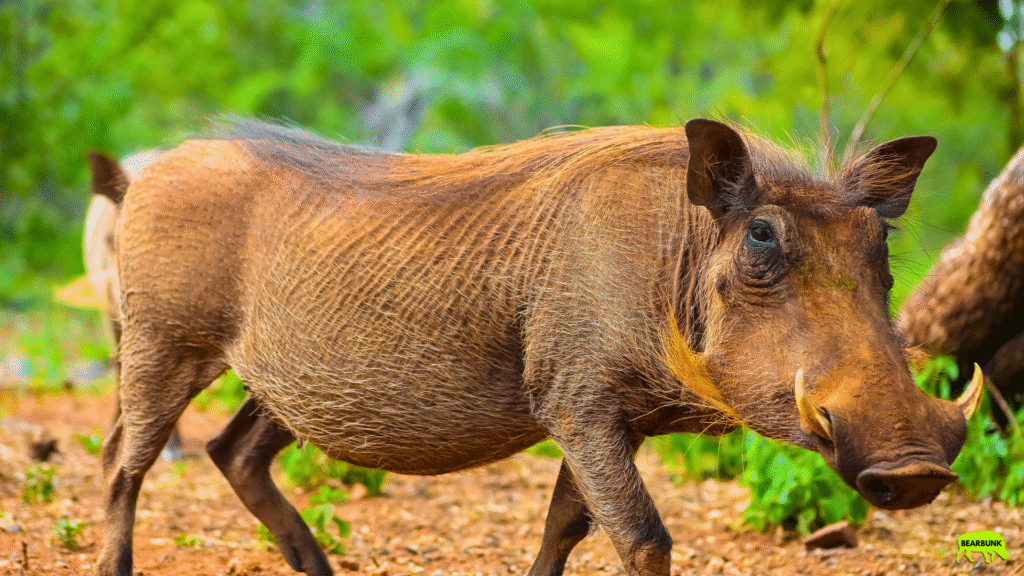
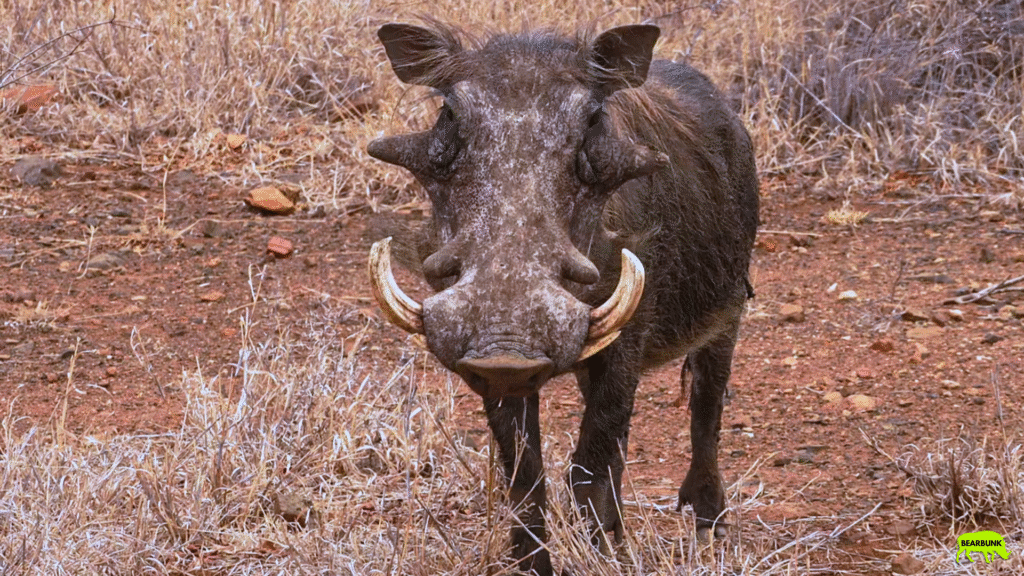
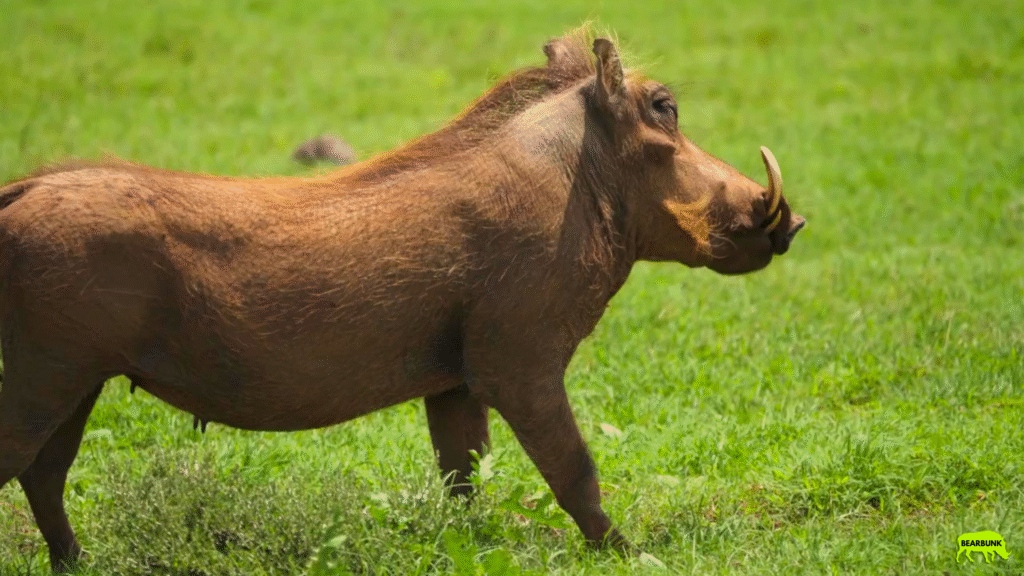
There are only two species of warthogs in the world, both native to Africa:
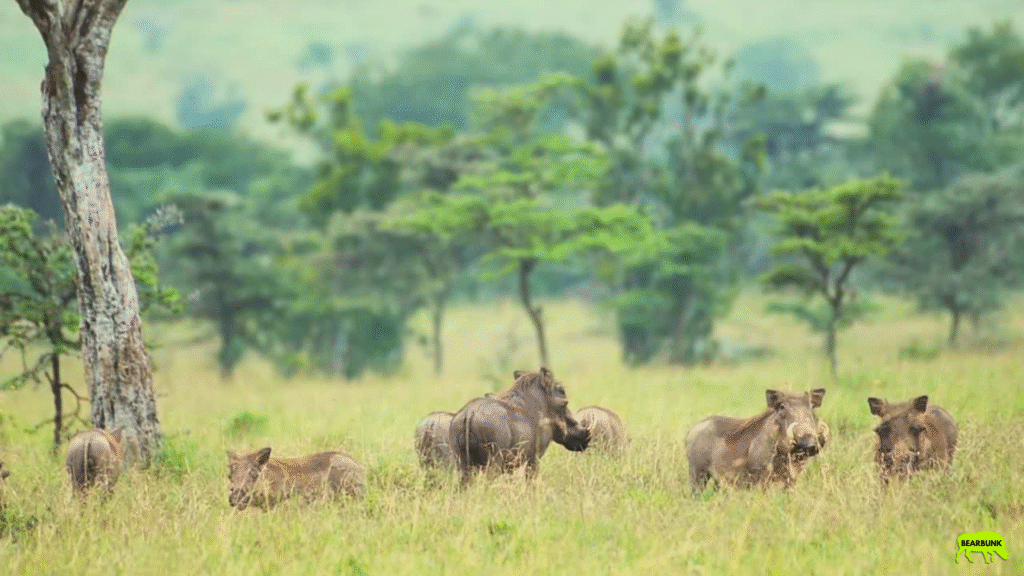
- Common Warthog (Phacochoerus africanus) – The most widespread and familiar species, found across much of sub-Saharan Africa.
- Desert Warthog (Phacochoerus aethiopicus) – Lives in drier regions and is more specialized for harsh conditions.
Despite being members of the pig family, warthogs are uniquely adapted to African environments and differ significantly from wild pigs found on other continents.
Habitat
Warthogs thrive in open landscapes where visibility helps them detect predators early. Their preferred habitats include:
- Savannas
- Grasslands
- Woodlands
- Deserts and dry regions
Access to burrows, loose soil for rooting, and grazing areas is more important to warthogs than dense vegetation or permanent water sources.
Diet
Warthogs are omnivores, but the majority of their diet comes from plants. They primarily eat:
- Grasses
- Roots and tubers
- Bulbs
- Berries and other low-growing plants
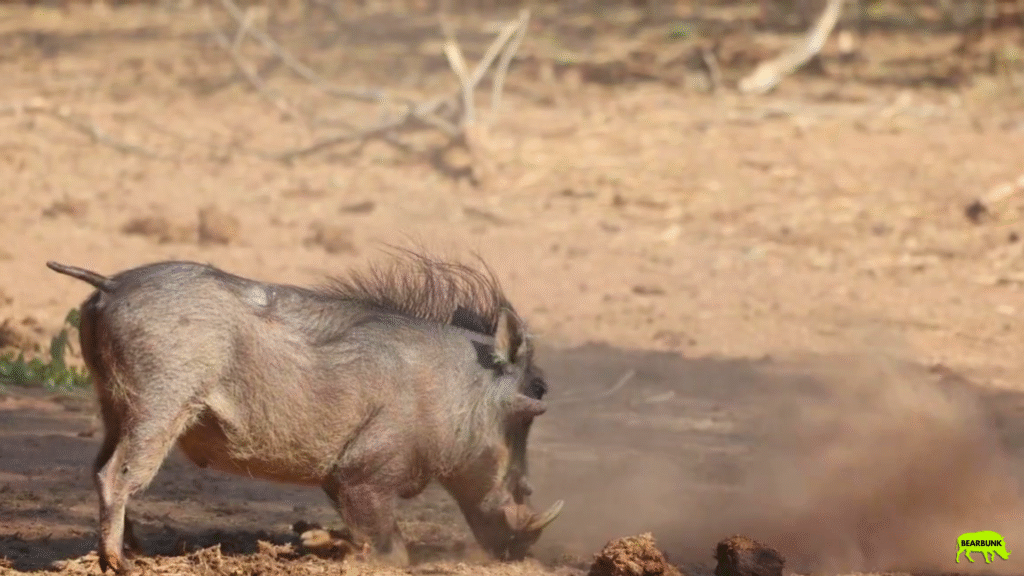
During dry seasons, warthogs use their strong snouts and tusks to dig underground for food. They are also capable of going long periods without drinking water, obtaining much of their moisture from the plants they eat. This dietary flexibility allows them to survive in environments where food and water availability can change dramatically.
Share On Social:
Mating & Raising Young
Mating season typically aligns with the transition from the dry season to the rainy season, when food becomes more abundant. After mating, females experience a pregnancy lasting about five to six months.
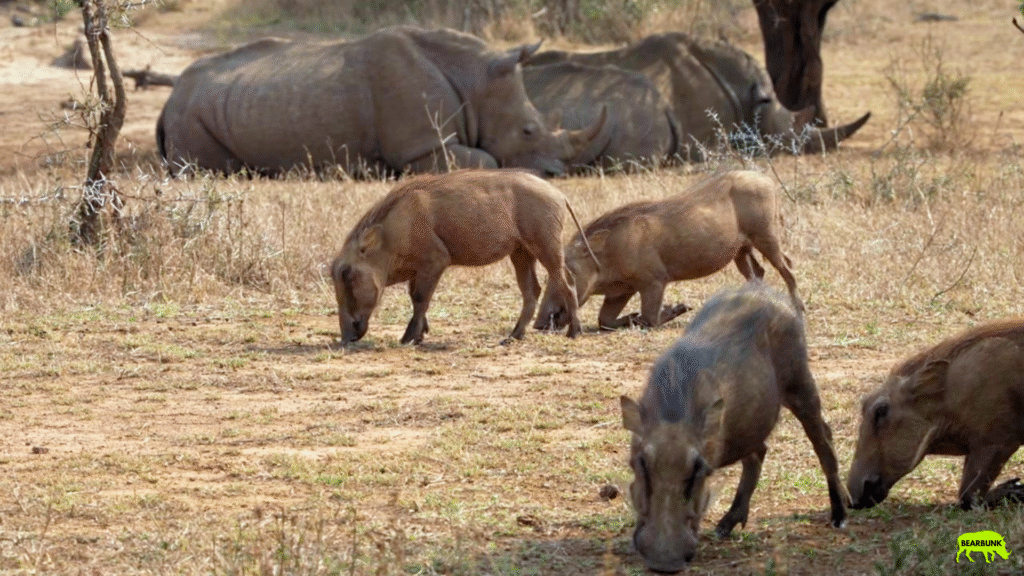
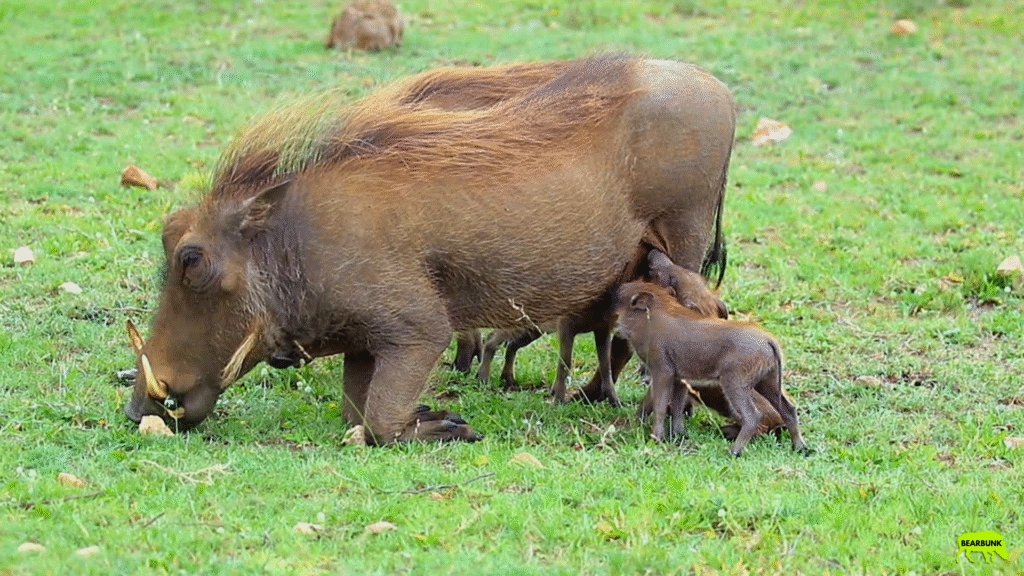
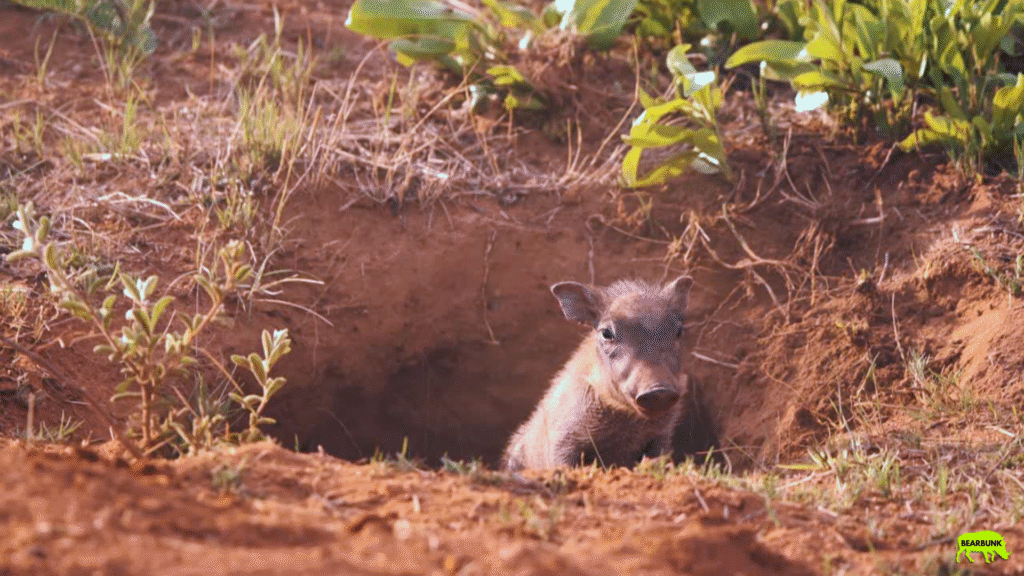
Most litters consist of two to four piglets. Newborn piglets remain hidden inside burrows during their earliest weeks, where they are protected from predators and harsh weather. As they grow stronger, piglets begin venturing outside with their mother, learning feeding routes, safe areas, and social behaviors that will help them survive.

Fun Facts
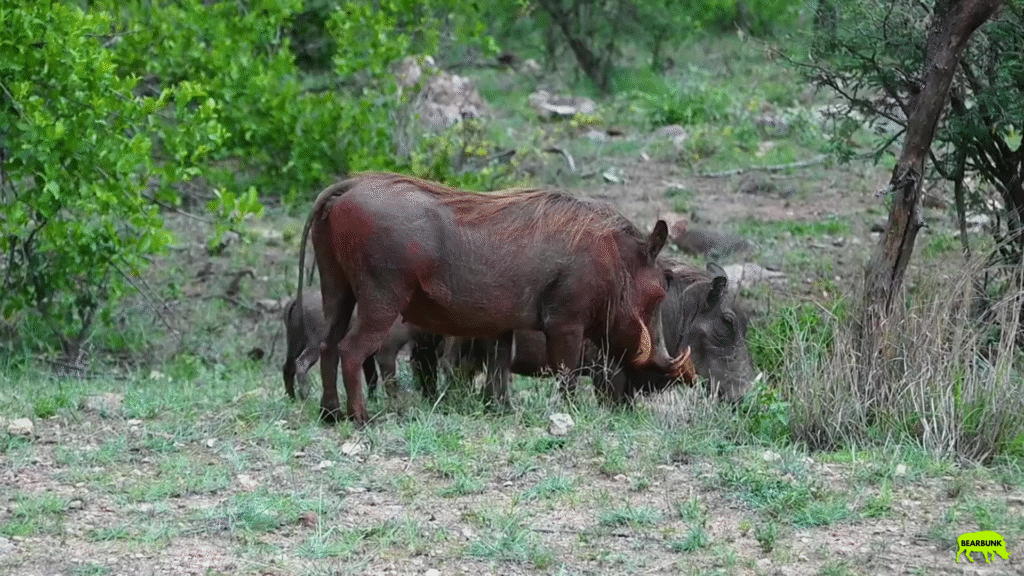
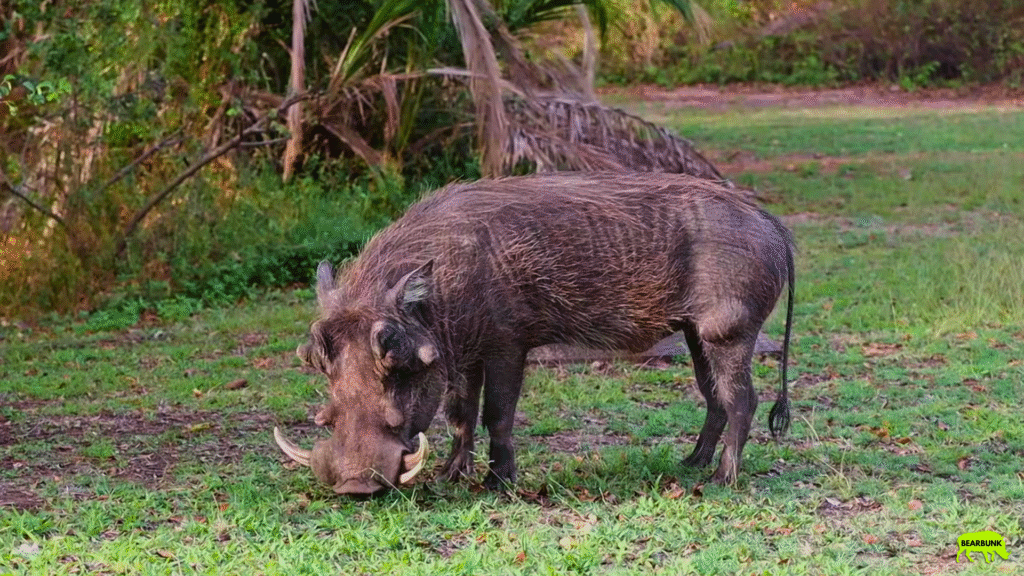
- Warthogs often eat on their knees, using thick pads to protect their joints.
- They back into burrows tail-first, keeping their tusks facing outward for defense.
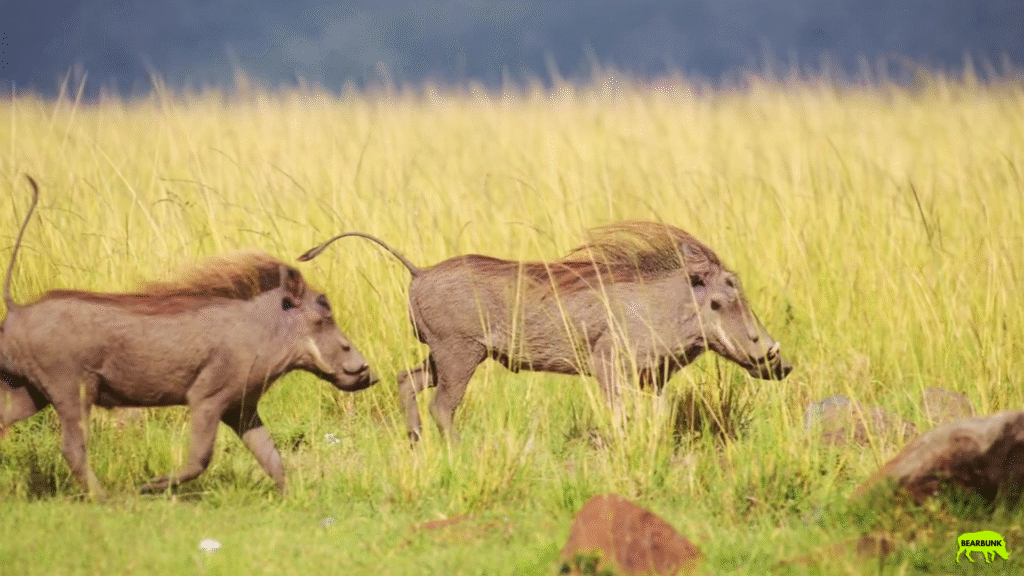
- When running, warthogs raise their tails like flags so others can follow them.
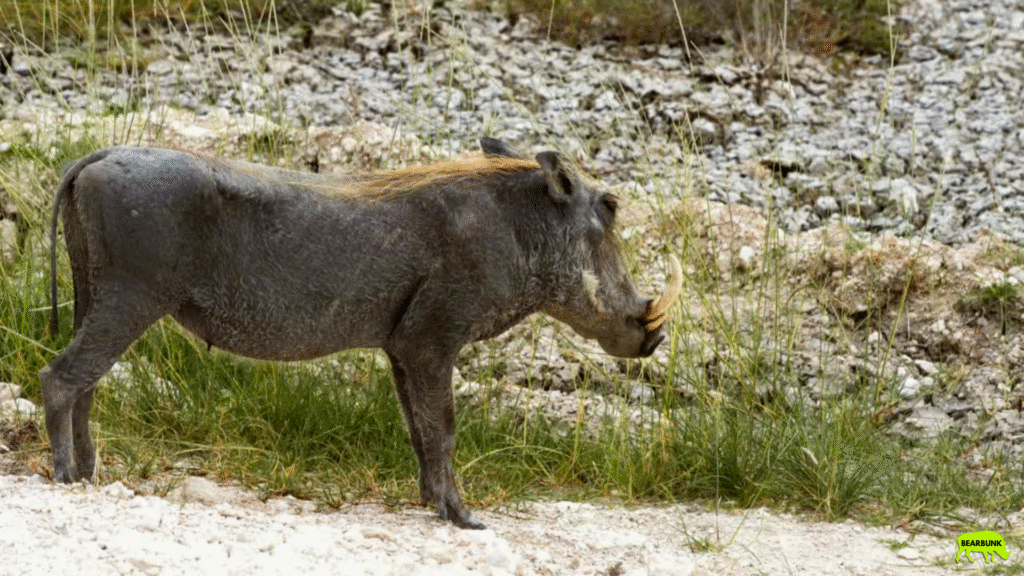
- Their tusks grow continuously throughout their lives.
- Warthogs can sprint at speeds of over 30 miles per hour when threatened.
About Warthogs
Common Name: Warthog
Scientific Name: Phacochoerus
Family: Suidae
Subfamily: Phacochoerinae
Size: Up to 5 feet long
Weight: 110–330 pounds
Lifespan: 12–15 years
Location: Sub-Saharan Africa
Habitat: Savannas, grasslands, woodlands, deserts
Diet: Omnivorous, primarily plant-based
Conservation Status: Least Concern
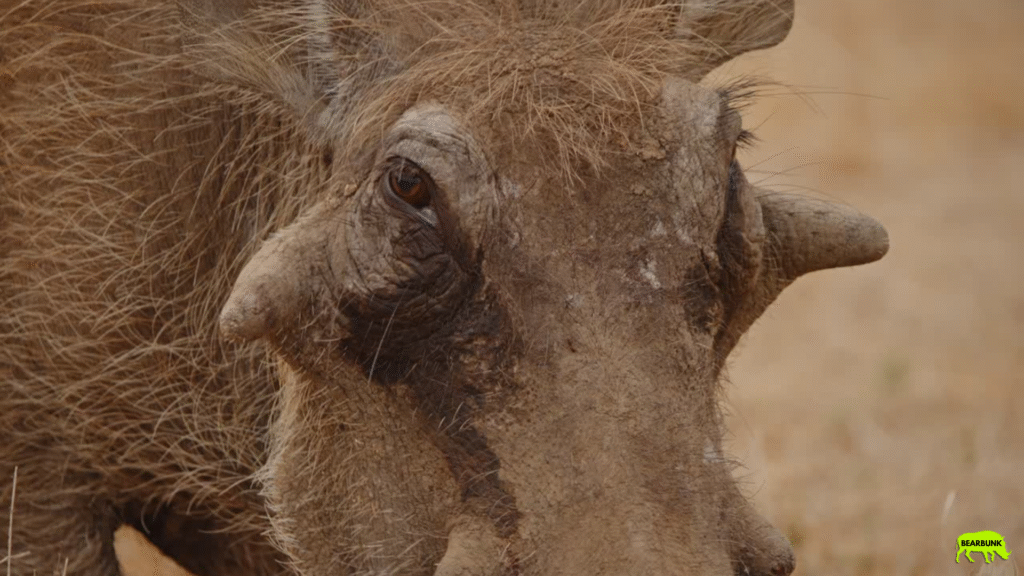
Warthogs are sturdy, intelligent wild pigs known for their tusks, facial “warts,” and remarkable survival skills. Their physical traits and behaviors are perfectly suited to life in open, often extreme environments.
Why We Love Them
Warthogs remind us that appearances can be deceiving. Beneath their rugged look is an animal that’s social, clever, and surprisingly gentle within its family group. Their playful behaviors, unique feeding posture, and close social bonds make them endlessly fascinating to observe.
Conclusion
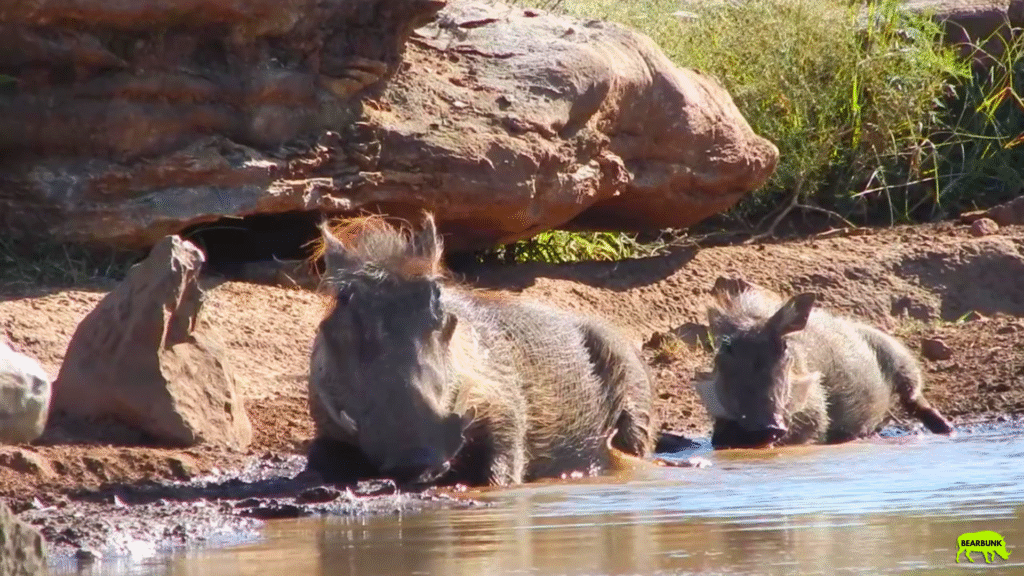
Warthogs are far more than comic-looking pigs with tusks. They are resilient survivors, skilled at navigating heat, drought, and predators through intelligence and adaptability. From their clever use of burrows to their mud-based cooling system, warthogs are a perfect example of how wildlife evolves to thrive in even the toughest landscapes.
Learn More:
Watch the full Video on YouTube:
Misunderstood? Meet the Warthog — Africa’s Tough, Clever Survivor
Read more about:







Leave a Reply