
Meet The Hornbill
Hornbills are some of the most unforgettable birds on the planet — colorful, loud, expressive, and full of personality. From their dramatic bills to their thunderous wingbeats and impressive nesting habits, hornbills have a presence that’s impossible to ignore. Found across Africa and Asia, these birds play essential roles in the ecosystems they call home. Let’s explore what makes hornbills truly extraordinary.
Species of Hornbills
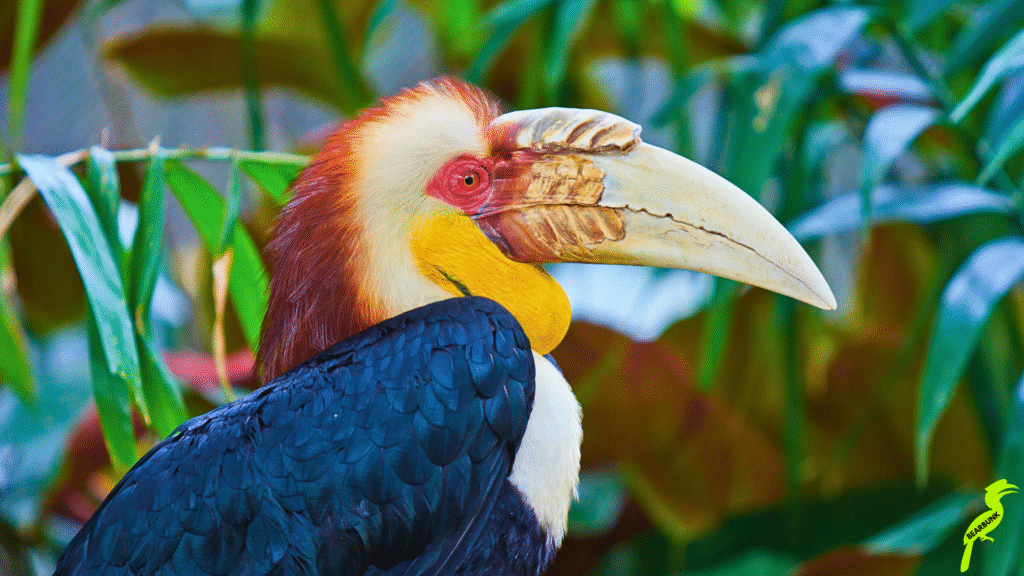
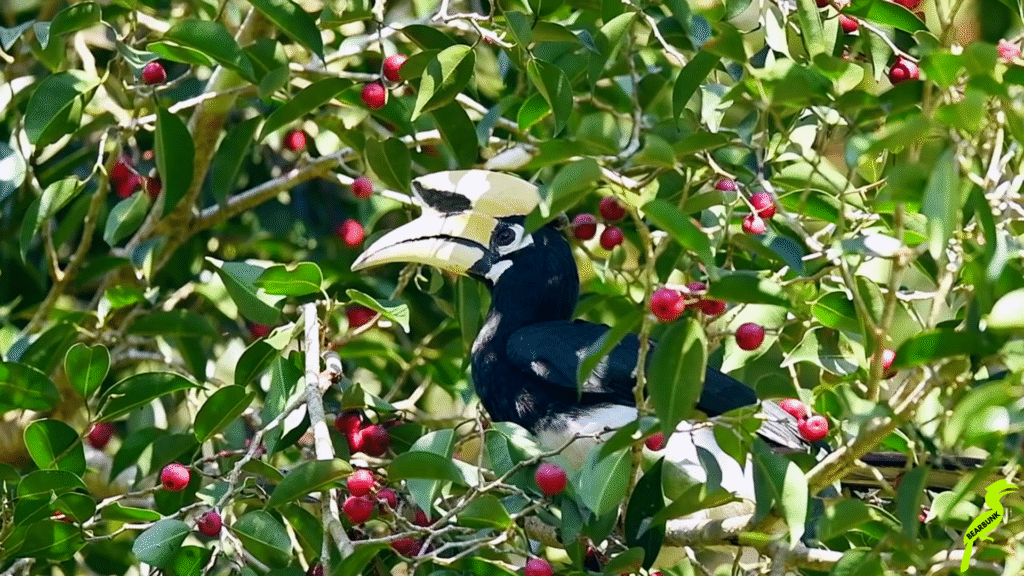
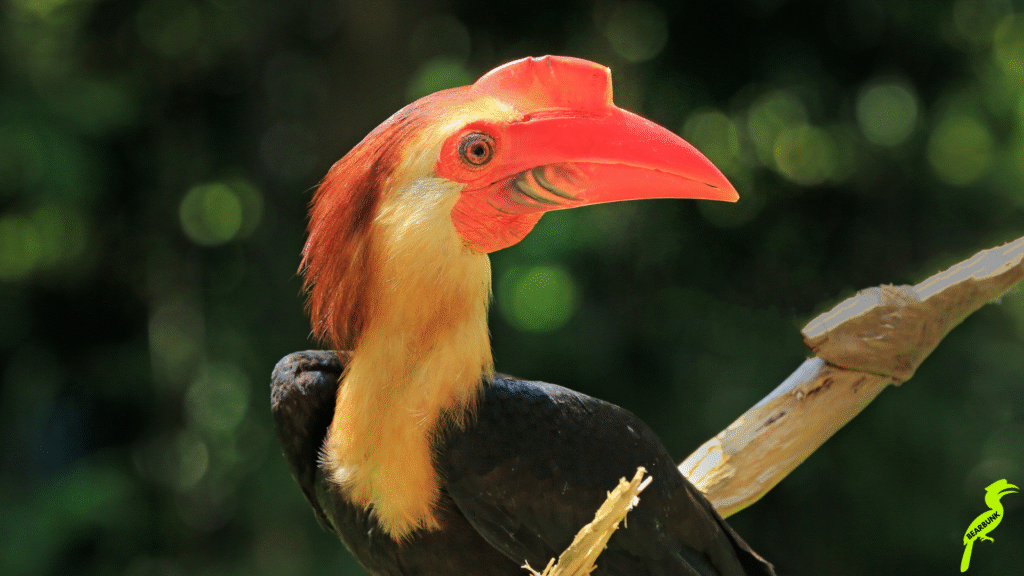
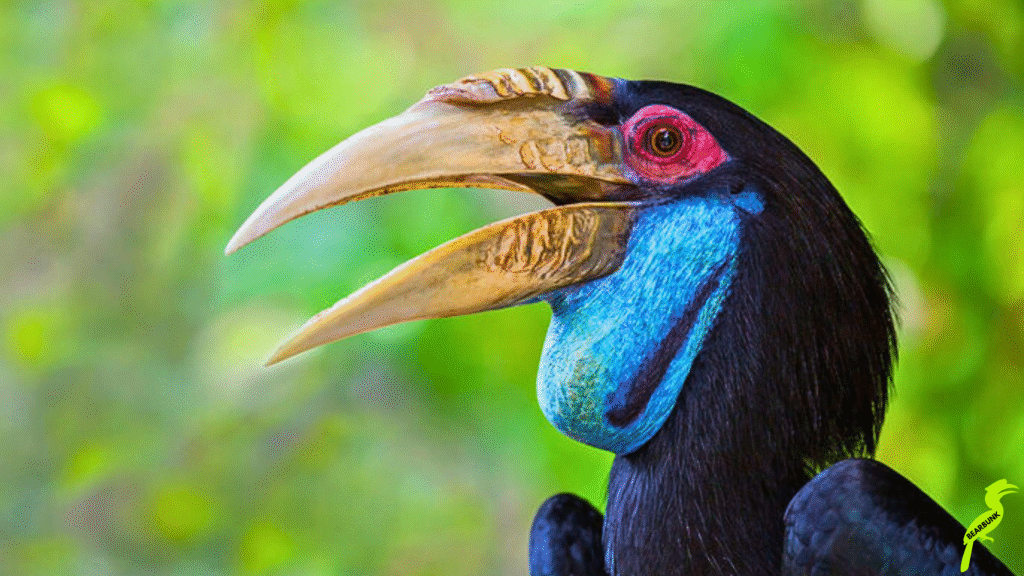
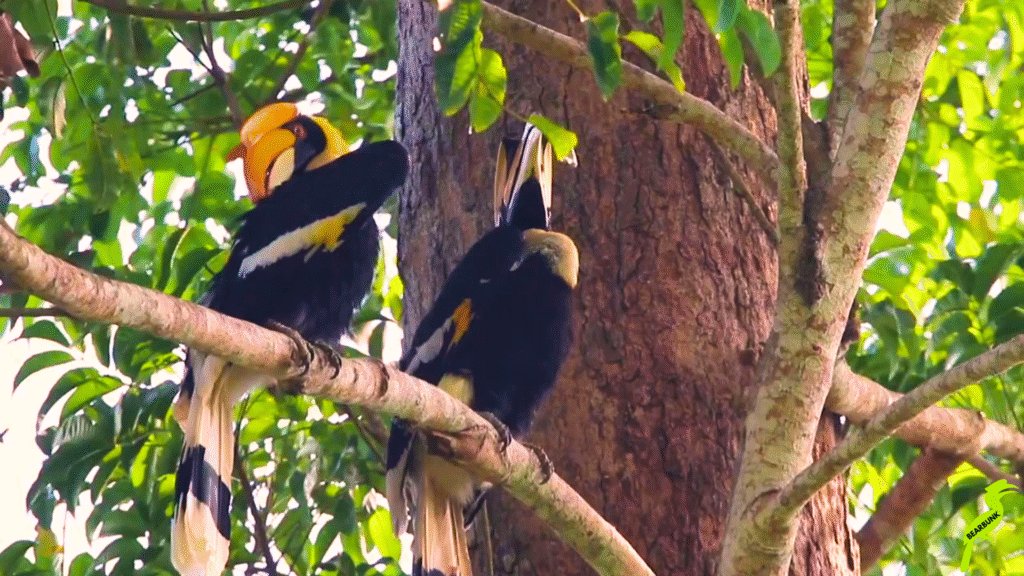
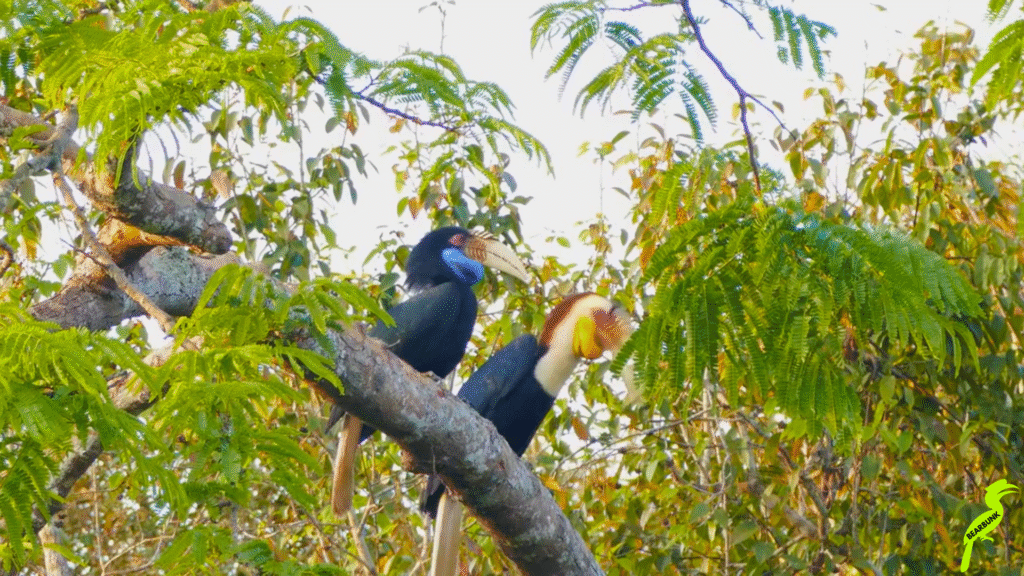
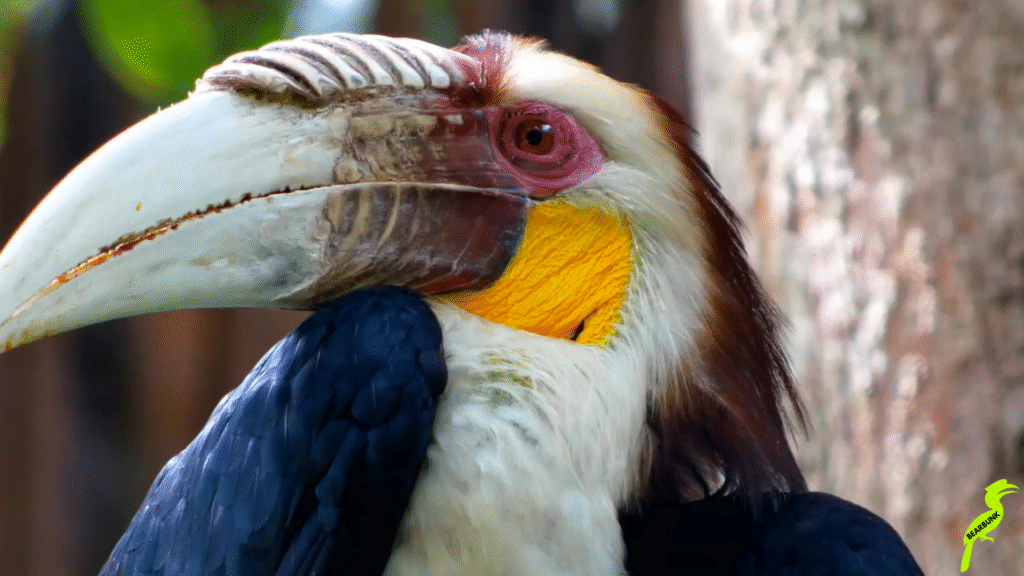
Hornbills come in an incredible variety of shapes, sizes, and colors. With nearly 60 species spread across Africa and Asia, each one brings its own personality, features, and adaptations to the bird family. Here are some of the most notable hornbills you’ll encounter in the wild.
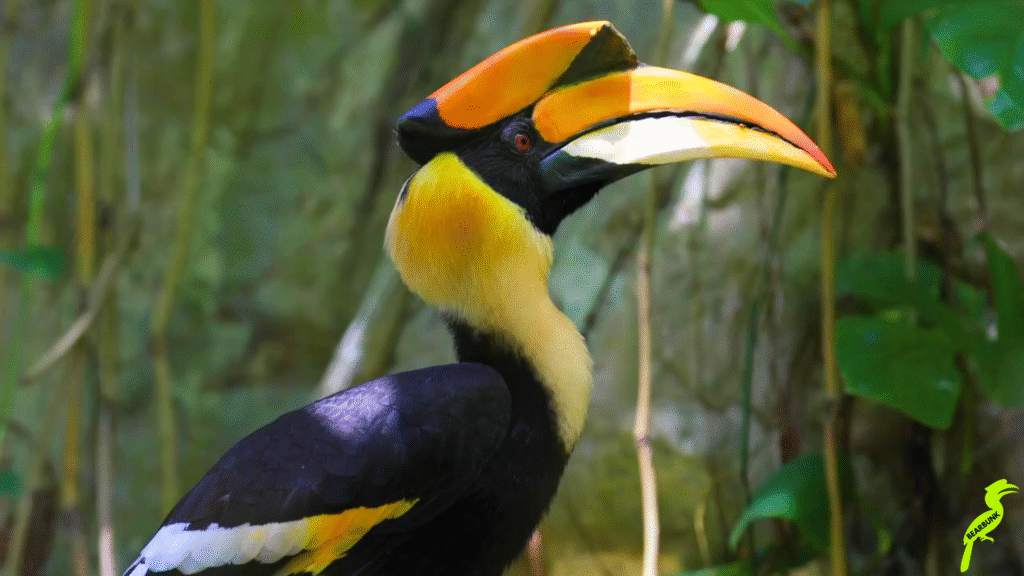
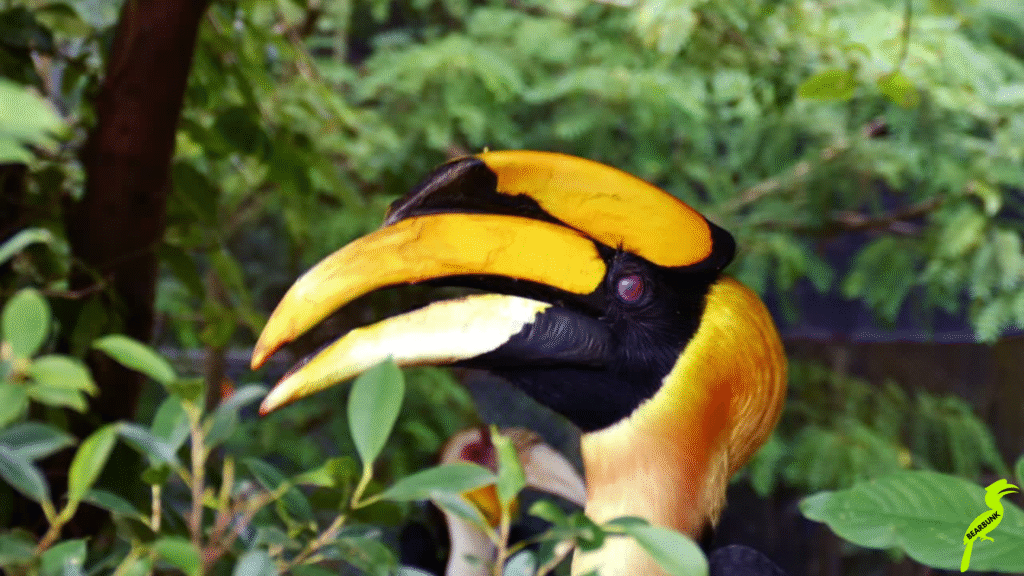
Great Hornbill
Buceros bicornis
Large Asian species with a massive yellow casque and bold black-and-white wings.
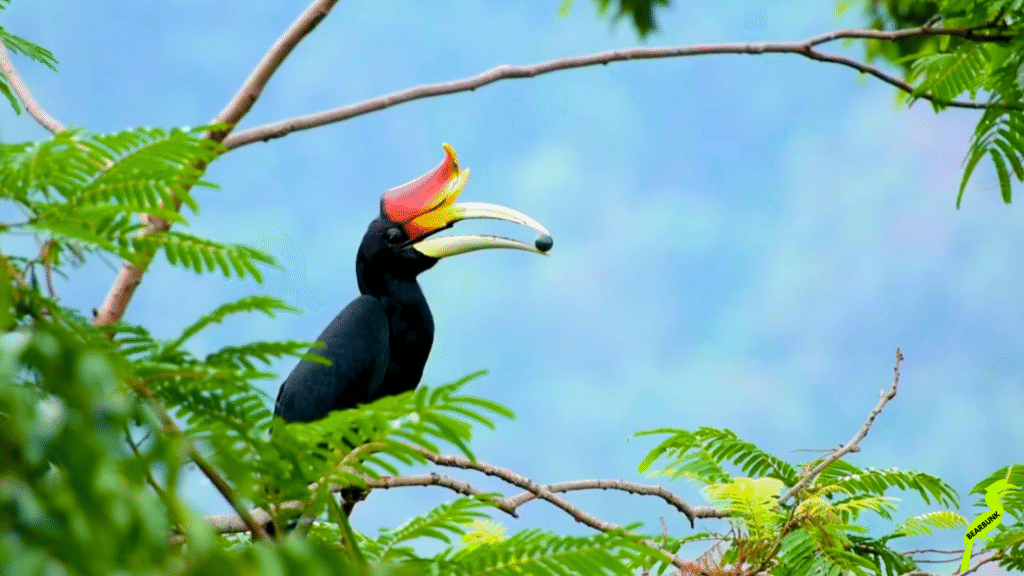
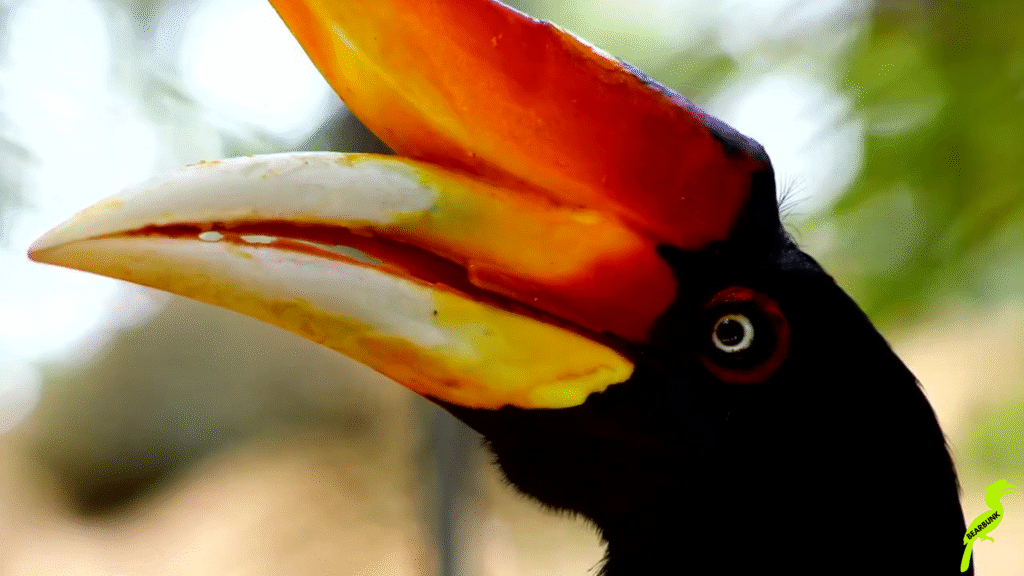
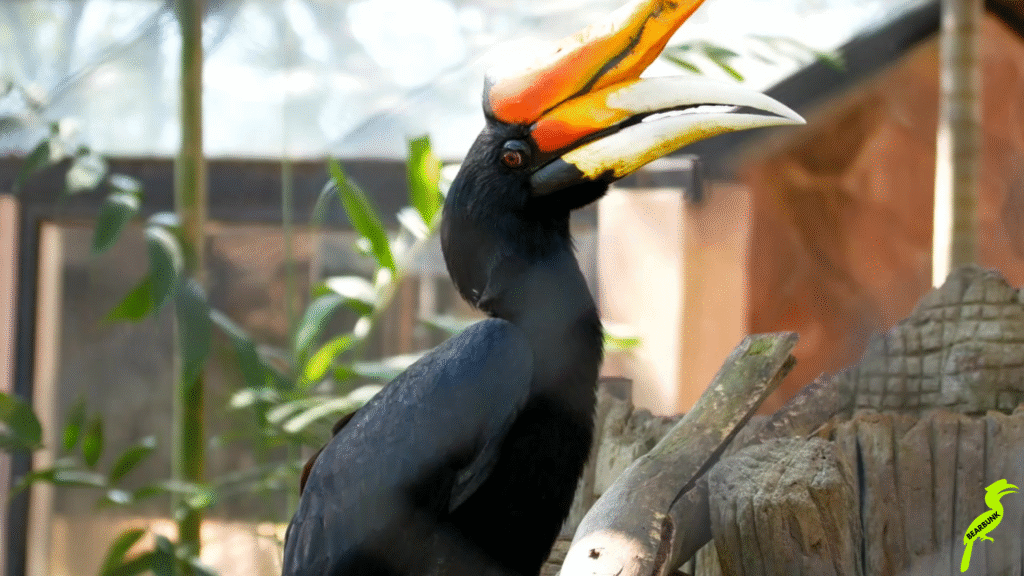
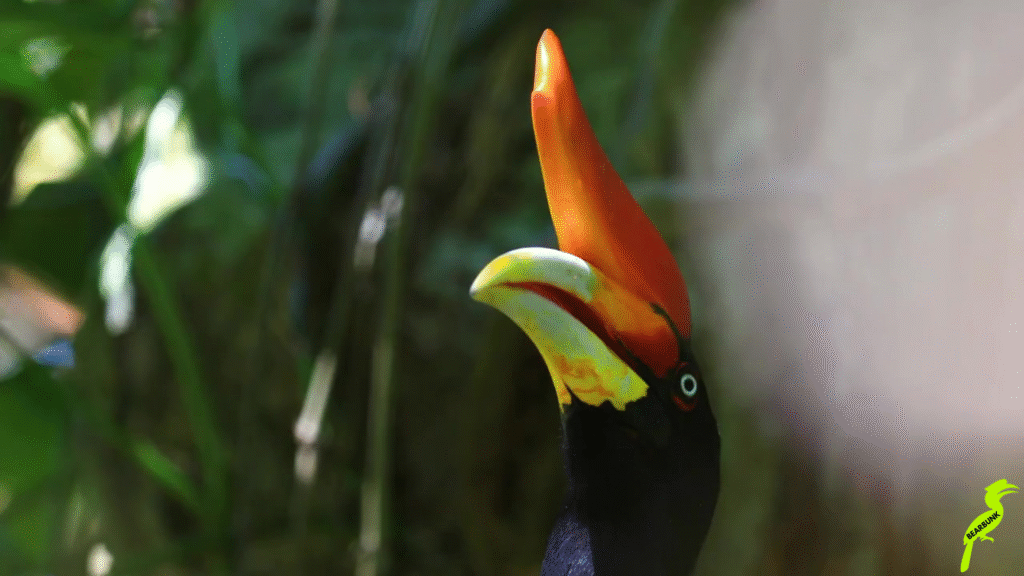
Rhinoceros Hornbill
Buceros rhinoceros
Known for its striking red-orange casque shaped like an upturned horn.
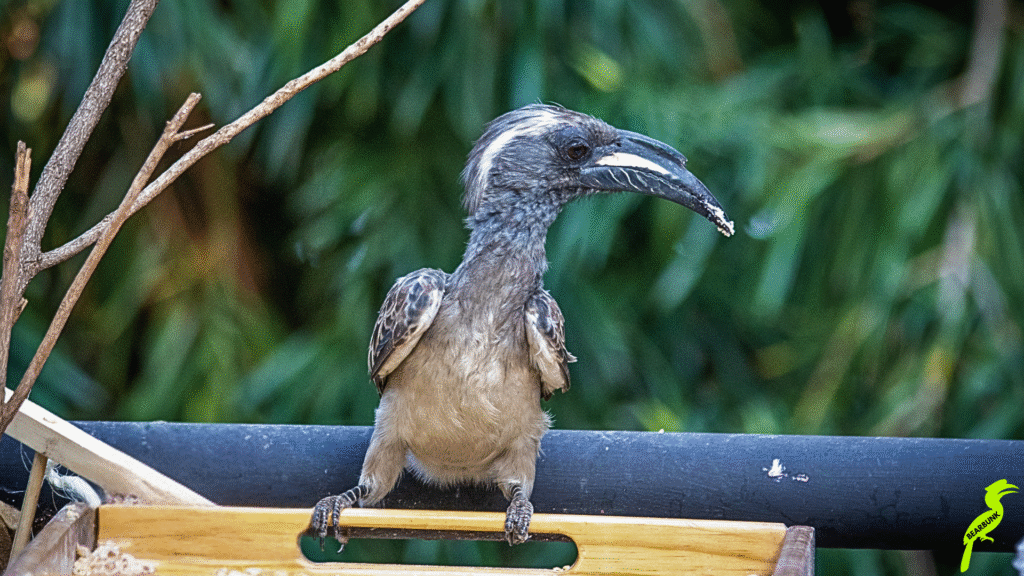
African Pied Hornbill
Tockus fasciatus
Smaller, lightweight species with black-and-white plumage and a curved bill.
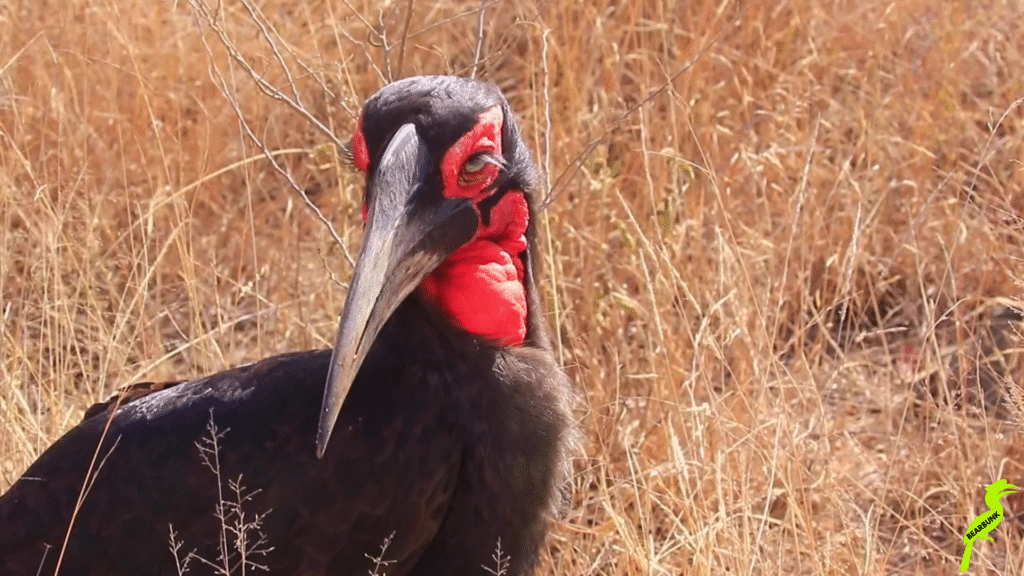
Southern Ground Hornbill
Bucorvus leadbeateri
A terrestrial African species with striking red facial skin and deep booming calls.
Red-billed Dwarf Hornbill
Lophoceros camurus
One of the smallest hornbills, living in dense African forests with agile, quick flight.
Other Species
With around 60 species worldwide, hornbills vary in size, shape, and coloration — but all share the signature long bill and social personality.
While hornbill species differ in size, coloration, and behavior, they all share the distinctive long bill, expressive faces, and strong social bonds that make this bird family so remarkable. From tiny forest-dwellers to large, booming canopy flyers, every hornbill has a story worth discovering.
Habitat
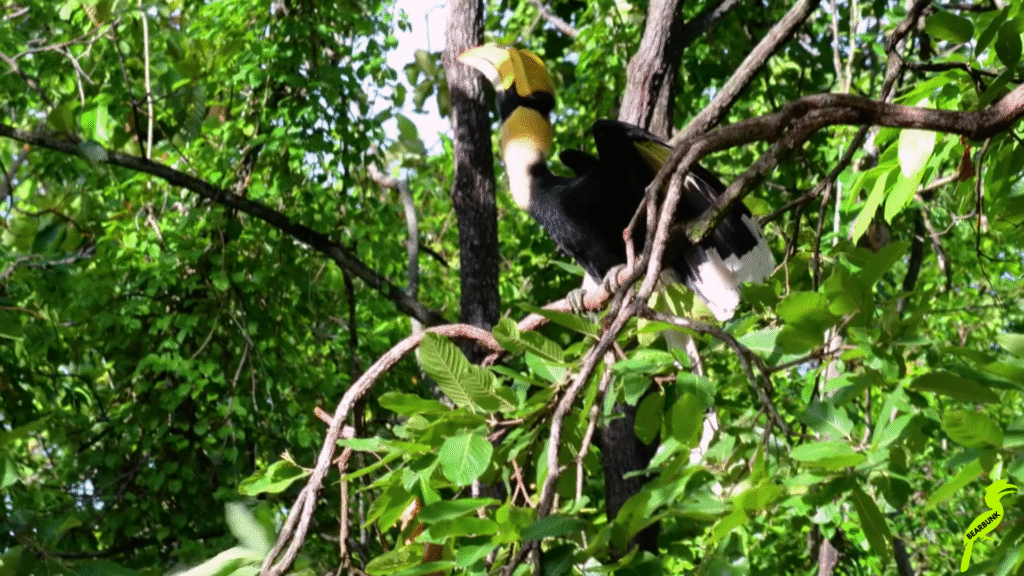
Hornbills live in tropical and subtropical forests, woodlands, and savannas across Africa and Asia. Many species depend heavily on old-growth trees, which provide the large natural hollows they need for nesting. These sturdy trees also serve as lookout points, food sources, and meeting places for pairs and family groups.
Ground-dwelling species, like the southern ground hornbill, spend much of their time walking through open grasslands, while forest species fly between tall, dense canopies with surprising agility. Their powerful wingbeats create a distinctive “whoomp-whoomp” sound that can carry through the forest long before the bird comes into view.
Diet
Hornbills have a diverse diet that includes fruits, figs, insects, small reptiles, and frogs. Figs are especially important — many hornbill species rely on fig trees year-round and help spread their seeds throughout the forest. This seed dispersal is so important that hornbills are often called “gardeners of the forest.”
Some hornbills toss fruit into the air and catch it mid-flight, showing impressive precision. Their long bills are strong but lightweight, made from a honeycomb-like structure that helps them pry bark, reach deep into branches, and grab hard-to-reach food.
Many species also use oil from the preen gland to polish their bills, which can enhance colors and protect the keratin surface.
Share On Social:
Mating & Raising Young
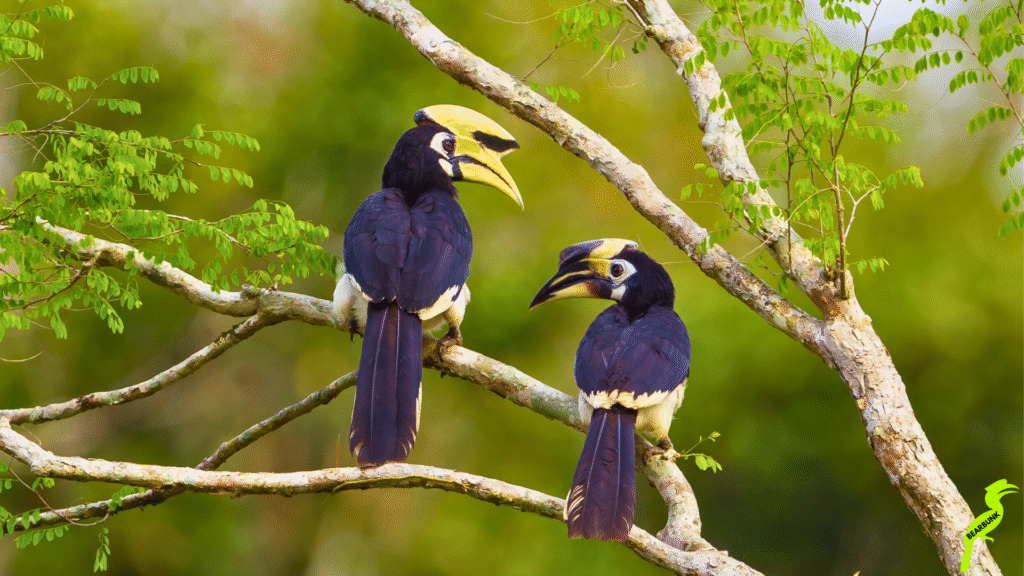
Hornbill family life is one of the most incredible in the bird world. Many species form lifelong pair bonds, strengthening their relationship through mutual preening, calling, and food sharing.
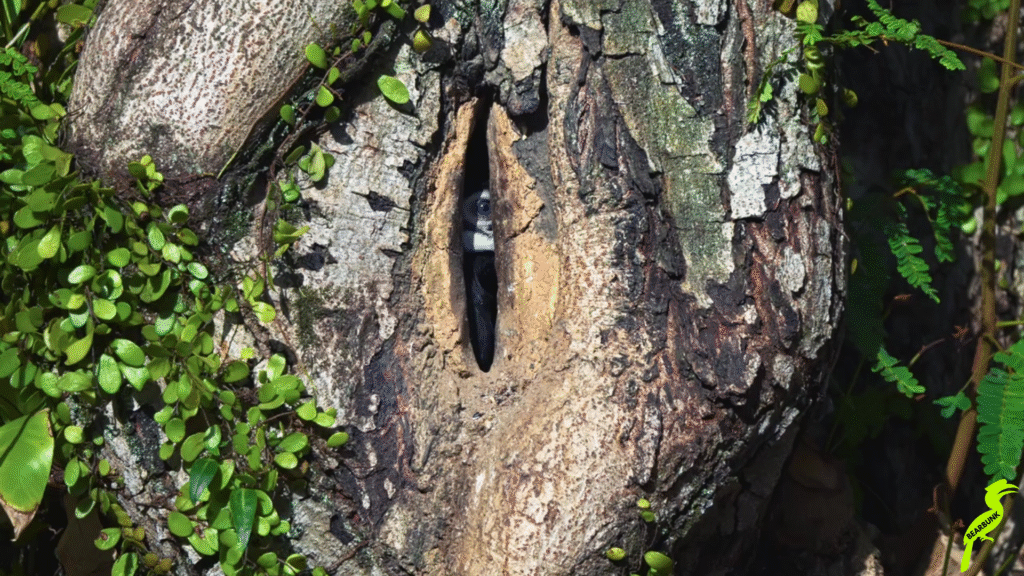
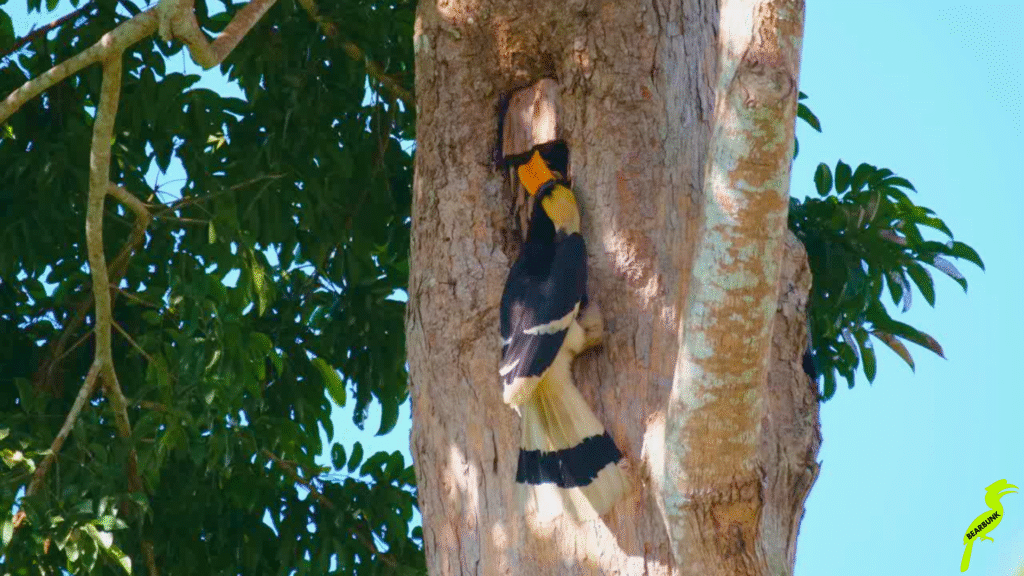
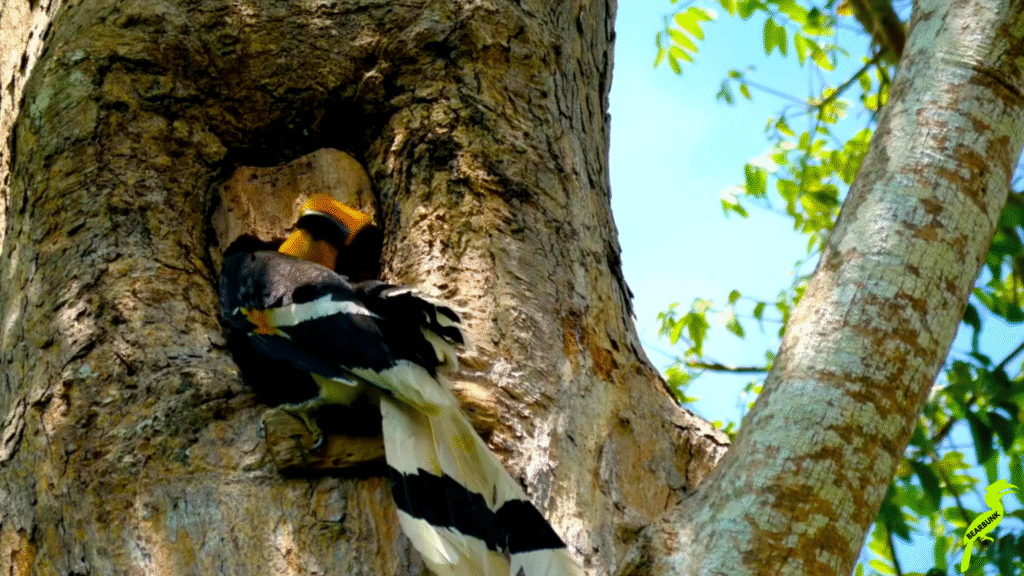
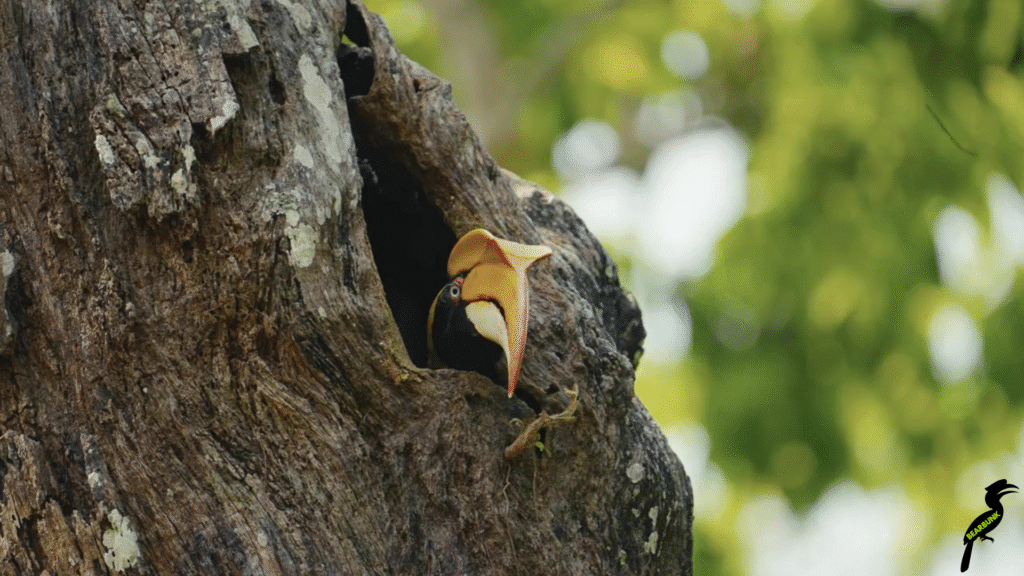
When nesting season begins, the female selects a tree cavity. Then she performs one of nature’s most remarkable feats: sealing herself inside. Using mud, fruit pulp, and droppings, she closes the entrance until only a narrow slit remains. This protects her and the upcoming chicks from predators and harsh weather.
The male becomes her sole provider, bringing food through the small opening for weeks or even months.
In some species:
- The female molts heavily inside the cavity since she cannot leave.
- After the chicks grow, the mother breaks out — then reseals the entrance, leaving the chicks safely inside while both parents continue feeding them.
- Some ground hornbills do not seal the nest cavity, showing variation across species.
Hornbill families are tight-knit, and older siblings or family members sometimes help feed new chicks, forming cooperative breeding groups.
Fun Facts
- Hornbills have loud, whooshing wingbeats that can be heard from great distances.
- Some species use their casque as a resonator to amplify calls.
- Hornbills are the only birds known to have eyelashes — stiff bristle feathers that protect their eyes.
- Their bills look heavy but are lightweight due to a hollow, honeycomb structure.
- Many species sleep together in communal roosts.
- Casques can change color as hornbills mature.
- Their calls range from booming bass notes to clown-like cackles and quacks.
Cultural Significance
Hornbills hold deep meaning in many cultures.
- In Southeast Asia, they symbolize connection between the forest and the spiritual world.
- In parts of Africa, ground hornbills appear in ceremonies and are symbols of strength and protection.
- Their strong pair bonds make them symbols of loyalty and partnership.
Conservation
Hornbills face challenges from habitat loss, especially species that rely on old-growth trees for nesting. Deforestation removes the hollow trunks they need for their sealed nests. Hunting pressures also exist in some regions, especially for feathers or casques. Protecting their forests is essential for their long-term survival.
About Hornbills
Common Name: Hornbill
Scientific Name: Bucerotidae
Family: Bucerotidae
Subfamily: Varies by species
Size: 1 to 4 feet
Weight: 1 to 8 pounds
Lifespan: 20–30 years in the wild; sometimes longer in care
Location: Africa and Asia
Habitat: Rainforests, woodlands, and savannas
Diet: Fruit, figs, insects, small reptiles, frogs
Conservation Status: Varies by species; habitat loss is a major concern
Hornbills are known for their dramatic bills, colorful casques, strong pair bonds, and unique nesting behavior. They play a vital ecological role and bring vibrant energy to the forests and savannas they inhabit.
Why We Love Them
Hornbills are bold, brilliant birds with huge personalities. Their booming calls, powerful wingbeats, and vivid colors make them unforgettable — but it’s their loyalty, intelligence, and incredible family teamwork that truly set them apart.
Conclusion
From sealed nests to thunderous flight and bright, expressive casques, hornbills are some of nature’s most fascinating birds. Their role as seed spreaders helps forests thrive, and their presence brings color and character to every habitat they touch. Protecting their ecosystems ensures these remarkable birds continue soaring through the treetops for generations to come.
Watch the Video on YouTube:
The Majestic Hornbill Nature’s Most Colorful and Comical Bird – YouTube
Learn more about:





Leave a Reply