
Meet The Tapir
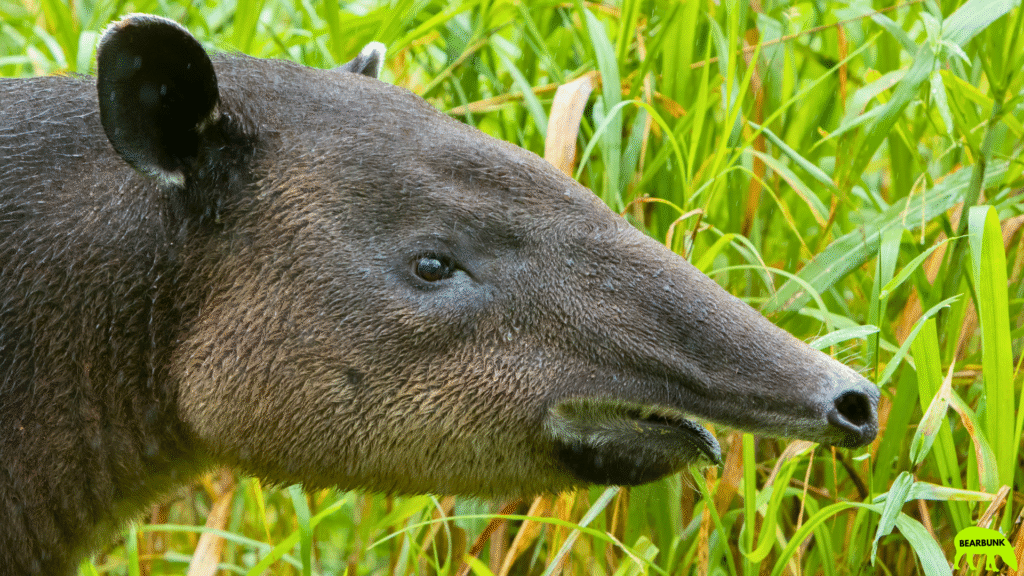
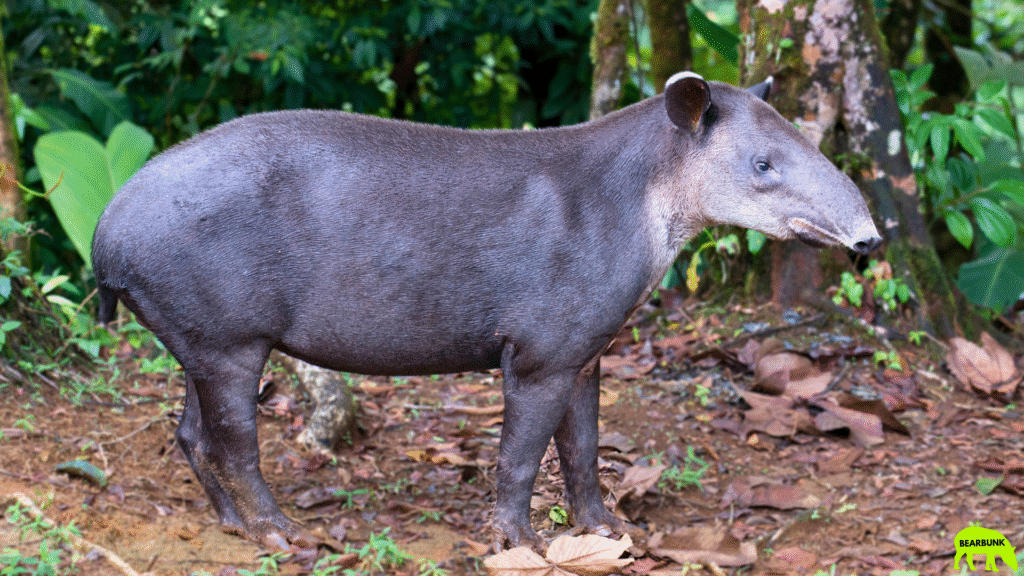
With a nose like an elephant, feet like a rhino, and a body that looks a bit like a pig, the tapir might be one of nature’s strangest mashups. These shy, gentle creatures have roamed the Earth for over 20 million years, surviving changes that wiped out much larger species. Found in the rainforests of South and Central America and parts of Southeast Asia, tapirs are quiet forest engineers — shaping their ecosystems simply by eating, walking, and, yes, pooping!


Species of Tapirs
There are four living species of tapir today, each adapted to different corners of the tropical world:
Brazilian (Lowland) Tapir (Tapirus terrestris) – The most common species, found in the Amazon Basin and much of South America. Recognizable by its dark brown coat and upright crest of short hair along its neck.
Mountain Tapir (Tapirus pinchaque) – The smallest and woolliest, living high in the Andes Mountains where it endures cooler temperatures and dense cloud forests.
Baird’s Tapir (Tapirus bairdii) – Native to Central America, from southern Mexico through Panama, with lighter facial markings that give it a gentle, expressive look.
Malayan Tapir (Tapirus indicus) – The only Asian species and easily the most striking, with its black-and-white “color-block” coat that looks almost like it’s wearing a tuxedo or a panda disguise.
Each species fills a similar ecological role — quiet foragers who help maintain forest balance by spreading seeds far and wide.
Habitat
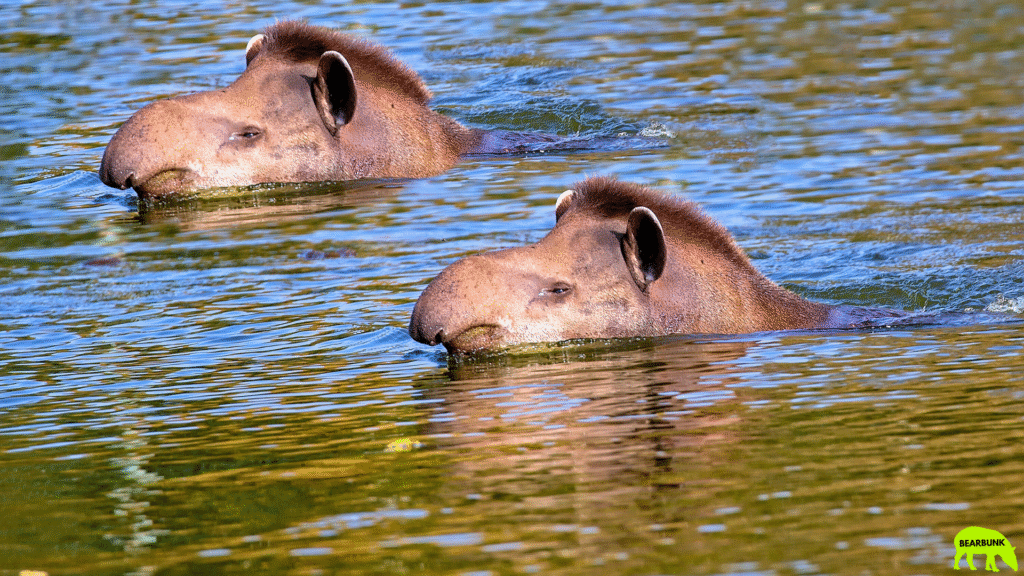
Tapirs thrive in dense rainforests, wetlands, and cloud forests — always near water. Excellent swimmers, they use rivers and ponds both for cooling off and escaping predators. The Malayan tapir prefers lowland forests in Southeast Asia, while its American cousins inhabit everything from the flooded Amazon to misty mountain valleys in Colombia and Ecuador.
Diet
Tapirs are herbivores that feed on leaves, twigs, shoots, and fallen fruit. Using their short, flexible snout like a mini trunk, they grab mouthfuls of vegetation or pluck fruit straight from branches. A single tapir can eat up to 75 pounds of plants a day, and many of the seeds they swallow later sprout in their droppings — earning them the nickname “gardeners of the forest.”
Share On Social:
Mating & Raising Young
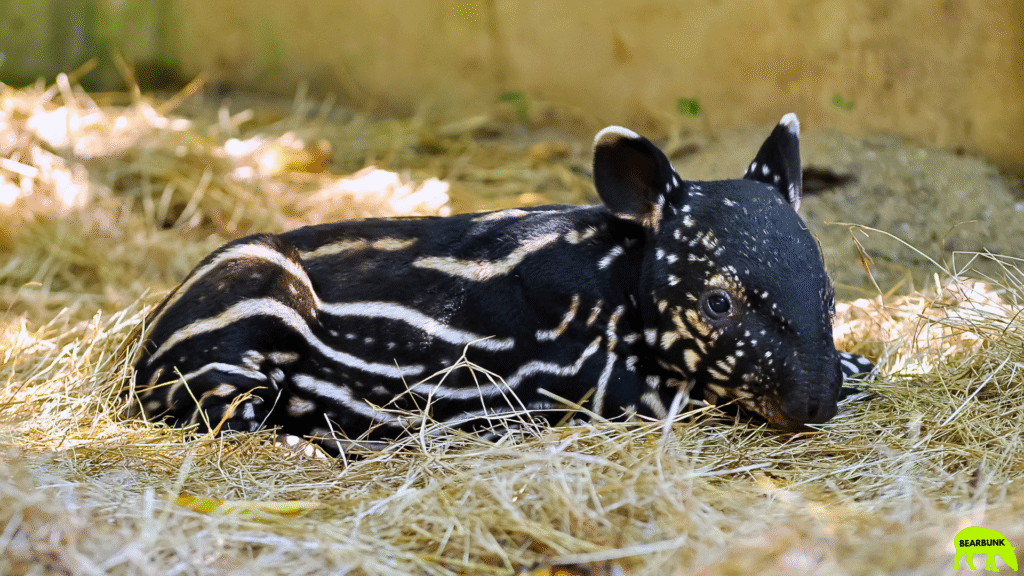
Tapirs usually live solitary lives, coming together only during breeding season. After a gestation period of about 13 months, a female gives birth to a single calf covered in white stripes and spots — camouflage that helps it blend into the dappled light of the forest floor. These markings fade as the youngster grows, disappearing by about six months of age. Calves stay close to their mothers for nearly a year, learning where to feed and how to navigate rivers and trails safely.



Fun Facts
- Ancient survivors: Tapirs belong to the same order as horses and rhinos (Perissodactyla), tracing their lineage back over 20 million years.
- Built-in snorkel: Their flexible nose doubles as a snorkel when swimming.
- Forest gardeners: By spreading seeds through their droppings, they help entire rainforests regenerate.
- Camo kids: Baby tapirs are born with stripes and spots for camouflage.
- Flehmen response: They sometimes lift their heads and curl their upper lips to “taste” scents in the air — their way of detecting pheromones and other tapirs nearby.
About Binturong
Common Name: Tapir
Scientific Name: Tapirus terrestris, Tapirus bairdii, Tapirus pinchaque, Tapirus indicus
Family: Tapiridae
Order: Perissodactyla
Size: 6–8 feet long; up to 3 feet tall at the shoulder
Weight: 300–700 pounds depending on species
Lifespan: 25–30 years
Location: Central and South America, Southeast Asia
Habitat: Rainforests, wetlands, cloud forests
Diet: Leaves, fruit, shoots, aquatic plants
Conservation Status: Endangered (most species)
Tapirs are living relics — gentle, curious, and perfectly designed for the environments they help sustain.
Why We Love Them
There’s something irresistibly calm about tapirs. They move quietly, think before reacting, and spend their lives nurturing forests without even trying. Their odd blend of features — elephant nose, rhino feet, pig-like body — makes them look like a prehistoric experiment that nature decided to keep.
Conclusion
From their ancient origins to their role as rainforest gardeners, tapirs prove that even the quietest creatures can have an enormous impact. They remind us that survival isn’t about being fierce — it’s about balance, adaptability, and harmony with the world around you.
Watch the Video on YouTube:
Meet the Tapir — a Mysterious, Ancient, and Weirdly Cute Perissodactyl
Learn more about:
Mammals, Rainforest, Asian Wildlife, Keystone Species








Leave a Reply